Atrial Fibrillation Diet: Foods That May Help and Foods to Limit
Medical note: This article discusses foods and researched botanicals. It does not claim to prevent, treat, or cure disease. Supplements are not a substitute for food, and studied amounts are not personal prescriptions.
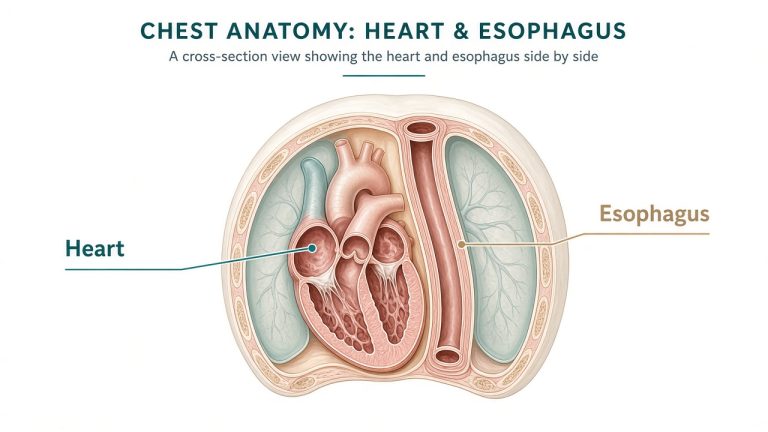
People searching “atrial fibrillation diet foods that may help or worsen” usually want a heart-rhythm-aware grocery plan, not a promise that food will silence every flutter. NHLBI explains that atrial fibrillation (A-fib) is managed with lifestyle changes, medicines, and procedures, and that providers may recommend heart-healthy eating such as the DASH eating plan, a healthy weight, limiting alcohol or stimulants that raise heart rate, activity, stress management, and quitting smoking. NHS notes some people try to avoid triggers such as caffeine, spicy food, stress, dehydration, and lack of sleep. Diet is supportive alongside anticoagulation and rhythm or rate control—it does not replace those therapies or lower stroke risk by itself.
What this atrial fibrillation diet guide covers (and what it does not)
This guide is for adults living with A-fib (or caring for someone who is), including people newly diagnosed after a fast, irregular pulse. Anchors: NHLBI — Atrial Fibrillation, NHLBI — Atrial Fibrillation Treatment, NHLBI — DASH Eating Plan, MedlinePlus — Atrial Fibrillation, and NHS — Atrial fibrillation.
NHLBI warns untreated A-fib can lead to stroke or heart failure; blood may pool and clot. Sudden one-sided weakness, facial droop, speech trouble, crushing chest pain, or severe shortness of breath is an emergency—call local emergency services, do not wait on a meal plan.
Evidence snapshot: A-fib diet claims vs public sources
| Claim people hope for | What public sources actually say | Confidence |
|---|---|---|
| “Heart-healthy eating matters in A-fib” | NHLBI lists choosing heart-healthy foods / DASH (lower salt to help blood pressure) among lifestyle changes for A-fib | Moderate as part of overall care |
| “Weight loss reduces A-fib burden” | NHLBI: aim for a healthy weight to reduce severity and number of episodes | Moderate |
| “Alcohol is a common trigger” | NHLBI: limit or avoid alcohol or stimulants that may increase heart rate; NHS lists lifestyle support to drink less | Moderate–strong for many patients |
| “Caffeine is always forbidden” | NHS lists caffeine among possible triggers some people avoid; individual response varies—ask your clinician | Low–moderate; personalize |
| “Diet replaces blood thinners” | NHLBI discusses anticoagulants to prevent clots and lower stroke risk; food patterns are separate from that indication | Strong that diet does not replace anticoagulation when prescribed |
Foods and patterns that may help with atrial fibrillation risk factors
“May help” means supporting blood pressure, weight, and heart-healthy patterns that NHLBI ties to A-fib care—not converting A-fib to sinus rhythm by salad alone.
DASH-style defaults (NHLBI)
- – Vegetables, fruits, and whole grains
- – Fat-free or low-fat dairy, fish, poultry, beans, nuts, and vegetable oils
- – Limit foods high in saturated fat (fatty meats, full-fat dairy, coconut/palm oils)
- – Limit sugar-sweetened beverages and sweets
Practical “often recommended” plates
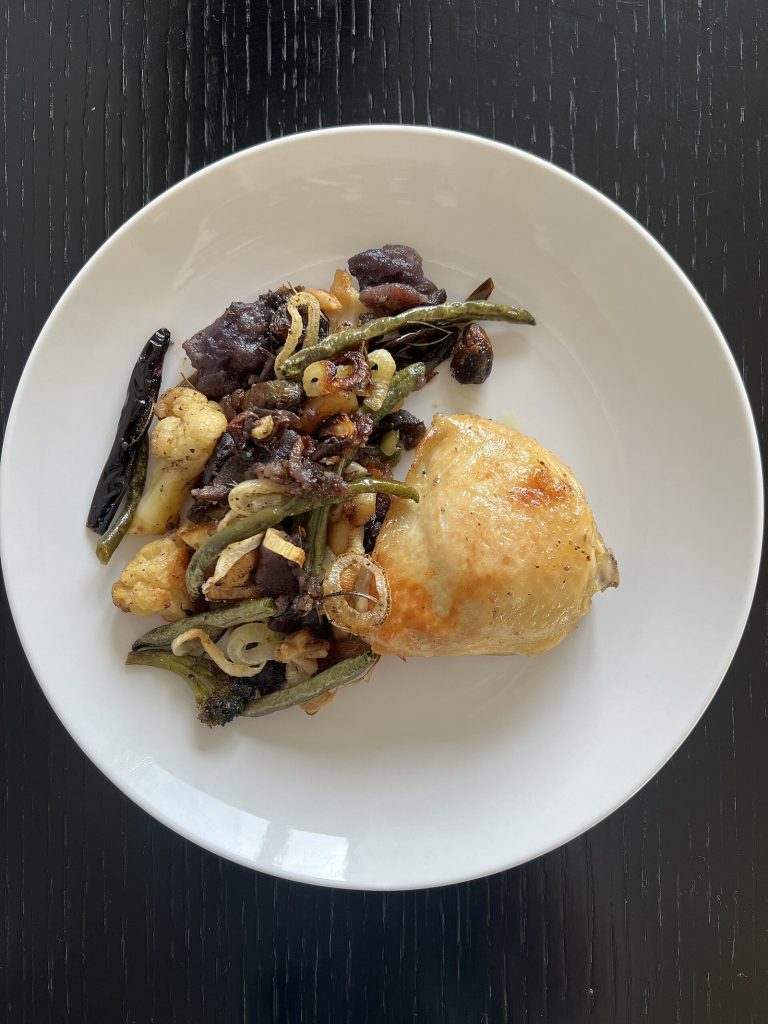
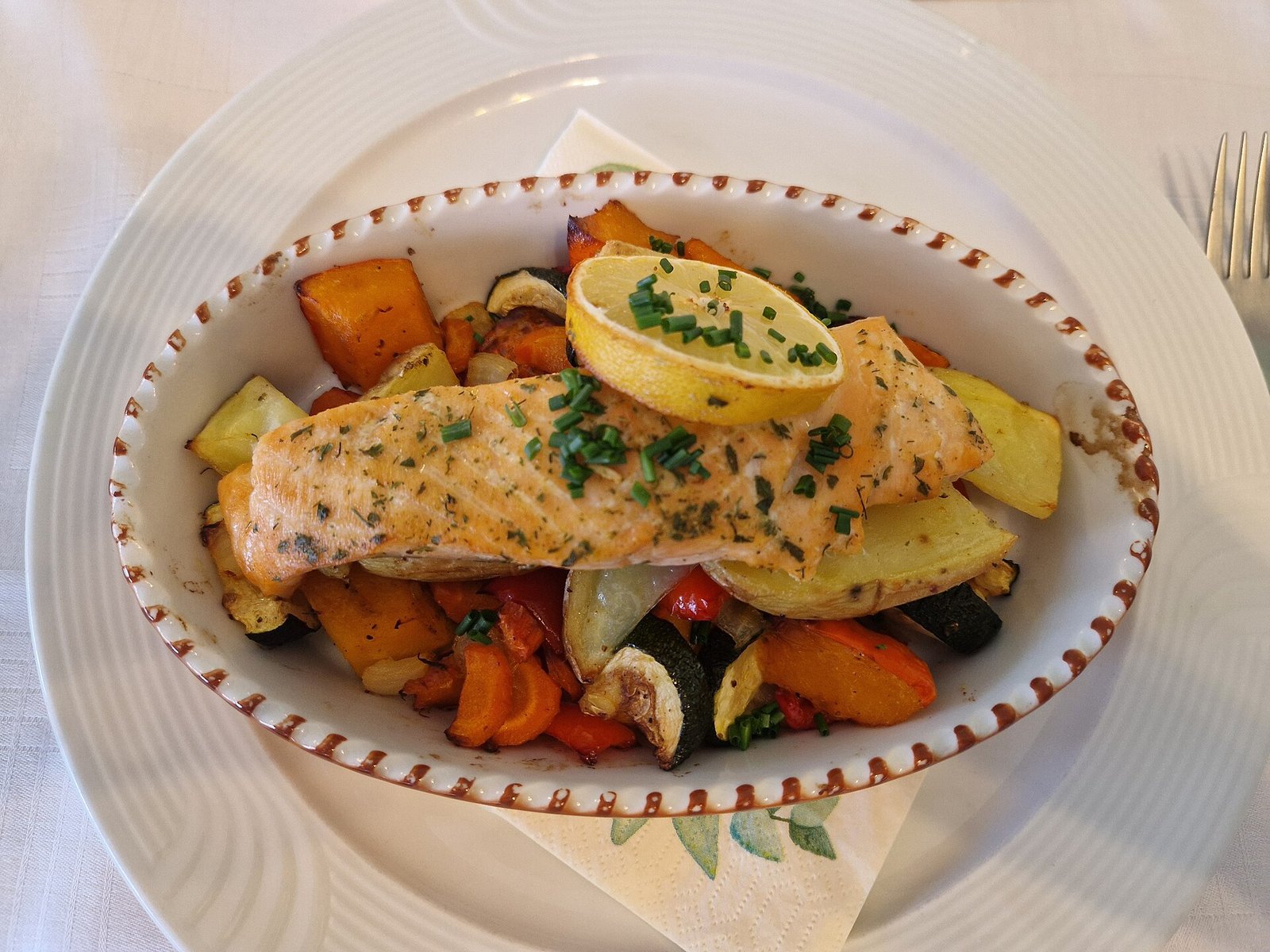
- – Baked or grilled fish and skinless poultry instead of fried cuts
- – Beans and lentils as affordable protein with fiber
- – Potassium-rich produce (bananas, potatoes, leafy greens) as part of DASH—only if your clinician has not restricted potassium because of medicines or kidney disease
- – Herbs, lemon, garlic, and pepper for flavor when you are cutting salt
Lifestyle partners NHLBI names beside food
- – Physical activity as approved
- – Stress management
- – Smoking cessation support
- – Treatment of sleep apnea, overweight, or thyroid disease when present
Foods and habits that often worsen atrial fibrillation patterns
- – Heavy or binge alcohol—NHLBI advises limiting or avoiding alcohol; many people notice holiday “holiday heart” flares.
- – Stimulants that raise heart rate (NHLBI)—including some energy drinks and excess caffeine for sensitive people (NHS trigger list).
- – Very high-salt packaged and restaurant meals that push blood pressure up—DASH explicitly reduces salt.
- – Sugar-sweetened drinks and frequent sweets (DASH limits).
- – Fatty fried meats and full-fat dairy as the default when DASH asks you to limit saturated fat.
- – Dehydration and skipped meals on hot days or during illness—NHS lists dehydration among possible triggers some people watch.
- – Stopping anticoagulants or rate/rhythm medicines to “try diet instead”—never do this without a cardiology plan.
“Limit” means reduce dose and frequency under your care team—not that one salty soup equals a stroke.
Practical kitchen protocol: an atrial fibrillation diet week
1. Align food with your medicine list first
If you take warfarin, ask about consistent vitamin K intake (leafy greens are not automatically banned—consistency matters). Newer anticoagulants have different food rules—confirm with your pharmacist. Do not start grapefruit-heavy patterns or herbal “heart cleanses” without review.
2. Build a DASH grocery core
Produce for half the cart; whole grains; low-fat dairy or fortified alternatives; fish twice weekly if possible; beans; unsalted nuts; olive or other vegetable oils in measured amounts; herbs instead of a salt shaker.
3. Salt audit for three days
Read labels on bread, sauces, soups, and deli meats—the quiet sodium sources. Aim toward the lower-salt pattern your clinician sets for blood pressure; NHLBI links DASH’s salt reduction to blood-pressure help.
4. Alcohol and stimulant plan
Write a clear weekly alcohol limit (including “none”) with your clinician. Move energy drinks off the shopping list if they trigger palpitations. Trial lower caffeine only with medical guidance if you suspect it as a personal trigger (NHS).
5. Sample day (illustrative)
- – Breakfast: oatmeal with berries and low-fat milk or yogurt.
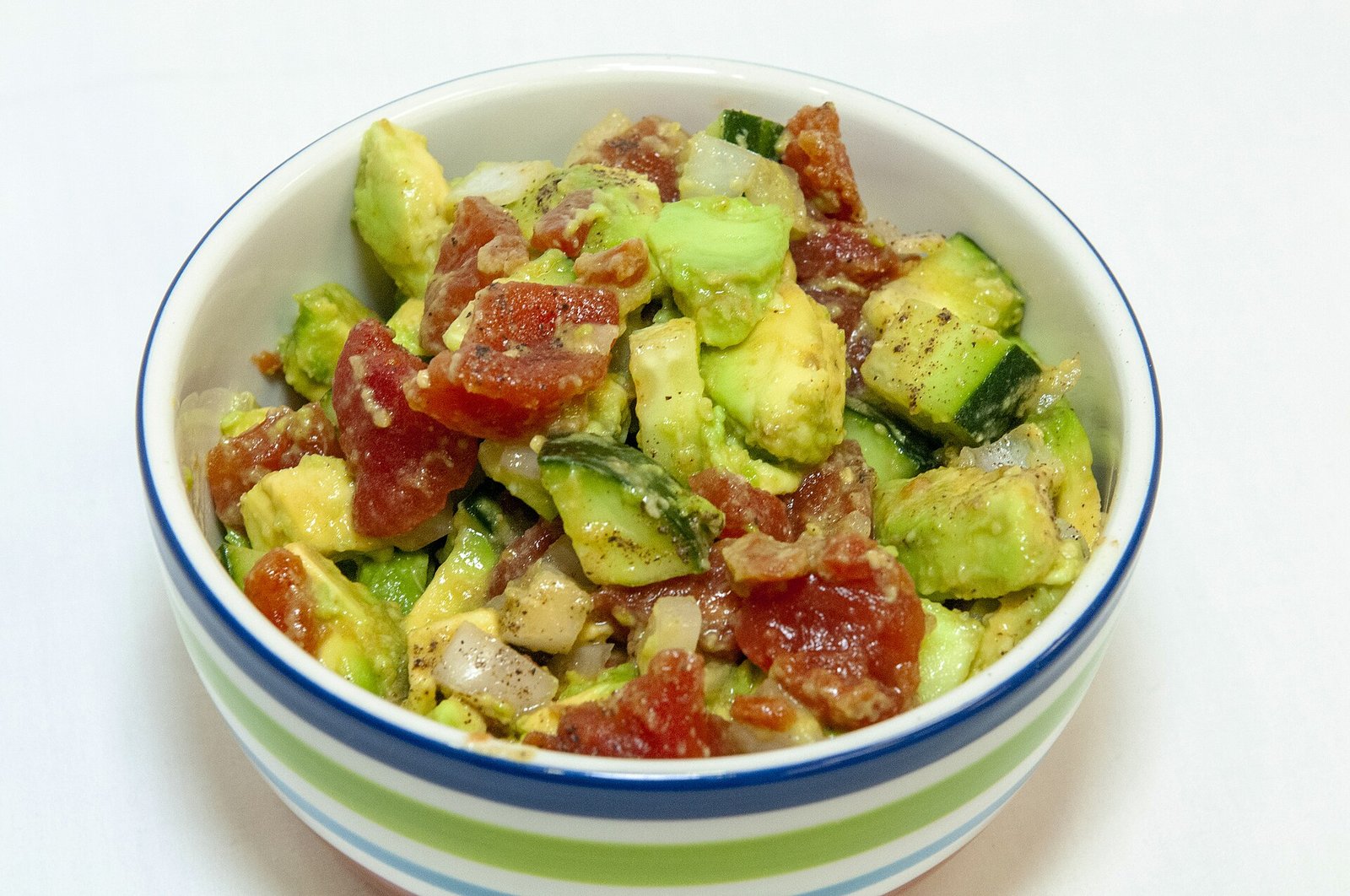
- – Lunch: large salad with chickpeas, cucumber, tomato, and grilled chicken; olive-oil vinaigrette measured.
- – Snack: fruit and a small handful of unsalted nuts.
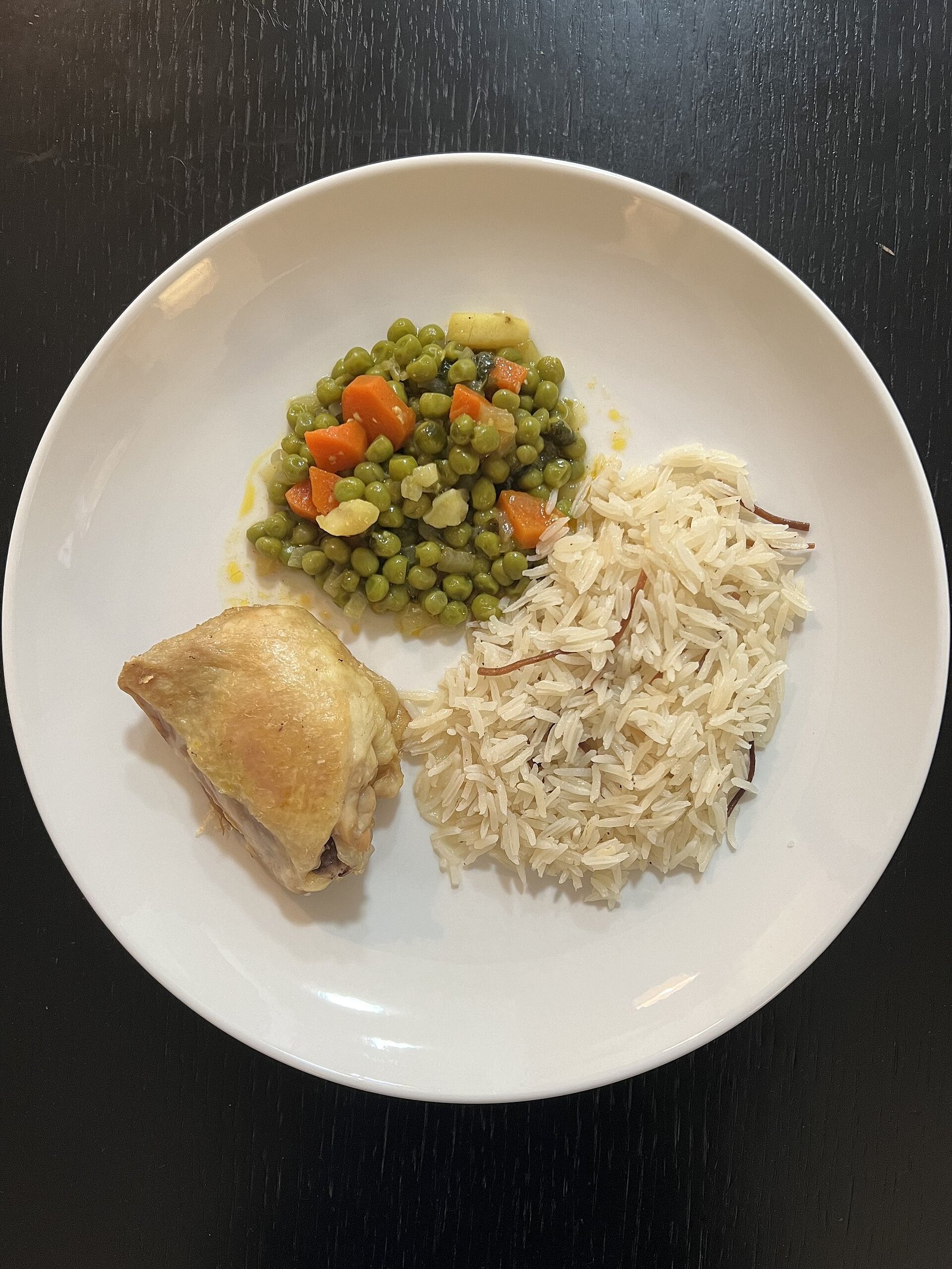
- – Dinner: baked salmon on vegetables; brown rice; side fruit.
- – Drinks: water or unsweetened tea; alcohol only if your plan allows, not as a nightly default.
6. Eating out
Order grilled fish or poultry, double vegetables, sauce on the side, and skip the bottomless bread-and-salt combo when possible. Ask for no added salt if blood pressure is a target.
7. Sick-day and procedure days
Follow fasting instructions exactly before cardioversion or procedures. Afterward, restart heart-healthy eating as cleared—nausea is not a reason to load fried comfort food if it triggers reflux or palpitations for you.
Safety, interactions, and who should ask a clinician first
- – Stroke symptoms (FAST: face, arm, speech, time) or severe chest pain/shortness of breath: emergency care immediately.
- – NHLBI: blood thinners lower stroke risk but raise bleeding risk—report black stools, vomiting blood, severe headache, or uncontrolled bleeding.
- – Kidney disease, high potassium, or certain blood-pressure medicines may require individualized fruit/vegetable limits—do not copy generic potassium advice blindly.
- – Sleep apnea, thyroid disease, and obesity can drive A-fib (NHLBI)—diet supports weight goals but does not replace CPAP or thyroid care.
- – Herbal stimulants, high-dose caffeine pills, and recreational stimulants can be dangerous with arrhythmias—disclose everything you take.
FAQ
Can an atrial fibrillation diet stop A-fib without medicine? NHLBI frames lifestyle changes as part of treatment with medicines and sometimes procedures. Food does not replace anticoagulation when you need it for stroke prevention.
Is the DASH diet specifically proven to “cure” A-fib? DASH is NHLBI’s heart-healthy, lower-salt pattern recommended among lifestyle measures; it is not marketed as an A-fib cure. Benefits often run through blood pressure and overall cardiometabolic health.
Should I quit coffee completely? Not automatically. NHS lists caffeine as a trigger some people avoid; others tolerate modest morning coffee. Track symptoms with your clinician rather than guessing.
Do I need to avoid all green vegetables on warfarin? Usually you need a consistent vitamin K pattern, not zero vegetables. Get personalized diet counseling if you use warfarin.
How this differs from related OTCFood topics
This page is a rhythm-aware atrial fibrillation diet guide emphasizing DASH patterns, alcohol/stimulant limits, and stroke red flags. It is not a high blood pressure foods guide page alone, not a heart failure diet guide fluid-and-sodium protocol, not a high cholesterol diet guide LDL-focused plan, and not a sleep apnea diet guide guide—though those conditions often travel with A-fib.
Medical disclaimer
Medical disclaimer: This article is for general information only. It is not medical advice, diagnosis, or a treatment plan. Atrial fibrillation care depends on your stroke risk score, heart rate/rhythm strategy, imaging, and medicines. Talk with a licensed clinician or registered dietitian before changing diet, supplements, alcohol intake, or cardiac medications. Call emergency services for stroke or heart-attack warning signs.