Diet After Parathyroidectomy: Foods That May Help and Foods to Limit
Medical note: This article discusses foods and researched botanicals. It does not claim to prevent, treat, or cure disease. Supplements are not a substitute for food, and studied amounts are not personal prescriptions.
People searching “diet after parathyroidectomy foods that help or worsen” usually want calcium-and-vitamin-D clarity after parathyroid surgery—not a claim that food rebuilds glands or replaces lab checks, calcium tablets when prescribed, or surgical follow-up. NIDDK explains that primary hyperparathyroidism means one or more parathyroid glands make too much parathyroid hormone (PTH), raising blood calcium and risking bone thinning and kidney stones. Surgery to remove overactive gland tissue is described as the only sure way to cure primary hyperparathyroidism, and low calcium levels may occur after surgery before returning toward normal in days to weeks for many people.
What this after-parathyroidectomy diet guide covers (and what it does not)
This guide is for adults recovering from parathyroidectomy for primary hyperparathyroidism who want practical eating patterns while they follow calcium labs and prescription calcium/vitamin D if ordered. Anchors: NIDDK — Primary hyperparathyroidism, MedlinePlus — Hyperparathyroidism, and MedlinePlus — Calcium in diet.
NIDDK notes that when surgery is performed by experienced surgeons it almost always cures primary hyperparathyroidism; uncommon problems include vocal-cord nerve issues and, rarely, lasting hypoparathyroidism if too little parathyroid tissue remains. For diet in primary hyperparathyroidism overall, NIDDK states you do not need to change your diet or limit calcium from food and beverages, and that vitamin D supplements are used if vitamin D is low—doses decided with a clinician. If lasting low calcium develops after loss of healthy parathyroid tissue, both calcium and vitamin D may be needed lifelong. Kitchen habits support those orders; they do not replace emergency plans for severe hypocalcemia symptoms. Related reading: hyperparathyroidism diet guide, calcium deficiency diet guide, vitamin D deficiency diet guide, and diet after thyroidectomy guide.
Evidence snapshot: after-parathyroidectomy diet claims vs public sources
| Claim people hope for | What public sources actually say | Confidence |
|---|---|---|
| “Avoid all calcium forever after parathyroid surgery” | NIDDK: you don’t need to limit dietary calcium in primary hyperparathyroidism; after surgery, temporary low calcium can occur and may require prescribed calcium—follow your surgeon/endocrinologist | Strong: do not invent lifelong bans |
| “Food alone prevents postoperative hypocalcemia” | NIDDK: low calcium after surgery usually returns toward normal in days/weeks; rare lasting hypoparathyroidism needs medical calcium and vitamin D | Strong: prescriptions matter |
| “Extra vitamin D megadoses speed healing of the neck incision” | Vitamin D dosing is lab-guided; NIDDK ties supplements to low levels and clinician advice—not wound cosmetics | Strong: ask first |
| “Kidney-stone history means zero dairy forever after cure” | Stone risk management is individualized; curing hyperparathyroidism can lower stone chance per NIDDK surgery benefits—diet still needs clinician input | Moderate: individualize |
| “Skipping prescribed calcium if you ‘eat kale’ is equivalent” | Leafy greens help dietary calcium (MedlinePlus calcium-in-diet), but prescribed doses after surgery are medical, not optional salad equivalents | Strong: take prescribed calcium as directed |
Foods and patterns that may help after parathyroidectomy day to day
“May help” means supporting prescribed calcium/vitamin D plans and steady meals while the neck heals—not replacing labs.
Take prescribed calcium and vitamin D exactly as written
- – Temporary low calcium after parathyroidectomy is recognized by NIDDK; your team may prescribe chewable calcium carbonate/citrate and vitamin D forms on a schedule, sometimes before tingling starts.
- – Keep doses visible next to water; set phone alarms for the first two weeks.
Include normal dietary calcium sources unless told otherwise
- – NIDDK: no need to limit calcium from foods/beverages for primary hyperparathyroidism dietary framing.
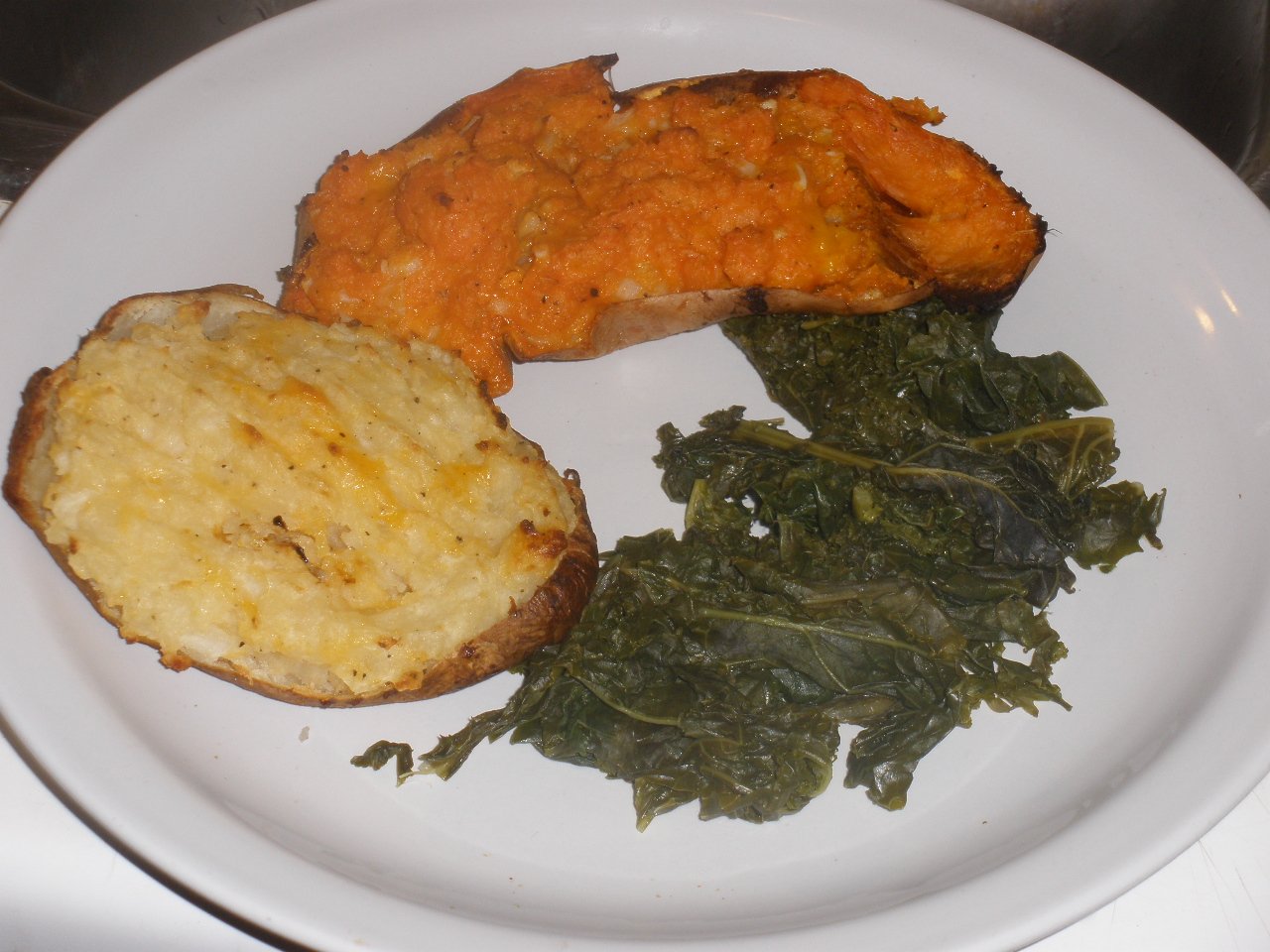
- – MedlinePlus calcium-in-diet examples include dairy (milk, yogurt, cheese), fortified plant milks/juices/cereals, canned salmon/sardines with soft bones, and greens such as kale, collards, bok choy, and broccoli.
- – Pair vitamin D–containing or fortified foods as your clinician allows; see vitamin D deficiency diet guide.
Soft, easy meals the first days after neck surgery
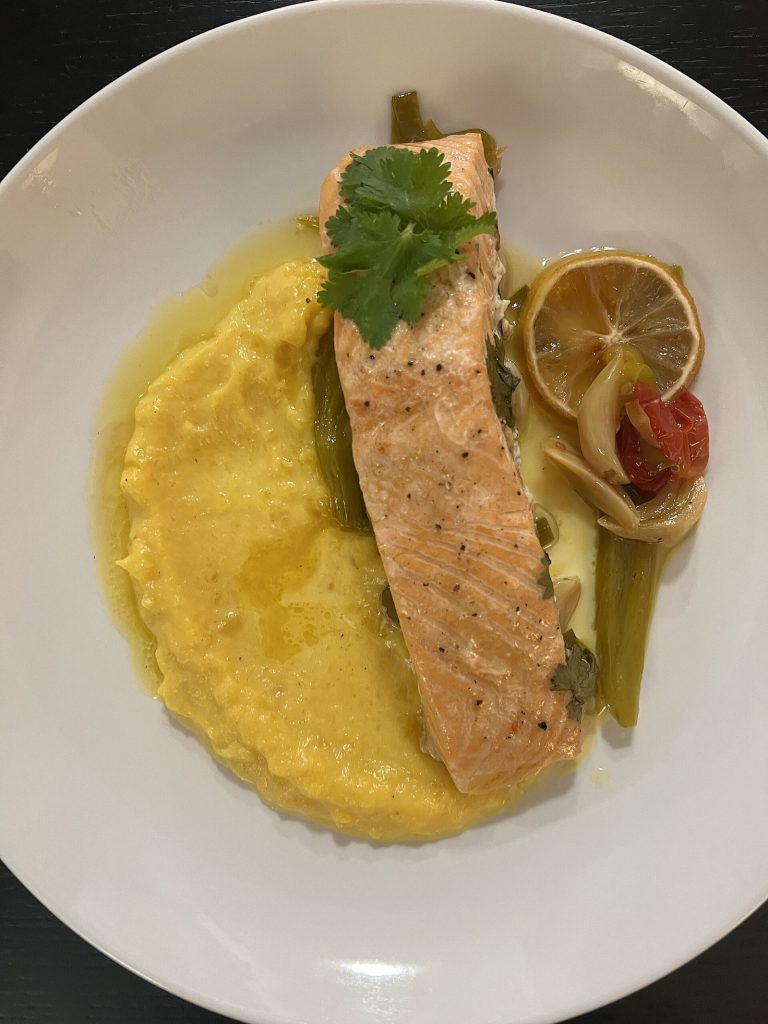
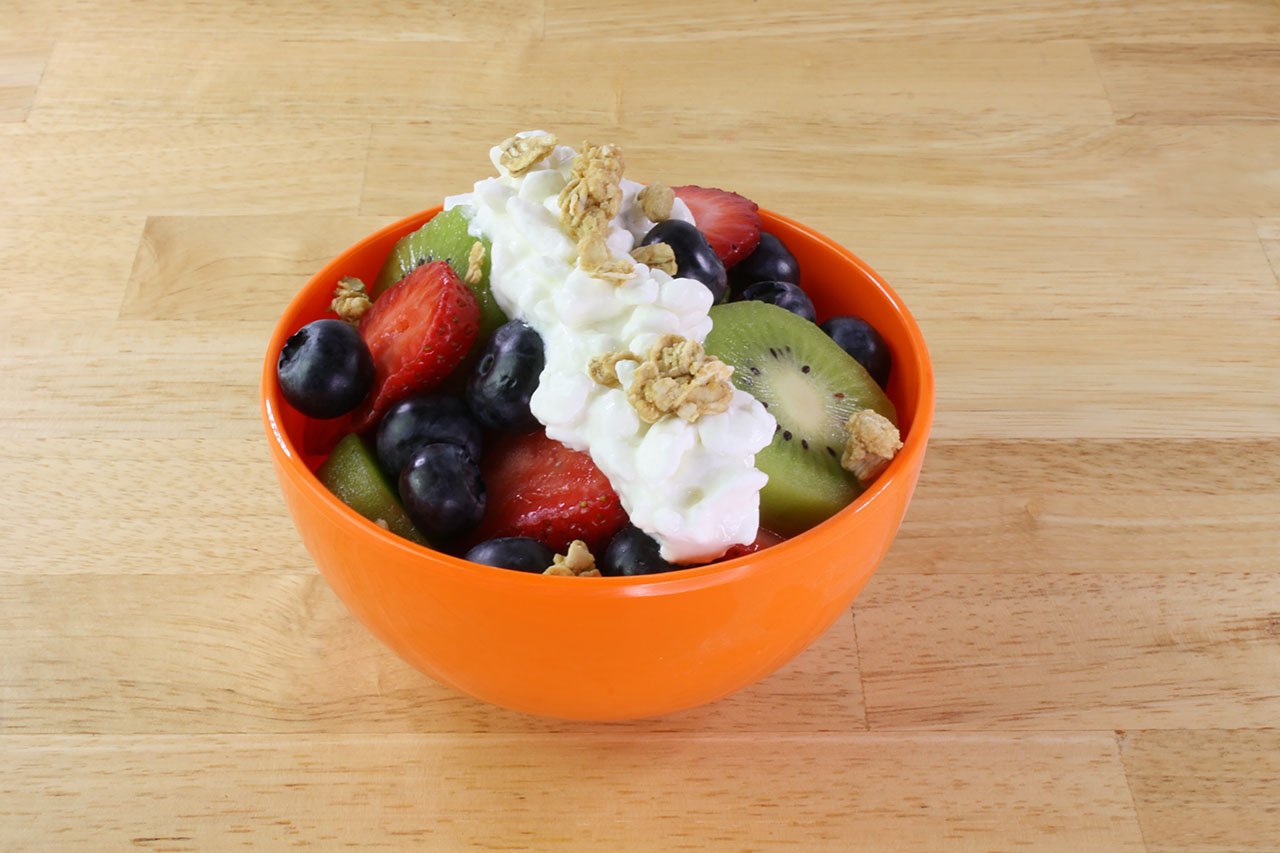
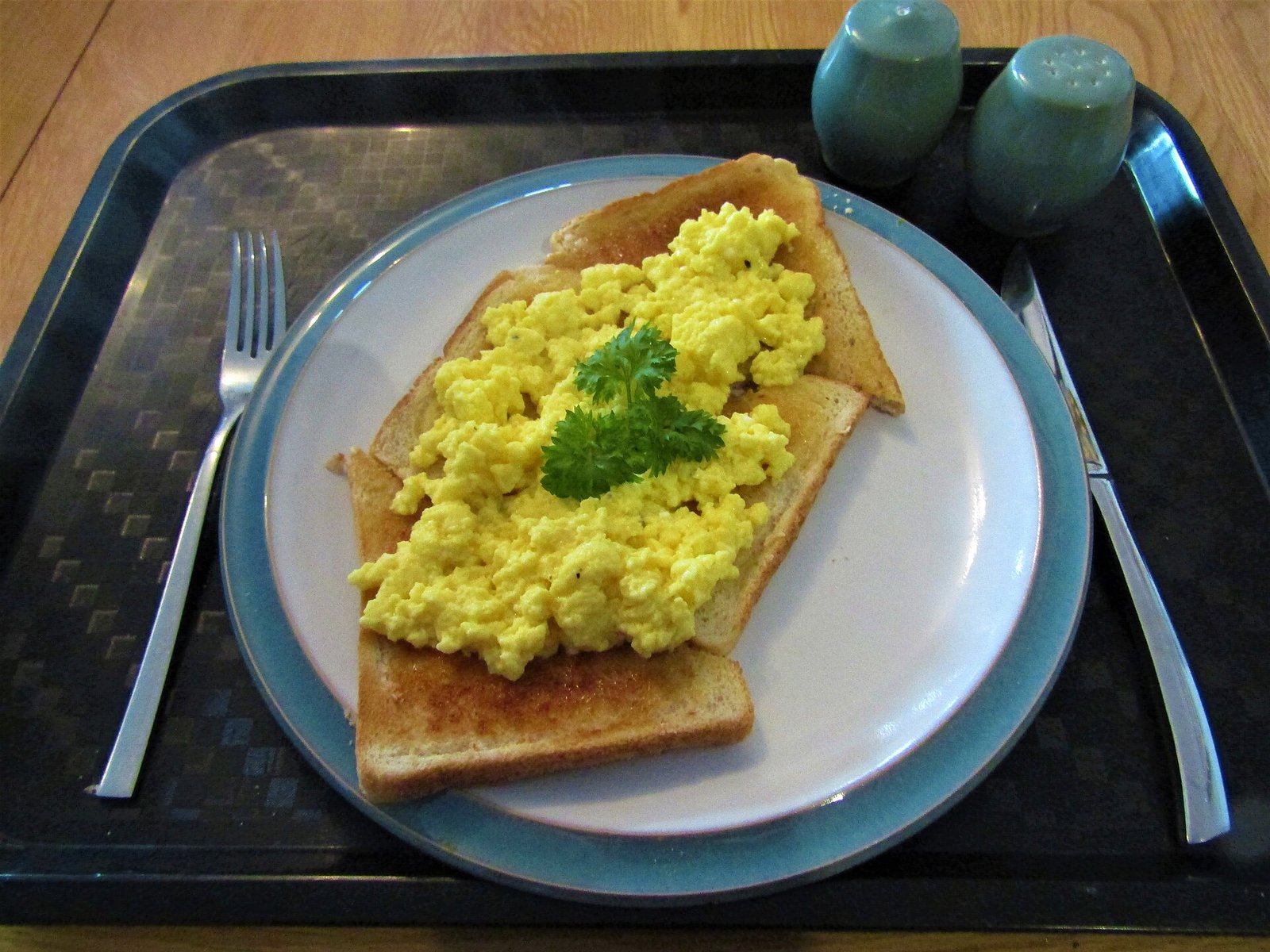
- – Yogurt, scrambled eggs, soups, smoothies (if swallowing is comfortable), oatmeal, and tender fish reduce chewing strain when the incision is sore—similar practical softness themes as diet after thyroidectomy guide without claiming identical hormone needs.
Hydration and regular meals
- – NIDDK monitoring advice for nonsurgical patients includes drinking plenty of water to avoid dehydration; after surgery, steady fluids still support general recovery and constipation prevention if pain medicines are used.
- – Do not chase extreme “alkaline water protocols” as parathyroid substitutes.
Bone-supportive patterns long term
- – After cure of hyperparathyroidism, NIDDK notes surgery can improve bone density; continue protein-containing meals, produce, and activity cleared by your surgeon—see osteoporosis diet guide and calcium deficiency diet guide for broader bone-nutrition context.
Foods and habits that often worsen after-parathyroidectomy kitchen patterns
- – Stopping prescribed calcium because symptoms “feel better for an afternoon.”
- – Self-ordering high-dose vitamin A/D stacks from influencers.
- – Very low-calorie juice fasts that skip protein while you are healing.
- – Heavy alcohol that impairs sleep, hydration, and medicine schedules.
- – Ignoring tingling, numbness around lips/fingers, muscle cramps, or spasms—classic reasons to call the surgical team promptly.
- – Thiazide diuretics or other medicines changed without clinician input (NIDDK monitoring notes mention avoiding certain diuretics in nonsurgical monitoring contexts—medication lists still need review after surgery).
- – Assuming dietary calcium must stay permanently restricted because stones occurred before the operation.
“Limit” means limiting improvisation with supplements and crash diets—not eliminating nutritious calcium foods your team still wants.
Practical kitchen protocol: an after-parathyroidectomy diet week
1. Keep the medical spine first
Confirm discharge calcium/vitamin D doses, when to draw labs, incision care, voice/swallow precautions, and emergency contact rules for hypocalcemia symptoms. Know whether you had focused parathyroidectomy or bilateral exploration (NIDDK describes both).
2. Shopping list
Yogurt, milk or fortified alternative; cheese if tolerated; canned salmon; leafy greens; broccoli; eggs; soft breads/oats; olive oil; oral rehydration or water bottles; prescribed calcium tablets (pharmacy, not optional “natural only” substitutes unless clinician approved).
3. Default plate template (after clear liquids advance)
- – Soft protein
- – Calcium-containing food if desired/allowed
- – Fruit/vegetables
- – Fluid with each meal
- – Scheduled calcium tablets separate from guessing with food alone
4. Sample day (illustrative once eating normally)
- – Breakfast: scrambled eggs; yogurt; fruit; morning calcium dose if prescribed then.
- – Lunch: lentil or chicken soup; soft bread; water.
- – Snack: cheese stick or fortified plant yogurt; afternoon calcium if on schedule.
- – Dinner: baked fish, rice, cooked greens; water.
- – Evening: warm fluid; evening calcium/vitamin D exactly as written.
5. Travel and work tips
Carry chewable calcium in the original labeled bottle; do not check it in luggage for short trips. Keep a written dose list for partners.
6. If lasting hypoparathyroidism is diagnosed
NIDDK: lifelong calcium and vitamin D may be required—diet supports but does not replace that medical plan. Stay linked with endocrinology.
Safety, interactions, and who should ask a clinician first
- – Severe hypocalcemia can be urgent: muscle spasms, seizures, chest discomfort, or breathing trouble need emergency care.
- – Kidney disease changes calcium/vitamin D choices.
- – Digoxin or other heart medicines may interact with calcium shifts—share full medicine lists.
- – Constipation from calcium carbonate: ask about citrate forms, fluids, and fiber rather than stopping doses unilaterally.
- – Persistent hoarseness or swallowing trouble: surgical follow-up, not spicy-food experiments.
FAQ
Will I need to avoid calcium foods after a successful parathyroidectomy? NIDDK does not tell people with primary hyperparathyroidism to limit dietary calcium; postoperative calcium needs are prescription- and lab-driven. Follow your team.
Why did my calcium drop after surgery? NIDDK notes low calcium may occur after surgery and usually improves over days to weeks; rare lasting hypoparathyroidism needs ongoing treatment.
Are greens enough instead of tablets? Greens help dietary calcium (MedlinePlus), but prescribed postoperative doses are medical. Do not substitute kale for tablets without approval.
How is this different from a hyperparathyroidism diet page? See hyperparathyroidism diet guide for pre-op disease context; this page focuses on the postoperative calcium schedule and soft recovery meals.
Can diet prevent kidney stones after cure? Surgery can lower stone chance per NIDDK; fluid and diet details still belong with your clinician, especially if stones already formed.
How this differs from related OTCFood topics
This page is a parathyroidectomy-bound diet guide focused on prescribed calcium/vitamin D adherence, normal dietary calcium unless restricted, and soft early meals. It is not a thyroid hormone dosing guide and not a DIY neck-surgery protocol.
Medical disclaimer
Medical disclaimer: This article is for general information only. It is not medical advice, diagnosis, or a treatment plan. Care after parathyroidectomy depends on surgical findings, calcium labs, vitamin D status, kidney function, and your surgeon/endocrinologist’s protocol. Talk with a clinician or registered dietitian before starting, stopping, or changing any eating plan, supplement, or medicine. Seek urgent care for severe tingling, muscle spasms, seizures, or trouble breathing.