Sarcoidosis Diet: Foods That May Help and Foods to Limit
Medical note: This article discusses foods and researched botanicals. It does not claim to prevent, treat, or cure disease. Supplements are not a substitute for food, and studied amounts are not personal prescriptions.
People searching “sarcoidosis diet foods that help or worsen” usually want kitchen habits that support energy, bone health during steroid courses, and clinician-directed calcium guidance—not a claim that food dissolves granulomas or replaces prednisone, monitoring, or specialty care. MedlinePlus describes sarcoidosis as immune-driven granulomas that most often involve the lungs and chest lymph nodes. NHLBI emphasizes medicines for inflammation when needed, lifestyle supports such as activity and not smoking, and—when blood or urine calcium runs high—practical steps that can include drinking plenty of fluids and eating fewer calcium-rich foods as directed.
What this sarcoidosis diet guide covers (and what it does not)
This guide is for adults living with pulmonary or multi-organ sarcoidosis who want food-pattern clarity while they follow imaging, labs, and medicine plans. Anchors: MedlinePlus — Sarcoidosis, NHLBI — What is sarcoidosis?, NHLBI — Treatment, and NHLBI — Living with sarcoidosis.
NHLBI notes that not everyone needs medicine; some cases remit with watchful follow-up. When treatment is used, corticosteroids such as prednisone are common, and long-term steroid use can raise risks that include high blood sugar or blood pressure, weight gain, increased appetite, and osteoporosis. NHLBI living guidance encourages regular physical activity as tolerated, quitting smoking, adequate sleep, and mental-health support. Kitchen changes do not replace eye, heart, kidney, or neurologic red-flag monitoring. Related reading: vitamin D deficiency diet guide, calcium deficiency diet guide, and osteoporosis diet guide.
Evidence snapshot: sarcoidosis diet claims vs public sources
| Claim people hope for | What public sources actually say | Confidence |
|---|---|---|
| “An anti-inflammatory diet cures sarcoidosis” | NHLBI frames remission/control with clinical monitoring and medicines when needed—not culinary cures | Strong: food is supportive |
| “Everyone with sarcoidosis must avoid all calcium and vitamin D forever” | NHLBI notes that if calcium in blood or urine is too high, measures may include fluids and eating fewer calcium-rich foods—individualize with labs | Moderate: only when hypercalcemia/hypercalciuria is present |
| “Steroid side effects mean kitchen work doesn’t matter” | NHLBI lists weight gain, appetite increase, blood sugar/pressure changes, and osteoporosis risk with long-term corticosteroid pills—meal structure may help cope | Moderate for supportive habits |
| “Smoking is irrelevant if lungs already have granulomas” | NHLBI living guidance: quit smoking and avoid lung irritants | Strong: quit |
| “Unregulated ‘immune detox’ teas replace prednisone” | Treatment decisions belong with clinicians; immune-lowering medicines have infection and other risks NHLBI describes | Strong: do not self-replace medicines |
Foods and patterns that may help with sarcoidosis day to day
“May help” means supporting energy, hydration, and steroid-era metabolic coping—not dissolving granulomas.
Follow clinician calcium/vitamin D instructions—not internet extremes
- – Some people with sarcoidosis develop high calcium in blood or urine; NHLBI notes that weight management context, drinking plenty of fluids, and eating fewer foods with calcium may be needed in that setting.
- – Others need bone-protective nutrition during steroid courses—see osteoporosis diet guide—but only after labs clarify whether calcium should be emphasized or limited.
- – Never start high-dose vitamin D or calcium megadoses without checking current labs and your sarcoidosis team’s plan; related nuance: vitamin D deficiency diet guide and calcium deficiency diet guide.
Steady, appetite-aware plates during corticosteroid therapy
- – NHLBI lists increased appetite and weight gain among possible prednisone side effects.
- – Practical coping: scheduled meals/snacks with protein and vegetables so “steroid hunger” does not default entirely to ultra-processed sweets; measure portions of calorie-dense extras.
Blood-sugar-aware patterns if steroids raise glucose
- – NHLBI notes high blood sugar as a possible corticosteroid side effect.
- – Emphasize non-starchy vegetables, lean proteins, beans if tolerated, and whole grains in clinician-approved portions—similar metabolic hygiene themes as type 2 diabetes diet guide when glucose climbs.
Heart-healthy living overlap
- – NHLBI living pages point readers toward heart-healthy living resources alongside activity and sleep.
- – Produce-forward plates, unsalted seasoning, and limiting sugar-sweet drinks support general cardiometabolic resilience while medicines are adjusted.
Hydration when calcium is high
- – If your clinician flagged high calcium, NHLBI-aligned fluid emphasis matters—ask for a personal fluid target, especially if kidney involvement exists.
Foods and habits that often worsen sarcoidosis kitchen patterns
- – Ignoring lab-directed calcium limits when hypercalcemia/hypercalciuria is documented (extra cheese/milk/calcium-fortified stacks “for bones” without clearance).
- – Megadose vitamin D self-experiments when calcium regulation is already abnormal.
- – All-day grazing on ultra-processed snacks during steroid appetite surges without protein/produce anchors.
- – Continued smoking or heavy secondhand smoke (NHLBI: quit; avoid lung irritants).
- – Alcohol excess that complicates sleep, mood, and medicine side-effect management.
- – Skipping meals then bingeing, which worsens weight and glucose swings on prednisone.
- – Treating kitchen rules as a substitute for flares—NHLBI notes flares can occur, often within months after stopping treatment, and need clinical reassessment.
“Limit” means following personalized calcium/fluid advice and moderating steroid-era calorie drift—not a permanent joyless diet for every sarcoidosis patient.
Practical kitchen protocol: a sarcoidosis diet week
1. Keep the medical spine first
Confirm organ involvement, current medicines (including steroid dose), latest calcium and kidney labs, eye/heart follow-up, and whether calcium foods should be emphasized or reduced. Put the written plan on the fridge.
2. Shopping list (default when calcium is not restricted)
Vegetables; fruit; beans; whole grains; fish/poultry/tofu; olive oil; yogurt or fortified alternatives only if calcium is allowed; herbs/spices; water. If calcium is restricted: ask which dairy/fortified items to pause and what substitutions your dietitian prefers.
3. Default plate template
- – Protein at each meal to blunt steroid hunger
- – Vegetables covering half the plate when appetite allows
- – Measured starch
- – Fluid goal as advised
- – Dessert as planned, not continuous counter grazing
4. Sample day (illustrative, normal calcium plan)
- – Breakfast: scrambled eggs with vegetables; fruit; water.
- – Lunch: lentil soup; side salad; water.
- – Snack: yogurt or fruit if calcium allowed; otherwise a calcium-plan alternative your clinician approved.
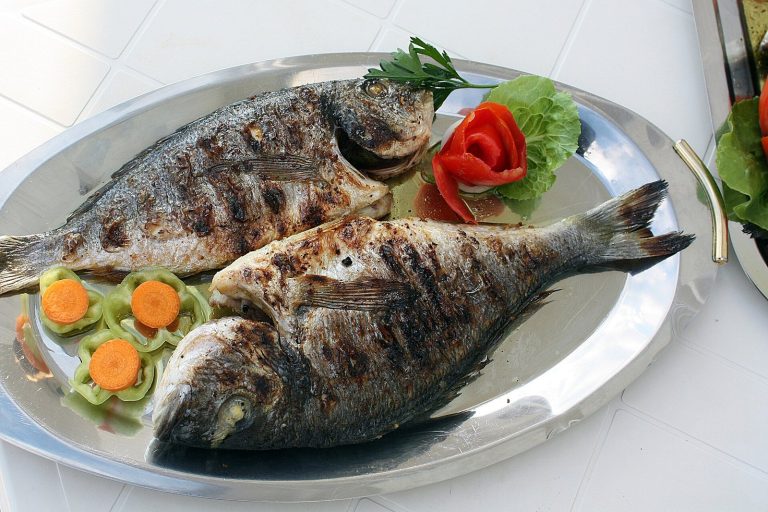
- – Dinner: baked fish, vegetables, whole grain; water.
- – Evening: herbal tea; stretch/walk if energy allows per NHLBI activity encouragement.
5. Steroid-era kitchen tactics
Prep protein+produce boxes on weekends; keep washed cut vegetables visible; store treat foods out of constant sightline. Track weight weekly if your clinician asked you to watch steroid-related gain.
6. When fatigue limits cooking
NHLBI acknowledges extreme tiredness can make exercise hard; the same fatigue hits cooking. Use frozen vegetables, rotisserie chicken without heavy sauces, canned beans rinsed well, and simple soups rather than abandoning meals.
Safety, interactions, and who should ask a clinician first

- – Hypercalcemia symptoms (confusion, severe thirst, nausea) or sudden vision changes, chest pain, severe shortness of breath, or new neurologic weakness: urgent care—NHLBI lists serious complications that need prompt attention.
- – Kidney sarcoidosis or stones: fluid and calcium advice must be individualized.
- – Diabetes or hypertension emerging on steroids: coordinate diet with those teams.
- – Bone density loss risk on long-term corticosteroids: do not guess calcium/vitamin D dosing.
- – Infection risk on immune-lowering medicines: food-safety basics (thorough cooking of meats, careful leftovers) matter more—not raw “detox” juices as therapy.
FAQ
Does diet cure sarcoidosis? No. NHLBI describes monitoring, medicines when needed, and healthy lifestyle supports. Food does not replace that framework.
Should everyone avoid dairy? Only if your clinician restricted calcium because blood or urine calcium is high. Otherwise, blanket dairy bans are not the NHLBI default message.
Why do steroids make grocery shopping harder? NHLBI lists increased appetite and weight gain among corticosteroid pill side effects—structured meals may help you cope while doses are tapered under supervision.
Can I take vitamin D freely for “immune health”? Not freely. Calcium/vitamin D status in sarcoidosis can be complex; lab-guided decisions beat social-media megadoses. See vitamin D deficiency diet guide.
Is exercise more important than food? NHLBI encourages activity as tolerated for energy and symptoms; food patterns support the same living plan. Both sit under clinician guidance.
How this differs from related OTCFood topics
This page is a sarcoidosis-bound diet guide focused on lab-directed calcium decisions, steroid-era metabolic coping, hydration when calcium is high, and lifestyle alignment with NHLBI living advice. It is not a pulmonary fibrosis transplant protocol and not a DIY immunosuppression plan.
Medical disclaimer
Medical disclaimer: This article is for general information only. It is not medical advice, diagnosis, or a treatment plan. Sarcoidosis care depends on organ involvement, calcium labs, medicines (including corticosteroids), and your specialist’s protocol. Talk with a clinician or registered dietitian before starting, stopping, or changing any eating plan, supplement, or medicine. Seek urgent care for sudden vision changes, severe shortness of breath, chest pain, confusion, or signs of kidney failure.