Diet After Tonsillectomy: Foods That May Help and Foods to Limit
Medical note: This article discusses foods and researched botanicals. It does not claim to prevent, treat, or cure disease. Supplements are not a substitute for food, and studied amounts are not personal prescriptions.
People searching “diet after tonsillectomy foods that help or worsen” usually want soft, cool, easy-to-swallow options that protect hydration during throat recovery—not a claim that ice cream rebuilds tonsil tissue or replaces bleeding precautions and prescribed pain control. MedlinePlus describes tonsillectomy as surgery under general anesthesia and stresses that after waking, patients must breathe easily, cough, and swallow before going home. A key listed risk is being unable to drink enough liquids to stay hydrated, which may require IV fluids.
What this after-tonsillectomy diet guide covers (and what it does not)
This guide is for adults and caregivers of children recovering from tonsil removal who want kitchen patterns grounded in MedlinePlus patient education. Anchors: MedlinePlus — Tonsillectomy, MedlinePlus — Tonsils and adenoids, and parallel soft-swallow recovery guidance such as MedlinePlus — Thyroid gland removal discharge (soft foods when swallowing hurts). Always follow your ENT’s written diet stages first.
Kitchen changes do not stop secondary bleeding and do not replace night-time observation plans. Related reading: diet after dental implant guide and diet after thyroidectomy guide.
Evidence snapshot: after-tonsillectomy diet claims vs public sources
| Claim people hope for | What public sources actually say | Confidence |
|---|---|---|
| “Food heals the tonsil beds faster than the surgeon’s timeline” | MedlinePlus centers safe swallowing, hydration, and bleeding awareness—not culinary cures | Strong: food is supportive only |
| “If drinking hurts, just stop fluids until day 5” | MedlinePlus lists inadequate oral intake/hydration as a post-tonsillectomy risk that may need IV fluids | Strong: under-drinking is dangerous |
| “Only ice cream forever is the medical protocol” | Soft, cool items are commonly easier when swallowing hurts (see soft-food examples on related MedlinePlus discharge pages), but your ENT’s staged advance matters | Moderate: texture is individualized |
| “Crunchy chips ‘toughen’ the throat sooner” | Hard, scratchy textures commonly aggravate a raw oropharynx; follow surgeon limits | Moderate–strong for early avoidance |
| “Pain medicines mean bowel habits do not matter” | Narcotic pain medicines can slow bowels; fiber and fluids help soften stools on related soft-swallow discharge pages | Moderate: ask about stool plans |
Foods and patterns that may help after tonsillectomy day to day
“May help” means supporting hydration and gentle textures so calories and fluids still go in—not a promise of painless swallowing on day one.
Fluids first (nonacidic, not scalding)
- – MedlinePlus highlights hydration risk after tonsillectomy.
- – Practical pattern many ENTs echo: cool water, diluted non-citrus juices if tolerated, oral electrolyte drinks, popsicles, and cool caffeine-free tea—advance only as instructed.
- – Aim for frequent small sips rather than rare large gulps that hurt more.
Soft, moist foods when chewing and swallowing hurt
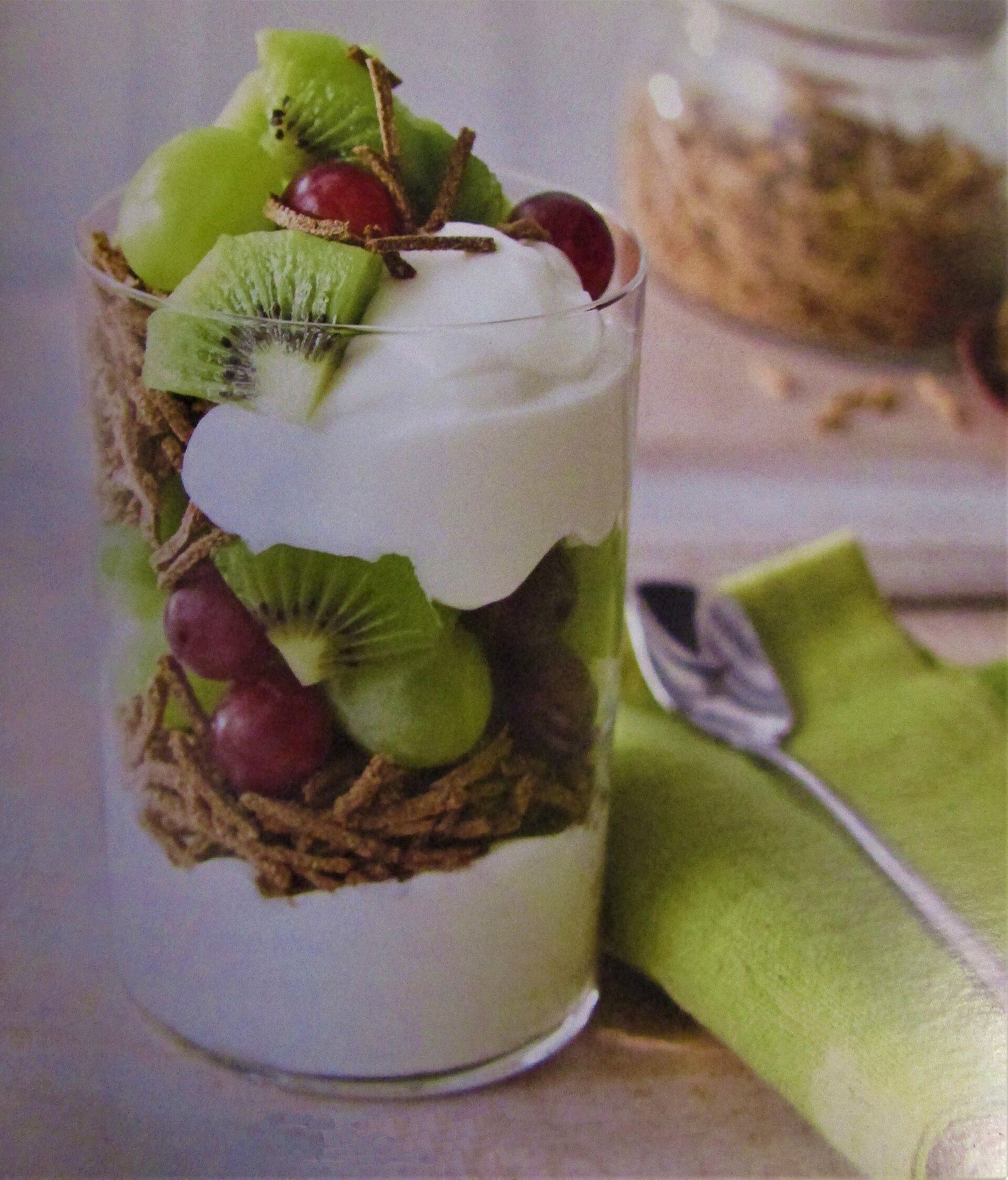
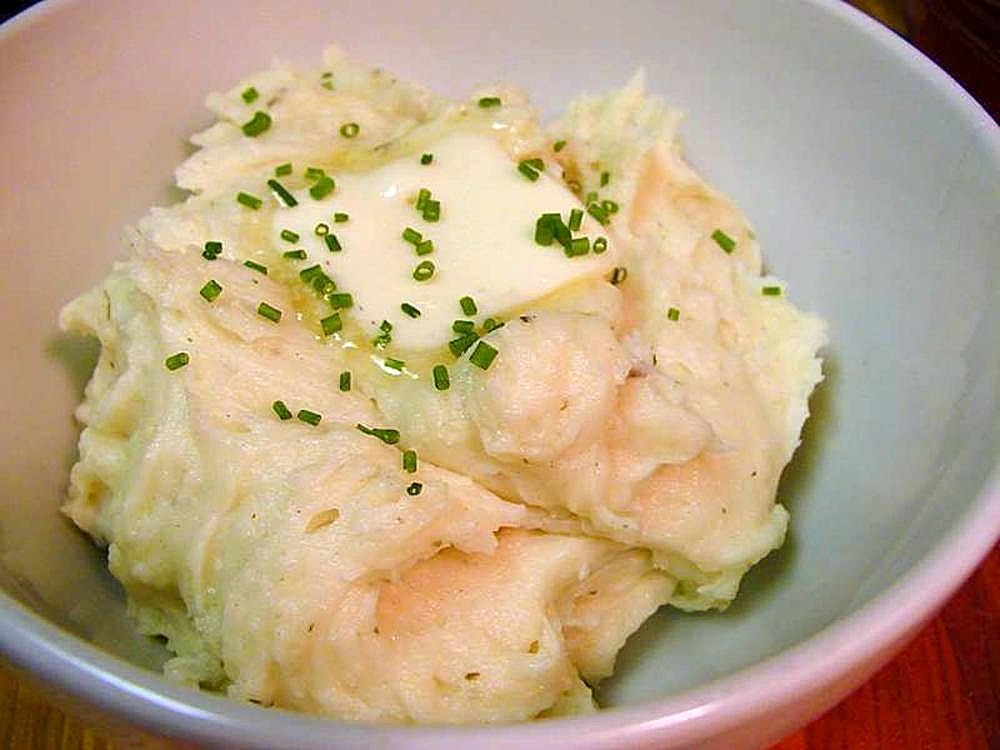
- – Related MedlinePlus discharge education for painful swallowing lists easier options such as pudding, gelatin, mashed potatoes, applesauce, or yogurt.
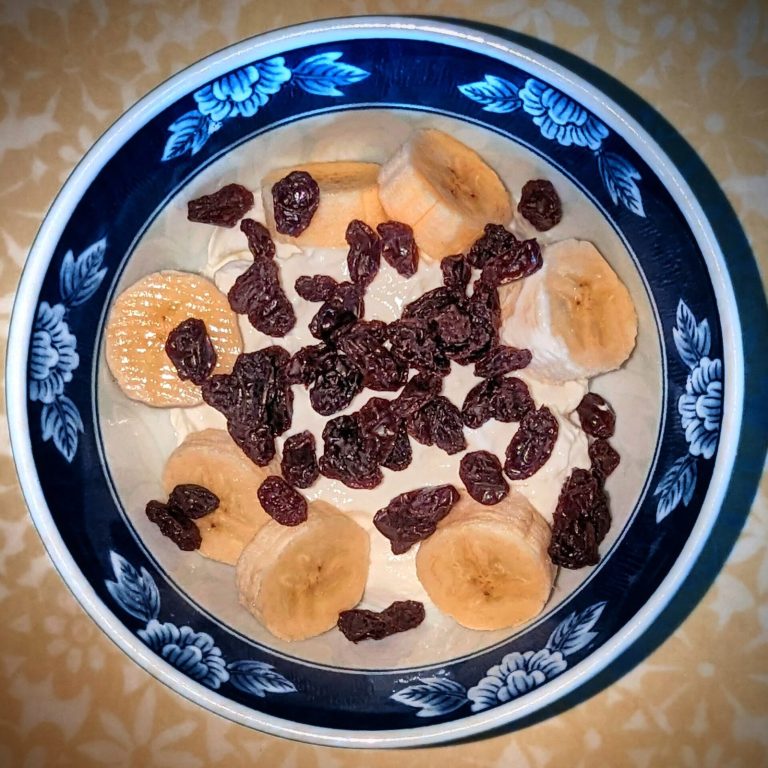
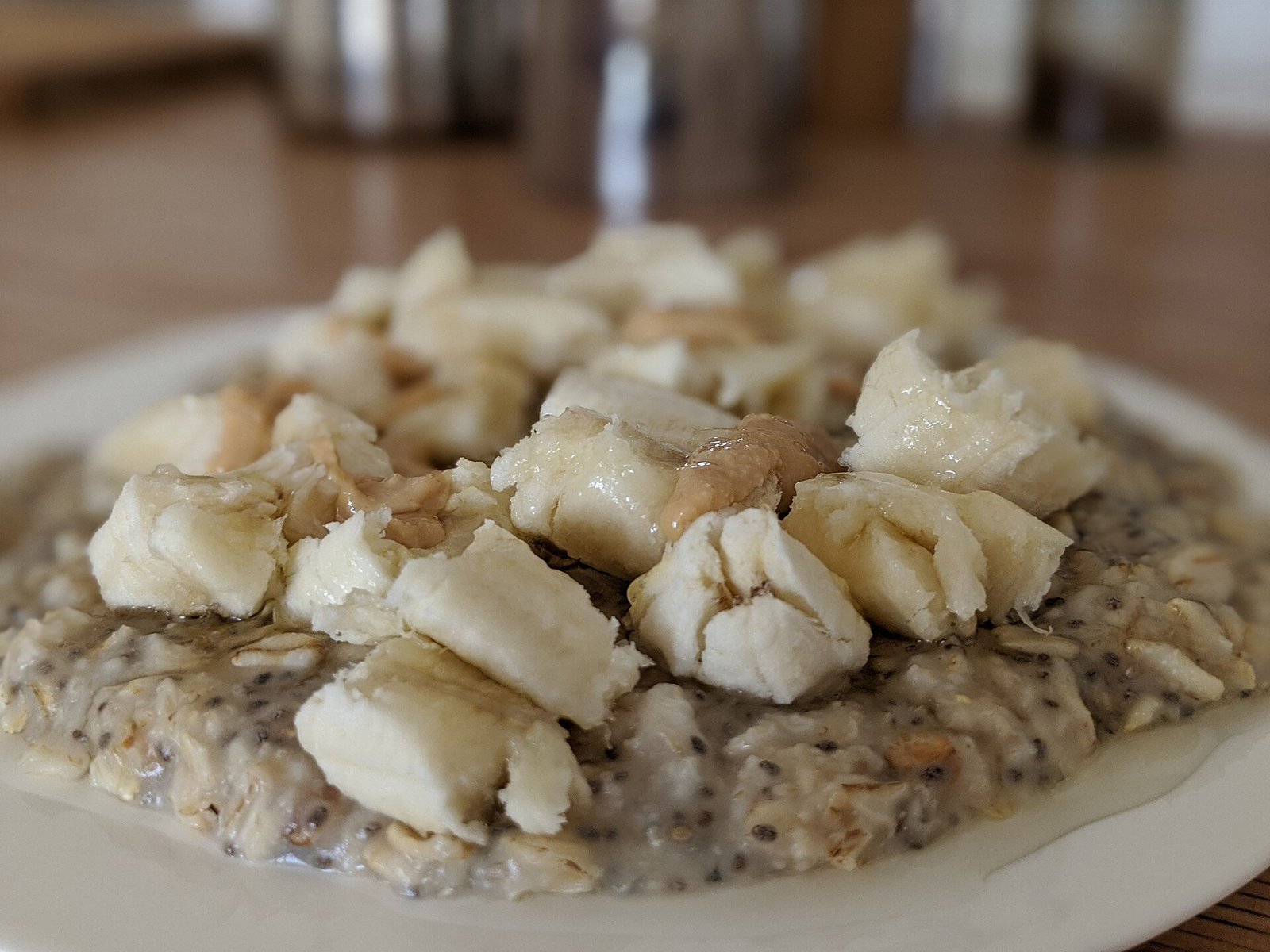
- – After tonsillectomy, similar soft/cool items are often used early: yogurt, smoothies (no seeds if advised), scrambled eggs, mashed banana, cream of wheat/oatmeal cooled, broth-based soups that are warm—not boiling.
- – See texture parallels in diet after dental implant guide and diet after thyroidectomy guide.
Protein in soft forms for recovery fueling
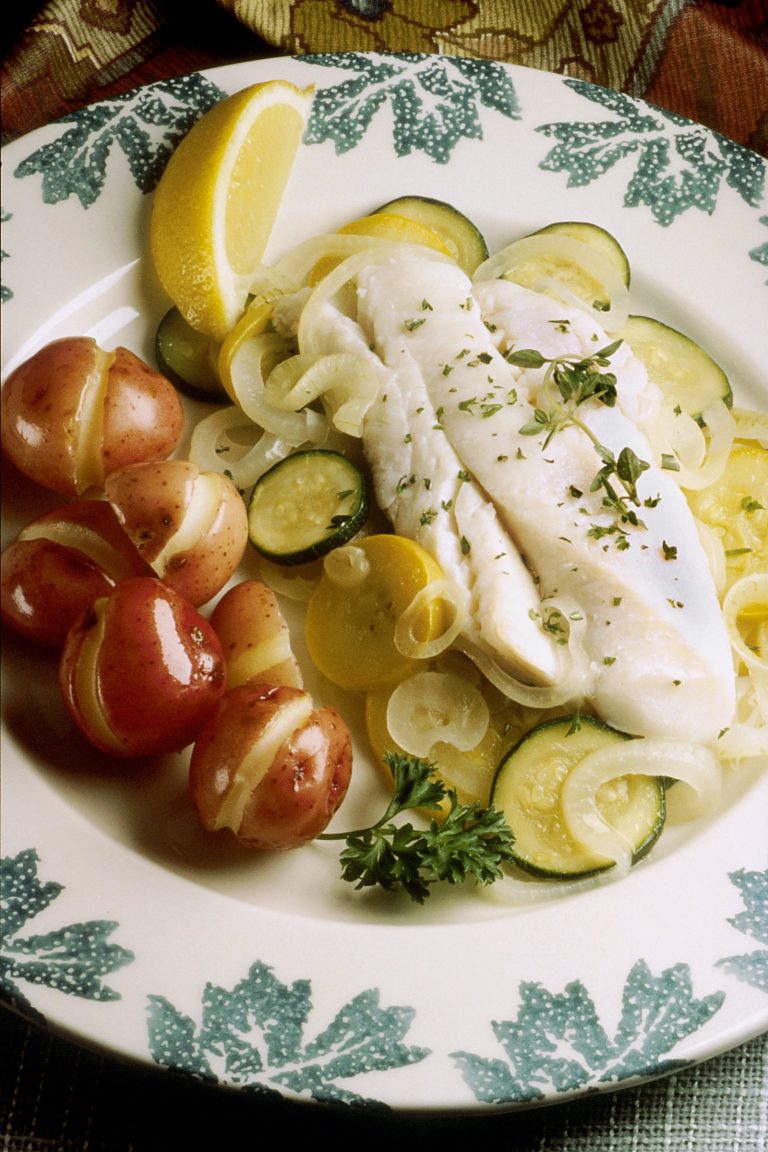
- – Eggs, yogurt, cottage cheese, smooth nut butters if allowed, tender flaked fish, or protein smoothies (texture per ENT) help meet needs when meat steaks are impossible.
Fiber and fluids once diet advances (pain-medicine constipation)
- – If opioids are prescribed, anticipate slower bowels. MedlinePlus constipation pages emphasize fruits, vegetables, grains, and liquids—introduce gentle fiber as swallowing allows (applesauce, soft pear, oats). Related: constipation diet guide.
Sleep-apnea context if that was the surgical indication
- – MedlinePlus notes tonsils may block the airway and disturb sleep. Soft recovery eating still pairs with the surgeon’s activity and bleeding rules—not DIY CPAP experiments. Related: obstructive sleep apnea diet guide.
Foods and habits that often worsen after-tonsillectomy kitchen patterns
- – Skipping fluids because “it hurts to swallow,” raising dehydration risk (MedlinePlus).
- – Hard, crunchy, sharp foods (chips, toast crusts, popcorn, raw carrots) that scrape raw surgical sites early.
- – Very hot liquids and spicy sauces that intensify pain for many people during the first days.
- – Acidic citrus juices or vinegar-heavy drinks if they sting your surgical sites (individual; follow ENT list).
- – Using straws if your surgeon forbade them (some protocols limit straw suction—obey your written sheet).
- – Aspirin or NSAIDs against instructions—MedlinePlus notes these may be stopped before surgery because of bleeding risk; do not restart without clearance.
- – Expecting diet to fix bright-red bleeding, fever, or inability to urinate—call the surgical team.
“Limit” means reducing trauma and dehydration risk—not lifelong soft-food living after clearance.
Practical kitchen protocol: an after-tonsillectomy diet week
1. Keep the medical spine first
Confirm bleeding precautions, pain-medicine schedule, fever thresholds, when to call, and the exact diet-stage handout from your ENT. Stock soft foods before surgery day.
2. Shopping list for soft-cool recovery
Yogurt; applesauce; pudding/gelatin; bananas; mashed potatoes; oatmeal; eggs; broth; cool electrolyte drinks; ice pops without hard chunks; protein smoothie ingredients your ENT allows; stool softener only if prescribed.
3. Default early plate template
- – Cool or room-temp soft item
- – Fluid sip between bites
- – Soft protein once tolerated
- – Advance to tender solids only when your surgeon’s timeline says so
4. Sample day (illustrative early recovery; follow your ENT)
- – Morning: cool yogurt or applesauce; water sips; pain medicine with a small water sip as directed.
- – Midday: lukewarm broth and mashed potatoes; gelatin.
- – Snack: banana mashed into yogurt; popsicle.
- – Evening: scrambled eggs and soft oatmeal cooled; water.
- – Night: scheduled fluids even if appetite is low—set phone reminders.
5. Kid-specific caregiver tips
MedlinePlus frames much tonsillectomy education around children: watch intake volumes, vomiting of blood, and breathing. Offer preferred soft flavors; do not force spicy “adult” leftovers.
6. When advancing back toward normal diet
Move from smooth soft → tender soft solids → regular diet per ENT, usually over days to a couple of weeks depending on age and technique. Pain often peaks around the scab-slough period—keep soft backups ready.
Humidity and pacing tips that support intake
Keep a water bottle within arm reach of the couch and bed. Many people tolerate room-temperature fluids better than ice-cold gulps once night pain rises. If nausea from anesthesia or medicines is present, restart with teaspoon sips every few minutes rather than forcing a full glass. Track approximate fluid ounces for the first 48–72 hours so you can report intake accurately if the clinic calls.
Flavor variety without irritation
Rotate yogurt flavors, bland broths, and soft fruits so “food fatigue” does not tank calories. Avoid hard mix-ins (granola, seeds, raw apple skins) until your ENT clears them. Sugar-free popsicles help some people sip more often, but watch sorbitol if loose stools appear.
Safety, interactions, and who should ask a clinician first
- – Bleeding: bright blood, large clots, or repeated bloody vomit needs urgent contact (MedlinePlus bleeding risk).
- – Dehydration signs: dry mouth, no tears/urine, dizziness—MedlinePlus notes IV fluids may be required when oral intake fails.
- – Pain medicines: ask about scheduled dosing and constipation prevention.
- – Sleep-apnea history: clarify overnight monitoring instructions.
- – Adults on blood thinners: coordinate restart timing with surgeons.
FAQ
Can diet make tonsillectomy painless? No. Soft foods and fluids support comfort and hydration; they do not erase surgical healing timelines.
Why is drinking so important if it hurts? MedlinePlus lists inadequate hydration as a post-tonsillectomy risk that may require IV fluids.
Is ice cream actually “medical”? Cool soft dairy or non-dairy alternatives are often easier early; they are comfort textures, not tissue regenerators. Lactose intolerance still matters.
When can crunchy foods return? Only when your ENT clears texture advances—often after the highest-risk bleeding window passes.
What about constipation from pain pills? Use clinician-advised softeners plus gentle fiber/fluids as swallowing allows—see constipation diet guide.
How is this different from dental-implant soft diets? Shared soft-texture logic applies (diet after dental implant guide), but tonsillectomy adds oropharyngeal bleeding and hydration urgency specific to ENT surgery.
How this differs from related OTCFood topics
This page is a tonsillectomy-bound diet guide focused on hydration, soft cool textures, and bleeding-aware kitchen habits. It is not a DIY sleep-apnea protocol and not a substitute for ENT follow-up.
Medical disclaimer
Medical disclaimer: This article is for general information only. It is not medical advice, diagnosis, or a treatment plan. Care after tonsillectomy depends on age, surgical technique, bleeding risk, and your surgeon’s protocol. Talk with a clinician before starting, stopping, or changing any eating plan, supplement, or medicine. Seek urgent care for significant bleeding, dehydration, breathing trouble, or uncontrolled pain.