Diet After Dental Implant Surgery: Foods That May Help and Foods to Limit
Medical note: This article discusses foods and researched botanicals. It does not claim to prevent, treat, or cure disease. Supplements are not a substitute for food, and studied amounts are not personal prescriptions.
People searching “diet after dental implant surgery foods that may help or worsen” usually want soft, cool, non-traumatic meals that protect the surgical site while the implant integrates—not a claim that food grows bone or replaces the dentist’s oral-hygiene and follow-up plan. The FDA describes dental implants as medical devices surgically placed in the jaw to support crowns, bridges, or dentures, restoring chewing and appearance. Healing of the implant body can take several months or longer, during which a temporary abutment is often in place. FDA patient advice stresses careful oral hygiene, regular dental visits, and reporting a loose or painful implant promptly. Smoking may affect healing and long-term success. Kitchen texture choices support comfort; they do not replace sterile technique, prescribed rinses, or antibiotics when your dentist orders them.
What this after-dental-implant diet guide covers (and what it does not)
This guide is for adults in the early weeks after implant placement (and often after related bone graft or extraction sites) who want practical soft-food patterns while they follow their dental surgeon’s written instructions. Anchors: FDA — Dental Implants: What You Should Know, MedlinePlus — Clear liquid diet for clinician-directed short clear-liquid phases only, and general postoperative soft-texture themes consistent with oral-surgery discharge teaching.
Your dentist’s staged diet always wins over a website. Immediate-load protocols, sinus lifts, and full-arch cases differ. This page does not diagnose implant failure, infection, or nerve injury. Related recovery reading for other surgeries is only contextual—chewing trauma rules are unique here. Soft-recovery overlaps appear in diet after cataract surgery guide only as “follow staged instructions,” not as ocular advice, and protein themes echo diet after appendectomy guide without claiming abdominal equivalence. Constipation from pain medicines may overlap constipation diet guide.
Evidence snapshot: after-dental-implant diet claims vs public sources
| Claim people hope for | What public sources actually say | Confidence |
|---|---|---|
| “Special foods make the implant fuse faster than the dentist’s timeline” | FDA: healing may take several months; success depends on health, hygiene, smoking status—not culinary cures | Strong: food is supportive only |
| “Soft foods protect the site early” | Standard oral-surgery teaching (follow your written sheet): avoid chewing on the surgical side; choose soft textures until cleared—FDA emphasizes following provider instructions | Moderate–strong as common discharge practice; always defer to your sheet |
| “Clear liquids alone for weeks are required for everyone” | MedlinePlus clear-liquid diets are short, supervised medical diets—not a DIY multi-week implant protocol | Strong against inventing prolonged clear-liquid detoxes |
| “Smoking is fine if I eat soft food” | FDA: smoking may affect healing and decrease long-term success | Strong: smoking is a risk factor |
| “Diet replaces cleaning around the implant” | FDA: regular cleaning of the implant and surrounding teeth is very important for long-term success | Strong: hygiene is non-negotiable |
Foods and patterns that may help after dental implant surgery day to day
“May help” means reducing chewing trauma and keeping calories/protein up while the site is tender—not promising osseointegration on a schedule food controls.
Follow the written texture ladder from your dental team
- – Many surgeons start with cool soft foods the day of surgery, then advance to mashed and minced textures before returning to crunchy foods on the implant side—only as your sheet allows.
- – If your clinician orders a brief clear-liquid phase (for example around certain procedures), MedlinePlus examples include water, clear broth, pulp-free juices, gelatin, and tea/coffee without cream—do not prolong that phase without supervision (MedlinePlus: healthy people should not stay on clear liquids more than a few days without guidance).
- – Chew on the opposite side when any chewing is allowed; stop if throbbing pain increases.
Soft protein and calorie supports
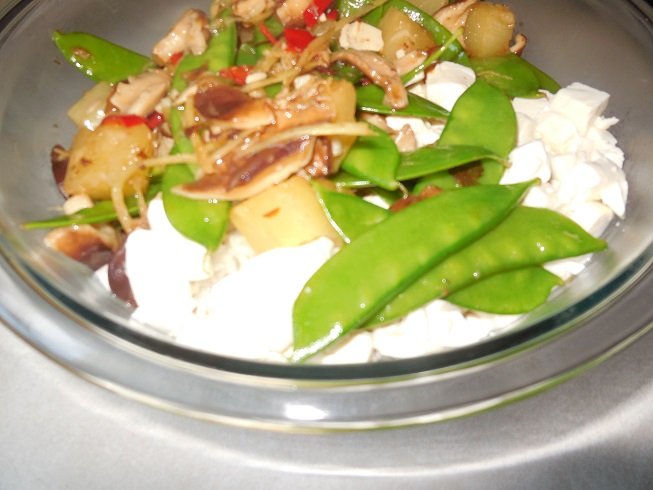
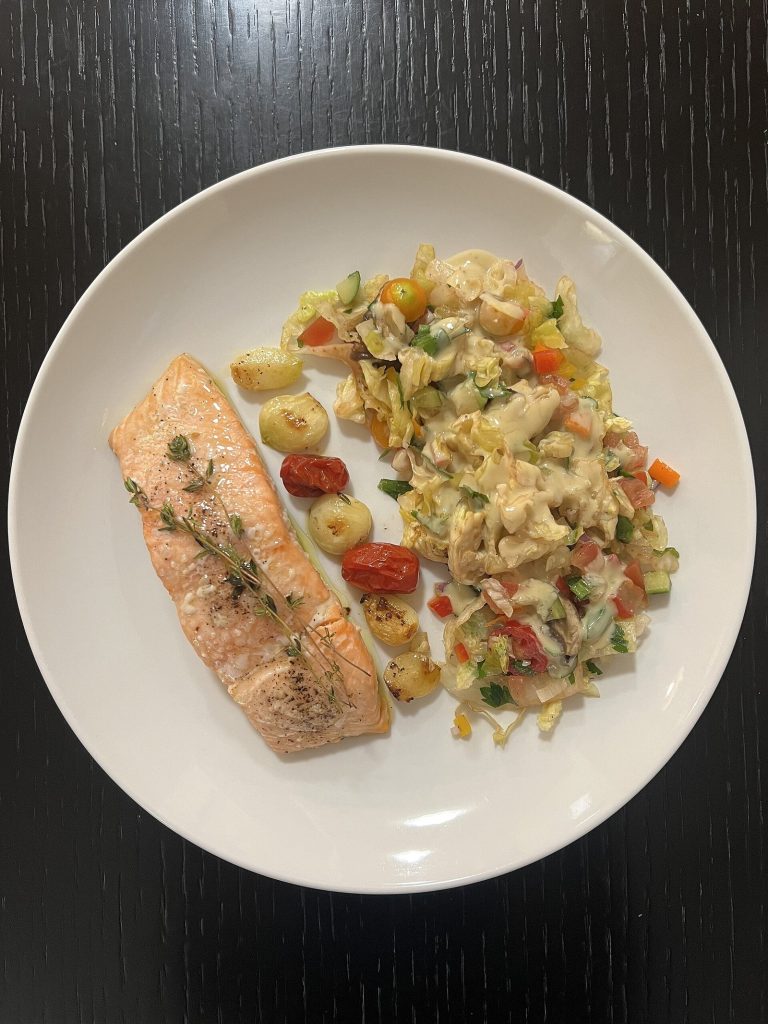
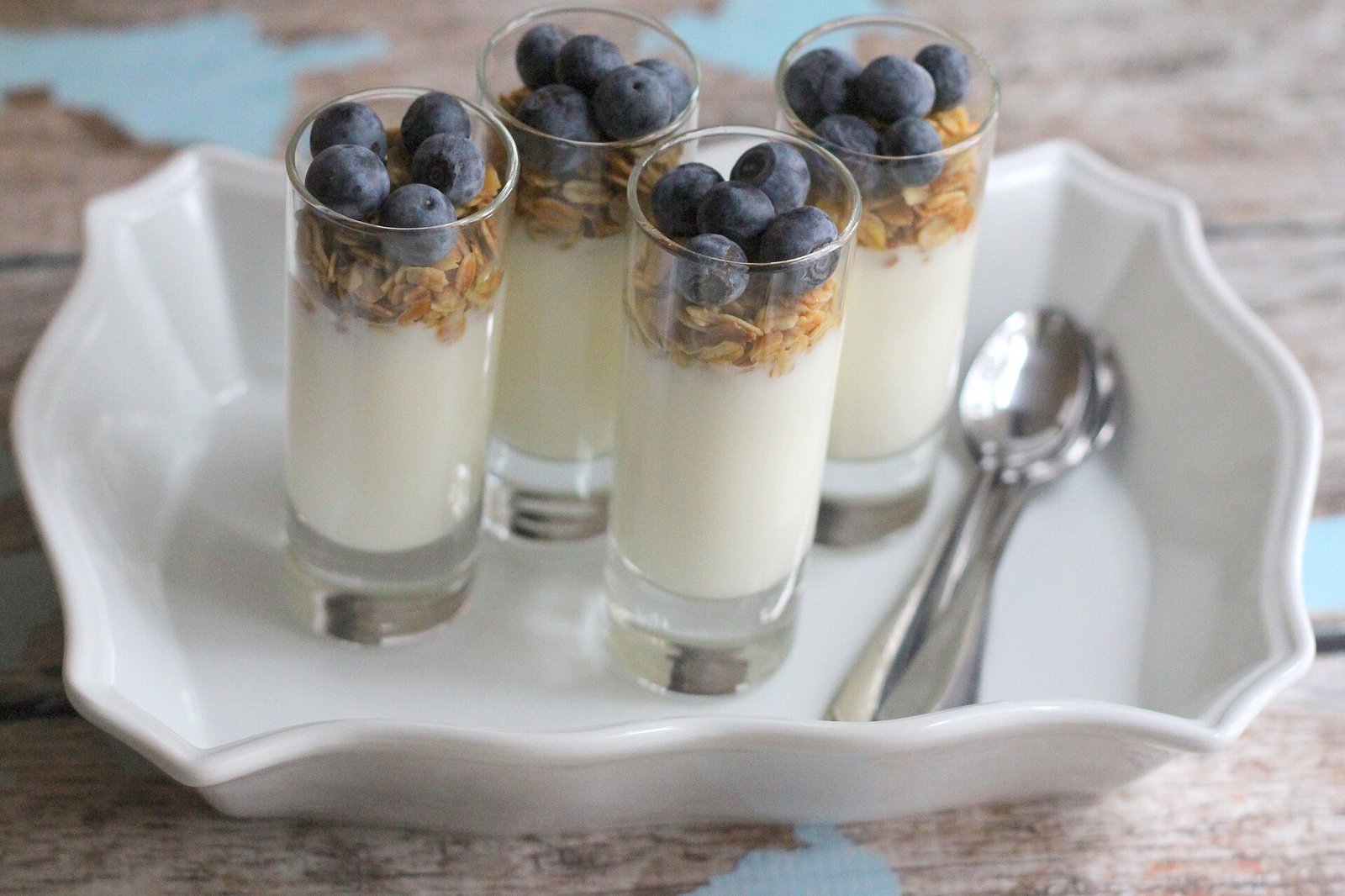
- – Yogurt (without crunchy toppings), cottage cheese, scrambled eggs, smoothies eaten with a spoon (ask before straws if suction is restricted), soft fish, finely minced tender poultry in gravy, tofu, hummus, and well-cooked beans mashed smooth.
- – Protein matters for general recovery fueling while you cannot chew steaks—without claiming bone “rebuild” marketing.
Cool, moist, easy textures
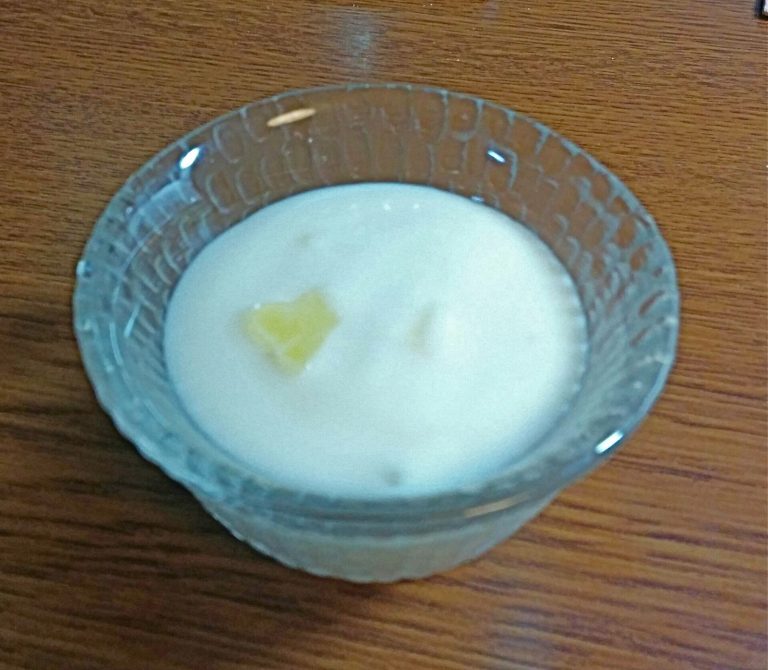
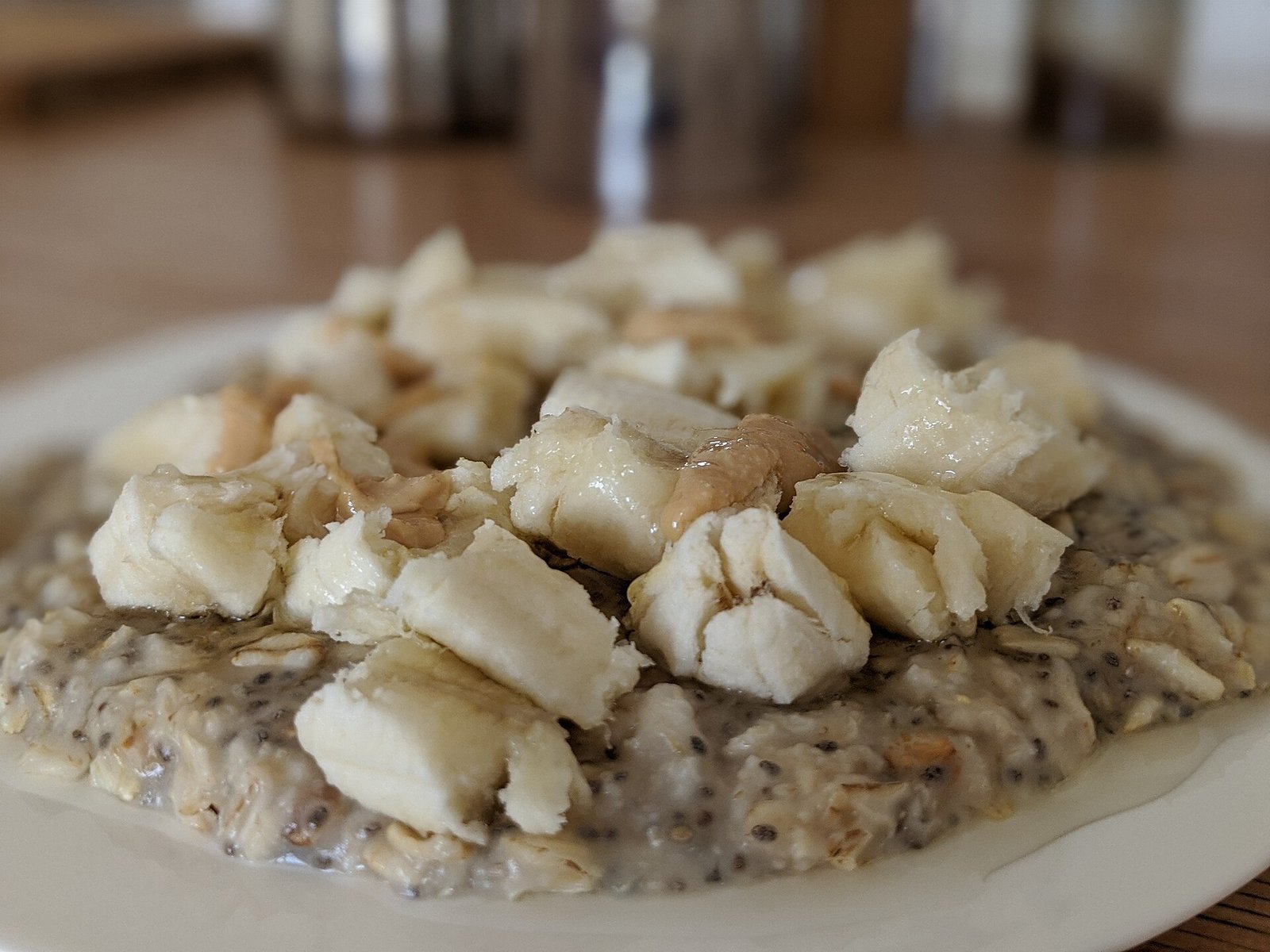
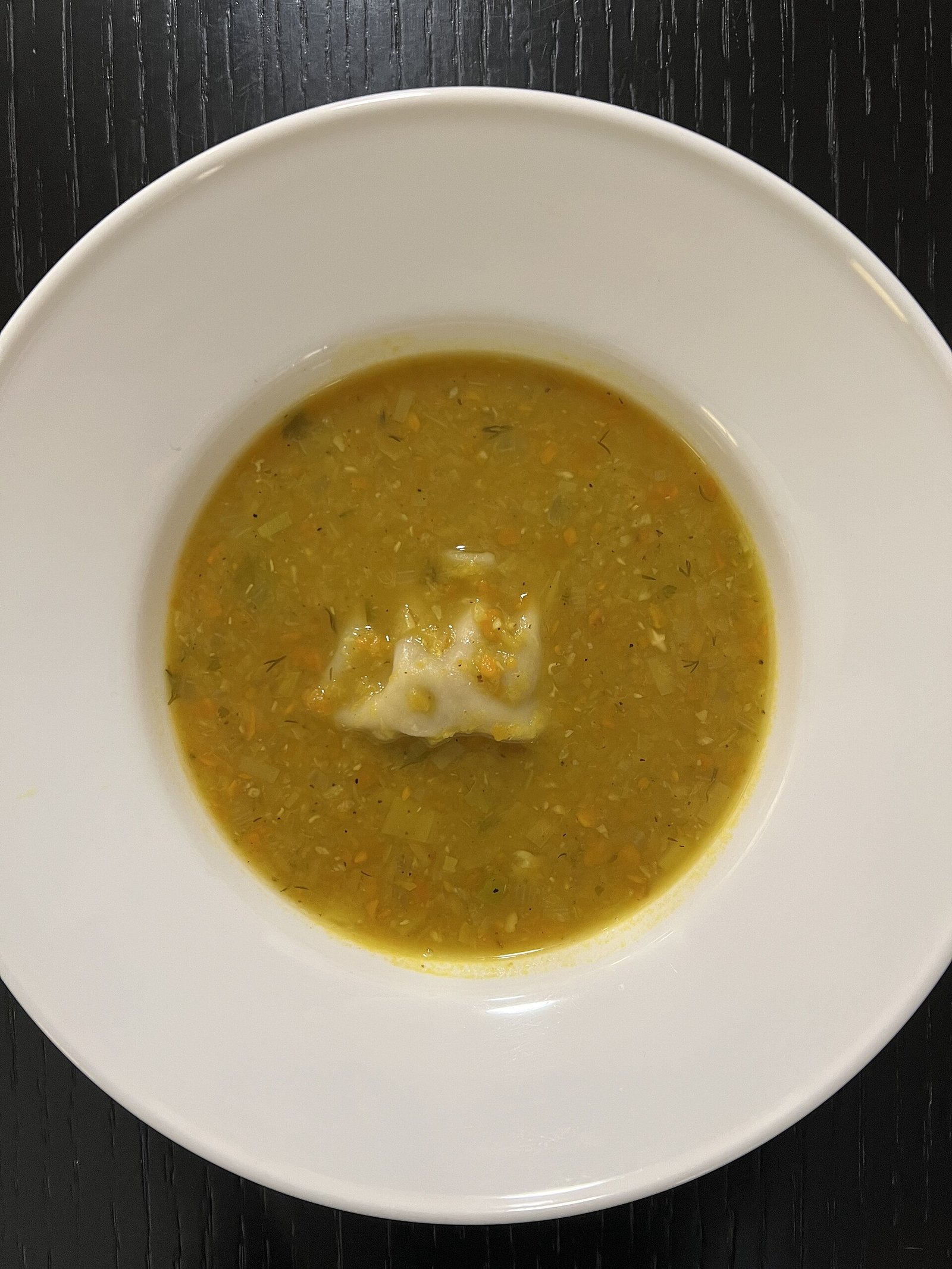
- – Mashed potatoes, smooth soups (not piping hot if heat bothers the site), applesauce, ripe bananas, oatmeal cooled to warm, pudding, and soft-cooked pasta when your stage allows.
- – Moist foods reduce the need to force dry boluses against a tender ridge.
Fluids and oral comfort
- – Steady nonalcoholic fluids unless restricted; dehydration hardens stool if you also take opioid pain medicines.
- – Follow prescribed saltwater or antimicrobial rinses exactly—FDA’s hygiene emphasis is about cleaning, not inventing DIY antiseptic cocktails.
Foods and habits that often worsen after-dental-implant kitchen patterns
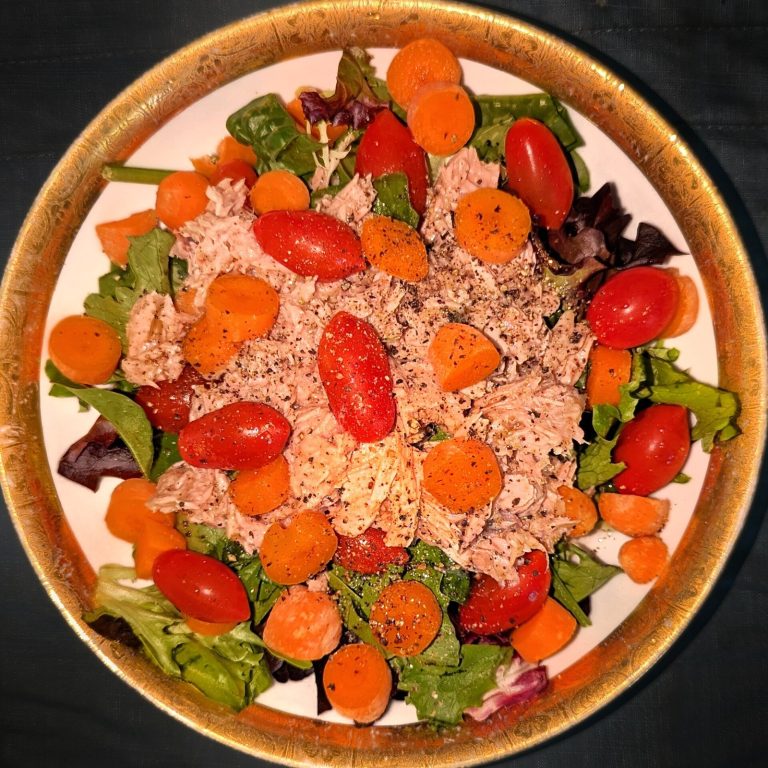
- – Hard, crunchy, and sharp foods (nuts, chips, popcorn, crusty bread, raw carrots, hard candy) that bang the surgical site or temporary prosthesis.
- – Sticky candies and caramel that pull on sutures or temporary teeth.
- – Very hot soups or beverages if your surgeon advised avoiding heat early.
- – Using straws or vigorous spitting when your discharge sheet bans suction that can disturb clots—ask; rules vary by procedure.
- – Chewing ice or opening packages with your teeth.
- – Smoking or vaping against FDA healing cautions.
- – Skipping oral hygiene because “food will keep it clean”—FDA stresses cleaning the implant and surrounding teeth for long-term success.
- – Expecting kitchen changes to fix a loose, painful implant, facial swelling with fever, or persistent numbness—FDA says report looseness or pain promptly; those are dental emergencies, not grocery problems.
- – Uncontrolled diabetes meal chaos without clinician support—FDA notes systemic infection risk themes can be higher with uncontrolled diabetes.
“Limit” means protecting mechanical trauma and infection risk—not that one soft taco defines implant success.
Practical kitchen protocol: an after-dental-implant diet week
1. Keep the medical spine first
Confirm antibiotic/rinse schedule, which side to chew on, straw rules, when to resume flossing near the site, and smoking cessation support. Save the implant brand/model information as FDA recommends.
2. Shopping list for soft implant recovery
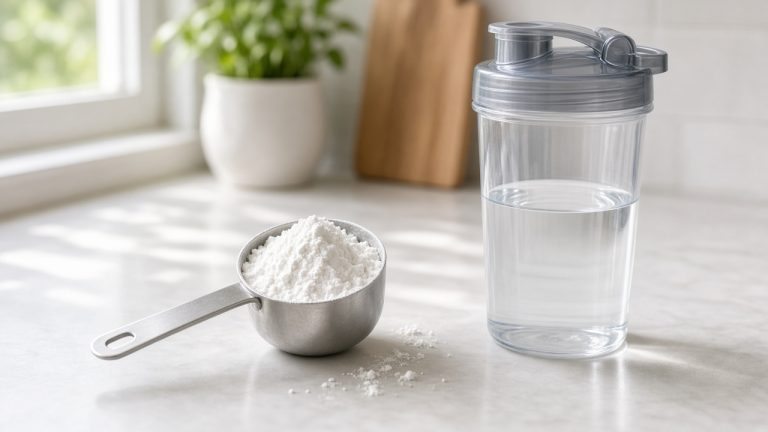
Greek yogurt; cottage cheese; eggs; protein powder only if your clinician/RD approves; bananas; applesauce; oatmeal; mashed potato mix or fresh potatoes; soft fish; silken tofu; smooth soups; oral electrolyte drinks if advised; prescribed rinse; soft toothbrush as directed.
3. Default soft-plate template (early days)
- – Smooth protein (yogurt, eggs, fish flakes)
- – Soft carbohydrate (oatmeal, mashed potato)
- – Soft fruit (banana, applesauce)
- – Cool or lukewarm fluids
- – No crunchy garnish
4. Sample day (illustrative—verify against your sheet)
- – Breakfast: cool oatmeal with mashed banana; water.
- – Lunch: smooth tomato or squash soup; yogurt.
- – Snack: cottage cheese or a spooned smoothie (no straw if banned).
- – Dinner: soft scrambled eggs or flaky fish with mashed vegetables.
- – Evening: applesauce; prescribed rinse; pain medicine with a soft snack if your dentist said to take pills with food.
5. Home setup tips
Stock a blender; keep hard snacks out of reach the first week; cut food into tiny pieces even when advancing; set phone reminders for rinses and antibiotics.
6. When advancing back to normal chewing
Ask at follow-up before nuts, steak, or crusty bread on the implant side. Long-term success still depends on cleaning around the implant (FDA)—diet texture alone is not enough.
Safety, interactions, and who should ask a clinician first
- – Blood thinners, bisphosphonates, or poorly controlled diabetes: implant planning and soft-diet duration may differ—follow the surgical plan.
- – Opioid pain medicines: pair with fluids and soft fiber when cleared to limit constipation (constipation diet guide).
- – Allergy to latex or specific metals: FDA notes material discussions belong with your provider before surgery; report unusual reactions after.
- – Contact the dental surgeon for uncontrolled bleeding, rapidly increasing facial swelling, fever, pus, implant mobility, or lasting numbness.
FAQ
Can diet make the implant integrate faster? No. FDA frames healing over months with hygiene and health factors; food supports comfort and nutrition only.
How long do I stay on soft foods? Follow your written stages—often days to a few weeks for everyday chewing comfort, while full integration may take months (FDA). Do not invent a months-long clear-liquid detox.
Are straws okay? Ask your surgeon. Some oral-surgery sheets restrict suction early; FDA’s public page focuses on hygiene and reporting problems rather than straw rules.
Does smoking really matter if I eat soft food? Yes. FDA states smoking may affect healing and decrease long-term success—soft food does not cancel that risk.
What if the implant feels loose? Tell your dental provider right away (FDA)—do not “wait and chew softer” as a substitute for evaluation.
How this differs from related OTCFood topics
This page is a dental-implant-surgery-bound diet guide focused on soft, non-traumatic textures, protein-calorie support, and FDA-aligned hygiene/smoking cautions. It is not a DIY osseointegration protocol, not a cosmetic whitening diet, and not a substitute for dental follow-up.
Medical disclaimer
Medical disclaimer: This article is for general information only. It is not medical advice, diagnosis, or a treatment plan. Care after dental implant surgery depends on surgical technique, bone quality, medical conditions, smoking status, and your dental surgeon’s protocol. Talk with a clinician or registered dietitian before starting, stopping, or changing any eating plan, supplement, or medicine. Seek urgent dental care for uncontrolled bleeding, fever, rapidly worsening swelling, implant mobility, or lasting numbness.