Diet After Laminectomy: Foods That May Help and Foods to Limit
Medical note: This article discusses foods and researched botanicals. It does not claim to prevent, treat, or cure disease. Supplements are not a substitute for food, and studied amounts are not personal prescriptions.
People searching “diet after laminectomy foods that help or worsen” usually want kitchen habits that support protein intake, limit constipation from pain medicines, and fit a spine surgeon’s brace, lifting, and physical-therapy plan—not a claim that food fuses bone, rebuilds the lamina, or replaces activity limits. MedlinePlus spine-surgery discharge pages list laminectomy as surgery that removes lamina or bone spurs to take pressure off spinal nerves, and note that recovery after laminectomy (and especially fusion) is longer than after simpler disk procedures. NIAMS describes spinal stenosis—often a reason for decompression surgery—as narrowing that puts pressure on the cord or nerve roots.
What this after-laminectomy diet guide covers (and what it does not)
This guide is for adults recovering from laminectomy (alone or with related decompression/fusion steps) who want practical eating patterns while wound care, brace rules, and PT remain primary. Anchors: MedlinePlus — Spine surgery discharge, MedlinePlus — Spinal fusion, and NIAMS — Spinal stenosis.
MedlinePlus discharge guidance emphasizes wound checks, avoiding tobacco because it slows healing (especially with fusion or grafts), limiting sitting time, not bending at the waist, and not lifting more than about 10 pounds (≈4.5 kg)—roughly a gallon of milk. Kitchen changes do not replace PT progressions or urgent evaluation for wound infection, new weakness, or uncontrolled headache. Related reading: diet after hip replacement guide, osteoporosis diet guide, constipation diet guide, and sarcopenia diet guide.
Evidence snapshot: after-laminectomy diet claims vs public sources
| Claim people hope for | What public sources actually say | Confidence |
|---|---|---|
| “A bone broth cleanse fuses the spine faster than the surgeon’s timeline” | MedlinePlus centers wound care, activity limits, and (for fusion) months of bone healing—not culinary fusion | Strong: food is supportive only |
| “Zero fiber protects the incision best” | Opioid-related constipation is common after spine surgery; fiber/fluids/softeners are often part of comfort plans—follow your surgeon | Moderate: individualize early textures |
| “Smoking is fine if the diet is ‘clean’” | MedlinePlus: do not smoke/use tobacco after spine surgery; tobacco slows healing, especially with fusion/grafts | Strong against smoking |
| “Megadose calcium replaces PT and brace rules” | Bone nutrients may support general bone health; lifting/brace/PT rules stay primary | Low for megadose shortcuts |
| “Detox teas replace stool softeners” | Softener plans belong with the surgical team—not unregulated laxative teas as spine protocols | Strong: ask before herbals |
Foods and patterns that may help after laminectomy day to day
“May help” means supporting recovery fueling, softer stools, and low-lift meal prep—not a promise that food erases nerve pain on a calendar date.
Protein-forward meals for recovery fueling
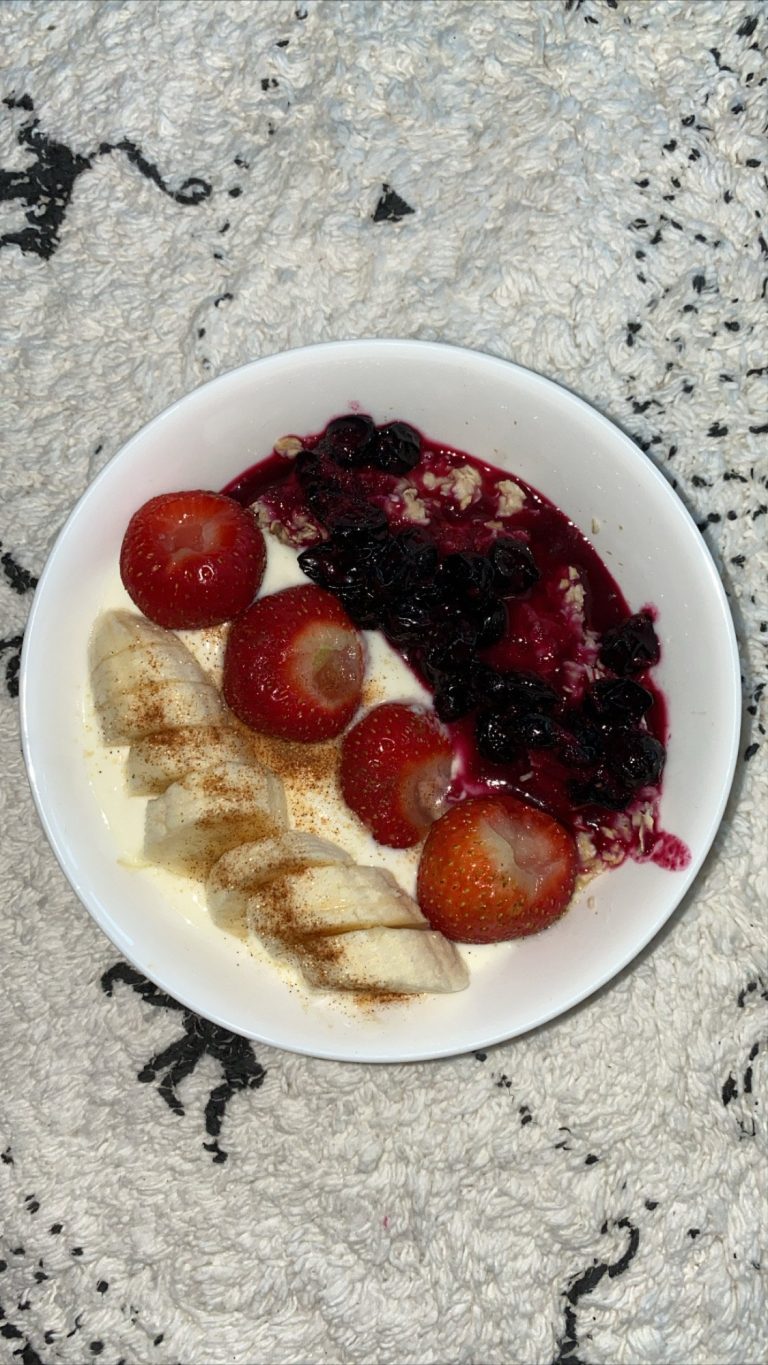
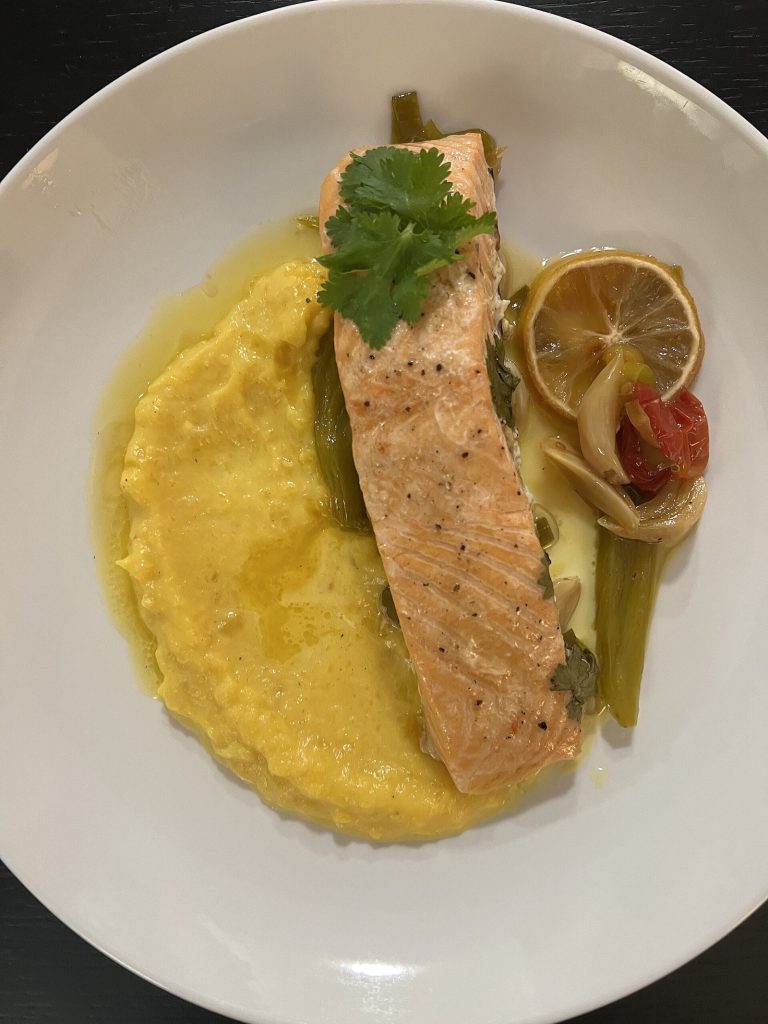
- – Include eggs, dairy if tolerated, fish, poultry, tofu, beans, or Greek yogurt across the day while activity is limited and muscle use changes.
- – Keep portions reachable without bending or lifting heavy pans—see sarcopenia diet guide if intake stays low for weeks.
Fiber and fluids against medicine-related constipation
- – Pain medicines often slow the bowels; oats, cooked vegetables, fruit, beans (as tolerated), and water may help—pair with any softener your surgeon advised.
- – Overlap with constipation diet guide themes, remembering spine wound and lift rules come first.
Bone-aware patterns if fusion or osteoporosis is in the picture
- – If your team discusses bone health, calcium- and vitamin D–aware eating may matter—dairy or fortified alternatives, leafy greens, fish with bones if appropriate—see osteoporosis diet guide and calcium deficiency diet guide.
- – Supplements only as prescribed; megadoses without labs are not a DIY fusion strategy.
Soft, easy logistics under lift limits
- – MedlinePlus: do not lift more than about 10 pounds; do not bend at the waist—squat with knees if you must pick something up, as instructed.
- – Prefer one-pot meals, slow-cooker dumps done by helpers, pre-chopped produce, and delivery groceries staged at counter height.
- – Avoid hauling laundry baskets or multi-bag grocery hauls while restricted.
Foods and habits that often worsen after-laminectomy kitchen patterns
- – Tobacco and nicotine products that slow healing (MedlinePlus)—no amount of “healthy eating” offsets this.
- – Low-fluid, low-fiber patterns while on opioids, inviting hard stools and straining.
- – Heavy lifting of water coolers, cast-iron pans, or bulk warehouse packs against weight limits.
- – Long sitting marathons at the table or on the couch beyond the 20–30 minute guidance many discharge sheets use—stand/walk short breaks as cleared.
- – Unprescribed stimulant laxative stacks or “spine detox” teas.
- – Expecting kitchen changes to fix fever, wound drainage, new leg weakness, loss of bladder/bowel control, or a headache that will not quit—those are surgical red flags.
- – Alcohol binges that dehydrate and may interact with pain medicines.
“Limit” means reducing constipation and mechanical strain risk—not blaming one meal for surgical outcomes.
Practical kitchen protocol: an after-laminectomy diet week
1. Keep the medical spine first
Confirm brace schedule, wound shower rules, sitting time limits, lift limit, walking goals, softener/pain-medicine plan, and PT start date. Put frequently used foods between waist and shoulder height.
2. Shopping list for low-lift recovery
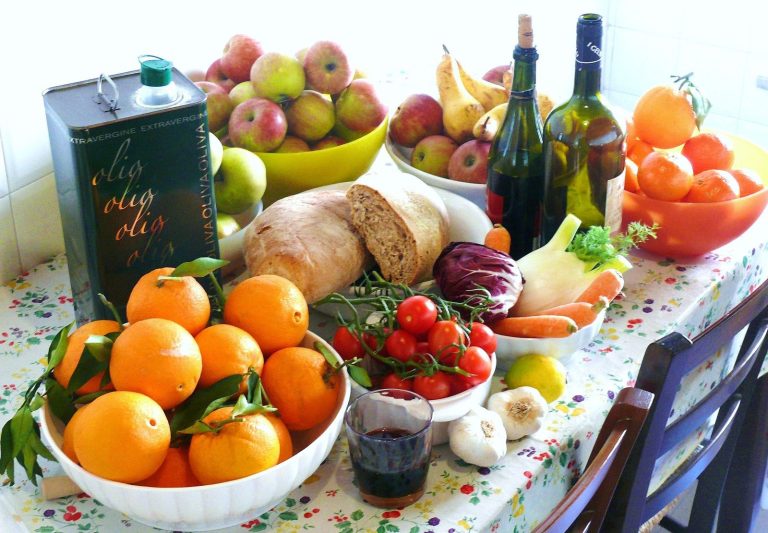
Eggs; Greek yogurt; canned fish; tofu; oats; frozen vegetables; fruit; soft bread; olive oil; milk or fortified alternative; fiber cereal if tolerated; stool softener only if advised; pre-portioned proteins from a helper.
3. Default plate template
- – Soft lean protein
- – Fiber-containing carbohydrate
- – Soft vegetables/fruit
- – Fluid at every meal
4. Sample day (illustrative)
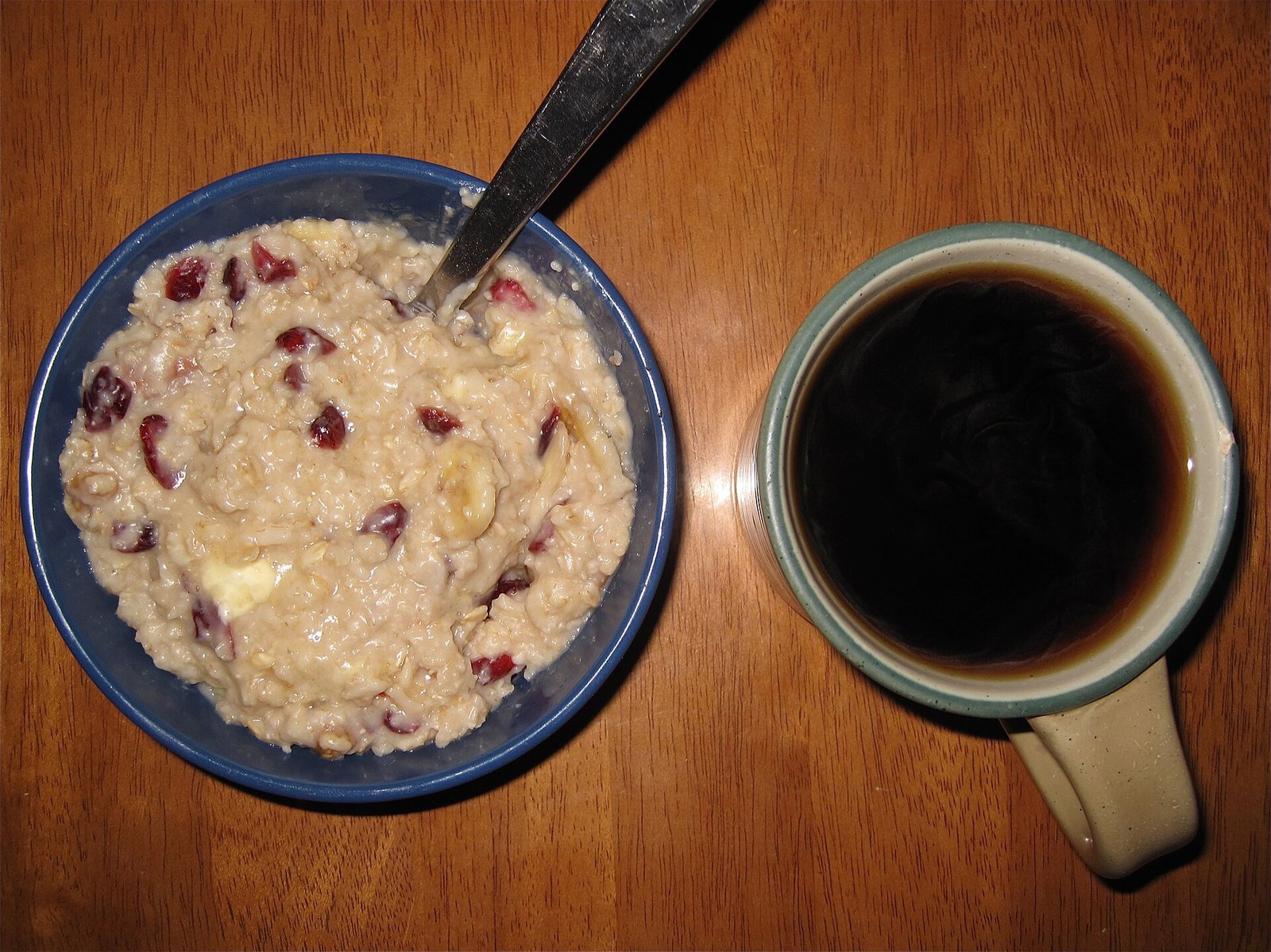
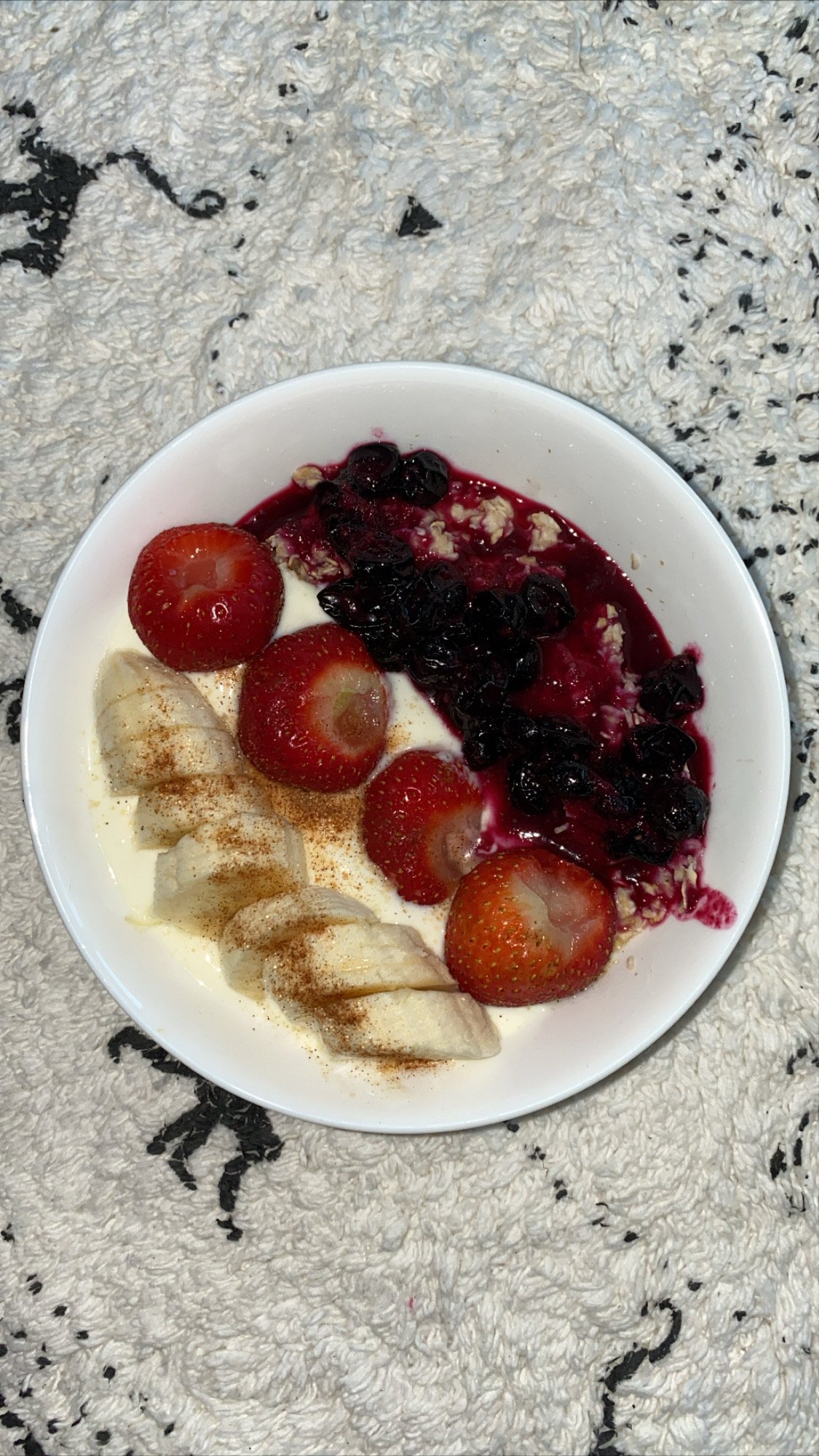
- – Breakfast: oatmeal with milk and banana; water.
- – Lunch: scrambled eggs, soft toast, cooked vegetables; water.
- – Snack: yogurt; fruit.
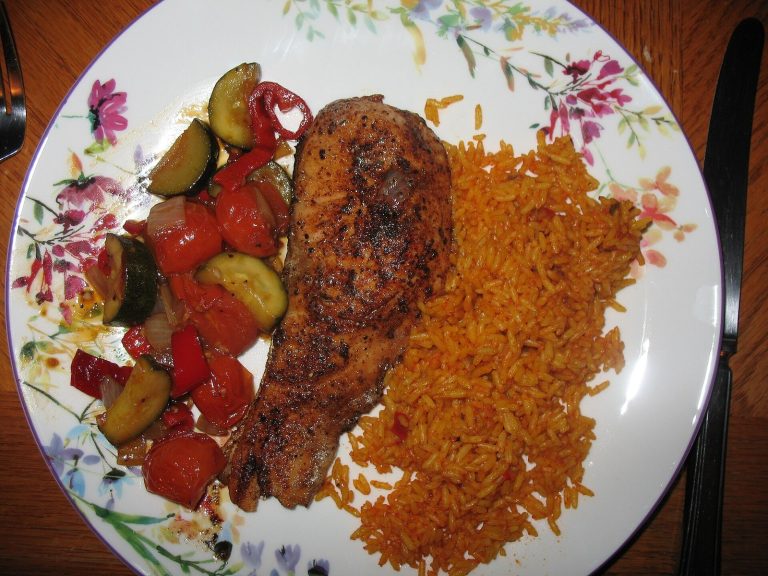
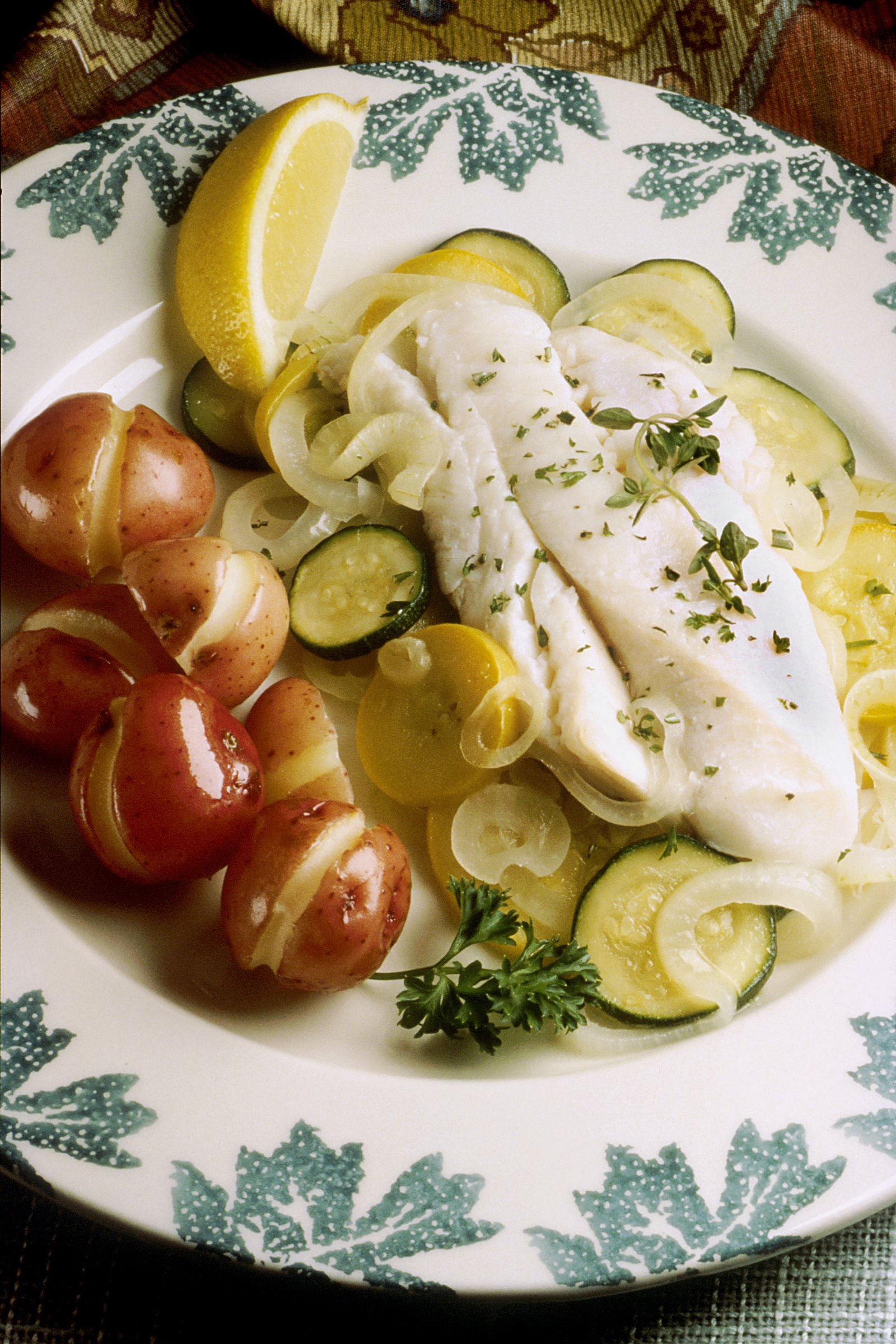
- – Dinner: baked fish or chicken, potato, cooked greens; water.
- – Evening: warm fluid; softener plan per surgeon—not a second espresso if caffeine worsens sleep or urgency for you.
5. Home setup tips
Use a reacher/grabber as PT taught; keep a bathroom softener caddy; ask visitors to restock the fridge at counter height; freeze soups in single servings.
6. If fusion was part of the operation
MedlinePlus notes bone healing can take months; tobacco avoidance is even more important. Diet supports general nutrition—it does not shorten radiographic fusion timelines on demand.
7. Bowel plan without straining
Straining on the toilet can spike pain and works against spine precautions. Keep softener timing consistent if prescribed, walk short distances as cleared, and avoid sitting on the toilet with a phone for long stretches. If you have not had a bowel movement for several days after surgery, call the surgical team rather than stacking multiple over-the-counter laxatives on your own.
8. Pain-medicine kitchen interactions
Opioids and some muscle relaxants slow gut motility; alcohol plus sedating pain medicines raises safety risk. Keep a simple written list of what you took and when, and ask before combining sleep aids, antihistamines, or herbal “calming” products. Food timing can reduce queasiness (small crackers or yogurt with doses if your surgeon allows oral intake), but it does not replace the prescribed taper plan.
Safety, interactions, and who should ask a clinician first
- – Diabetes, kidney disease, or swallowing problems: individualize protein/fluid goals.
- – Anticoagulation or NSAID rules after surgery: follow the surgeon—not internet “natural blood thinner” food myths as medicine substitutes.
- – Contact the surgical team for wound redness/drainage/opening, fever, new weakness or numbness, loss of bladder/bowel control, or severe headache.
FAQ
Can diet make laminectomy recovery painless? No. Food supports fueling and bowel comfort; PT, activity limits, and wound care drive recovery.
Should I avoid all fiber after spine surgery? Usually not long-term. Constipation from pain medicines is common; ask about fiber, fluids, and softeners rather than inventing a prolonged clear-liquid detox.
How much can I lift in the kitchen? MedlinePlus discharge often cites about 10 pounds (≈1 gallon of milk) unless your surgeon set a different number—follow your sheet.
Does calcium rebuild the lamina? Nutrients support general bone health; they do not replace surgical decompression results or fusion biology timelines.
How is this different from a general back-pain diet page? This page is laminectomy-bound—brace, lift limits, wound and constipation rules—not a nonspecific “anti-inflammatory spine diet” claiming to replace surgery.
How this differs from related OTCFood topics
This page is a laminectomy recovery diet guide focused on protein, bowel comfort, and low-lift logistics. It is not a DIY stenosis cure, not a fusion protocol, and not a substitute for spine follow-up or PT.
Medical disclaimer
Medical disclaimer: This article is for general information only. It is not medical advice, diagnosis, or a treatment plan. Care after laminectomy depends on surgical details (including whether fusion was performed), nerve status, other medical conditions, and your surgeon’s protocol. Talk with a clinician or registered dietitian before starting, stopping, or changing any eating plan, supplement, or medicine. Seek urgent care for fever, wound problems, new weakness, or loss of bladder or bowel control.