Fibromyalgia Diet: Foods That May Help and Foods to Limit
Medical note: This article discusses foods and researched botanicals. It does not claim to prevent, treat, or cure disease. Supplements are not a substitute for food, and studied amounts are not personal prescriptions.
There is no single fibromyalgia diet that public health agencies endorse, but a steady, nutrient-dense eating pattern may help with the energy dips, poor sleep, and gut symptoms that often travel with fibromyalgia. NIAMS (the NIH arthritis and musculoskeletal institute) and the NHS put exercise, talking therapies, sleep habits, and prescribed medicines at the center of care; NCCIH notes that vitamin D supplements may reduce pain in people with fibromyalgia who are deficient, while evidence for magnesium, SAMe, soy, and creatine is still unsettled. The most useful kitchen moves are practical ones: limit caffeine and alcohol around sleep, avoid heavy late meals, keep blood sugar and energy steady, and check vitamin D before guessing.
What this fibromyalgia diet guide covers (and what it does not)
This guide is for adults living with fibromyalgia (fibromyalgia syndrome, or FMS) and the people who cook with them. It covers everyday food, drinks, and supplement questions, not drug choices.
Anchors used here: NIAMS — Fibromyalgia, NIAMS — Fibromyalgia: Diagnosis, Treatment, and Steps to Take, NHS — Fibromyalgia self-help, NCCIH — Fibromyalgia: In Depth, and the ODS Vitamin D and ODS Magnesium consumer fact sheets.
NIAMS describes fibromyalgia as a long-lasting disorder causing widespread pain and tenderness, fatigue, and trouble sleeping, with an increased sensitivity to pain. Other symptoms can include stiffness, “fibro fog,” and digestive issues such as bloating or constipation. Because pain and fatigue overlap with many other conditions, NIAMS notes that doctors usually rule out other causes first, so new or changing symptoms deserve a medical visit rather than a new diet.
Evidence snapshot: fibromyalgia diet claims vs public sources
| Claim people hope for | What public sources actually say | Confidence |
|---|---|---|
| “Vitamin D helps fibromyalgia pain” | NCCIH: vitamin D supplements may reduce pain in people who are deficient; in one study of women with low levels, 20 weeks of supplementation led to less pain | Moderate, but only for people with low vitamin D |
| “Magnesium fixes fibromyalgia” | NCCIH: researchers are still investigating whether low magnesium contributes and whether supplements help | Insufficient |
| “SAMe, soy, or creatine help” | NCCIH: not enough evidence to say whether these products are helpful | Insufficient |
| “Cutting caffeine and alcohol helps sleep” | NIAMS advises avoiding stimulants like caffeine and nicotine and limiting alcohol; NHS suggests avoiding caffeine, nicotine, and alcohol before bed | Moderate as part of sleep habits |
| “Anti-inflammatory pain pills or foods target the cause” | NIAMS: anti-inflammatory pain medicines are usually not effective because fibromyalgia does not cause tissue inflammation | Strong that inflammation is not the core driver |
| “Diet matters more than exercise” | NIAMS and NHS: regular exercise is one of the most useful approaches; even modest levels help | Strong for exercise; diet is supportive |
The take-home: food is a support layer for sleep, steadier energy, and nutrient gaps; exercise, therapy, and medicines do the heavy lifting.
Foods and patterns that may help with fibromyalgia symptoms

“May help” here means a sensible kitchen default that supports your overall plan, not a pain switch.
Vitamin D sources (ODS)
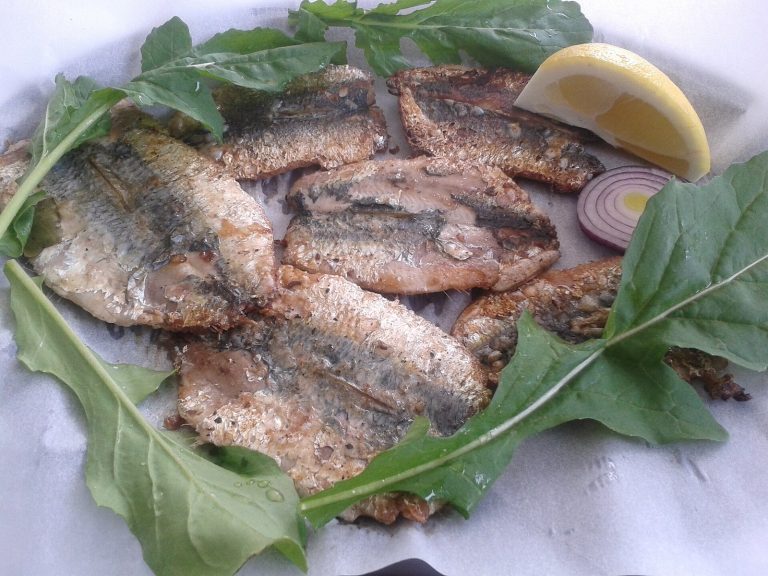
- – Fatty fish such as trout, salmon, tuna, and mackerel are among the best natural sources of vitamin D, according to ODS.
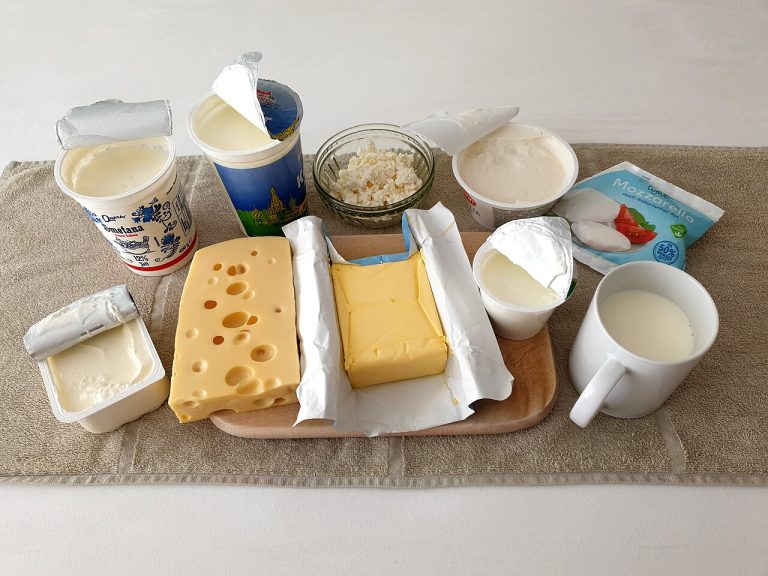
- – Fortified milk: almost all U.S. milk is fortified with about 3 mcg (120 IU) per cup; many soy, almond, and oat drinks are similarly fortified. Cheese and ice cream usually are not.
- – Fortified cereals, some orange juices and yogurts: check the label, because not every brand adds vitamin D.
- – ODS recommends 15 mcg (600 IU) daily for adults 19–70 and 20 mcg (800 IU) for adults over 70, with an adult upper limit of 100 mcg (4,000 IU) unless a clinician directs otherwise.
Magnesium-rich staples (ODS)
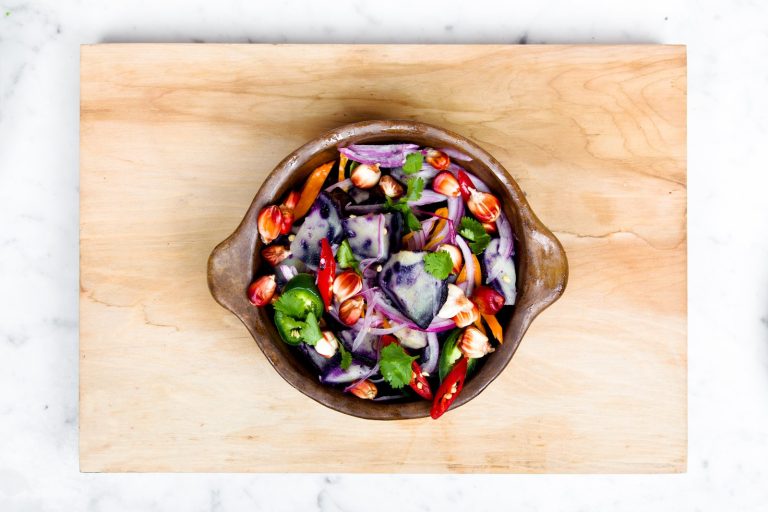
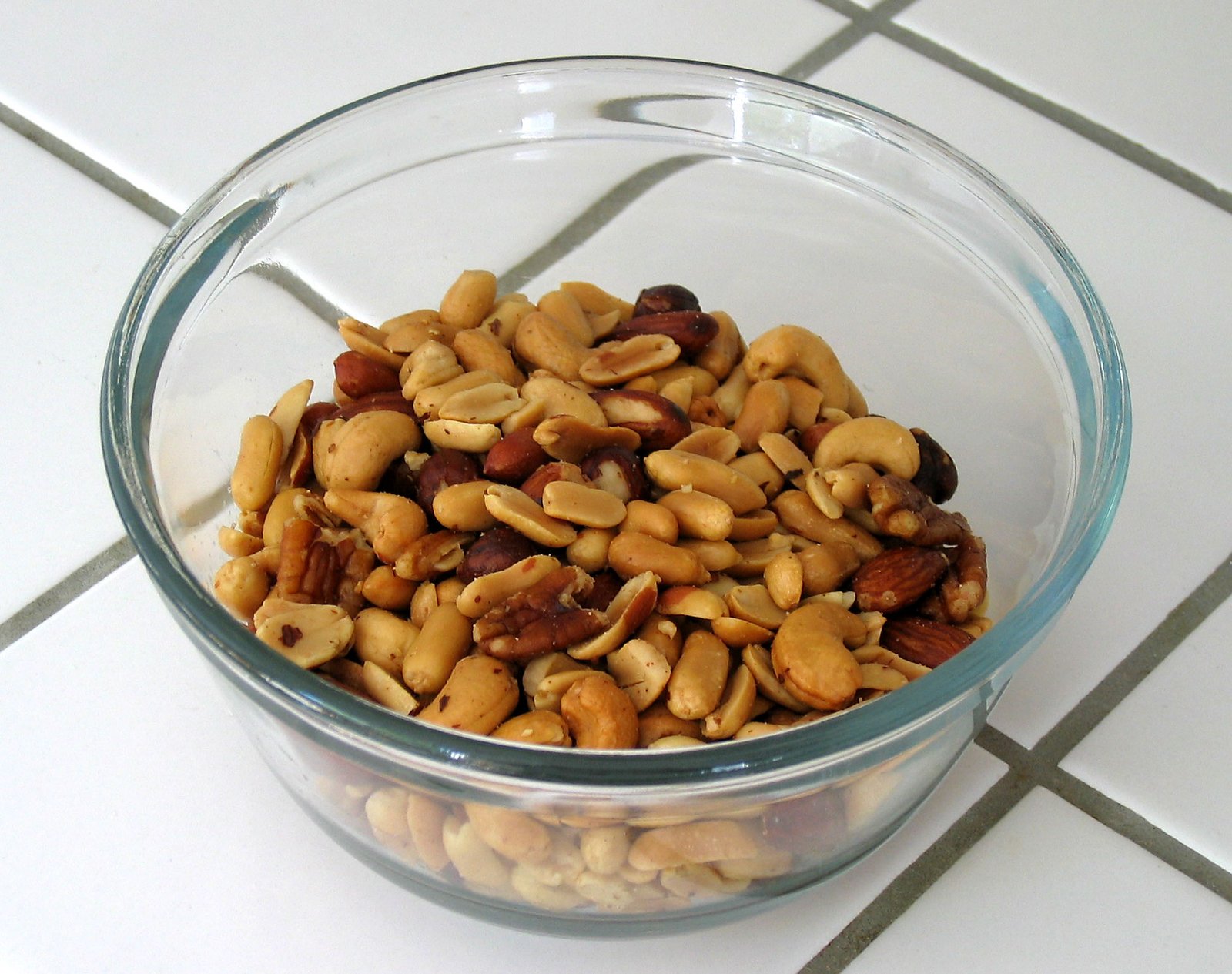
- – Legumes, nuts, seeds, whole grains, and green leafy vegetables such as spinach are natural magnesium sources.
- – ODS lists recommended amounts of 400–420 mg for men and 310–320 mg for women from all sources. Magnesium in food does not need to be limited in healthy people; the 350 mg adult upper limit applies only to supplements and medicines.
- – Research on magnesium supplements for fibromyalgia is still under way, so food first is the reasonable default.
Sleep-friendly evening habits (NHS, NIAMS)
- – A warm, milky drink as part of a bedtime routine is one of the NHS self-help suggestions.
- – Lighter evening meals: NHS advises avoiding a heavy meal late at night.
- – Caffeine-free drinks after midday if you are sensitive, in line with NIAMS advice to avoid stimulants.
A balanced, regular meal rhythm
Regular meals with protein, vegetables, and whole grains support steady energy for the low-impact exercise NIAMS and NHS emphasize. If you also have IBS-type symptoms, which both list as common with fibromyalgia, add fiber gradually.
Foods and habits that often worsen fibromyalgia symptom patterns
- – Caffeine late in the day: coffee, strong tea, energy drinks, and cola can keep you awake; NIAMS advises avoiding stimulants.
- – Alcohol, especially in the evening: NIAMS suggests limiting alcohol; NHS advises avoiding it before bed.
- – Heavy, late dinners: NHS lists these among habits that can disrupt sleep.
- – Nicotine: NIAMS groups it with caffeine as a stimulant to avoid.
- – Stacking supplements without a plan: NCCIH warns that “natural” does not mean safe; vitamin D and magnesium can be harmful in excessive amounts, and some supplements interact with medicines.
- – Boom-and-bust eating: long gaps followed by large meals can feed the energy swings NIAMS describes in its advice on pacing yourself.
“Limit” here means reduce timing or amount under your own plan. One coffee is not a flare guarantee; the pattern over weeks matters more.
Practical kitchen protocol: a fibromyalgia diet week
1. Start with a two-week food, sleep, and symptom log
Note meals, drinks (caffeine and alcohol with times), bedtime, pain, and energy. Symptoms change day to day, as NHS notes, so a log separates patterns from coincidence. Share it with your GP or dietitian.
2. Ask about a vitamin D check before buying pills
Because NCCIH ties possible pain benefit to people who are deficient, ask your clinician whether a blood test makes sense. If you are low, they can suggest a dose; if you are not, extra vitamin D is unlikely to add benefit and can be harmful at high intakes.
3. Build a “low-effort” fibromyalgia pantry
Stock foods that make a balanced plate with little effort on bad days:
- – Canned salmon, sardines, or tuna; frozen trout or salmon fillets.
- – Frozen spinach, mixed vegetables, and microwave brown rice or quinoa pouches.
- – Canned beans and lentils (rinse to reduce sodium).
- – Unsalted nuts and seeds, oats, whole-grain bread.
- – Fortified milk or plant milk, plain yogurt, eggs.
4. Batch-cook on good days
Pacing matters. NIAMS suggests not using up all your energy each day. On a better day, cook once and portion it: a pot of bean and vegetable soup, a tray of roasted vegetables, or baked salmon portions to freeze. Use sheet-pan meals to cut standing time; sit while prepping when you can.
5. Set a caffeine cut-off time
Pick a cut-off (many people choose early afternoon) and switch to decaf coffee, caffeine-free herbal tea, or warm milk after that. Watch hidden caffeine in cola, energy drinks, and some pain-relief products; ask your pharmacist if you are unsure.
6. Sample day (illustrative)
- – Breakfast: oatmeal cooked with fortified milk, topped with pumpkin seeds and berries.
- – Lunch: whole-grain wrap with canned salmon, spinach, and yogurt dressing.
- – Snack: a small handful of almonds and a piece of fruit.
- – Dinner (light, early): lentil and vegetable soup with whole-grain bread.
- – Evening: a warm, caffeine-free milky drink as part of a wind-down routine.
7. Pair meals with movement
NIAMS recommends starting exercise at a low level and building gradually with low-impact options such as walking, swimming, or tai chi. A short walk after lunch pairs food and movement; check with your doctor first.
Safety, interactions, and who should talk to a doctor first
- – Medicines: people with fibromyalgia may take antidepressants or anti-seizure medicines. Ask your pharmacist about alcohol with these medicines, and about any supplement you plan to add. NCCIH notes that some supplements studied for fibromyalgia may have side effects or interact with medications.
- – Magnesium supplements (ODS): can cause diarrhea, nausea, and cramping at high intakes; they can interfere with bisphosphonates and some antibiotics if taken too close together; diuretics and some acid-reflux drugs affect magnesium levels.
- – Vitamin D supplements (ODS): the adult upper limit is 4,000 IU (100 mcg) daily unless your clinician advises otherwise; too much can cause nausea, weakness, and other problems.
- – Kidney disease: get personal advice before taking magnesium or high-dose vitamin D.
- – Red flags — see a doctor promptly if you have new joint swelling or redness, fever, unexplained weight loss, new weakness or numbness, or a big change in your usual pain pattern. These are not typical of fibromyalgia and may point to another condition. Seek urgent care for chest pain or sudden severe symptoms.
- – Mood: NIAMS recommends seeing a mental health professional if emotional problems arise. If you have thoughts of self-harm, contact emergency services or a crisis line right away.
FAQ
Is there a specific fibromyalgia diet that works for everyone? No public source names one. NIAMS and NHS focus on exercise, therapy, sleep habits, and medicines. A balanced pattern with fatty fish, fortified foods, legumes, nuts, seeds, whole grains, and vegetables is a sensible support layer.
Should I take vitamin D for fibromyalgia? Only if you are low or your clinician recommends it. NCCIH reports that vitamin D supplements may reduce pain in people with fibromyalgia who are deficient. A blood test is the clearest way to know.
Does magnesium help fibromyalgia? It is still being studied. NCCIH says researchers are investigating whether low magnesium contributes and whether supplements help. Food sources such as legumes, nuts, seeds, whole grains, and leafy greens are a low-risk way to meet ODS targets.
Should I cut out coffee completely? Not necessarily. NIAMS advises avoiding stimulants for better sleep; many people do fine with a morning cup and an afternoon cut-off. Let your log decide.
Can anti-inflammatory foods fix fibromyalgia pain? NIAMS explains that fibromyalgia does not cause tissue inflammation, which is why anti-inflammatory pain medicines are usually not effective. Healthy foods support overall health, but they are not a targeted pain fix.
How this differs from related OTCFood topics
This page focuses on the fibromyalgia diet: steady energy, sleep-friendly habits, vitamin D, and magnesium. It is not an inflammatory-joint plan like our rheumatoid arthritis diet guide, and it does not replace our gut-symptom IBS diet page, though the two often overlap. For sleep-specific food choices see insomnia diet, and for supplement label details see magnesium glycinate for sleep.
Medical disclaimer
Medical disclaimer: This article is for general information only and is not medical advice or a diagnosis. Fibromyalgia care depends on your symptoms, other conditions, and medicines. Talk with a licensed clinician or registered dietitian before changing your eating plan, starting supplements, or adjusting any medication. Seek prompt care for new or unusual symptoms.