Patellar Tendinopathy (Jumper’s Knee) Diet: Foods That May Help and Foods to Limit
Medical note: This article discusses foods and researched botanicals. It does not claim to prevent, treat, or cure disease. Supplements are not a substitute for food, and studied amounts are not personal prescriptions.
People searching “patellar tendinopathy diet foods that help or worsen” usually want nutrition that supports jump-sport rehab—not a claim that food repairs the patellar tendon the way load management and clinical care can. MedlinePlus encyclopedia content on related knee tendon problems and AAOS OrthoInfo education on the patellar tendon describe the tendon as the strong cord that helps straighten the leg; overuse can irritate or partially injure tendon tissue (often called jumper’s knee / patellar tendinopathy in sports settings), while complete tears are a different, often surgical problem. Kitchen habits may support energy availability, protein intake, and body-weight goals during rehab; they do not replace progressive loading programs, relative rest from aggravating jumps, or orthopaedic care.
What this patellar tendinopathy diet guide covers (and what it does not)
This guide is for adults with clinician-recognized patellar tendinopathy / jumper’s knee who want practical eating patterns beside physiotherapy. Anchors: MedlinePlus encyclopedia — related knee tendon education and AAOS OrthoInfo — Patellar Tendon Tear (anatomy and tendon injury context).
Sudden “pop,” inability to straighten the leg, or traumatic tear signs need urgent orthopaedic evaluation—not a collagen shake. This page differs from Achilles tendinitis diet guide, rotator cuff tendinopathy diet guide, and tennis elbow diet guide, though rehab nutrition themes overlap.
Evidence snapshot: patellar tendinopathy diet claims vs public sources
| Claim people hope for | What public sources actually say | Confidence |
|---|---|---|
| “A special diet cures jumper’s knee” | Orthopaedic education centers on tendon load and clinical care—not culinary cures | Strong: food is adjunctive |
| “Under-eating is fine if you stay light for jumping” | Low energy availability can undermine training tolerance and recovery capacity | Moderate–strong against chronic underfueling |
| “Supplements replace eccentric rehab” | Guided loading programs are core clinical tools; supplements are not stand-alone fixes | Strong against replacement |
| “Complete immobilization forever heals faster” | Modern tendinopathy care often uses progressive loading under guidance—not endless total rest | Moderate: individualized |
| “If MRI is clean, pain is imaginary and diet doesn’t matter” | Clinical tendinopathy management is not only imaging-driven; nutrition still supports rehab capacity | Moderate |
Foods and patterns that may help during patellar tendon rehab
“May help” means fueling rehab sessions and supporting musculoskeletal nutrition—not dissolving tendon pain.
Energy availability for jump athletes and active adults
- – Eat enough total calories for your training load so physiotherapy and return-to-jump progressions are tolerable.
- – Include carbohydrate around hard sessions (oats, rice, potatoes, fruit) so form does not collapse from underfueling.
Protein distribution
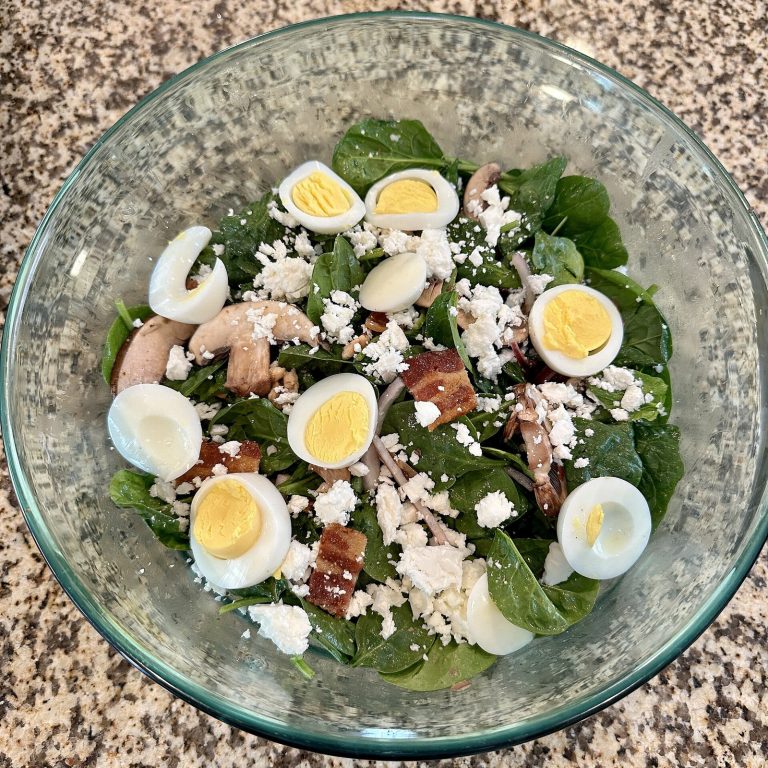
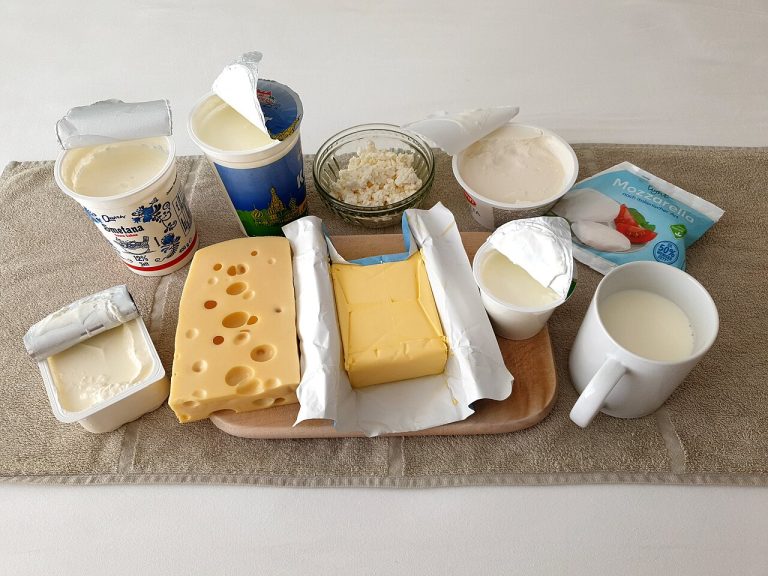
- – Target protein-rich foods across breakfast, lunch, dinner, and post-session snacks: eggs, dairy or fortified alternatives, fish, poultry, lean meat, tofu, tempeh, beans.
- – Pair with our general musculoskeletal kitchen ideas from sarcopenia diet guide when muscle maintenance is also a goal—without claiming sarcopenia and jumper’s knee are the same diagnosis.
Anti-inflammatory-style plates as defaults, not cures
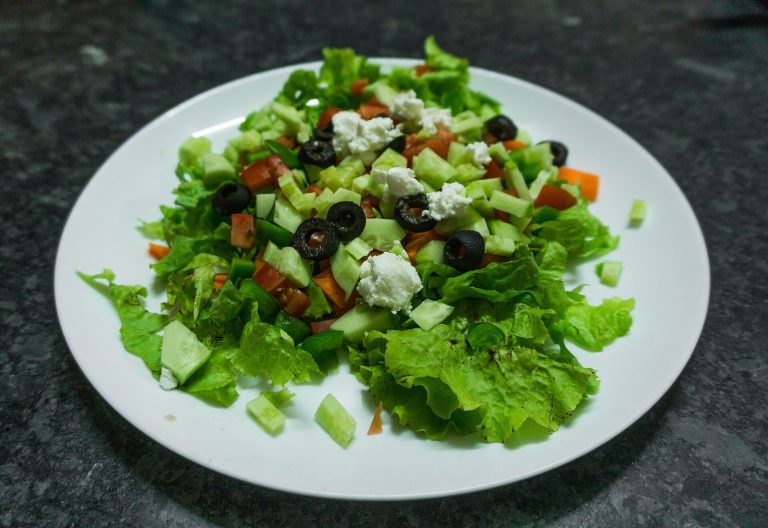
- – Vegetables, fruit, legumes, seafood, olive oil, and whole grains in a pattern similar to other joint guides such as bursitis diet guide.
- – Limit ultra-processed binge patterns that displace protein and produce—not because one cookie “inflames the tendon,” but because overall diet quality affects rehab energy.
Micronutrient-aware extras
- – Varied produce; calcium-containing foods; discuss vitamin D with your clinician if you have limited sun or known deficiency (vitamin D deficiency diet guide).
- – Hydration before/after court or track sessions.
Foods and habits that often worsen jumper’s knee kitchen-and-load patterns
- – Returning to max jumping volume because a new supplement arrived.
- – Chronic low-calorie dieting during heavy rehab blocks.
- – Alcohol-heavy nights before early practice and PT.
- – Ignoring traumatic tear symptoms while “eating for tendon health.”
- – All-or-nothing elimination diets that shrink food variety and adherence without a clinical reason.
Practical kitchen protocol: a patellar tendinopathy rehab week
1. Keep the medical spine first
Confirm tendinopathy versus fat-pad irritation, PFPS, Osgood-Schlatter in teens, or partial/complete tear. Follow your loading plan (isometrics, heavy-slow resistance, return-to-jump rules as prescribed).
2. Shopping list
Eggs; yogurt; milk or fortified alternative; chicken/fish/tofu; beans; oats; rice; potatoes; berries and citrus; leafy greens; olive oil; water bottles for practice.
3. Default plate template
- – Half vegetables and fruit
- – Quarter starch for fuel
- – Quarter protein
- – Optional small nut/seed portion if calories allow
4. Sample day (illustrative)
- – Breakfast: oatmeal, milk, banana, eggs on the side.
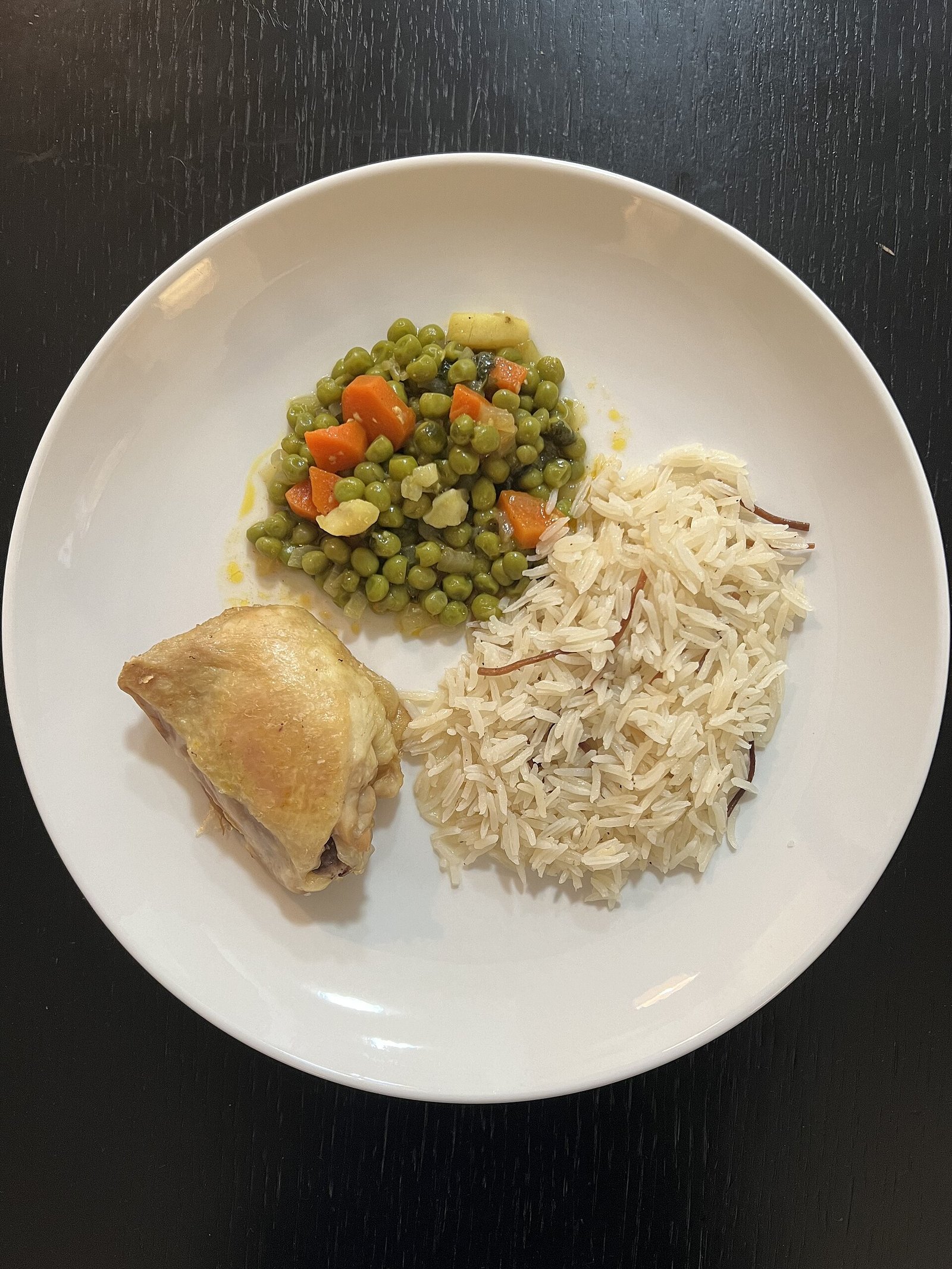
- – Lunch: rice bowl with chicken or tofu and mixed vegetables.
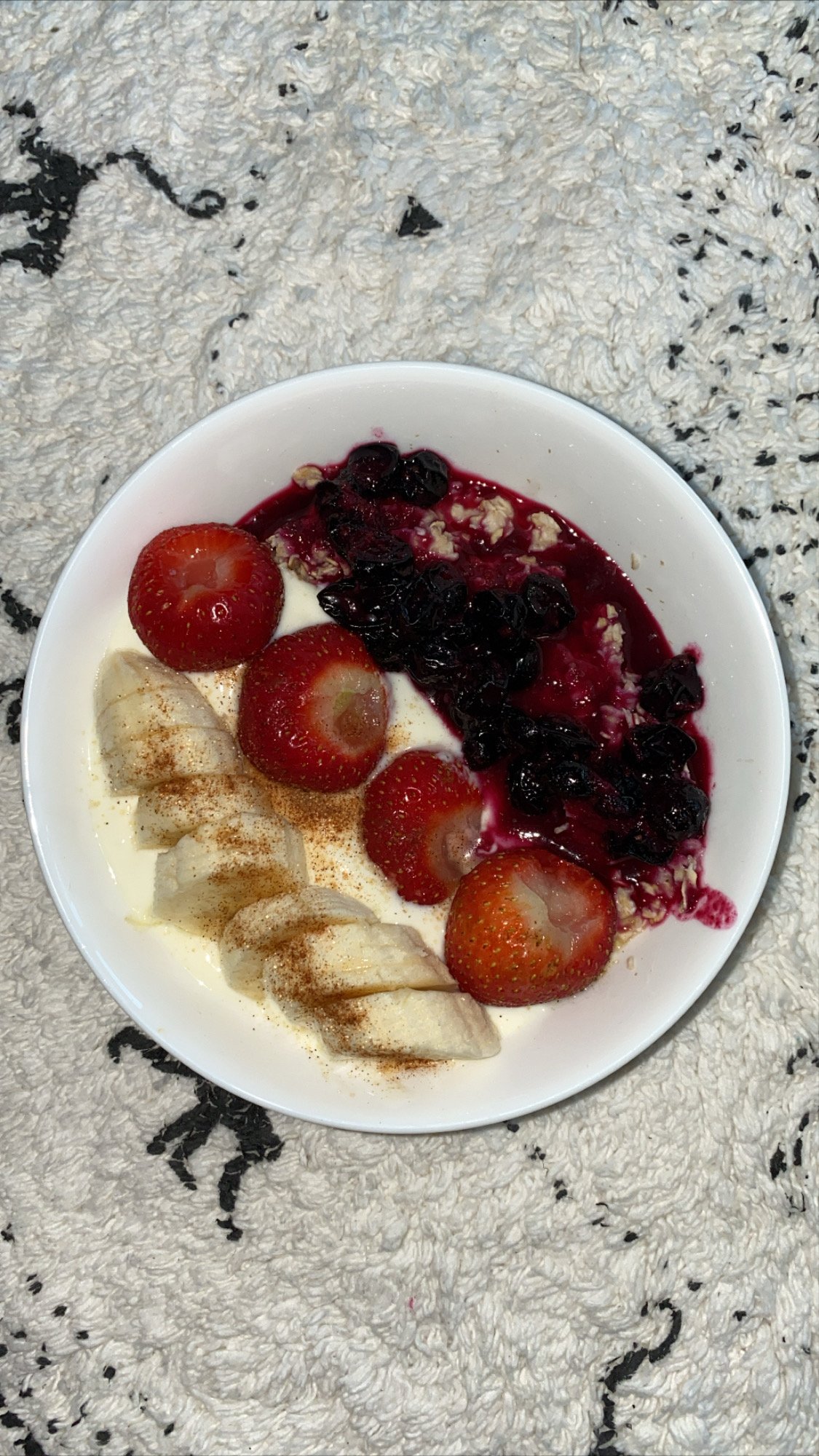
- – Pre-PT snack: yogurt and fruit.
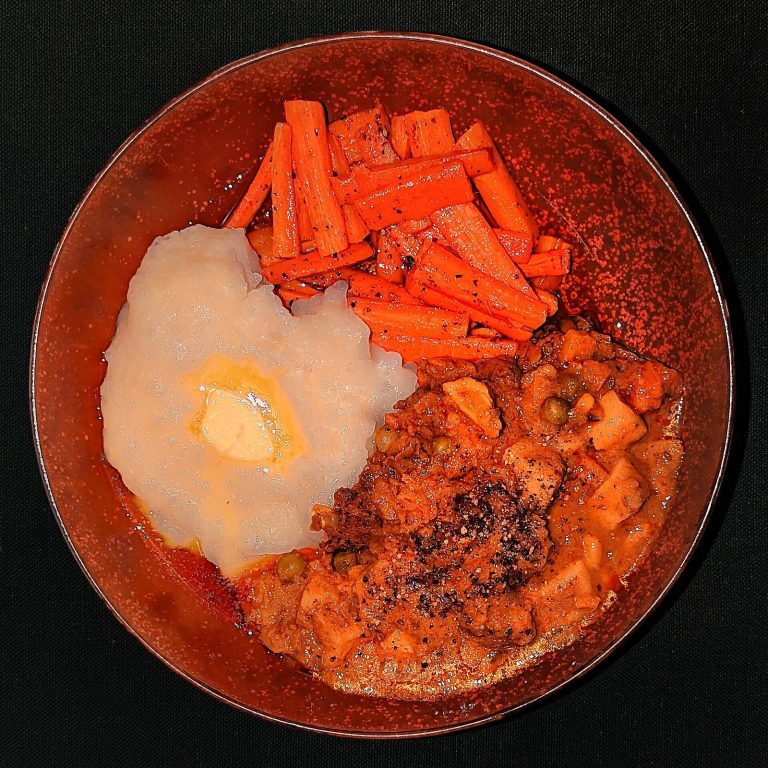
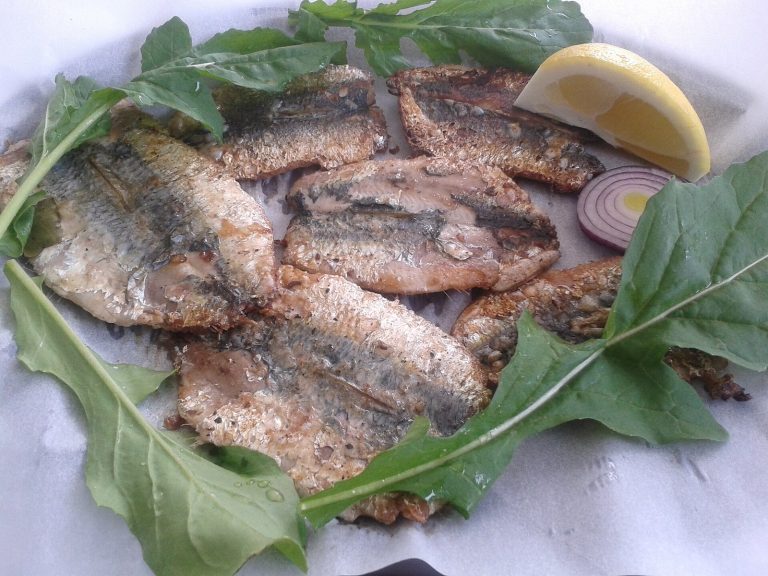
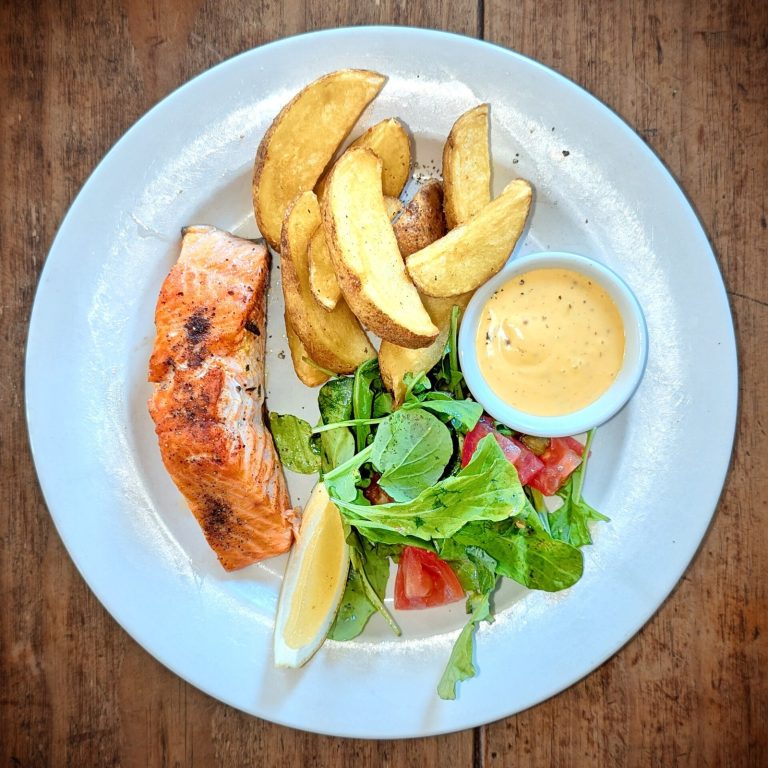
- – Dinner: salmon or lentils, potato, salad with olive oil.
- – Post-session: chocolate milk or smoothie if it fits your plan—convenience matters more than magic ingredients.
5. Body-weight goals without tendon underfueling
If weight loss is a long-term joint goal, use a mild deficit on rest days rather than aggressive cuts during intense rehab—coordinate with a sports RD when possible.
6. Sister tendon pages
Cross-train carefully; elbow or Achilles overload can appear when athletes shift sports—see sister tendon diet pages for kitchen themes only.
Safety, interactions, and who should ask a clinician first
- – Adolescents with anterior knee pain need age-appropriate evaluation.
- – Diabetes, kidney disease, or disordered eating history change nutrition priorities.
- – Injections, surgery, or imaging decisions are clinical.
- – Pain medicines and NSAIDs: pharmacist/clinician guidance—food is not a drug.
FAQ
Can diet fix patellar tendinopathy without changing training? No. Load management is central. Nutrition supports the work; it does not replace it.
Do I need collagen or gelatine protocols? Optional discussion with your clinician/RD—not a requirement in core public orthopaedic tear/tendon education pages.
Why does sitting in a movie hurt my tendon after a “clean” diet day? Compressive or prolonged flexed positions can bother some knees; that is mechanics, not proof diet failed.
Is jumper’s knee only for volleyball and basketball? Those sports are classic, but other jumping/landing and deep knee-loading activities can irritate the tendon.
When is surgery the diet’s failure? Surgery decisions are about tendon integrity and function—not whether you ate berries. Complete tears are a different pathway (AAOS tear education).
How this differs from related OTCFood topics
This page is a patellar tendinopathy–bound rehab nutrition guide. It is not an AAOS complete-tear post-op manual, not a general osteoarthritis diet guide arthritis page, and not a claim that food cures jumper’s knee.
Medical disclaimer
Medical disclaimer: This article is for general information only. It is not medical advice, diagnosis, or a treatment plan. Knee tendon care depends on diagnosis, imaging when indicated, and sport demands. Talk with a clinician, physical therapist, or registered dietitian before starting, stopping, or changing any eating plan, supplement, or medicine. Seek urgent care for traumatic injury, inability to straighten the leg, or sudden severe swelling.