Diet After Hip Replacement: Foods That May Help and Foods to Limit
Medical note: This article discusses foods and researched botanicals. It does not claim to prevent, treat, or cure disease. Supplements are not a substitute for food, and studied amounts are not personal prescriptions.
People searching “diet after hip replacement foods that help or worsen” usually want practical nutrition that supports recovery energy, constipation comfort while on pain medicines, healthy weight habits that protect the new joint, and kitchen setups that respect hip-position rules—not a claim that food heals implants or replaces physical therapy. MedlinePlus describes hip replacement (hip arthroplasty) as surgery that removes damaged cartilage and bone and replaces them with man-made parts, most often for severe osteoarthritis when physical therapy, pain medicines, and exercise have not been enough. MedlinePlus notes the most common problem after surgery is hip dislocation, and that blood clots and infections are also risks; after recovery you may need to avoid jogging and high-impact sports. NIAMS adds that recovery exercises, safe movement, and home preparation matter for outcomes, and that being overweight before surgery can increase complication risk.
What this after hip replacement diet guide covers (and what it does not)
This guide is for adults in the weeks to months after total or partial hip replacement who want kitchen patterns that support rehab adherence. Anchors: MedlinePlus — Hip Replacement, NIAMS — Hip Replacement Surgery, and MedlinePlus patient pages on hospital recovery and caring for a new hip joint.
Nutrition does not replace anticoagulation plans, dislocation precautions, wound care, infection precautions, or PT. Protein and overall calories may support tissue recovery and muscle rebuilding during rehab, but they do not “speed-heal” metal, ceramic, or plastic components. Long-term joint protection overlaps with osteoarthritis diet guide weight and activity framing and with sarcopenia diet guide muscle-preserving habits for older adults. Hip-specific movement rules (for example avoiding deep hip flexion and crossing legs early on, per MedlinePlus “taking care of your new hip”) are mechanical—not culinary.
Evidence snapshot: post–hip replacement diet claims vs public sources
| Claim people hope for | What public sources actually say | Confidence |
|---|---|---|
| “Special foods heal the implant faster” | MedlinePlus/NIAMS emphasize PT, clot prevention, safe positioning, and gradual activity—not culinary implant healing | Strong: food is supportive |
| “Healthy weight protects the new hip” | NIAMS: try to lose weight if overweight before surgery because excess weight can raise complication risk; after recovery, low-impact activity is preferred | Strong for long-term joint load |
| “High-impact sport is fine if you eat anti-inflammatory foods” | MedlinePlus: you might need to avoid jogging and high-impact sports; MedlinePlus new-hip care: avoid downhill skiing and contact sports after full recovery | Strong: activity choice matters more than food branding |
| “Constipation after surgery is unrelated to diet” | Opioid pain medicines and reduced mobility commonly slow the gut; fluid and gradual fiber patterns are practical comfort supports alongside clinician bowel plans | Moderate for comfort; follow surgical team orders |
| “Supplements replace PT or dislocation precautions” | No NIH patient page presents pills as a substitute for prescribed rehab or hip-position rules | Strong: PT and precautions first |
Foods and patterns that may help after hip replacement
“May help” means fueling rehab, supporting bowel regularity when appropriate, and aligning with healthy-weight goals—not dissolving scar tissue or infection risk with a salad.
Protein-forward plates for rehab energy
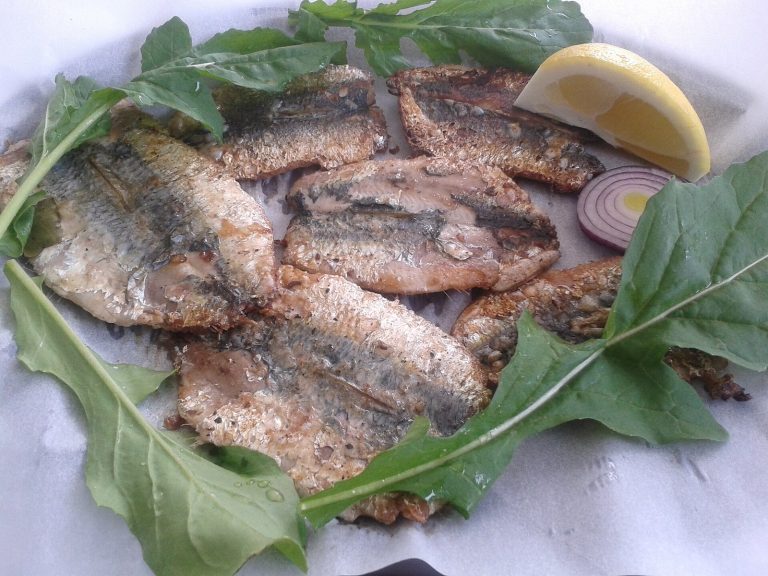
- – Include eggs, fish, poultry, dairy or fortified alternatives, beans, lentils, tofu, and lean meats distributed across meals if your clinician has no opposing restriction.
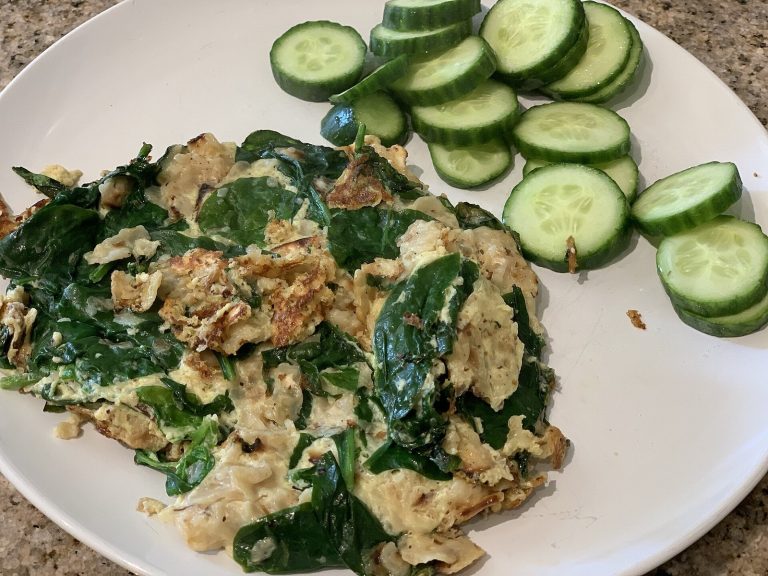
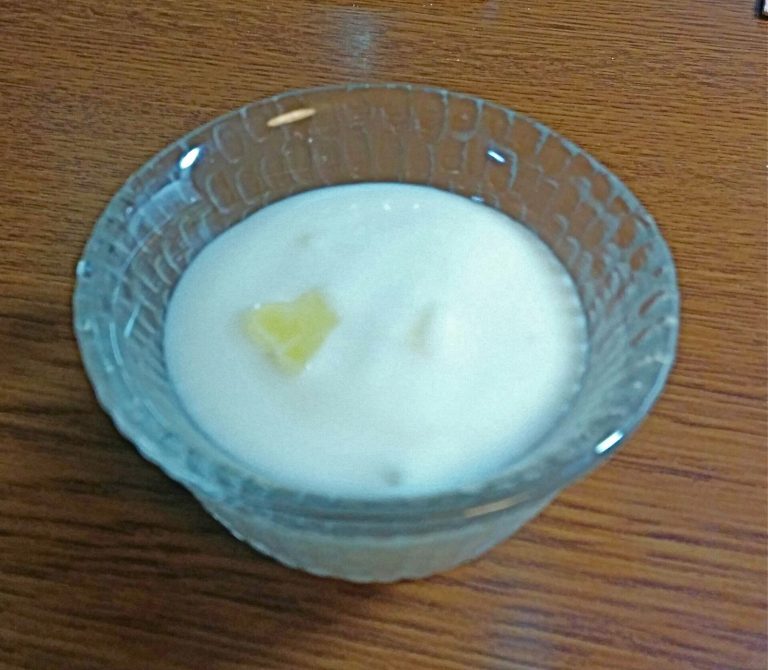
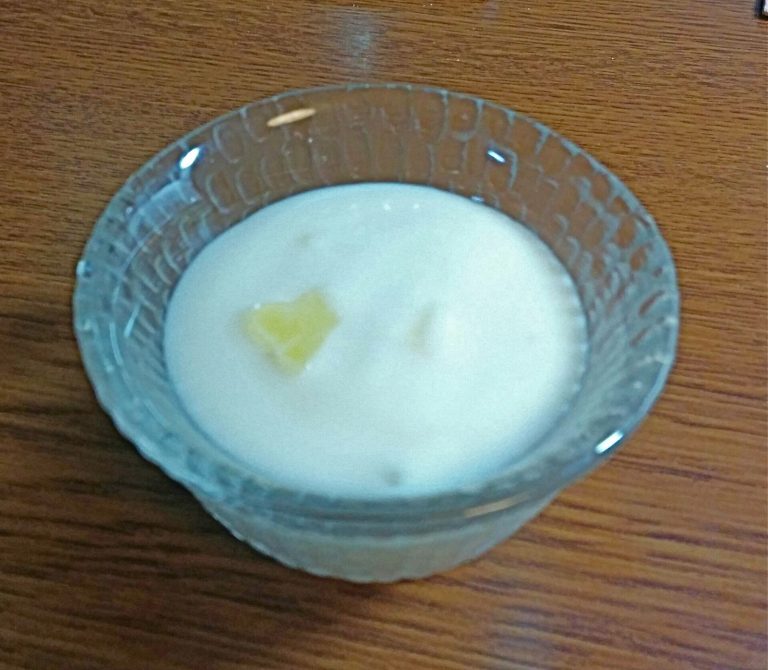
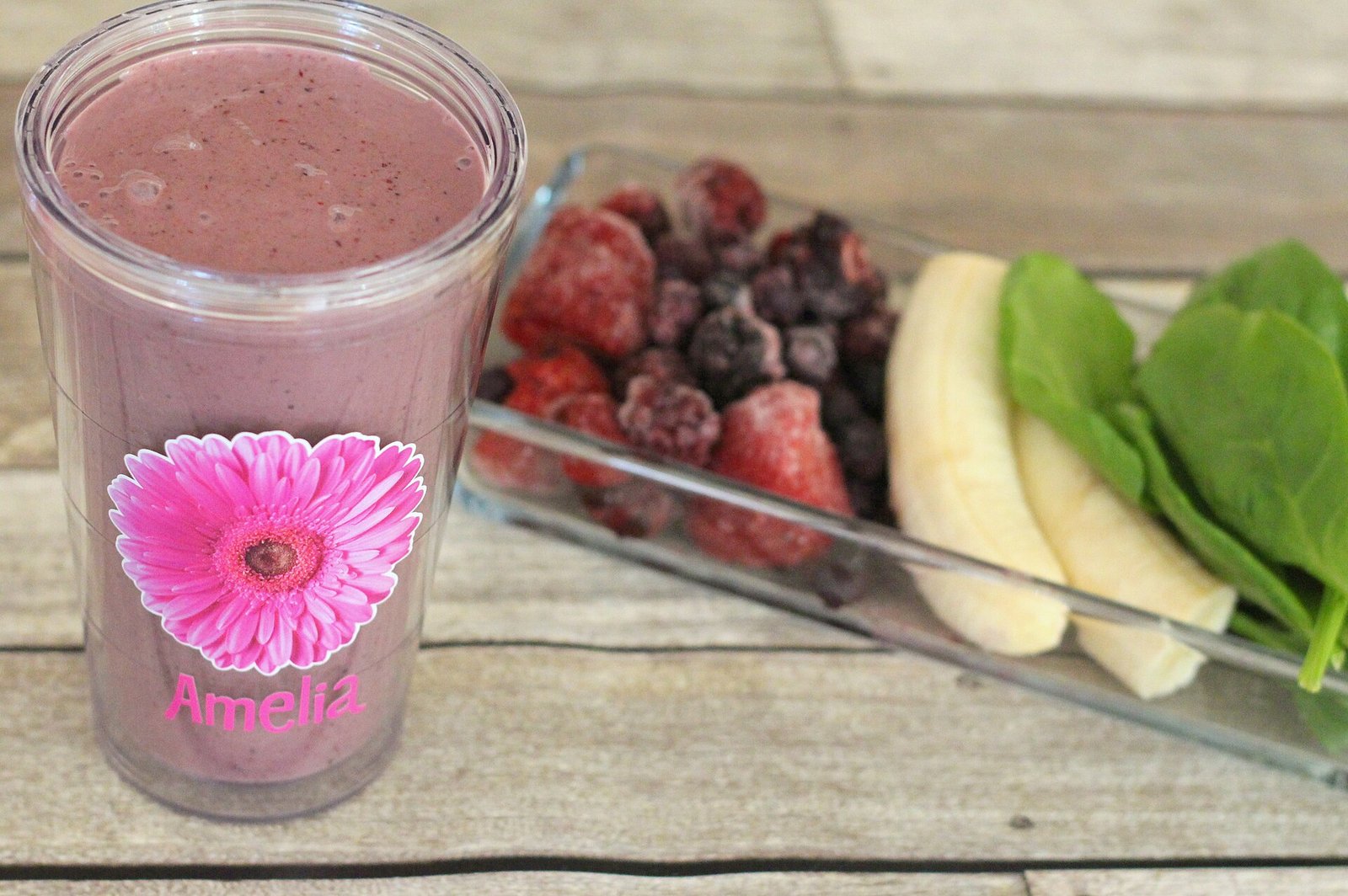
- – Pair protein with easy sides early after surgery when appetite is low: yogurt, scrambled eggs, soft fish, cottage cheese, smoothies with milk or soy milk.
- – Muscle loss risk rises with inactivity—kitchen protein habits complement, but do not replace, sarcopenia diet guide style resistance work prescribed by PT.
Fluids and fiber for medicine-related constipation comfort
- – Drink water regularly unless you have a fluid restriction.
- – Gradual fiber from oats, fruit, vegetables, and beans—increase slowly to avoid gas; ask your surgical team before aggressive fiber powders.
- – Do not stop stool softeners or other bowel medicines your team prescribed just because you ate a pear. Broader constipation kitchen context: constipation diet guide.
Micronutrient-aware patterns (food first)
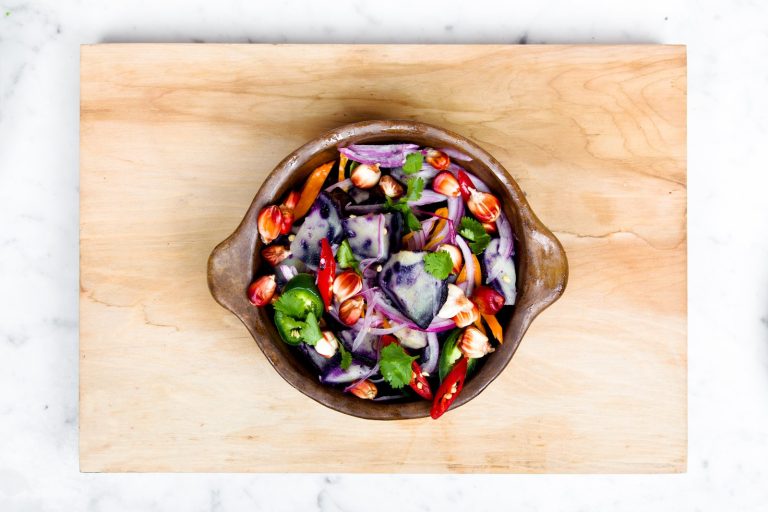
- – Balanced plates with vegetables, fruit, whole grains, and dairy or fortified alternatives support overall recovery nutrition.
- – Vitamin D and calcium matter for bone health generally—see vitamin D deficiency diet guide and calcium deficiency diet guide—but do not invent megadoses after arthroplasty.
- – If you have iron deficiency from other causes, use clinician-guided care—iron deficiency anemia diet guide—rather than assuming surgery requires DIY iron loading.
Healthy-weight, low-impact lifestyle pairing
- – NIAMS notes excess weight can raise surgical complication risk; MedlinePlus cautions against high-impact stress on the replaced hip.
- – Focus on satisfying, lower-energy-density meals (vegetables, lean protein, measured starches) if weight reduction is part of your plan—without crash fasting that undermines healing energy.
- – Osteoarthritis often remains relevant in other joints—see osteoarthritis diet guide.
Foods and habits that often worsen post–hip replacement kitchen patterns
- – Skipping meals then grazing on low-protein snacks during the fatigue window—undermines rehab fuel.
- – Ultra-processed high-sodium takeout every night—can challenge blood-pressure goals and crowd out protein; individualize if you also manage hypertension diet guide.
- – Heavy alcohol while on pain medicines or anticoagulants—asks for pharmacist-level interaction review; also impairs sleep and balance safety with walkers.
- – Crash “anti-inflammatory” cleanses that cut protein and calories during the healing window.
- – Returning to jogging or contact sports early because “diet is clean”—MedlinePlus/NIAMS activity cautions are mechanical, not culinary.
- – Ignoring hip-position rules while carrying heavy grocery bags—MedlinePlus new-hip care stresses careful bending and crossing rules; use delivery or help early on.
- – Ignoring red-flag symptoms (fever, wound drainage, calf swelling/pain, chest pain, sudden shortness of breath, sudden hip “out of place” pain) while experimenting with supplements.
“Limit” means reducing habits that undermine rehab nutrition and joint protection—not permanent joyless eating.
Practical kitchen protocol: the first weeks and beyond
1. Keep the medical spine first
Follow clot-prevention medicines and compression guidance, wound care, antibiotic instructions if given, hip-position precautions, and PT exercise dose. Ask when you may drive and when to advance diet if anesthesia left you nauseated. MedlinePlus hospital recovery pages note IV fluids until you drink on your own, then a gradual return toward a normal diet.
2. Shopping list for recovery kitchens
Eggs; Greek yogurt; canned tuna or salmon; chicken; beans; oats; berries and bananas; pre-cut vegetables; whole-grain bread; oral nutrition shakes only if your clinician/dietitian suggests; stool-softener as prescribed (not food). Stock items at arm level so you do not deep-bend for pantry shelves—aligning with NIAMS home-prep tips.
3. Default plate template
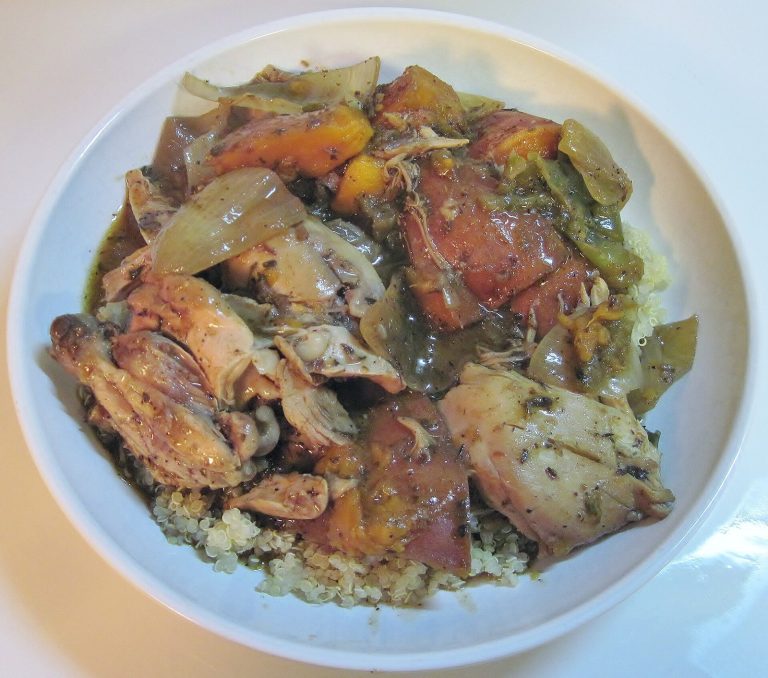
- – Quarter to one-third protein
- – Half vegetables/fruit
- – Remaining starch
- – Water or milk beside the plate
- – Keep meals reachable without deep hip flexion early on—counter-height prep, seated tasks, long-handled reachers as taught by OT
4. Sample day (illustrative, later outpatient weeks)
- – Breakfast: scrambled eggs, fruit, whole-grain toast; water.
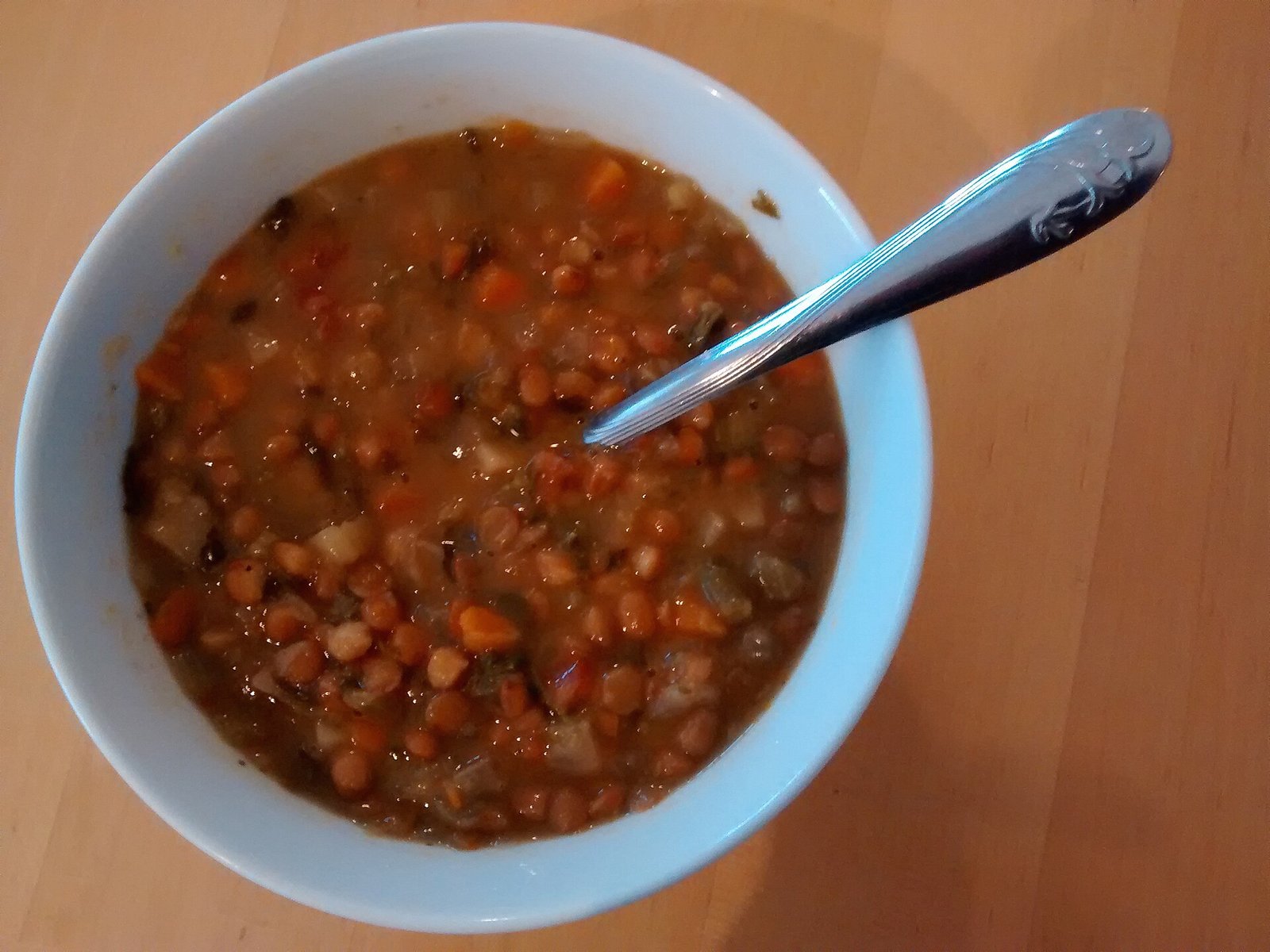
- – Lunch: lentil soup; yogurt; soft fruit.
- – Snack: cottage cheese or a protein smoothie.
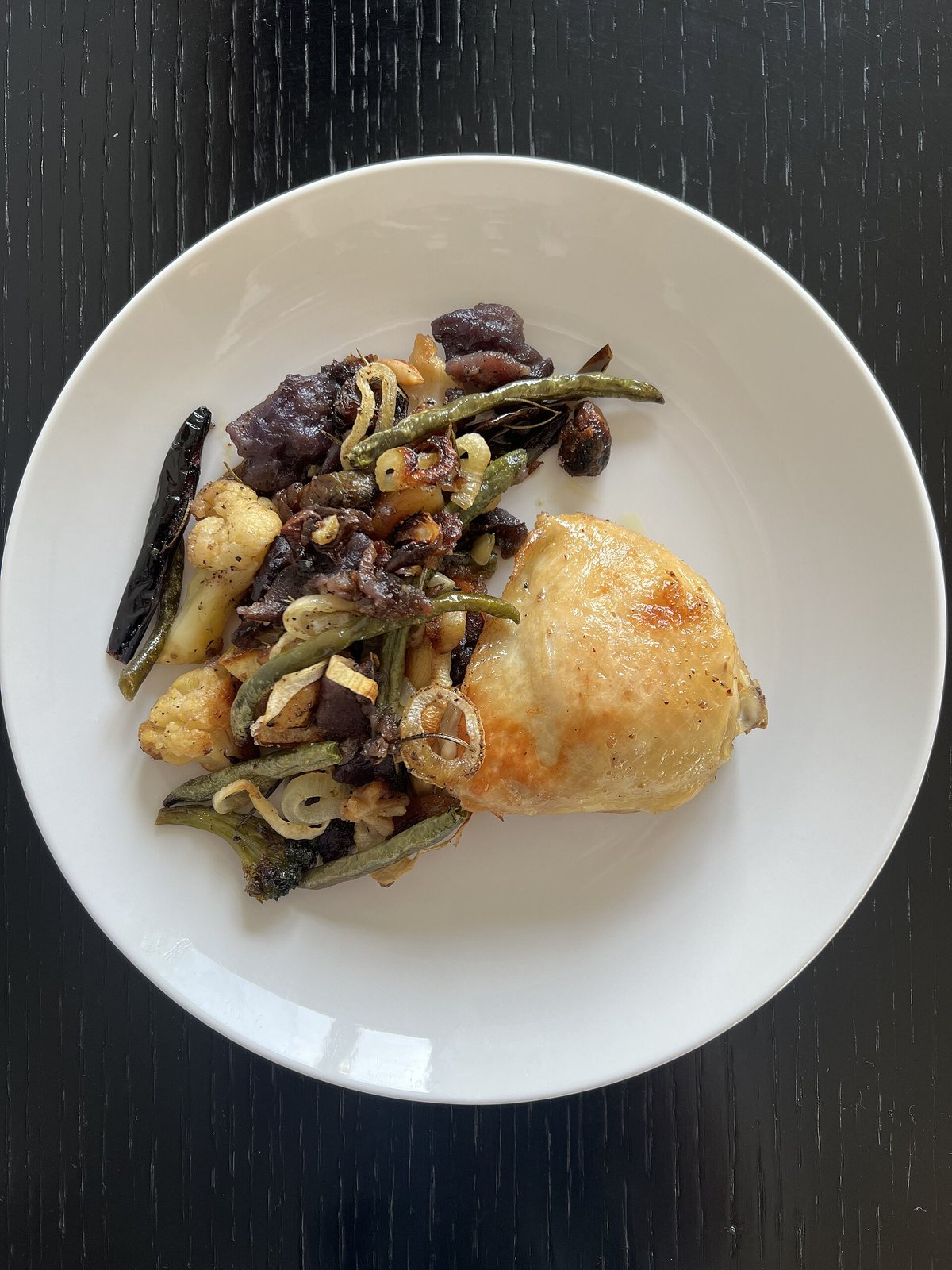
- – Dinner: baked fish, potato, salad or cooked vegetables; milk or fortified alternative.
- – Evening: planned PT snack if exercises leave you hungry—skip alcohol if it worsens balance.
5. Home setup tips that interact with eating
NIAMS recommends preparing meals in advance and arranging help with cooking and shopping. Place water bottles along your walking path; avoid carrying heavy grocery bags that stress the surgical side.
6. Long-term joint protection kitchen mindset
After the acute phase, align calories with walking, swimming, and other low-impact routines your team clears. Revisit osteoporosis risk with your clinician if relevant—osteoporosis diet guide—especially if you are older or on long-term steroids for other diseases.
Safety, interactions, and who should ask a clinician first
- – Signs of infection, clot, heart attack, stroke symptoms, or suspected dislocation need urgent care—MedlinePlus lists dislocation, blood clots, and infections among key concerns.
- – Anticoagulants and NSAIDs have diet and bleeding interactions—ask before starting herbal “healing” teas or high-dose fish oil.
- – Diabetes meal plans still apply if you have diabetes; surgery stress can change glucose patterns—see type 2 diabetes diet guide.
- – Kidney or heart disease may limit protein, potassium, or fluids—do not copy generic high-protein internet plans.
- – Revision surgery can be needed for loosening, fracture around the implant, dislocation, or infection (NIAMS)—nutrition supports overall health but does not make implants permanent.
FAQ
Can diet make my hip replacement last longer? Healthy weight and low-impact activity are the protection habits emphasized in public sources. Food quality supports weight and rehab energy; it does not stop mechanical wear by itself.
How much protein do I need? There is no single universal number on the MedlinePlus hip page. Ask your surgical team or dietitian for a target that fits your age, kidney function, and appetite.
Why am I constipated after surgery? Pain medicines, reduced mobility, and fluid shifts are common contributors. Use the bowel plan you were given plus gradual fluids/fiber—not harsh DIY laxative stacks without advice.
When can I return to normal restaurants? When nausea settles and your team has no texture restrictions—still prioritize protein and skip balance-impairing alcohol early, especially while using a walker or cane. Mind portion size if weight goals matter for joint load.
Is this the same as an after-knee-replacement diet? Related but not identical. Both emphasize protein, constipation-aware habits, and healthy weight, but hip care adds dislocation and flexion precautions. See diet after knee replacement guide for the knee-specific twin page.
How this differs from related OTCFood topics
This page is an after-hip-replacement-bound diet guide focused on rehab fueling, constipation-aware habits, healthy weight, and MedlinePlus/NIAMS activity and positioning cautions. It is not a promise that food treats implant infection, not a license to skip PT, and not a high-impact sports nutrition plan.
Medical disclaimer
Medical disclaimer: This article is for general information only. It is not medical advice, diagnosis, or a treatment plan. Hip replacement recovery depends on surgical details, clot prevention, dislocation precautions, infection risk, other medical conditions, and rehabilitation. Talk with your surgeon, clinician, or registered dietitian before starting, stopping, or changing any eating plan, supplement, or medicine. Seek urgent care for wound infection signs, calf swelling with pain, chest pain, sudden shortness of breath, or sudden severe hip pain suggesting dislocation.