Rheumatoid Arthritis Diet: Foods That May Help and Foods to Limit
Medical note: This article discusses foods and researched botanicals. It does not claim to prevent, treat, or cure disease. Supplements are not a substitute for food, and studied amounts are not personal prescriptions.
The honest answer to “what should I eat with rheumatoid arthritis?” is that no special diet has been proven to control RA, but a few food choices have reasonable support. NIH’s complementary-health center (NCCIH) says the effects of special diets such as vegetarian, Mediterranean, or elimination diets on RA are uncertain because very little research has been done, while omega-3 fish-oil supplements may help relieve RA symptoms. NIAMS (the NIH arthritis institute) recommends a healthy diet with a balance of calories, protein, and calcium, and advises talking to your doctor about alcohol because it may interact with RA medicines. The Arthritis Foundation favors a Mediterranean-style pattern built on fish, nuts, beans, whole grains, fruit, vegetables, and olive oil. Food supports your care plan; NCCIH is explicit that you should not substitute other approaches for the medicines your clinician prescribes.
What this rheumatoid arthritis diet page covers (and what it does not)
This page is for adults with rheumatoid arthritis (RA), people newly diagnosed, and the family cooks shopping for them. Anchors: NIAMS — Rheumatoid Arthritis, NIAMS — RA steps to take, NCCIH — Rheumatoid Arthritis: In Depth, ODS — Omega-3 Fatty Acids, and the Arthritis Foundation’s arthritis diet and weight-loss pages.
NIAMS describes RA as a chronic autoimmune disease in which the immune system attacks the lining of the joints, causing pain, swelling, stiffness, and loss of function, often in a symmetrical pattern in the wrists, hands, and feet. It is two to three times more common in women than men. RA can also cause fatigue, loss of appetite, and anemia, and can affect the heart, lungs, and eyes. Because joint damage can begin in the first year or two, early medical care matters far more than any menu change. RA is different from osteoarthritis, the wear-related joint condition covered in our osteoarthritis diet guide.
Evidence snapshot: rheumatoid arthritis diet claims vs public sources
| Claim people hope for | What public sources actually say | Confidence |
|---|---|---|
| “Fish oil helps RA joints” | NCCIH: a 2017 review of 22 studies (956 participants) found a favorable effect of long-chain omega-3 supplements on RA pain; ODS adds people may need less pain-relief medication, but it is not clear whether swelling or morning stiffness improve | Moderate, as an add-on |
| “A Mediterranean or vegan diet will control RA” | NCCIH: effects of vegetarian, Mediterranean, or elimination diets are uncertain; some study participants lost weight unintentionally | Low-to-uncertain |
| “Cutting out whole food groups is safer” | NCCIH: very restrictive diets that eliminate major food groups may cause nutritional deficiencies | Strong caution |
| “Evening primrose or borage oil helps” | NCCIH: GLA-containing oils may have some benefit, but few studies exist; some borage products contain liver-harming pyrrolizidine alkaloids | Low |
| “Weight doesn’t matter in RA” | NIAMS: obesity may raise RA risk and limit how much the disease can be improved; the Arthritis Foundation cites a study in which people who lost at least 5 kg were about three times as likely to improve disease activity | Moderate |
| “Probiotics calm RA” | NCCIH: preliminary studies used different products with differing results; no conclusions can be reached | Insufficient |
Foods and patterns that may help with rheumatoid arthritis
“May help” here means a sensible kitchen default that supports overall health and works alongside your medicines.
Fish and other omega-3 foods
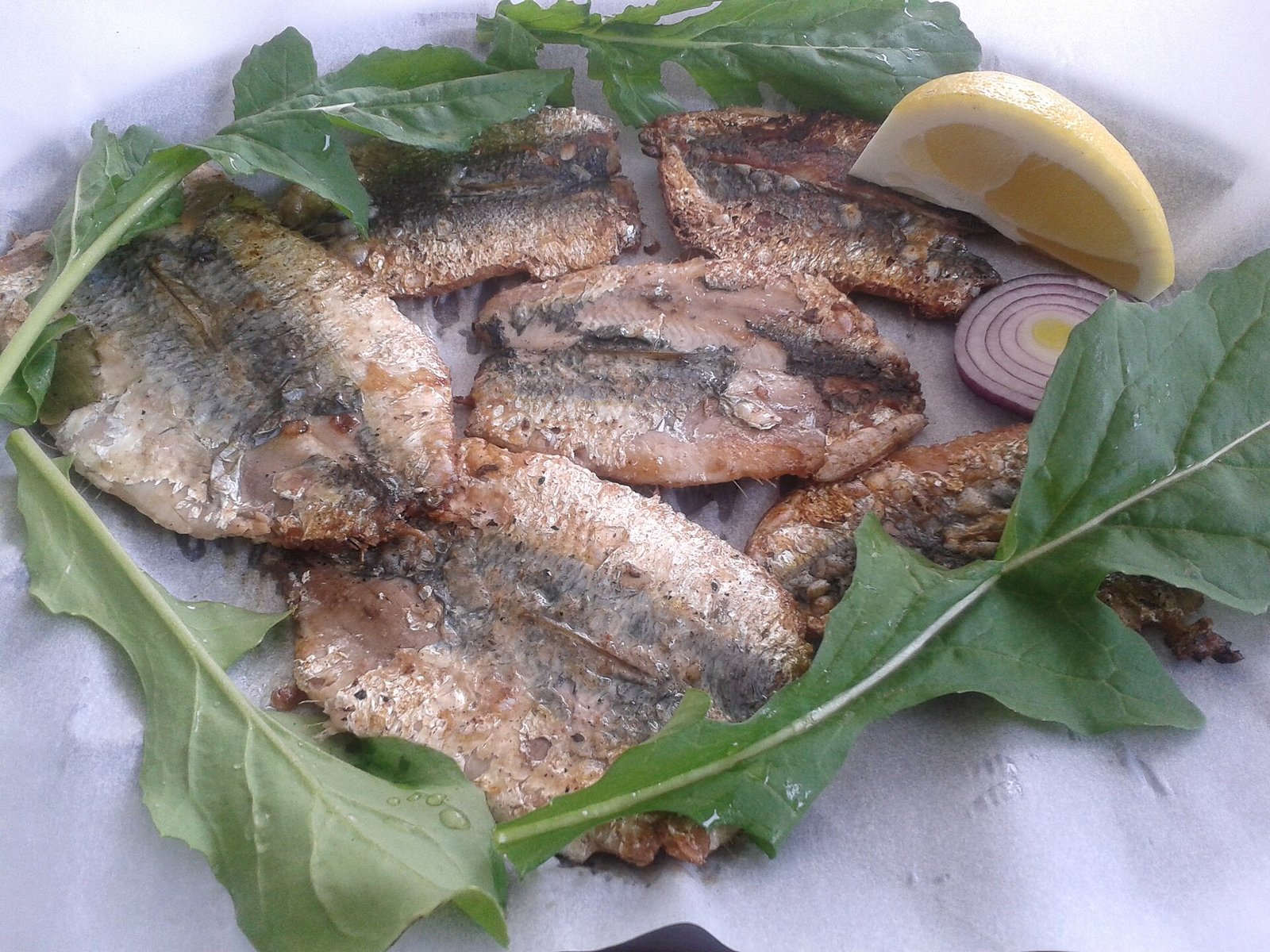
ODS lists cold-water fatty fish—salmon, mackerel, tuna, herring, and sardines—as the main sources of EPA and DHA, plus flaxseed, chia seeds, walnuts, and canola or soybean oil for plant omega-3 (ALA). The Arthritis Foundation suggests 3 to 4 ounces of fish, twice a week as a baseline.
A Mediterranean-style base
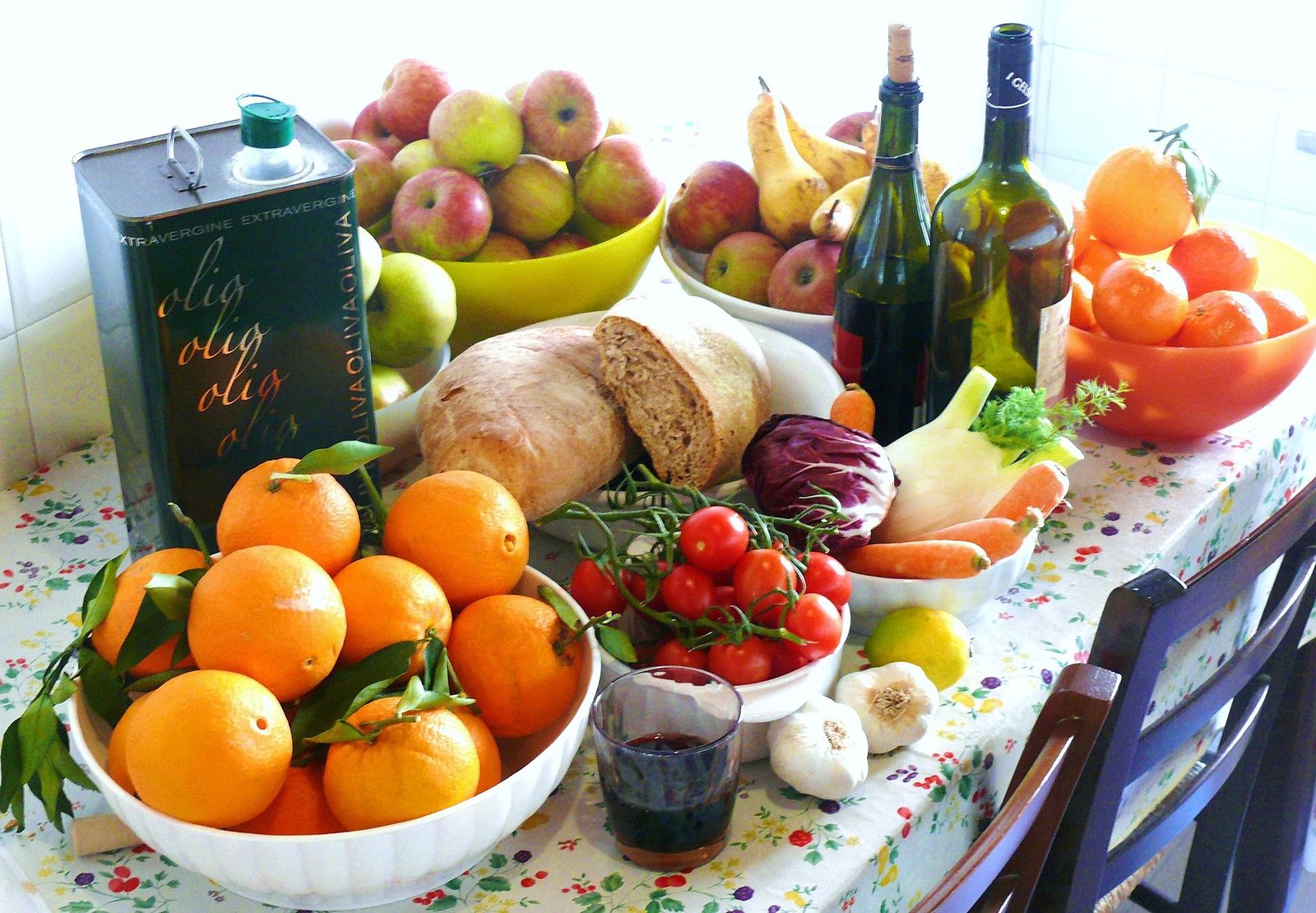
The Arthritis Foundation’s pattern: about 1.5 ounces of nuts daily, nine or more servings of fruit and vegetables (cherries, berries, citrus, spinach, kale, broccoli), two to three tablespoons of extra virgin olive oil, beans about twice a week, and mostly whole grains. Even though NCCIH calls the RA-specific evidence uncertain, this pattern supports heart health—relevant because NIAMS notes RA can affect the heart.
Enough protein and calcium
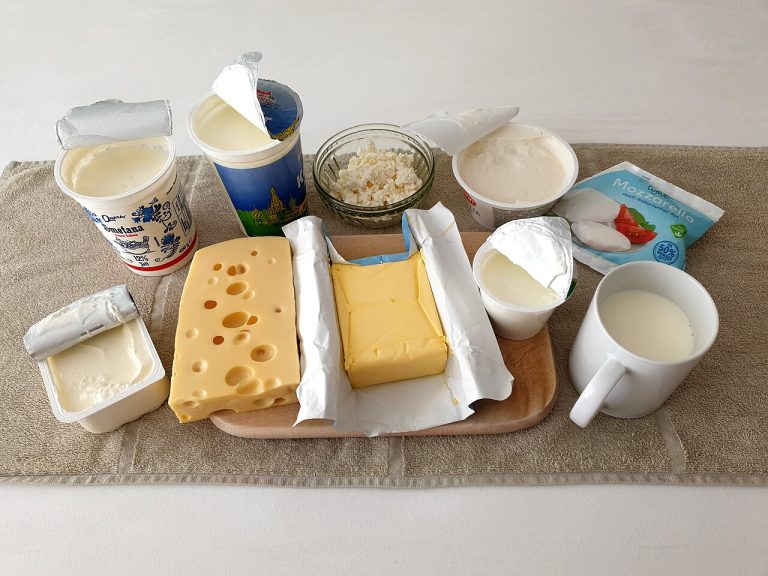
NIAMS stresses balance of calories, protein, and calcium. RA raises osteoporosis risk, particularly with corticosteroids, so dairy or fortified alternatives, tofu, canned fish with bones, and leafy greens deserve a daily place. Our osteoporosis diet page lists calcium and vitamin D targets.
Iron-aware meals
NIAMS lists anemia as common in RA. If your blood count is low, ask your clinician whether diet, supplements, or other causes need attention rather than guessing.
Foods and habits that often worsen rheumatoid arthritis patterns
- – Smoking. NIAMS says long-term smoking raises RA risk and the disease may be more severe in people who keep smoking.
- – Alcohol without a medicine check. NIAMS advises discussing alcohol with your doctor because it may interact with RA medicines.
- – Steady weight gain, which NIAMS links to less room for improvement.
- – Heavily processed foods and saturated fat, which the Arthritis Foundation contrasts with its whole-food pattern.
- – Extreme elimination diets without supervision (NCCIH warns about deficiencies and unintended weight loss).
- – Unvetted “arthritis” supplements. NCCIH notes FDA warnings about products tainted with hidden prescription drugs, and calls thunder god vine risky enough that its harms may exceed its benefits.
- – Suddenly stopping medicines because a diet “feels like it’s working”—NIAMS lists this among flare triggers.
Practical kitchen protocol: a rheumatoid arthritis diet week
1. Start with a food-and-flare diary
For two to four weeks, note meals, sleep, stress, activity, and joint symptoms. NIAMS lists stress, infections, too much activity, and stopping medicines as flare triggers, so food is only one variable. Bring the diary to your rheumatology visit.
2. Put fish on the calendar
Book two fish meals a week: canned salmon or sardines on whole-grain toast, baked mackerel, or a tuna-and-bean salad. If you dislike fish, ask your clinician about a supplement rather than self-dosing (see Safety).
3. Make olive oil the default fat
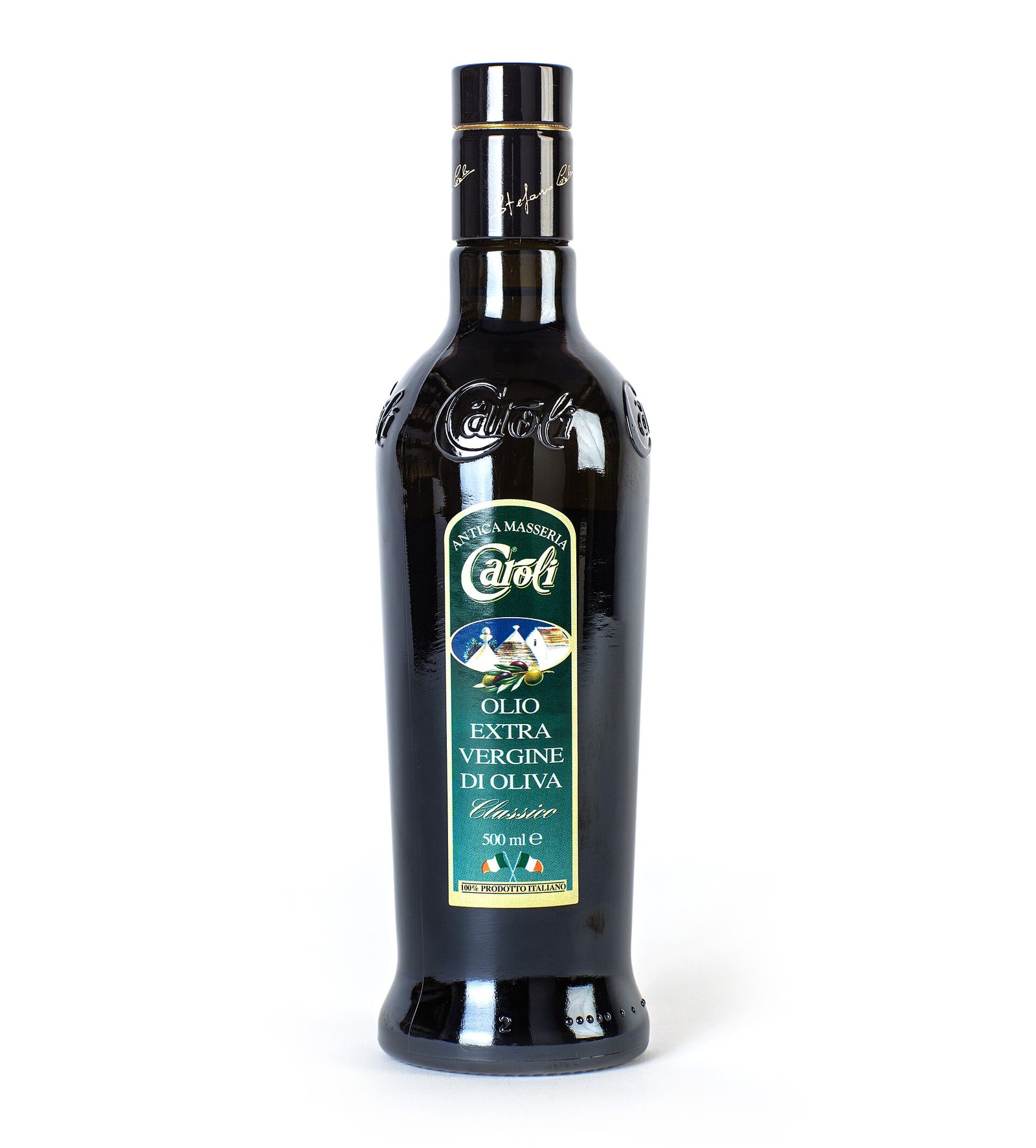
Use extra virgin olive oil for roasting vegetables and dressing salads, replacing butter rather than adding to it.
4. Cook with sore hands in mind
On flare days, lean on frozen vegetables, bagged salad, canned beans, pre-cooked grains, and rotisserie chicken. Use large-grip utensils, jar openers, and a stool at the counter—the kind of joint-protection tools NIAMS describes. Batch-cook soups and grains on good days and freeze portions.
5. Protect protein and calcium when appetite drops
NIAMS notes RA can cause loss of appetite. Smaller, more frequent meals—yogurt with fruit, eggs, bean soup, milk or fortified soy milk—help you keep up protein and calcium.
6. Shopping list default
Salmon, sardines, mackerel, canned tuna, eggs, plain yogurt, milk or fortified soy milk, tofu, beans and lentils, oats, brown rice, whole-grain bread, frozen spinach and broccoli, berries or cherries, oranges, walnuts, ground flaxseed, and extra virgin olive oil.
7. Sample day (illustrative)
- – Breakfast: oatmeal with ground flaxseed, berries, and milk.
- – Lunch: lentil soup with spinach, whole-grain bread, an orange.
- – Snack: a small handful of walnuts and a yogurt.
- – Dinner: baked salmon with olive oil, roasted broccoli, brown rice.
Safety, interactions, and who should ask a clinician first
- – Omega-3 supplements: ODS says high doses may cause bleeding problems with warfarin or other anticoagulants, and the FDA advises no more than 5 g/day of EPA plus DHA from supplements. NCCIH adds caution for fish or shellfish allergy.
- – Other supplements: NHS advises checking with your healthcare team before taking over-the-counter remedies or nutritional supplements, which may interfere with RA medicines. Our evening primrose oil page covers GLA in more depth.
- – Pregnancy plans: NHS says some RA medicines, such as methotrexate, leflunomide, and biologics, should not be taken while trying for a baby—discuss diet and medicines together before conceiving.
- – Bone health: ask about calcium and vitamin D if you take corticosteroids (NIAMS).
- – Infection risk: many RA medicines raise infection risk (NIAMS); handle raw meat, eggs, and seafood safely.
- – Unintended weight loss, fever, or new symptoms: contact your care team.
FAQ
Is there a proven rheumatoid arthritis diet? No. NCCIH says the effects of vegetarian, Mediterranean, or elimination diets on RA are uncertain. A balanced pattern with enough calories, protein, and calcium, as NIAMS recommends, plus regular fish, is a reasonable default.
Does fish oil help rheumatoid arthritis? NCCIH reports a review of 22 studies found omega-3 supplements had a favorable effect on RA pain, and ODS says people may need less pain-relief medication. It is an add-on, not a substitute for prescribed medicines; ask about dose and bleeding risk.
Should I avoid nightshades, gluten, or dairy with RA? NCCIH warns that diets eliminating major food groups can cause deficiencies, and the Arthritis Foundation says there is no scientific evidence that nightshades trigger arthritis flares. If you suspect a food, test it with a short, supervised elimination.
Can I drink alcohol with rheumatoid arthritis? NIAMS advises talking to your doctor first, because alcohol may interact with the medicines used for RA.
How this differs from related OTCFood topics
This page is a disease-bound rheumatoid arthritis diet focused on omega-3s, balanced nutrition, and supplement safety. It is not our weight-centered osteoarthritis diet, not a calcium-first osteoporosis diet, and not a single-ingredient review like evening primrose oil.
Medical disclaimer
Medical disclaimer: This article is for general information only. It is not medical advice or a diagnosis. Rheumatoid arthritis care depends on disease activity, medicines, pregnancy plans, and other conditions. Talk with your rheumatologist, pharmacist, or a registered dietitian before starting, stopping, or changing any eating plan, supplement, or medication.