Chronic Venous Insufficiency Diet: Foods That May Help and Foods to Limit
Medical note: This article discusses foods and researched botanicals. It does not claim to prevent, treat, or cure disease. Supplements are not a substitute for food, and studied amounts are not personal prescriptions.
People searching “chronic venous insufficiency diet foods that help or worsen” usually want kitchen habits that support weight-aware eating, sodium mindfulness, and skin nutrition while they follow leg elevation, compression, and wound care—not a claim that food repairs vein valves the way procedures or compression do. MedlinePlus describes venous insufficiency as a condition in which veins have trouble sending blood from the legs back to the heart; with chronic venous insufficiency (CVI), vein walls weaken and valves are damaged, so veins stay filled with blood especially when standing.
What this CVI diet guide covers (and what it does not)
This guide is for adults with clinician-recognized chronic venous insufficiency or related venous leg swelling who want practical eating patterns alongside compression stockings, elevation, exercise as advised, and skin care. Anchors: MedlinePlus — Venous insufficiency, MedlinePlus — Foot, leg, and ankle swelling, and ODS — Vitamin C.
MedlinePlus self-care steps for venous insufficiency include avoiding long sitting or standing, wound care for open sores, losing weight if overweight, regular exercise, and compression stockings to improve blood flow and limit swelling. Kitchen changes do not replace compression, elevation, or procedures (sclerotherapy, vein removal, or office-based vein treatments) when recommended. Related swelling/edema kitchen context: lymphedema diet guide and hypertension diet guide.
Evidence snapshot: CVI diet claims vs public sources
| Claim people hope for | What public sources actually say | Confidence |
|---|---|---|
| “Foods reopen damaged vein valves” | MedlinePlus centers valve/wall problems, compression, elevation, weight, exercise, and procedures—not culinary valve repair | Strong: diet is adjunct |
| “Low-salt diet cures CVI ulcers” | Leg-swelling home care mentions a low-salt diet may reduce fluid buildup; ulcer care still needs clinical wound plans | Moderate for sodium mindfulness as swelling adjunct |
| “Vitamin C megadoses heal venous ulcers alone” | ODS: vitamin C helps make collagen and is found in fruits/vegetables; it is not presented as standalone CVI ulcer therapy | Moderate for food-first vitamin C; against self-megadose cures |
| “If stockings are uncomfortable, diet can replace them” | MedlinePlus lists compression as a core self-care step for blood flow and swelling | Strong: do not ditch prescribed compression for juice |
| “One-sided sudden leg swelling is a diet problem” | Sudden one-sided swelling can signal clot or other emergencies—MedlinePlus swelling page flags red flags needing prompt care | Strong: seek care, don’t smoothie |
Foods and patterns that may help with CVI day to day
“May help” means supporting weight-aware patterns, limiting excess sodium that can worsen fluid retention for some people, and including vitamin C–containing produce for general collagen nutrition—not a promise that food cures stasis dermatitis or ulcers.
Weight-aware, balanced plates
- – MedlinePlus lists obesity among CVI risk factors and recommends losing weight if overweight as a self-care step.
- – Emphasize vegetables, fruit, lean proteins, beans, and whole grains in portions that fit your plan— overlapping themes with metabolic syndrome diet guide without claiming metabolic diets reopen veins.
Sodium mindfulness for swelling comfort
- – MedlinePlus foot/leg/ankle swelling home care: follow a low-salt diet, which may reduce fluid buildup and swelling; elevate legs above the heart when lying down; exercise legs; wear support stockings.
- – Practical moves: cook more from fresh or frozen ingredients; compare labels on soups, breads, deli meats, and sauces; flavor with herbs, citrus, garlic, and pepper instead of stacking salty packets.
- – Individualize if you have adrenal disease, athletes’ salt needs, or clinician-set sodium targets—see also hypertension diet guide.
Vitamin C–containing produce for general connective-tissue nutrition
- – ODS lists citrus, peppers, kiwi, broccoli, strawberries, potatoes, and tomatoes among vitamin C food sources; vitamin C helps the body make collagen.
- – Food-first patterns beat random megadose pills unless your clinician advises otherwise—see vitamin C deficiency diet guide for deficiency context, not CVI procedures.
Protein and skin-supportive habits when wounds are present
- – If venous ulcers or slow-healing sores are present, adequate protein and overall nutrition matter for general wound-supportive eating—coordinate with wound-clinic diet guidance.
- – Stay hydrated unless you have fluid-restricted heart or kidney disease.
Movement-friendly meal timing
- – MedlinePlus encourages regular exercise and even slight leg movement during long sitting. Pack portable, lower-sodium snacks so travel days do not default only to salty packaged foods—and stand/move on trips as the swelling page suggests.
Foods and habits that often worsen CVI kitchen patterns
- – Very high sodium restaurant and packaged patterns if they worsen your edema clinically.
- – Excess calorie patterns that work against a clinician-supported weight plan when overweight is part of your risk picture.
- – Heavy alcohol that can worsen swelling and sleep.
- – Relying on “vein detox teas,” unproven flavonoid megadoses, or horseradish “circulation cures” instead of compression and medical care.
- – Ignoring skin breakdown, infected-looking sores, or sudden one-leg swelling—those need clinicians, not spice blends.
- – Sitting through long flights without movement breaks while blaming dinner salt alone.
“Limit” means reducing swelling-aggravating kitchen defaults—not forever banning soup.
Practical kitchen protocol: a CVI diet week
1. Keep the medical spine first
Confirm compression stocking fit and wear schedule, elevation routine, wound care products, activity plan, and whether procedures are being considered. Put compression on before a long grocery trip if that is your clinician’s advice.
2. Shopping list
Fresh/frozen vegetables; citrus and berries; peppers and tomatoes; beans; fish and poultry; yogurt; oats and potatoes; herbs and spices; lower-sodium broths and breads when available; olive oil; nuts in measured portions.
3. Default plate template
- – Half vegetables/fruit
- – Quarter lean protein
- – Quarter fiber-containing starch
- – Season with herbs/citrus; taste before adding salt
4. Sample day (illustrative)
- – Breakfast: oatmeal with berries; scrambled egg; water.
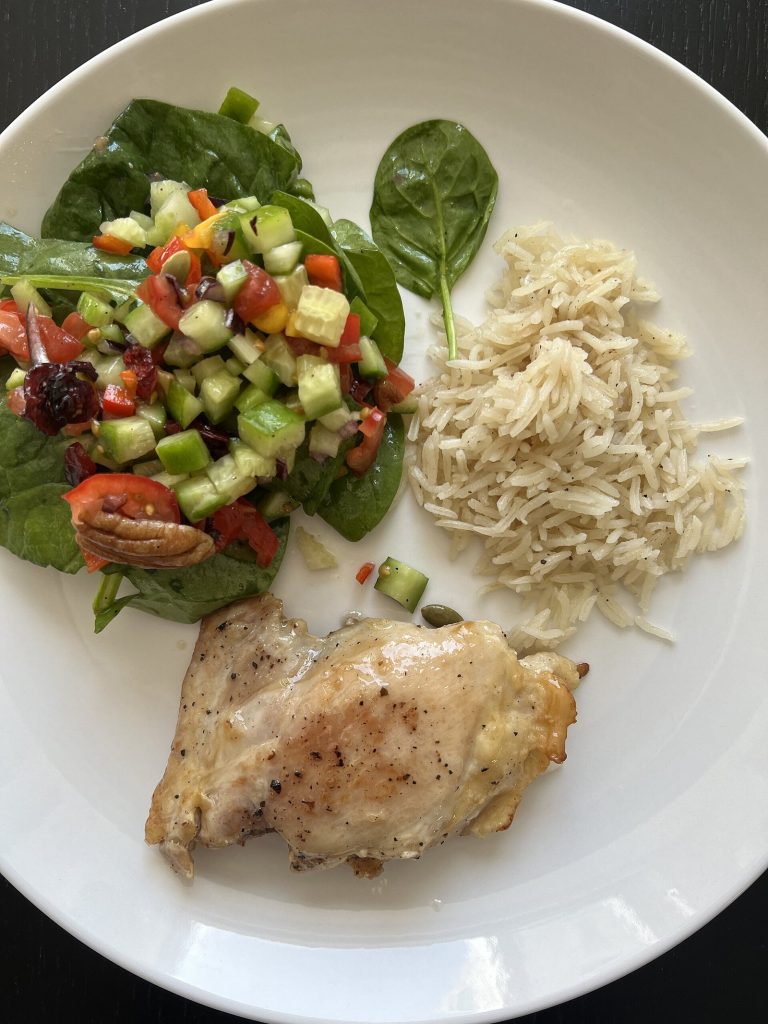
- – Lunch: grilled chicken salad with peppers and citrus dressing; fruit.
- – Snack: yogurt; unsalted nuts in a small portion.
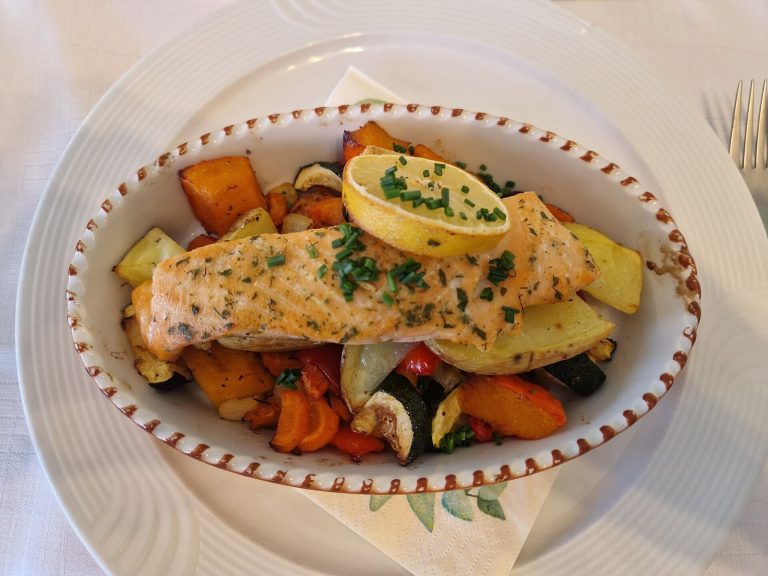
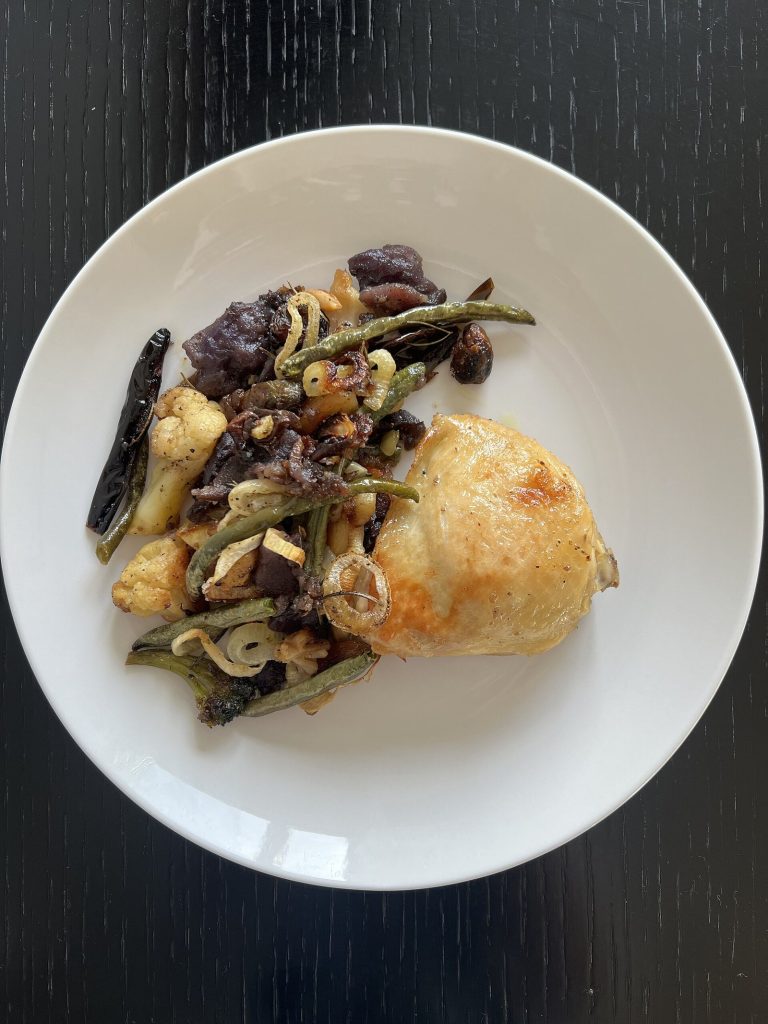
- – Dinner: baked fish, potato, broccoli; side salad.
- – Evening: elevate legs while having herbal tea if caffeine timing fits your sleep.
5. Travel and workday tips
Pack fruit and yogurt; request aisle seats when possible for movement; set phone reminders to flex ankles; keep a small elevation pillow at work if approved.
6. Skin and wound weeks
If dressings are bulky, choose easy-prep meals that do not require long standing; ask helpers to carry heavy bags so you can keep legs from dangling on hard stools for hours.
Safety, interactions, and who should ask a clinician first
- – Heart failure, kidney disease, or liver disease: swelling may reflect systemic fluid overload—follow specialty diet limits; MedlinePlus flags these as causes of leg swelling.
- – Pregnancy-related swelling or preeclampsia signs: urgent obstetric guidance—not DIY low-salt experiments alone.
- – Blood thinners: keep vitamin K–consistent eating if you take warfarin; ask before major diet shifts.
- – Infected ulcers, fever, red hot legs, chest pain, or sudden shortness of breath: emergency care pathways, not kitchen blogs.
- – Diuretics: do not add potassium-heavy salt substitutes without clinician approval.
FAQ
Can diet fix the valves in my legs? No. MedlinePlus describes structural valve/wall problems. Diet may support weight and swelling comfort; compression, elevation, exercise, skin care, and procedures address the vein problem itself.
How low should sodium go? There is no single CVI-only number on the MedlinePlus venous insufficiency page. The swelling home-care tip is a low-salt pattern to reduce fluid buildup—ask your clinician for a personal target, especially if you have blood pressure or heart disease goals.
Do I need vitamin C pills for stasis dermatitis? Not automatically. ODS supports getting vitamin C from foods for most people. Ulcer and dermatitis care belong with your clinician.
Is this the same as lymphedema diet advice? Overlapping themes (sodium mindfulness, weight-aware eating) appear in lymphedema diet guide, but lymphatic vs venous mechanics and compression prescriptions differ.
What if only one leg swells suddenly? MedlinePlus advises contacting a provider for new or worsened swelling in only one leg—possible clot or other urgent issues. Do not wait on a diet change.
How this differs from related OTCFood topics
This page is a CVI-bound diet guide focused on sodium mindfulness, weight-aware plates, and vitamin C–containing produce as adjuncts to compression and elevation. It is not a DVT treatment protocol, not a procedure consent form, and not a claim that food heals venous ulcers alone.
Medical disclaimer
Medical disclaimer: This article is for general information only. It is not medical advice, diagnosis, or a treatment plan. CVI care depends on ultrasound findings, skin status, clot history, other medical conditions, and your clinician’s plan. Talk with a clinician or registered dietitian before starting, stopping, or changing any eating plan, supplement, or medicine. Seek urgent care for chest pain, trouble breathing, sudden one-leg swelling, or signs of infected wounds.