Diet After Hernia Repair: Foods That May Help and Foods to Limit
Medical note: This article discusses foods and researched botanicals. It does not claim to prevent, treat, or cure disease. Supplements are not a substitute for food, and studied amounts are not personal prescriptions.
People searching “diet after hernia repair foods that help or worsen” usually want kitchen habits that limit constipation and straining while the abdominal wall heals—not a claim that food replaces mesh or stitches, or that smoothies prevent hernia recurrence on their own. MedlinePlus describes a hernia as tissue bulging through a weak area of muscle, most often in the abdomen; inguinal (groin) hernias are the most common type. Repair surgery pushes bulging tissue back and strengthens the wall with sutures and often mesh, via open or laparoscopic approaches.
What this after-hernia-repair diet guide covers (and what it does not)
This guide is for adults recovering from inguinal or similar abdominal-wall hernia repair who want practical eating patterns while they follow lifting limits and wound care. Anchors: MedlinePlus — Hernia, MedlinePlus — Inguinal hernia repair discharge, and NIDDK — Inguinal hernia.
MedlinePlus discharge guidance notes pain medicines can cause constipation; high-fiber foods and plenty of water can help keep bowels moving; adults are often told not to lift more than about 10 pounds (4.5 kg)—roughly a gallon of milk—for several weeks unless the surgeon says otherwise. Kitchen changes do not replace activity restrictions, wound care, or urgent evaluation for fever, wound problems, or severe pain. Hiatal hernia reflux patterns are a different kitchen problem—see hiatal hernia diet guide and GERD diet guide.
Evidence snapshot: after-hernia-repair diet claims vs public sources
| Claim people hope for | What public sources actually say | Confidence |
|---|---|---|
| “A soft diet rebuilds the abdominal wall like surgery” | MedlinePlus/NIDDK center surgical repair, mesh when used, and recovery limits—not culinary wall reconstruction | Strong: food is supportive only |
| “Fiber replaces lifting restrictions” | Discharge pages pair fiber/fluids for constipation with explicit lifting ceilings | Strong: both matter; lifting rules win for wall protection |
| “Protein shakes guarantee no recurrence” | MedlinePlus lists return of the hernia among surgical risks; recurrence is a clinical issue | Strong: do not invent kitchen insurance |
| “Fasting after repair ‘rests the gut’” | Discharge diet section focuses on fiber, water, and managing medicine-related bowel changes—not prolonged fasting | Moderate against unnecessary under-eating |
| “If constipation continues, the repair failed” | Pain medicines commonly slow bowels; ongoing diarrhea or constipation that does not improve warrants clinician contact | Strong: call the team, don’t guess with detox teas |
Foods and patterns that may help after hernia repair day to day
“May help” means supporting comfortable bowel movements so you strain less, adequate protein and calories for recovery, and easier meals when standing is sore—not a promise that food seals the repair.
Fiber and fluids against constipation strain
- – MedlinePlus inguinal-hernia-repair discharge: pain medicines can cause constipation; eating some high-fiber foods and drinking plenty of water can help; over-the-counter fiber products may be used if constipation does not improve—follow your surgeon’s product advice.
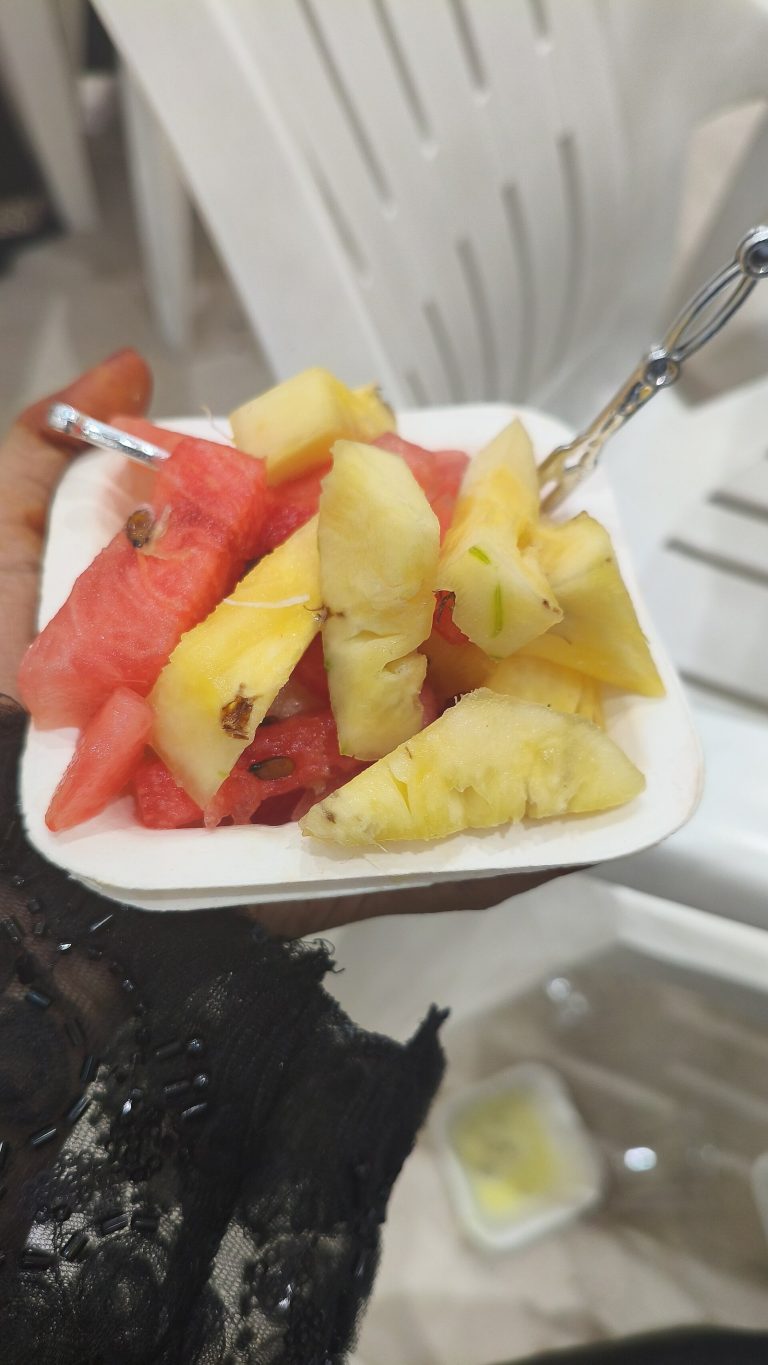
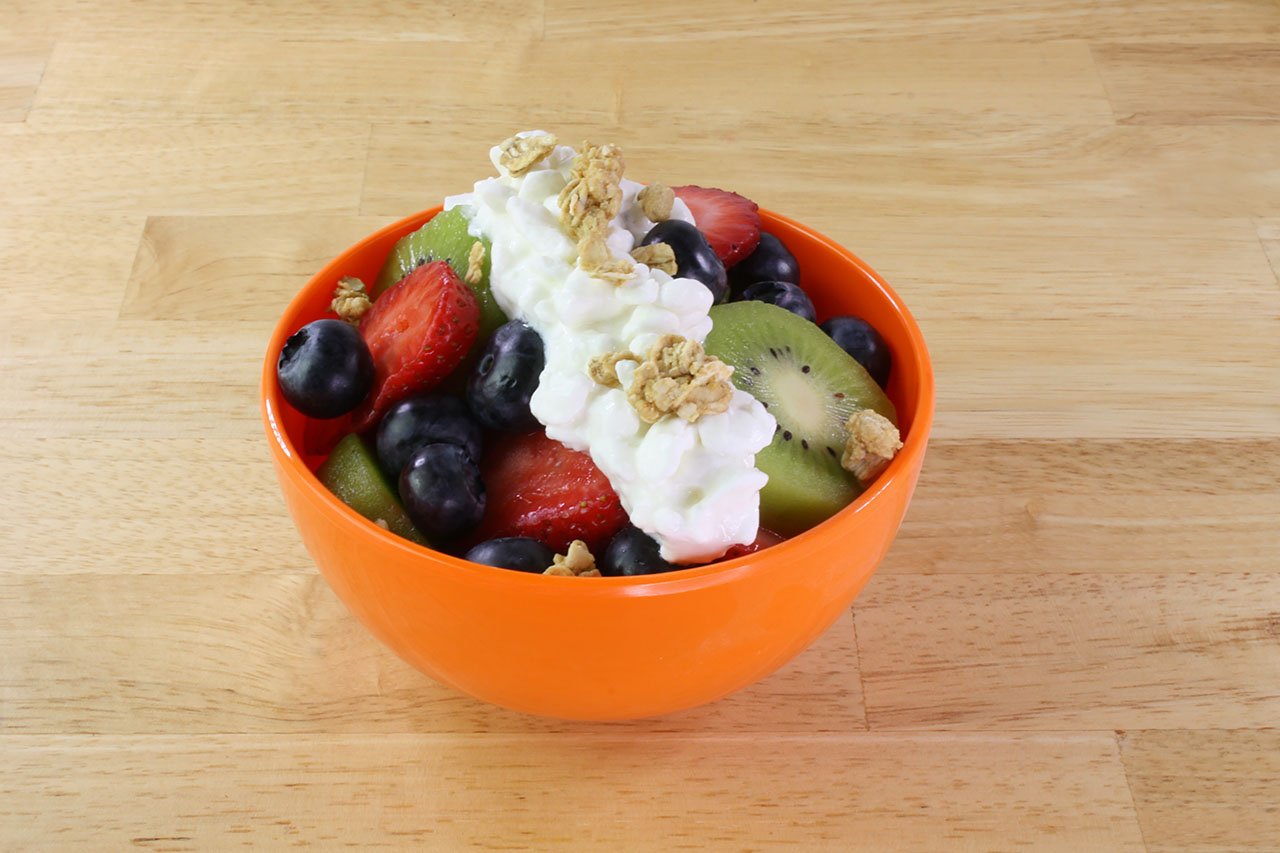
- – Build fiber gradually with oats, soft cooked vegetables, fruits (bananas, peeled apples, berries as tolerated), beans if they do not worsen gas uncomfortably, and whole grains you tolerate.
- – Related pattern page: constipation diet guide.
Protein-aware recovery plates
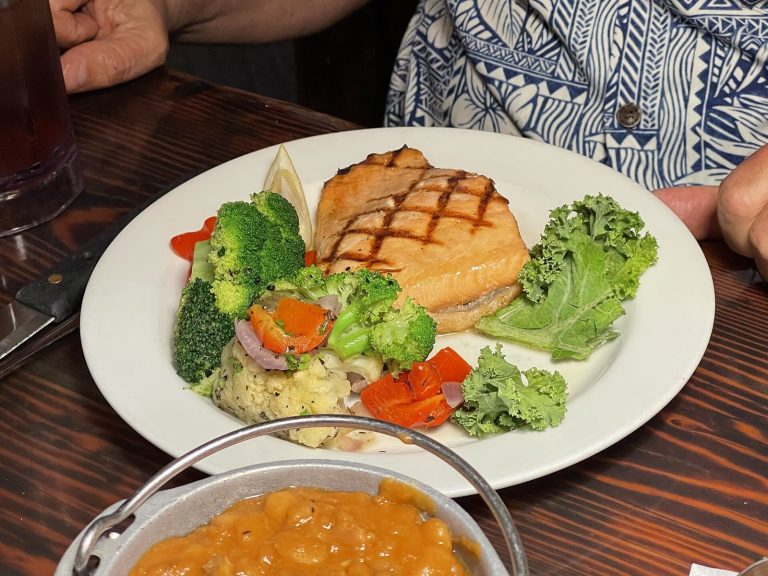
- – Include eggs, dairy if tolerated, fish, poultry, tofu, and legumes across the day to support general healing nutrition—see sarcopenia diet guide as general protein context.
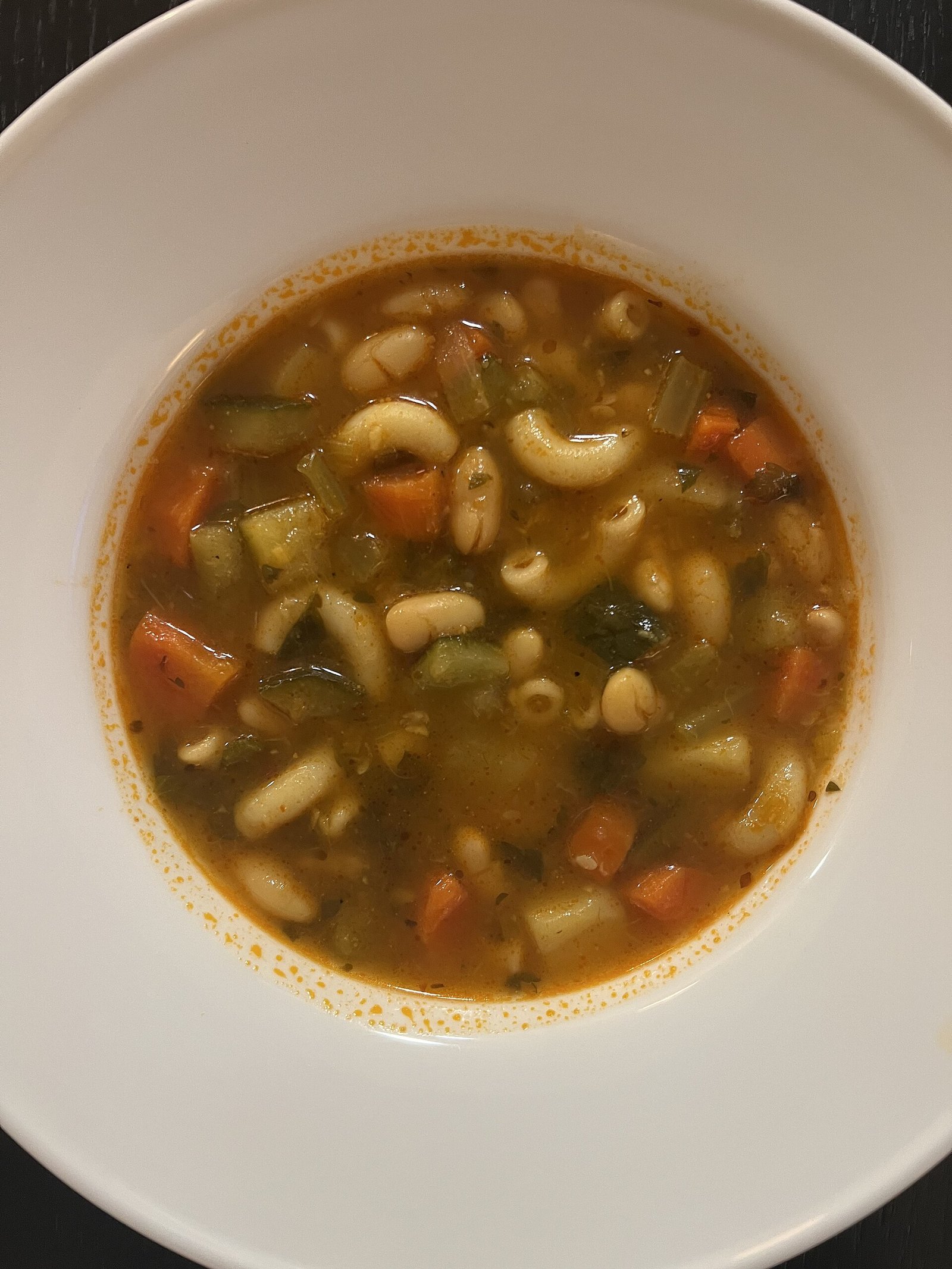
- – Soft options help early days: yogurt, scrambled eggs, soups, stews, canned fish.
Managing antibiotic-related diarrhea when it occurs
- – Discharge notes antibiotics can cause diarrhea; trying yogurt with live cultures or psyllium is mentioned in MedlinePlus patient instructions—contact your surgeon if diarrhea continues or comes with fever.
- – Do not self-treat severe diarrhea with unproven “cleanses.”
Practical energy and hydration
- – Small frequent meals may be easier than large plates if early nausea or reduced appetite appears.
- – Keep alcohol modest; dehydration and constipation are a poor combination after abdominal-wall repair.
Foods and habits that often worsen after-hernia-repair kitchen patterns
- – Very low fiber / very low fluid patterns that worsen constipation and straining.
- – Heavy lifting of grocery bags or water cooler jugs against surgeon limits while “meal prepping hard.”
- – Carbonated binge patterns or huge gas-producing loads overnight if they cause uncomfortable bloating—individual tolerance varies; advance textures per surgeon if a soft diet was ordered.
- – Unprescribed stimulant laxative megadoses without clinician guidance.
- – Ignoring red flags—fever, wound drainage, severe pain, breathing trouble, urinary retention, worsening testicular swelling in men, or ongoing severe bowel changes.
- – Expecting diet alone to fix recurrence, chronic groin pain, or mesh concerns—those need surgical follow-up.
“Limit” means reducing strain-promoting habits—not forever banning beans or bread.
Practical kitchen protocol: an after-hernia-repair diet week
1. Keep the medical spine first
Confirm lifting limits, driving rules on narcotics, wound care, bathing restrictions (MedlinePlus often advises against baths/hot tubs/swimming for about the first week unless told otherwise), and follow-up timing.
2. Shopping list
Oats; bananas and berries; prunes or other fruits you tolerate; whole-grain bread if tolerated; yogurt; eggs; canned tuna/salmon; pre-cooked chicken; soft-cooked vegetables; soups; rice or potatoes; olive oil; fiber supplement only if your surgeon agrees.
3. Default plate template
- – Protein portion each meal
- – Soft fiber-containing carbohydrate and fruit/vegetable
- – Steady fluids across the day
- – Avoid forcing large heavy meals that make you bear down
4. Sample day (illustrative)
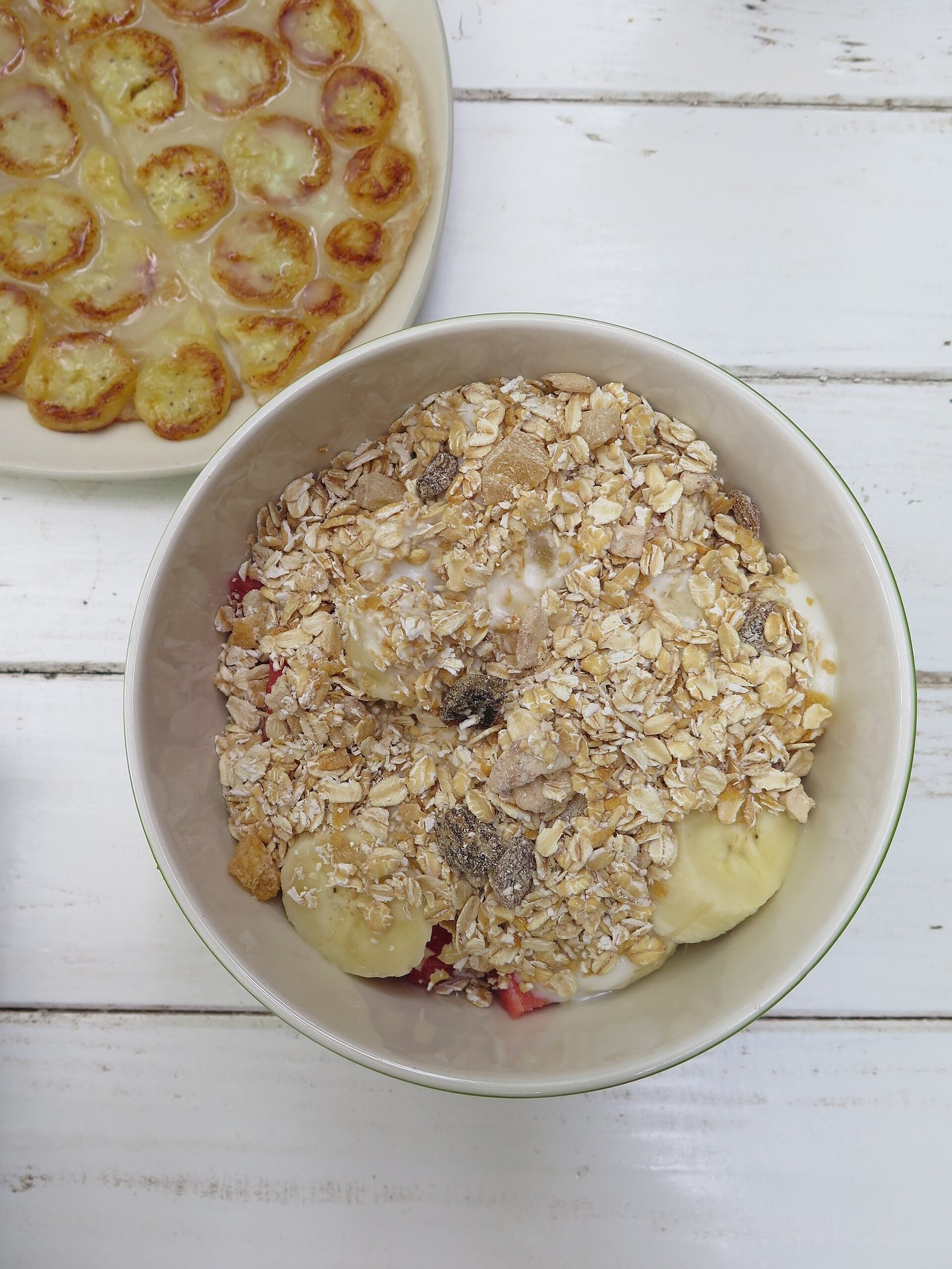
- – Breakfast: oatmeal with banana; yogurt; water.
- – Lunch: chicken and rice soup; soft cooked carrots; fruit.
- – Snack: yogurt or a fiber-containing snack per plan; water.
- – Dinner: baked fish, potato, zucchini; water.
- – Evening: warm fluid; stool softener only if prescribed.
5. Home setup tips
Ask others to lift heavy grocery packages; keep a bathroom stool plan ready before narcotic pain medicines peak; ice the incision as directed for comfort—separate from food hygiene.
6. Return to activity months
As lifting clearance expands, keep constipation prevention habits during the transition back to exercise—do not compensate for a hard workout by skipping fluids.
Safety, interactions, and who should ask a clinician first
- – Chronic kidney disease, heart failure, or fluid limits: do not force “8 glasses” blindly—ask for individualized fluid goals.
- – Opioid bowel regimens: coordinate fiber with prescribed stool plans to avoid conflicting approaches.
- – Inflammatory bowel disease or recent colectomy history: advance diet with surgical/GI guidance—see also diet after colonoscopy guide for procedure-adjacent gut pacing ideas (not the same surgery).
- – Men with scrotal swelling/pain after inguinal repair: follow athletic-supporter and ice guidance from the surgeon; escalate if worsening.
- – Emergency hernia complications before repair (incarceration/strangulation) are surgical emergencies—diet pages do not apply in that setting.
FAQ
Can diet prevent my hernia from coming back? No reliable public MedlinePlus/NIDDK claim says kitchen habits alone prevent recurrence. Surgery repairs the wall; lifting limits and medical follow-up matter. Extra weight is listed among factors that can stress the abdominal wall over a lifetime—weight-aware habits may be discussed clinically, without promising zero recurrence.
Why is constipation such a big deal after hernia repair? Straining raises pressure in the belly. MedlinePlus also lists chronic constipation and straining among factors that can contribute to hernias in the first place. After repair, limiting hard straining supports comfort while tissues heal.
Do I need a liquid-only diet? Only if your surgeon ordered one. Many people advance to regular soft foods quickly; follow your written discharge diet, not internet “herniasoup” challenges.
When can I lift groceries again? When your surgeon clears you. MedlinePlus adult guidance often uses a multi-week ~10-pound ceiling as a common example—your letter may differ for laparoscopic vs open repair.
Is this the same as hiatal hernia diet? No. Hiatal hernia care often overlaps reflux meal timing—see hiatal hernia diet guide. This page is about abdominal-wall repair recovery fueling and constipation control.
How this differs from related OTCFood topics
This page is an after-hernia-repair diet guide focused on fiber/fluid habits, straining caution, and recovery protein. It is not a watchful-waiting decision tool, not mesh product counseling, and not a substitute for surgical red-flag response.
Medical disclaimer
Medical disclaimer: This article is for general information only. It is not medical advice, diagnosis, or a treatment plan. Care after hernia repair depends on hernia type, open vs laparoscopic technique, mesh use, other medical conditions, and your surgeon’s protocol. Talk with a clinician or registered dietitian before starting, stopping, or changing any eating plan, supplement, or medicine. Seek urgent care for fever, wound infection signs, severe pain, breathing trouble, or inability to pass urine or stool as directed in your discharge papers.