Polymyalgia Rheumatica Diet: Foods That May Help and Foods to Limit
Medical note: This article discusses foods and researched botanicals. It does not claim to prevent, treat, or cure disease. Supplements are not a substitute for food, and studied amounts are not personal prescriptions.
People searching “polymyalgia rheumatica diet foods that help or worsen” usually want kitchen habits that support bone, protein, and steady energy while they follow rheumatology care—especially when corticosteroids are prescribed—not a claim that food replaces steroids or stops giant cell arteritis (GCA) vision emergencies. NIAMS describes polymyalgia rheumatica (PMR) as an inflammatory condition that almost always affects people older than 50, causing pain and stiffness in the shoulders, upper arms, hips, and sometimes the neck, often worse in the morning or after rest.
What this PMR diet guide covers (and what it does not)
This guide is for adults with clinician-diagnosed PMR who want practical eating patterns alongside prescribed medicines and follow-up. Anchors: MedlinePlus — Polymyalgia rheumatica, NIAMS — Polymyalgia rheumatica and giant cell arteritis, and ODS — Calcium.
NIAMS notes that PMR and GCA are closely linked; about 10% of people with PMR have GCA, and about half of people with GCA have PMR. GCA warning signs include severe temple headache, scalp tenderness, jaw pain with chewing, and vision changes—seek care right away for visual symptoms because untreated GCA can threaten permanent vision loss. Kitchen changes do not replace corticosteroids when prescribed, dose tapers directed by your clinician, or urgent evaluation for GCA red flags. Related inflammatory-kitchen context (not the same disease): rheumatoid arthritis diet guide and lupus diet guide.
Evidence snapshot: PMR diet claims vs public sources
| Claim people hope for | What public sources actually say | Confidence |
|---|---|---|
| “An anti-inflammatory diet replaces corticosteroids” | NIAMS: corticosteroids are a mainstay; doses are adjusted clinically | Strong: medicines are primary |
| “Calcium foods cancel all steroid bone risk” | NIAMS notes osteoporosis can be a corticosteroid complication; clinicians may prescribe bone-strengthening medicines; ODS frames calcium as one nutrient for bone health | Moderate for food-first calcium/D patterns as adjunct |
| “Supplements reverse PMR inflammation markers” | Diagnosis uses clinical exam plus nonspecific inflammation blood tests; no kitchen protocol is presented as ESR/CRP control | Strong: do not invent supplement cures |
| “If morning stiffness lasts an hour, diet failed” | NIAMS: morning stiffness lasting an hour or more is typical of PMR itself | Strong: symptoms are disease-driven |
| “Stopping steroids on your own if you eat ‘clean’” | NIAMS: doses are usually lowered gradually; flares can recur when therapy decreases | Strong: never self-stop steroids |
Foods and patterns that may help with PMR day to day
“May help” means supporting bone-aware nutrition during steroid courses, adequate protein for strength and mobility, and steady meals when appetite or energy dips—not a promise that food remits PMR.
Calcium- and vitamin D–aware patterns when steroids are used
- – NIAMS notes osteoporosis risk with corticosteroids and that clinicians may prescribe medicines to strengthen bones.
- – ODS lists milk, yogurt, cheese, canned fish with bones, and some leafy vegetables as calcium food sources; adults 51–70 who are women and adults 71+ have higher recommended calcium intakes than younger adults in ODS tables.
- – Pair with vitamin D–containing or fortified foods as appropriate—see vitamin D deficiency diet guide and calcium deficiency diet guide—and follow your clinician on whether supplements are indicated. Do not self-megadose.
Protein-forward plates for mobility weeks
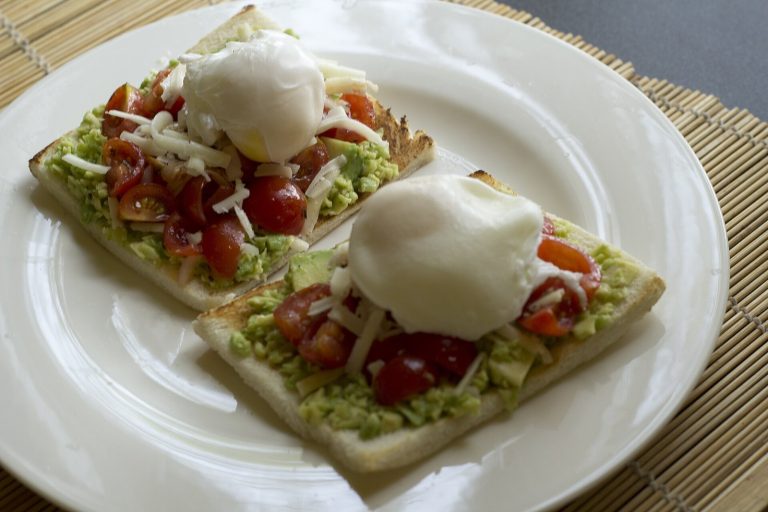
- – Morning stiffness and difficulty rising from chairs can reduce cooking stamina; easy proteins (eggs, yogurt, cottage cheese, canned fish, tofu, beans) may help meet needs without long standing.
- – General protein-aware context: sarcopenia diet guide.
Balanced plates if steroids raise appetite or blood sugar concern
- – Some people notice appetite or glucose changes on steroids; a plate pattern with vegetables, fiber-containing carbohydrates, and protein—similar themes in type 2 diabetes diet guide and metabolic syndrome diet guide—may support steadier energy. This is adjunct kitchen hygiene, not steroid replacement.
- – Keep sodium-aware habits if blood pressure or fluid retention is being monitored clinically.
Fluids and fiber for comfort on medicines
- – Stay hydrated; include fruits, vegetables, and grains you tolerate. Constipation or reflux can appear with reduced mobility or other medicines—see constipation diet guide and GERD diet guide as related comfort reading.
Foods and habits that often worsen PMR kitchen patterns
- – Skipping calcium-containing foods entirely for long steroid courses without a clinician-approved alternate plan.
- – Extreme elimination diets that leave older adults under-fueled during inflammatory illness.
- – Heavy alcohol that undermines sleep, fall risk, and bone-aware habits.
- – Unprescribed high-dose “immune” herb stacks marketed to replace rheumatology care.
- – Ignoring GCA red flags (new severe temple headache, scalp tenderness, jaw claudication, vision changes) while adjusting smoothies.
- – Self-tapering or stopping corticosteroids because kitchen changes “feel anti-inflammatory.”
“Limit” means reducing habits that undermine bone support and medicine adherence—not that one dessert defines disease activity.
Practical kitchen protocol: a PMR diet week
1. Keep the medical spine first
Confirm steroid dose and taper schedule, bone-protection medicines if prescribed, infection precautions your clinician mentions, and urgent GCA symptom education. Put easy breakfast proteins where morning stiffness will not block you.
2. Shopping list
Milk, yogurt, cheese or fortified alternatives; canned salmon/sardines with bones if you eat them; eggs; tofu; beans; fortified cereal; leafy greens such as kale or bok choy; citrus and berries; oats; olive oil; nuts/seeds if calories allow.
3. Default plate template
- – Protein at each meal
- – Calcium-containing food or fortified alternative at least twice daily unless contraindicated
- – Vegetables and fruit covering half the plate when appetite allows
- – Carbohydrate portions matched to activity and glucose monitoring if ordered
4. Sample day (illustrative)
- – Breakfast: fortified cereal with milk; banana; water.
- – Lunch: lentil soup; yogurt; orange.
- – Snack: cheese and crackers or fortified soy yogurt.
- – Dinner: baked fish, potato, broccoli; milk if fitting your plan.
- – Evening: small calcium-containing snack if total intake was low and clinician agrees.
5. Low-stiffness cooking tips
Use a slow cooker or batch soups on better-mobility days; keep frozen vegetables; ask for help with heavy pans during morning stiffness peaks.
6. Bone-aware long view
If steroids continue for a year or longer as NIAMS notes is sometimes needed for maintenance, revisit calcium, vitamin D, protein, and fall-prevention habits with your clinician—see also osteoporosis diet guide.
Safety, interactions, and who should ask a clinician first
- – Kidney stones, hypercalcemia, or high-dose vitamin D already prescribed: do not stack extra calcium/D without advice.
- – Diabetes or prediabetes on steroids: coordinate kitchen changes with glucose monitoring guidance.
- – Swallowing difficulty or severe reflux: texture and timing matter—ask before forcing large dairy volumes.
- – Vision changes, new severe headache, scalp tenderness, or jaw pain with chewing: urgent medical care, not dietary experiments.
- – Infection signs while immunosuppressed: contact your clinician promptly.
FAQ
Can diet replace prednisone or other corticosteroids for PMR? No. NIAMS frames corticosteroids as primary therapy. Food may support bone and nutrition; it does not replace prescribed anti-inflammatory medicines.
Why do clinicians talk about bones so much in PMR care? Longer corticosteroid courses can contribute to bone loss. NIAMS mentions bone-strengthening medicines when needed; ODS calcium and vitamin D fact sheets support food-first habits as one part of bone nutrition.
Do I need to avoid nightshades or gluten for PMR? Public NIAMS/MedlinePlus PMR pages do not present a mandatory nightshade or gluten elimination as standard PMR care. Restrictive diets should be individualized, especially in older adults at malnutrition risk.
What if my symptoms return when the steroid dose is lowered? NIAMS notes symptoms can recur as therapy decreases. Contact your rheumatology team—do not escalate unproven supplements as a substitute.
Is PMR the same as rheumatoid arthritis for diet purposes? No. Related “inflammatory” kitchen themes may overlap at a high level, but diagnosis, steroid courses, and GCA risk differ—see rheumatoid arthritis diet guide only as adjacent reading.
How this differs from related OTCFood topics
This page is a PMR-bound diet guide emphasizing steroid-era bone and protein support plus GCA safety awareness. It is not a giant-cell-arteritis procedure guide, not an osteoporosis drug protocol, and not a claim that food remits inflammatory markers.
Medical disclaimer
Medical disclaimer: This article is for general information only. It is not medical advice, diagnosis, or a treatment plan. PMR and GCA care depends on clinical findings, lab trends, imaging or biopsy when ordered, and your clinician’s medicine plan. Talk with a clinician or registered dietitian before starting, stopping, or changing any eating plan, supplement, or medicine. Seek urgent care for vision changes, severe headache with scalp tenderness, chest pain, or signs of serious infection.