Lupus Diet: Foods That May Help and Foods to Limit
Medical note: This article discusses foods and researched botanicals. It does not claim to prevent, treat, or cure disease. Supplements are not a substitute for food, and studied amounts are not personal prescriptions.
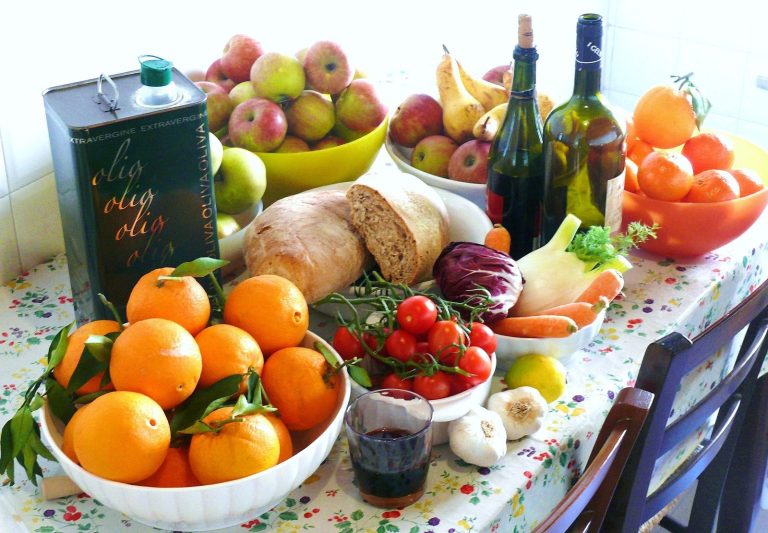
There is no specific lupus diet, and food is never a substitute for the medicines and monitoring your rheumatologist prescribes. What public sources do agree on is a pattern: NIAMS (the NIH arthritis and musculoskeletal institute) advises people with systemic lupus erythematosus (SLE) to eat a healthy, well-balanced diet rich in fruits, vegetables, and whole grains, and the NHS adds vitamin D and calcium. The Lupus Foundation of America (LFA) suggests baked or broiled fatty fish once or twice a week and limiting saturated and trans fats and sugary foods. A few items, especially alfalfa sprouts and supplements and echinacea, are often recommended to avoid. Because lupus raises heart and bone risks, and steroids can affect weight, blood sugar, and cholesterol, a lupus diet is mostly about protecting the heart, bones, and kidneys alongside medical care.
What this lupus diet guide covers (and what it does not)
This guide is for adults with SLE, people with lupus-like conditions their doctor is monitoring, and family cooks. It covers everyday foods, drinks, and supplement cautions. It does not cover medication choices, kidney-specific diets for lupus nephritis, or pregnancy planning, all of which need your care team.
Anchors used here: NIAMS — Lupus, NIAMS — Lupus: Diagnosis, Treatment, and Steps to Take, NHS — Lupus, Lupus Foundation of America — Lupus Nutrition FAQs, and the Johns Hopkins Lupus Center — Diet and things to avoid pages.
NIAMS describes lupus as a chronic autoimmune disease in which the immune system attacks the body’s own tissues, affecting the skin, joints, heart, lungs, kidneys, blood cells, and brain. It typically cycles between flares and remission. NIAMS says research has not definitively shown whether special diets, nutritional supplements, or fish oils help lupus.
Evidence snapshot: lupus diet claims vs public sources
| Claim people hope for | What public sources actually say | Confidence |
|---|---|---|
| “A special lupus diet controls flares” | LFA: there is no specific diet for lupus; NIAMS: special diets and supplements have not been shown definitively to help | Strong that no single diet exists |
| “Fruits, vegetables, and whole grains matter” | NIAMS lists a well-balanced diet rich in these foods among steps for living with lupus | Moderate as a general-health pattern |
| “Fatty fish is a good choice” | LFA: fish is “probably” beneficial; aim for baked or broiled fish high in omega-3s and low in mercury; Johns Hopkins notes omega-3s have not been adequately studied in lupus | Low-to-moderate |
| “Alfalfa sprouts are risky” | LFA: alfalfa tablets have been linked to reports of lupus-like syndrome or flares, thought to involve L-canavanine in seeds and sprouts; Johns Hopkins advises avoiding sprouts | Moderate for avoidance |
| “Echinacea boosts immunity, so it helps” | LFA: there is evidence it can cause flares of lupus nephritis and may interfere with immunosuppressants; LFA does not support its use | Moderate for avoidance |
| “Heart-healthy eating is extra important” | LFA: women with lupus have a five- to 10-fold higher risk of heart disease | Strong for heart-risk awareness |
Foods and patterns that may help people with lupus
“May help” means a reasonable everyday default that supports your overall health and medical plan.
Plant-forward, balanced plates (NIAMS, LFA)
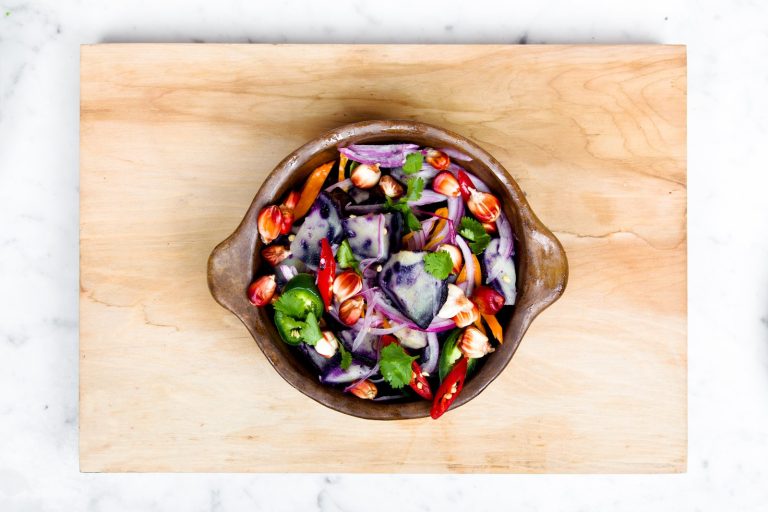
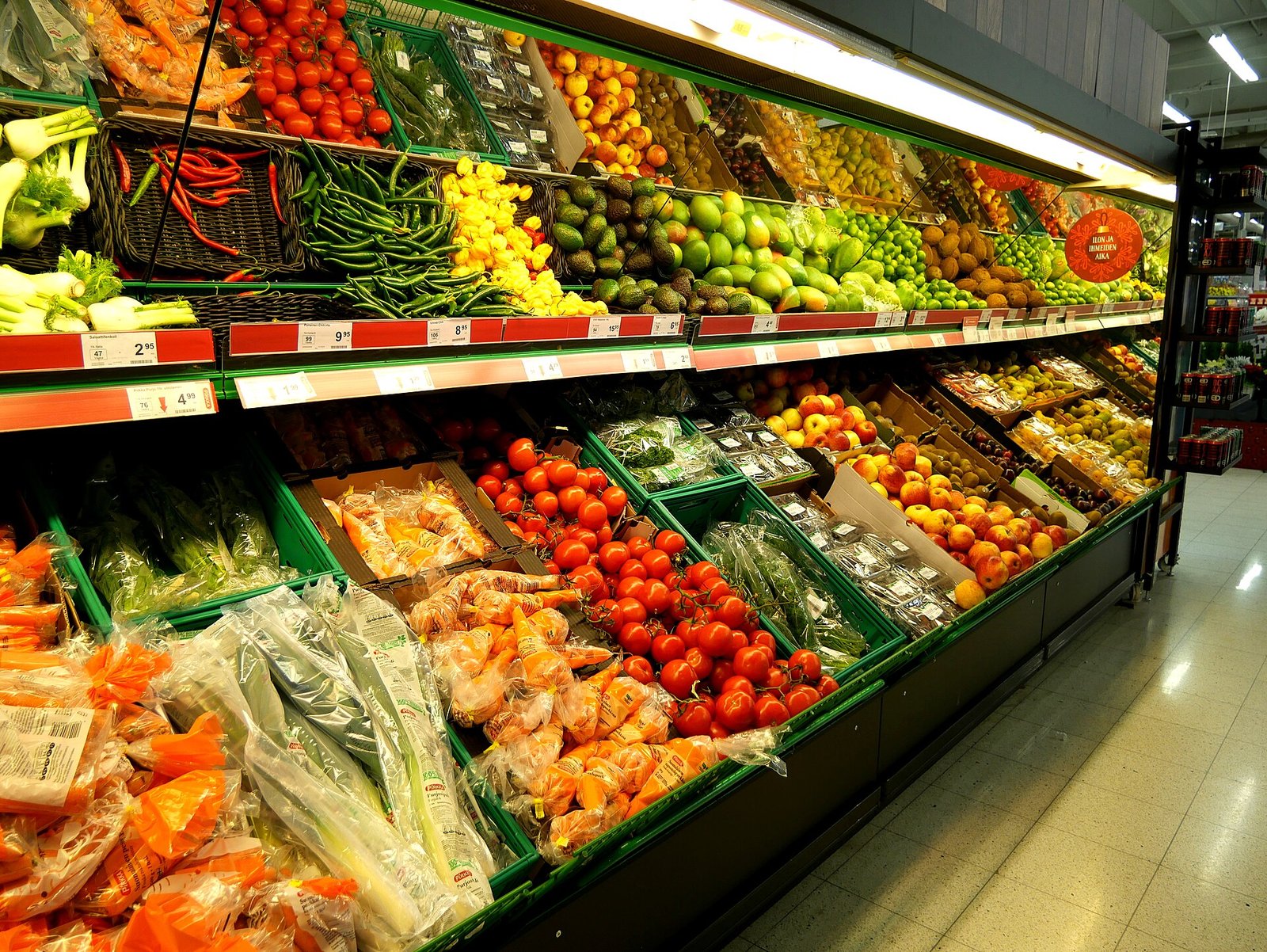
- – Plenty of fresh fruits and vegetables, including antioxidant-rich choices LFA mentions such as blueberries, blackberries, beets, red bell peppers, prunes, and raisins.
- – Whole grains such as oats, brown rice, and whole-grain bread.
- – Moderate amounts of freshly cooked lean meat and poultry, as LFA suggests.
Fatty fish, chosen for low mercury (LFA)
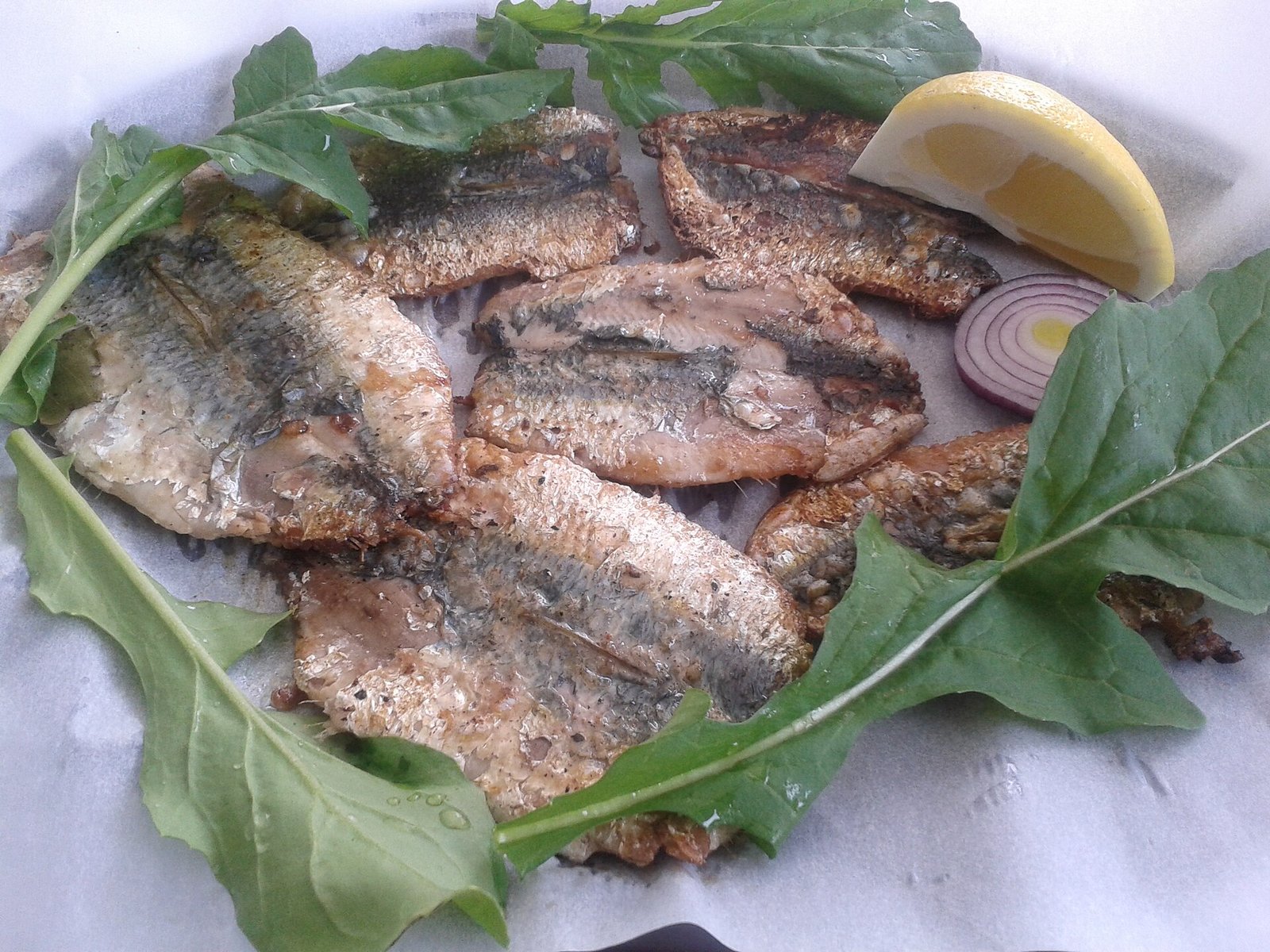
- – Baked or broiled fatty fish once or twice a week: salmon, trout, mackerel, and sardines are high in omega-3s; LFA calls salmon and sardines good low-mercury choices.
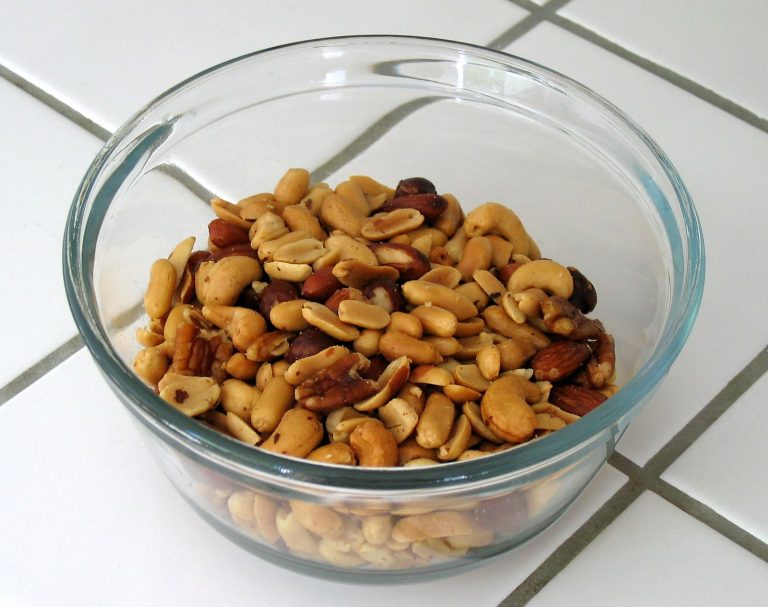
- – Plant omega-3 sources such as nuts and flax, which Johns Hopkins lists alongside fish.
Bone-supporting foods (NHS, Johns Hopkins)
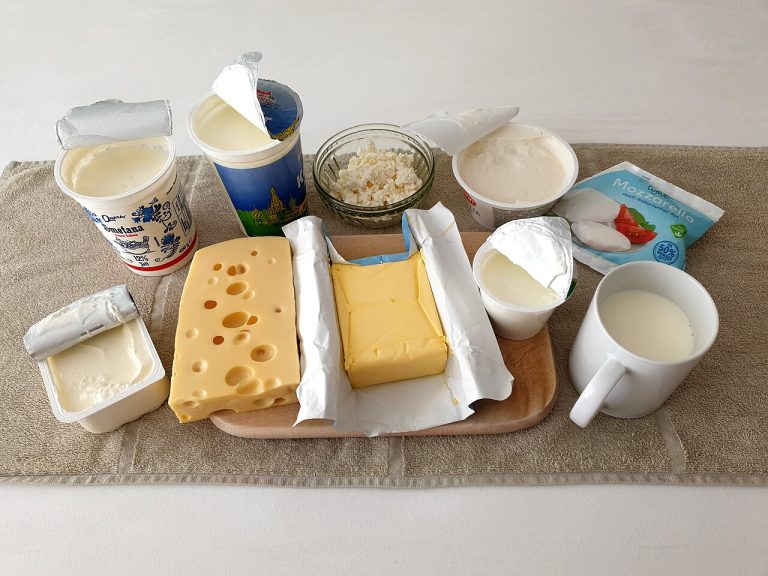
- – The NHS advises including vitamin D and calcium. Johns Hopkins lists calcium-rich foods such as milk, yogurt, hard cheese, cottage cheese, almonds, broccoli, fortified cereal, soybeans and soymilk, navy beans, sardines, and spinach.
- – LFA notes that people with lupus tend to have low vitamin D because of disease activity, steroid use, and sun avoidance. Ask your doctor about a blood test rather than relying on sun exposure.
Fluids and lighter sweets (LFA)
- – Plenty of water, unless your doctor has set a fluid limit (common with kidney involvement).
- – Limit sugary foods and drinks; LFA says artificial sweeteners are fine for people with lupus in moderation.
Foods and supplements that often worsen lupus risk patterns
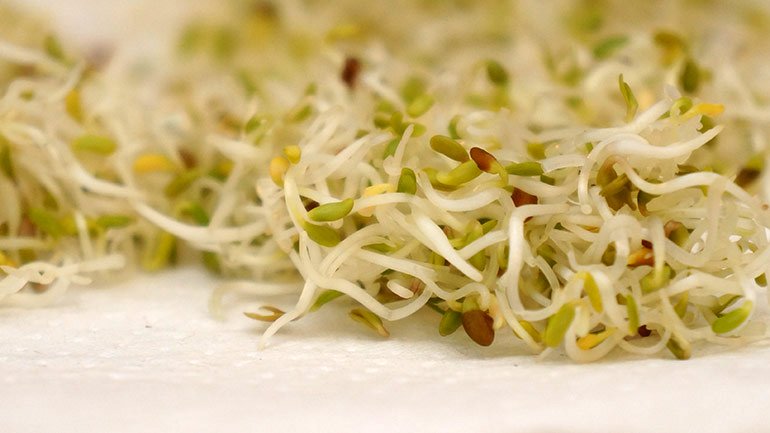
- – Alfalfa sprouts, seeds, and alfalfa supplements: linked to lupus-like symptoms and flares (LFA, Johns Hopkins).
- – Echinacea: may trigger flares and interfere with immunosuppressants (LFA, Johns Hopkins).
- – Garlic in large or supplement amounts: Johns Hopkins advises people with lupus to consciously limit cooking with garlic, noting a tiny amount will not harm you; other organizations are less strict. If you are unsure, ask your rheumatologist and avoid garlic supplements.
- – Noni juice: LFA does not support it; it may stimulate the immune system and can be high in potassium, which is risky with kidney involvement.
- – Saturated, hydrogenated, and trans fats, such as fatty beef and fried snack foods: LFA and Johns Hopkins advise limiting these for heart health.
- – High-sodium foods if you have high blood pressure or kidney disease: Johns Hopkins calls a low-sodium diet essential in those cases.
- – Alcohol: Johns Hopkins advises minimizing it because combining alcohol with corticosteroids, acetaminophen (Tylenol), warfarin, and other lupus medicines can harm the liver and stomach. People taking methotrexate should not drink alcohol.
- – High-dose vitamins without advice: LFA cautions against vitamin E supplements and suggests care with beta-carotene and vitamin A.
Practical kitchen protocol: a lupus diet week
1. Start from your lab results, not a list
Ask your care team which numbers matter for food: kidney function, blood pressure, cholesterol, blood sugar, vitamin D, and potassium. Your lupus diet may look different with kidney involvement or long-term steroids.
2. Plan two fish meals and three meatless meals
Put baked salmon and sardines on the calendar; build other dinners around beans, tofu, eggs, or poultry. This covers omega-3s while trimming saturated fat.
3. Make half the plate vegetables
Roast trays of broccoli, peppers, and beets; keep frozen spinach and mixed vegetables for tired days. LFA notes that kale and spinach are rich in vitamin K, which affects blood clotting, so talk to your physician if you eat large amounts of them.
4. Build a steroid-aware snack list
Johns Hopkins notes that steroids such as prednisone can cause significant weight gain and raise cholesterol, triglycerides, and blood sugar. Keep raw vegetables with hummus, plain yogurt, fruit, and unsalted nuts ready to grab.
5. Read labels for sodium and hidden alfalfa
Check sodium on canned soups and sauces. Check sprout mixes, salad bars, sandwiches, and “green” supplement powders for alfalfa, and check immune-support supplements for echinacea.
6. Sample day (illustrative)
- – Breakfast: oatmeal with fortified soymilk, blueberries, and ground flaxseed.
- – Lunch: whole-grain sandwich with canned sardines, cucumber, and lettuce (no alfalfa sprouts); a yogurt cup.
- – Snack: red bell pepper strips with hummus.
- – Dinner: baked salmon, brown rice, roasted broccoli and beets.
7. Eating out
Choose grilled or broiled fish, ask for sauces on the side, skip the sprout garnish, and choose water or unsweetened drinks.
Safety, interactions, and when to see a doctor
Food choices support lupus care; they never replace medicines or monitoring. NIAMS stresses regular visits to monitor the disease and medication side effects, and says never stop your medicines without speaking to your doctor.
- – Supplements and herbs: NIAMS warns that some over-the-counter medicines, herbs, and supplements can interfere with lupus medicines. Show your rheumatologist and pharmacist everything you take.
- – Methotrexate: no alcohol (Johns Hopkins). Warfarin: Johns Hopkins lists it among medicines that are risky with alcohol, and LFA flags the vitamin K in kale and spinach, so ask your doctor how to handle both.
- – Kidney involvement (lupus nephritis): sodium, potassium, protein, and fluid needs must be set by your nephrologist or a renal dietitian.
- – Pregnancy: NIAMS advises planning pregnancy with your doctor; diet and medication changes need specialist input.
- – Red flags — contact your doctor promptly for flare warning signs NIAMS lists: increased tiredness, joint swelling, pain, rash, fever, abdominal pain, or headache. Seek urgent care for chest pain or pain on deep breathing, shortness of breath, seizures, confusion, swelling of the legs or face, or a big change in urine.
FAQ
Is there a lupus diet that stops flares? No. LFA says there is no specific lupus diet, and NIAMS says special diets have not been shown definitively to help. A balanced, plant-forward pattern supports your overall health alongside medical care.
Why do lupus diet lists say to avoid alfalfa sprouts? LFA explains that alfalfa tablets have been linked to lupus-like symptoms and flares, likely because of L-canavanine in the seeds and sprouts. Johns Hopkins advises avoiding sprouts completely.
Is fish oil good for lupus? Evidence is limited. NIAMS lists fish oils among approaches that have not been definitively shown to help. LFA supports eating fatty fish. Ask your doctor before taking fish oil, especially with blood thinners.
Do I need vitamin D if I avoid the sun because of lupus? Possibly. LFA notes many people with lupus have low vitamin D and recommends asking your physician about a blood test. Supplements or fortified foods can fill a gap.
Can I drink alcohol with lupus? Ask your doctor. Johns Hopkins advises minimizing alcohol with lupus medicines and avoiding it entirely with methotrexate.
How this differs from related OTCFood topics
This page is a lupus diet guide focused on heart, bone, and supplement safety. For another autoimmune joint condition see rheumatoid arthritis diet; for steroid-related bone concerns see osteoporosis diet; for sodium and blood pressure see high blood pressure foods to eat and limit; and for the immune-herb question see echinacea evidence review.
Medical disclaimer
Medical disclaimer: This article is for general information only and is not medical advice or a diagnosis. Lupus care depends on which organs are involved, your lab results, and your medicines. Talk with your rheumatologist or a registered dietitian before changing your eating plan or adding any supplement, and never stop prescribed medicines on your own. Seek urgent care for chest pain, breathing trouble, seizures, or confusion.