Scleroderma Diet: Foods That May Help and Foods to Limit
Medical note: This article discusses foods and researched botanicals. It does not claim to prevent, treat, or cure disease. Supplements are not a substitute for food, and studied amounts are not personal prescriptions.
People searching “scleroderma diet foods that help or worsen” usually want kitchen strategies for reflux, swallowing comfort, and overall nutrition while rheumatology care addresses the autoimmune disease—not a claim that food softens skin fibrosis or replaces medicines. NIAMS describes scleroderma as an autoimmune disease that causes inflammation and fibrosis (thickening) in the skin and other areas; there is no cure. Localized forms mainly affect skin; systemic sclerosis can involve blood vessels and internal organs, including the digestive tract. MedlinePlus provides patient topic overview for scleroderma as a multi-system condition. Because esophageal involvement commonly produces reflux and motility problems, NIDDK GERD nutrition guidance is a practical kitchen companion: meals 2–3 hours before lying down, and reducing personal trigger foods such as acidic items, alcohol, chocolate, caffeine, high-fat foods, mint, and spicy foods.
What this scleroderma diet guide covers (and what it does not)
This guide is for adults with clinician-diagnosed localized or systemic scleroderma who want food patterns that may ease digestive symptoms and support weight/nutrient status. Anchors: NIAMS — Scleroderma, MedlinePlus — Scleroderma, NIDDK — Acid Reflux (GER & GERD) in Adults (and Eating, Diet, & Nutrition).
NIAMS states treatment goals are to relieve symptoms and stop disease progression; early diagnosis and monitoring matter. Diet does not cure scleroderma, reverse fibrosis, or replace immunosuppressants, proton-pump inhibitors, or motility medicines when prescribed. Swallowing safety (texture modification) needs speech-language pathology or clinician input if choking occurs—see also dysphagia diet guide. This page is not a Raynaud’s-only guide (Raynaud’s phenomenon diet guide) even though Raynaud’s often overlaps systemic disease.
Evidence snapshot: scleroderma diet claims vs public sources
| Claim people hope for | What public sources actually say | Confidence |
|---|---|---|
| “An anti-inflammatory diet cures scleroderma” | NIAMS: no cure; treatment relieves symptoms and aims to limit progression; cause involves immune-driven fibrosis | Strong: food is supportive |
| “Ignoring reflux foods is fine if skin looks stable” | NIAMS: limited cutaneous disease often affects esophagus; NIDDK GERD diet timing/triggers may reduce reflux symptoms | Strong to take esophageal symptoms seriously |
| “Spicy ‘detox’ teas help fibrosis” | NIDDK lists spicy foods among common GERD triggers for some people—more likely to worsen heartburn than help collagen | Strong against spicy detox claims |
| “Texture doesn’t matter” | Systemic disease can affect the digestive tract; dysphagia risk needs individualized textures | Moderate–strong for safety-first textures |
| “Supplements replace rheumatology medicines” | NIAMS emphasizes medical monitoring; complementary products are not disease-modifying substitutes | Strong |
Foods and patterns that may help with scleroderma day-to-day comfort
“May help” means supporting easier swallowing, fewer reflux flares, and steadier nutrition—not softening fibrotic skin.
GERD-aware timing and triggers (NIDDK)
- – If night reflux is a problem, finish meals at least 2–3 hours before lying down.
- – Trial reductions of personal triggers commonly linked to GERD symptoms: citrus/tomato acidity, alcohol, chocolate, coffee/caffeine, high-fat meals, mint, spicy foods.
- – If overweight, NIDDK notes clinicians may suggest weight loss to reduce GERD symptoms—use a clinician-approved plan, especially if malnutrition risk coexists.
- – Pair with GERD diet guide and Barrett’s esophagus diet guide education when your gastroenterologist has discussed those entities.
Softer, moist textures when motility or mouth opening is limited
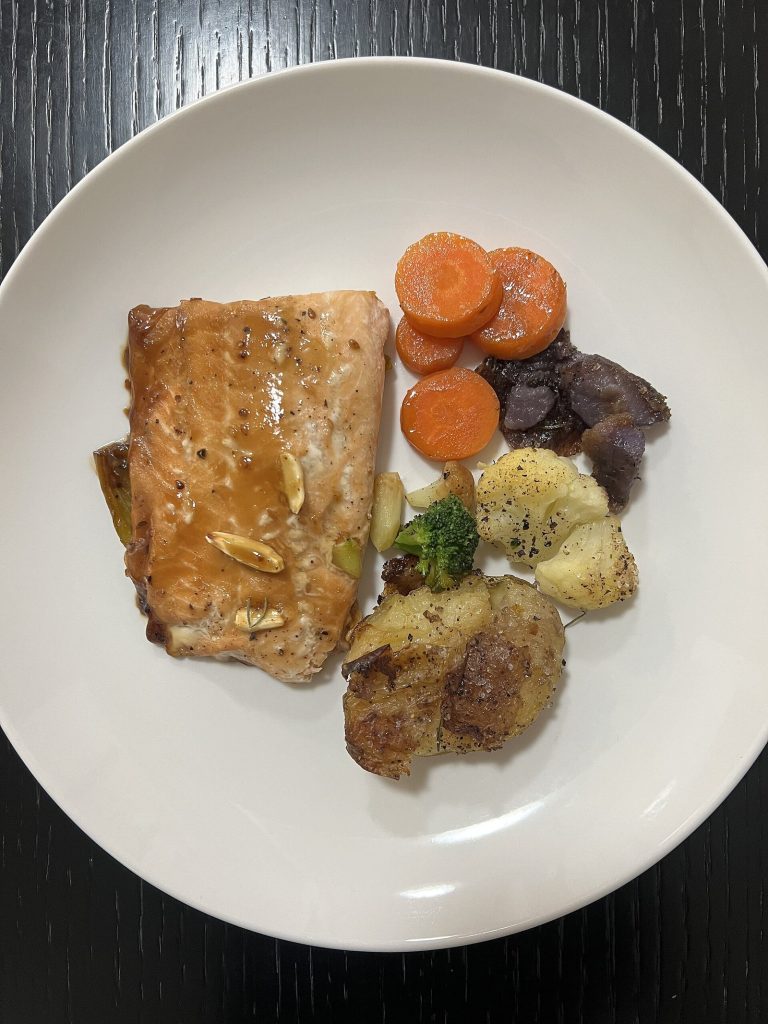
- – Moist ground meats, flaky fish, eggs, yogurt, smoothies (if safe swallow), soups, stews, and well-cooked vegetables are often easier than dry steak or crusty bread.
- – Take small bites, chew thoroughly, sit upright during and after meals.
- – If dry mouth overlaps (medication or overlap syndromes), see dry mouth diet guide and Sjögren’s syndrome diet guide for moisture tactics—confirm your diagnosis rather than self-labeling.
Nutrient density against unintentional weight loss
- – Systemic disease and digestive involvement can reduce intake. Prioritize protein at each meal (eggs, dairy if tolerated, fish, poultry, beans, oral supplements if RD-approved).
- – Monitor iron, B12, vitamin D, and calcium with your clinicians when malabsorption or poor intake is suspected—related pages: iron deficiency anemia diet guide, vitamin B12 deficiency diet guide, calcium deficiency diet guide, osteoporosis diet guide (bone health matters when steroids or reduced mobility are present—follow your rheumatologist).
Smaller, more frequent meals
- – Large high-fat dinners often worsen both reflux (NIDDK) and fullness when gastric emptying is slow—gastroparesis-like patterns deserve separate evaluation (gastroparesis diet guide).
Hand and Raynaud practicality
- – Pre-cut produce, jar openers, and warm (not scalding) beverages may help when hand fibrosis or Raynaud’s limits kitchen work—see Raynaud’s phenomenon diet guide for cold-trigger awareness (protect hands; diet is adjunct).
Foods and habits that often worsen scleroderma kitchen patterns
- – Late-night large meals that violate NIDDK’s 2–3 hour pre-bed gap when reflux is active.
- – Alcohol, peppermint, chocolate, and caffeine if they are your documented heartburn triggers.
- – Very dry, crumbly foods when chewing/swallowing is impaired—aspiration risk beats “high fiber at all costs.”
- – Extreme elimination diets that cause weight loss without RD oversight while you already struggle to meet needs.
- – Skipping prescribed acid suppression to “try apple cider vinegar instead”—vinegar is acidic and often worsens reflux.
- – Smoking (if applicable)—worsens vascular and lung risk broadly; ask for cessation support as part of systemic care.
- – Ignoring choking, food sticking, black stools, or progressive swallowing failure—these need prompt clinical care.
“Limit” means reducing reflux and safety hazards—not blaming skin disease severity on one tomato slice.
Practical kitchen protocol: a scleroderma-friendly week
1. Keep the medical spine first
Know your scleroderma subtype (localized vs limited vs diffuse systemic), current medicines, PPI/H2 timing, and whether you have pulmonary, renal, or cardiac involvement. Diet changes do not replace monitoring.
2. Shopping list for reflux-and-texture comfort
Oatmeal; eggs; yogurt; cottage cheese; ripe bananas; well-cooked carrots/zucchini; soft fish; ground turkey; olive oil in modest amounts; non-mint herbal tea if caffeine is a trigger; oral nutrition shakes if advised; thickeners only if a swallow specialist recommends them.
3. Default plate template
- – Soft protein
- – Moist starch (mashed potato, soft rice, pasta)
- – Cooked non-acidic vegetables
- – Finish eating ≥3 hours before bed when night GERD is present
4. Sample day (illustrative)
- – Breakfast: oatmeal with banana; upright seating.
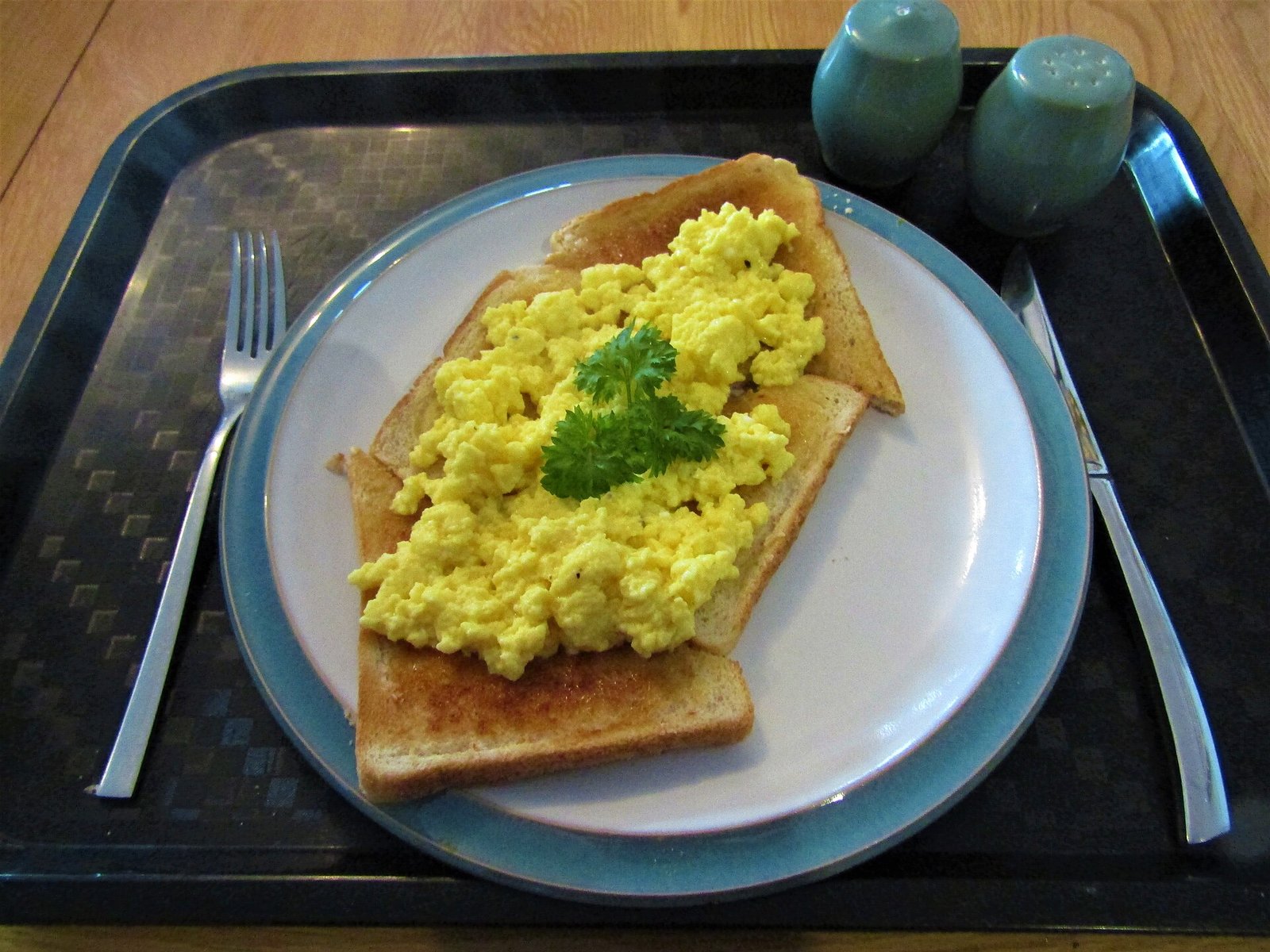
- – Lunch: egg salad on soft bread (if chew OK) or scrambled eggs with avocado; water.
- – Snack: yogurt.
- – Dinner (early): baked fish, mashed potato, cooked green beans; avoid frying.
- – Evening: no peppermint tea if mint triggers; head-of-bed elevation per clinician advice—not a second dessert.
5. Reflux environment tips (with NIDDK timing)
Elevate head of bed if advised; avoid tight belts; track personal triggers in a journal like other chronic GI plans.
6. When constipation from motility or medicines appears
Gentle fiber and fluids as tolerated—see constipation diet guide—without large raw salads that are hard to chew.
Safety, interactions, and who should ask a clinician first
- – New or worsening shortness of breath, sudden hypertension, severe headache, digital ulcers, or kidney concerns need urgent rheumatology pathways—not diet forums.
- – Progressive dysphagia, recurrent pneumonia, or weight loss: gastroenterology/SLP referral.
- – Steroid or immunosuppressant therapy: food safety (thoroughly cooked eggs/meats) and infection precautions per your team.
- – Kidney involvement may require sodium/protein adjustments—only per nephrology/rheumatology, never from generic blogs.
- – Pregnant people with scleroderma need specialized obstetric-rheumatology care.
FAQ
Can diet reverse skin thickening? No. NIAMS states there is no cure for scleroderma; treatment focuses on symptoms and slowing progression. Nutrition supports comfort and status.
Why do so many scleroderma diet tips sound like GERD tips? Because esophageal involvement is common in systemic disease (NIAMS). NIDDK GERD timing and trigger reduction are practical tools for heartburn/regurgitation symptoms.
Should I go gluten-free automatically? Only if you have confirmed celiac disease or clinician-directed trial. See celiac disease diet guide—automatic gluten-free is not a NIAMS scleroderma cure protocol.
Are spicy “circulation” foods helpful for Raynaud’s? Spicy foods are among NIDDK’s common GERD triggers. Raynaud’s care centers on warmth and medical therapy—see Raynaud’s phenomenon diet guide.
When is swallowing a red flag? Food sticking, coughing while eating, choking, or recurrent chest infections need prompt evaluation—texture DIY is not enough (dysphagia diet guide).
How this differs from related OTCFood topics
This page is a scleroderma-bound diet guide focused on reflux timing/triggers, safer textures, and nutrition while rheumatology care continues. It is not a standalone GERD diet guide page for people without autoimmune disease, and not a claim that kitchen changes replace systemic therapy.
Medical disclaimer
Medical disclaimer: This article is for general information only. It is not medical advice, diagnosis, or a treatment plan. Scleroderma care depends on disease subtype, organ involvement, and medicines. Talk with your rheumatologist, gastroenterologist, or registered dietitian before starting, stopping, or changing any eating plan, supplement, or medicine. Seek urgent care for breathing difficulty, severe hypertension symptoms, choking, or signs of infection.