Barrett’s Esophagus Diet: Foods That May Help and Foods to Limit
Medical note: This article discusses foods and researched botanicals. It does not claim to prevent, treat, or cure disease. Supplements are not a substitute for food, and studied amounts are not personal prescriptions.
Barrett’s esophagus means the lining of the esophagus has changed to tissue more like intestinal lining; NIDDK notes people with Barrett’s have a higher risk of esophageal adenocarcinoma, and that GERD increases the chance of developing Barrett’s. Diet does not reverse Barrett’s tissue or replace surveillance endoscopy, medicines, or procedures. The eating pattern that matters most is the same reflux-aware pattern NIDDK describes for GERD: weight management if needed, finishing meals at least 3 hours before lying down, and limiting personal trigger foods such as acidic foods, alcohol, chocolate, caffeine, high-fat foods, mint, and spicy foods.
What this Barrett’s esophagus diet guide covers (and what it does not)
This guide is for adults with confirmed Barrett’s who want reflux-smart eating. It covers GERD-aligned triggers, meal timing, and weight. It does not interpret biopsy results, dysplasia grades, or ablation decisions.
Anchors: NIDDK — Barrett’s Esophagus, NIDDK — Eating, Diet, & Nutrition for GER & GERD.
Evidence snapshot: Barrett’s diet claims vs public sources
| Claim people hope for | What public sources actually say | Confidence |
|---|---|---|
| “A diet cures Barrett’s” | NIDDK: treatments may include medicines, endoscopy, surgery—not diet as cure | Strong (no cure claim) |
| “GERD patterns matter” | NIDDK: GERD increases chances of Barrett’s; GERD diet changes may improve reflux symptoms | Moderate |
| “Lose weight if overweight” | NIDDK GERD diet: doctor may suggest weight loss to reduce GERD symptoms | Moderate |
| “Stop eating 3 hours before bed” | NIDDK: meals ≥3 hours before lying down may improve night symptoms | Moderate |
| “Everyone must avoid tomatoes forever” | Triggers are individualized; citrus/tomatoes commonly linked but not universal | Low-to-moderate |
Foods and patterns that may help reflux symptoms in Barrett’s
Weight-aware, balanced plates (NIDDK GERD)
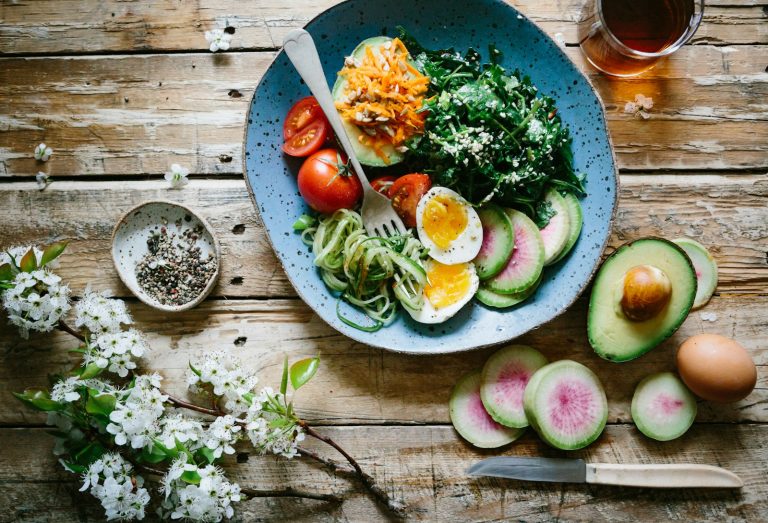
If you have overweight or obesity, NIDDK notes your doctor may suggest losing weight to reduce GERD symptoms and can recommend a healthy eating plan. Emphasize vegetables, lean proteins, whole grains as tolerated, and measured fats.
Earlier dinners
Finish the main evening meal at least 3 hours before bed or reclining.
Lower-fat cooking methods
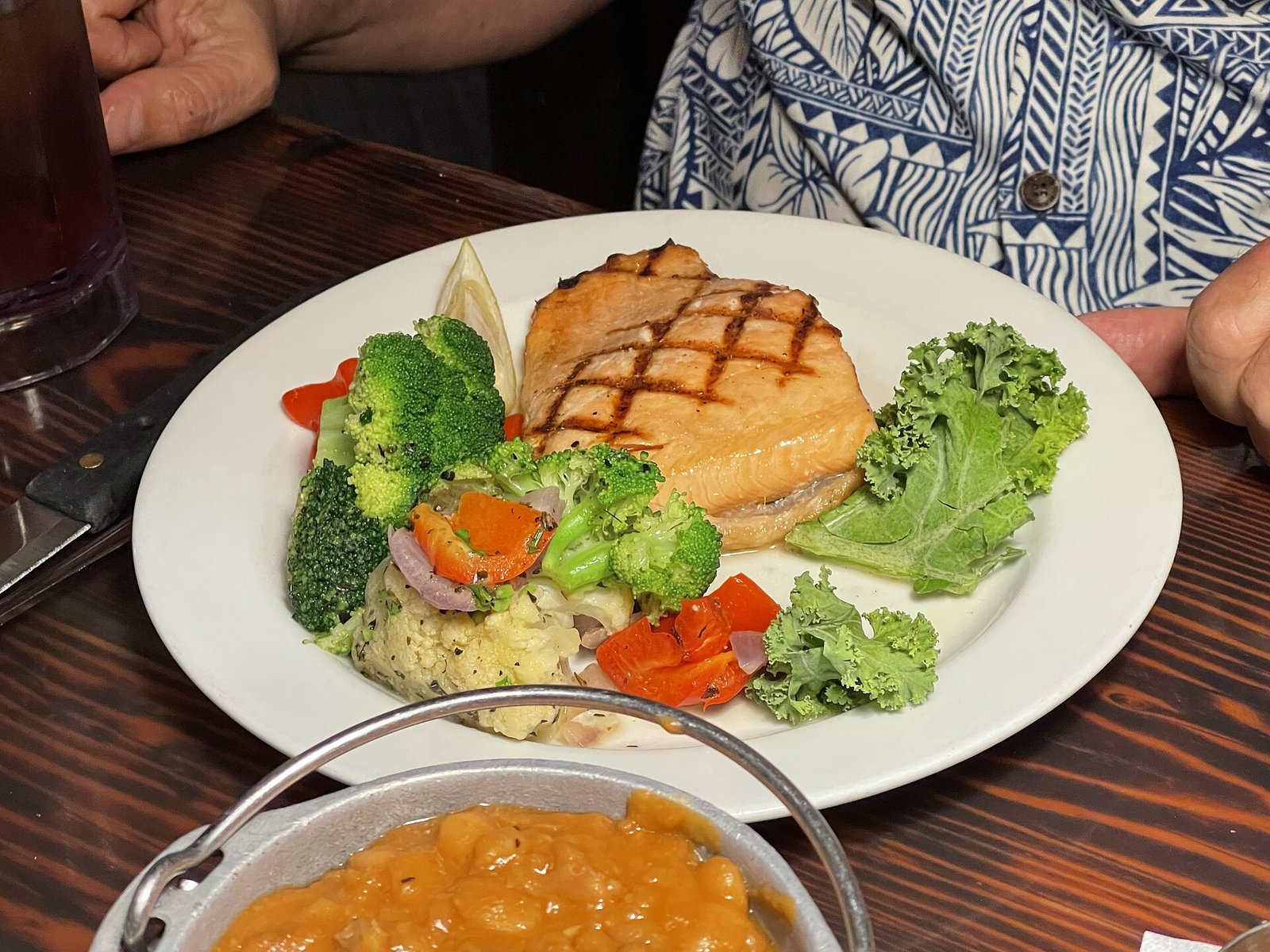
Bake, grill, steam, or air-fry instead of deep-frying. High-fat foods are on NIDDK’s commonly linked trigger list.
Gentle flavor instead of mint and heavy spice
Use herbs like basil, oregano, or chives if mint and spicy chili powders bother you.
Elevate habits that support the plate
Many clinicians also discuss head-of-bed elevation and not smoking—pair those with food changes; they are not diet but affect reflux burden.
Foods and drinks commonly linked to worse GERD symptoms (NIDDK)
- – Acidic foods such as citrus fruits and tomatoes
- – Alcoholic drinks
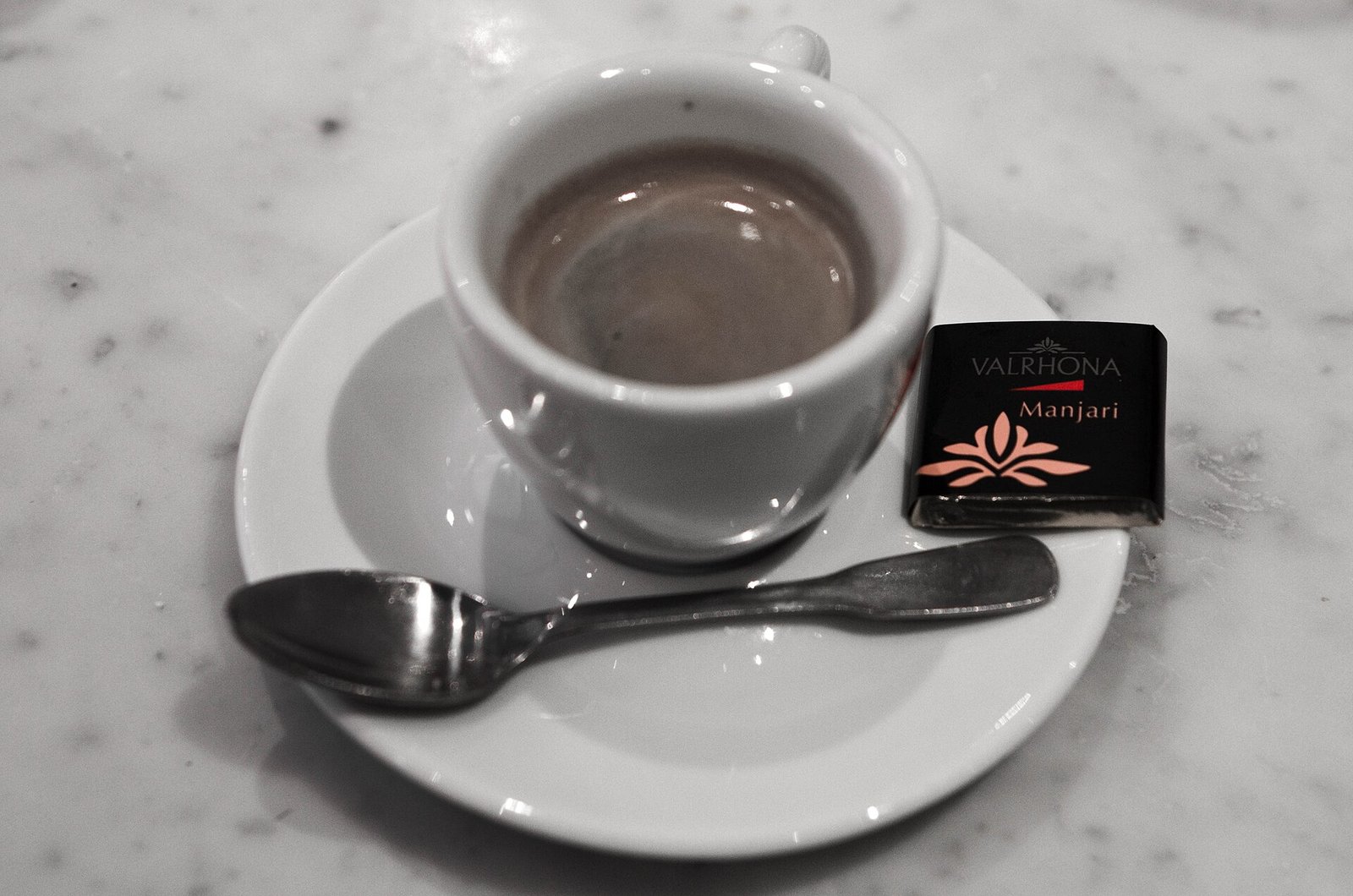
- – Chocolate
- – Coffee and other caffeine sources
- – High-fat foods
- – Mint
- – Spicy foods
NIDDK advises talking with your doctor about your own triggers and trying reductions to see if symptoms improve—systematic elimination beats copying someone else’s banned list forever.
Practical kitchen protocol: a Barrett’s / GERD-aware plan
1. Keep endoscopy and medicine plans first
Acid suppression and surveillance schedules are medical. Diet is adjunctive symptom control.
2. Build a personal trigger log for 10–14 days
Record meal, timing relative to bed, symptoms, and whether you bent over or exercised after eating.
3. Sample day (illustrative, reflux-aware)
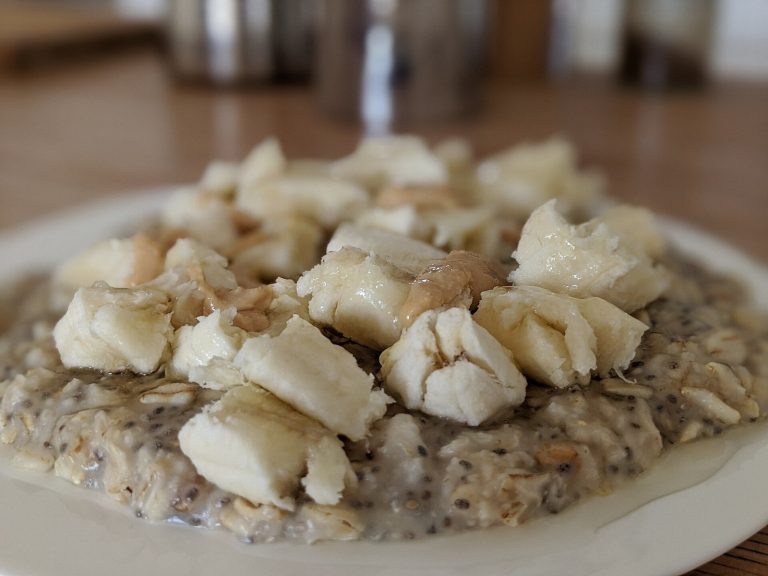
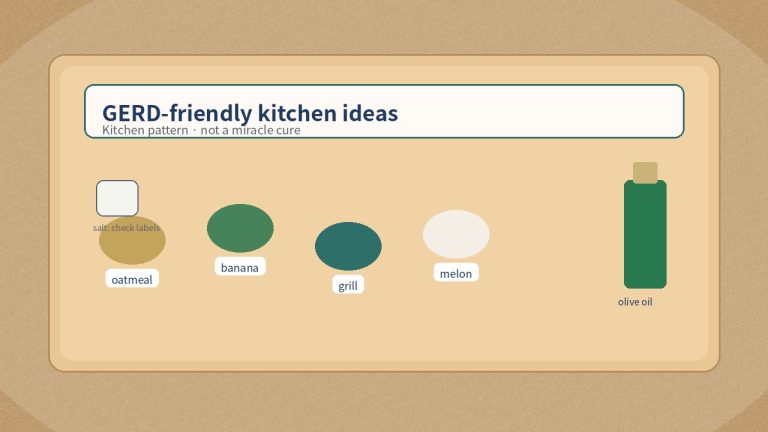
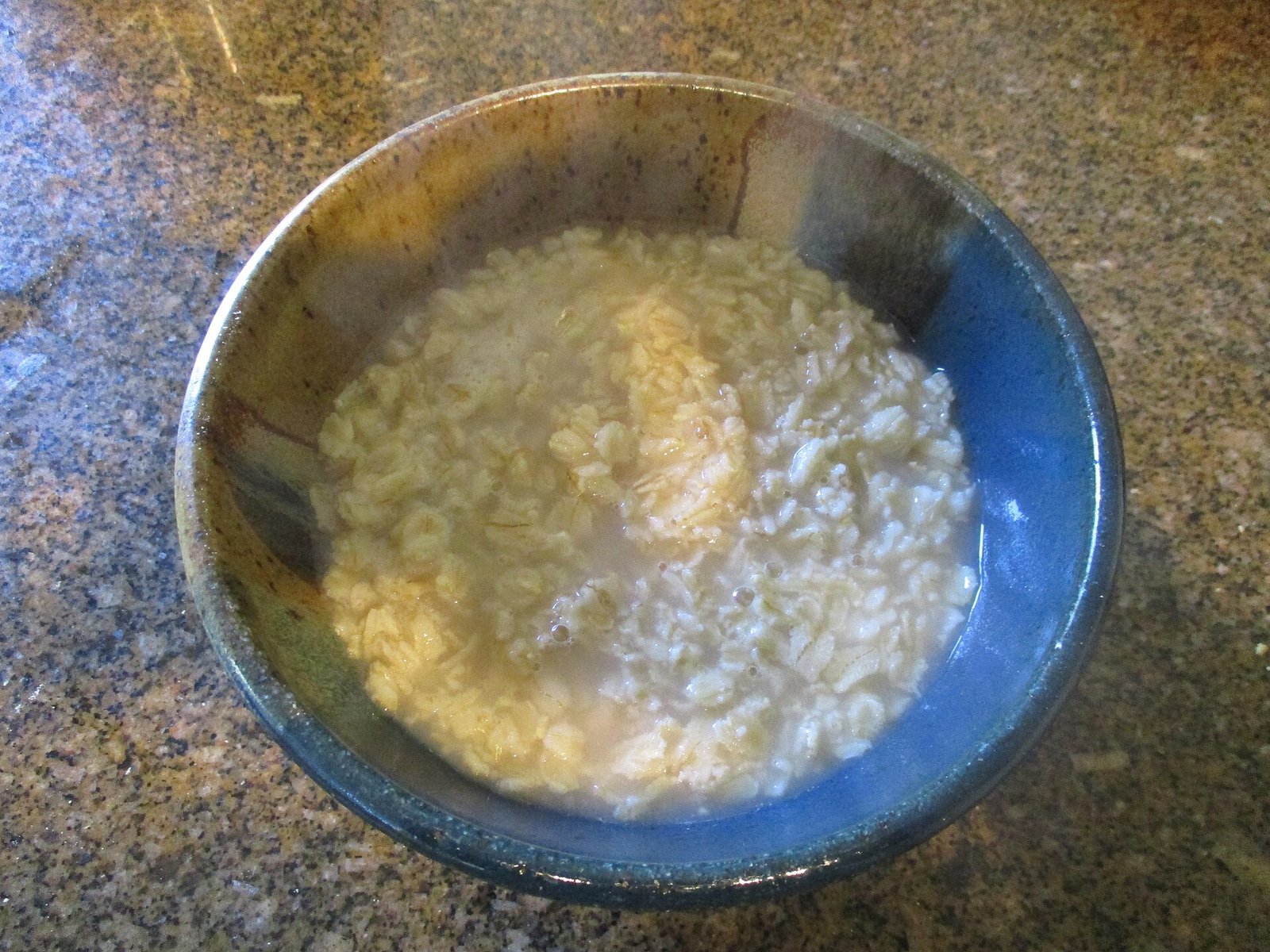
- – Breakfast: oatmeal with banana; non-mint herbal tea if coffee burns
- – Lunch: turkey sandwich on whole grain, cucumber, baked chips; water
- – Snack: melon or a handful of almonds
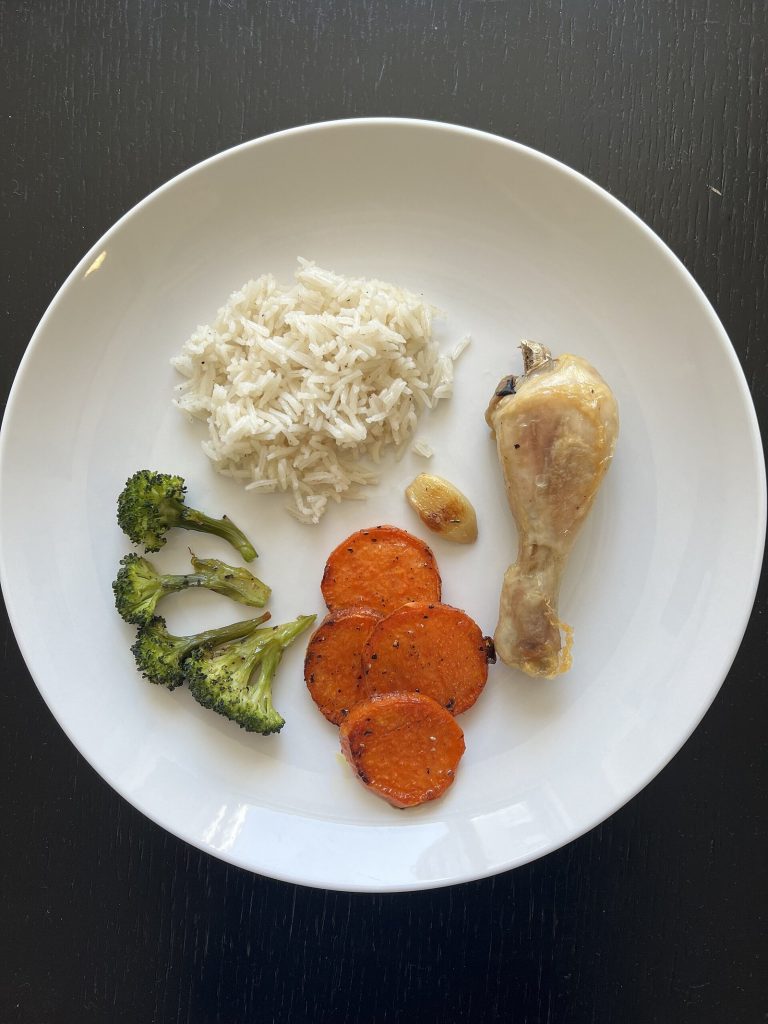
- – Dinner (early): grilled fish, rice, green beans with olive oil (modest)
- – Avoid late-night pizza, chocolate, and alcohol trials during the logging period
4. Cooking swaps
- – Tomato sauce → broth-based or low-acid alternatives if tomatoes trigger you
- – Fried foods → baked
- – Spearmint tea → ginger or fennel only if tolerated and clinician-approved
- – Creamy desserts → earlier-day yogurt if tolerated
5. Eating out
Ask for sauces on the side, skip after-dinner mints, choose grilled proteins, and schedule dinner early enough that you are not horizontal soon after.
6. Related anatomy
If a hiatal hernia is part of your history, meal-size and timing rules often overlap—see the linked OTCFood guide below.
Safety, interactions, and when to get help
- – New trouble swallowing, unintentional weight loss, vomiting blood, black stools, or chest pain needs urgent evaluation—do not attribute everything to “something I ate.”
- – Barrett’s requires specialist follow-up; diet changes do not replace biopsies.
- – Chronic PPI use has nutrient considerations (including magnesium—see ODS notes elsewhere); discuss long-term therapy with your clinician rather than stopping suddenly.
- – Alcohol reduction helps many reflux patterns and supports overall cancer-risk lifestyle advice from clinicians—ask for tailored guidance.
Weekly prep for earlier dinners and fewer late triggers
Shift the largest meal earlier by batching dinner components at lunchtime on busy days. Keep trigger-prone items (mint chocolates, after-dinner liqueurs, citrus desserts) out of the bedtime path. Build two default early dinners—grilled fish + rice + green beans, and turkey meatballs + potatoes + carrots—and rotate them. If coffee is a personal trigger, move caffeine earlier and smaller rather than stacking espresso after supper. Put your next endoscopy date on the calendar; diet success is measured by symptom control and adherence to surveillance, not by hoping food erases Barrett’s tissue.
Alcohol, tobacco, and reflux load
Alcohol sits on NIDDK’s GERD trigger list; reducing or stopping it often helps heartburn control and aligns with broader clinician advice for esophageal health. Smoking cessation likewise supports reflux care even though it is not a “diet” change—ask for structured help rather than relying on mint gum, which itself can be a mint trigger for some. Keep chocolate and after-dinner spirits out of the late-evening window while you retrain meal timing.
Sample shopping list (reflux-aware, not joyless)
Stock oatmeal, bananas, lean turkey, fish, rice, green beans, potatoes, eggs, and a non-mint herbal tea you tolerate. Keep tomato products, chocolate, peppermint, and alcohol as deliberate experiments only—not default nightly habits—while logging symptoms. If weight loss is part of your GERD plan, measure oils and skip sugary drinks rather than cutting all carbohydrates that fuel activity.
Putting surveillance and diet in the same calendar
Schedule groceries and early dinners around your endoscopy and clinic dates so symptom logs are accurate going into appointments. Bring a two-week trigger diary. Ask whether your PPI or other reflux medicine should be taken before meals, and align breakfast timing accordingly. Diet success here means fewer heartburn nights and better adherence to medical follow-up—not a promise that Barrett’s cells will change back because you skipped tomatoes.
FAQ
Can diet reverse Barrett’s esophagus? No. NIDDK describes medicines, endoscopy, and surgery among treatments; diet may help GERD symptoms but is not a cure for Barrett’s tissue change.
What foods should I avoid? Common GERD-linked triggers include citrus, tomatoes, alcohol, chocolate, caffeine, high-fat foods, mint, and spicy foods—but your list may be shorter. Test with your clinician’s advice.
Does weight loss help? For GERD symptoms, NIDDK says doctors may suggest weight loss if you have overweight or obesity.
When should I stop eating before bed? NIDDK suggests finishing meals at least 3 hours before lying down if night symptoms occur.
Is coffee permanently banned? Not necessarily. Coffee and caffeine are commonly linked to GERD symptoms, but NIDDK frames triggers as personalized. Trial reductions with your clinician’s guidance.
How this differs from related OTCFood topics
This page applies GERD diet patterns in the Barrett’s context without promising cancer prevention through food alone. See GERD diet guide, hiatal hernia diet guide, and peptic ulcer diet guide for related upper-GI eating guides.
If night symptoms persist despite early dinners, ask your clinician about head-of-bed elevation and medicine timing before cutting more foods. Over-restriction can backfire by shrinking diet quality while reflux mechanics remain unaddressed.
Medical disclaimer
Medical disclaimer: This article is educational only and is not medical advice. Barrett’s esophagus requires clinician-guided surveillance and treatment. Do not use diet to delay endoscopy or prescribed therapy. Seek urgent care for bleeding, progressive swallowing trouble, or severe chest pain.