Retinal Detachment Recovery Diet: Foods That May Help and Foods to Limit
Medical note: This article discusses foods and researched botanicals. It does not claim to prevent, treat, or cure disease. Supplements are not a substitute for food, and studied amounts are not personal prescriptions.
People searching “retinal detachment recovery diet foods that help or worsen” usually want practical meals while an eye heals after a tear, a gas-bubble procedure, or surgery—not a claim that food reattaches the retina, replaces laser or operative repair, or restores lost vision on its own. MedlinePlus and the National Eye Institute (NEI) describe retinal detachment as the retina pulling away from its normal position at the back of the eye. It is a medical emergency: if it is not treated promptly, the risk of permanent vision loss rises. Kitchen changes may help you eat regularly if you must keep your head still or if diabetes-related eye disease is part of the story. They do not put the retina back in place.
What this retinal detachment recovery diet guide covers (and what it does not)
This guide is for adults recovering after a clinician-treated retinal tear or detachment who want food guidance grounded in public eye-health pages. Anchors: MedlinePlus — Retinal Detachment, NEI — Retinal Detachment, and Mayo Clinic — Retinal detachment. Nearby reading: Diabetic Retinopathy Diet: Foods That May Help and Foods to Limit, type 2 diabetes diet guide, Diet After Cataract Surgery: Foods That May Help and Foods to Limit, and Age-Related Macular Degeneration Diet: Foods That May Help and Foods to Limit.
NEI says treatment works well, especially when the problem is caught early, and that treatment is ultimately successful for about 9 out of 10 people—though some people need a second procedure. MedlinePlus’s encyclopedia page on retinal detachment notes that how well you do depends on the location and extent of the detachment and on early treatment, and that successful repair does not always fully restore vision. Mayo Clinic adds that vision may take months to improve and that some people never get back all of the vision they lost.
Evidence snapshot: retinal detachment recovery diet claims vs public sources
| Claim people hope for | What public sources actually say | Confidence |
|---|---|---|
| “Eye-vitamin foods can reattach a retina” | NEI, MedlinePlus, and Mayo Clinic: treatment is laser, freezing, a gas bubble, scleral buckle, vitrectomy, or a combination—not a nutrient protocol | Strong against food-as-repair |
| “Once surgery is done, diet is irrelevant” | MedlinePlus: control blood sugar carefully if you have diabetes, because tractional detachment can occur with uncontrolled diabetes. Mayo Clinic likewise links tractional detachment with poorly controlled diabetes | Strong that diabetes-aware eating matters when diabetes is involved |
| “You can return immediately to jarring exercise and long stove sessions” | Mayo Clinic: after in-office laser or freezing for a tear, you will likely be told not to do activities that might jar the eyes, such as running, for a couple of weeks. After a gas bubble, you may need to hold your head in a certain position for up to a week | Strong that activity and positioning instructions come first |
| “Colorful produce is useless after eye surgery” | Produce does not reattach a retina. A regular, easy-to-eat pattern still helps you keep up nutrition while positioning limits cooking. Separate nutrient research for other eye conditions, such as macular degeneration, should not be copied here as an RD cure (see Age-Related Macular Degeneration Diet: Foods That May Help and Foods to Limit) | Moderate that general nutrition supports recovery routines |
Foods and patterns that may help during retinal detachment recovery
“May help” means making it easier to follow your surgeon’s positioning and activity rules and, if you have diabetes, keeping blood-sugar habits consistent.
Easy meals if your head position is restricted
Mayo Clinic explains that in pneumatic retinopexy a bubble of air or gas is placed in the eye and that you may need to hold your head in a certain position for up to a week so the bubble can press the retina into place. Vitrectomy may also use air, gas, or silicone oil. In that window, foods that are already prepared, soft enough to eat without a lot of looking down into a steam-filled pot, and easy for a helper to serve may help you keep eating:
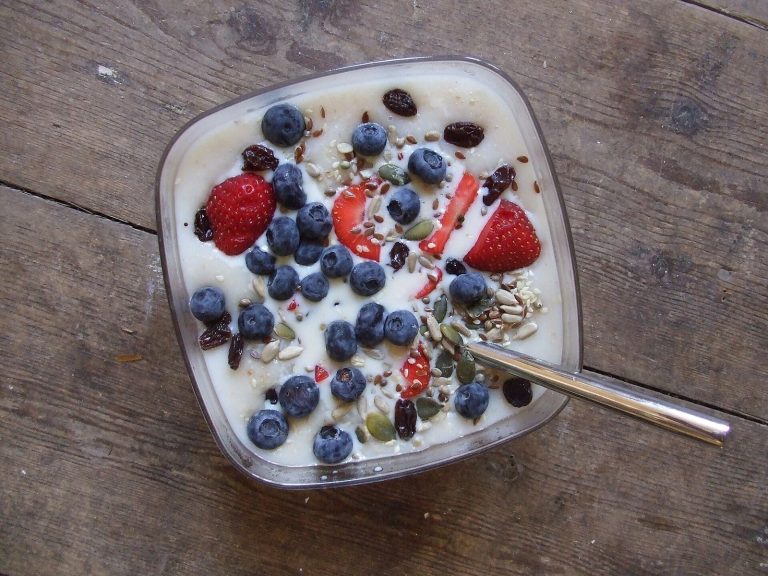
- – Yogurt, cottage cheese, or smoothies if you tolerate dairy
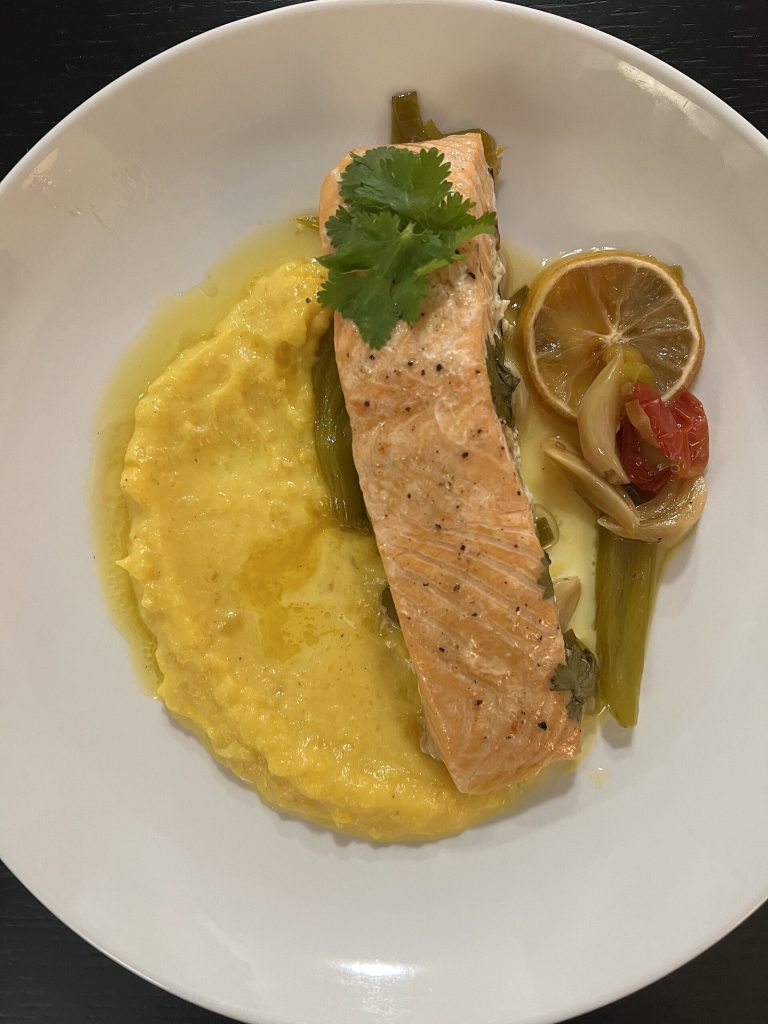
- – Soft scrambled eggs or leftover tender fish or chicken
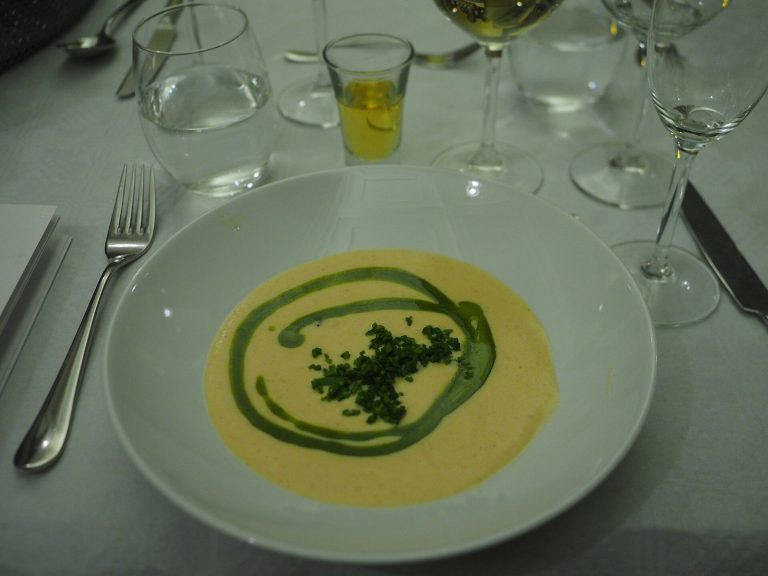
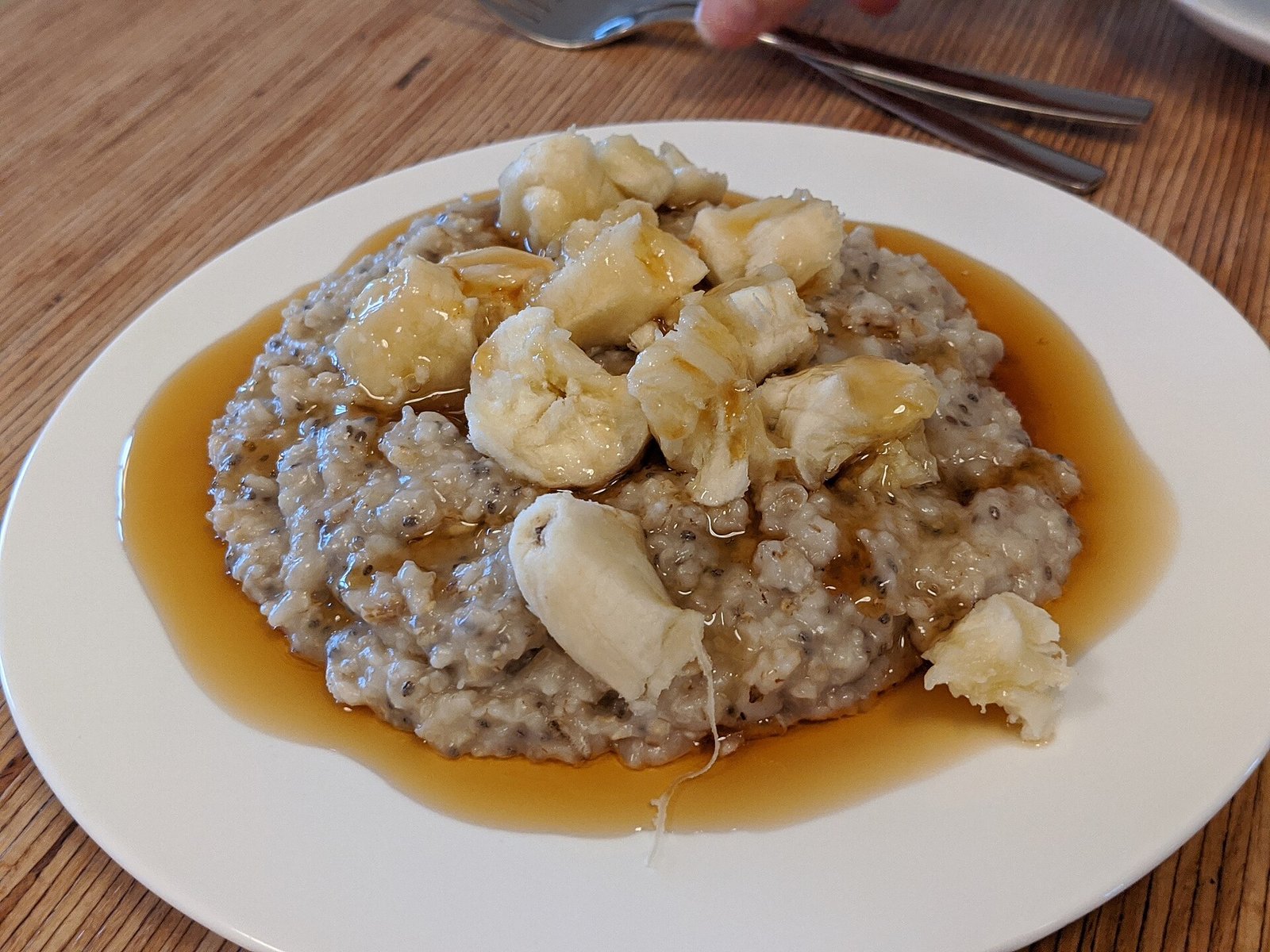
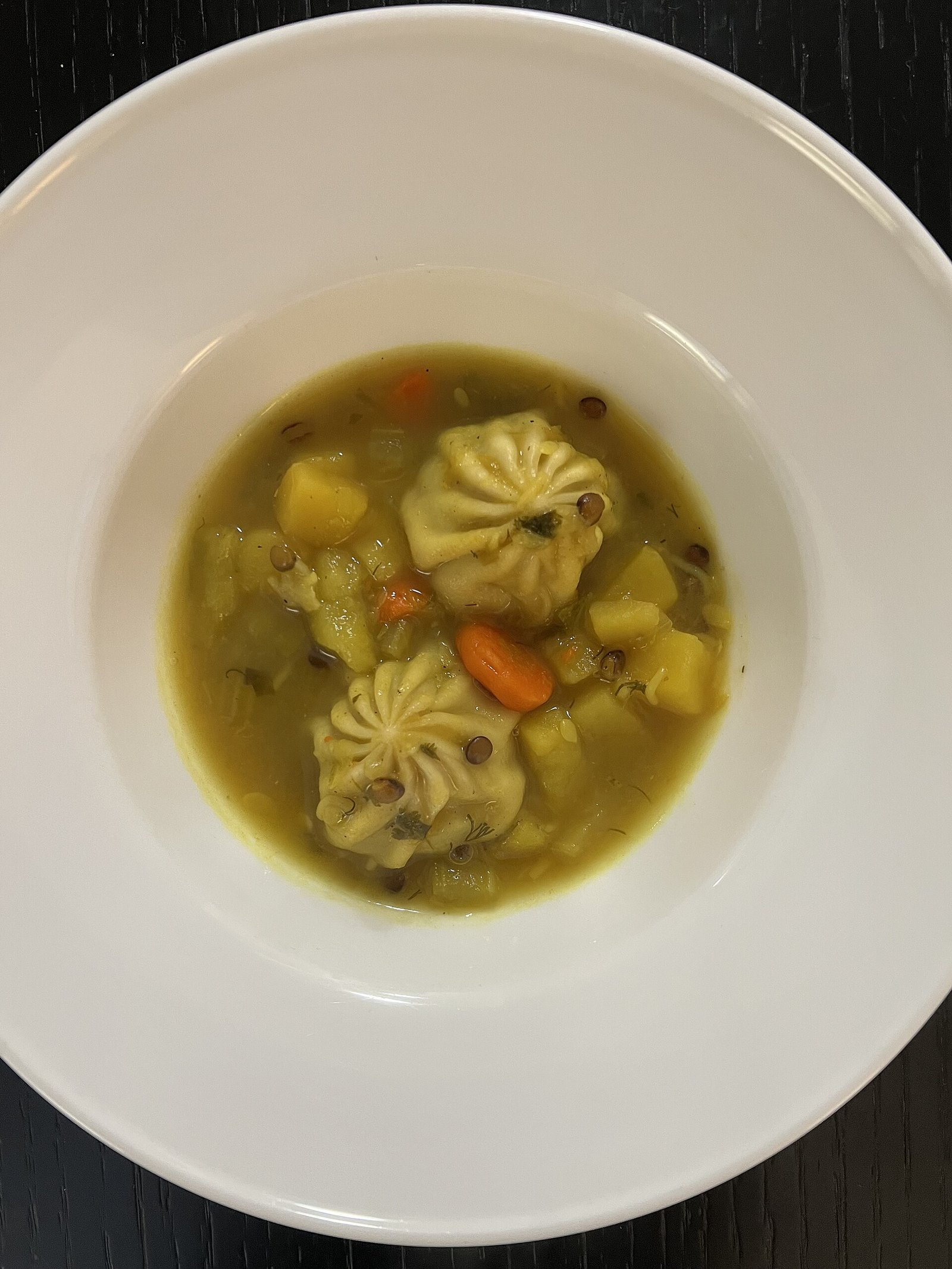
- – Soups, stews, or oatmeal that can be reheated
- – Cut fruit, bananas, or applesauce
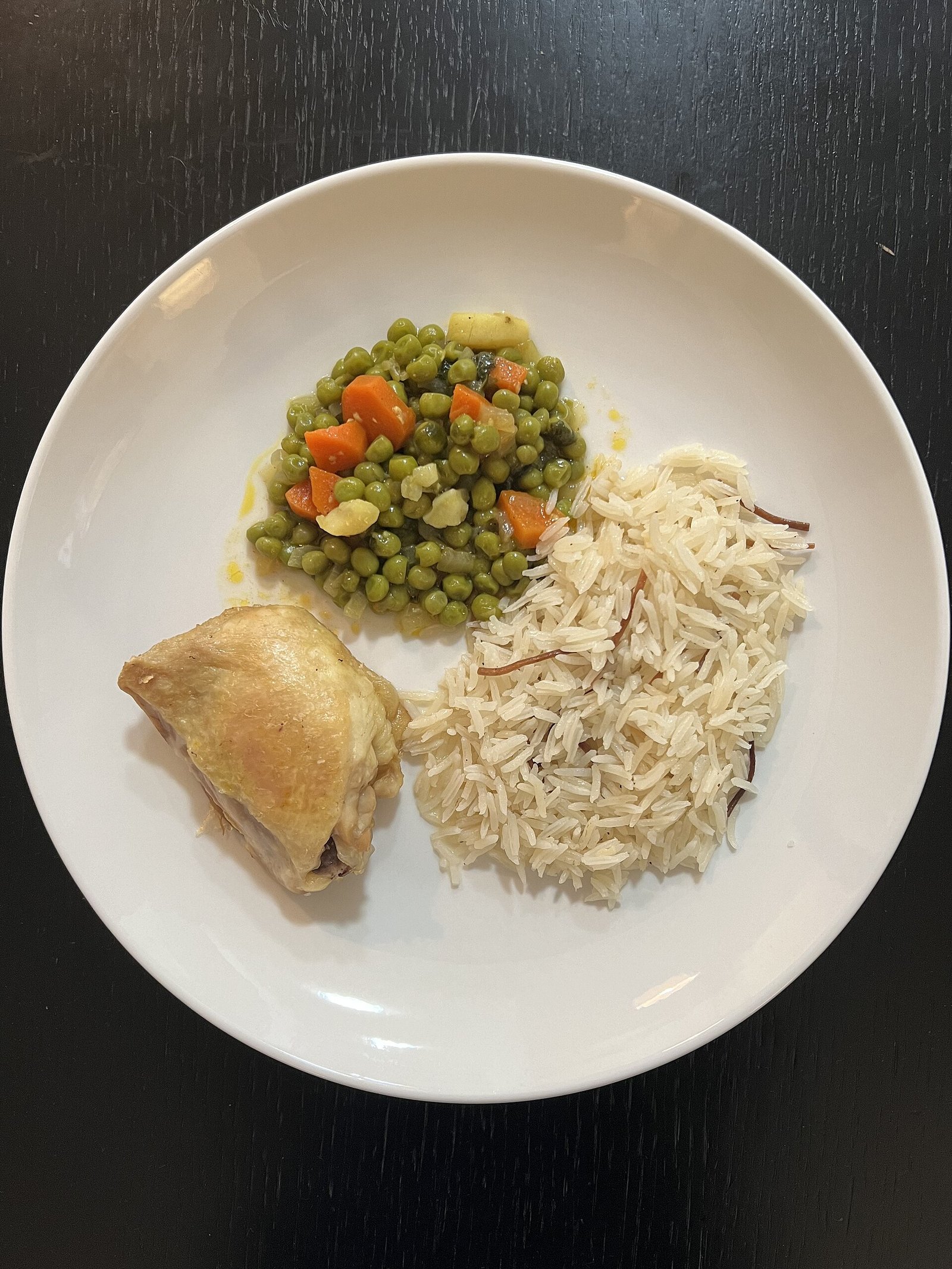
- – Cooked vegetables and rice or potatoes that do not require last-minute chopping while you hold a position
Ask whoever is helping you to handle stove work and knife work if bending, sudden standing, or long looking-down tasks were restricted.
If diabetes or diabetic retinopathy is in the picture
MedlinePlus lists uncontrolled diabetes among causes of tractional detachment and says to control your blood sugar carefully if you have diabetes. NEI lists diabetic retinopathy among conditions that raise risk. A consistent carbohydrate pattern you already use with your diabetes team matters more than an “eye superfood.” See Diabetic Retinopathy Diet: Foods That May Help and Foods to Limit and type 2 diabetes diet guide.
Everyday recovery nutrition
Protein-containing meals, fluids, and fiber-containing plants you already tolerate support general postoperative eating. They are not a substitute for the eye procedures NEI and Mayo Clinic describe.
Foods and habits that often work against recovery goals
- – Delaying care because you want to “try diet first.” NEI and MedlinePlus say to go to an eye doctor or emergency room right away for a sudden shower of floaters, flashes of light, or a curtain-like shadow. Mayo Clinic calls retinal detachment painless, which can make people underestimate it.
- – Jarring activity against your surgeon’s timeline. Mayo Clinic mentions running-type activity as an example of what you may need to pause after laser or cryopexy.
- – Ignoring blood-sugar targets if you have diabetes, given the tractional-detachment link on MedlinePlus and Mayo Clinic pages.
- – Assuming AREDS-style supplement megadoses are required after every detachment. Those formulas are discussed in other eye-disease contexts; they are not presented on the RD pages above as the way to reattach a retina. Do not start high-dose eye vitamins on your own, especially if you also take other supplements.
- – Air travel or other plans you have not cleared if a gas bubble was used. Mayo Clinic lists travel and flying as questions to ask your surgeon—do not guess.
“Limit” means limiting delays, jarring activity, and unplanned supplement experiments—not fearing vegetables.
Practical kitchen protocol: a retinal-detachment-recovery week
1. Follow the eye plan first
Confirm which procedure you had (laser, cryopexy, pneumatic retinopexy, scleral buckle, vitrectomy, or more than one). Ask how long any head position must be held, when you can cook again, and whether a helper should take over the stove. Mayo Clinic notes that the gas or air bubble is absorbed over time; silicone oil, if used, may need later removal.
2. Shopping list for low-effort plates
Eggs, yogurt, bananas, oats, leftover soup, cooked grains, tender fish or chicken, cut fruit, and fluids you were not told to limit. A helper can handle shopping and stove work if looking down was restricted.
3. Default plate template
- – A protein you can eat with little prep
- – A starch (oats, rice, bread, or potato)
- – Fruit or cooked vegetables
- – Fluids through the day
- – Medicines and eye drops exactly as prescribed, separate from meals if you were so instructed
4. Sample day (illustrative)
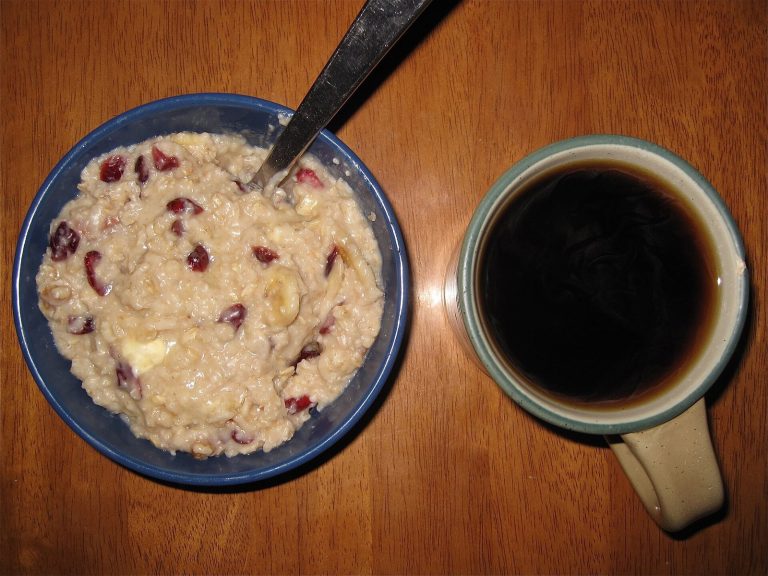
- – Breakfast: oatmeal with banana.
- – Lunch: vegetable or chicken soup with bread.
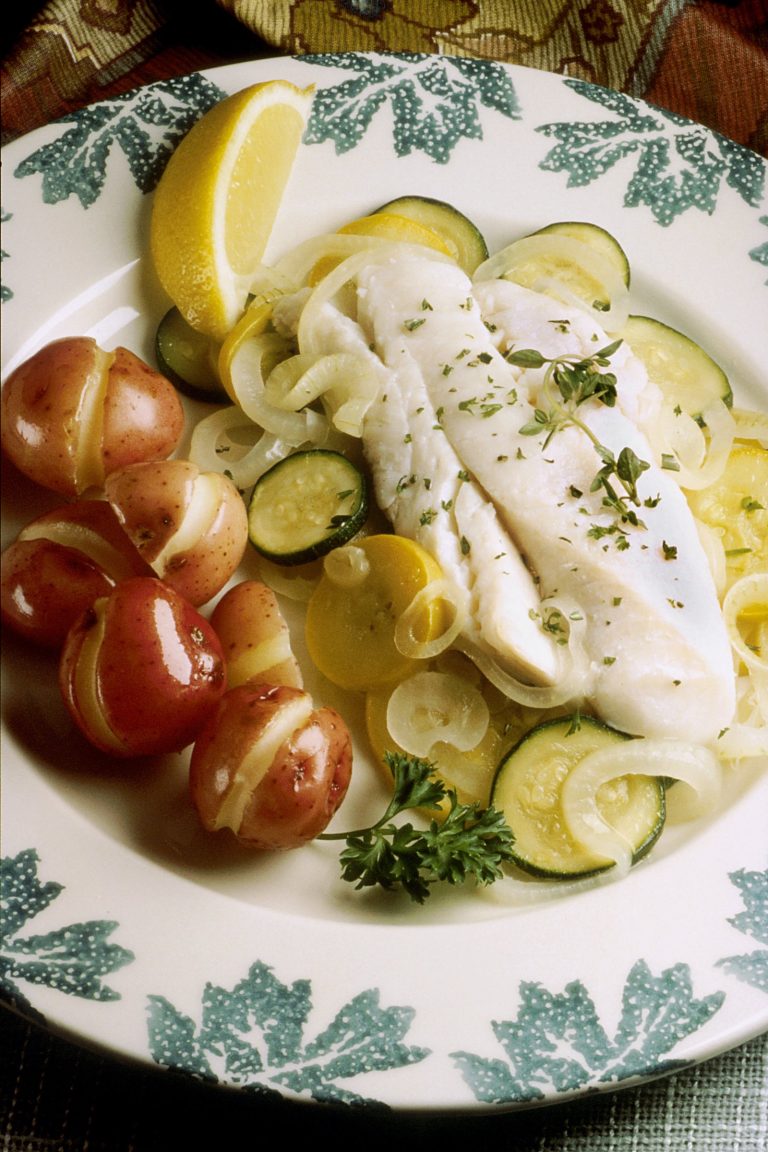
- – Dinner: baked fish or chicken with rice and cooked vegetables, plated by a helper if needed.
- – Snacks: yogurt or cut fruit.
5. After the positioning week
As activity expands, return to your usual balanced pattern. If you have diabetes, resume the meal timing that keeps your glucose plan stable. If cataract surgery was part of your eye history—MedlinePlus and NEI list prior cataract surgery among risk factors—see Diet After Cataract Surgery: Foods That May Help and Foods to Limit only for that separate recovery, not as an RD protocol.
6. Protecting the other eye and future risk
MedlinePlus says a detachment in one eye and a family history raise risk, and NEI recommends comprehensive dilated exams. Wear protective eyewear for sports or other injury-prone activity (NEI; MedlinePlus encyclopedia). Food cannot replace those steps.
Safety, interactions, and who should ask a clinician first
- – New flashes, a sudden increase in floaters, or a curtain over vision in either eye: urgent eye care (NEI, MedlinePlus, Mayo Clinic).
- – Diabetes, prior eye surgery, high myopia, or inflammatory eye disease: keep the follow-up schedule you were given.
- – If silicone oil, a buckle, or a second surgery is planned: ask how meals, diabetes medicines, and blood thinners should be handled around anesthesia.
- – Vision that remains reduced: Mayo Clinic discusses home lighting, fall-proofing, updated glasses, and vision-rehabilitation resources—ask rather than isolating yourself.
- – Do not stop a prescribed diabetes or blood-pressure medicine to “focus on eye foods.”
FAQ
Can certain foods speed retina healing after surgery? Public pages above do not describe a healing diet that reattaches the retina. Surgery, laser, or a gas bubble does that work. Regular meals support you while you recover.
Why does everyone mention diabetes? Mayo Clinic and MedlinePlus describe tractional detachment in people with poorly controlled or uncontrolled diabetes, often related to scar tissue. Blood-sugar care is medical, with food as one tool.
Do I need to keep my head down at every meal? Only if your surgeon told you to hold a specific position. Mayo Clinic says some people need a set head position for up to a week after a gas bubble. Ask how to eat and drink during that time.
Will my vision come all the way back if I eat well? Not based on food. NEI says treatment succeeds for about 9 out of 10 people overall, but Mayo Clinic notes that vision may take months to improve and may not fully return.
Is it safe to fly after a gas-bubble procedure? Ask your surgeon. Mayo Clinic specifically lists air travel as a question to raise; this page does not give a one-size answer.
Should I take extra lutein or zinc? Not as a self-prescribed stand-in for RD repair. Discuss any eye vitamin with your ophthalmologist, especially if you have other eye diagnoses.
How this differs from related OTCFood topics
This page is a retinal-detachment-recovery-bound diet guide focused on easy meals during positioning or activity limits and on diabetes-aware eating when that disease raised risk. It is not an AMD supplement protocol, not a cataract-surgery menu, and not a substitute for emergency dilated exams.
Medical disclaimer
Medical disclaimer: This article is for general information only. It is not medical advice, diagnosis, or a treatment plan. Retinal detachment is an emergency. Recovery depends on the type of detachment, the procedure used, the other eye’s risk, diabetes, and your surgeon’s instructions. Talk with a clinician or registered dietitian before starting, stopping, or changing any eating plan, supplement, or medicine. Seek urgent eye care for sudden flashes, many new floaters, or a curtain-like shadow over your vision.