Ascites Diet: Foods That May Help and Foods to Limit
Medical note: This article discusses foods and researched botanicals. It does not claim to prevent, treat, or cure disease. Supplements are not a substitute for food, and studied amounts are not personal prescriptions.
People searching “ascites diet foods that help or worsen” usually want a lower-sodium, protein-aware kitchen plan that may reduce fluid retention while they follow diuretics, paracentesis plans, and alcohol abstinence—not a claim that food drains abdominal fluid as well as procedures or cures cirrhosis. MedlinePlus defines ascites as fluid buildup between the abdominal lining and organs, often from portal hypertension and low albumin in advanced liver disease; lifestyle measures listed include avoiding alcohol, lowering salt (no more than 1,500 mg/day of sodium on that page), and sometimes limiting fluid. NIDDK’s cirrhosis eating guidance stresses malnutrition risk, adequate calories and protein, smaller frequent meals, avoiding long fasts, limiting sodium as advised, stopping alcohol completely, and avoiding raw or undercooked shellfish, fish, meat, and unpasteurized dairy.
What this ascites diet guide covers (and what it does not)
This guide is for adults with ascites—most often related to cirrhosis—who want practical grocery and cooking habits beside hepatology care. Anchors: MedlinePlus — Ascites, NIDDK — Eating, diet, and nutrition for cirrhosis, NIDDK — Cirrhosis, and MedlinePlus — Low-salt diet.
Food does not replace diagnostic paracentesis, diuretics, infection treatment (including spontaneous bacterial peritonitis watches), TIPS evaluation, or transplant referral when indicated. Related reading: Cirrhosis Diet, NAFLD / Fatty Liver Diet, Heart Failure Diet, and Diet After Liver Transplant.
Evidence snapshot: ascites diet claims vs public sources
| Claim people hope for | What public sources actually say | Confidence |
|---|---|---|
| “A juice cleanse empties ascites better than diuretics or taps” | MedlinePlus lists sodium limits, alcohol avoidance, diuretics, and procedures—not culinary cures | Strong: food is supportive |
| “Lower-sodium eating is a core lifestyle measure” | MedlinePlus ascites treatment lists ≤1,500 mg sodium/day as a lifestyle example; clinicians individualize | Moderate–strong for sodium focus |
| “Protein still matters despite ‘liver rest’ myths” | NIDDK emphasizes calories and especially protein; avoid prolonged fasting; RD referral is common | Strong against outdated protein avoidance for many patients |
| “Herbal liver detoxes are safe because they are natural” | MedlinePlus advises talking with providers about all herbs/supplements; NIDDK says ask before supplements | Strong: review first |
| “Raw oysters are fine if lemon juice is added” | NIDDK: avoid raw/undercooked shellfish, fish, meat, and unpasteurized dairy in cirrhosis | Strong food-safety limit |
Foods and patterns that may help with ascites day to day
“May help” means supporting sodium control, protein-calorie intake, and safer food handling—not guaranteeing a flat abdomen without medical therapy.
Lower-sodium cooking and shopping
- – MedlinePlus ascites guidance cites lowering salt, with an example ceiling of 1,500 mg sodium per day—confirm your number with your clinician (some people use different targets).
- – Prefer fresh or frozen vegetables and fruits; look for “low-sodium,” “no salt added,” or “sodium-free” labels (MedlinePlus low-salt diet tips).
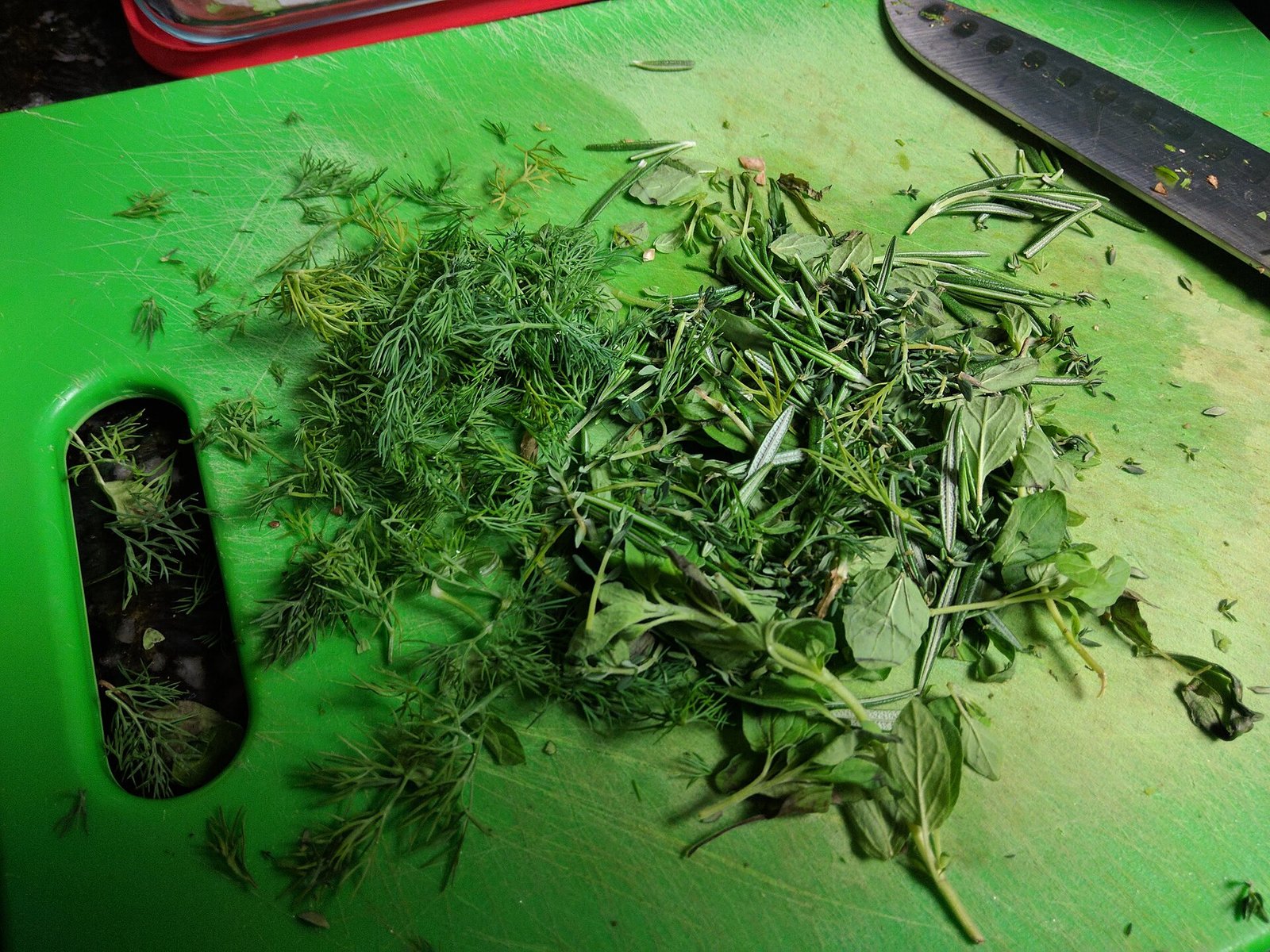
- – Season with herbs, garlic powder (not garlic salt), pepper, lemon, vinegar, and salt-free blends; remove the table salt shaker.
- – Rinse canned beans if no-salt-added versions are unavailable; cook grains and proteins from scratch when possible.
Protein and frequent meals to limit malnutrition
- – NIDDK notes research suggesting many people with cirrhosis have malnutrition; meal plans should provide needed calories and protein.
- – Smaller meals every 3–4 hours while awake, plus a nighttime snack or early breakfast, may help because cirrhosis changes nutrient storage and energy use.
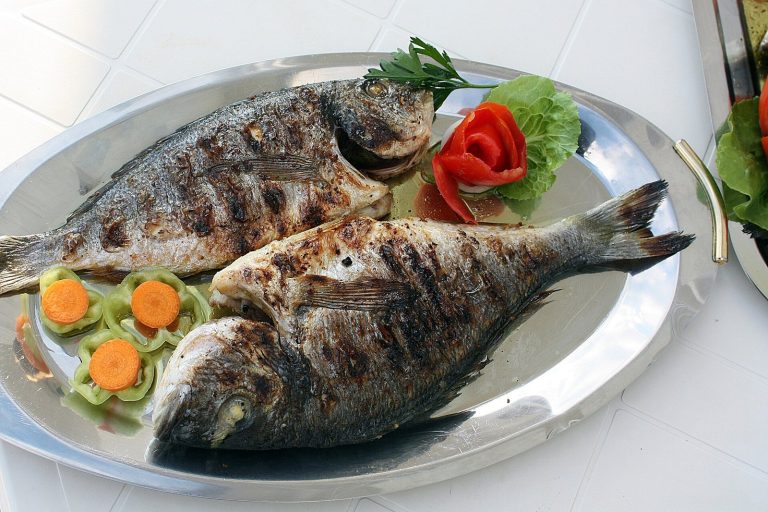
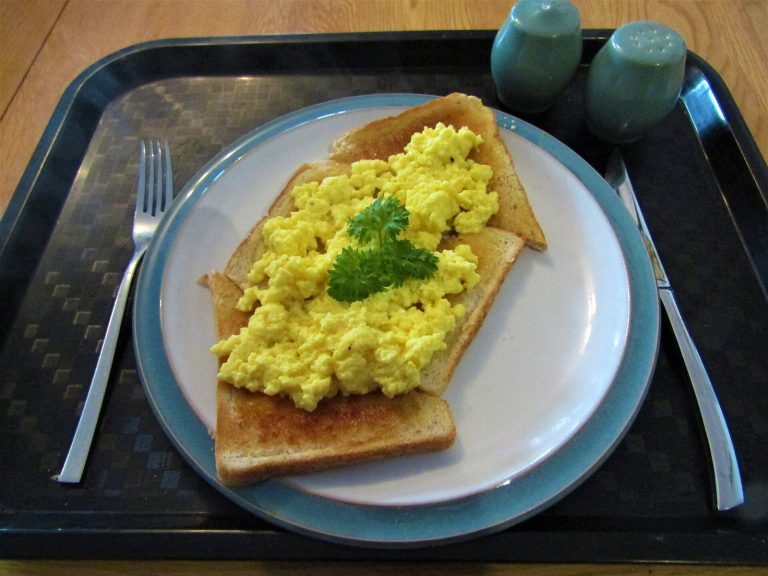
- – Include eggs, dairy if tolerated and pasteurized, legumes, tofu, fish or poultry cooked thoroughly, and oral nutrition supplements only if prescribed.
Safer protein choices for infection risk
- – Fully cook meats, fish, and eggs; choose pasteurized milk and cheeses.
- – Skip raw shellfish and undercooked sushi-style fish—NIDDK flags severe infection risk in cirrhosis.
Fluid intake only as directed
- – Some people with ascites are asked to limit fluids; others are not. Do not copy a stranger’s liter target. Pair any fluid limit with the sodium plan your team wrote.
Alcohol-free patterns
- – MedlinePlus and NIDDK: stop alcohol completely—further liver injury worsens the disease driving ascites.
Foods and habits that often worsen ascites kitchen patterns
- – Processed meats, salty snacks, pickles, soy sauce, canned soups, and fast food that pack large sodium loads (MedlinePlus low-salt lists).
- – Restaurant meals with hidden broths, cheeses, and MSG—ask for steamed/grilled items without added salt or sauce when you eat out.
- – Alcohol in any form, including “just wine with dinner.”
- – Raw shellfish, undercooked meat/fish, and unpasteurized dairy.
- – Long fasting windows that worsen frailty risk when NIDDK advises against prolonged periods without food.
- – NSAID self-treatment for belly discomfort if you have cirrhosis—MedlinePlus advises avoiding ibuprofen/naproxen in cirrhosis and using reduced-dose acetaminophen only with clinician guidance.
- – Unreviewed herbal “liver cleanses” that may harm remaining liver function.
- – Expecting diet alone to fix fever, severe abdominal pain, confusion, vomiting blood, or black stools—those are emergency symptoms.
Practical kitchen protocol: an ascites-aware diet week
1. Keep the medical spine first
Confirm sodium target, fluid rules, diuretic doses and daily weights, paracentesis schedule, lactulose or rifaximin plans if encephalopathy is present, and vaccination status (MedlinePlus mentions influenza, hepatitis A/B, and pneumococcal vaccines in liver-disease care lists).
2. Shopping list for lower-sodium, protein-aware cooking
Fresh poultry/fish; eggs; dried beans; no-salt-added tomatoes; frozen vegetables; oats; rice; herbs; lemon; yogurt (pasteurized); fruit; olive oil; low-sodium broth if labels verify; oral supplements if prescribed.
3. Default plate template
- – Thoroughly cooked lean protein
- – Unsalted starch or legumes prepared without added salt
- – Vegetables cooked from fresh/frozen
- – Fruit
- – Seasonings without salt
4. Sample day (illustrative; match your sodium/fluid orders)
- – Breakfast: oatmeal cooked without salt; banana; egg; water within fluid budget.
- – Mid-morning: yogurt; unsalted nuts if potassium and chewing allow per clinician.
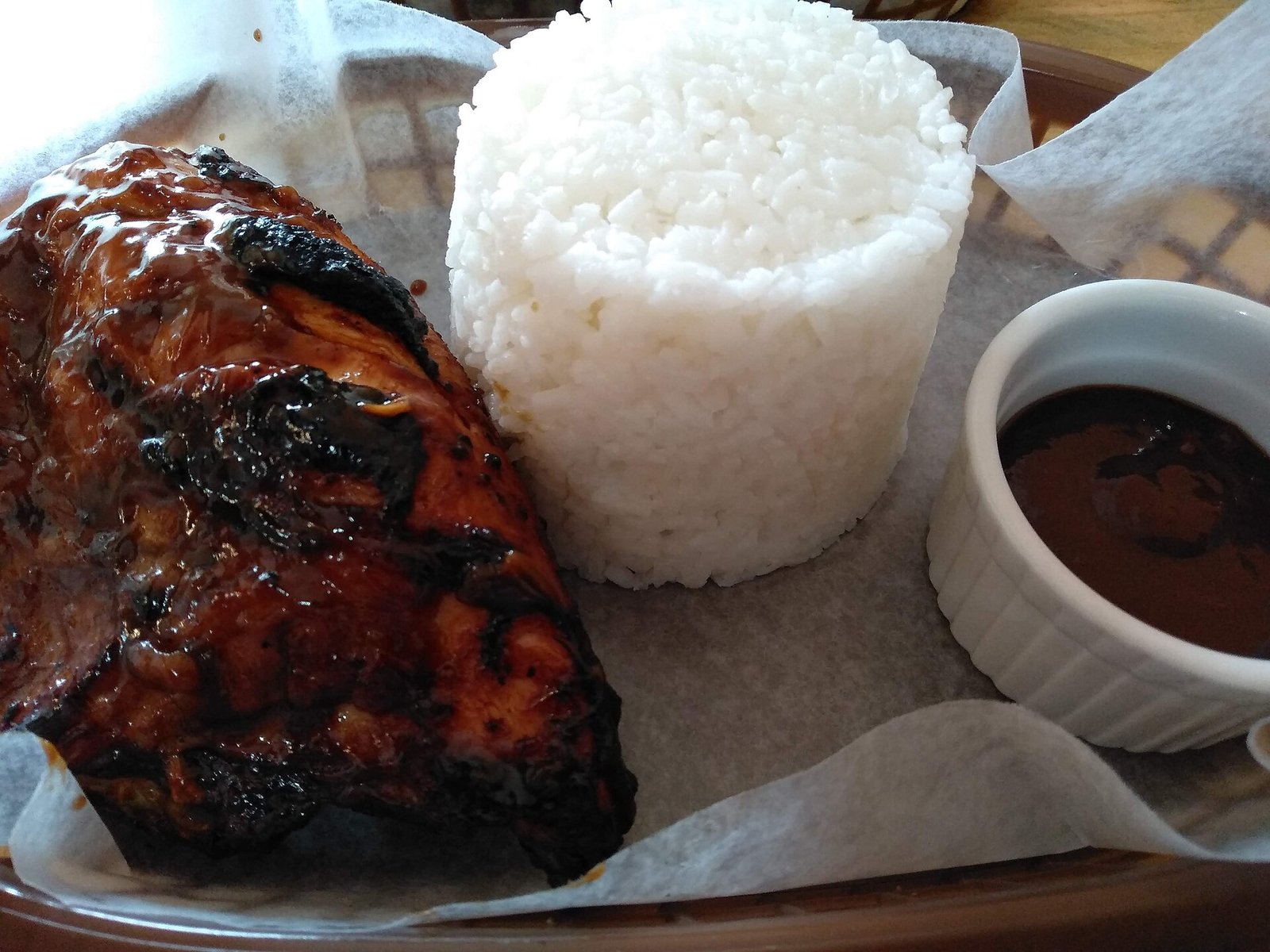
- – Lunch: baked chicken, unsalted rice, steamed vegetables with lemon/herbs.
- – Snack: fruit; cottage cheese if sodium content fits your tally.
- – Dinner: lentil stew made with no-salt tomatoes and spices; side salad with oil and vinegar.
- – Bedtime snack (if advised): toast with peanut butter or milk-based drink—ask RD about timing for overnight fasting reduction.
5. Label and kitchen habits
Read milligrams of sodium per serving; products under about 140 mg per serving are described as a good low-sodium choice on MedlinePlus patient instructions. Weigh yourself daily if instructed and bring logs to visits.
6. If heart failure also contributes to fluid retention
Patterns may overlap Heart Failure Diet and Hypertension Diet, but cirrhosis-specific infection and protein guidance still apply—coordinate one plan across cardiology and hepatology.
Safety, interactions, and who should ask a clinician first
- – Diuretics (spironolactone, furosemide, and others): monitor electrolytes; do not add potassium-heavy salt substitutes unless your clinician says they are safe (MedlinePlus low-salt page warns many substitutes are high in potassium).
- – Kidney impairment or hepatorenal concerns: sodium, protein, and fluid targets change—do not follow generic internet numbers.
- – Hepatic encephalopathy: protein sources and timing may be individualized; never stop prescribed lactulose for a diet trend.
- – Large-volume paracentesis: ask about albumin protocols and post-tap diet/fluid instructions.
- – Seek urgent care for fever, severe belly pain, confusion, vomiting blood, black stools, fainting, or rapidly worsening shortness of breath.
FAQ
Will a low-salt diet alone cure ascites? No. It is a supportive lifestyle measure beside treating the cause, diuretics, and procedures when needed.
How much sodium is “low enough”? MedlinePlus ascites text cites no more than 1,500 mg/day as a lifestyle example; your clinician may set a different target. Track labels rather than guessing.
Should people with cirrhosis avoid all protein? NIDDK emphasizes getting enough protein and calories and avoiding long fasts. Outdated “zero protein” advice can worsen malnutrition—use an RD plan.
Are herbal liver teas recommended? Ask first. Public pages caution that herbs and supplements can interact or harm; they are not a substitute for alcohol cessation and medical care.
How is this different from a general cirrhosis diet page? Ascites care leans harder on sodium (and sometimes fluid) limits plus infection-aware food safety, while still sharing malnutrition and alcohol themes with Cirrhosis Diet.
How this differs from related OTCFood topics
This page is an ascites-bound diet guide focused on sodium control, protein-calorie support, alcohol cessation, and food safety in fluid-retaining liver disease. It is not a DIY paracentesis guide, not a detox protocol, and not a substitute for hepatology follow-up.
Medical disclaimer
Medical disclaimer: This article is for general information only. It is not medical advice, diagnosis, or a treatment plan. Ascites management depends on cause (liver, heart, cancer, and others), kidney function, infection risk, and your clinicians’ protocols. Talk with a clinician or registered dietitian before starting, stopping, or changing any eating plan, supplement, or medicine. Seek emergency care for fever with ascites, confusion, bleeding, or severe breathing trouble.