Morning Sickness Diet: Foods That May Help and Foods to Limit
Medical note: This article discusses foods and researched botanicals. It does not claim to prevent, treat, or cure disease. Supplements are not a substitute for food, and studied amounts are not personal prescriptions.
People searching “morning sickness diet foods that help or worsen” usually want kitchen habits that may ease pregnancy nausea while they stay hydrated and follow obstetric advice—not a claim that food replaces prenatal care or stops hyperemesis. MedlinePlus lists morning sickness during pregnancy among common causes of nausea and vomiting. ODS notes that at least half of all women experience nausea, vomiting, or both in the first few months of pregnancy, and that the American College of Obstetricians and Gynecologists (ACOG) recommends vitamin B6 supplements under a doctor’s care for nausea and vomiting during pregnancy. NCCIH reports research showing ginger may be helpful for nausea and vomiting associated with pregnancy, with the usual caution to consult a clinician before herbal supplements while pregnant.
What this morning sickness diet guide covers (and what it does not)
This guide is for pregnant adults with typical nausea/vomiting of pregnancy who want practical eating and drinking patterns alongside prenatal care. Anchors: MedlinePlus — Nausea and Vomiting, ODS — Vitamin B6, NCCIH — Ginger, CDC — Weight Gain During Pregnancy / balanced diet notes, and CDC — Safer Food Choices for Pregnant Women.
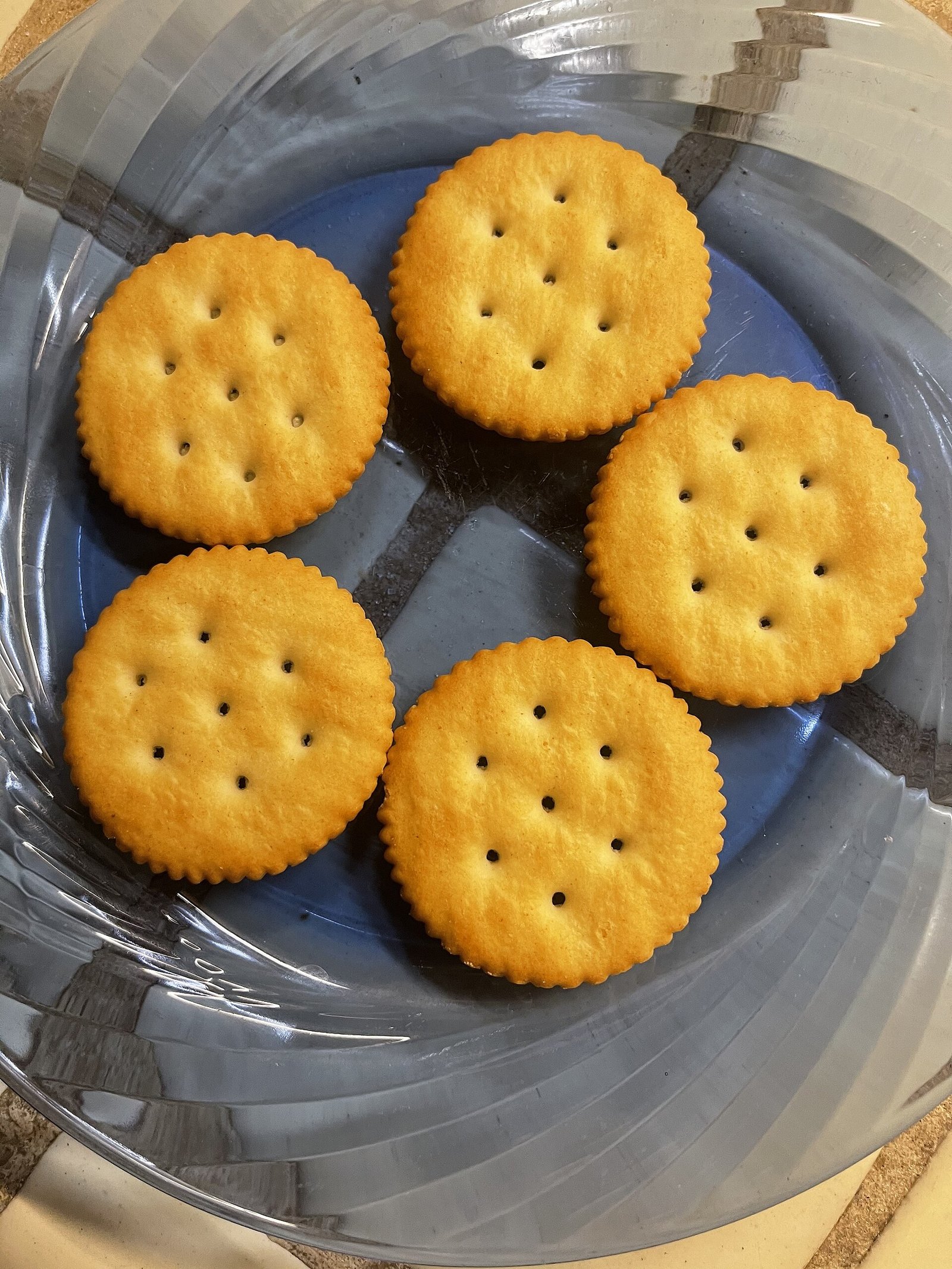
MedlinePlus self-care tips for feeling better include getting enough fluids, eating bland foods, avoiding spicy/fatty/salty foods, eating smaller meals more often, avoiding strong smells, and—if pregnant with morning sickness—eating crackers before getting out of bed. Kitchen changes do not replace evaluation for dehydration, other causes of vomiting, or hyperemesis gravidarum. Contact a clinician urgently for vomiting longer than 24 hours, blood in vomit, severe abdominal pain, severe headache with stiff neck, or dehydration signs (dry mouth, infrequent/dark urine). This page is not a gestational-diabetes meal plan—see gestational diabetes diet guide if carbohydrate targets are medically set.
Evidence snapshot: morning sickness diet claims vs public sources
| Claim people hope for | What public sources actually say | Confidence |
|---|---|---|
| “A special diet cures morning sickness” | MedlinePlus frames fluids, bland foods, smaller meals, and smell avoidance as comfort measures; cause-specific medical care when needed | Strong: supportive only |
| “Vitamin B6 foods alone replace prescribed care” | ODS: ACOG recommends B6 supplements under a doctor’s care for NVP; food sources exist but dosing for nausea is clinician-guided | Strong for clinician-supervised B6 |
| “Ginger always replaces antiemetics” | NCCIH: ginger may help pregnancy-related nausea/vomiting; consult provider before use in pregnancy; side effects can include heartburn/diarrhea | Moderate for adjunct; not a substitute when meds are indicated |
| “Skip all calories until nausea ends” | CDC pregnancy weight guidance emphasizes balanced eating patterns across pregnancy; first trimester often needs no extra calories, but starvation is not a nausea strategy | Strong against prolonged fasting as “treatment” |
| “Any soft cheese or deli meat is fine if it settles nausea” | CDC safer-food pages: pregnant people face higher Listeria risk; choose safer options (pasteurized dairy, heated deli meats, fully cooked eggs/meat) | Strong for food-safety limits |
Foods and patterns that may help with morning sickness day-to-day comfort
“May help” means supporting hydration, easier intake, and safer prenatal nutrition—not a promise to end nausea on a schedule.
Fluids first (MedlinePlus)
- – Drink enough fluids to avoid dehydration. If liquids are hard to keep down, take small amounts of clear liquids often.
- – Oral rehydration or clinician-approved electrolyte drinks may be needed when vomiting is frequent—ask your prenatal team; do not wait until you cannot stand.
Bland, smaller, more frequent meals (MedlinePlus)
- – Prefer bland foods; stay away from spicy, fatty, or salty foods when they trigger you.
- – Eat smaller meals more often rather than large plates.
- – MedlinePlus specifically mentions crackers before getting out of bed for morning sickness.
Smell and timing tactics
- – Avoid strong smells that trigger nausea.
- – Keep a snack at the bedside; sit up slowly; open a window if cooking odors hit hard.
- – Cold foods sometimes smell less than hot ones—personal preference, not a universal rule.
Vitamin B6 under clinician care (ODS)
- – ODS: poultry, fish, organ meats, potatoes/starchy vegetables, and many fruits (other than citrus) supply vitamin B6.
- – For nausea dosing, follow ACOG-aligned supplement advice from your doctor—do not self-escalate toward the adult upper limit (ODS lists 100 mg/day from all sources for adults not under medical dosing; high long-term supplement doses can cause nerve damage).
- – Food sources support overall intake; they are not a DIY prescription.
Ginger as a possible adjunct (NCCIH)
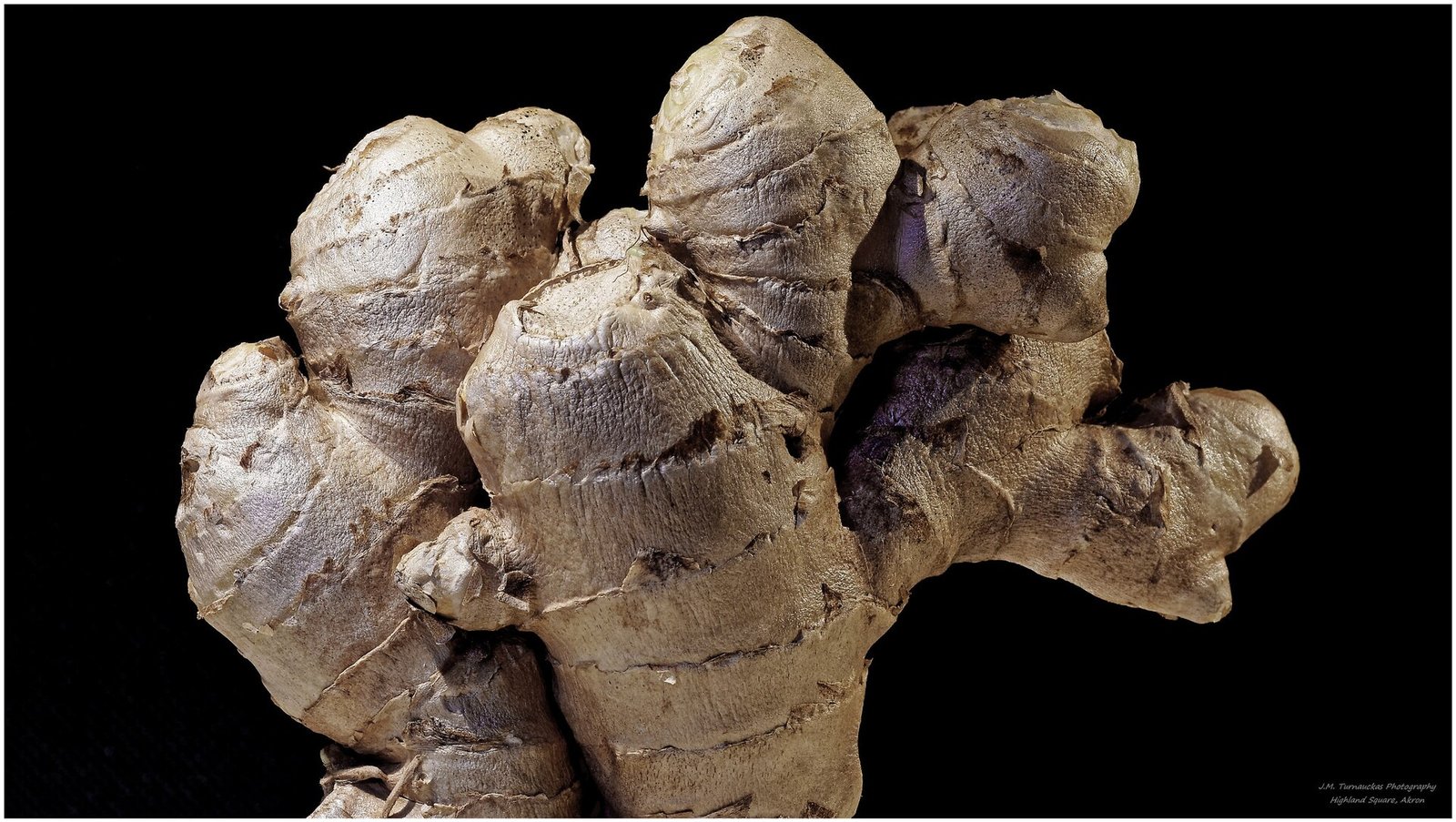
- – NCCIH: research shows ginger may be helpful for pregnancy-associated nausea/vomiting; most studies used supplements rather than foods.
- – Side effects can include abdominal discomfort, heartburn, diarrhea, mouth/throat irritation.
- – Consult your prenatal clinician before ginger supplements; little is known about safety while breastfeeding per NCCIH.
Keep the prenatal nutrition spine (CDC)
- – CDC: balanced pattern with whole grains, vegetables, fruits, low-fat dairy, and lean protein; limit added sugars and solid fats; use MyPlate pregnancy targets with your provider.
- – Folic acid needs remain important for neural-tube risk reduction (CDC folic acid guidance)—nausea is not a reason to abandon prescribed prenatal vitamins; ask about timing (evening dose, with food) if pills worsen nausea.
- – After birth, kitchen priorities shift—see postpartum diet guide and breastfeeding diet guide when relevant.
Foods and habits that often worsen morning sickness kitchen patterns
- – Spicy, fatty, or very salty meals when they trigger you—MedlinePlus lists these among foods to stay away from while nauseated.
- – Large, infrequent meals that sit heavy and worsen queasiness.
- – Strong cooking smells and perfume-heavy spaces during peak nausea hours.
- – Skipping fluids for fear of vomiting—dehydration risk rises; use tiny sips instead.
- – Riskier pregnancy foods chosen only because they “sound gentle”—CDC: unpasteurized milk/soft cheeses, undercooked meat/eggs, unheated deli meats, raw sprouts, and unpasteurized juices raise foodborne illness risk.
- – Alcohol—CDC: no safe time for alcohol use during pregnancy.
- – Self-prescribing high-dose B6 or multiple herbal stacks without obstetric review.
“Limit” means reducing triggers and unsafe choices—not blaming nausea severity on one snack.
Practical kitchen protocol: a morning-sickness-friendly week
1. Keep the medical spine first
Confirm dating, prenatal vitamin plan, and when to call for hyperemesis (inability to keep fluids down, weight loss, ketones, IV fluids). Put clinician contact info on the fridge.
2. Shopping list for queasy kitchens
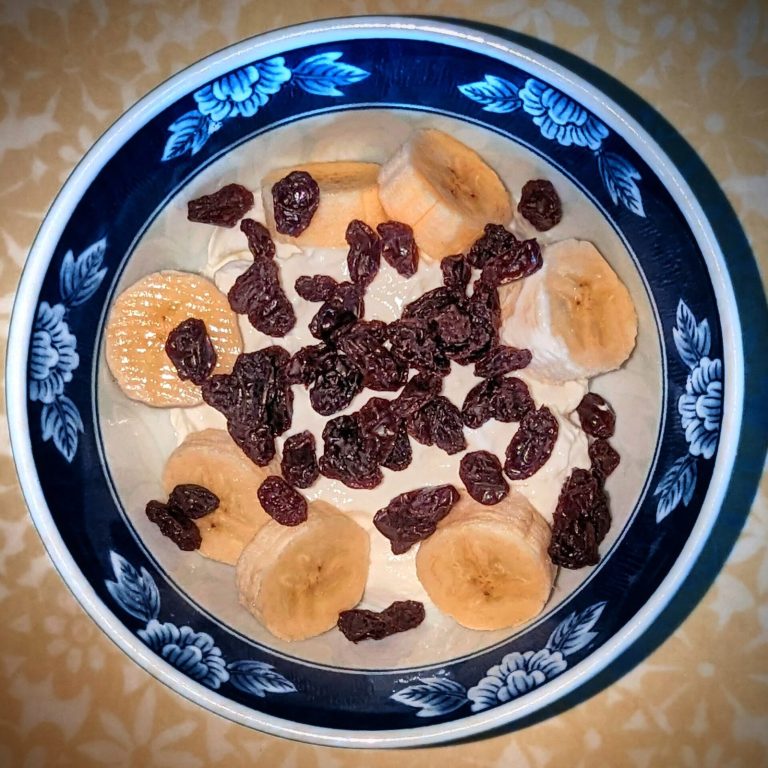
Crackers or dry toast; bananas; applesauce; rice; plain potatoes; yogurt from pasteurized milk if tolerated; broth; ginger tea/candies only if clinician OK; electrolyte packets as advised; lemon water if smell helps; prenatal vitamins.
3. Default plate template (when appetite allows)
- – Small starch (crackers, toast, rice)
- – Soft protein if tolerated (eggs cooked through, pasteurized dairy, tender poultry)
- – Mild fruit/veg
- – Fluid sip between bites
4. Sample day (illustrative)
- – Before rising: crackers at bedside; sit up slowly.
- – Breakfast: dry toast + banana; tiny sips of water or ice chips.
- – Mid-morning: pasteurized yogurt if tolerated; or broth.
- – Lunch: rice, scrambled eggs cooked firm, applesauce.
- – Snack: ginger product only if clinician OK; or cold fruit.
- – Dinner: baked potato, tender chicken fully cooked, cooked carrots; avoid heavy frying.
- – Night: prenatal vitamin timing per clinician tip; crackers available.
5. Food-safety checklist (CDC)
Heat deli meats to steaming; choose pasteurized dairy; cook eggs until yolks/whites firm; wash produce; avoid raw sprouts and unpasteurized juices.
6. When reflux overlaps pregnancy nausea
Heartburn and regurgitation may coexist—pair smell/timing tips with GERD diet guide without assuming GERD and morning sickness are identical.
Safety, interactions, and who should ask a clinician first
- – Hyperemesis gravidarum, twin pregnancy, prior severe NVP, or inability to keep fluids/meds down needs prompt obstetric care—not more diet experiments.
- – B6 supplements: clinician dose only; ODS warns high chronic intakes can damage nerves.
- – Ginger supplements: ask your prenatal clinician; NCCIH notes possible GI side effects and medicine interactions.
- – Diabetes, eating-disorder history, or gestational diabetes screening: coordinate with gestational diabetes diet guide guidance from your team.
- – Persistent vomiting with pain, fever, or neurologic symptoms is not “just morning sickness” until evaluated.
FAQ
Will crackers cure morning sickness? No. MedlinePlus lists crackers before rising as a comfort tip. Nausea often improves later in pregnancy for many people, but timing varies—clinical care comes first when vomiting is severe.
Can I take vitamin B6 on my own? ODS cites ACOG recommending B6 supplements under a doctor’s care for NVP. Ask your prenatal clinician for dose and product; do not chase high doses from internet charts.
Is ginger tea enough if I cannot keep prenatal vitamins down? NCCIH suggests ginger may help pregnancy nausea, but it does not replace prenatal vitamins, fluids, or antiemetics when prescribed. Call your clinician if vitamins will not stay down.
Do I need to eat for two? CDC notes first trimester often needs no extra calories; needs rise later. Focus on keeping fluids and tolerable foods down, then rebuild balanced intake—not force-feeding.
When is vomiting an emergency? MedlinePlus: contact a provider for vomiting >24 hours, blood in vomit, severe abdominal pain, severe headache with stiff neck, or dehydration signs.
How this differs from related OTCFood topics
This page is a morning-sickness-bound diet guide focused on bland frequent meals, hydration, clinician-guided B6/ginger adjuncts, and pregnancy food safety. It is not a gestational diabetes diet guide carbohydrate protocol, not a general ginger for nausea studies supplement deep-dive alone, and not postpartum recovery guidance (postpartum diet guide).
Medical disclaimer
Medical disclaimer: This article is for general information only. It is not medical advice, diagnosis, or a treatment plan. Nausea and vomiting in pregnancy range from mild to hyperemesis and can have other causes. Talk with your obstetric clinician or registered dietitian before starting, stopping, or changing any eating plan, herbal product, supplement, or medicine. Seek urgent care for severe dehydration, inability to keep fluids down, blood in vomit, severe pain, or neurologic symptoms.