Diet After Corneal Transplant: Foods That May Help and Foods to Limit
Medical note: This article discusses foods and researched botanicals. It does not claim to prevent, treat, or cure disease. Supplements are not a substitute for food, and studied amounts are not personal prescriptions.
People searching “diet after corneal transplant foods that help or worsen” usually want kitchen habits that support comfort, steady nutrition, and drop-schedule adherence while the graft heals—not a claim that food prevents rejection the way prescribed steroid eye drops do, reshapes vision timelines, or replaces ophthalmology follow-up. MedlinePlus explains that a corneal transplant (keratoplasty) replaces the clear outer lens of the eye with donor tissue, that rejection can occur in about 1 out of 3 patients in the first 5 years and is sometimes controlled with steroid eye drops, and that full recovery of eyesight may take up to a year as swelling settles. NEI and MedlinePlus corneal-disorder pages frame transplants among treatments for conditions such as keratoconus, scarring, and Fuchs dystrophy.
What this after-corneal-transplant diet guide covers (and what it does not)
This guide is for adults recovering from penetrating or lamellar keratoplasty who want practical eating patterns while they wear an eye patch as directed, use antibiotic/anti-inflammatory drops, protect the eye from injury, and attend suture/follow-up visits. Anchors: MedlinePlus — Corneal transplant, MedlinePlus — Corneal disorders, and NEI — Corneal conditions.
Kitchen tips do not replace drop schedules, shield/patch rules, activity limits, swimming delays, or urgent calls for graft-rejection warning signs your surgeon listed. MedlinePlus notes you go home the same day, may wear a patch about 1–4 days, and that some stitches remain for months or longer. Related reading: diet after LASIK guide, diet after cataract surgery guide, and dry eye diet guide.
Evidence snapshot: after-corneal-transplant diet claims vs public sources
| Claim people hope for | What public sources actually say | Confidence |
|---|---|---|
| “Superfoods stop graft rejection” | MedlinePlus: rejection risk is real; steroid eye drops are the medical tool discussed for control—not culinary immunotherapy | Strong: drops first |
| “Vitamin megadoses speed vision to 20/20 in days” | MedlinePlus: full eyesight recovery may take up to a year as swelling decreases; glasses/contacts may still be needed | Strong: timeline is ocular, not dietary |
| “Alcohol the night before/after surgery is fine” | MedlinePlus pre-op: do not drink alcohol 24 hours before or after surgery (general guideline framing) | Strong for that window |
| “Skipping meals reduces ‘inflammation’ better than eating” | No MedlinePlus cornea page recommends fasting as graft care; steady meals support energy while vision is adjusting | Strong: under-eating often backfires |
| “Herbal eye tonics replace antibiotic/steroid drops” | Postoperative care centers clinician-prescribed drops to help healing, infection prevention, and rejection control | Strong: disclose supplements |
Foods and patterns that may help after corneal transplant day to day
“May help” means supporting hydration, easy meals while depth perception or patching limits kitchen safety, and nutrient-dense plates that fit dry-eye–aware habits—not rewriting refractive outcomes.
Hydration-aware, alcohol-cautious fluids in the early window
- – MedlinePlus advises avoiding alcohol 24 hours before and after surgery in its general instructions.
- – Keep water nearby during the first days of limited driving (someone must drive you home) and reduced screen strain; heavy alcohol later can worsen dryness and sleep while you protect the eye—ask your surgeon for personal limits.
Easy, low-mess meals while an eye patch or blur is present
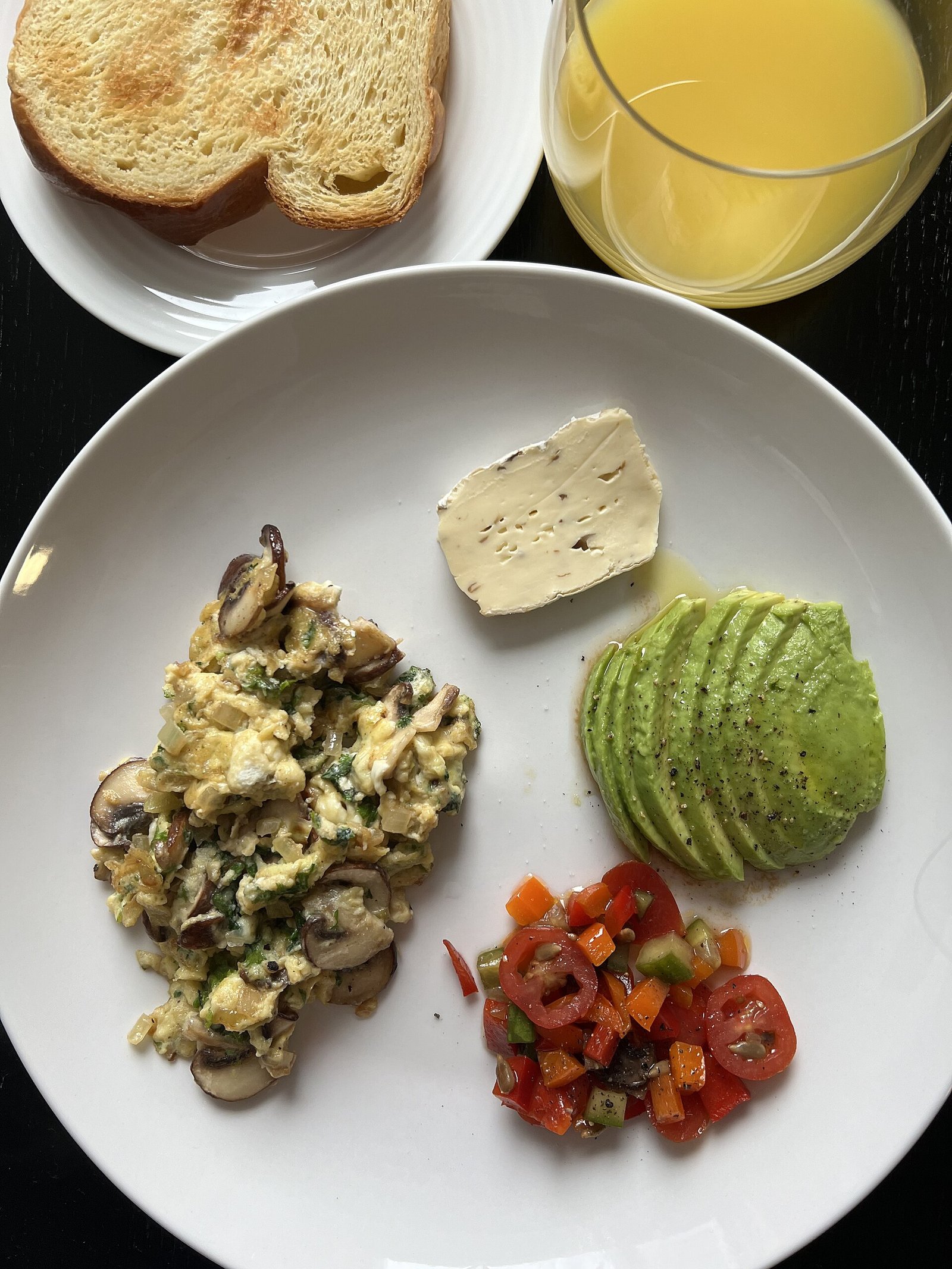
- – Soft breakfasts (eggs, yogurt, oatmeal, toast) reduce knife work and stove staring when one eye is patched or light-sensitive.
- – Pre-washed produce and ready proteins help if bending over steaming pots feels awkward early on—similar recovery fueling themes as diet after cataract surgery guide and diet after LASIK guide.
Regular protein and produce for everyday healing nutrition
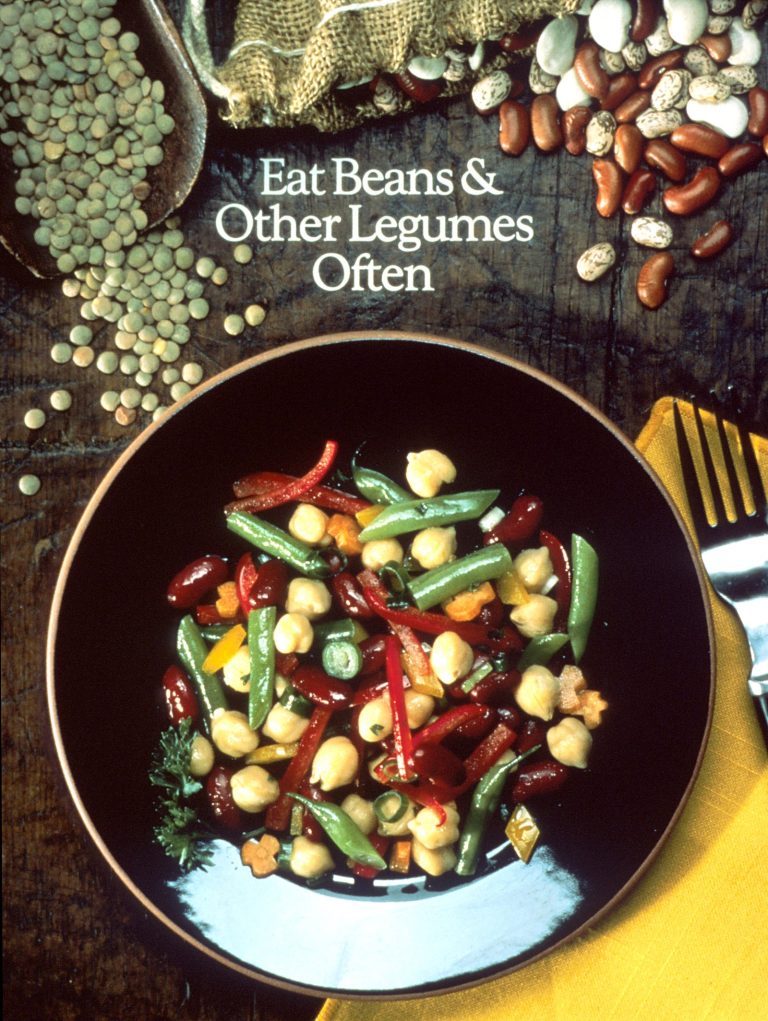
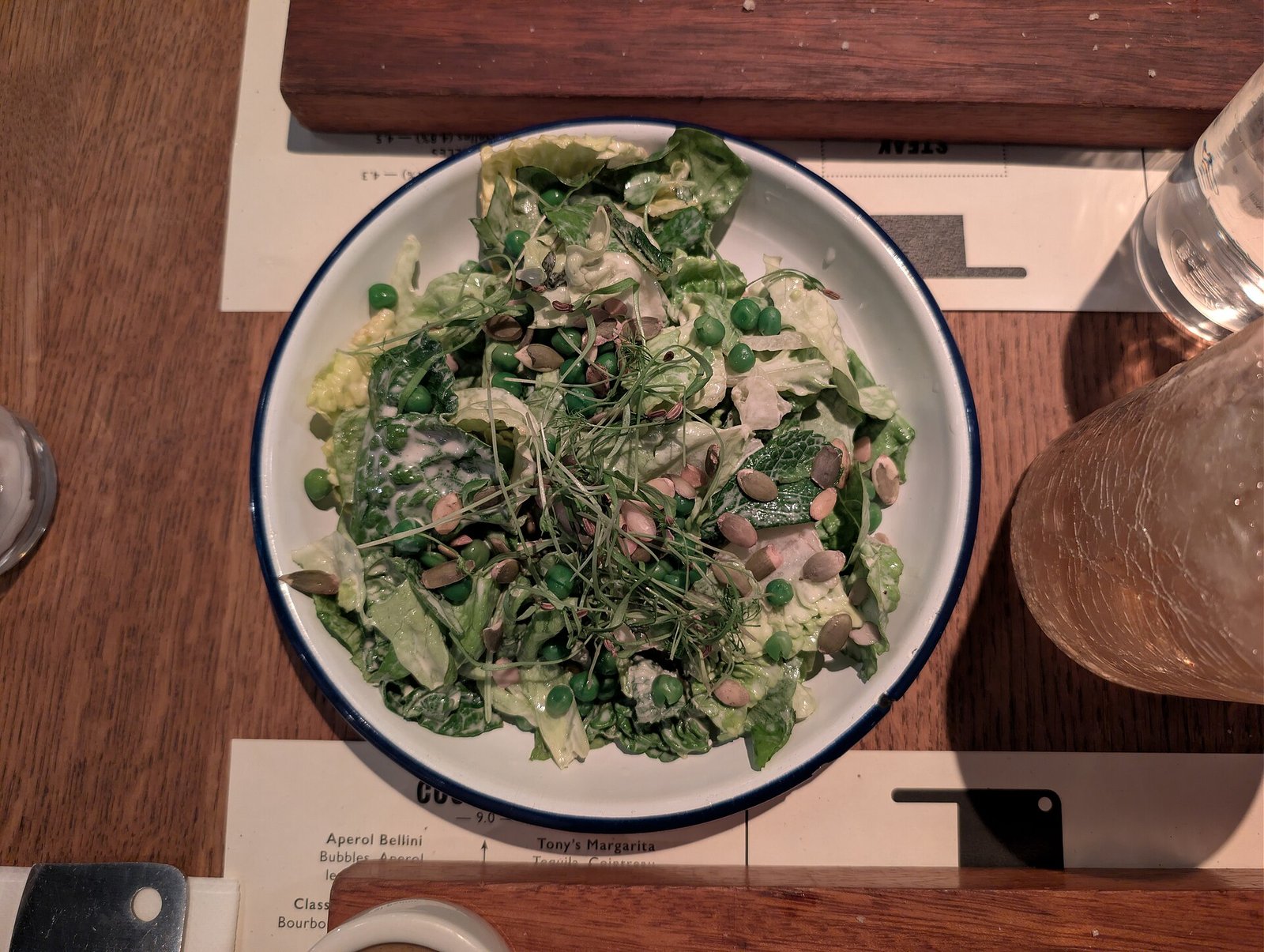
- – Balanced plates with fish, poultry, eggs, beans, dairy if tolerated, vegetables, and fruit support general postoperative nutrition without megadose marketing claims.
- – Chewing soft foods is fine; corneal grafts are not “fed” by particular textures, but constipation from pain medicines (if used) is eased by fiber and fluids when appropriate.
Dry-eye–aware food patterns as comfort adjuncts (with clinician OK)
- – Many corneal surgery pathways involve lubricating drops; NEI dry-eye education discusses omega-3–containing foods among broader dry-eye contexts.
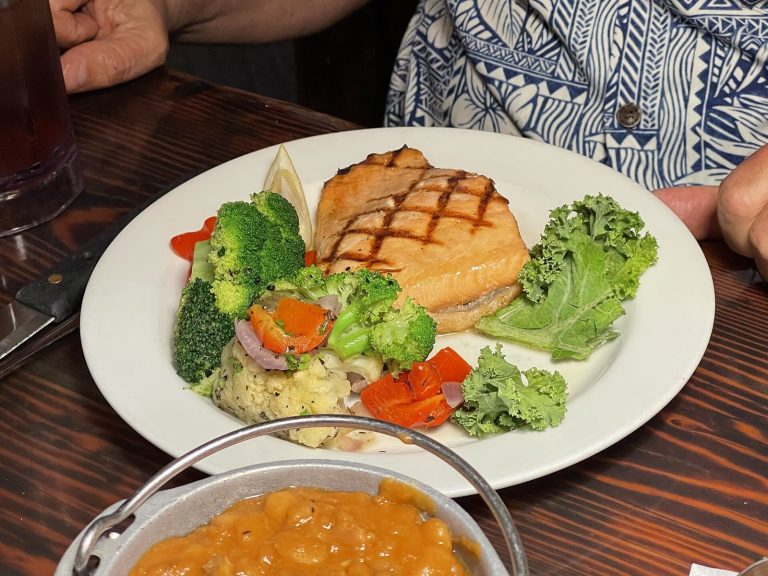
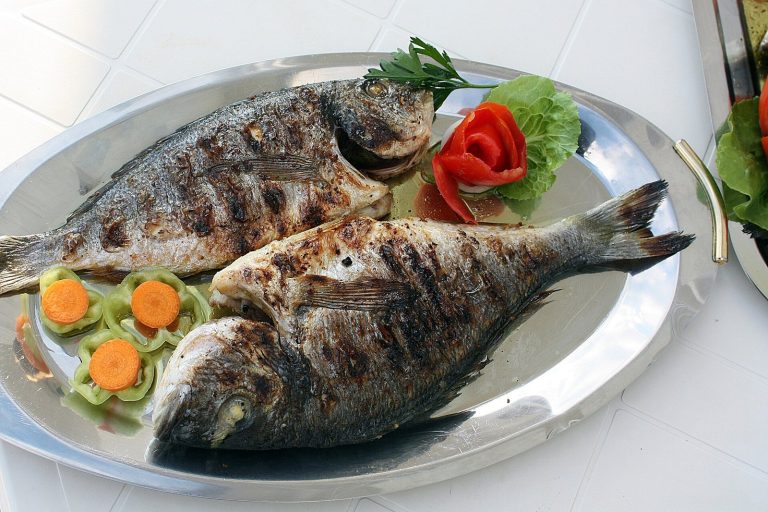
- – Prefer food sources such as salmon, sardines, trout, or walnuts unless your clinician advises a specific supplement—see dry eye diet guide. Diet does not replace lubricating or steroid drops.
Medication-food awareness if systemic steroids or other drugs are added
- – Most corneal transplant immunosuppression is topical, but if your surgeon or other clinicians add systemic medicines, ask about grapefruit, alcohol, or supplement interactions—do not invent stacks.
Foods and habits that often worsen after-transplant kitchen patterns
- – Alcohol within the MedlinePlus 24-hour before/after window, and heavy drinking while drops and sleep matter.
- – Kitchen hazards with one eye patched—hot oil splatters, sharp knives without stable footing, climbing for high shelves.
- – Rubbing the eye after spicy fumes or while wiping tears—behavior risk matters more than spice chemistry; protect the graft.
- – Skipping prescribed drops to “treat with carrot juice.”
- – Unvetted herbal eye tonics or high-dose vitamin A megadoses without surgeon approval.
- – Very delayed meals that lead to lightheaded bending or rushing, raising fall/injury risk around the home.
- – Ignoring rejection or infection warning signs your surgeon listed (often including redness, light sensitivity, vision drop, pain)—call the eye clinic urgently; food will not abort rejection.
“Limit” means alcohol-window caution and kitchen-safety pacing—not a lifelong bland diet.
Practical kitchen protocol: an after-corneal-transplant diet week
1. Keep the medical spine first
Confirm patch duration, drop schedule (including nighttime), activity limits (bending, swimming, eye makeup), suture plan, and the clinic’s after-hours number for graft concerns. Ask which oral medicines/supplements to pause around surgery—MedlinePlus notes blood thinners and OTC NSAIDs may need limits before surgery per surgeon instructions.
2. Shopping list for low-vision-friendly prep
Eggs; yogurt; oats; bananas and berries; pre-washed salad kits; soup; cooked chicken; whole-grain bread; olive oil; pasteurized dairy if used; easy snacks. Stage items at counter height to avoid deep bending if advised.
3. Default plate template
- – Familiar soft protein
- – Soft carbohydrate
- – Colorful vegetables/fruit
- – Water between bites
- – Minimal alcohol until cleared
4. Sample day (illustrative, early recovery)
- – Breakfast: scrambled eggs on toast; water.
- – Lunch: yogurt fruit bowl or soft chicken soup; fruit.
- – Snack: oatmeal leftover cup or banana.
- – Dinner: baked fish, soft rice, cooked vegetables.
- – Evening: water or herbal tea—take evening drops on schedule, not with a heavy drinking session.
5. Kitchen safety with monocular or blurred vision
Improve lighting; use contrasting cutting boards; keep handles turned inward; microwave when stove glare is hard; accept help for knife-heavy prep the first days. Someone else should handle driving until cleared.
6. If you also have diabetes or take systemic steroids
Coordinate glucose and bone-aware patterns (type 2 diabetes diet guide, osteoporosis diet guide) without stopping eye medicines.
Safety, interactions, and who should ask a clinician first
- – Only one seeing eye, glaucoma risk, or prior graft rejection: individualized counseling.
- – Blood thinners: peri-operative medicine plans belong to your surgeons—do not self-adjust with “food anticoagulants.”
- – COVID-19 vaccination timing relative to grafts has been discussed in rare rejection case reports on MedlinePlus—follow your ophthalmologist’s advice rather than internet timing myths.
- – Seek urgent eye care for sudden vision loss, severe pain, thick discharge, or rapidly worsening redness/photophobia.
FAQ
Can diet prevent corneal graft rejection? MedlinePlus centers steroid eye drops and follow-up for rejection risk. Food is supportive nutrition only.
How long until diet “doesn’t matter”? Eating always matters for general health; alcohol limits and kitchen safety matter most early. Vision recovery may take up to a year.
Are carrots mandatory after transplant? No MedlinePlus cornea page requires carrot megadoses. A balanced produce pattern is reasonable; drops remain essential.
Can I drink alcohol at my celebration dinner the night of surgery? MedlinePlus general instructions: no alcohol 24 hours before or after surgery—confirm any longer limits with your surgeon.
How is this different from LASIK or cataract diet pages? Shared themes with diet after LASIK guide and diet after cataract surgery guide include easy meals and hydration, but corneal grafts carry longer suture/rejection surveillance unique to transplant care.
How this differs from related OTCFood topics
This page is an after-corneal-transplant diet guide focused on easy meals, early alcohol caution, kitchen safety with patching/blur, and drop adherence. It is not a dry-eye supplement protocol and not a substitute for graft-rejection urgent pathways.
Medical disclaimer
Medical disclaimer: This article is for general information only. It is not medical advice, diagnosis, or a treatment plan. Care after corneal transplant depends on graft type, sutures, drops, rejection risk, other eye disease, and your surgeon’s protocol. Talk with a clinician before starting, stopping, or changing any eating plan, supplement, or medicine. Seek urgent eye care for sudden vision changes, severe pain, or suspected rejection/infection.