Diet After Heart Valve Replacement: Foods That May Help and Foods to Limit
Medical note: This article discusses foods and researched botanicals. It does not claim to prevent, treat, or cure disease. Supplements are not a substitute for food, and studied amounts are not personal prescriptions.
People searching “diet after heart valve replacement foods that help or worsen” usually want heart-healthy kitchen habits that fit recovery after repair or replacement surgery—and stable eating if they take warfarin—not a claim that food replaces the new valve, “thins blood” the way anticoagulants do, or substitutes for cardiac rehabilitation. MedlinePlus explains that heart valve disease happens when one or more valves do not open or close correctly, and that treatment helps most valve diseases. MedlinePlus heart valve surgery discharge guidance says it often takes 4 to 6 weeks or more to heal completely, that a poor appetite for 2 to 4 weeks is common, and that self-care includes following a heart-healthy diet and continuing prescribed medicines.
What this after–heart valve replacement diet guide covers (and what it does not)
This guide is for adults recovering after heart valve repair or replacement who want practical DASH-style eating and warfarin-aware habits when anticoagulation is prescribed. Anchors: MedlinePlus — Heart Valve Diseases, MedlinePlus — Heart valve surgery – discharge, MedlinePlus — Taking warfarin, and NHLBI — DASH Eating Plan.
Kitchen changes do not reprogram a prosthesis, reverse heart failure, or replace antibiotics before dental/medical procedures when your team advises them. Related reading: diet after aortic valve replacement guide, diet after mitral valve repair guide, diet after CABG guide, and hypertension diet guide.
Evidence snapshot: after–valve replacement diet claims vs public sources
| Claim people hope for | What public sources actually say | Confidence |
|---|---|---|
| “A special diet cures valve disease so surgery was optional” | MedlinePlus frames valve disease as a structural problem; surgery/repair/replacement and medicines are medical treatments | Strong: food is supportive |
| “Diet replaces warfarin after a mechanical valve” | MedlinePlus discharge notes some people need blood thinners including warfarin with regular blood tests; MedlinePlus warfarin pages emphasize consistent vitamin K–rich food patterns—not stopping anticoagulation | Strong: anticoagulants are medical |
| “DASH-style eating may support heart-healthy recovery plates” | NHLBI presents DASH as a flexible heart-healthy plan with sodium and saturated-fat limits | Moderate for overall heart pattern support |
| “Poor appetite means you failed recovery” | MedlinePlus discharge: poor appetite for 2–4 weeks is a normal early expectation for many people | Strong: temporary appetite change is expected |
| “Any leafy green is forbidden forever on warfarin” | MedlinePlus warfarin diet guidance: you do not have to avoid listed foods, but keep amounts steady day to day / week to week and check before big diet changes | Strong for consistency over total bans |
Foods and patterns that may help after heart valve replacement day to day
“May help” means supporting healing-friendly plates, heart-risk habits, and anticoagulant-stable eating—not guaranteeing prosthesis longevity without follow-up.
Heart-healthy defaults during recovery (MedlinePlus)
- – Follow a heart-healthy diet as part of discharge self-care.
- – Expect appetite to return gradually; use small frequent meals if early satiety or nausea linger.
- – Soft, easy proteins and cooked vegetables reduce kitchen strain while sternotomy or thoracotomy lifting limits apply.
DASH-aligned everyday patterns (NHLBI)
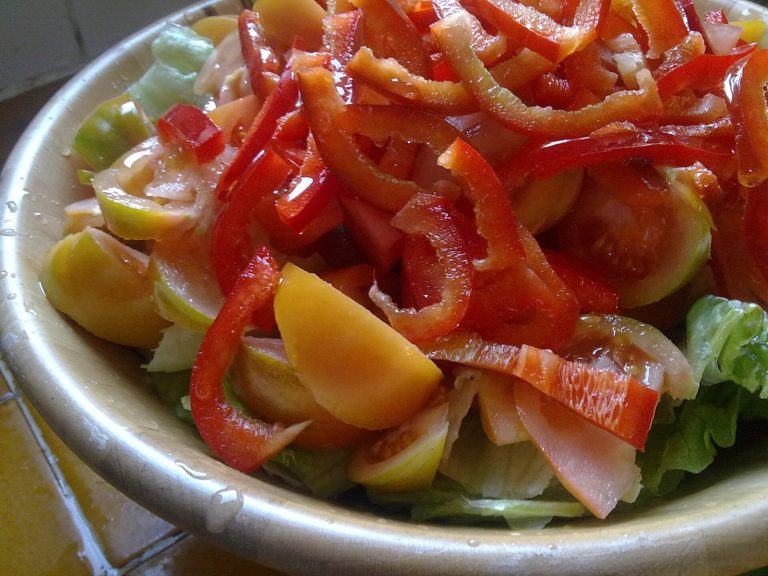
- – Vegetables, fruits, and whole grains; fat-free or low-fat dairy; fish, poultry, beans, nuts, and vegetable oils.
- – Limit fatty meats, full-fat dairy, tropical oils, sugar-sweetened drinks, and sweets.
- – Example sodium targets in DASH materials include 2,300 mg daily, with 1,500 mg lowering blood pressure further for many people—confirm your personal goal, especially with heart failure. See heart failure diet guide if fluid or sodium caps apply.
Warfarin-aware vitamin K consistency (when prescribed)
- – MedlinePlus: some foods can change how warfarin works; check with your provider before big diet changes.
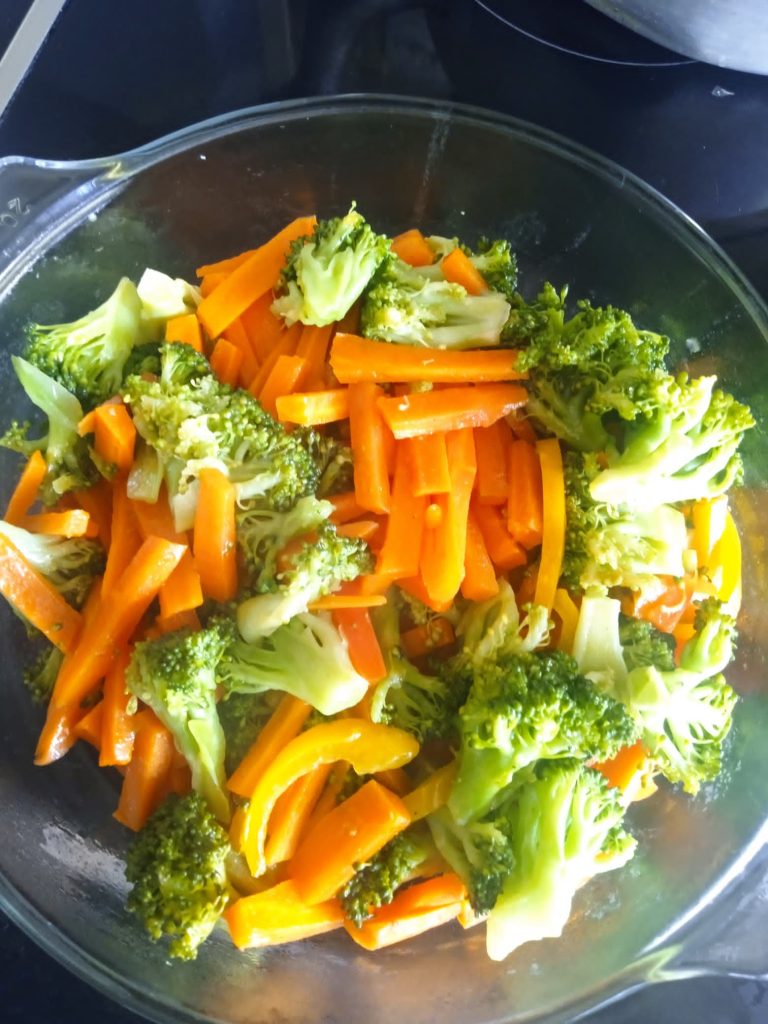
- – You do not have to avoid mayonnaise/oils such as canola, olive, and soybean oils; broccoli, Brussels sprouts, raw green cabbage; many leafy greens; cranberry juice and green tea; fish oil supplements; or herbal teas—but try to keep amounts steady rather than swinging wildly.
- – If you take a newer oral anticoagulant instead of warfarin, follow that medicine’s food/interaction sheet—rules differ.
Easy early-recovery plates
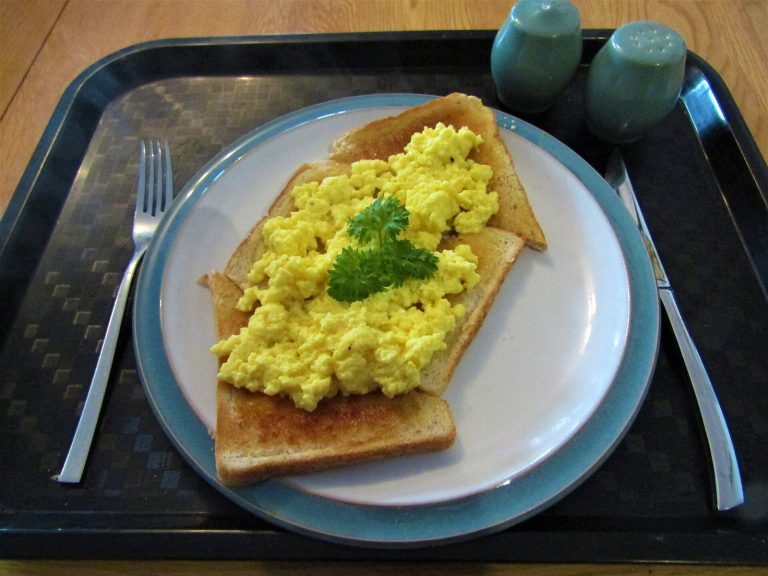
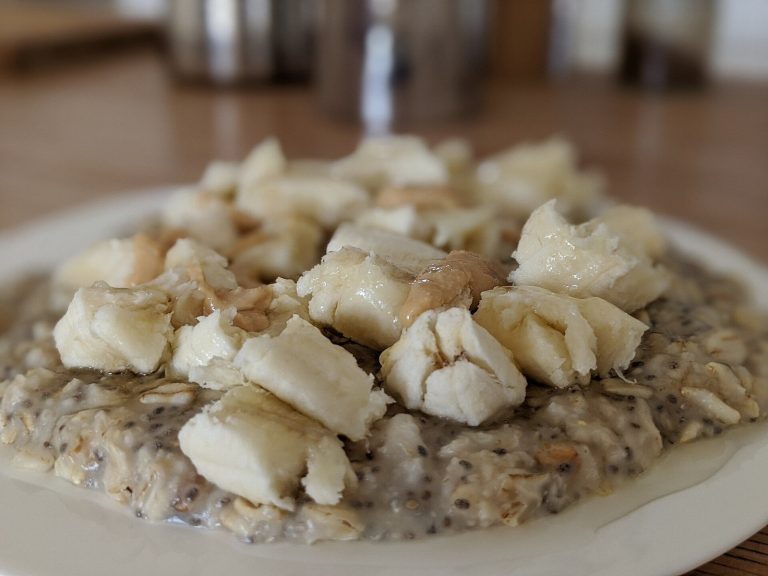
- – Eggs, yogurt, oatmeal, tender fish or poultry, tofu, rice, soups, and cooked vegetables.
- – Ask helpers to lift grocery bags and heavy pans while arm/chest restrictions last (MedlinePlus lifting limits after many open chest approaches).
Cardiac rehab and medicine spine
- – Continue heart, diabetes, and blood-pressure medicines unless your provider changes them (MedlinePlus discharge).
- – Attend cardiac rehab when referred; learn pulse checks and breathing exercises as taught in hospital.
Foods and habits that often worsen after–valve replacement kitchen patterns
- – Sudden huge changes in vitamin K–rich greens or fish-oil stacks while on warfarin without clinician guidance (MedlinePlus).
- – High-sodium takeout loops that fight blood-pressure and fluid goals.
- – Frequent fried foods and fatty processed meats that work against heart-healthy patterns.
- – Sugar-sweetened beverage habits DASH materials advise limiting.
- – Skipping blood thinners while chasing “natural thickener/thinner” myths.
- – Heavy alcohol that may affect INR, blood pressure, sleep, and calories—ask for your limit.
- – Ignoring wound infection signs, irregular pulse concerns, sudden weight jumps, or bleeding listed on MedlinePlus discharge “when to call” sections.
“Limit” means aligning with heart-healthy and anticoagulant-safe patterns—not claiming one salad disables a mechanical valve.
Practical kitchen protocol: an after–valve replacement diet week
1. Keep the medical spine first
Confirm valve type (mechanical vs bioprosthetic), anticoagulant plan, antibiotic precautions for dental/medical procedures, wound and lifting rules, driving timeline, and cardiac rehab referral. Wear a medical alert bracelet if advised.
2. Shopping list for DASH-leaning recovery
Vegetables and fruit; oats and other whole grains; low-fat dairy or fortified alternatives; beans; fish and poultry; nuts in modest portions; olive or other unsaturated oils; herbs instead of heavy salt; labeled lower-sodium broths; yogurt and eggs for easy snacks.
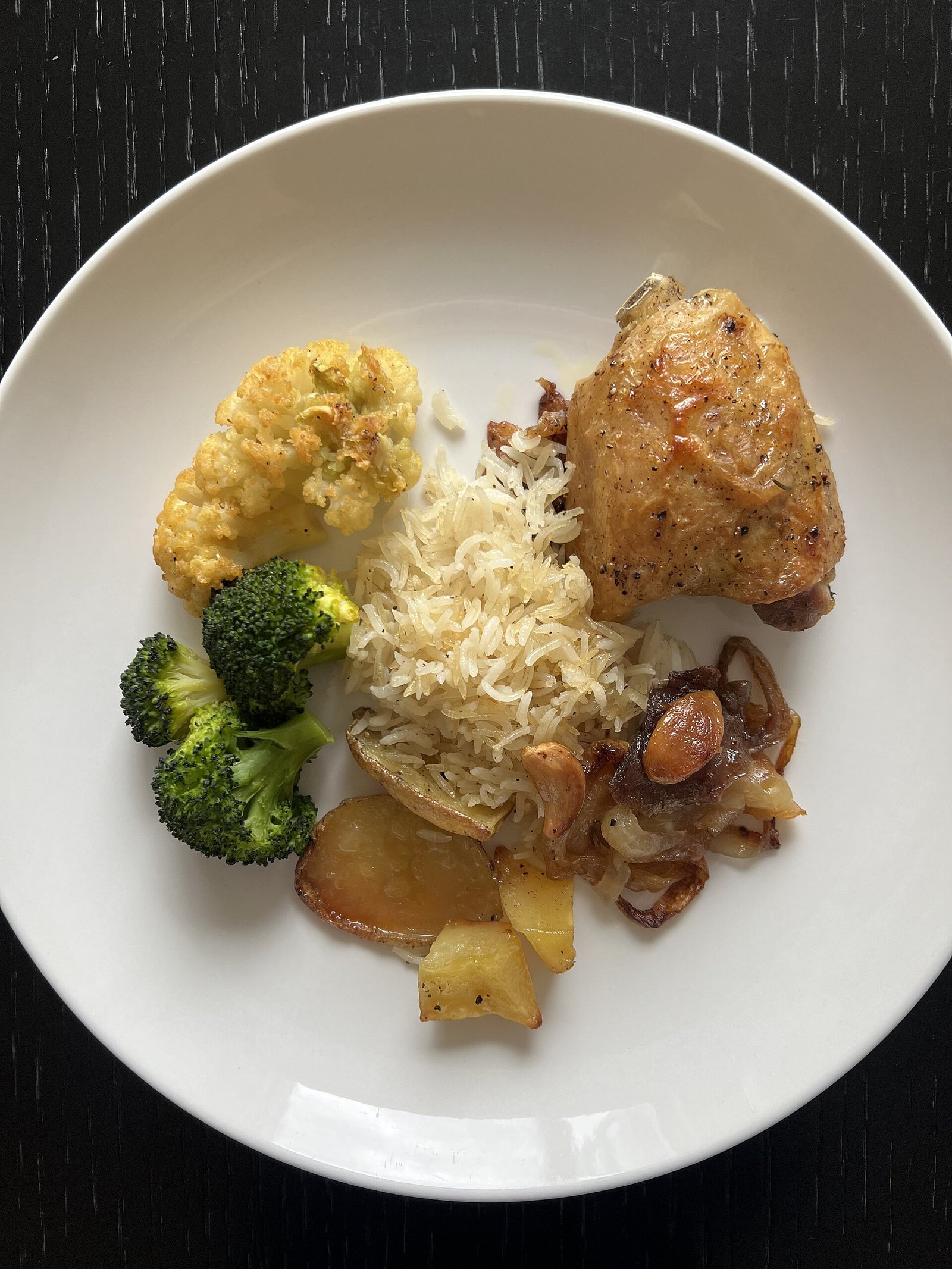
3. Default plate template
- – Half non-starchy vegetables (amounts kept week-to-week steady if on warfarin)
- – Quarter whole grain or starchy vegetable
- – Quarter lean protein
- – Minimal table salt
4. Sample day (illustrative)
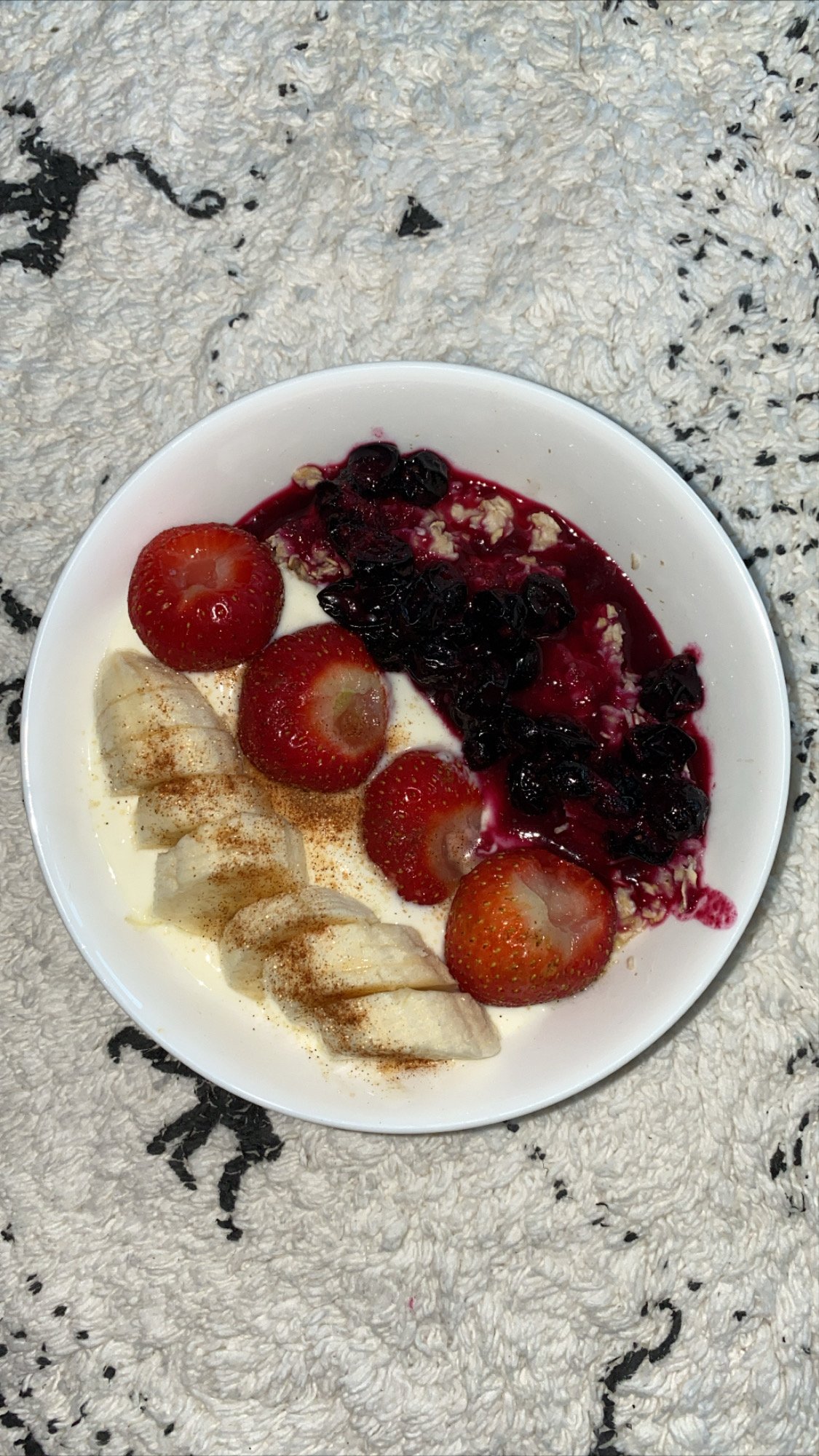
- – Breakfast: oatmeal with berries; yogurt on the side.
- – Lunch: grilled chicken or tuna with mixed vegetables and whole grain; water.
- – Snack: fruit or a small handful of nuts if allowed.
- – Dinner: baked fish, roasted vegetables, brown rice; water.
- – If on warfarin: keep leafy-green portions similar across days; log INR appointments.
5. Restaurant and travel tactics
Sauces on the side; grilled proteins; carry a medicine list stating anticoagulants if applicable; ask before major cuisine shifts that change vitamin K load overnight.
6. If you also have coronary disease
Layer diet after coronary stent guide and diet after CABG guide patterns without changing anticoagulants on your own.
Safety, interactions, and who should ask a clinician first
- – Warfarin: consistent vitamin K; disclose all supplements; ask about alcohol and large diet swings (MedlinePlus).
- – Newer anticoagulants: follow that drug’s sheet.
- – Kidney disease: DASH potassium-rich foods may need modification—see chronic kidney disease diet guide.
- – Diabetes: coordinate carbohydrates with cardiac goals.
- – Call urgently for stroke signs, severe bleeding, black/tarry stools, chest pain at rest, syncope, or wound infection signs (MedlinePlus discharge).
FAQ
Can diet replace my blood thinner after a mechanical valve? No. Anticoagulation decisions are clinical; food supports consistency around warfarin when it is prescribed.
Do I have to avoid all leafy greens on warfarin? No—keep amounts consistent rather than swinging between none and large piles (MedlinePlus).
Is poor appetite after surgery a diet failure? Often temporary; MedlinePlus lists poor appetite for 2–4 weeks as a common early expectation.
Is DASH only for blood pressure, not valves? DASH is a heart-healthy pattern that pairs well with valve-disease lifestyle advice and secondary prevention.
What if I have a bioprosthetic valve? You may not need lifelong warfarin the same way—confirm with your surgeon/cardiologist before copying a mechanical-valve vitamin K routine.
How is this different from aortic-valve–only content? Shared heart-healthy and anticoagulant logic—see diet after aortic valve replacement guide—with broader valve-replacement framing from MedlinePlus valve disease and discharge pages.
How this differs from related OTCFood topics
This page is an after–heart valve replacement–bound diet guide focused on DASH-style heart-healthy eating and warfarin-stable habits when anticoagulation is used. It is not an INR self-dosing manual and not a substitute for cardiac rehab.
Medical disclaimer
Medical disclaimer: This article is for general information only. It is not medical advice, diagnosis, or a treatment plan. Care after heart valve replacement depends on valve type, anticoagulant regimen, heart function, and other conditions. Talk with a clinician or registered dietitian before starting, stopping, or changing any eating plan, supplement, or medicine. Seek urgent care for bleeding, stroke symptoms, chest pain, or severe shortness of breath.