The current evidence does not support the idea that antioxidant supplements can prevent cancer
Medical note: This article discusses foods and researched botanicals. It does not claim to prevent, treat, or cure disease. Supplements are not a substitute for food, and studied amounts are not personal prescriptions.
What are antioxidants?
During their normal activities, our bodies’ cells produce highly reactive substances that contain oxygen. Overproduction of these substances can lead to a condition called “oxidative stress,” which may damage cells and contribute to chronic diseases such as heart disease and cancer. Our bodies have preventive and repair mechanisms that regulate oxidative stress pathways. Research has shown that antioxidant enzymes are the most important components of this defense system. Phytochemicals that act as antioxidants may also play a role in helping regulate oxidative stress pathways. These small molecules are the focus of this fact sheet.
As research has progressed, it has become evident that antioxidants—especially in larger-than-usual amounts—may not always be beneficial. Large amounts of antioxidants may interfere with important functions in the cell, including its defense mechanisms and normal signaling. In addition, different types of antioxidants may not be interchangeable. Each of the many antioxidants found in the body has different properties.
Where do we get the antioxidants we need?
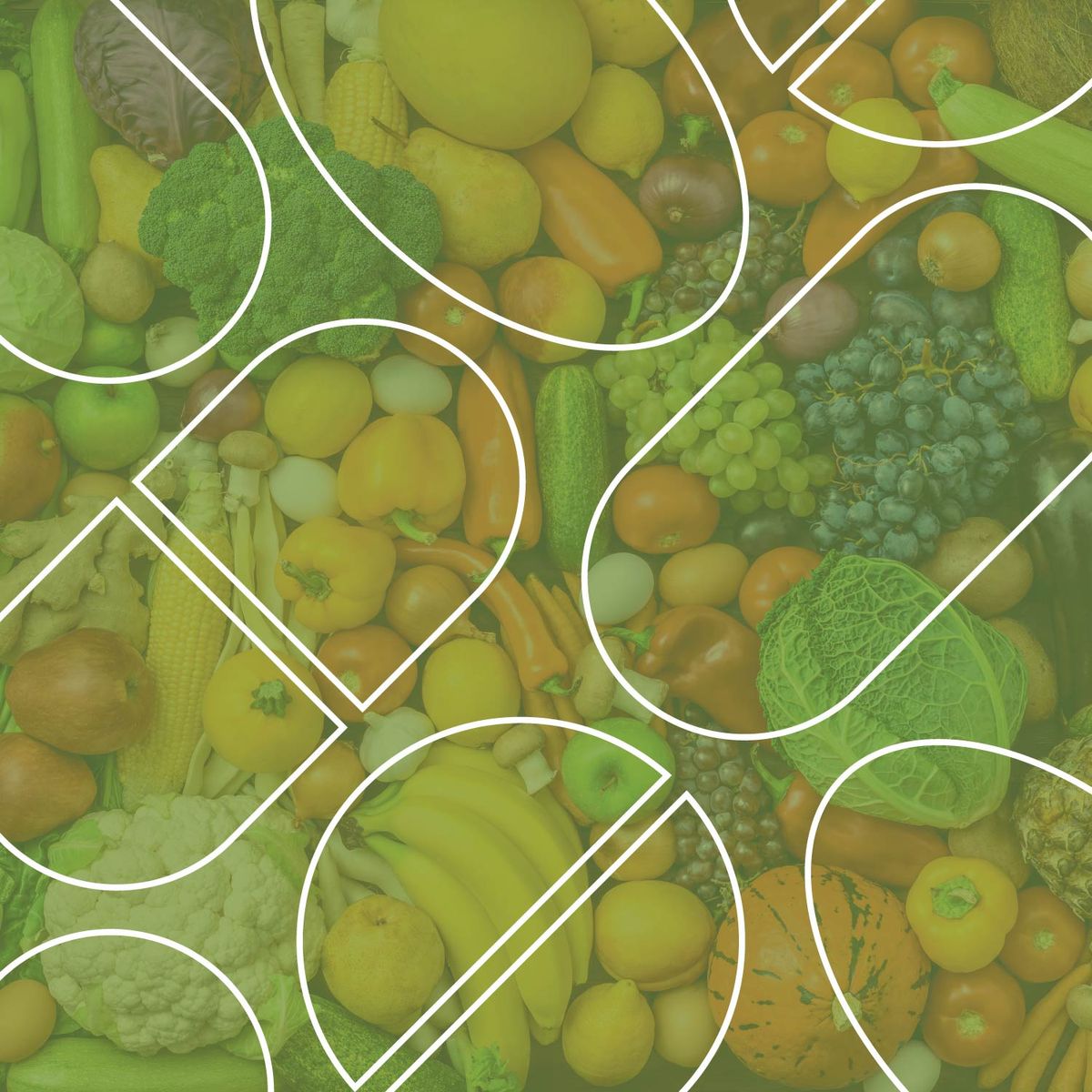
Our bodies make some of the antioxidants we need. Additional antioxidants come from foods, such as fruits, vegetables, and grains. Some antioxidants, such as vitamins C and E and beta-carotene, are also available as dietary supplements
Have studies been done on the health effects of antioxidants?
Yes. As will be discussed in more detail below, extensive studies have been done to evaluate the effects of antioxidant supplements on the risks of chronic diseases associated with aging. Much of this research focused on vitamin E and beta-carotene (a pigment found in vegetables and fruits that can be turned into vitamin A in your body). Other studies looked at vitamin C, carotenoids other than beta-carotene, or other antioxidants. Diseases that have been studied include cancer, cardiovascular disease, eye diseases associated with aging (macular degeneration and cataracts), and Alzheimer’s disease.
More In general, except for age-related macular degeneration, there is currently no evidence that antioxidant supplements have a positive impact on these diseases.
On the other hand, there is extensive evidence that people who eat more vegetables and fruits—foods that are rich sources of antioxidants—have lower risks of chronic diseases. For example:
A 2017 review of 95 observational studies, with more than 2 million total participants, showed that people who had higher intakes of fruits and vegetables had lower risks of cardiovascular disease and cancer.
A 2023 study from the United Kingdom in which 72,160 people were followed for an average of 9 years showed that higher intakes of fruits and vegetables were associated with a lower risk of cataracts.
There are several possible reasons why antioxidant supplements may not prevent cardiovascular disease and cancer even though antioxidant-rich vegetables and fruits are associated with reduced risk:
The beneficial health effects of a diet high in vegetables and fruits or other antioxidant-rich foods may be due to other substances in these foods or other aspects of people’s lifestyles that are associated with eating these foods. For example, in a study of adults living in rural areas in the United States, eating at least five servings of fruits and vegetables daily was associated with several other factors that might affect health, such as getting at least moderate physical activity and having had a routine medical exam in the past year.
Antioxidants consumed as purified chemicals might act differently than those consumed in foods, which contain complex mixtures of substances.
The high doses of antioxidants in dietary supplements may have different effects than the smaller amounts in foods.
Can antioxidant supplements help to prevent cancer?
The current evidence does not support the idea that antioxidant supplements can prevent cancer. In fact, high doses of one antioxidant, beta-carotene, may increase the risk of lung cancer.
More In 2022, the U.S. Preventive Services Task Force, an independent panel of experts that makes evidence-based recommendations about disease prevention, recommended against the use of beta-carotene or vitamin E supplements for cancer prevention. They also concluded that the evidence is insufficient to make recommendations about supplements of other single nutrients or pairs of nutrients. These recommendations are consistent with the Task Force’s previous recommendations, issued in 2014.
The Task Force’s recommendation against the use of beta-carotene for cancer prevention is based on studies of beta-carotene supplementation involving more than 90,000 people, which showed that the harms of beta-carotene outweigh its benefits. Beta-carotene supplementation led to an increase in risk of lung cancer, with the strongest evidence of an increase in risk in people at high risk of this type of cancer (smokers and people with occupational exposure to asbestos), as well as an increased risk of death from cardiovascular disease.
The Task Force’s recommendation against the use of vitamin E for cancer prevention is based on a combined analysis of 5 studies (76,777 participants) of vitamin E supplementation, which showed no benefit of the supplements in preventing cancer.
The Task Force’s decision not to make a recommendation about the use of supplements of other single or paired nutrients—including antioxidants such as vitamin C and selenium—is based on a lack of adequate evidence on the benefits and harms of the supplements.
Can antioxidant supplements help to prevent cardiovascular disease?
The current evidence does not support the idea that antioxidant supplements can prevent cardiovascular disease. In fact, high doses of one antioxidant, beta-carotene, may increase the risk of death from cardiovascular disease.
More In 2022, the U.S. Preventive Services Task Force recommended against the use of beta-carotene or vitamin E supplements for prevention of cardiovascular disease. They also concluded that the evidence is insufficient to make recommendations about supplements of other single nutrients or pairs of nutrients. These recommendations are consistent with the Task Force’s previous recommendations, issued in 2014.
The Task Force’s recommendation against the use of beta-carotene for cardiovascular disease is based on studies of beta-carotene supplementation involving more than 90,000 people, which showed that the harms of beta-carotene outweigh its benefits. Beta-carotene supplementation led to an increase in risk of lung cancer, with the strongest evidence of an increase in risk in people at high risk of this type of cancer (smokers and people with occupational exposure to asbestos), and an increase in deaths from cardiovascular disease.
The Task Force’s recommendation against the use of vitamin E for cardiovascular disease prevention is based on a combined analysis of 4 studies (62,136 participants) of vitamin E supplementation, which showed no benefit of the supplements in preventing cardiovascular disease events.
The Task Force’s decision not to make a recommendation about the use of supplements of other single or paired nutrients—including antioxidants such as vitamin C and selenium—is based on a lack of adequate evidence on the benefits and harms of the supplements.
Can antioxidant supplements help to prevent cataracts?
No, according to a large body of research. A 2012 review of 9 high-quality studies (117,272 participants) that tested supplements of various antioxidants (vitamin E, vitamin C, beta-carotene) alone or in combinations found no evidence of an effect of the antioxidants on the occurrence or progression of cataracts.
Are antioxidant supplements helpful for age-related macular degeneration (AMD)?
Antioxidant supplements haven’t been shown to prevent AMD in people who don’t already have this disease, but certain supplements containing a combination of antioxidants and zinc have been shown to slow the progression of AMD.
More A 2017 review that examined the results of 5 studies (76,756 participants) did not find any significant benefit of vitamin E, vitamin C, or beta-carotene supplementation in preventing or delaying the onset of AMD.
For people who already have AMD, supplements containing a combination of antioxidants and zinc may slow the progression of the disease. The evidence for this comes from two large studies sponsored by the National Institutes of Health—the Age-Related Eye Disease Study (AREDS) and Age-Related Eye Disease Study 2 (AREDS2).
AREDS evaluated the effects of a dietary supplement containing high doses of vitamins C and E, beta-carotene, zinc, and copper on the progression of AMD. Almost 4,800 people participated in this study, including 3,640 who had AMD. Among people with intermediate AMD, the supplement reduced the risk of developing advanced AMD by about 25 percent.
AREDS2 tested modifications to the original AREDS formula in about 4,200 people who were at high risk of progressing to advanced AMD. Participants were randomly assigned to groups that received the original formula or various modified versions. The modifications included removing beta-carotene and adding lutein and zeaxanthin (two carotenoids that are found in the eye). Because the link between beta-carotene and an increased risk of lung cancer in smokers was known before this study started, current smokers were not assigned to groups that received beta-carotene; only nonsmokers and former smokers were included in those groups. After 10 years of follow-up, lutein and zeaxanthin proved to be more effective than beta-carotene in reducing the risk of progression to advanced AMD. Beta-carotene increased lung cancer risk among former smokers, but lutein and zeaxanthin did not.
A 2017 review concluded that supplements containing vitamin E with no other nutrients or lutein (with or without zeaxanthin) with no other nutrients may have little or no effect on progression to late AMD, but the evidence (from one study for vitamin E and six for lutein or lutein/zeaxanthin) was of low certainty.
Are antioxidants helpful for preserving cognitive function?
Two recent reviews looked at evidence related to this topic and found mixed results.
More A 2018 review examined 8 studies of antioxidant supplements (beta-carotene/vitamin A, vitamin C, and/or beta-carotene) that included about 47,000 total participants, all of whom were 40 years old or older at the beginning of the studies. There was low-certainty evidence of better overall cognitive function after taking beta-carotene for 18 years and after taking vitamin C for 5 to 10 years, but no effects were seen after shorter periods of supplementation or after taking vitamin E. The effects seen in the studies were small.
Another 2018 review looked at studies of vitamin and mineral supplementation in people who already have mild cognitive impairment. Two of the studies involved antioxidants. In one study (516 participants), high-dose supplementation with vitamin E for 3 years did not have a significant effect on progression of mild cognitive impairment to dementia. In the other study, which involved combined vitamin E and C supplementation (256 participants), the evidence was too low in quality for any conclusions to be reached about cognitive effects.
Are antioxidant supplements safe?
Not necessarily. Antioxidants can have harmful effects when taken at high doses.
More As discussed earlier, high-dose beta-carotene supplementation can increase people’s risks of lung cancer and cardiovascular disease. These effects have been seen primarily in people at high risk, such as smokers.
High doses of vitamin E supplements may increase the risk of bleeding by reducing the blood’s ability to form clots after an injury. Vitamin E supplements may also interact with certain medicines, including anticoagulant or antiplatelet medicines.
High doses of vitamin C can cause diarrhea, nausea, and stomach cramps. Vitamin C supplements may also interact with cancer treatments, such as chemotherapy and radiation therapy, and they can worsen iron overload in people with hemochromatosis, a condition that causes the body to store too much iron.
Combinations of antioxidants may have undesirable effects. For example, in one study, a combination of vitamin E, vitamin C, selenium, and beta-carotene reduced the cholesterol-lowering effects of two drugs taken together for this purpose.
Is it OK to take antioxidant supplements if I’m being treated for cancer?
It may not be. Check with the health care providers who are managing your cancer treatment.
More It’s common for people with cancer to take antioxidants and other dietary supplements, but the antioxidants might interact in unfavorable ways with cancer treatments. The mechanism by which some cancer treatments exert their effects involves generating reactive substances that contain oxygen. Antioxidants might reduce the effectiveness of these types of treatments.
In a 2019 study, 1,134 women with breast cancer who were participating in a clinical trial of different chemotherapy treatment schedules were asked to fill out questionnaires about their use of dietary supplements when they joined the trial and again when they finished chemotherapy. The use of any antioxidant supplement (vitamins A, C, and E; carotenoids; or coenzyme Q10) or iron or vitamin B12 supplements during chemotherapy was linked with higher risks of breast cancer recurrence and death. Although the results of this study may be biased because the participants made their own choices about whether to use supplements, the findings support the idea that the use of antioxidant supplements during cancer chemotherapy may interfere with treatment.
Tips To Consider Don’t use antioxidant supplements to replace a healthy diet or conventional medical care, or as a reason to postpone seeing a health care provider about a medical problem.
If you have age-related macular degeneration, consult your health care providers to determine whether supplements of the types used in the AREDS or AREDS2 trials are appropriate for you.
If you are considering a dietary supplement, first get information on it from reliable sources. Keep in mind that dietary supplements may interact with medications or other supplements and may contain ingredients not listed on the label. Your health care provider can advise you. If you are pregnant or nursing a child, or if you are considering giving a child a dietary supplement, it is especially important to consult your (or your child’s) health care provider.
Take charge of your health—talk with your health care providers about any complementary health approaches you use. Together, you can make shared, well-informed decisions.
Source: Antioxidant Supplements: What You Need To Know — NCCIH. This publication is in the public domain. Source last updated: July 2023.