Alpha-Gal Syndrome Diet: Foods That May Help and Foods to Limit
Medical note: This article discusses foods and researched botanicals. It does not claim to prevent, treat, or cure disease. Supplements are not a substitute for food, and studied amounts are not personal prescriptions.
People searching “alpha-gal syndrome diet foods that help or worsen” usually want a clear mammalian-product avoidance plan guided by an allergist—not a claim that kitchen swaps erase the allergy or replace emergency care for anaphylaxis. The CDC describes alpha-gal syndrome (AGS) as a serious, potentially life-threatening allergy to alpha-gal that can develop after a tick bite. Alpha-gal is a molecule found in most mammals (such as cows and pigs) but not in people. People with AGS can react after eating red meat or being exposed to other products that contain alpha-gal. Preventing tick bites is the best way to protect yourself and your family from developing AGS.
What this alpha-gal syndrome diet guide covers (and what it does not)
This guide is for people diagnosed with AGS (or evaluating symptoms with a clinician) who need practical shopping and cooking patterns while they follow allergy advice. Anchors: CDC — About Alpha-gal Syndrome, CDC — Symptoms of Alpha-gal Syndrome, and NIAID — Food Allergy.
CDC notes that most healthcare providers recommend patients with AGS stop eating red meat such as beef, pork, lamb, venison, or rabbit; stop dairy products if they cannot tolerate dairy; and review some medicines and non-food products with their clinician because alpha-gal can appear outside the plate. Symptoms often appear 2–6 hours after exposure—later than many classic food allergies—and can include hives, gut symptoms, breathing trouble, or anaphylaxis. This page cannot list every hidden source; your allergist and pharmacist do that.
Evidence snapshot: AGS diet claims vs public sources
| Claim people hope for | What public sources actually say | Confidence |
|---|---|---|
| “Diet cures alpha-gal syndrome” | CDC frames AGS as an allergy/tickborne condition managed by avoiding alpha-gal exposures and preventing further tick bites | Strong: avoidance is management, not a cure claim |
| “Only beef is a problem; pork is always safe” | CDC groups red meats including beef, pork, lamb, venison, or rabbit among common stop-eating recommendations | Strong: follow clinician lists, not internet lore |
| “Dairy is always banned for everyone with AGS” | CDC: dairy if a person is not able to tolerate dairy—tolerance varies; work with a provider | Strong: individualized |
| “Poultry and fish always contain alpha-gal like mammals” | CDC ties alpha-gal to most mammals, not people; poultry and fish are commonly discussed as non-mammal options—but confirm labels/sauces with your clinician | Moderate: still verify ingredients |
| “Mild hives mean you can keep eating small amounts of steak to ‘desensitize’” | CDC: reactions can be severe/life-threatening; seek emergency care for severe reactions; do not self-desensitize | Strong: no DIY challenge |
Foods and patterns that may help with AGS day-to-day eating
“May help” means supporting a satisfying plate while avoiding mammalian alpha-gal sources your clinician flagged—not a promise that diet ends the immune sensitization.
Build plates around non-mammal proteins (as advised)
- – Poultry, fish, and plant proteins (beans, lentils, tofu, nuts if tolerated) are common kitchen anchors when red meat is restricted—confirm gravies, broths, and sausage casings.
- – Eggs are not mammalian meat; still check processed foods for mammalian additives if your clinician warned about them.
Read labels for mammalian ingredients
- – Watch for beef/pork/lamb ingredients, lard, tallow, gelatin from mammalian sources, and some flavorings—your allergist’s list rules.
- – Restaurant cross-contact matters: shared grills and pan drippings can transfer mammalian residues.
Dairy decisions are personal
- – CDC notes dairy avoidance when not tolerated. Some people react to dairy; others do not. Do not assume social-media rules—use your clinician’s testing and history.
- – If dairy is removed, plan calcium and protein from other foods—see calcium deficiency diet guide as general nutrient context.
Medicines and non-food products
- – CDC advises working with your healthcare provider to understand which products contain alpha-gal, including some medicines and non-food items. Tell every clinician and pharmacist you have AGS before new prescriptions or procedures.
- – Carry emergency medicines exactly as prescribed (for example epinephrine auto-injectors when indicated)—diet does not replace them.
Tick-bite prevention to limit further sensitization risk
- – CDC emphasizes preventing tick bites. Landscaping, repellents, protective clothing, and prompt tick checks are public-health tools alongside kitchen avoidance.
Cross-contact and packaged foods worth a second look
- – Deli slicers, restaurant fryers, and shared cutting boards can transfer mammalian residues even when you ordered poultry.
- – Packaged “natural flavor,” gravy mixes, and baked goods may include mammalian fats in ways that are easy to miss—when in doubt, contact the manufacturer or choose simpler whole-food ingredients your allergist already cleared.
- – Keep a short written avoid list in your phone for caregivers and school or workplace dining staff.
Foods and habits that often worsen AGS kitchen patterns
- – Continuing mammalian red meats on CDC’s commonly recommended stop list without allergist clearance.
- – Assuming “a little barbecue” is harmless because symptoms can be delayed 2–6 hours and severity can vary by exposure.
- – Ignoring dairy if you personally react, or conversely banning dairy forever without clinical guidance when you tolerate it.
- – Hidden gelatin, marshmallows, some candies, or mammalian broths when those are on your avoid list.
- – Skipping emergency planning for anaphylaxis signs CDC lists (breathing difficulty, swelling of lips/throat, dizziness, multi-system symptoms).
- – New tick bites without prevention habits, which CDC links to AGS risk.
“Limit” means limiting alpha-gal exposures your clinician identified—not fear of every plant food.
Practical kitchen protocol: an AGS diet week
1. Keep the medical spine first
Confirm diagnosis and your personal avoid list with an allergist. Update medical alert tools if recommended. Practice epinephrine training if prescribed.
2. Shopping list themes
Chicken, turkey, fish, shellfish if tolerated; eggs; legumes; grains; fruits and vegetables; dairy only if cleared; plant milks as needed; carefully vetted broths (often poultry or vegetable); safe oils.
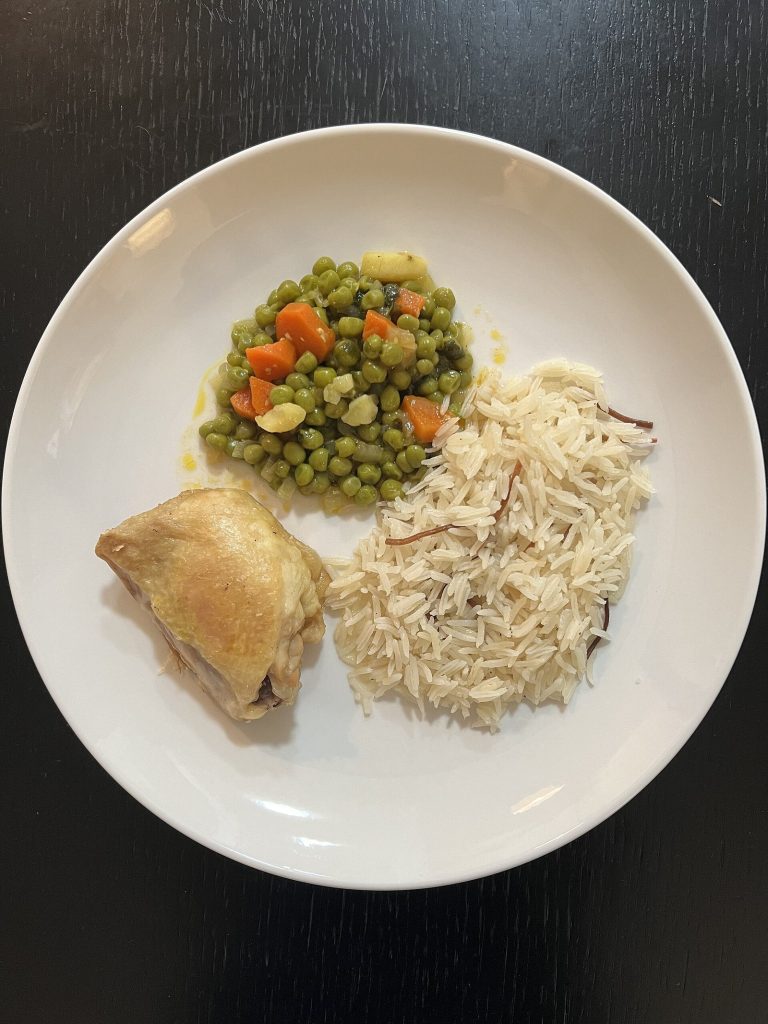
3. Default plate template
- – Non-mammal protein
- – Vegetables and fruit
- – Grains or starchy vegetables
- – Sauces verified free of mammalian additives on your list
4. Sample day (illustrative)
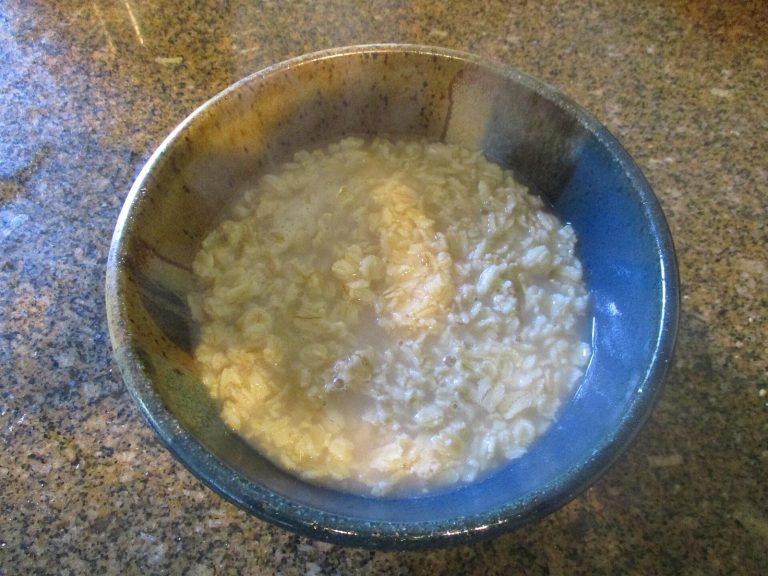
- – Breakfast: oatmeal with fruit and peanut butter; coffee with tolerated milk or alternative.
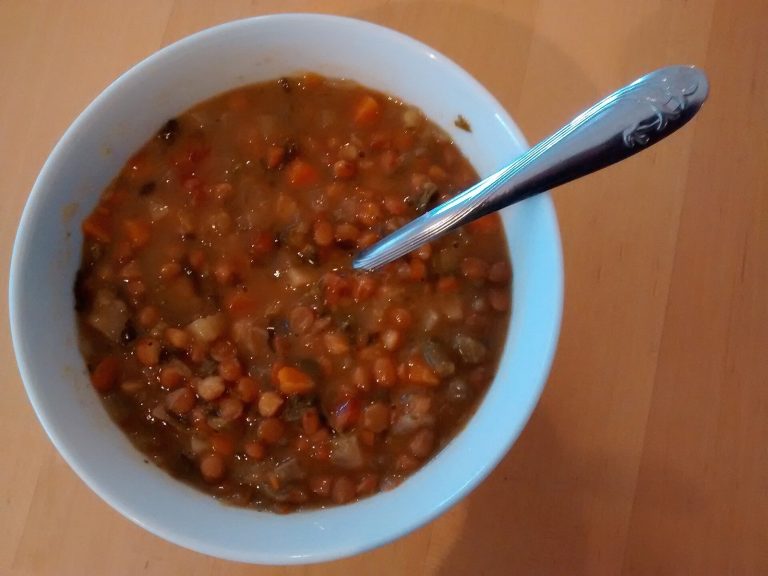
- – Lunch: turkey or chickpea salad sandwich; vegetable soup made with non-mammal broth.
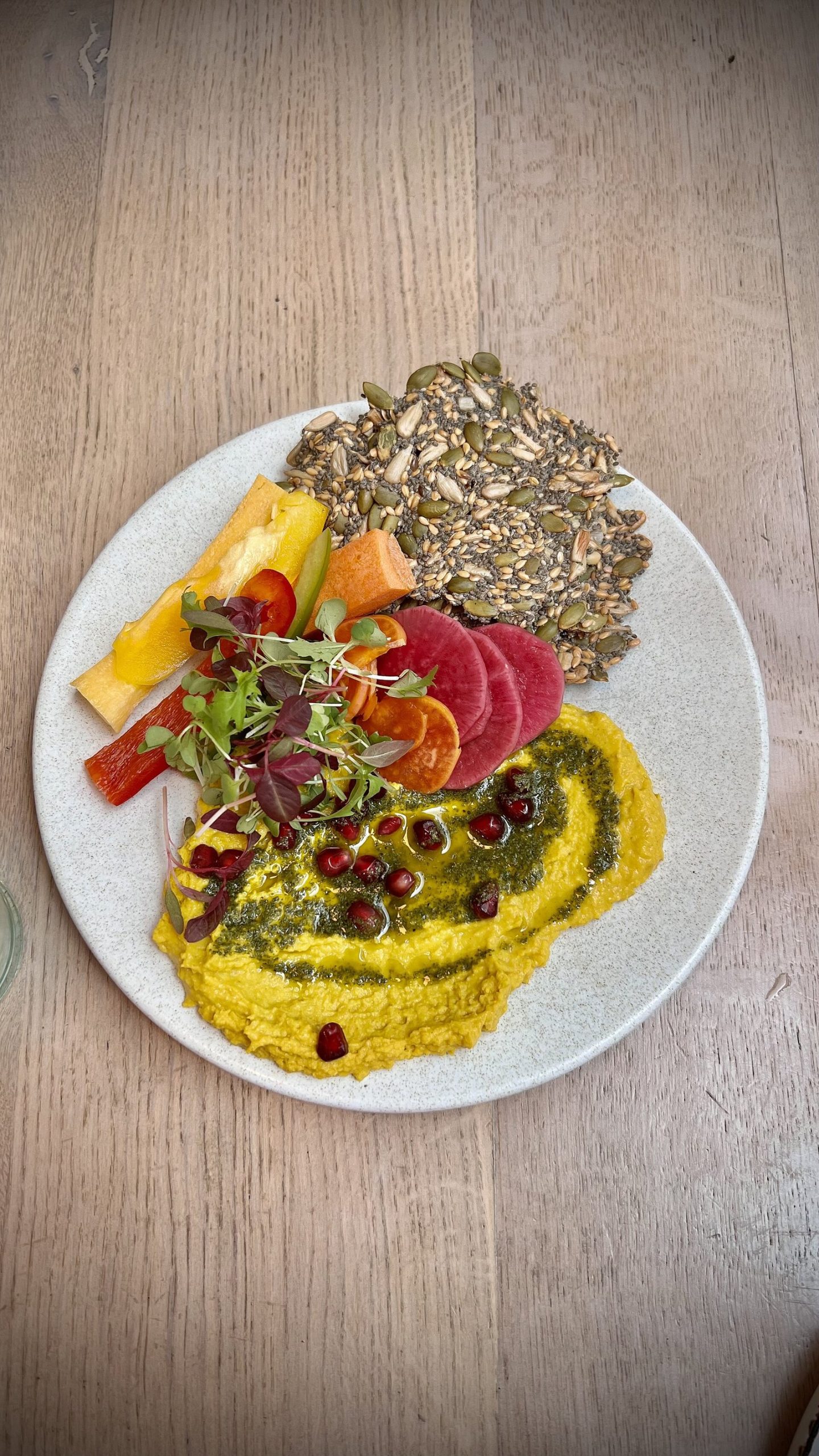
- – Snack: hummus and vegetables; fruit.
- – Dinner: grilled fish or chicken, rice, roasted vegetables; dessert without mammalian gelatin if gelatin is restricted for you.
5. Social eating
Call ahead; ask about grill cross-contact; carry safe snacks when traveling in lone star tick regions or anywhere mammalian BBQ dominates menus.
6. Related gut and allergy literacy
Delayed gut symptoms can look like other food issues—IBS diet guide and histamine intolerance diet guide are not AGS, and celiac disease diet guide is a different immune pathway. Do not self-diagnose overlaps.
Safety, interactions, and who should ask a clinician first
- – Seek immediate emergency care for severe allergic reactions or anaphylaxis (CDC).
- – Pregnancy, asthma, or prior anaphylaxis: allergy action plans are clinician-built.
- – Cancer therapy, heart disease, or beta-blocker use may change anaphylaxis care—tell emergency teams.
- – Do not challenge mammalian foods at home to “test if it is gone.”
- – After new tick bites, ask your clinician whether evaluation should change.
FAQ
How long after eating meat do AGS symptoms start? CDC: usually 2–6 hours after red meat or dairy exposures for many people—longer than many IgE food allergies people expect.
Can I eat chicken and fish? Many people with AGS use poultry and fish as staples, but sauces and broths can still contain mammalian products. Confirm with your allergist.
Is dairy always off-limits? CDC says dairy if you are not able to tolerate it. Individualize.
Does avoiding red meat cure AGS? Avoidance reduces reactions; CDC still stresses tick-bite prevention and clinician guidance. It is not framed as a culinary cure.
What about medicines with gelatin? Some medicines/non-food products may contain alpha-gal—review with your provider and pharmacist.
How this differs from related OTCFood topics
This page is an alpha-gal-syndrome-bound diet guide focused on mammalian red-meat avoidance per CDC framing, individualized dairy decisions, label vigilance, medicine awareness, and tick prevention. It is not a generic IBS diet guide plan and not a substitute for allergy emergency care.
Medical disclaimer
Medical disclaimer: This article is for general information only. It is not medical advice, diagnosis, or a treatment plan. Alpha-gal syndrome can cause life-threatening allergic reactions. Talk with an allergist or other clinician before starting, stopping, or changing any avoidance plan, medicine, or supplement. Seek emergency care for anaphylaxis or severe allergic symptoms.