H. pylori Diet: Foods That May Help and Foods to Limit
Medical note: This article discusses foods and researched botanicals. It does not claim to prevent, treat, or cure disease. Supplements are not a substitute for food, and studied amounts are not personal prescriptions.
People searching “H. pylori diet foods that help or worsen” usually want gentler plates while a Helicobacter pylori infection is being tested or treated—not a claim that food erases the bacteria, heals every ulcer, or replaces antibiotics and acid-reducing medicines. MedlinePlus describes H. pylori as a type of bacteria that infects the stomach and is the main cause of peptic ulcers; it can also cause gastritis and stomach cancer. About 30 to 40% of people in the United States get an H. pylori infection, most often as a child, and most people have no symptoms. NIDDK’s peptic-ulcer pages say researchers have not found that diet and nutrition play an important role in causing, preventing, or treating peptic ulcers, and doctors do not recommend a special diet to treat or prevent ulcers. Kitchen changes may help comfort; they do not replace testing and a full course of prescribed medicines.
What this H. pylori diet guide covers (and what it does not)
This guide is for adults with a clinician-recognized H. pylori infection, peptic ulcer, or H. pylori–associated gastritis who want practical comfort-eating habits. Anchors: MedlinePlus — Helicobacter pylori Infections, NIDDK — Peptic Ulcers and its Eating, Diet, & Nutrition and Treatment pages, NIDDK — Eating, Diet, & Nutrition for Gastritis & Gastropathy, and Mayo Clinic — H. pylori infection.
Mayo Clinic notes that more than half the people in the world may have H. pylori at some point and that it seems to spread through saliva, vomit, stool, or tainted food and water. This page is not an antibiotic protocol. Related reading: peptic ulcer diet guide, gastritis diet guide, chronic gastritis diet guide, Helicobacter pylori diet guide, and GERD acid reflux diet guide.
Evidence snapshot: H. pylori diet claims vs public sources
| Claim people hope for | What public sources actually say | Confidence |
|---|---|---|
| “A special ulcer diet treats or prevents H. pylori ulcers” | NIDDK: diet and nutrition do not play an important role in causing, preventing, or treating peptic ulcers; doctors do not recommend a special diet for that purpose | Strong against food-as-treatment |
| “Food can replace antibiotics” | MedlinePlus: peptic-ulcer treatment is a combination of antibiotics and acid-reducing medicines, then repeat testing. NIDDK: treatment most often includes two or more antibiotics, a PPI, and sometimes bismuth subsalicylate | Strong that medicines, not diet, clear the infection |
| “If I feel better, I can stop the pills early” | NIDDK: if you stop medicine early, some bacteria may survive and resistance can develop. Repeat testing is often recommended at least 4 weeks after finishing antibiotics | Strong against stopping early |
| “H. pylori never affects nutrition” | NIDDK: H. pylori gastritis can impair iron absorption and lead to iron-deficiency anemia; treating the infection and taking iron supplements can improve the anemia | Strong that some people need iron follow-up |
| “Smoking and NSAIDs are unrelated” | NIDDK: quitting smoking can lower ulcer risk and help ulcers heal. NSAIDs are the other leading ulcer cause | Strong caution |
Foods and patterns that may help while H. pylori is treated
“May help” means easier digestion and better nutrition support while medicines address the infection—not a promise that any food kills H. pylori.
Comfort defaults many people use while symptoms are active
Mayo Clinic and MedlinePlus describe possible ulcer or gastritis symptoms such as burning upper-abdominal pain (often worse with an empty stomach), bloating, nausea, and reduced appetite. Practical comfort patterns include:
- – Smaller, more frequent meals instead of one very large plate if fullness or empty-stomach pain is an issue
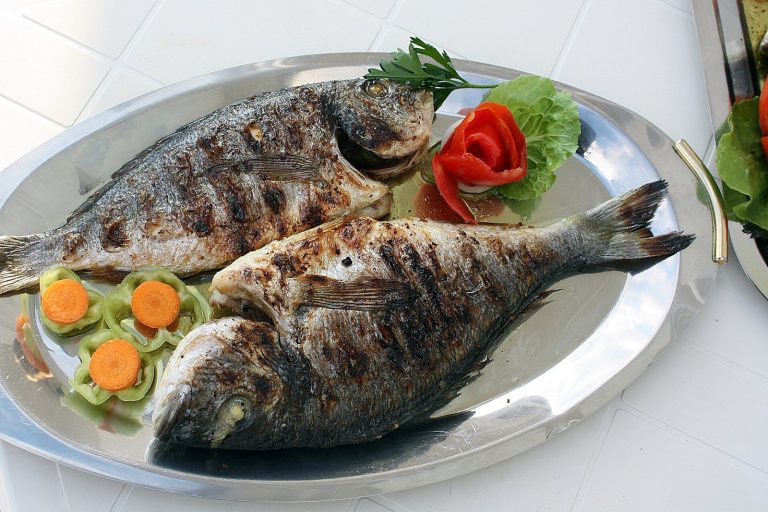
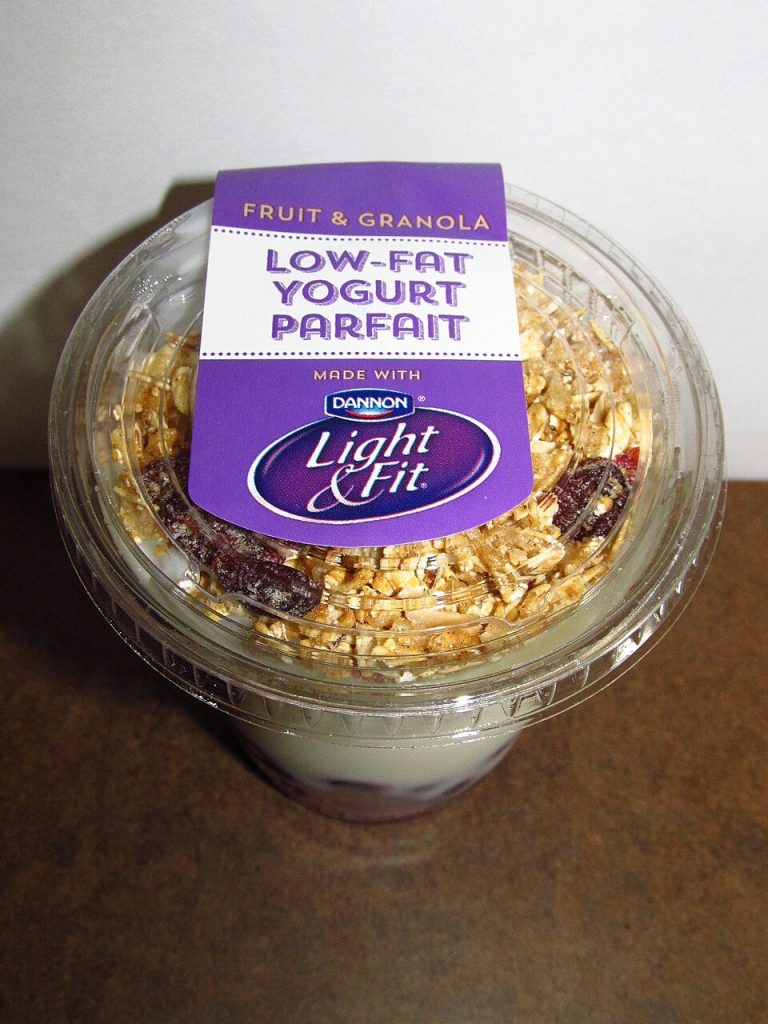
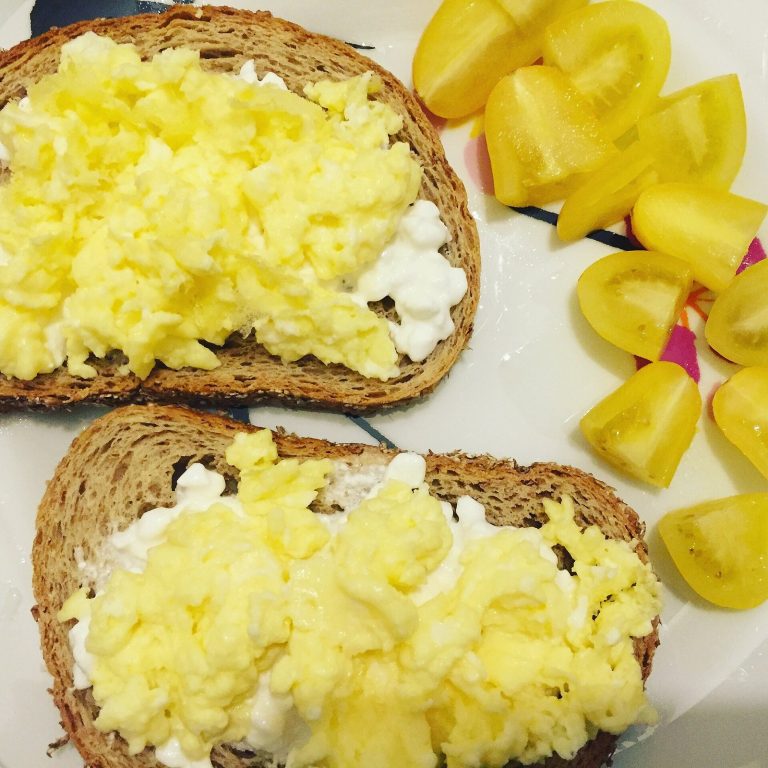
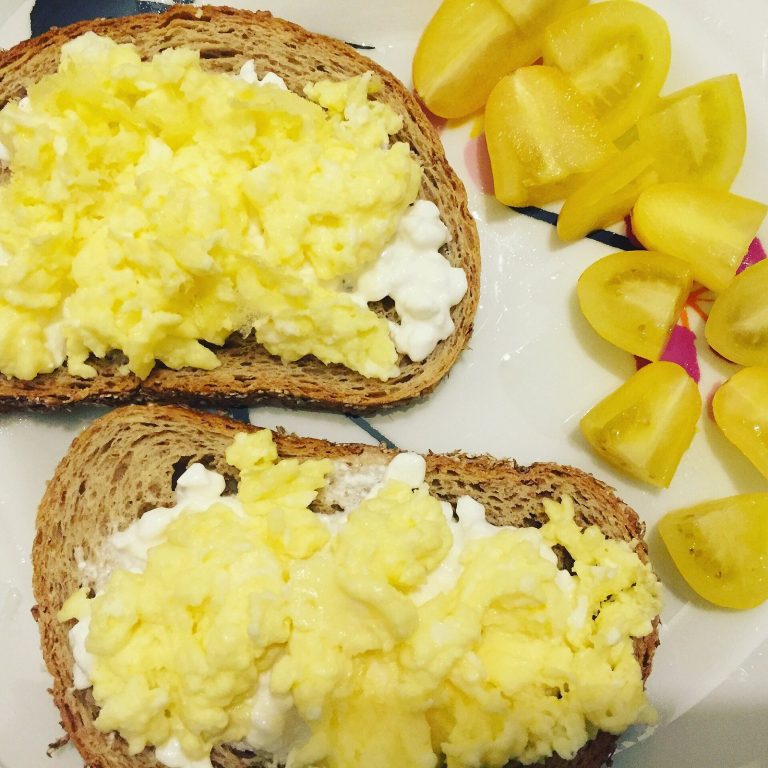
- – Soft, lower-fat proteins such as eggs, tender fish, yogurt if tolerated, or skinless poultry
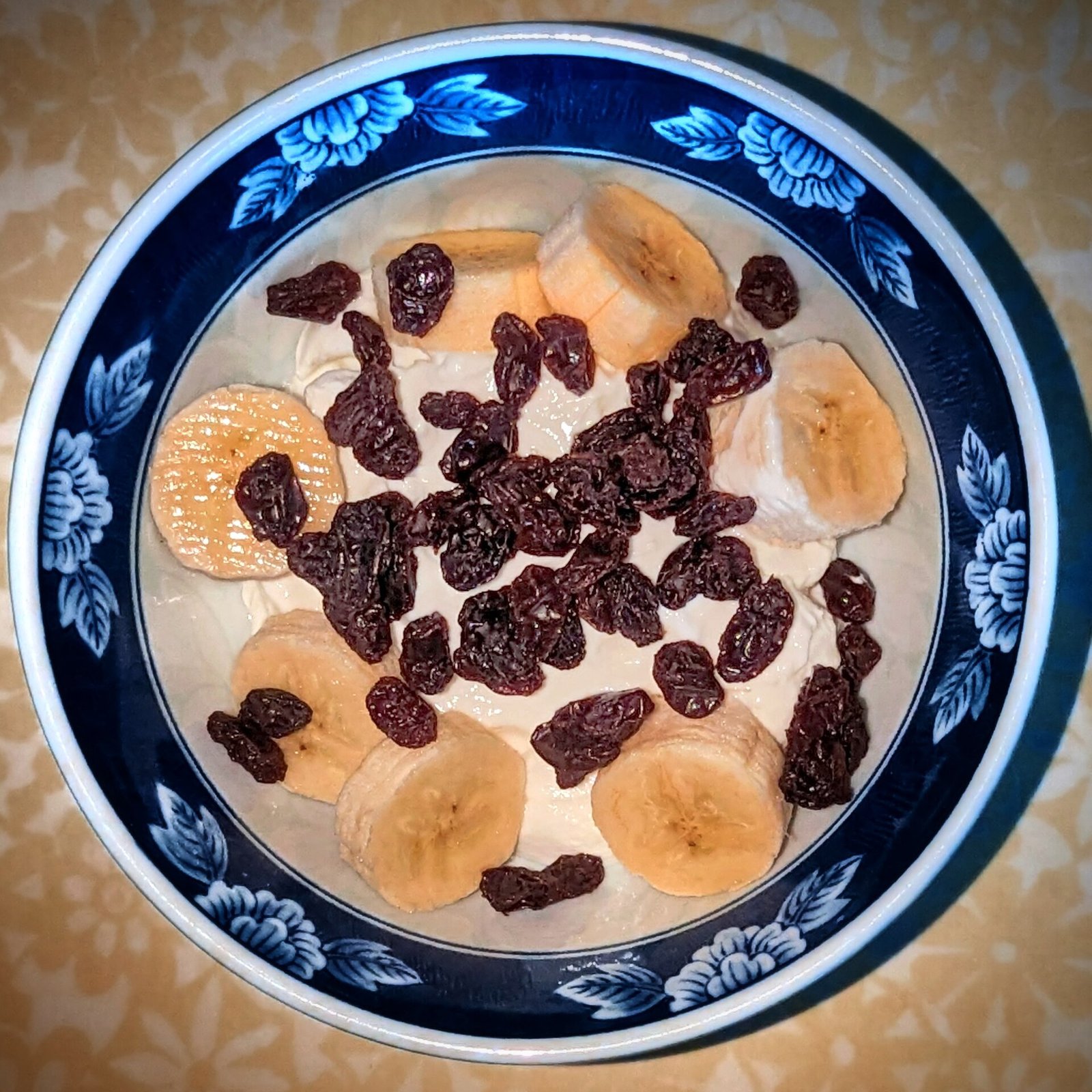
- – Cooked vegetables and mild fruits you personally tolerate (ripe banana, applesauce, peeled cooked fruit)
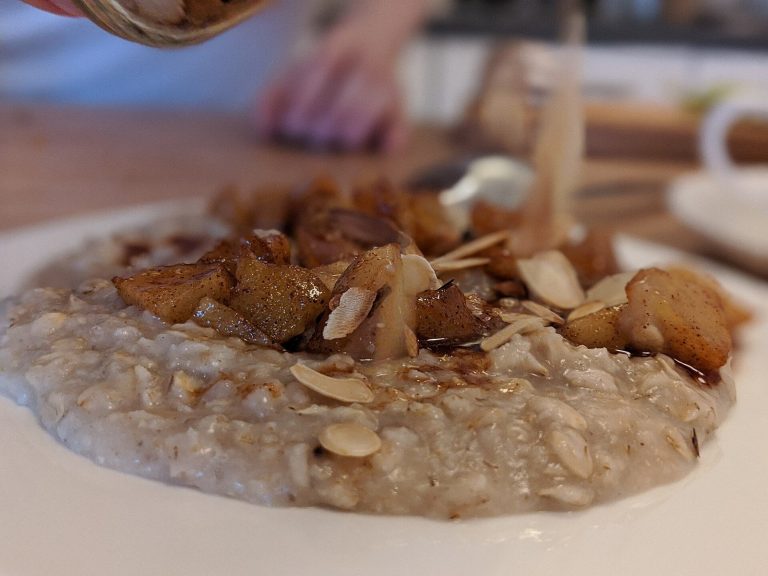
- – Oatmeal, rice, potatoes, or toast-style starches if they sit well
- – Taking prescribed medicines exactly as directed, including with or without food as labeled
Nutrition repair if iron status is affected
NIDDK notes that H. pylori gastritis can impair iron absorption and lead to iron-deficiency anemia, and that treating the infection plus clinician-directed iron can improve anemia. Kitchen iron sources (beans, lentils, meat, fortified cereals) may support overall intake but do not replace eradication therapy or prescribed iron. See iron-deficiency anemia diet guide. If autoimmune gastritis is also in the picture, NIDDK discusses iron and vitamin B12 problems that need clinician-directed supplements, not self-injection; see pernicious anemia diet guide.
Hygiene habits that public sources mention alongside food
MedlinePlus says there is no vaccine for H. pylori and that you might lower spread risk if you wash your hands after using the bathroom and before eating, eat properly prepared food, and drink water from a clean, safe source. Mayo Clinic separately advises not sharing food or utensils, because germs can spread through saliva.
Foods and habits that often worsen symptoms or slow ulcer recovery
- – Stopping antibiotics or acid-reducing medicine early. NIDDK warns leftover bacteria may persist and resistance can develop.
- – Smoking. NIDDK: quitting smoking can lower your risk for developing ulcers and help existing ulcers heal; smoking can also slow ulcer healing.
- – Regular NSAID pain relievers (ibuprofen, naproxen, and similar patterns your clinician has flagged). NIDDK lists NSAIDs as a leading peptic-ulcer cause. Do not stop prescribed heart aspirin without medical advice.
- – Heavy alcohol intake when the stomach lining is already irritated (NIDDK notes large amounts of alcohol may cause acute erosive gastropathy).
- – Very large, high-fat, fried meals if they clearly worsen fullness, bloating, or upper pain—this is symptom-guided, not a universal NIDDK mandate, because NIDDK does not prescribe a special ulcer diet.
- – Personal irritants such as coffee, spicy foods, citrus, or tomato products if they reliably worsen your ache—test rather than permanently ban every item on someone else’s list.
- – Ignoring bleeding or severe-pain signs. Mayo Clinic: get help right away for sudden severe stomach pain, black or bloody stools, coffee-ground vomit, trouble swallowing, dizziness, or fainting.
“Limit” means reducing irritants and unsafe medicine habits while the infection is treated—not a permanent fear of every flavorful food.
Practical kitchen protocol: an H. pylori treatment week
1. Treat the infection in parallel
Ask whether you need stool, breath, or endoscopy-based testing, and finish every antibiotic and acid-reducing dose. NIDDK says your clinician may recommend testing again at least 4 weeks after antibiotics. Diet supports comfort; it does not replace those steps.
2. Shopping list for gentler plates
Oats, rice, potatoes, bananas, eggs, yogurt if tolerated, tender fish or chicken, cooked carrots or green beans, broth-based soups, applesauce, and olive oil in small amounts for cooking. Keep a water bottle at the table if nausea has cut your intake.
3. Default plate template during flares
- – Half soft cooked vegetables or a starch you tolerate
- – Quarter gentle protein
- – Quarter easy carbohydrate
- – Skip alcohol; move coffee earlier or pause if it burns
- – Stop eating before painful fullness, and do not go many hours with an empty stomach if that is when pain peaks
4. Sample day (illustrative)
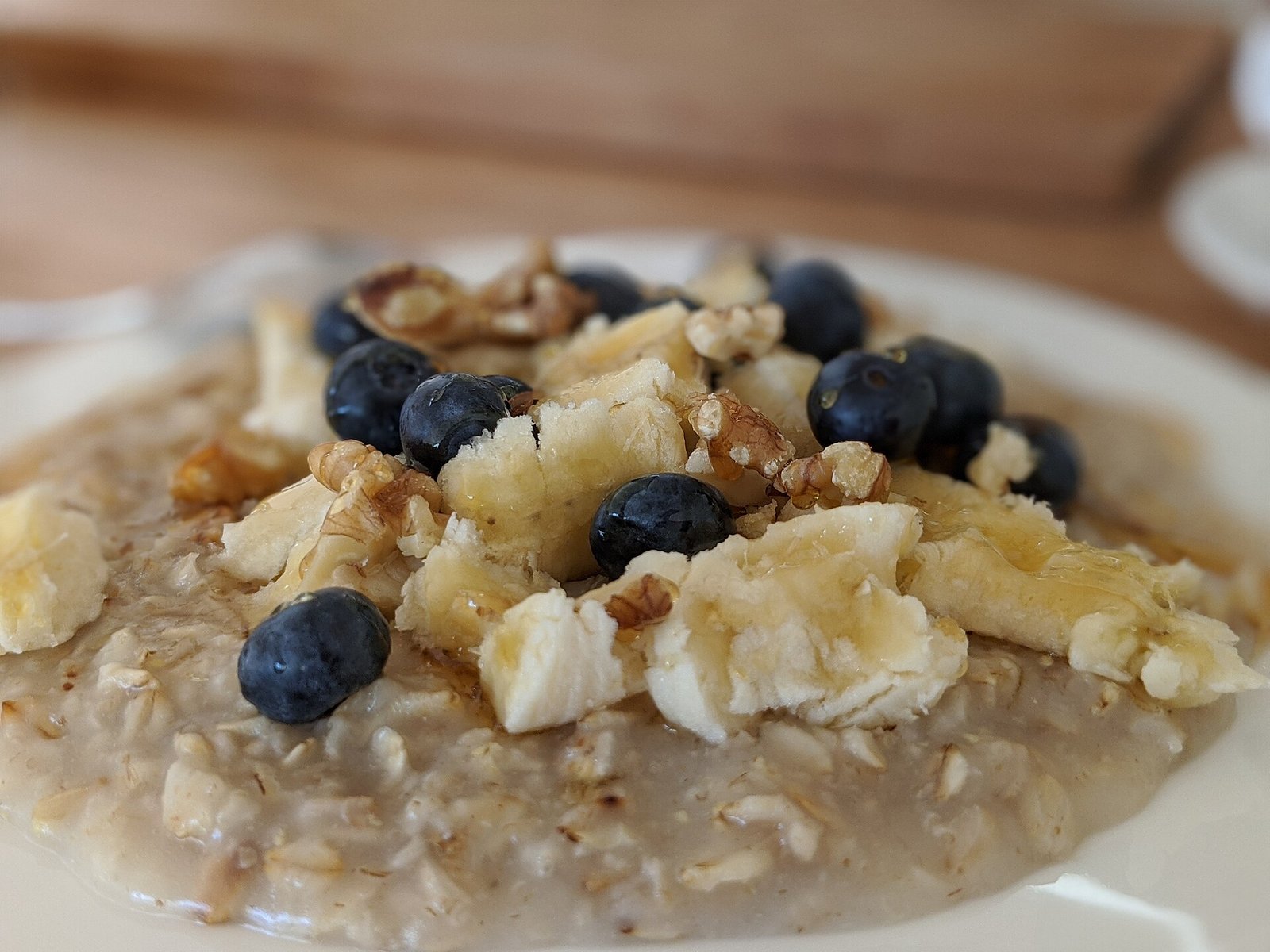
- – Breakfast: oatmeal with banana.
- – Mid-morning: yogurt or a slice of toast if empty-stomach pain tends to appear.
- – Lunch: baked potato with a small portion of chicken and cooked carrots.
- – Snack: applesauce or ripe pear if tolerated.
- – Dinner: baked fish, rice, and steamed zucchini.
- – Evening: no alcohol; note symptoms, NSAID use, and missed medicine doses for your clinician.
5. If gastritis or reflux overlap
Upper-belly burning can come from gastritis, ulcer disease, or reflux. See gastritis diet guide, peptic ulcer diet guide, and GERD acid reflux diet guide—still get the correct diagnosis rather than self-labeling every ache as H. pylori.
6. After treatment
Gradually re-expand diet variety as pain settles. Keep smoking and NSAID precautions in place. If anemia was documented, follow the clinician-directed iron plan; NIDDK notes iron supplements may rarely cause gastritis.
Safety, interactions, and who should ask a clinician first
- – Vomiting blood, black stools, sudden severe pain, dizziness, fainting, or inability to keep fluids down: urgent care (Mayo Clinic).
- – Finish combination antibiotics exactly as prescribed, even after you feel better (NIDDK).
- – Tell the prescribing team about prior antibiotic courses; NIDDK notes clinicians may avoid antibiotics you have taken before because of resistance.
- – Long-term NSAID needs (arthritis, heart disease): ask about stomach-protection strategies—never invent them from blogs.
- – Pregnancy, kidney disease, or a complex medicine list: review bismuth products, acid reducers, and iron with a clinician.
- – Unintentional weight loss, trouble swallowing, or persistent vomiting needs prompt evaluation even if you already have an H. pylori diagnosis.
FAQ
Will a bland diet get rid of H. pylori? No. NIDDK says diet is not an important part of causing, preventing, or treating peptic ulcers. MedlinePlus and NIDDK describe combination antibiotics plus acid-reducing medicine as the way clinicians treat the infection.
Do I need to give up coffee and spicy food forever? Public ulcer pages do not mandate a universal lifelong ban. If a food clearly worsens your pain, limit it while you heal and re-test tolerance later.
Why would my clinician check iron? NIDDK: H. pylori gastritis can impair iron absorption and contribute to iron-deficiency anemia. Treating the infection and using clinician-directed iron can improve anemia.
Can I drink alcohol during treatment? Heavy alcohol is a listed stomach irritant on NIDDK’s gastritis nutrition page, and many people feel better avoiding alcohol until healing is documented. Ask your clinician for personal limits.
Is H. pylori the same as an ulcer? No. MedlinePlus says H. pylori is the main cause of peptic ulcers, but most people with the infection have no symptoms. Mayo Clinic notes that about 10% to 15% of people with H. pylori get an ulcer. See peptic ulcer diet guide.
When should I see a doctor? Mayo Clinic: make an appointment for ongoing stomach symptoms, and get urgent help for bleeding, severe pain, black stools, coffee-ground vomit, trouble swallowing, or fainting.
How this differs from related OTCFood topics
This page is an H. pylori-bound diet guide focused on comfort eating during testing and eradication therapy, iron follow-up, smoking/NSAID cautions, and the clear public-source message that food does not replace antibiotics. It is not a general gastritis-only page, not a GERD protocol, and not a substitute for repeat testing after treatment.
Medical disclaimer
Medical disclaimer: This article is for general information only. It is not medical advice, diagnosis, or a treatment plan. H. pylori care depends on test results, ulcer or bleeding risk, medicines, other conditions, and your clinician’s judgment. Talk with a clinician or registered dietitian before starting, stopping, or changing any eating plan, supplement, or medicine. Seek urgent care for vomiting blood, black stools, severe abdominal pain, fainting, or persistent vomiting.