Diet After Lithotripsy: Foods That May Help and Foods to Limit
Medical note: This article discusses foods and researched botanicals. It does not claim to prevent, treat, or cure disease. Supplements are not a substitute for food, and studied amounts are not personal prescriptions.
People searching “diet after lithotripsy foods that help or worsen” usually want kitchen habits that push fluid intake, support passage of stone fragments, and lower the chance of another stone—not a claim that food replaces shock-wave treatment, stents, pain control, or urology follow-up. MedlinePlus describes lithotripsy as a procedure that uses shock waves to break kidney or ureteral stones into tiny pieces that then pass in the urine. NIDDK explains shock wave lithotripsy as one option to blast stones into smaller pieces and emphasizes drinking plenty of liquids when you are able.
What this after-lithotripsy diet guide covers (and what it does not)
This guide is for adults after extracorporeal shock wave lithotripsy (ESWL) or related stone-breaking procedures who want practical eating and drinking patterns while they strain urine as instructed and watch for obstruction symptoms. Anchors: MedlinePlus — Lithotripsy, NIDDK — Treatment for kidney stones, and NIDDK — Eating, diet, & nutrition for kidney stones. Related reading: kidney stones diet guide and gout diet guide (uric acid stone overlap).
MedlinePlus notes most people go home the same day, may receive a urine strainer, and should know complications can include bleeding around the kidney, infection, fragments blocking urine flow, leftover pieces needing more treatment, and—rarely—digestive ulcers or kidney function problems. NIDDK’s diet page states drinking enough liquid, mainly water, is the most important dietary step to help prevent stones, and that stone type (calcium oxalate, calcium phosphate, uric acid, cystine) changes food priorities. Kitchen changes do not replace emergency care for severe pain, fever, inability to urinate, or vomiting with dehydration.
Evidence snapshot: after-lithotripsy diet claims vs public sources
| Claim people hope for | What public sources actually say | Confidence |
|---|---|---|
| “A cleanse finishes what lithotripsy started” | MedlinePlus/NIDDK center fragment passage, fluids, and urology follow-up—not unregulated cleanses | Strong: food supports, does not finish surgery |
| “Zero calcium forever stops calcium stones” | NIDDK: adequate dietary calcium can block substances that may cause stones; do not self-eliminate calcium | Strong: get enough calcium from foods as advised |
| “Water is optional if you take lemon pills” | NIDDK: drinking enough liquid, mainly water, is the most important prevention step (unless kidney failure changes goals) | Strong: fluids first |
| “One stone type diet fits everyone” | NIDDK: sodium, animal protein, calcium, and oxalate advice depends on stone type | Strong: ask which stone you had |
| “Alcohol hydrates as well as water after ESWL” | Prevention guidance centers water and other liquids as clinician-advised—not alcohol as a hydration plan | Strong: prefer water |
Foods and patterns that may help after lithotripsy day to day
“May help” means supporting urine volume so fragments move and aligning longer-term patterns with your stone type—not a promise that dinner dissolves every shard overnight.
Fluids first (mainly water)
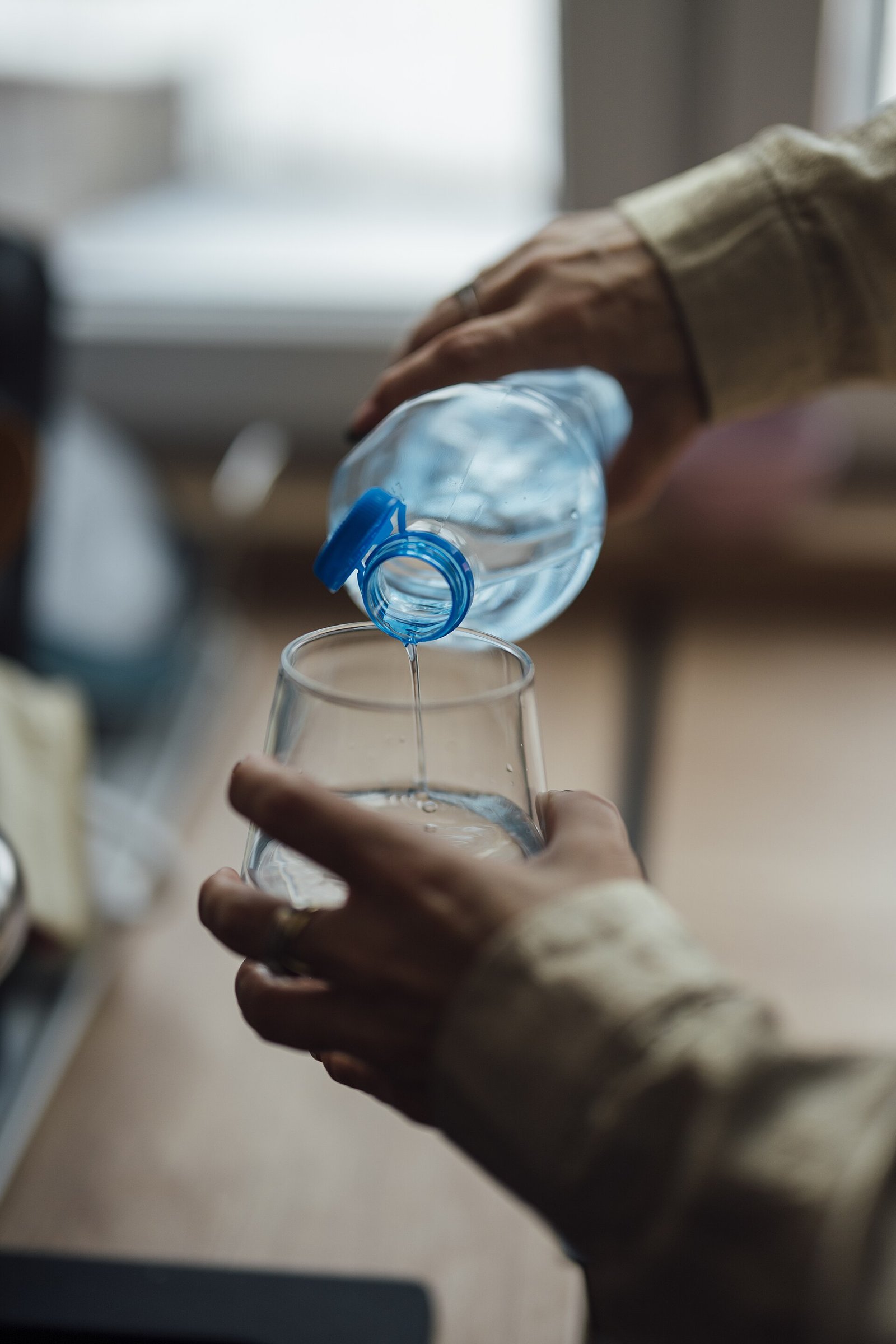
- – NIDDK: unless you have kidney failure, many clinicians recommend about six to eight 8-ounce glasses a day—confirm your personal target.
- – Keep a bottle visible during the first days when bruising, stent discomfort, or pain medicines make sipping easy to forget.
Stone-type–aware plates (after you know the lab result)
- – Calcium oxalate (common): NIDDK may advise reducing high-oxalate foods such as nuts/nut products, peanuts, rhubarb, spinach, and wheat bran; reducing sodium; limiting animal protein; and still getting enough calcium from foods.
- – Calcium phosphate: similar sodium and animal-protein limits; adequate food calcium.
- – Uric acid: limit animal protein; weight management if overweight is especially important per NIDDK; see also gout diet guide themes.
- – Cystine: fluids are central—follow specialist plans.
DASH-leaning patterns
- – NIDDK notes studies show the DASH diet can reduce kidney stone risk—overlap with hypertension diet guide vegetable-forward templates without claiming blood-pressure equivalence.
Soft, easy meals if pain or nausea limits cooking
- – Yogurt, eggs, oatmeal, rice, tender proteins, and fruit help you keep calories while you chase fluid goals.
Plant proteins when animal protein is limited
- – NIDDK suggests beans, dried peas, lentils, and (depending on stone type) soy or other plants to meet protein needs when meat portions are trimmed.
Foods and habits that often worsen after-lithotripsy kitchen patterns
- – Chronic low fluid intake against NIDDK’s primary prevention message.
- – High-sodium packaged and fast-food patterns that raise stone risk per NIDDK.
- – Very high animal-protein loads when your clinician asked you to limit them.
- – Self-directed zero-calcium diets that miss NIDDK’s “get enough calcium from foods” guidance.
- – Oxalate-heavy stacks (spinach smoothies + nut butters + bran) if you had calcium oxalate stones and were told to reduce oxalate.
- – Expecting diet to fix fever, severe flank pain, or anuria—possible obstruction or infection needing urgent care.
- – Skipping the urine strainer when your team asked you to catch fragments for analysis.
“Limit” means reducing recurrence risk drivers—not that one salty meal undoes lithotripsy.
Practical kitchen protocol: an after-lithotripsy diet week
1. Keep the medical spine first
Confirm activity limits, pain plan, antibiotics if prescribed, stent symptoms to expect, when to strain urine, and your fluid goal. Ask which stone type was found or suspected.
2. Shopping list for fluid-forward, stone-aware kitchens
Water bottles you will refill; citrus if your clinician likes lemonade protocols; low-sodium staples; plant proteins (beans, lentils, tofu as appropriate); calcium-containing foods your dietitian approves; soft recovery meals for sore days.
3. Default plate template
- – Measured lean or plant protein (per stone advice)
- – Vegetables/fruits matched to oxalate guidance
- – Whole grains as tolerated (watch wheat bran if oxalate-limited)
- – Water at and between meals
4. Sample day (illustrative; adjust to stone type)
- – Breakfast: fortified cereal or oats with milk or fortified alternative if calcium is encouraged; large water glass.
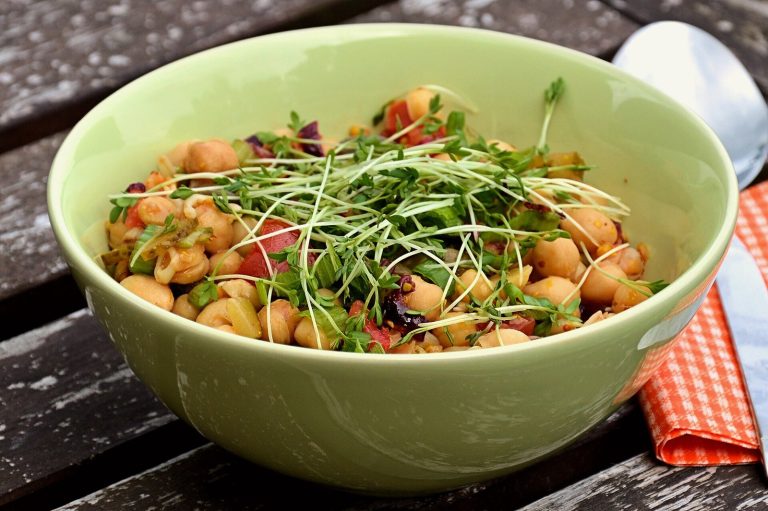
- – Lunch: bean-and-vegetable soup (if oxalate plan allows the greens chosen); fruit; water.
- – Snack: yogurt or approved calcium food; water.
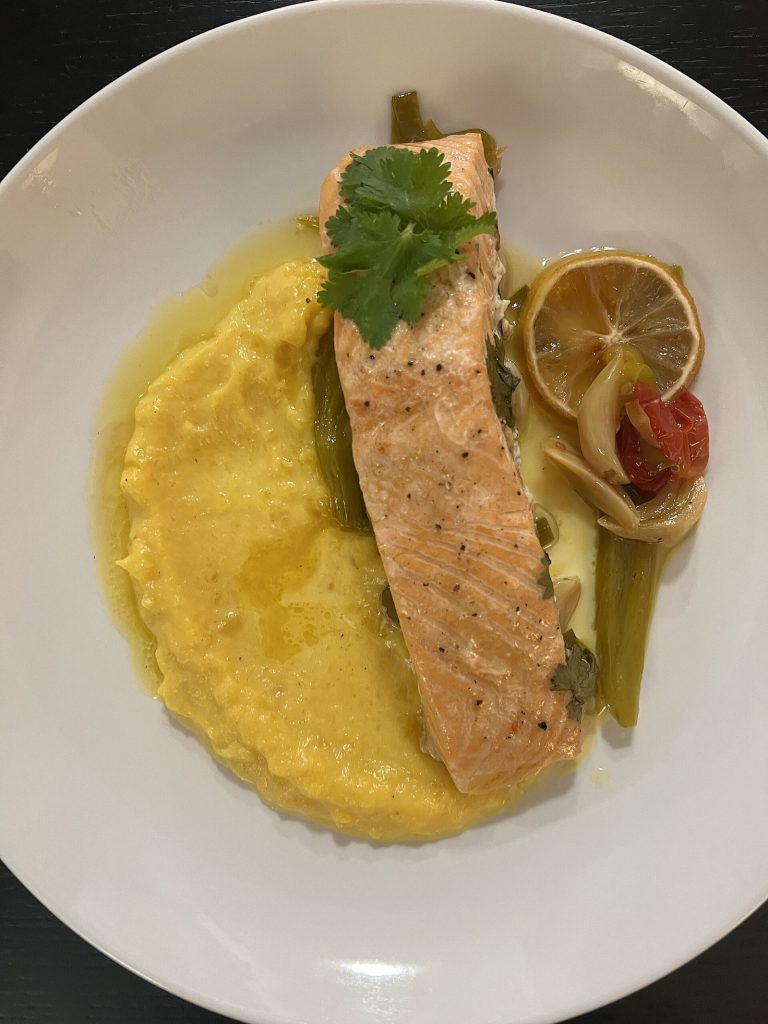
- – Dinner: modest fish or tofu, rice, low-oxalate vegetables as advised; water.
- – Evening: water toward daily total—not a dehydrating alcohol session.
5. Home setup tips
Mark a pitcher with volume lines; set phone reminders; pack a strainer kit in the bathroom if ordered.
6. If this was not your first stone
Long-term prevention overlaps kidney stones diet guide; lithotripsy recovery adds fragment-passage and stent rules your urologist owns.
Safety, interactions, and who should ask a clinician first
- – Known kidney disease or heart failure: fluid goals may be restricted—do not force eight glasses blindly.
- – On blood thinners: bleeding risk around the kidney is a MedlinePlus-listed complication—report concerning symptoms promptly.
- – History of gastric ulcers: MedlinePlus lists ulcers among possible risks—report black stools or severe abdominal pain.
- – Pregnancy: lithotripsy planning differs—follow obstetric-urology guidance only.
- – Contact care for fever, uncontrolled pain, vomiting/dehydration, inability to pass urine, or heavy blood in urine beyond what your team described.
FAQ
Can diet finish passing every fragment after lithotripsy? Fluids help; some people still need more procedures if pieces remain or block flow (MedlinePlus).
How much water is “enough”? NIDDK often cites six to eight 8-ounce glasses unless kidney failure or another condition changes the target—confirm yours.
Should I cut out all calcium? No. NIDDK says adequate food calcium can help block stone-forming substances; ask for personal targets.
Do lemon or citrate drinks replace water volume? They may be adjuncts some clinicians suggest; total liquid volume remains central.
How is this different from a general kidney stones diet page? Overlap is large—see kidney stones diet guide—but post-lithotripsy days add fragment straining, stent symptoms, and bleeding/infection watches.
How this differs from related OTCFood topics
This page is a lithotripsy-bound diet guide focused on fluids, stone-type eating, and fragment-passage support after shock-wave stone breaking. It is not a DIY stent-removal guide and not a substitute for urology follow-up.
Medical disclaimer
Medical disclaimer: This article is for general information only. It is not medical advice, diagnosis, or a treatment plan. Care after lithotripsy depends on stone size/location/type, stents, bleeding risk, kidney function, and your urologist’s protocol. Talk with a clinician or registered dietitian before starting, stopping, or changing any eating plan, supplement, or medicine. Seek urgent care for severe pain, fever, vomiting with dehydration, or inability to urinate.