Mast Cell Activation Syndrome Diet: Foods That May Help and Foods to Limit
Medical note: This article discusses foods and researched botanicals. It does not claim to prevent, treat, or cure disease. Supplements are not a substitute for food, and studied amounts are not personal prescriptions.
People searching “mast cell activation syndrome diet foods that help or worsen” usually want a cautious, clinician-guided way to notice food triggers during mast-cell mediator flares—not a claim that an elimination diet diagnoses MCAS, replaces epinephrine for anaphylaxis, or cures clonal mast-cell disease. The American Academy of Allergy, Asthma & Immunology (AAAAI) describes mast cells as allergy cells that release mediators; MCAS involves repeated episodes of anaphylaxis-like symptoms with elevated mediators during attacks and improvement with mediator-blocking treatments, after other causes are considered. MedlinePlus encyclopedia material on mastocytosis covers related abnormal mast-cell growth; idiopathic MCAS is distinguished when clonal disease is not found. Food trials are supportive detective work—not a substitute for tryptase timing, urine mediator testing, or KIT mutation workups directed by specialists.
What this mast cell activation syndrome diet guide covers (and what it does not)

This guide is for adults exploring diet patterns alongside allergist/immunologist care for suspected or diagnosed idiopathic MCAS or related mast-cell mediator symptoms. Anchors: AAAAI — Mast Cell Activation Syndrome (MCAS), MedlinePlus — Anaphylaxis, MedlinePlus — Food allergy, and MedlinePlus Encyclopedia — Mastocytosis.
Diet does not replace epinephrine autoinjectors when prescribed, H1/H2 antihistamines, or evaluation for mastocytosis. Related reading: Histamine Intolerance Diet, IBS Diet, and SIBO Diet.
Evidence snapshot: MCAS diet claims vs public sources
| Claim people hope for | What public sources actually say | Confidence |
|---|---|---|
| “A low-histamine diet proves you have MCAS” | AAAAI diagnosis centers anaphylactic-pattern episodes, mediator rises, and treatment response—not diet response alone | Strong: diet ≠ diagnostic gold standard |
| “Avoiding leftovers cures MCAS” | Some patients track aged/fermented foods personally; AAAAI focuses on mediator blockers and ruling out clonal disease | Low–moderate for universal leftover bans |
| “Epinephrine is optional if you eat clean” | Anaphylaxis care includes epinephrine when indicated (AAAAI/MedlinePlus pathways)—food rules never replace emergency medicine | Strong |
| “Everyone with MCAS must go gluten-free and dairy-free forever” | Broad elimination without allergy guidance risks malnutrition; true IgE food allergy is a different pathway (MedlinePlus food allergy) | Strong against unsupervised lifelong multi-elimination |
| “Herbal mast-cell stabilizers replace omalizumab discussions” | AAAAI lists medical options (antihistamines, aspirin in select cases, leukotriene modifiers, omalizumab reports)—not unregulated herbs as standard | Strong: ask specialists before herbs |
Foods and patterns that may help with MCAS day to day
“May help” means supporting nutrition during investigations, reducing personally documented triggers, and keeping meals simple when nausea or flushing is active—not a promise that fresh food stops anaphylaxis.
Work with your allergist on structured trials—not internet “MCAS diet” maximal restriction
- – AAAAI emphasizes confirming episodic mediator-driven symptoms and response to inhibitors; bring a short food-and-symptom log to visits rather than a 40-item banned list printed from social media.
- – If IgE-mediated food allergy is present, follow that avoidance strictly (MedlinePlus food allergy)—that is different from idiopathic MCAS.
Fresh, simply prepared meals as a practical starting pattern
- – Many patients prefer freshly cooked proteins and vegetables over heavily aged, fermented, or leftover-heavy patterns while they identify triggers—individualize; evidence is experiential, not a universal AAAAI mandate.
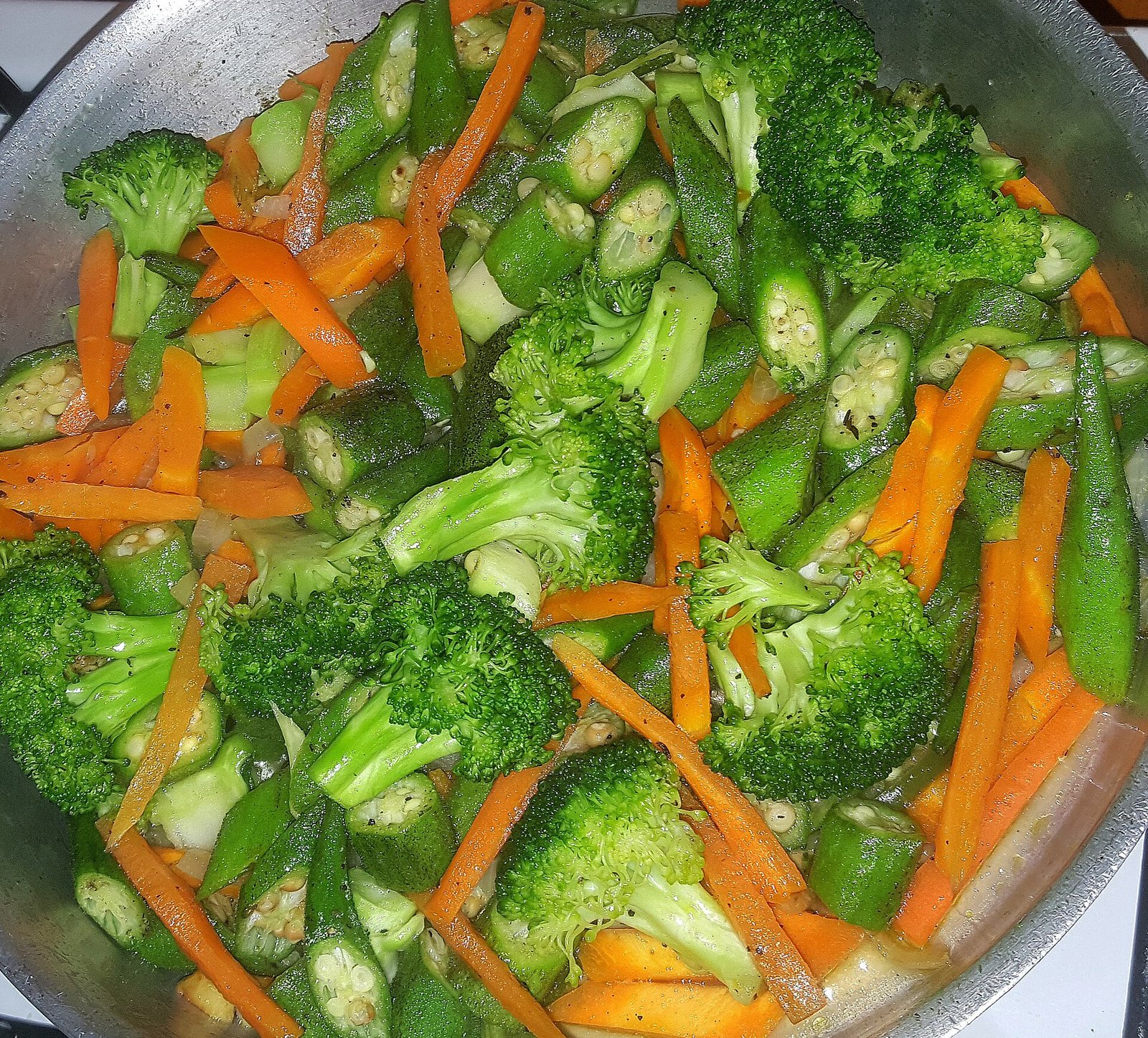
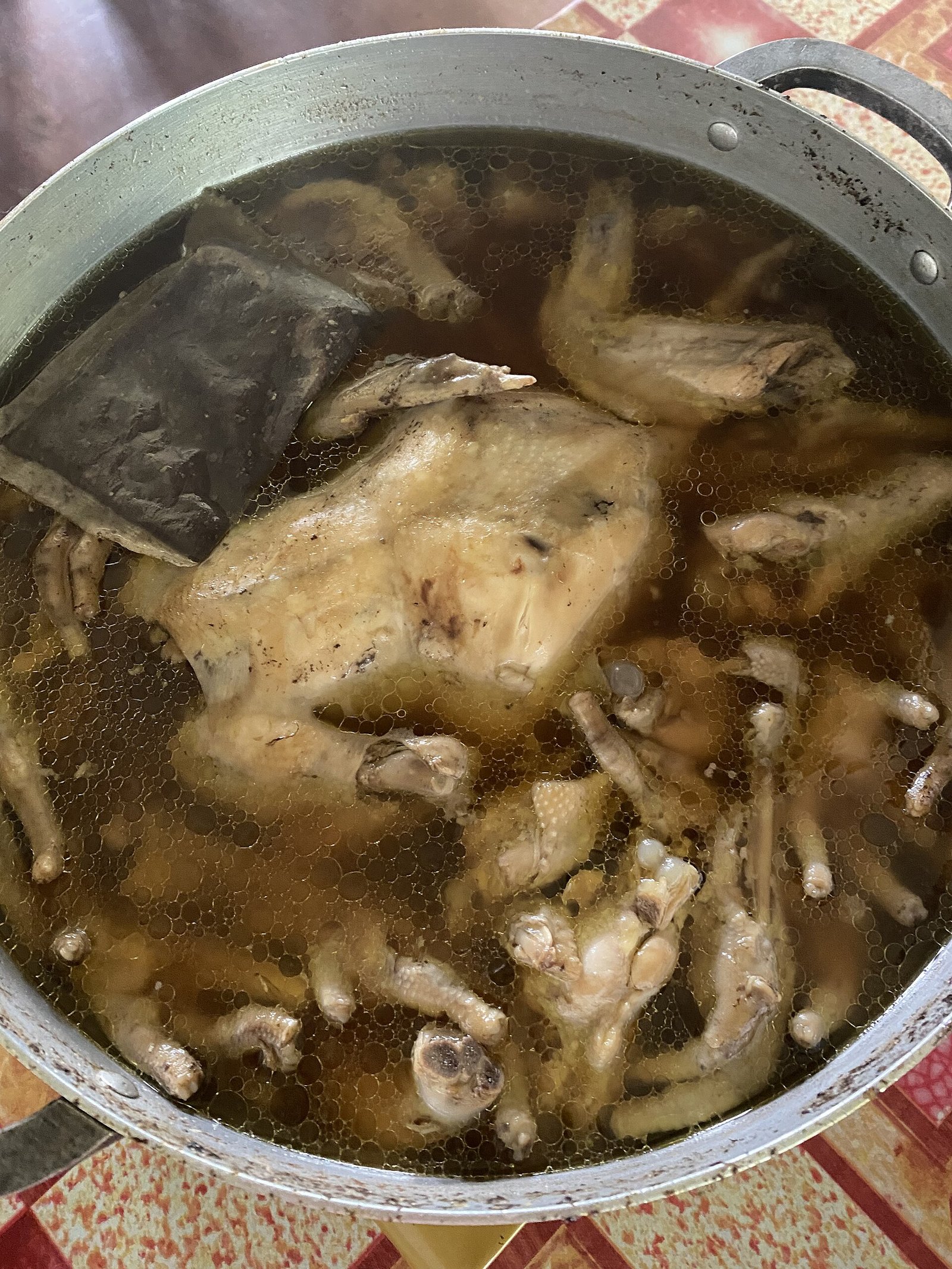
- – Soft rice porridges, plain chicken soups, eggs, and stir-fried fresh vegetables are common “boring but fueling” templates during flares.
Antihistamine-compatible meal timing
- – AAAAI notes H1 blockers (prefer second-generation when possible) and H2 blockers such as famotidine for abdominal symptoms—ask your clinician how to time meals with medicines rather than skipping food.
- – Keep oral fluids steady; alcohol is a frequent personal flush trigger for many atopic patients—trial avoidance with guidance.
Restaurant and travel tactics without turning every trip into a crisis
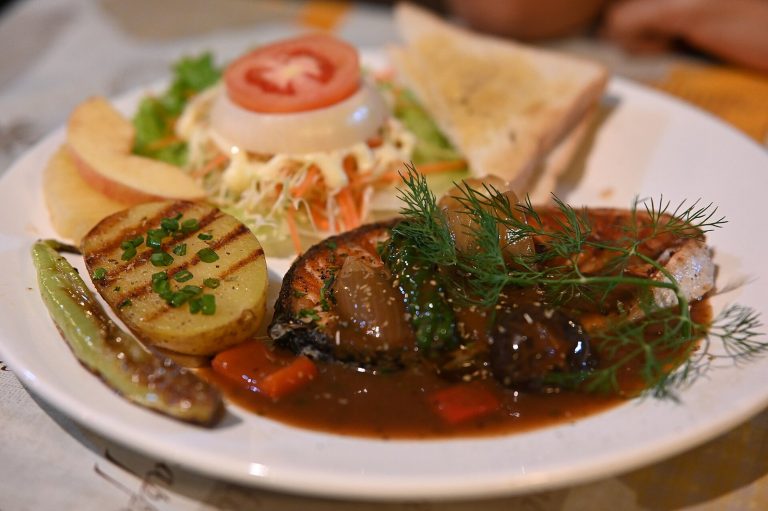
- – Choose simple grilled or steamed items with sauces on the side when you are still mapping triggers.
- – Carry safe snacks so hunger does not push you into unknown buffet foods.
- – If you have prescribed epinephrine, pack it before the wallet—AAAAI-aligned anaphylaxis readiness outranks perfect macros.
- – Photograph menus and ingredient lists for your clinician visit rather than relying on memory after a flush episode.
Overlap pages when GI symptoms dominate
- – Bloating and loose stools may lead people toward IBS Diet or Histamine Intolerance Diet patterns—use those only as clinician-supervised experiments, and do not assume histamine intolerance equals MCAS.
Foods and habits that often worsen MCAS kitchen patterns
- – Known IgE allergens if you have confirmed food allergy—never “test” them at home.
- – Alcohol and highly spiced binge meals that repeatedly precede flushing, tachycardia, or diarrhea in your log.
- – Unsupervised multi-week elimination of entire food groups without dietitian support, leading to weight loss and nutrient gaps.
- – Relying on random supplements labeled “mast cell support” instead of evidence-aligned medicines AAAAI discusses.
- – Delaying epinephrine during anaphylaxis because you are mid-cleanse.
- – Expecting diet to explain isolated anxiety without mediator data—AAAAI stresses objective testing around episodes.
“Limit” means reducing personally verified triggers—not that one leftover meal defines your diagnosis.
Practical kitchen protocol: an MCAS diet week
1. Keep the medical spine first
Confirm anaphylaxis action plan, epinephrine access, antihistamine regimen, and which labs to draw during a flare (AAAAI: tryptase timed after onset; urine mediators as ordered). Save restaurant ingredient cards if you have IgE allergies.
2. Shopping list for calm-default kitchens
Fresh poultry/fish/eggs; rice; potatoes; freshly cooked vegetables you already tolerate; non-citrus fruits you tolerate; safe cooking oils; water; foods your allergist cleared; medical ID and epinephrine in the same bag as grocery apps if you deliver food during unstable periods.
3. Default plate template (flare-week)
- – Plain fresh protein
- – Simple starch
- – One or two tolerated vegetables
- – Fluid without alcohol
- – Reintroduce variety only with a written plan
4. Sample day (illustrative—not diagnostic)
- – Breakfast: soft scrambled eggs and rice porridge; water.
- – Lunch: homemade chicken soup with carrots and rice; fresh-cooked, not week-old stock if leftovers bother you.
- – Snack: safe fruit or plain crackers your team approved.
- – Dinner: fresh vegetable stir-fry with newly cooked chicken or tofu; rice.
- – Evening: second-generation antihistamine timing per prescription—not a nightcap.
5. Home setup tips
Label freezer dates; photograph ingredient labels; keep a one-page flare kit (antihistamines, epinephrine, emergency contacts) on the fridge; avoid cooking smoke-heavy chili challenges during unstable weeks.
6. If postural or hypermobility issues coexist
Coordinate care across specialties; kitchen stool use and batch cooking help energy, but do not self-diagnose overlapping syndromes from diet blogs alone.
Safety, interactions, and who should ask a clinician first
- – Anaphylaxis: inject epinephrine when indicated and seek emergency care (MedlinePlus/AAAAI).
- – Aspirin for flushing: AAAAI notes it can help some patients by blocking prostaglandin pathways—but aspirin can worsen asthma, ulcers, or bleeding risk; only use if your clinician approves.
- – Suspected clonal mast-cell disease: KIT D816V testing and possible bone marrow evaluation are specialist decisions (AAAAI)—diet will not settle that question.
- – Pregnancy, breastfeeding, or pediatric symptoms: specialist plans only.
- – Corticosteroids: AAAAI lists them as last-resort helpers for some symptoms—nutrition side effects need monitoring.
FAQ
Can a low-histamine diet diagnose MCAS? No. AAAAI criteria focus on clinical episodes, mediator elevations, and treatment response after appropriate evaluation.
Should I throw out all leftovers? Only if your supervised log shows a consistent pattern. Universal rules are less important than personalized, nutritionally safe plans.
Do I stop antihistamines to “see what foods do”? Ask your allergist first—stopping medicines can be dangerous and confound testing.
Is MCAS the same as food allergy? Not always. IgE food allergy is one activation pathway; idiopathic MCAS involves recurrent mediator symptoms without that clear allergic antibody trigger (AAAAI).
Can stress-only flares mean food does not matter? Stress and infection can activate mast cells (AAAAI notes non-IgE triggers exist). Food logging still helps when patterns repeat, but it is not the only lever.
How is this different from a histamine-intolerance page? See Histamine Intolerance Diet—MCAS care adds anaphylaxis preparedness and specialist mediator testing.
How this differs from related OTCFood topics
This page is an MCAS-bound diet guide focused on cautious trigger logging, nutrition during evaluation, and emergency readiness. It is not a mastocytosis chemotherapy guide, not a DIY tryptase protocol, and not a substitute for allergy/immunology care.
Medical disclaimer
Medical disclaimer: This article is for general information only. It is not medical advice, diagnosis, or a treatment plan. MCAS and mast-cell disorders require specialist evaluation. Talk with a clinician or registered dietitian before starting, stopping, or changing any eating plan, supplement, or medicine. Seek emergency care for anaphylaxis signs such as trouble breathing, throat swelling, fainting, or widespread hives with systemic symptoms—use epinephrine as prescribed.