Fracture Recovery Diet: Foods That May Help and Foods to Limit
Medical note: This article discusses foods and researched botanicals. It does not claim to prevent, treat, or cure disease. Supplements are not a substitute for food, and studied amounts are not personal prescriptions.
People searching “fracture recovery diet foods that help or worsen” usually want calcium- and vitamin D–aware meals while a broken bone is immobilized or surgically fixed—not a claim that food sets a fracture, shortens a cast, or replaces orthopedic care, physical therapy, or osteoporosis medicines when those are prescribed. MedlinePlus defines a fracture as a break in a bone, usually from injury, and says to get medical care right away if you think you have one. The most common treatment is a cast or splint, often for several weeks; some people need plates, pins, or screws. MedlinePlus also lists getting enough calcium and vitamin D among bone-health steps, because low bone density and osteoporosis make breaks much more likely. NIAMS notes that recovery is the first priority, and that older adults should also ask whether the fracture is a sign of osteoporosis. Kitchen patterns may help you meet nutrient needs that bones use; they do not knit bone themselves.
What this fracture recovery diet guide covers (and what it does not)
This guide is for adults recovering from a typical closed fracture who want food patterns grounded in public bone-health pages, used alongside their immobilization, surgery, and therapy plan—not a substitute for post-operative instructions after hip or ankle surgery. Anchors: MedlinePlus — Fractures, ODS — Calcium (Consumer), ODS — Vitamin D (Consumer), plus NIAMS — Calcium and Vitamin D: Important for Bone Health and NIAMS — Preventing Another Broken Bone.
Fractures vary by whether the skin is broken, the shape of the break, and the bone involved; stress fractures are small breaks often caused by overuse (MedlinePlus). Related reading: diet after hip fracture surgery guide, diet after ankle fracture surgery guide, osteoporosis diet guide, calcium deficiency diet guide, and vitamin D deficiency diet guide.
Evidence snapshot: fracture recovery diet claims vs public sources
| Claim people hope for | What public sources actually say | Confidence |
|---|---|---|
| “A fracture diet replaces a cast, surgery, or osteoporosis medicine” | MedlinePlus: casts, splints, or surgery keep the bone in place while it heals. NIAMS: medicines can help prevent further fractures in older adults with osteoporosis who have already had a break | Strong against food-as-fixation |
| “Calcium and vitamin D are optional after a break” | MedlinePlus includes getting enough calcium and vitamin D among bone-health steps. NIAMS: bones are partly made of calcium salts the body cannot manufacture; vitamin D helps absorb calcium | Strong that these nutrients matter |
| “Calcium supplements clearly prevent the next fracture” | ODS: some studies find calcium with or without vitamin D increases bone mineral density in older adults, but others do not, and it is not clear whether supplements prevent fractures or falls | Insufficient to promise fracture prevention from supplements alone |
| “Tobacco and heavy alcohol do not affect bones” | NIAMS: avoid tobacco, and limit alcohol to two drinks a day for men and one for women; both can weaken bones | Strong caution |
| “If I already broke a bone, exercise should stop completely” | NIAMS: avoiding exercise can lead to more bone and muscle loss; a clinician-directed plan may be used after clearance | Moderate that movement is individualized |
Foods and patterns that may help with fracture recovery
“May help” means supporting recommended calcium and vitamin D intakes while the bone is protected—not a guaranteed faster union.
Everyday patterns often recommended
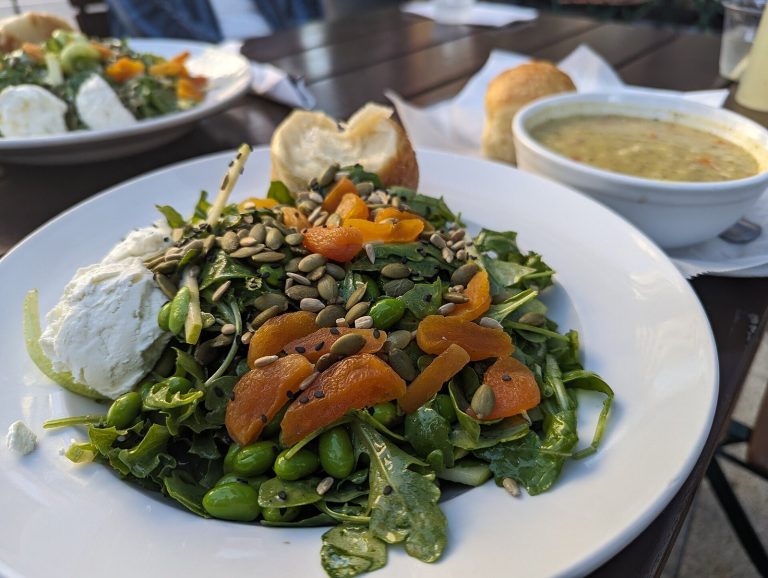
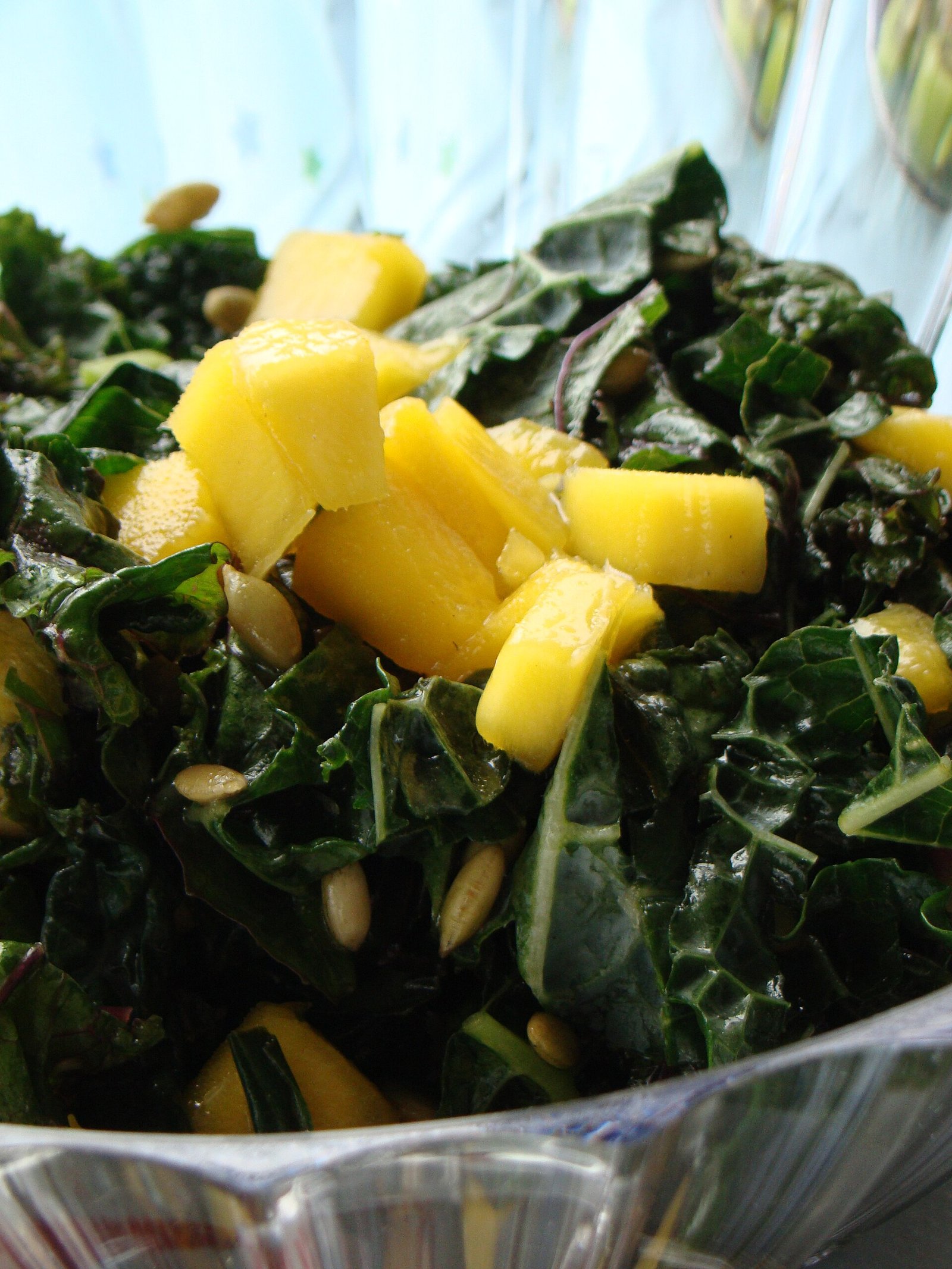
- – Calcium-rich foods first. ODS and NIAMS agree that milk, yogurt, and cheese are the main calcium sources for most people in the United States. Other sources include canned sardines and salmon with bones, kale, broccoli, bok choy, calcium-set tofu, and calcium-fortified juices or plant beverages (check labels). If we do not get enough dietary calcium, the body takes what it needs from bone, which over time raises osteoporosis risk (NIAMS).
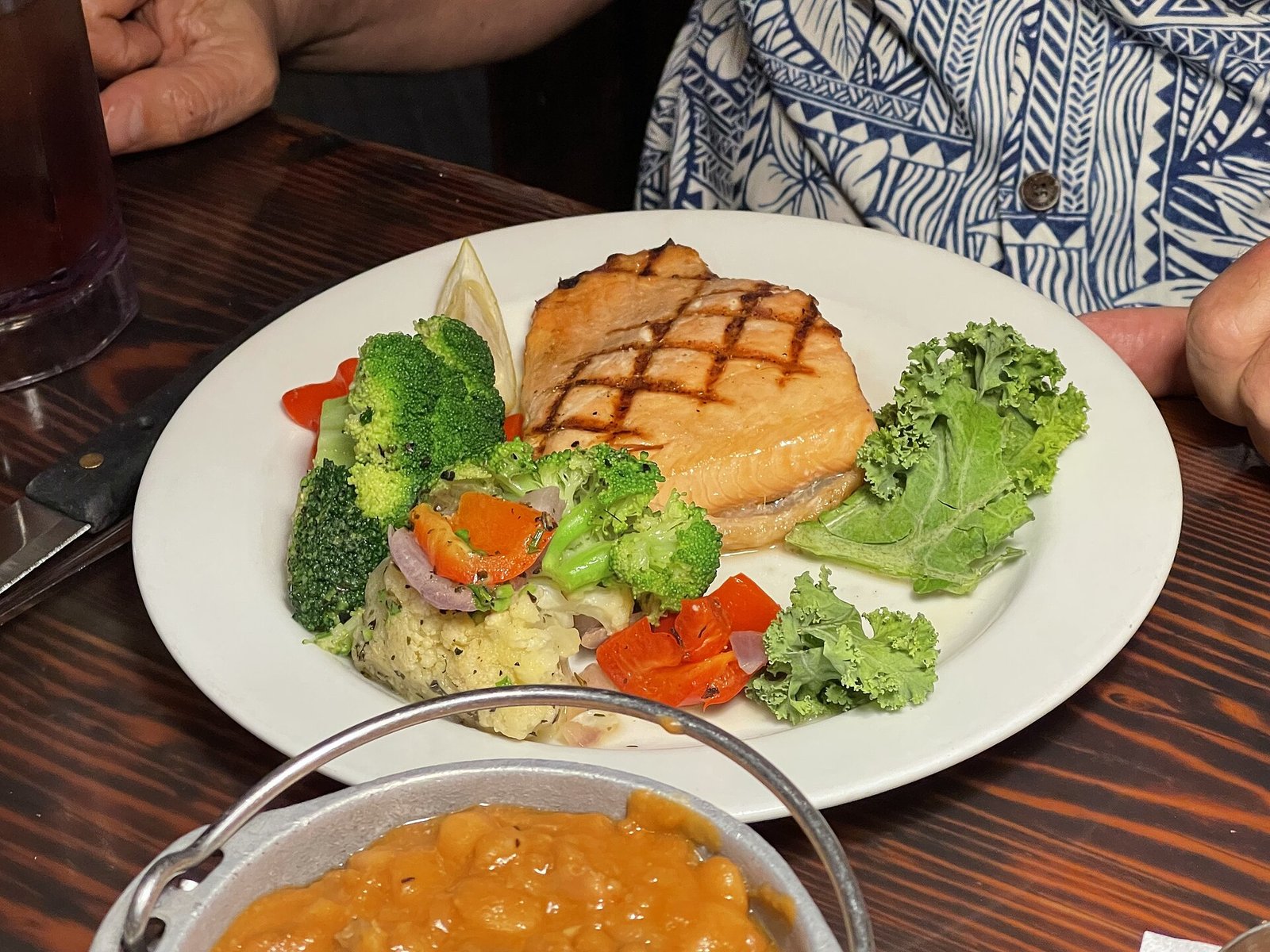
- – Vitamin D sources that help calcium absorption. ODS: very few foods naturally contain vitamin D. Fatty fish (trout, salmon, tuna, mackerel) are among the best natural sources; fortified milk and many plant milks, some cereals, some juices and yogurts, and egg yolks also contribute. Unprotected time in the sun should still be limited because ultraviolet radiation can cause skin cancer.
- – Meeting recommended amounts unless your clinician sets a different target. ODS (also summarized by NIAMS): most adults ages 19–50 need 1,000 mg of calcium per day; women older than 50 and men older than 70 need 1,200 mg. Vitamin D recommendations are 15 mcg (600 IU) daily for most people ages 1–70 and 20 mcg (800 IU) after age 70. If food falls short, ask whether a supplement is appropriate.
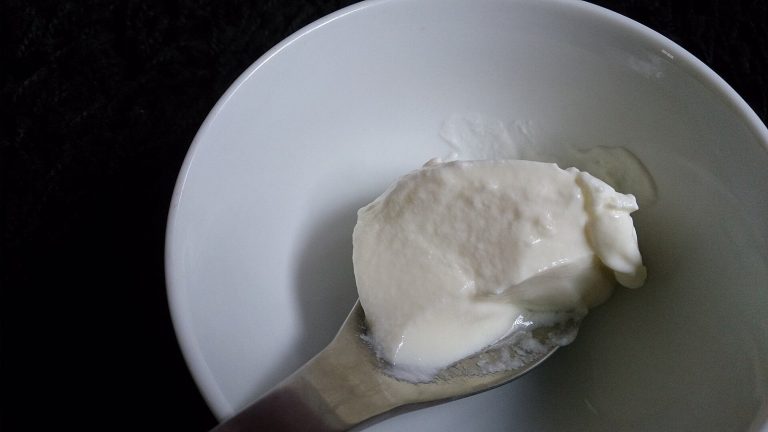
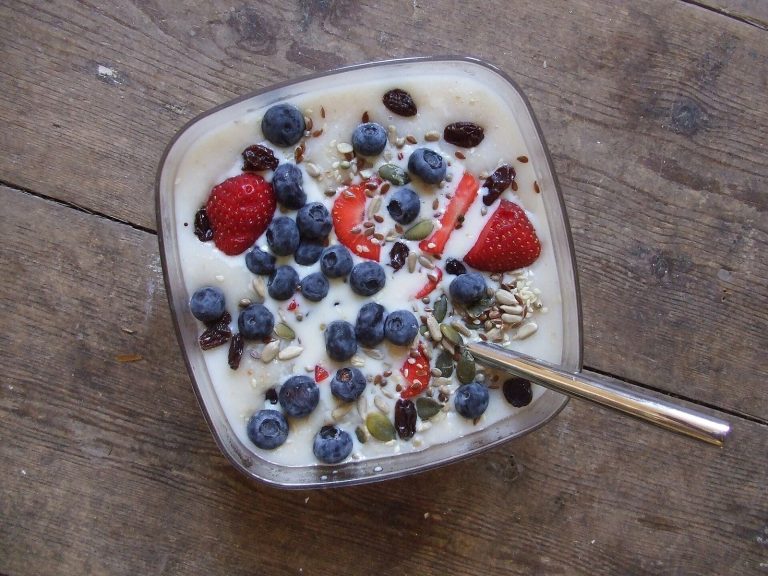
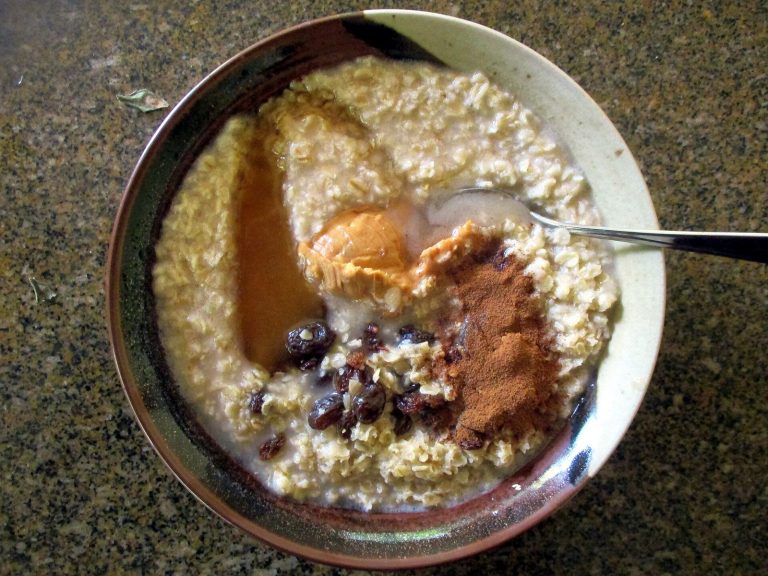
- – Regular meals you can manage with a cast or limited mobility. Sit-down foods such as yogurt, eggs, canned fish, and oatmeal help you eat enough when cooking is harder.
Pattern that supports the orthopedic plan
Ask whether this fracture should trigger a bone-density test, especially if you are 65 or older or the break happened from a modest fall. NIAMS: osteoporosis is often silent until a bone breaks, and the risk of another fracture is highest in the year or two after the first one.
Foods and habits that often worsen bone recovery goals
- – Tobacco. NIAMS: tobacco can weaken bones; avoiding it is one way to lower the risk of another fracture.
- – Heavy alcohol intake. NIAMS advises limiting alcohol to two drinks a day for men and one drink a day for women because alcohol can weaken bones.
- – Relying only on unfortified cheese or ice cream for vitamin D. ODS: those foods are usually not vitamin D–fortified, even when they provide calcium. Check labels.
- – High-dose calcium all at once, or stacking supplements without advice. ODS: calcium is absorbed best at 500 mg or less at one time; supplements can cause gas, bloating, or constipation. Adult upper limits are 2,500 mg per day from ages 19–50 and 2,000 mg from age 51 onward from all sources. Calcium can also interfere with levothyroxine, some antibiotics, and certain HIV medicines.
- – Megadose vitamin D without monitoring. ODS: very high blood levels are almost always caused by excessive supplements and can cause nausea, confusion, or kidney stones. The usual adult upper limit is 100 mcg (4,000 IU) per day unless a clinician is treating a documented deficiency.
- – Ignoring fall hazards at home while focusing only on food. NIAMS also emphasizes home safety and vision checks.
Practical kitchen protocol: a fracture-recovery week
1. Protect the bone in parallel
Follow weight-bearing and range-of-motion instructions exactly. Do not add jumping or heavy lifting because a “bone diet” suggested it. NIAMS: a physical therapist can help design a safe plan; posture and support (a chair, cane, or walker) matter during exercise.
2. Shopping list and default plate
Stock milk or a calcium- and vitamin D–fortified plant beverage, yogurt, cheese, canned salmon or sardines with bones, leafy greens, calcium-set tofu if you use it, eggs, a fatty fish you like, fortified cereal, and easy produce. Aim for a calcium source at most meals, a vitamin D source daily (fortified milk, fatty fish several times a week, or a clinician-approved supplement), vegetables and fruit, and enough total food so you are not under-eating. Skip tobacco; keep alcohol within the NIAMS limits, or avoid it if your clinician requires that.
3. Sample day (illustrative)
- – Breakfast: fortified cereal or oatmeal with fortified milk, plus yogurt or eggs.
- – Lunch: canned salmon salad or a cheese-and-vegetable omelet; fruit.
- – Dinner: baked trout or salmon, cooked greens such as kale or broccoli, and a starch.
- – If a supplement is prescribed, take calcium in split doses and vitamin D with a meal that includes some fat (ODS notes vitamin D is fat-soluble).
4. If this was a hip or ankle surgery, or if osteoporosis is already diagnosed
Post-operative issues are more specific than this general page. See diet after hip fracture surgery guide or diet after ankle fracture surgery guide, and osteoporosis diet guide if bone density is part of the plan.
5. After the cast comes off
Healing milestones are set by imaging and your clinician, not by a grocery list. Continue calcium and vitamin D patterns and the prescribed activity plan. NIAMS notes the next-fracture risk stays high for a year or two.
Safety, interactions, and who should ask a clinician first
- – Numbness, blue or cold fingers or toes in a cast, increasing pain, fever, or a wound that drains: seek care promptly.
- – History of kidney stones, chronic kidney disease, high blood calcium, or parathyroid disease: do not start high-dose calcium or vitamin D without medical advice.
- – If you take levothyroxine, some antibiotics, certain HIV medicines, thiazide diuretics, steroids, or orlistat, review supplement timing with a pharmacist (ODS).
- – Postmenopausal women, older men, and anyone with a fragility fracture: ask about bone-density testing (NIAMS).
FAQ
Can eating more dairy set my fracture faster? Public pages support getting recommended calcium and vitamin D for bone health. They do not give a food that shortens healing by a set number of weeks.
Should I start a high-dose calcium plus vitamin D pill today? Not automatically. ODS recommends food first and notes mixed evidence that supplements prevent fractures. Ask your clinician about dose and timing if your intake or blood level is low.
Is cheese a good vitamin D source? Usually not. ODS: cheese and ice cream are typically not vitamin D–fortified, even though they can provide calcium. Fortified milk, fatty fish, and some cereals are more reliable sources.
Do I have to stop all exercise until the bone is fully healed? Follow your orthopedic plan. NIAMS cautions that avoiding exercise altogether can worsen bone and muscle loss, but the type of exercise must be safe for the healing bone.
Why would my clinician check for osteoporosis after a fall? MedlinePlus: low bone density and osteoporosis make breaks much more likely. NIAMS: in people 65 and older, a hip or spine fracture is often related to osteoporosis.
When should I see a doctor? Immediately if you think a bone is broken. During recovery, call for cast problems, fever, or questions about bone-density testing.
How this differs from related OTCFood topics
This page is a general fracture-recovery diet guide focused on calcium and vitamin D food sources, supplement caution, and tobacco and alcohol limits while a bone is healing—not a hip- or ankle-surgery protocol or an osteoporosis-drug guide.
Medical disclaimer
Medical disclaimer: This article is for general information only. It is not medical advice, diagnosis, or a treatment plan. Fracture care depends on the bone involved, whether the break is open or closed, hardware, fall risk, bone density, and your clinician’s judgment. Talk with a clinician or registered dietitian before changing an eating plan or supplement. Seek urgent care for a suspected new fracture, cast-related circulation problems, unrelieved pain, fever, or shortness of breath.