Herniated Disc Diet: Foods That May Help and Foods to Limit
Medical note: This article discusses foods and researched botanicals. It does not claim to prevent, treat, or cure disease. Supplements are not a substitute for food, and studied amounts are not personal prescriptions.
People searching “herniated disc diet foods that help or worsen” usually want meals that are easier while back or neck pain limits shopping and cooking—not a claim that food pulls a disc back into place, cures a rupture, or replaces physical therapy, medicines, or surgery when those are needed. MedlinePlus describes a herniated disk as a disk that ruptures so the jelly-like center can leak and irritate nearby nerves, which may cause sciatica or back pain. Mayo Clinic explains that the soft center pushes through a tear in the outer layer; it is most common in the lower back but can also occur in the neck, and most people do not need surgery. The former NINDS herniated-disk page no longer returns a dedicated fact sheet, so this article also uses NIAMS — Back Pain and its diagnosis and treatment page, which list herniated discs among mechanical causes of back pain and discuss healthy eating, weight, calcium, and vitamin D. Kitchen patterns may help with weight, constipation strain, and meal logistics; they do not treat the disc itself.
What this herniated disc diet guide covers (and what it does not)
This guide is for adults with a clinician-recognized herniated disc in the neck or back who want practical eating during recovery. Anchors: MedlinePlus — Herniated Disk, MedlinePlus encyclopedia — Herniated disk, Mayo Clinic — Herniated disk, and the NIAMS back-pain pages above.
Mayo Clinic lists arm or leg pain, numbness or tingling, and weakness among symptoms, depending on location; some people have no symptoms. MedlinePlus notes that pain may worsen after standing or sitting, at night, when coughing or sneezing, or when straining during a bowel movement. Risk factors include extra body weight, demanding work, smoking, family history, frequent driving, and lack of exercise. Related reading: Lumbar Disc Herniation Diet: Foods That May Help and Foods to Limit, Sciatica Diet: Foods That May Help and Foods to Limit, constipation diet guide, and obesity diet guide.
Evidence snapshot: herniated disc diet claims vs public sources
| Claim people hope for | What public sources actually say | Confidence |
|---|---|---|
| “An anti-inflammatory diet heals a herniated disc” | Official pages describe mechanical disc injury, time, activity, medicines, physical therapy, and sometimes injections or surgery. They do not present a food protocol that repairs the annulus or retracts nucleus material | Strong against food-as-cure |
| “Weight does not matter” | Mayo Clinic: extra body weight puts extra stress on lower-back disks; keeping a healthy weight is part of prevention. MedlinePlus: if you are overweight, diet and exercise are very important for improving back pain. NIAMS: a high-calorie, high-fat diet plus inactivity can lead to obesity that stresses the back | Strong that weight is relevant |
| “I should stay in bed and barely eat” | NIAMS: avoid bed rest; limit painful activities and gradually increase activity. MedlinePlus: reduce activity for the first few days, then slowly restart usual activities | Strong against prolonged bed rest |
| “Calcium or vitamin D will pop the disc back in” | NIAMS recommends a healthy diet with enough calcium and vitamin D to help keep the spine strong. That is bone-support language, not a disc-reduction treatment | Moderate for bone-supportive eating; strong against a “disc vitamin” claim |
| “Smoking is unrelated” | Mayo Clinic: smoking may lessen blood flow to spinal disks and make them break down faster. MedlinePlus lists smoking among risk factors | Strong caution |
Foods and patterns that may help with herniated disc recovery
“May help” means supporting weight, regularity, and easier meal prep while medical and physical therapy plans do the mechanical work—not a guarantee of zero pain.
Everyday patterns often recommended
- – A calorie-conscious, nutrient-dense pattern if extra weight is part of your clinician’s plan (Mayo Clinic, MedlinePlus, NIAMS)
- – A healthy diet with enough calcium and vitamin D, which NIAMS lists among steps that help keep the spine strong; food sources first unless your clinician recommends a supplement. See Osteoporosis Diet: Foods That May Help or Worsen Bone Health if bone health is also being evaluated
- – Fiber-rich vegetables, fruit, beans, oats, and fluids if constipation or straining with bowel movements is aggravating pain (MedlinePlus lists straining during a bowel movement as a pain trigger)
- – Proteins you can prepare with less lifting and twisting—eggs, yogurt, canned fish, lentils, or cooked poultry—and simpler meals if standing at the stove increases pain
Pattern that supports movement, not a miracle spice
NIAMS includes healthy diet, exercise, regular sleep, and quitting smoking among lifestyle changes for back pain. Pair kitchen changes with your activity plan rather than substituting a “disc diet” for movement.
Foods and habits that often worsen symptoms or recovery
- – A high-calorie, high-fat pattern plus inactivity when extra weight is stressing the lower back (NIAMS, Mayo Clinic).
- – Heavy grocery bags, awkward lifting, or twisting while loading the refrigerator. Mayo Clinic and MedlinePlus both flag lifting with the back, or twisting while lifting, as injury pathways; NIAMS says to use leg and abdominal muscles, not the back, and to make extra trips rather than carrying too much at once.
- – Low-fiber eating that leads to constipation and straining, which can worsen pain (MedlinePlus).
- – Smoking or other tobacco use, which Mayo Clinic links with weaker disks and higher herniation risk.
- – Prolonged sitting with no breaks—frequent driving is a Mayo Clinic risk factor; NIAMS advises getting up and changing positions when you sit for a long time, including on long drives.
- – Ignoring red flags. Mayo Clinic: seek emergency care for worsening weakness, bladder or bowel problems, or saddle anesthesia (numbness in the inner thighs, backs of the legs, or around the rectum). MedlinePlus also flags loss of bladder or bowel control.
“Limit” means reducing strain and constipation while the disc is managed—not a lifelong ban on every higher-fat meal.
Practical kitchen protocol: a herniated-disc-aware week
1. Treat the disc in parallel
Follow your clinician’s plan for a short rest period, pain control, and physical therapy. MedlinePlus: most people who follow these treatments recover and return to normal activities.
2. Shopping list that is easier on the spine
Pre-washed greens, frozen vegetables, oats, beans, yogurt, eggs, canned fish, fruit, and another high-fiber staple you tolerate. Use a wheeled cart, pack lighter bags, and keep frequent items at counter height.
3. Default plate template
- – Half vegetables and fruit (fiber plus volume)
- – A quarter protein
- – A quarter starch such as oats, rice, or potato
- – Water across the day
- – Stop eating before uncomfortable fullness if bloating increases back awareness
4. Sample day (illustrative)
- – Breakfast: oatmeal with fruit, prepared at the counter, eaten sitting in a supportive chair.
- – Lunch: a yogurt-and-bean bowl or canned fish with vegetables, assembled rather than cooked from scratch if standing is limited.
- – Snack: fruit or a handful of fiber-rich cereal if tolerated.
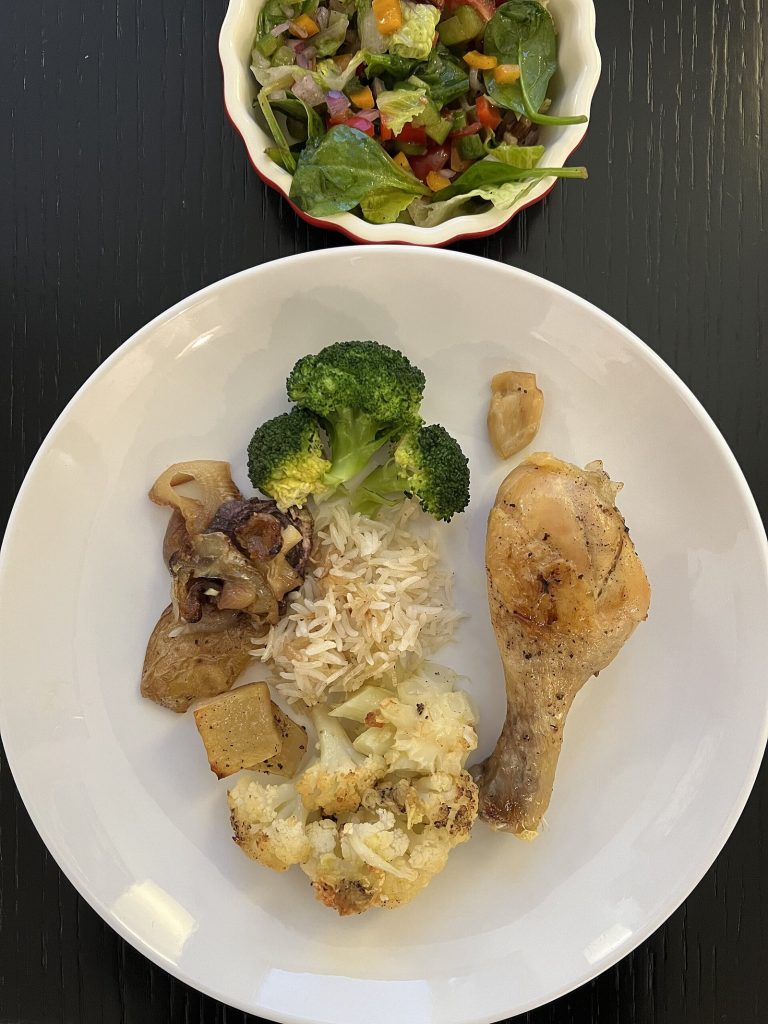
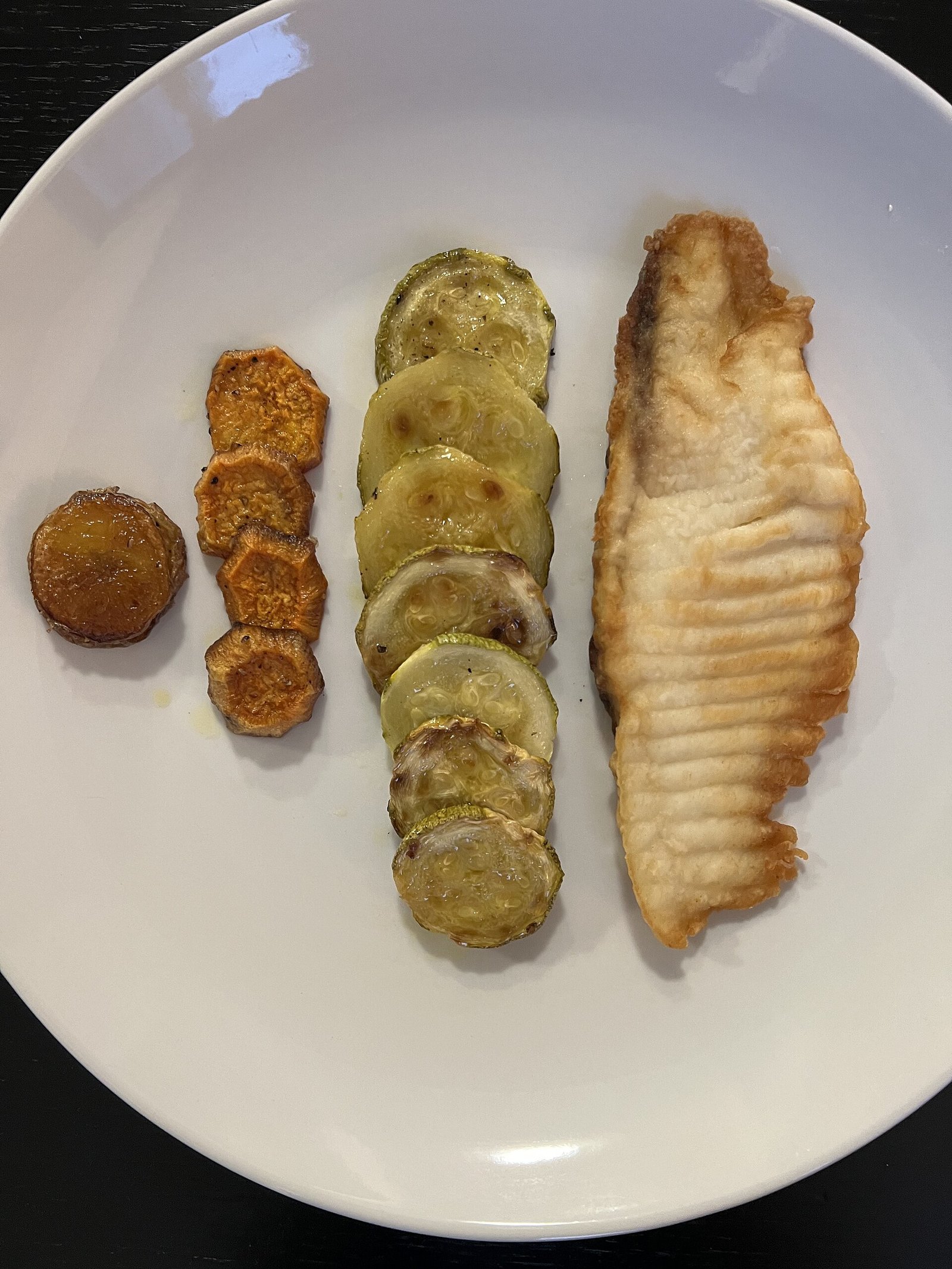
- – Dinner: baked fish or chicken, potatoes, and cooked greens; ask someone else to lift the roasting pan if bending and twisting hurt.
- – Evening: a warm or high-fiber snack if constipation is a problem; see constipation diet guide. Avoid late heavy lifting in the kitchen.
5. If the disc is in the neck rather than the low back
Cervical herniation can make looking down at a cutting board or a low pot painful (MedlinePlus describes neck pain that may move into the shoulder and arm). Raise the work surface and keep pans off low drawers.
6. After pain starts to settle or after surgery
Increase usual activities gradually (MedlinePlus: avoid heavy lifting or twisting for the first six weeks after pain starts, then gradually exercise again after two to three weeks as advised). After later disc or fusion surgery, follow that team’s instructions; see also Diet After Laminectomy: Foods That May Help and Foods to Limit and Diet After Spinal Fusion: Foods That May Help and Foods to Limit.
Safety, interactions, and who should ask a clinician first
- – Bladder or bowel changes, saddle numbness, or rapidly worsening leg weakness: emergency care (Mayo Clinic, MedlinePlus).
- – Severe pain after a fall, pain with fever, or unintended weight loss: see a clinician (NIAMS warning signs for back pain).
- – Long-term NSAID or opioid use for disc pain: ask about stomach, kidney, constipation, and sedation risks; do not add other pain medicines or alcohol without advice.
- – Kidney stone history or high-dose calcium: review supplements before using “spine strength” products.
- – Pregnancy or a complex medicine list: tailor weight and fiber changes with a clinician or registered dietitian.
FAQ
Can diet fix a herniated disc? No. Official pages describe mechanical disc problems and treatments such as activity, medicines, physical therapy, injections, or surgery. Eating patterns may help with weight, constipation, and cooking logistics.
Why is weight mentioned so often? Mayo Clinic and NIAMS explain that extra weight stresses the spine and disks. MedlinePlus says diet and exercise are very important for back pain if you are overweight. Weight change is gradual and should be clinician-guided.
Should I take calcium and vitamin D for the disc? NIAMS recommends getting enough of both to help keep the spine strong. That is not the same as reversing a herniation. Ask before supplementing, especially if you have kidney issues.
Why would fiber matter? MedlinePlus notes that pain may worsen when you strain during a bowel movement. A fiber- and fluid-aware pattern may reduce that strain if constipation is present.
Is this the same as the lumbar disc herniation guide? This page covers herniated discs more generally, including cervical problems and everyday kitchen logistics. For a lumbar-focused companion, see Lumbar Disc Herniation Diet: Foods That May Help and Foods to Limit.
When is this an emergency? Seek emergency care for bladder or bowel problems, saddle anesthesia, or rapidly worsening weakness—not another recipe change.
How this differs from related OTCFood topics
This page is a herniated disc–bound diet guide focused on weight-aware eating, constipation strain, safer kitchen lifting, and calcium/vitamin D as bone-supportive—not curative—nutrients. It is not a sciatica-only page or a substitute for urgent evaluation of cauda equina warning signs.
Medical disclaimer
Medical disclaimer: This article is for general information only. It is not medical advice, diagnosis, or a treatment plan. Herniated disc care depends on the disc’s location, nerve symptoms, other spine conditions, medicines, and your clinician’s judgment. Talk with a clinician, physical therapist, or registered dietitian before starting, stopping, or changing any eating plan, supplement, or medicine. Seek emergency care for new bowel or bladder problems, numbness in the groin or saddle area, or rapidly worsening weakness in the legs.