Diet After Ankle Fracture Surgery: Foods That May Help and Foods to Limit
Medical note: This article discusses foods and researched botanicals. It does not claim to prevent, treat, or cure disease. Supplements are not a substitute for food, and studied amounts are not personal prescriptions.
People searching “diet after ankle fracture surgery foods that help or worsen” usually want protein-, calcium-, and vitamin D–aware kitchen habits that support healing while they follow weight-bearing limits and physical therapy—not a claim that food knits bone faster than the surgical timeline or replaces immobilization, infection watches, or PT. MedlinePlus describes a broken bone (fracture) as a split or break when more pressure is put on a bone than it can stand, and notes open fractures when bone punctures skin. OrthoInfo (AAOS) patient education on ankle fractures covers diagnosis, casting/boot care, and surgical fixation when bones are displaced—kitchen work stays supportive beside that orthopedic plan. NIH Office of Dietary Supplements (ODS) consumer fact sheets summarize food sources of calcium and vitamin D that many fracture-recovery meal plans emphasize.
What this after-ankle-fracture-surgery diet guide covers (and what it does not)
This guide is for adults recovering from operative ankle fracture fixation (plates, screws, or related ORIF) who want practical nutrition while non-weight-bearing or advancing gait as ordered. Anchors: MedlinePlus — Broken bone, OrthoInfo — Ankle fractures, ODS — Calcium, and ODS — Vitamin D.
Food does not replace elevation, venous-thromboembolism precautions when prescribed, wound care, smoking cessation counseling, or PT progressions. Related reading: osteoporosis diet guide, calcium deficiency diet guide, vitamin D deficiency diet guide, and diet after ACL reconstruction guide.
Evidence snapshot: after-ankle-fracture diet claims vs public sources
| Claim people hope for | What public sources actually say | Confidence |
|---|---|---|
| “A bone broth cleanse fuses hardware faster than X-ray timelines” | Orthopedic care centers reduction/fixation, protection, and rehab—not culinary cures | Strong: food is supportive |
| “Calcium- and vitamin D–containing patterns support bone health generally” | ODS summarizes roles of calcium and vitamin D in bone health and lists food/supplement contexts | Moderate for supportive nutrition |
| “Protein-containing meals support tissue recovery fueling” | General surgical recovery nutrition emphasizes adequate protein; exact targets come from your RD/surgeon context | Moderate as supportive |
| “Smoking is fine if calcium tablets are high” | Fracture and surgical education routinely note smoking impairs healing—quit resources matter | Strong for quitting priority |
| “PT is optional if you drink collagen coffee” | Ortho recovery depends on protected motion and progressive loading per surgeon/PT—not beverages alone | Strong: rehab is primary |
Foods and patterns that may help after ankle fracture surgery day to day
“May help” means supporting energy, protein, and bone-nutrient intake while mobility is limited—not guaranteeing union by a calendar date.
Protein-forward, easy-prep meals
- – Eggs, Greek yogurt, cottage cheese, fish, poultry, tofu, beans, and lentil soups when appetite is low after anesthesia or opioid use.
- – Keep grab-and-go proteins at wheelchair or scooter height so you are not hopping to high shelves.
Calcium-containing foods (food first when possible)
- – ODS lists dairy foods, fortified plant milks, tofu made with calcium sulfate, canned fish with soft bones, and some leafy greens among common sources—match choices to lactose tolerance and kidney advice.
- – If your clinician orders a calcium supplement (for example, in osteoporosis workups), follow dose timing; do not stack random megadoses.
Vitamin D awareness
- – ODS notes vitamin D from fortified milk, fatty fish, and supplements when diet/sun are insufficient; labs and dosing belong with your clinician—especially if malabsorption or limited outdoor time during casting.
Fiber and fluids while opioids slow the bowels
- – Constipation after pain medicines is common: oats, fruit, vegetables, and water as tolerated—see also constipation diet guide themes—coordinate if you are fluid-restricted for other diseases.
Produce and overall energy
- – Immobility can drop appetite; small frequent meals beat skipping calories for days. Include colorful vegetables and fruit for general micronutrients while you recover.
Micronutrients beyond the calcium poster
Vitamin C–containing fruit and vegetables support general tissue repair nutrition; iron-rich foods matter if surgical blood loss or heavy periods coexist—coordinate testing rather than self-starting high-dose iron that constipates. Multivitamins are optional for many adults eating varied diets; they are not a license to skip protein at dinner.
Constipation protocol worth posting on the fridge
Opioid pain medicines and reduced walking commonly slow the bowels after ankle surgery. Ask your surgeon whether a scheduled stool softener is appropriate; pair it with fluids and fiber as tolerated instead of waiting until day five of no stool. Keep prune puree or kiwi in easy reach; avoid harsh unprescribed stimulant laxative stacks that cause cramping while you cannot easily reach the bathroom on crutches.
Mood, sleep, and appetite during boot weeks
Immobility and sleep disruption can flatten appetite. Set phone alarms for meals, keep a cooler bag beside the recliner, and accept help with chopping. If low mood or poor intake lasts more than a couple of weeks, tell your clinician—nutrition support and mental-health resources may matter as much as another collagen powder.
Foods and habits that often worsen after-ankle-fracture kitchen patterns
- – Continued smoking or vaping nicotine—hurts bone and wound healing trajectories discussed across fracture education.
- – Heavy alcohol that impairs balance (fall risk) and may interact with pain medicines.
- – Ultra-low-calorie “crash diets” during the healing window when protein needs are still real.
- – Megadose unsupervised supplement stacks (especially fat-soluble vitamins) without labs.
- – Ignoring blood-clot warning signs (calf pain/swelling beyond expected postop change, chest pain, shortness of breath) while focusing only on macros.
- – Hauling giant water-cooler jugs upstairs against weight-bearing and lifting rules “for hydration.”
“Limit” means reducing healing and safety risks—not banning a birthday dessert once appetite returns.
Practical kitchen protocol: weeks after ankle ORIF
1. Medical spine first
Confirm weight-bearing status, boot/cast care, wound checks, DVT prophylaxis if prescribed, and PT schedule. Put elevation pillows where you eat so meals do not mean dangling the foot down for an hour.
2. Shopping list for healing-aware, low-mobility cooking
Eggs; yogurt; cottage cheese; canned fish; frozen vegetables; oats; beans; fortified milk or alternative; fruit you will actually eat; olive oil; stool softener only if your surgeon advised one; a reacher/grabber for fridge items.
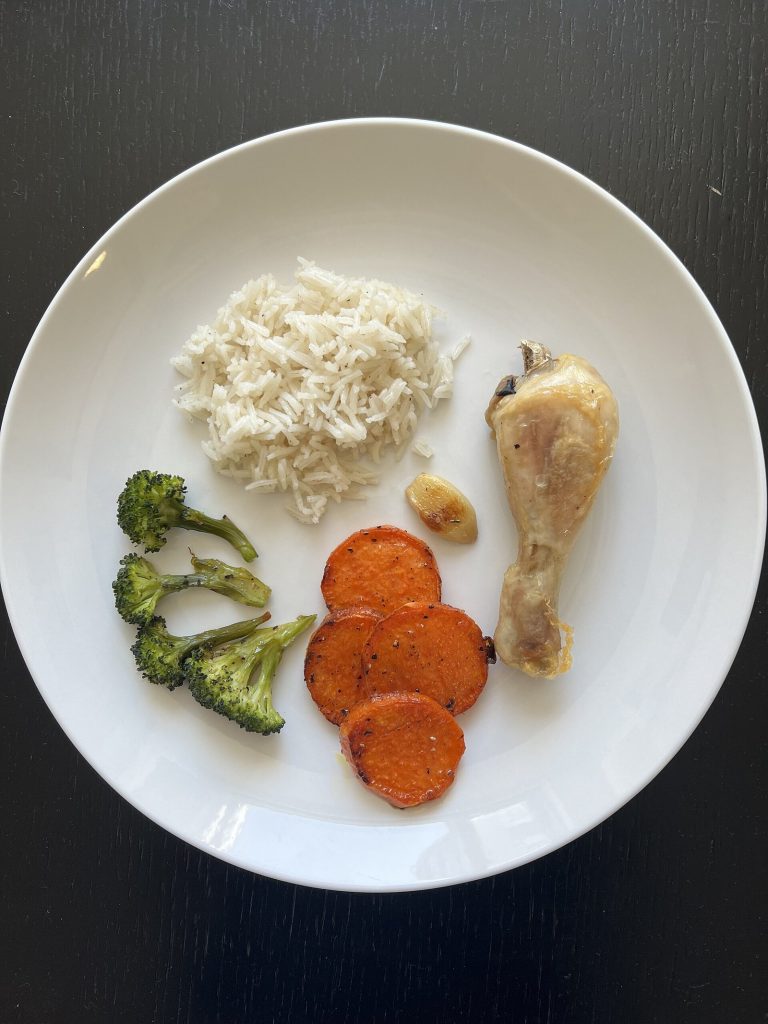
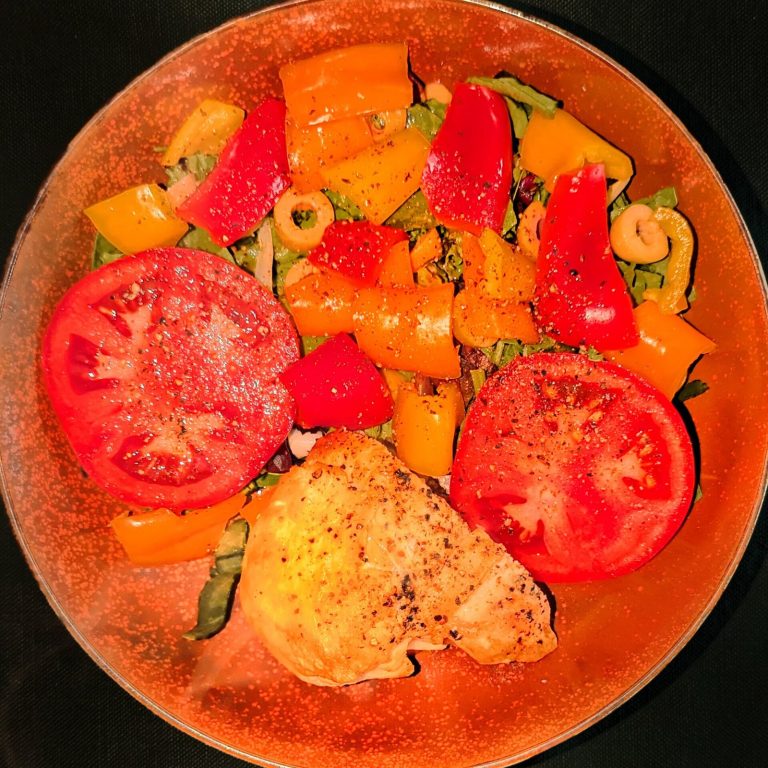
3. Default plate template (when advancing)
- – Soft or easy-cut lean protein
- – Calcium-containing side or fortified milk with the meal
- – Fruit or vegetables
- – Fluid within any medical limits
4. Sample day (illustrative)
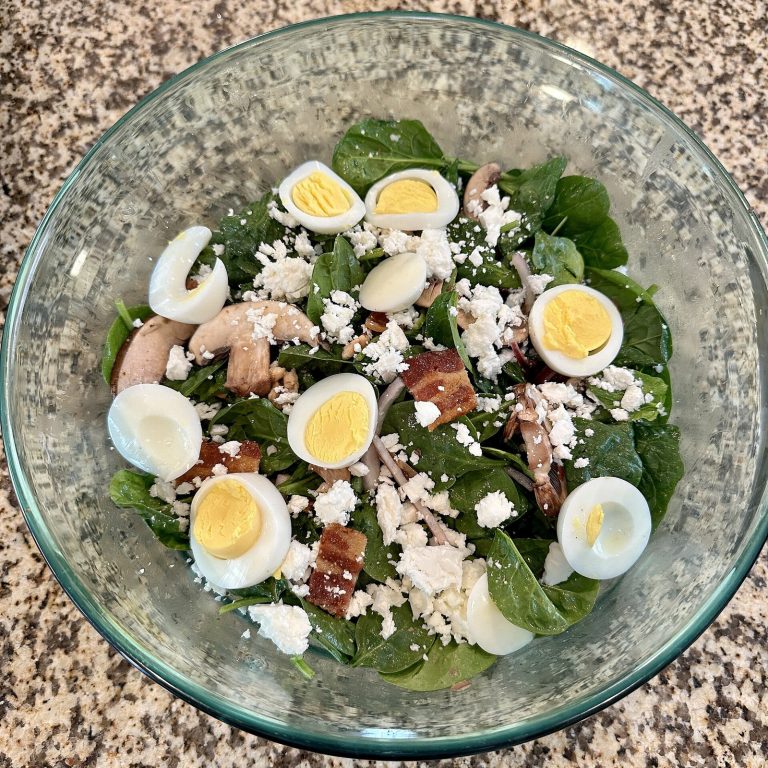
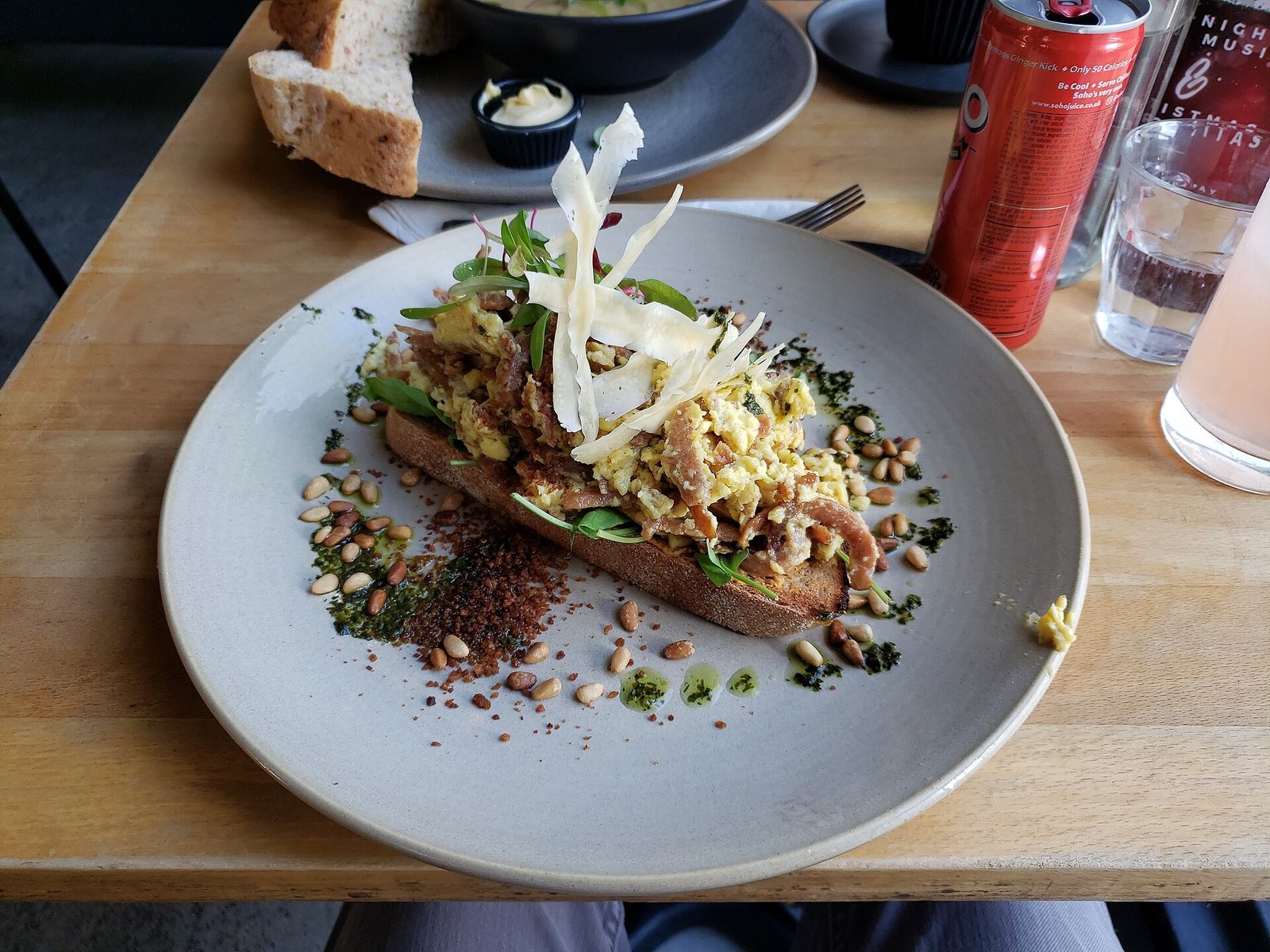
- – Breakfast: scrambled eggs and fortified milk; banana.
- – Lunch: lentil soup; yogurt; fruit.
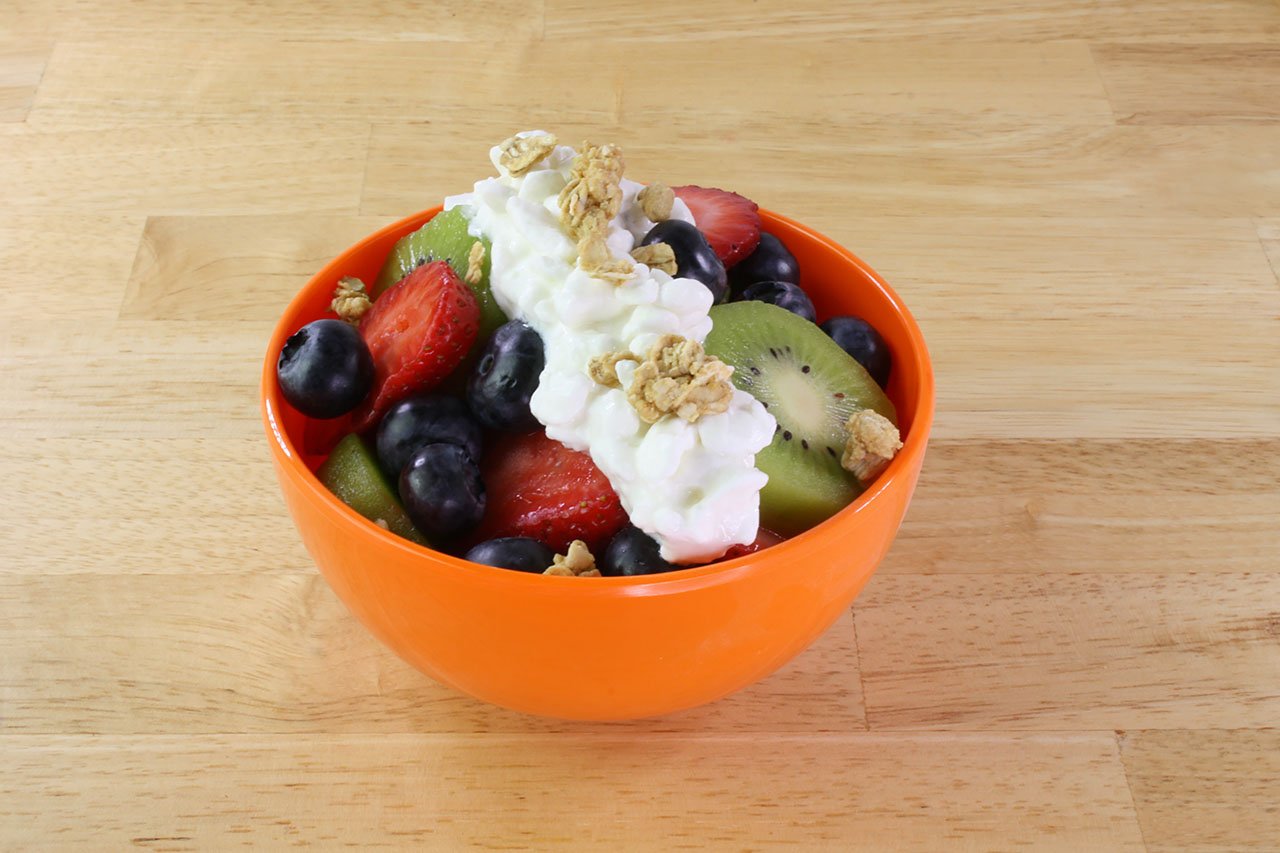
- – Snack: cottage cheese with pineapple or berries if tolerated.
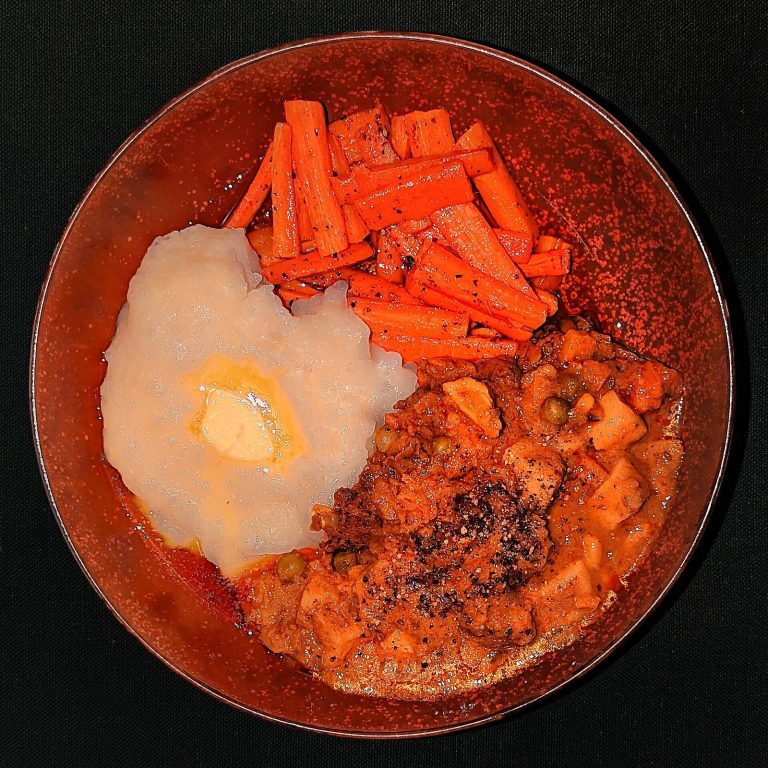
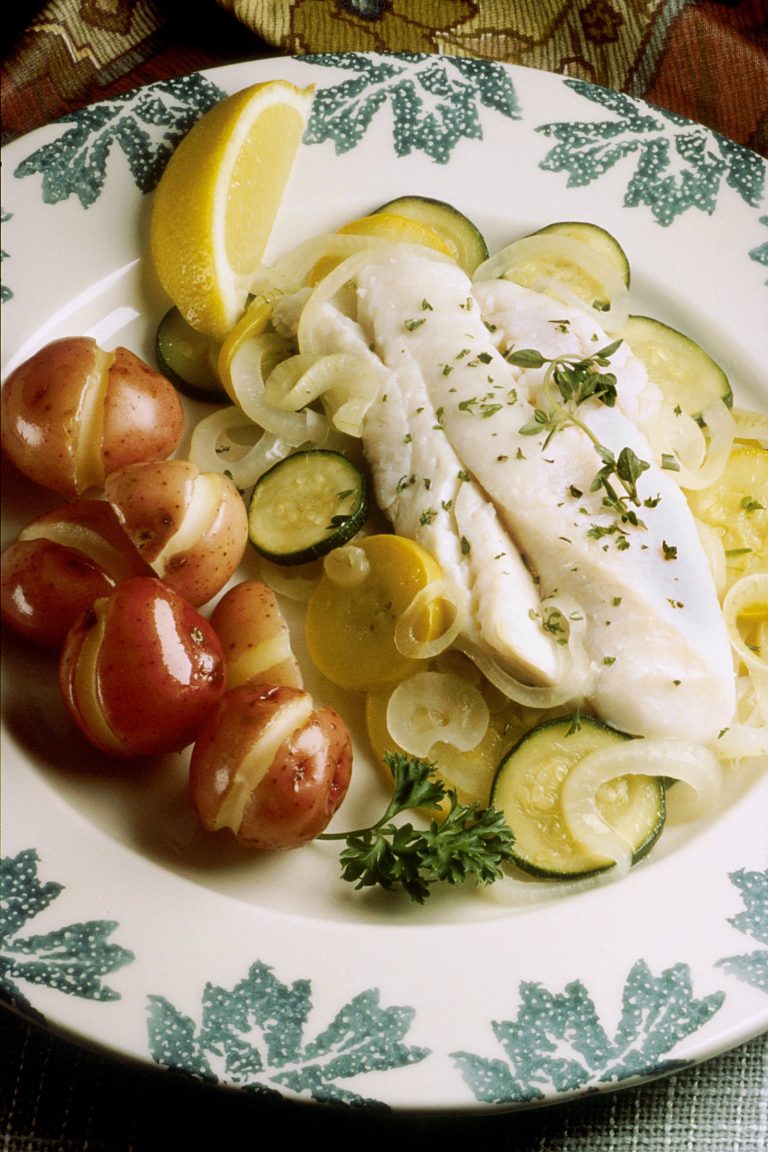
- – Dinner: baked fish, potato, cooked greens; glass of milk or fortified alternative if that fits your plan.
- – Evening: elevate ankle; review tomorrow’s PT transport food (protein bar + fruit) so you are not skipping meals.
5. Home setup tips
Move a mini pantry to waist height; sit to cook; use a rolling cart; accept grocery delivery during non-weight-bearing weeks.
6. If osteoporosis or prior fractures exist
Ask about bone-density evaluation after acute healing—patterns overlap osteoporosis diet guide and calcium deficiency diet guide, but hardware care stays orthopedic.
Safety, interactions, and who should ask a clinician first
- – Kidney stone history or kidney disease: individualize calcium and protein.
- – Diabetes: coordinate carb timing with limited mobility and steroid bursts if used.
- – Anticoagulants for DVT prevention: report unusual bleeding; ask before herbal “blood” products.
- – Contact the surgical team for fever, wound drainage, calf swelling with redness, numbness in the foot, or inability to control pain.
FAQ
Can diet make the fracture heal in half the time? No. Nutrition supports the biological environment; imaging and clinical union timelines belong to your surgeon.
Do I need collagen powder? Not required by public orthopedic pages as a standard of care; prioritize overall protein from meals unless your RD suggests otherwise.
How much calcium is “enough”? ODS provides age-based recommended intakes—confirm your target with the clinician managing bone health after fracture.
Should I avoid all dairy? Only if you have a clinical reason; dairy is a convenient calcium/protein source for many people. Fortified alternatives exist when dairy is not tolerated.
How is this different from knee or hip replacement diet pages? Shared protein and bone-nutrient themes appear in diet after knee replacement guide and diet after hip replacement guide, but ankle ORIF adds boot/cast constraints and ankle-specific weight-bearing rules.
How this differs from related OTCFood topics
This page is an ankle-fracture-surgery–bound diet guide focused on protein, calcium, vitamin D awareness, and constipation/safety habits during protected recovery. It is not a DIY reduction guide and not a substitute for orthopedic or PT follow-up.
Medical disclaimer
Medical disclaimer: This article is for general information only. It is not medical advice, diagnosis, or a treatment plan. Care after ankle fracture surgery depends on fracture pattern, fixation method, soft-tissue status, and your surgeon’s protocol. Talk with a clinician or registered dietitian before starting, stopping, or changing any eating plan, supplement, or medicine. Seek urgent care for chest pain, sudden shortness of breath, uncontrolled bleeding, or rapidly worsening limb symptoms.