Diet After Hip Fracture Surgery: Foods That May Help and Foods to Limit
Medical note: This article discusses foods and researched botanicals. It does not claim to prevent, treat, or cure disease. Supplements are not a substitute for food, and studied amounts are not personal prescriptions.
People searching “diet after hip fracture surgery foods that help or worsen” usually want kitchen habits that support bone nutrients, protein for recovery, and safer meal prep under walker or weight-bearing limits—not a claim that food knits bone faster than surgery and rehab allow or replaces osteoporosis medicines when prescribed. NIAMS notes that a hip or spine fracture after age 65 often signals osteoporosis, that fracture risk is highest in the year or two after a first break, and that calcium- and vitamin-D-aware eating plus fall prevention matter. CDC reports that falls cause most hip fractures in older adults and lists vitamin D deficiency among modifiable fall risk factors. MedlinePlus hip-injury pages and post–joint-surgery home-setup guidance emphasize fall-proof kitchens and reachable food storage.
What this after-hip-fracture-surgery diet guide covers (and what it does not)

This guide is for adults recovering from surgical treatment of a hip fracture who want practical eating patterns while they follow weight-bearing rules, physical therapy, and bone-health workups. Anchors: NIAMS — Preventing another broken bone, NIAMS — Osteoporosis, CDC — Preventing falls and hip fractures, CDC — Facts about older adult falls, ODS — Calcium, ODS — Vitamin D, and MedlinePlus — Getting your home ready for knee or hip surgery.
NIAMS stresses osteoporosis evaluation after fragility fracture, fall prevention, and nutritious calcium- and vitamin-D-rich eating. CDC notes nearly 319,000 older adults are hospitalized yearly for hip fractures and that vitamin D deficiency, lower-body weakness, and home hazards raise fall risk. Kitchen changes do not replace surgical follow-up or prescribed bone medicines. Related reading: osteoporosis diet guide and diet after hip replacement guide.
Evidence snapshot: after-hip-fracture-surgery diet claims vs public sources
| Claim people hope for | What public sources actually say | Confidence |
|---|---|---|
| “Calcium alone heals the fracture overnight” | NIAMS/ODS frame calcium and vitamin D as bone-health supports; surgery, PT, and sometimes osteoporosis medicines drive recovery | Strong: food is supportive only |
| “Vitamin D never matters after the bone is fixed” | CDC lists vitamin D deficiency as a fall risk factor; NIAMS notes low vitamin D can weaken muscles and raise fall risk; ask about supplements | Moderate–strong for fall/muscle context |
| “Protein restriction protects the hip implant/hardware” | Recovery generally needs adequate protein for healing and muscle; sarcopenia themes appear in related guides—individualize with your clinician | Moderate practical consensus |
| “Alcohol in moderation is irrelevant” | NIAMS osteoporosis guidance includes drinking alcohol in moderation and not smoking | Moderate |
| “Fall-proofing the kitchen is optional once surgery is done” | CDC/MedlinePlus emphasize home safety; one fall raises risk of another | Strong |
Foods and patterns that may help after hip fracture surgery day to day
“May help” means supporting bone-building nutrients, protein, and safe meal access so rehab nutrition is steadier—not a promise that dinner shortens the surgical healing calendar.
Calcium-aware food patterns
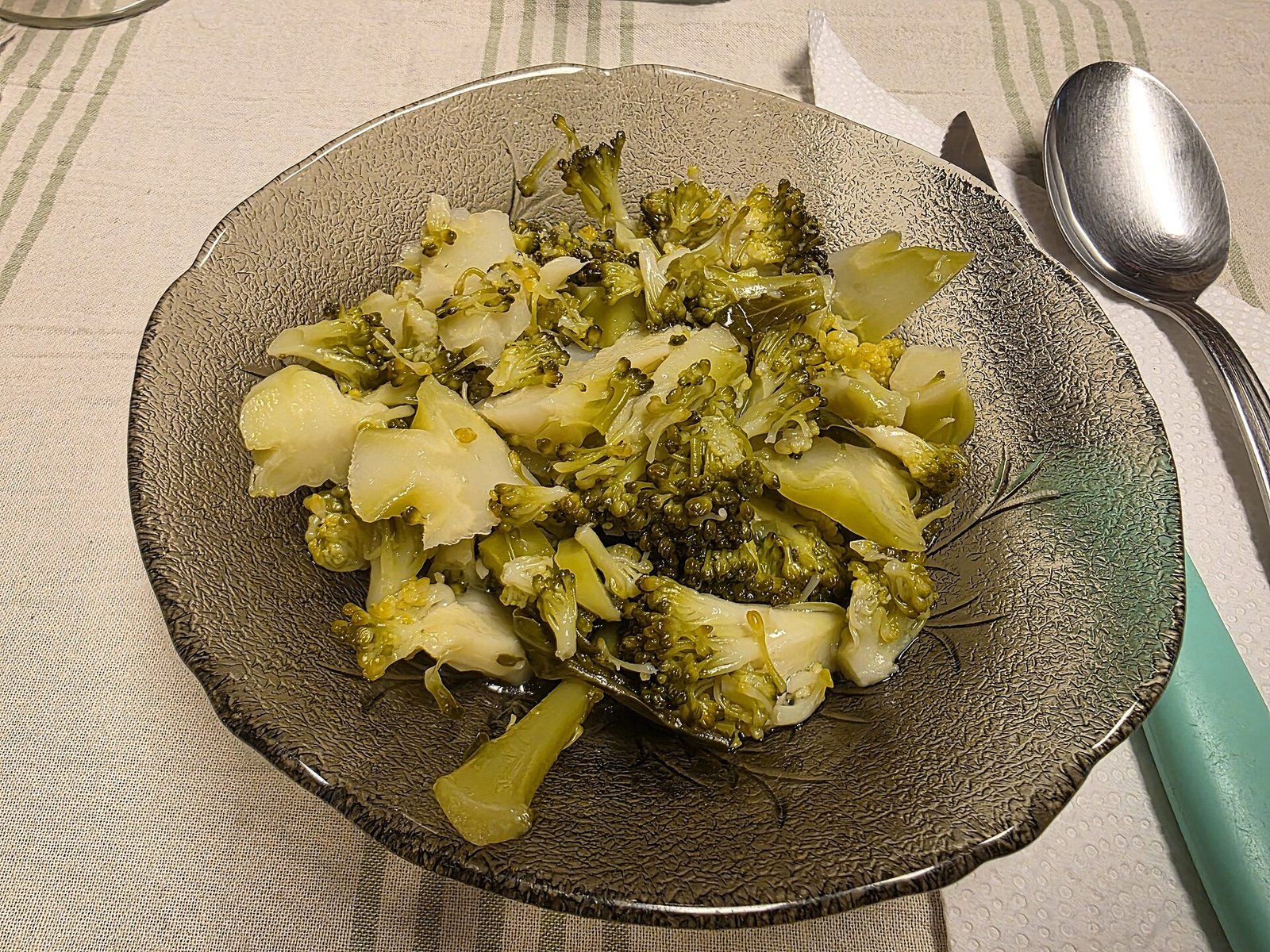
- – ODS: milk, yogurt, and cheese are main U.S. calcium sources; canned sardines/salmon with bones; kale, broccoli, bok choy; fortified juices and plant milks—check labels.
- – Recommended intakes (ODS): about 1,000 mg/day for many adults 19–50 and men 51–70; about 1,200 mg/day for women 51–70 and adults 71+. Confirm before megadosing supplements.
- – See calcium deficiency diet guide and osteoporosis diet guide.
Vitamin D–aware patterns
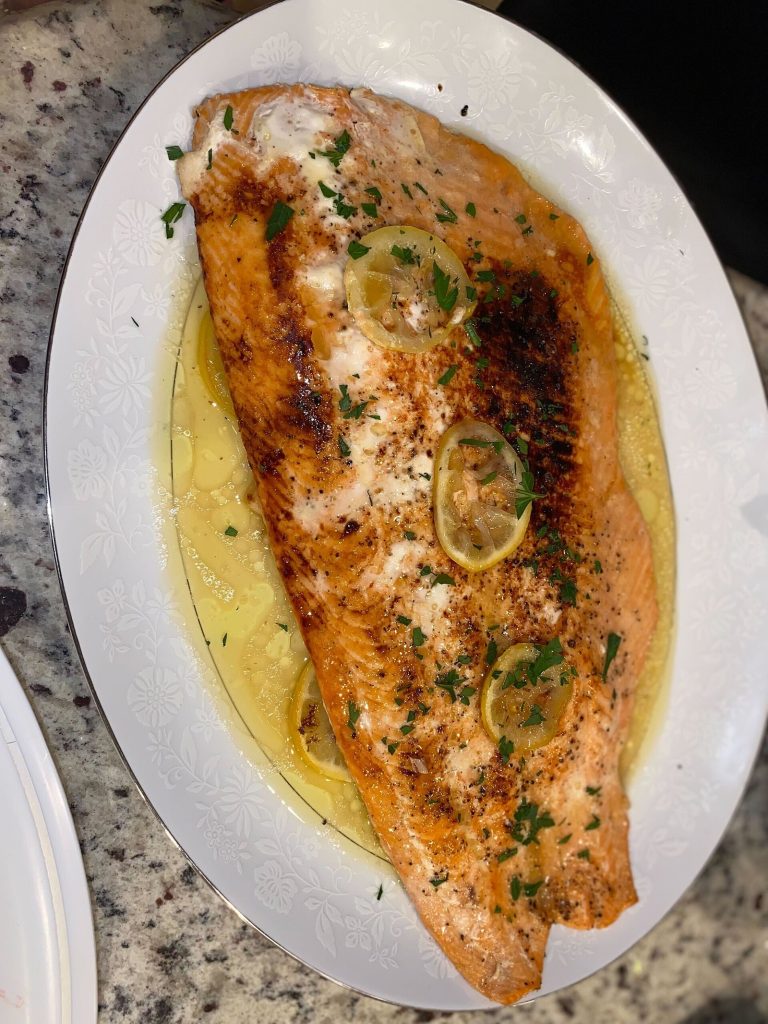
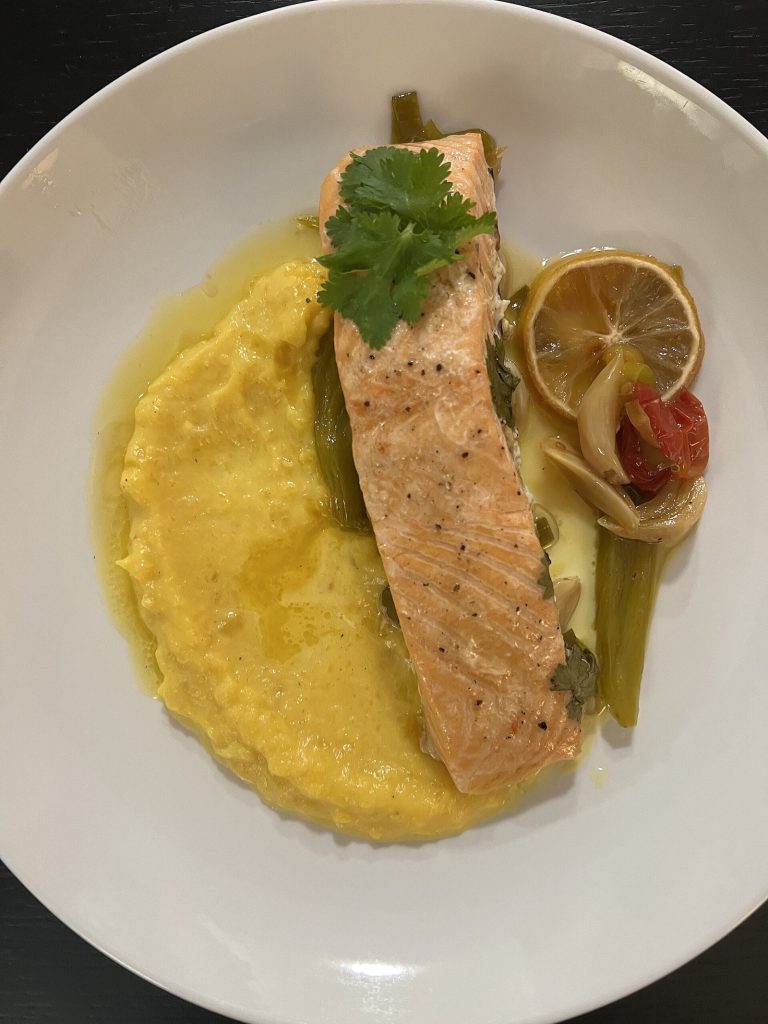
- – ODS: fortified milk and many plant milks; fatty fish (salmon, trout, tuna, mackerel); some fortified cereals; limited natural food sources overall.
- – Recommended intakes (ODS): about 15 mcg (600 IU) for adults 19–70; about 20 mcg (800 IU) for ages 71+. CDC suggests asking a clinician about vitamin D supplements for fall prevention—do not self-prescribe high doses.
- – Related: vitamin D deficiency diet guide.
Protein for recovery and muscle
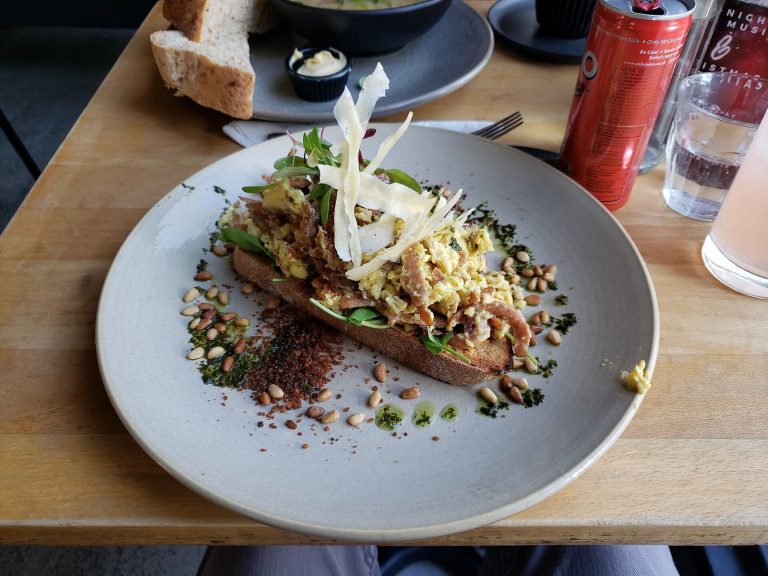
- – Eggs, dairy if tolerated, fish, poultry, beans, tofu, and lean meats support rehab fueling—especially important when appetite dips after anesthesia or opioids.
- – Themes overlap sarcopenia diet guide without claiming age equivalence for every patient.
Easy-reach, low-chaos meals
- – MedlinePlus home-setup: stock waist-to-shoulder cupboards; prep freeze-ahead single meals; place a firm chair in the kitchen so you can sit while chopping; avoid carrying items while using a walker—use a walker basket.
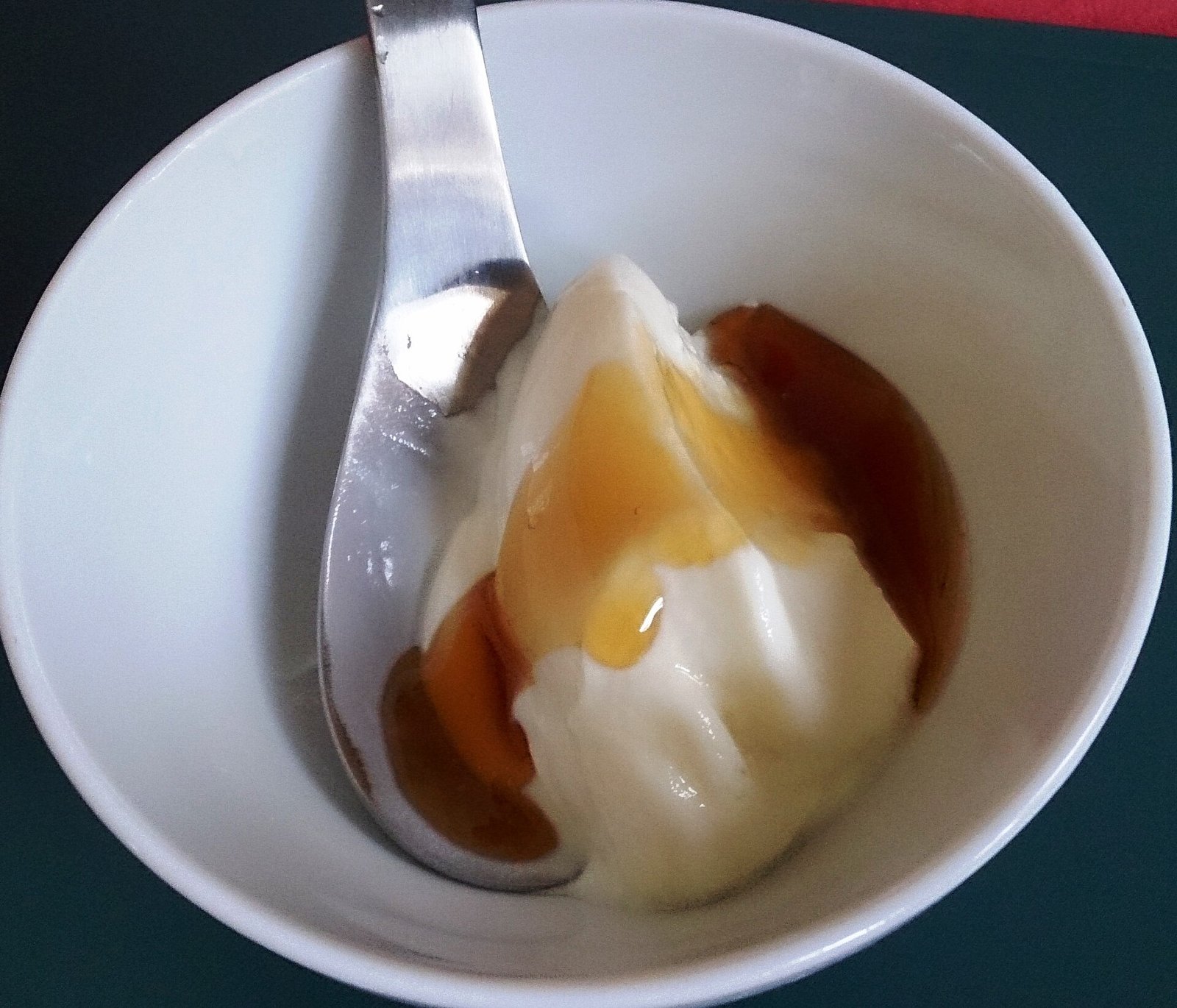
- – Soft breakfasts (oatmeal, yogurt, eggs) reduce standing time.
Fluids with fiber to limit opioid constipation
- – Pair fluids with oats, fruits, and cooked vegetables as mobility allows—constipation after pain medicines is common; ask about stool plans rather than harsh unprescribed cleanses.
Foods and habits that often worsen after-hip-fracture-surgery kitchen patterns
- – Ultra-low protein “tea and toast” weeks that accelerate muscle loss under limited mobility.
- – Heavy alcohol that raises fall risk and conflicts with NIAMS moderation guidance.
- – Smoking (NIAMS: quitting supports bone health)—not a food, but a recovery saboteur.
- – High-salt, low-produce takeout loops that displace calcium- and protein-rich foods.
- – Unsupervised megadose vitamin A or unregulated “bone detox” powders.
- – Climbing for top-shelf cans or stepping on stools for spices—classic fall setups CDC warns about.
- – Expecting food to replace osteoporosis medicines your clinician may prescribe after a fragility fracture (NIAMS).
“Limit” means reducing fall nutrition gaps and constipation risk—not lifelong food fear.
Practical kitchen protocol: an after-hip-fracture-surgery diet week
1. Keep the medical spine first
Confirm weight-bearing status, hip precautions if any, bone-density follow-up, osteoporosis medicine plan, vitamin D lab results if ordered, and PT schedule. Ask about stool softeners if on opioids.
2. Shopping list for bone-and-protein recovery
Milk or fortified plant milk; yogurt; cheese if tolerated; canned salmon/sardines with bones; eggs; beans; leafy greens; fortified cereal; fatty fish; fruit; oats; olive oil; oral fluids; fiber-friendly snacks at mid-shelf height.
3. Default plate template
- – Protein at each meal
- – Calcium source (dairy or fortified alternative)
- – Fruit/vegetable
- – Whole grain when appetite allows
- – Fluid
4. Sample day (illustrative)
- – Breakfast: fortified cereal with milk; banana; water.
- – Lunch: tuna or salmon salad; whole-grain crackers; yogurt.
- – Snack: cheese stick or fortified plant yogurt; fruit.
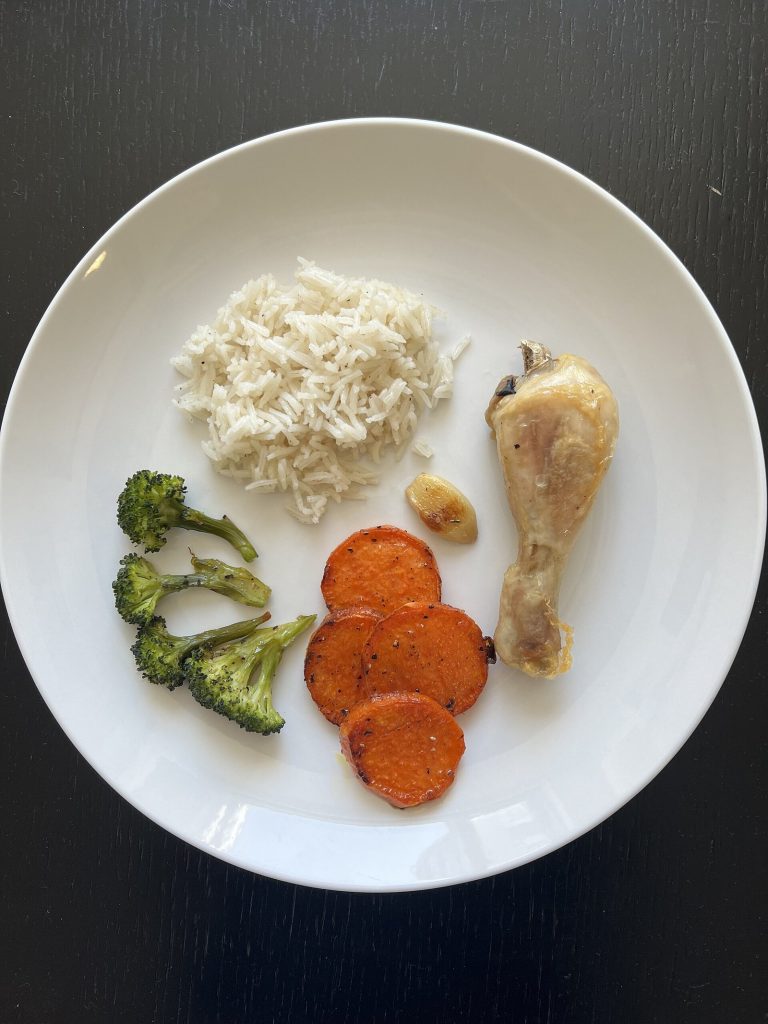
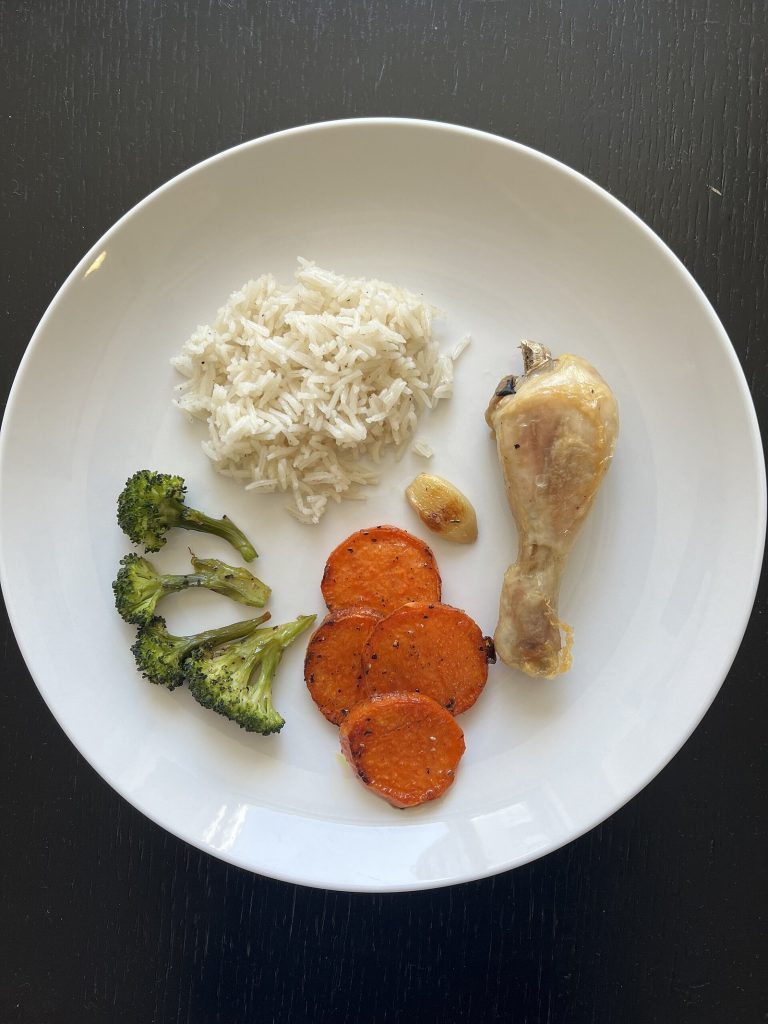
- – Dinner: baked fish or chicken, broccoli, potato; milk.
- – Evening: warm fluid; stool plan as advised—not a late alcohol nightcap.
5. Home setup tips
Remove throw rugs on the path to the fridge; bright lighting; grab bars per CDC; keep a reacher for floor drops; freeze soups in single portions at mid-shelf.
6. If elective hip replacement diet pages feel familiar
Overlap exists with diet after hip replacement guide, but fracture pathways add urgent osteoporosis and secondary-fracture prevention (NIAMS).
Safety, interactions, and who should ask a clinician first
- – Kidney stones or hypercalcemia history: individualize calcium supplements.
- – Kidney disease: protein, potassium, and phosphorus may need renal dietitian input.
- – Warfarin or other anticoagulants: keep green-vegetable intake consistent if advised.
- – Contact the surgical team for fever, wound drainage, sudden calf pain, chest pain, inability to bear weight as cleared, or new confusion after falls.
FAQ
Can diet heal a hip fracture without surgery or PT? No. Food supports bone nutrients and recovery fueling; surgery, fixation or arthroplasty choices, and rehab timelines belong to your orthopaedic team.
How much calcium do I need? ODS lists about 1,000–1,200 mg/day for most older adults depending on age and sex—confirm with your clinician before high-dose supplements.
Should everyone take vitamin D after a hip fracture? CDC advises asking a clinician about vitamin D supplements for fall prevention; ODS sets age-based intakes. Labs and dosing are individualized.
Why emphasize falls in a diet article? CDC: most hip fractures in older adults relate to falls; vitamin D deficiency and home hazards are modifiable risks alongside nutrition.
How is this different from a general osteoporosis diet page? See osteoporosis diet guide—this page adds post-fracture surgery logistics, opioid-era constipation, and kitchen fall-proofing.
How this differs from related OTCFood topics
This page is a hip-fracture-surgery-bound diet guide focused on calcium, vitamin D, protein, and safe kitchen access during recovery and secondary fracture prevention. It is not a DIY implant protocol, not a cure claim for osteoporosis, and not a substitute for orthopaedic or bone-clinic follow-up.
Medical disclaimer
Medical disclaimer: This article is for general information only. It is not medical advice, diagnosis, or a treatment plan. Care after hip fracture surgery depends on fracture type, surgical method, osteoporosis status, kidney function, fall risk, and your clinicians’ protocols. Talk with a clinician or registered dietitian before starting, stopping, or changing any eating plan, supplement, or medicine. Seek urgent care for wound infection signs, chest pain, sudden shortness of breath, or a new fall with injury.