Diet After Atrial Fibrillation Ablation: Foods That May Help and Foods to Limit
Medical note: This article discusses foods and researched botanicals. It does not claim to prevent, treat, or cure disease. Supplements are not a substitute for food, and studied amounts are not personal prescriptions.
People searching “diet after AF ablation foods that help or worsen” usually want kitchen habits that support groin-site healing, heart-healthy patterns, and fewer AF triggers while they continue rhythm and stroke-prevention plans—not a claim that food “finishes” the ablation scar lines or replaces blood thinners, rate/rhythm medicines, or follow-up monitoring. MedlinePlus describes cardiac ablation as a procedure that scars small areas of heart tissue involved in rhythm problems so abnormal signals are less able to move through the heart. NHLBI notes atrial fibrillation causes an irregular—and sometimes fast—heartbeat and can raise stroke and heart-failure risks if not managed. Mayo Clinic explains catheter ablation for AF and notes that drinking less alcohol may help lower the chance of the irregular rhythm returning.
What this after-AF-ablation diet guide covers (and what it does not)
This guide is for adults recovering after atrial fibrillation (or related atrial) catheter ablation who want practical eating patterns while they follow access-site care, lifting limits, and anticoagulation instructions. Anchors: MedlinePlus — Cardiac ablation procedures, NHLBI — Atrial fibrillation, Mayo Clinic — Cardiac ablation, and NHLBI — DASH Eating Plan.
MedlinePlus notes fatigue, chest ache, and irregular beats can occur for a few days after ablation; Mayo Clinic adds that early AF episodes in roughly the first eight weeks may happen and do not automatically mean long-term failure, and that blood thinners are typically continued for at least three months after AF ablation (duration after that depends on stroke risk). Kitchen changes do not replace urgent care for uncontrolled bleeding at the puncture site, stroke signs, or severe chest pain. Related reading: atrial fibrillation diet guide and hypertension diet guide.
Evidence snapshot: after-AF-ablation diet claims vs public sources
| Claim people hope for | What public sources actually say | Confidence |
|---|---|---|
| “A detox juice completes the ablation so AF never returns” | Mayo Clinic: AF can return; success varies; medicines and monitoring remain part of care | Strong: food is supportive only |
| “Stopping blood thinners after one healthy week of salads is safer” | Mayo: continue anticoagulants as directed (often ≥3 months after AF ablation); do not stop without the team | Strong: never self-stop |
| “Alcohol is fine if you ‘earned’ sinus rhythm” | Mayo: drinking less alcohol may help lower chance AF returns; individualize with cardiology | Moderate–strong for reduction |
| “High-salt takeout cannot matter once the veins are isolated” | Blood pressure and weight still matter for AF burden and stroke risk; DASH-style patterns remain relevant | Moderate–strong |
| “Caffeine must be zero forever after ablation” | Triggers are individual; ask your EP team—blanket lifelong bans are not universal public-source rules | Low–moderate: personalize |
Foods and patterns that may help after AF ablation day to day
“May help” means supporting heart-healthy eating, steadier hydration, and easier meals while the access site heals—not a promise that food seals ablation lesions.
Heart-healthy, DASH-leaning patterns
- – NHLBI DASH: vegetables, fruits, whole grains; low-fat dairy; fish, poultry, beans, nuts, vegetable oils; limit saturated fat and sugary drinks; sodium often around 2,300 mg/day unless told lower.
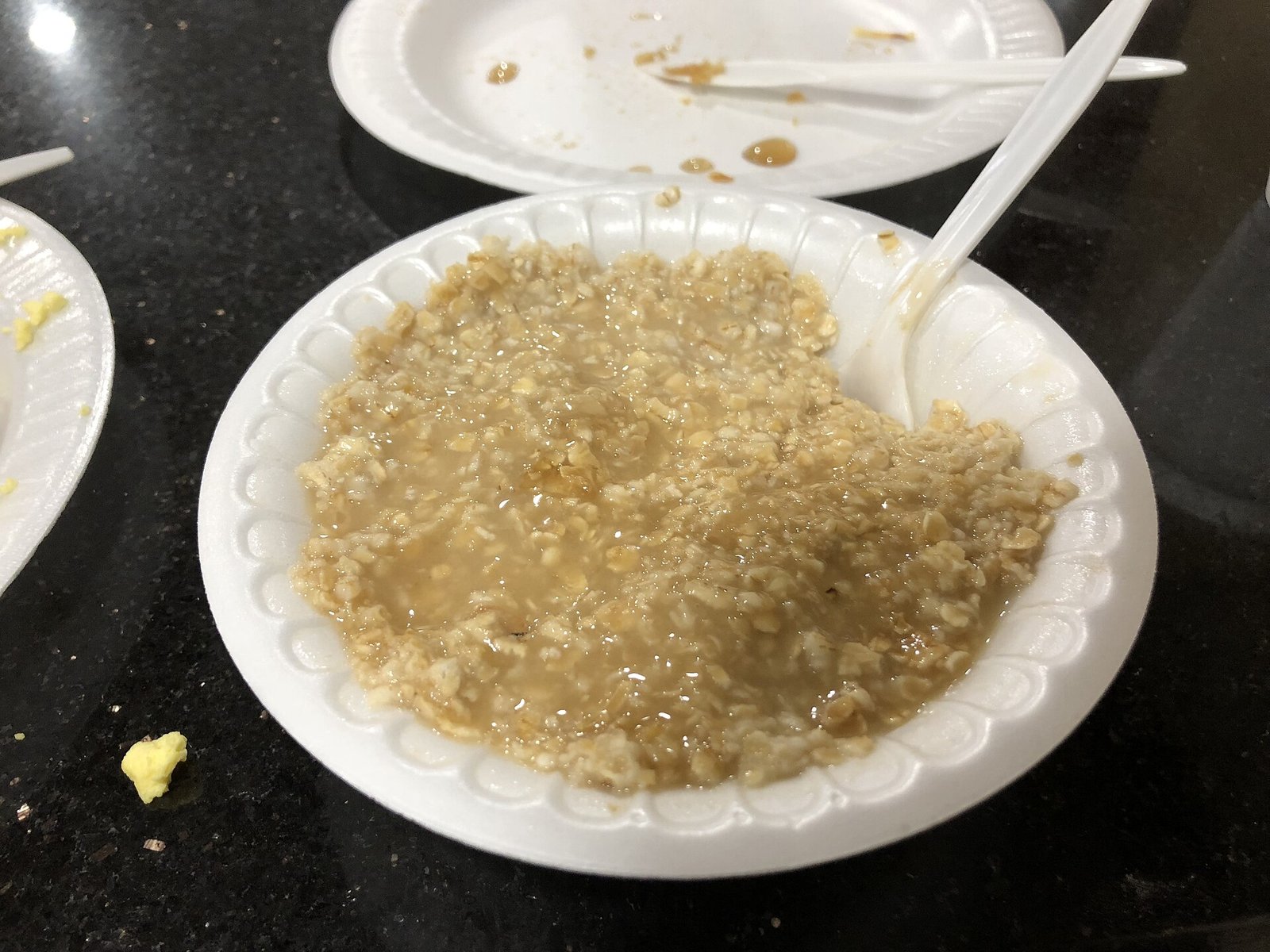
- – Practical plates: oatmeal; grilled fish with vegetables; bean chili with extra vegetables; fruit as default dessert.
- – Overlap with long-term AF lifestyle themes in atrial fibrillation diet guide and blood-pressure patterns in hypertension diet guide.
Soft, low-lift meals during groin recovery
- – MedlinePlus/Mayo: pressure on the catheter site, limited heavy lifting (often about a week—follow your sheet), and possible same-day or overnight discharge.
- – Keep meals that do not require hauling cast-iron pans: sheet-pan fish, slow-cooker soups prepared by helpers, yogurt bowls, eggs, toast, cut fruit.
- – Stay hydrated unless you have a heart-failure fluid cap—dehydration can make some people feel worse when fatigued.
Alcohol reduction as a lifestyle priority
- – Mayo Clinic explicitly notes that for atrial fibrillation, drinking less alcohol may help lower the chance of the irregular rhythm returning.
- – Plan alcohol-free weeks during early recovery; ask about long-term limits based on your AF type and liver health.
Protein and potassium-aware produce (as allowed)
- – Include fish, poultry, eggs, dairy if tolerated, tofu, or beans for recovery energy similar in spirit to diet after coronary stent guide recovery fueling—without claiming PCI equivalence.
- – If you also have kidney disease, follow potassium/phosphorus sheets from your renal team.
Sleep, meals, and overnight meds
- – Nighttime alcohol and very late heavy meals can disrupt sleep for some people with AF; a lighter evening plate and consistent medicine timing may feel steadier during the blanking period.
- – If reflux worsens after ablation (individual), ask before stacking late spicy takeout—report alarming chest pain rather than self-treating endlessly with antacids alone.
Foods and habits that often worsen after-AF-ablation kitchen patterns
- – Binge alcohol “celebrations” the first weekends after ablation.
- – Stopping anticoagulants or antiarrhythmics because you feel better after a salad streak.
- – Very high-sodium deli and fast-food patterns that fight blood-pressure goals.
- – Heavy lifting of water cases during the puncture-site healing window.
- – Unprescribed stimulant stacks (high-dose energy drinks) if they previously triggered AF for you.
- – Expecting kitchen changes to fix stroke symptoms, uncontrolled groin bleeding, severe shortness of breath, or syncope.
“Limit” means reducing AF-burden and bleeding-risk friction—not that one cup of coffee defines ablation success.
Practical kitchen protocol: an after-AF-ablation diet week
1. Keep the medical spine first
Confirm puncture-site care, walking vs bedrest instructions, lifting limits, anticoagulation brand/dose/INR or DOAC timing, antiarrhythmic plan for the blanking period, and when to call for bleeding. Do not stop blood thinners unless your team says so.
2. Shopping list for heart-aware, low-lift recovery
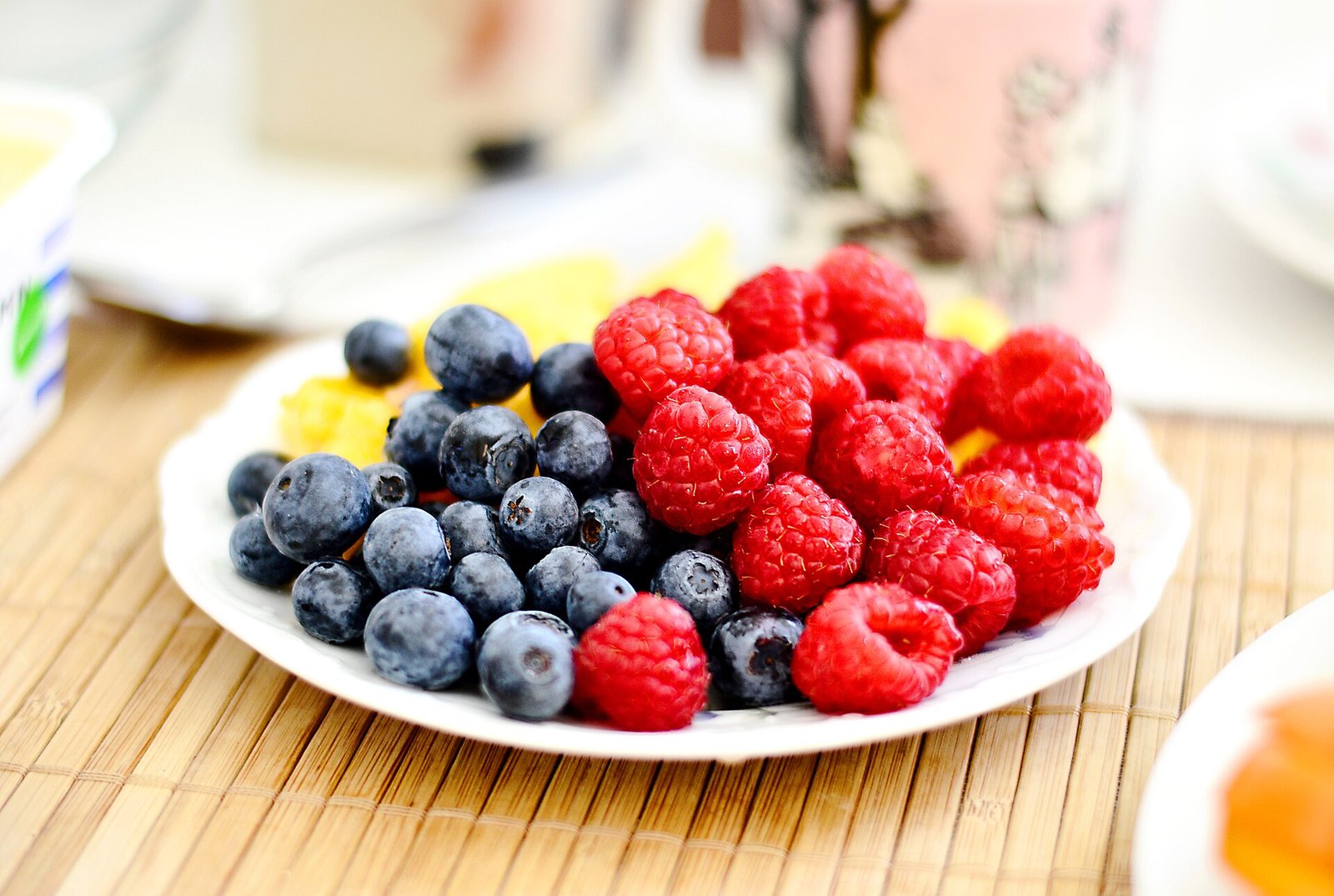
Oats; berries and other fruit; leafy greens and frozen vegetables; beans; fish/poultry; low-fat dairy; olive oil; herbs; whole grains; unsalted nuts; oral fluids per plan; soft foods if appetite is flat the first 48 hours.
3. Default plate template
- – Lean protein
- – Fiber-rich carbohydrate
- – Vegetables/fruit
- – Minimal salty sauces; flavor with herbs, garlic (if tolerated), citrus, vinegar
4. Sample day (illustrative)
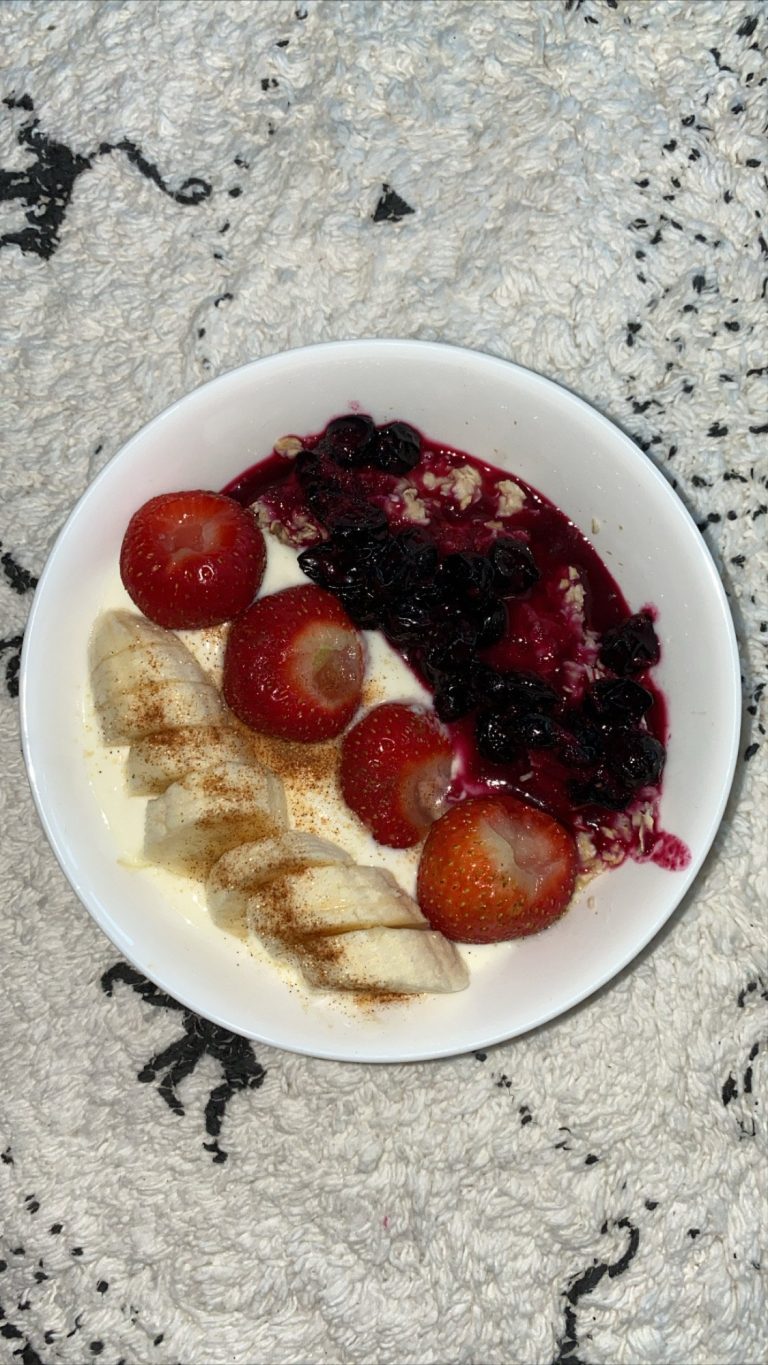
- – Breakfast: Greek yogurt with berries and oats; water.
- – Lunch: salmon salad bowl; fruit.
- – Snack: apple and a small handful of unsalted nuts.
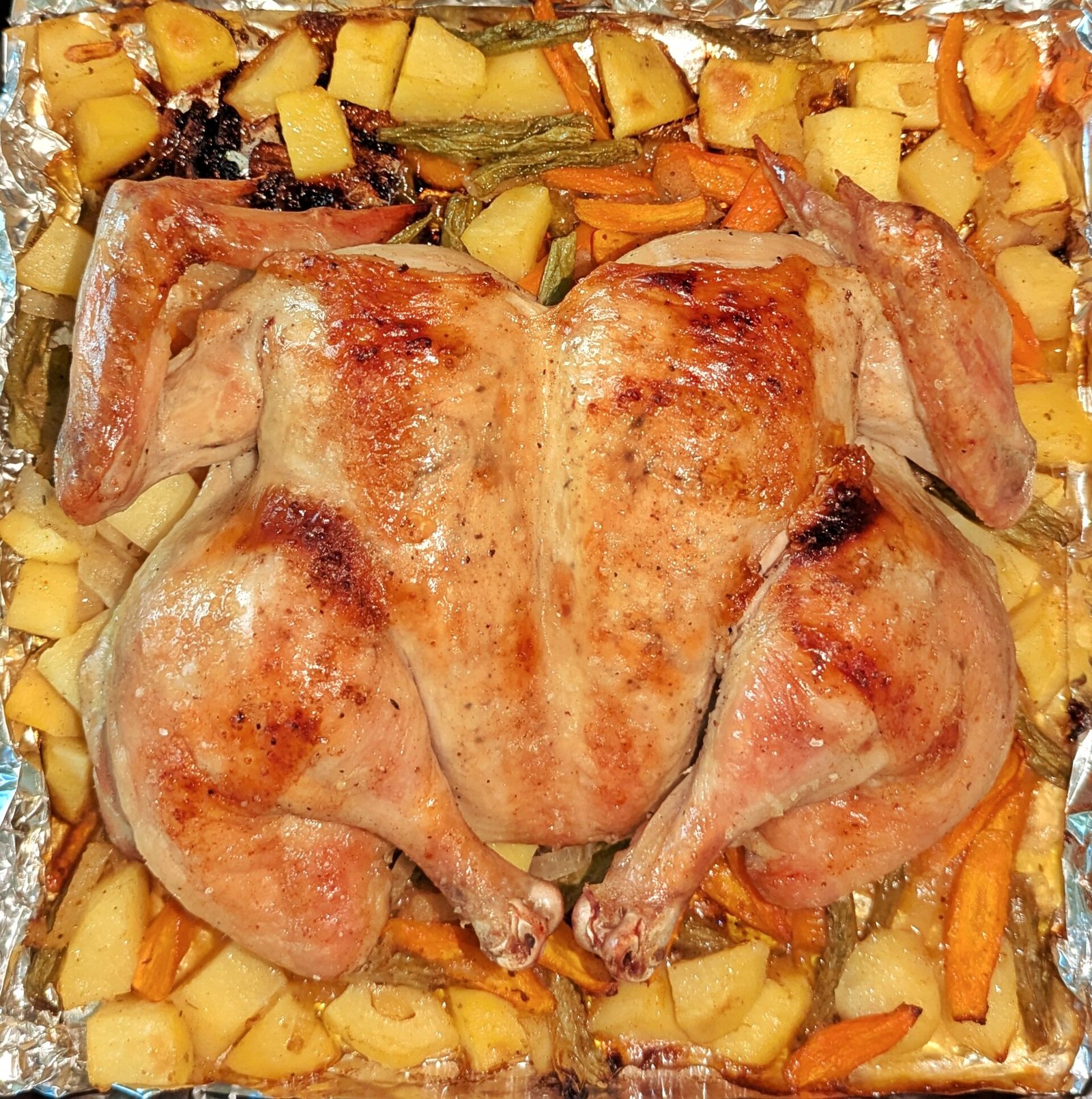
- – Dinner: chicken, roasted vegetables, quinoa; salad.
- – Evening: herbal tea; medicine check—not a nightcap.
5. Home setup tips
Stage a chair near the kitchen so you are not standing through long prep if groin discomfort persists; ask helpers for grocery runs; keep a rhythm-symptom log during the blanking period for clinic visits.
6. If hypertension or coronary disease coexists
See hypertension diet guide and coronary artery disease diet guide; ablation follow-up still owns rhythm and anticoagulation decisions.
Safety, interactions, and who should ask a clinician first
- – Anticoagulation: watch black stools, unusual bruising, severe headache; ask before NSAIDs or herbal products that affect clotting.
- – Heart failure: sodium/fluid caps override generic “drink lots of water” advice.
- – Swallowing discomfort or rare esophageal concerns after some AF ablations: report severe chest pain after swallowing to your team promptly.
- – Diabetes: appetite swings after sedation can change insulin needs briefly.
- – Seek emergency care for stroke signs, unstoppable puncture-site bleeding, severe chest pain, or fainting.
FAQ
Can diet guarantee AF stays gone after ablation? No. Mayo Clinic notes AF can return; food supports lifestyle risk reduction alongside medical care.
Should I stop blood thinners if I eat “anti-inflammatory” foods? No. Continue anticoagulation exactly as prescribed.
Is coffee forbidden forever? Not universally. Track personal triggers and ask your electrophysiology team.
When can I drink alcohol again? Ask your team; Mayo highlights that drinking less may help lower AF recurrence risk.
How is this different from a general atrial fibrillation diet page? See atrial fibrillation diet guide for long-term patterns; this page adds post-ablation access-site limits, blanking-period expectations, and anticoagulation continuity.
How this differs from related OTCFood topics
This page is an AF-ablation-bound diet guide focused on heart-healthy eating, alcohol reduction, and recovery logistics after catheter ablation. It is not a DIY rhythm protocol and not a substitute for electrophysiology follow-up.
Medical disclaimer
Medical disclaimer: This article is for general information only. It is not medical advice, diagnosis, or a treatment plan. Care after AF ablation depends on AF type, stroke risk, heart function, and your electrophysiology team’s protocol. Talk with a clinician or registered dietitian before starting, stopping, or changing any eating plan, supplement, or medicine. Seek urgent care for stroke signs, severe bleeding, chest pain, or fainting.