Cervical Spondylosis Diet: Foods That May Help and Foods to Limit
Medical note: This article discusses foods and researched botanicals. It does not claim to prevent, treat, or cure disease. Supplements are not a substitute for food, and studied amounts are not personal prescriptions.
People searching “cervical spondylosis diet foods that help or worsen” usually want kitchen habits that support healthy weight, joint comfort, and day-to-day energy—not a claim that food rebuilds worn neck discs the way clinical care can manage pain and nerve pressure. MedlinePlus describes cervical spondylosis as wear on the cartilage (disks) and bones and joints of the neck (cervical vertebrae). It is a common cause of chronic neck pain. The NHS notes it is common, often in people over 40, and many people have no symptoms. Food does not replace physiotherapy, pain medicines your clinician recommends, or urgent evaluation when red-flag symptoms appear.
What this cervical spondylosis diet guide covers (and what it does not)
This guide is for adults who have been told they have cervical spondylosis (or age-related neck wear) and want food patterns that support overall musculoskeletal and metabolic health while they follow medical advice. Anchors: MedlinePlus — Cervical spondylosis, NHS — Cervical spondylosis, NIAMS — Osteoarthritis, and NIAMS — Back pain for related spine lifestyle factors.
MedlinePlus lists aging as the major risk factor; by age 60 most people show signs on x-ray. Other factors that may raise likelihood include being overweight and not exercising, heavy lifting or lots of bending and twisting at work, past neck injury, ruptured or slipped disk, severe arthritis, and congenital spinal stenosis. Sudden severe neck pain, heaviness or weakness in arms or legs, new walking problems, or loss of bladder or bowel control need urgent care—not a diet tweak. Food does not replace clinical assessment of nerve or spinal cord compression.
Evidence snapshot: cervical spondylosis diet claims vs public sources
| Claim people hope for | What public sources actually say | Confidence |
|---|---|---|
| “A special diet cures cervical spondylosis” | MedlinePlus and NHS frame care around exams, pain relief, exercises, physiotherapy, and sometimes medicines or surgery for nerve/cord compression | Strong: food is not a substitute |
| “Losing weight rebuilds cervical discs” | MedlinePlus lists being overweight and not exercising among factors that may make spondylosis more likely; NIAMS links excess weight to osteoarthritis stress on joints—supportive for load and overall joint health, not disc regeneration | Moderate for weight-aware eating; not disease reversal |
| “Anti-inflammatory foods reverse neck bone spurs” | Public pages emphasize aging wear, posture, activity, and clinical care; no public guideline frames kitchen herbs as spur removal | Insufficient as a cure claim |
| “You can skip physiotherapy if you eat greens” | NHS stresses gentle neck exercises, posture, and physiotherapy when symptoms persist | Strong: keep movement plans your clinician sets |
| “If pain comes and goes, diet alone is enough” | NHS: symptoms can come and go; urgent signs (weakness, bladder/bowel change, sudden severe pain) need medical help | Strong: red flags override kitchen habits |
Foods and patterns that may help with cervical spondylosis day-to-day health
“May help” means supporting healthy weight, protein for muscle support around the spine, and nutrient-dense plates often recommended for osteoarthritis and back-pain risk reduction—not a promise to reverse cervical wear.
Weight-aware plates (MedlinePlus / NIAMS overlap)
- – MedlinePlus notes being overweight and not exercising among factors that can make cervical spondylosis more likely. Patterns similar to our osteoarthritis diet guide and high blood pressure foods guide guides—more vegetables, fruit, whole grains, and lean protein; less calorie-dense ultra-processed snacks—may support gradual weight management when your clinician agrees it is appropriate.
- – NIAMS lists being overweight or obese among factors that may raise osteoarthritis risk; a calorie-aware Mediterranean-style pattern is often practical for joint-load goals without crash dieting.
Protein, calcium, and vitamin D for musculoskeletal support
- – Include protein at most meals (fish, poultry, eggs, beans, dairy or fortified alternatives) to support muscle that helps posture and neck endurance during physiotherapy.
- – Pair with calcium- and vitamin D–aware choices discussed in our calcium deficiency diet guide and vitamin D deficiency diet guide pages when bone health is also a concern—still without treating cervical spondylosis as a “bone diet” alone.
Anti-inflammatory-leaning kitchen defaults (supportive, not curative)
- – Emphasize leafy greens, colorful vegetables, berries, olive oil, nuts in modest portions, and fish several times a week when it fits your plan—patterns often used for general joint comfort goals alongside clinical care.
- – Stay hydrated; long days of desk work with little fluid can worsen stiffness perception for some people (practical habit, not a MedlinePlus cure claim).
Eating posture and meal timing (practical)
- – Prefer upright seating and eye-level screens so meals do not reinforce forward-head posture.
- – Keep meal timing steady so pain medicines and exercise sessions stay on schedule.
Foods and habits that often worsen cervical spondylosis kitchen patterns
- – Crash “neck detox” diets that cut protein and calories severely—undermine muscle support and physiotherapy energy.
- – Heavy alcohol or late heavy meals that disrupt sleep when night pain is already a MedlinePlus-noted aggravator for some people.
- – Ignoring clinician advice on weight activity while stacking calorie-dense takeout most days if overweight is part of your risk picture.
- – Smoking (NHS slipped-disc prevention advice also stresses not smoking for disc health generally)—supports overall spine and healing capacity.
- – Assuming food replaces urgent care for sudden severe neck pain, arm/leg weakness, walking change, or bladder/bowel loss—NHS flags these as emergency signs.
“Limit” means reducing habits that undermine medical care or healthy weight—not that one dessert causes cervical spondylosis.
Practical kitchen protocol: a cervical spondylosis diet week
1. Keep the medical spine first
List your exercises, physiotherapy goals, and any prescribed pain plan next to meals. Food should make adherence easier, never compete with it.
2. Shopping list for neck-aware plates
Leafy greens, tomatoes, cucumbers, carrots; berries and citrus; beans and lentils; salmon or other fish; eggs; yogurt or milk; olive oil; unsalted nuts in small portions; oats and other whole grains; water as the default drink.
3. Default plate template
- – Half vegetables and fruit
- – Quarter whole grains or starchy vegetables
- – Quarter protein (fish, poultry, eggs, beans)
- – Season with herbs instead of stacking salty sauces if blood pressure is also a concern
4. Sample day (illustrative)
- – Breakfast: scrambled eggs with spinach; fruit; water or tea.
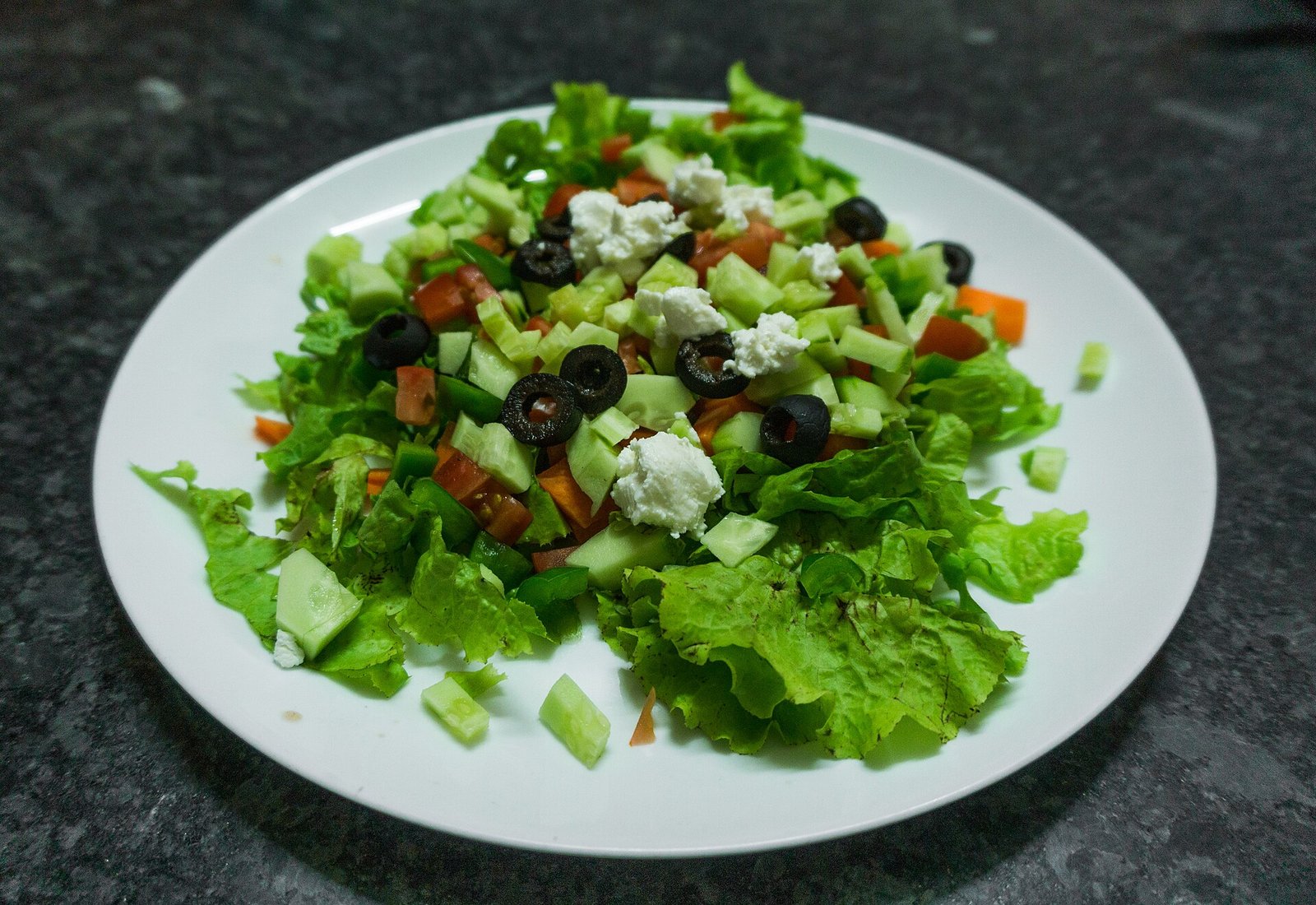
- – Lunch: Mediterranean-style salad with chickpeas or leftover fish; whole-grain bread.
- – Snack: yogurt or a small handful of nuts; carrot sticks.
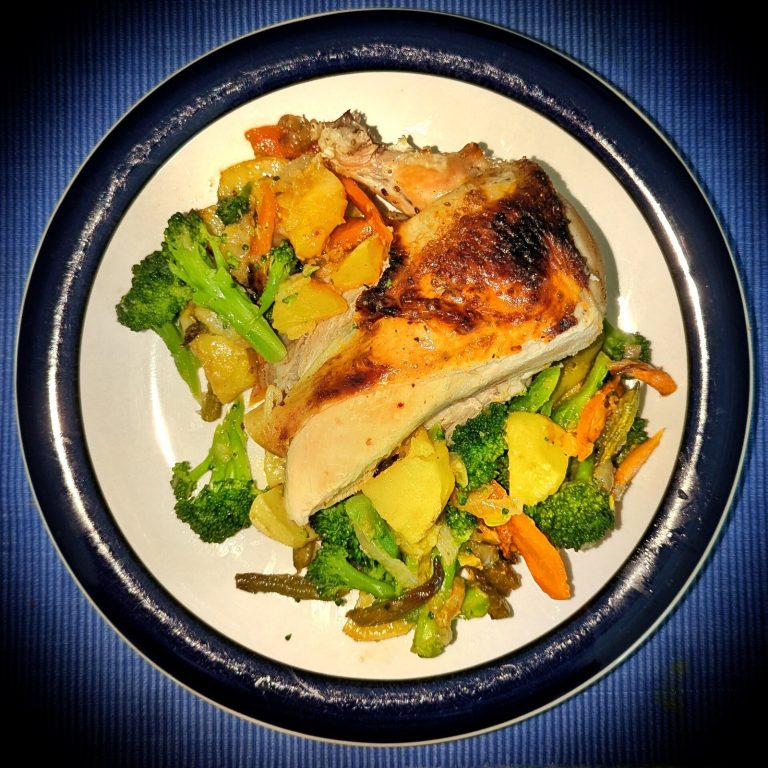
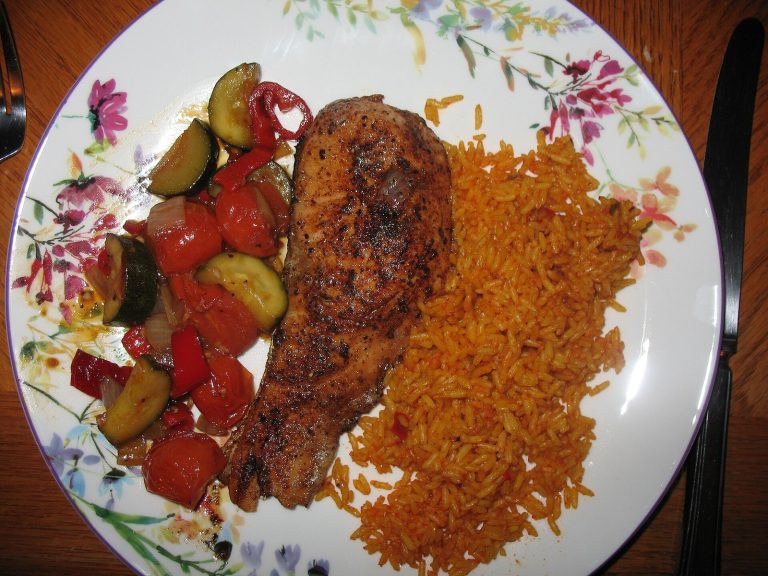
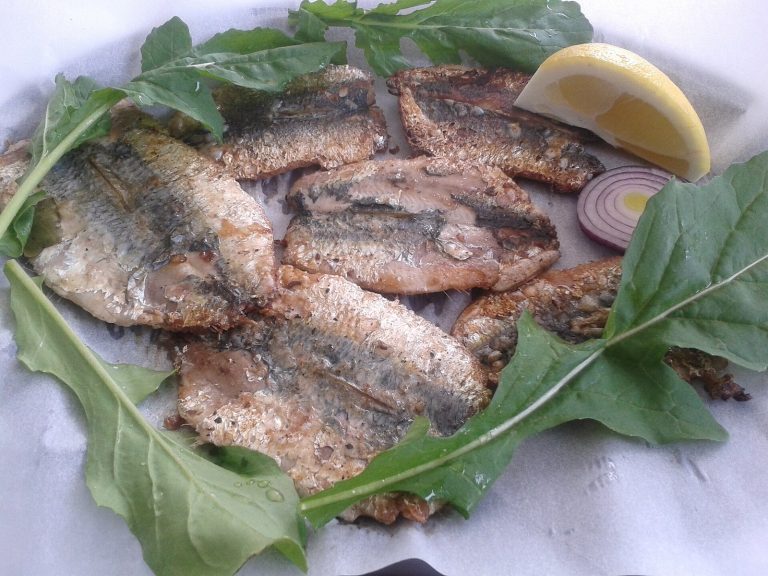
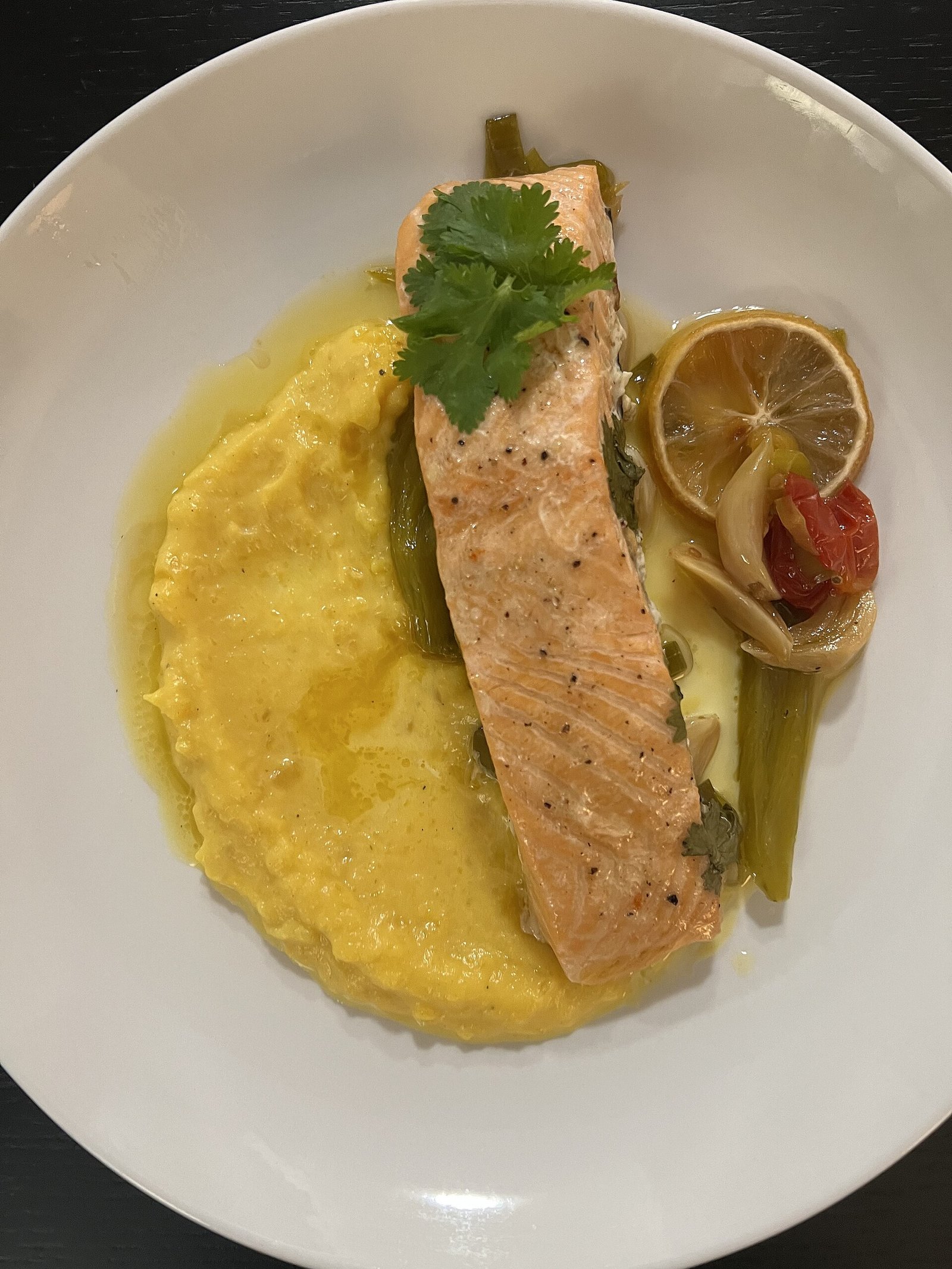
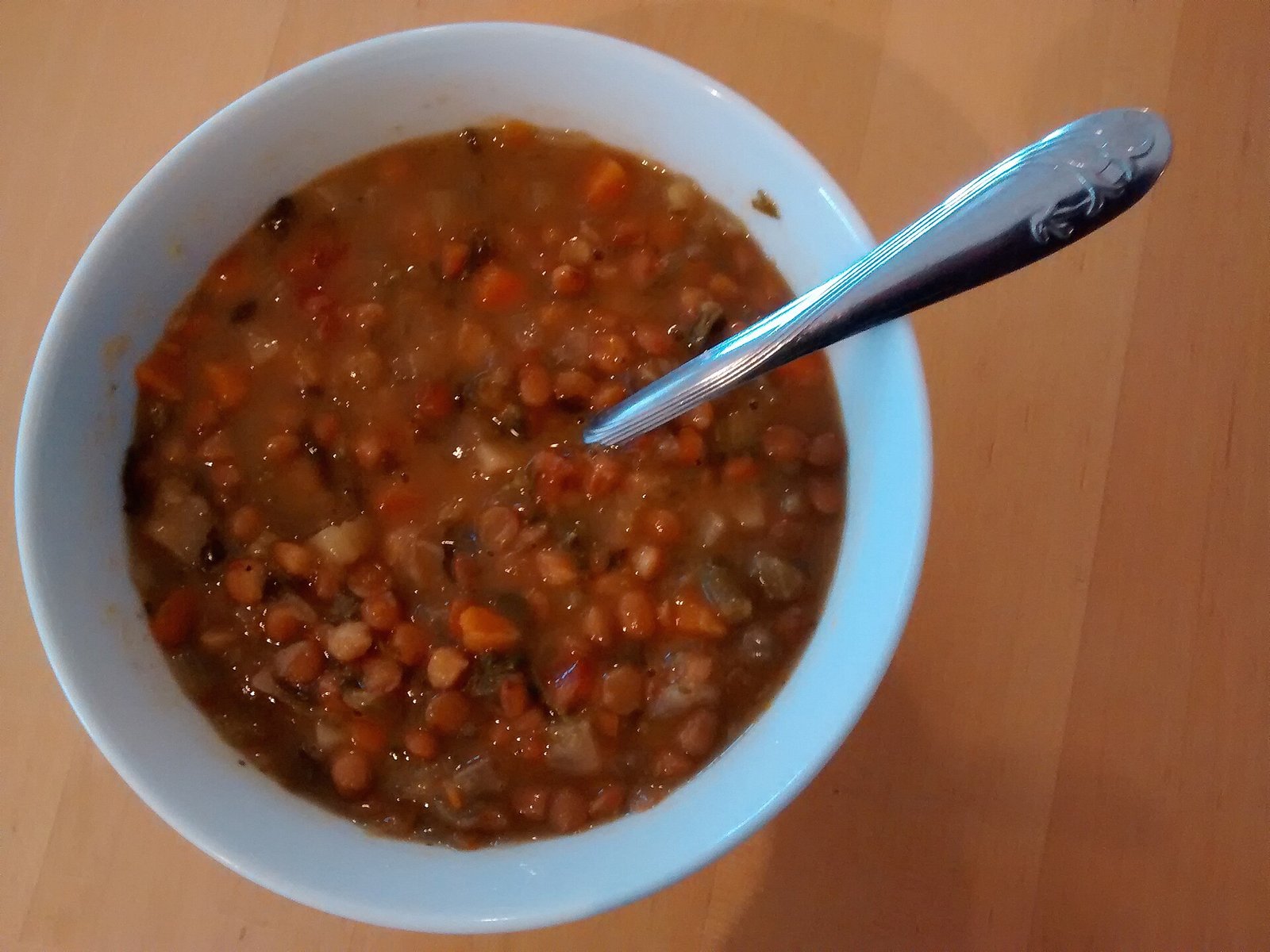
- – Dinner: grilled fish or chicken, lentil soup or roasted vegetables, brown rice; fruit for dessert.
- – Evening: gentle neck exercises as advised; avoid scrolling with the phone low under the chin for long stretches after meals.
5. Eating out
Ask for grilled protein with a large vegetable side; share large portions if weight goals matter; keep alcohol modest.
6. When joint goals overlap
If osteoarthritis elsewhere is also active, pair this page with our osteoarthritis diet guide guide—still without stopping prescribed care.
Safety, interactions, and who should ask a clinician first
- – Neck pain that does not improve, sudden severe pain, arm/leg weakness, pins and needles with neck/arm pain, new walking problems, or loss of bladder/bowel control: follow NHS urgent/emergency advice—not diet experiments.
- – If you take blood-pressure, diabetes, anticoagulant, or long-term pain medicines, coordinate major diet or supplement changes with the prescribing clinician.
- – High-dose “joint” supplements marketed for neck arthritis: ask your clinician before adding them; they do not replace assessment of nerve compression.
- – Pregnancy, breastfeeding, or planned surgery: review supplements and herbal products.
FAQ
Can a cervical spondylosis diet reverse disc wear or bone spurs? No. Public sources describe aging wear and clinical management. Food patterns may support healthy weight and overall joint nutrition only.
Is weight loss required? MedlinePlus lists being overweight and not exercising among factors that may raise likelihood. Ask your clinician whether gradual weight change is appropriate for you.
Do I need a gluten-free or dairy-free neck diet? Not based on cervical spondylosis pages alone. Restrictive diets belong with a clinician or dietitian if another diagnosis requires them.
When is surgery discussed? NHS: surgery is considered mainly for pinched nerve (cervical radiculopathy) or spinal cord problems (cervical myelopathy)—not because a diet “failed.”
How this differs from related OTCFood topics
This page is a cervical spondylosis–bound diet guide focused on weight-aware, muscle-supporting plates and adherence to neck care. It is not a sciatica diet guide lumbar radiculopathy protocol, not a full osteoarthritis diet guide multi-joint clinic visit, and not a osteoporosis diet guide bone-density plan—though those kitchen problems can travel with midlife spine symptoms.
Medical disclaimer
Medical disclaimer: This article is for general information only. It is not medical advice, diagnosis, or a treatment plan. Cervical spondylosis care depends on exam findings, imaging when needed, nerve or cord involvement, and prescribed therapies. Talk with a clinician or registered dietitian before starting, stopping, or changing any eating plan, supplement, or medicine. Seek emergency care for sudden severe neck pain with weakness, walking change, facial droop, speech trouble, or loss of bladder or bowel control.