Achilles Tendinitis Diet: Foods That May Help and Foods to Limit
Medical note: This article discusses foods and researched botanicals. It does not claim to prevent, treat, or cure disease. Supplements are not a substitute for food, and studied amounts are not personal prescriptions.
Food does not replace relative rest, footwear changes, physical therapy, or medical care for Achilles tendinitis. NHS guidance on tendonitis (tendinopathy) focuses on resting the painful tendon, ice, pain relief, and physiotherapy exercises—not on a curative diet. Nutrition’s honest role is supporting tissue repair with adequate protein, maintaining a generally anti-inflammatory dietary pattern that fits heart and metabolic health, and avoiding excess alcohol that impairs recovery habits. Rehab remains primary.
What this Achilles tendinitis diet guide covers (and what it does not)
This guide is for adults with clinician-recognized Achilles tendon pain who want supportive eating while they rehab. It covers protein targets as food patterns, produce and omega-3-rich fish as general supportive choices, and weight management for load on the tendon. It does not diagnose rupture, prescribe eccentric exercise progressions, or claim that collagen supplements heal tendons.
Anchors: NHS — Tendonitis, plus general healthy-eating patterns consistent with public heart/metabolic guidance (see also OTCFood joint-comfort articles).
Evidence snapshot: Achilles diet claims vs public sources
| Claim people hope for | What public sources actually say | Confidence |
|---|---|---|
| “An anti-inflammatory diet cures Achilles tendinitis” | NHS tendonitis care centers on rest, ice, medicines, physio—not diet cures | Low for cure claims |
| “Protein helps repair” | Adequate dietary protein supports general tissue maintenance; not tendon-specific NHS protocol | Practical / indirect |
| “Lose excess weight to reduce load” | Biomechanical common sense for lower-limb load; align with clinician advice | Moderate practical |
| “Gelatin shots heal tendons overnight” | Not an NHS standard treatment; evidence outside this page’s scope | Insufficient here |
| “Ignore physio if I eat fish” | Unsafe; rehab is primary | Strong warning |
Foods and patterns that may help while you rehab
Protein at each meal
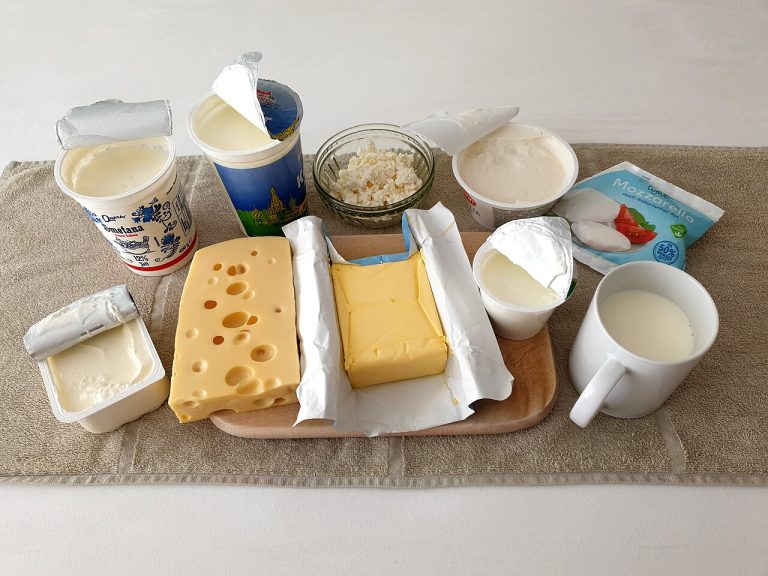
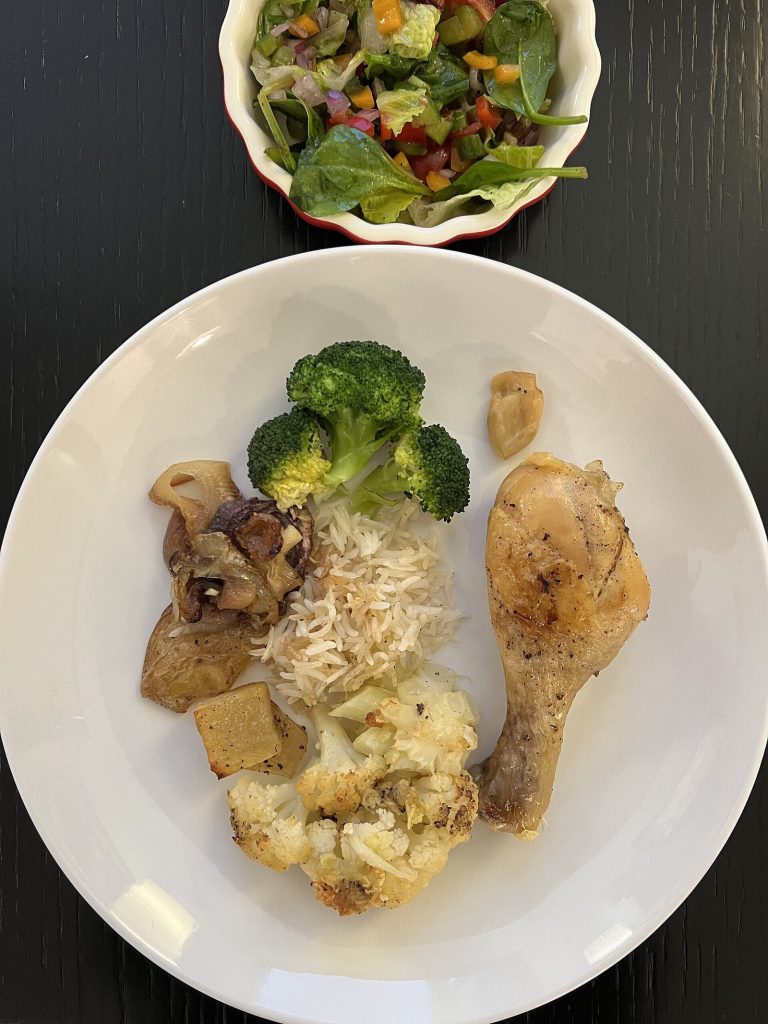
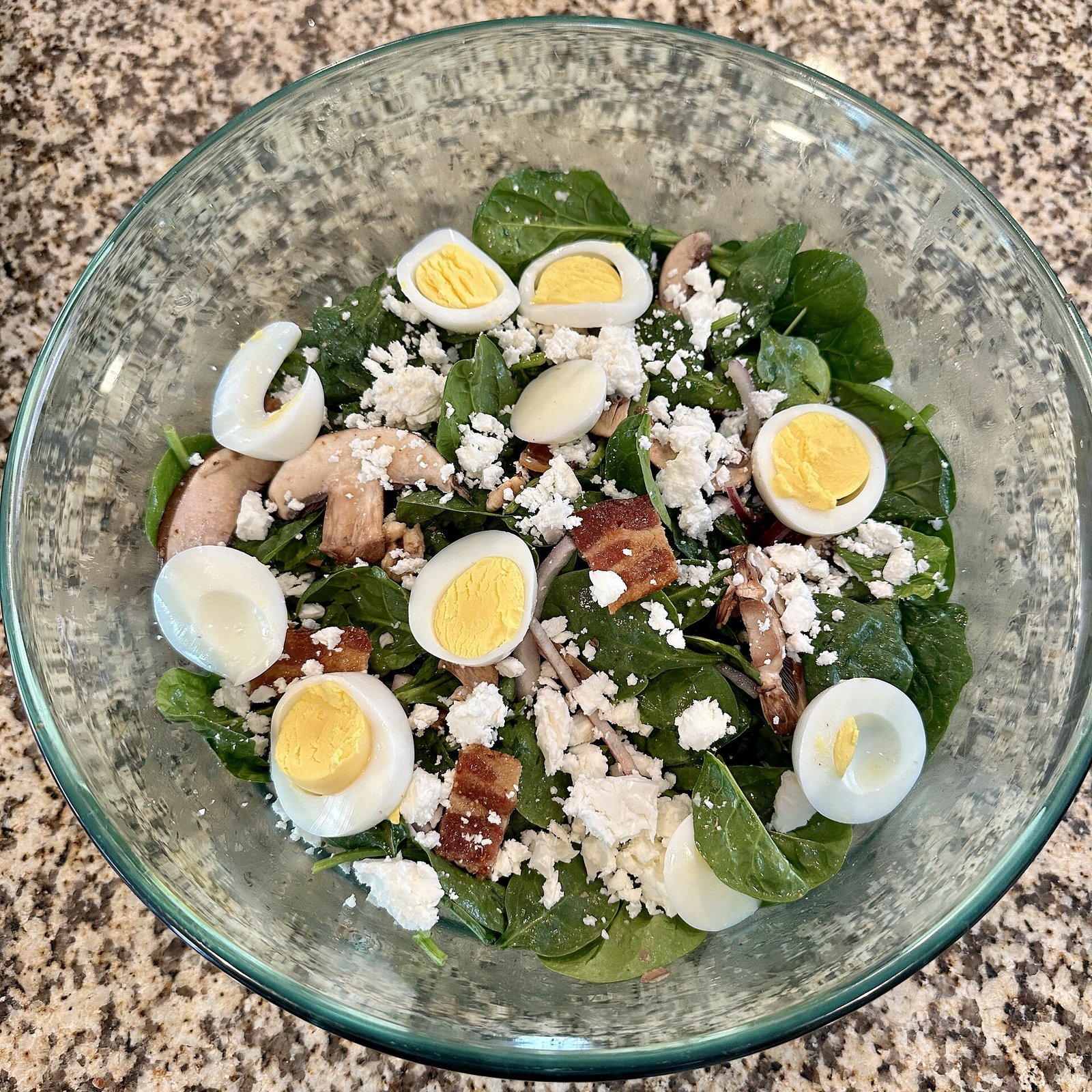
Include eggs, fish, poultry, lean meat, dairy or fortified soy, tofu, tempeh, or lentils. Spreading protein across the day supports training/rehab recovery better than one huge dinner.
Produce-heavy plates
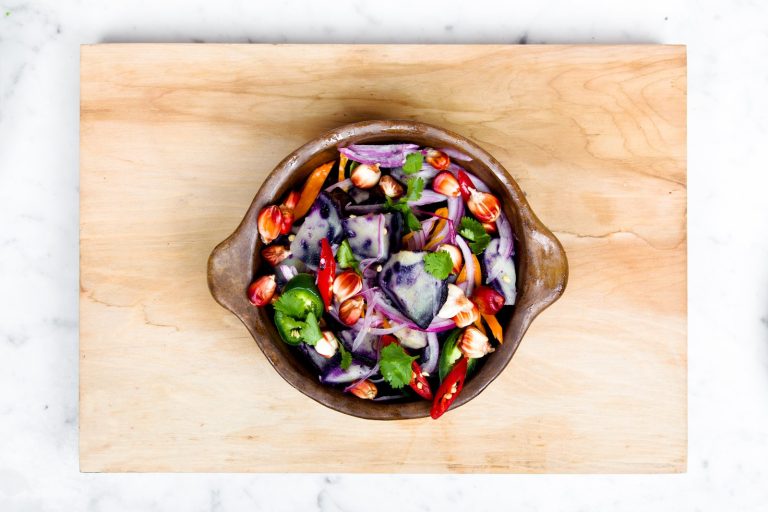
Vegetables and fruits supply vitamin C and other nutrients used in normal collagen formation as part of an overall adequate diet—not as megadose medicine.
Oily fish twice a week if you eat fish
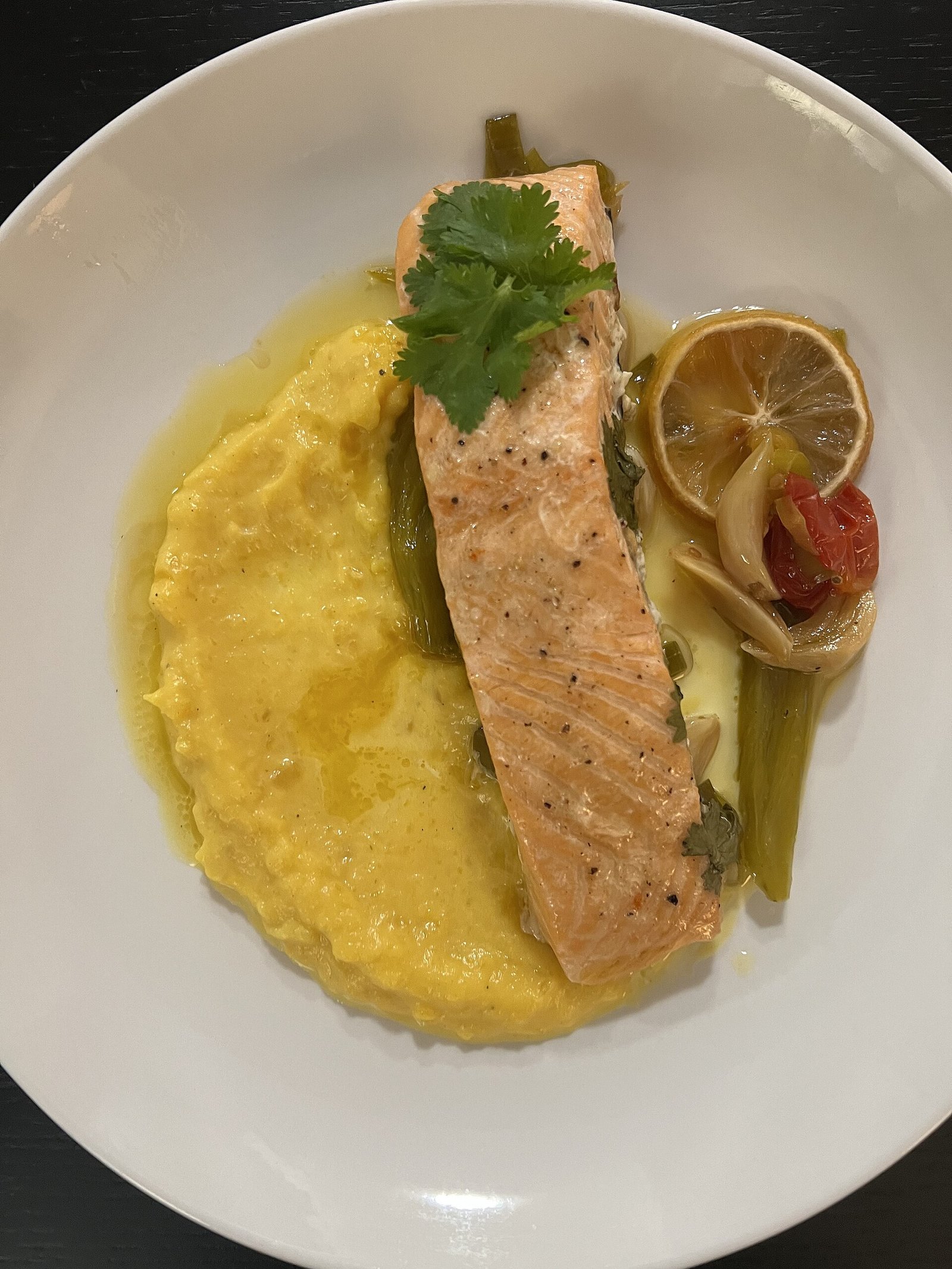
Salmon, sardines, or mackerel fit a general anti-inflammatory pattern used in joint-comfort eating. This is supportive, not a tendon drug.
Calcium and vitamin D sufficiency for the kinetic chain
Bone and muscle health around the ankle matter for rehab capacity—see linked deficiency guides if intake is poor.
Steady energy for physiotherapy
Under-fueling hard rehab sessions can slow progress. Eat a balanced meal or snack with carbs + protein around demanding exercise as your clinician or dietitian suggests.
Foods and drinks to limit
- – Excess alcohol, which can disrupt sleep and recovery routines
- – Ultra-processed patterns that crowd out protein and produce
- – Crash diets that slash protein while you are trying to rebuild tendon capacity
- – Smoking (not a food, but NHS-relevant for healing)—ask for cessation support
- – Random high-dose supplement stacks marketed for “tendon repair” without evidence review with your clinician
Practical kitchen protocol: eating during Achilles rehab
1. Put physio appointments on the calendar first
Diet is layer two. NHS emphasizes exercises from a physiotherapist for tendonitis that does not settle.
2. Sample supportive day
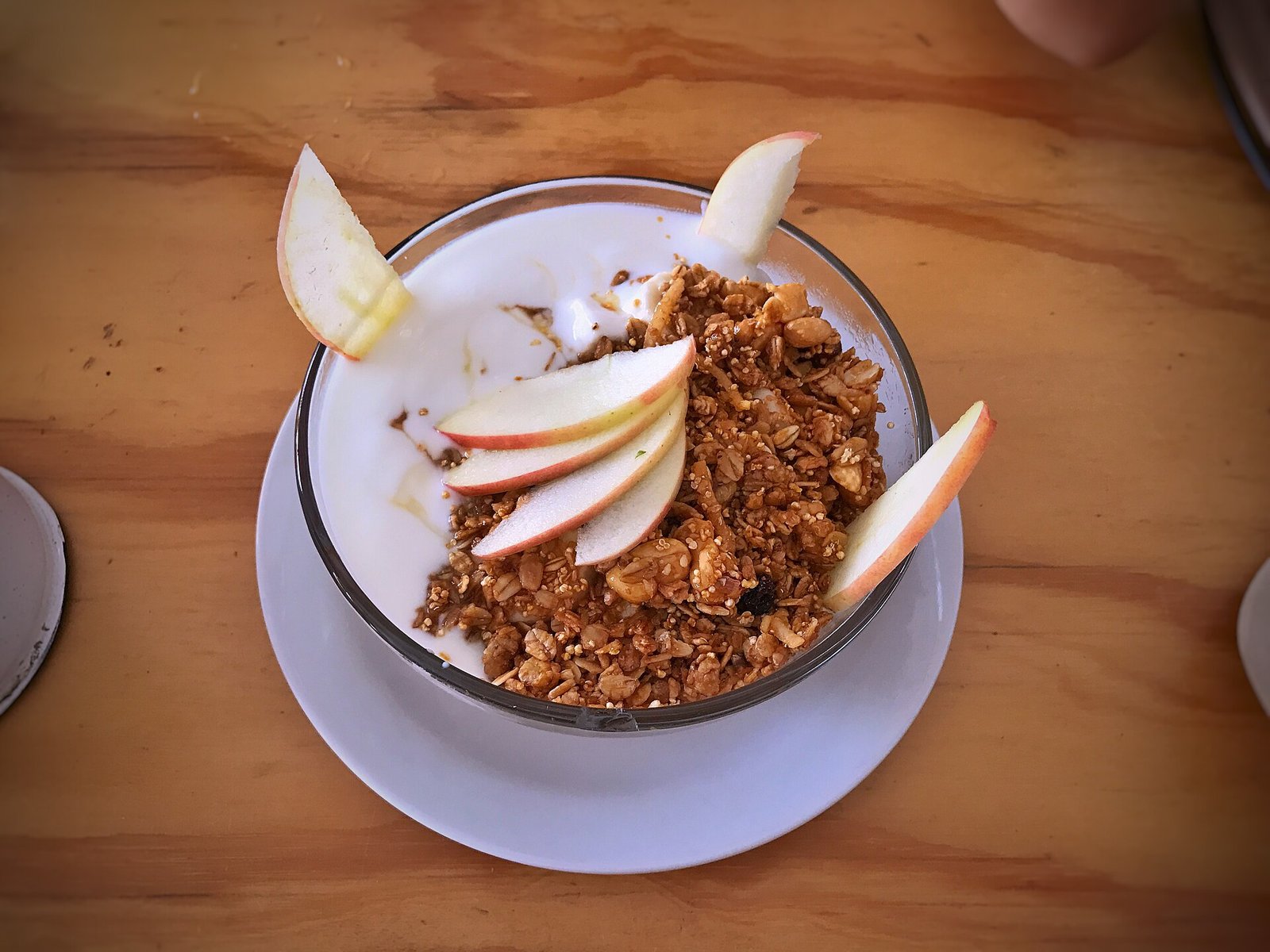
- – Breakfast: Greek yogurt, berries, oats
- – Lunch: chicken quinoa bowl with mixed vegetables
- – Snack: cottage cheese and fruit, or hummus and pita
- – Dinner: baked salmon, potatoes, salad
- – Post-physio snack: chocolate milk or a yogurt + banana if that sits well
3. Body-weight context
If excess body weight increases tendon load, ask for a gradual deficit that keeps protein high—not a juice fast.
4. Kitchen mobility hacks during a flare
Use a stool for chopping, keep frequent foods at counter height, and batch-cook proteins on lower-pain days.
5. Collagen or vitamin C supplements?
Discuss with your clinician. Food-first vitamin C (peppers, citrus if tolerated, strawberries, broccoli) is reasonable; supplements are optional and not a substitute for loading programs.
6. Related joint pages
Similar supportive nutrition themes appear for other overuse injuries—see tennis elbow and plantar fasciitis guides linked below—always with rehab first.
Safety, interactions, and when to get help
- – Sudden pop, inability to walk, or severe swelling needs urgent care for possible rupture.
- – NSAID pain relievers have gut and kidney risks—follow label and clinician advice; food will not offset unsafe dosing.
- – People with kidney disease need individualized protein targets.
- – Diabetes and smoking slow soft-tissue healing—address with your care team.
Weekly prep that supports physio, not superstition
Cook proteins in bulk—chicken, beans, salmon cakes—so post-clinic fatigue does not push you into low-protein takeout. Pack a yogurt-and-fruit snack for the walk home from physiotherapy. If you are reducing body weight to unload the tendon, decrease sweets and refined snacks first while protecting protein at every meal. Avoid “tendon cleanse” products that displace real food. Keep alcohol for rare occasions, not nightly pain-coping, because sleep quality matters for rehab adherence. Reassess footwear and training load with your clinician—the kitchen cannot fix a training error alone.
Inflammation marketing vs measurable basics
Supplements labeled “joint formula” rarely outperform basics: enough total calories for rehab, protein at meals, produce, sleep, and graded loading. If you already eat fish twice weekly and plenty of plants, adding expensive powders is optional at best. People on anticoagulants should ask before high-dose fish oil. Diabetics should clear carb timing around physio sessions so glucose swings do not derail participation.
Sample shopping list for rehab weeks
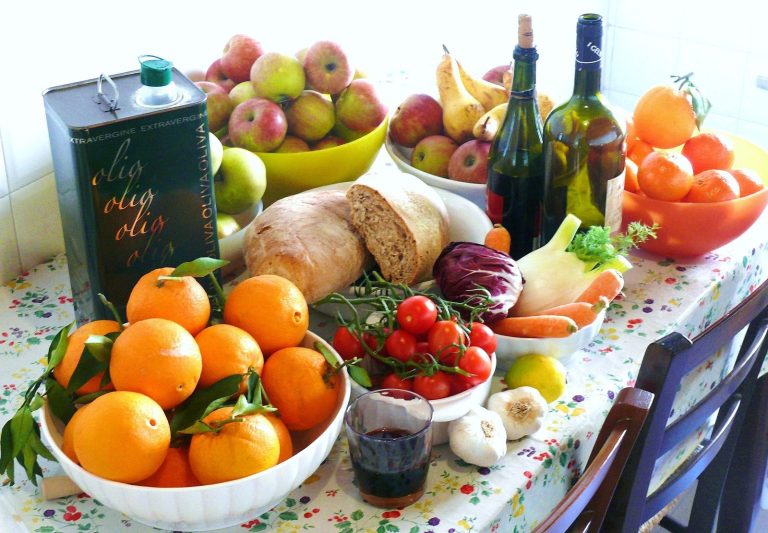
Eggs, Greek yogurt, canned fish, chicken, beans, frozen berries, leafy greens, potatoes, oats, and olive oil cover most supportive meals. Pre-cook two proteins on Sunday. Pack workplace snacks so you are not stuck with pastries after physio. Revisit training errors with your clinician if pain returns despite a tidy kitchen—load management still rules.
Putting rehab and diet in the same calendar
On physio days, eat a protein-carb snack beforehand so sessions are fueled. Afterward, prioritize a full meal within a couple of hours. Track pain on a 0–10 scale alongside training load—not smoothie ingredients. If progress stalls, ask about imaging or load adjustments before buying another supplement. Supportive nutrition works in the background while tendon capacity is rebuilt through carefully progressed exercise.
FAQ
Is there a special Achilles tendinitis diet? No validated curative diet. NHS care focuses on rest, ice, pain relief, and physiotherapy; nutrition supports overall recovery.
How much protein should I eat? Enough to meet general needs and rehab demands—often a protein source each meal. Exact grams belong with a dietitian if you have medical constraints.
Do anti-inflammatory foods replace ice and physio? No. They are optional supportive patterns only.
Can I run through the pain if I eat well? Do not ignore clinician/physio load guidance. Food does not make unsafe training safe.
How long should I change my diet? Supportive eating is ongoing healthy practice; tendon loading programs have their own timelines set by physio/clinicians. Do not stop rehab when groceries improve.
How this differs from related OTCFood topics
This page is supportive nutrition during Achilles rehab. See tennis elbow diet guide, plantar fasciitis diet guide, and rheumatoid arthritis diet guide for other joint-related eating guides. Weight and metabolic context may overlap high blood pressure foods guide.
If night pain disrupts sleep, prioritize evening protein-carb meals that are easy to digest and ask your clinician about safe pain strategies—sleep loss undermines both rehab consistency and appetite regulation more than any missing “superfood.”
Medical disclaimer
Medical disclaimer: This article is educational only and is not medical advice or a rehab plan. Achilles injuries need clinician assessment. Seek urgent care for sudden tendon pops or inability to bear weight. Do not delay physiotherapy or prescribed care in favor of diet changes.