Wilson’s Disease Diet: Foods That May Help and Foods to Limit
Medical note: This article discusses foods and researched botanicals. It does not claim to prevent, treat, or cure disease. Supplements are not a substitute for food, and studied amounts are not personal prescriptions.
People searching “Wilson’s disease diet foods that help or worsen” usually need copper-aware eating that supports—never replaces—lifelong medical therapy. NIDDK explains that Wilson disease is a genetic disorder that prevents the body from removing extra copper, so copper builds up in the liver, brain, eyes, and other organs. Without treatment, high copper levels can cause life-threatening organ damage. Doctors treat Wilson disease with chelating agents and zinc; people need lifelong treatment. On diet, NIDDK says that when you start treatment, your doctor may recommend avoiding foods high in copper such as chocolate, liver, mushrooms, nuts, and shellfish. After copper levels fall and maintenance treatment begins, ask your doctor whether you can safely eat these foods again. Food changes do not replace chelators, zinc therapy, monitoring, or transplant evaluation when needed.
What this Wilson’s disease diet guide covers (and what it does not)
This guide is for people with confirmed Wilson disease (and caregivers) who want practical copper-aware kitchen habits beside hepatology care. Anchors: NIDDK — Wilson Disease, NIDDK — Eating, Diet, & Nutrition for Wilson Disease, and MedlinePlus — Wilson Disease.
Do not self-diagnose copper overload from a food list. Do not stop prescribed chelators or zinc for “natural detox.” This is not a hemochromatosis iron diet—see hemochromatosis diet guide for that separate mineral disorder—and not a generic NAFLD page (NAFLD diet guide if present in sister posts).
Evidence snapshot: Wilson disease diet claims vs public sources
| Claim people hope for | What public sources actually say | Confidence |
|---|---|---|
| “Avoiding copper foods cures Wilson disease” | NIDDK: lifelong chelating agents and zinc are medical therapy; diet is adjunctive, especially early | Strong: medicine is essential |
| “High-copper foods to limit early in treatment” | NIDDK lists chocolate, liver, mushrooms, nuts, shellfish as examples to avoid when starting treatment | Strong for early-phase guidance under clinician advice |
| “After maintenance, everything is unrestricted forever” | NIDDK: talk with your doctor about whether you can safely eat higher-copper foods again | Strong: individualized |
| “Zinc foods replace zinc medicine” | Prescribed zinc is a treatment dose/regimen—not the same as eating zinc-rich snacks casually | Strong against substitution |
| “Copper cookware doesn’t matter” | Discuss cookware and water copper with your clinician/dietitian—household copper sources can matter for some plans | Moderate: ask your team |
Foods and patterns that may help with Wilson disease nutrition support
“May help” means cooperating with copper limits and overall liver-health habits—not chelating copper by cooking.
Follow the treatment-phase copper guidance (NIDDK)
- – Early treatment: avoid or strictly limit clinician-flagged high-copper foods—NIDDK examples include chocolate, liver, mushrooms, nuts, and shellfish.
- – Maintenance: revisit the list with your doctor rather than inventing permanent bans or sudden full reintroductions alone.
- – Read labels on cocoa products, organ-meat pâtés, mushroom-heavy sauces, nut butters, and shellfish soups.
Build satisfying plates from lower-copper-leaning choices (individualize)
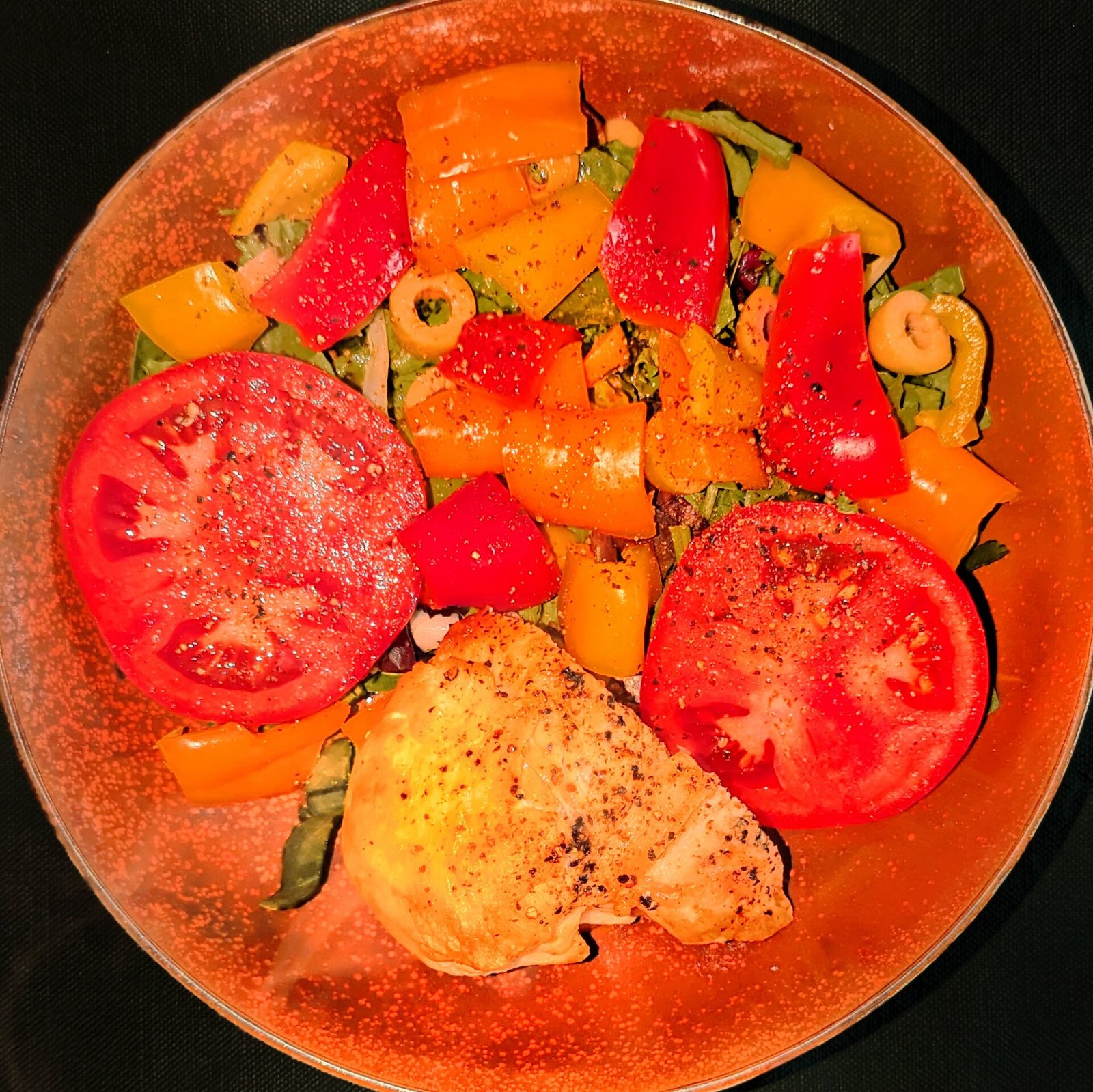
- – Emphasize fruits, many vegetables (confirm any personal exceptions with your RD), refined or whole grains as advised, dairy if tolerated, eggs, and meats other than organ meats as your team allows.
- – Work with a registered dietitian experienced in Wilson disease—copper content varies by food lists and local water.
Alcohol and liver protection
- – Avoid alcohol unless your hepatologist explicitly clears small amounts; Wilson disease already stresses the liver.
- – Skip unproven “liver cleanse” supplements that can harm the liver.
Medicine-compatible meal timing
- – Some chelators have food-timing rules (often away from meals)—follow your pharmacy label and clinician sheet exactly.
- – Zinc regimens also have timing/separation rules from certain foods or minerals—do not freestyle.
Foods and habits that often worsen Wilson disease kitchen patterns
- – Frequent shellfish, liver, cocoa-heavy desserts, mushroom-centric meals, and large nut portions during the early treatment phase against advice (NIDDK examples).
- – Stopping chelators/zinc because diet “feels clean.”
- – Copper-containing supplements or multivitamins without checking the label with your clinician.
- – Alcohol binges and hepatotoxic herbals.
- – Using someone else’s hemochromatosis or generic “detox” list instead of Wilson-specific guidance.
Practical kitchen protocol: a Wilson disease diet week
1. Keep the medical spine first
Know your medicines, lab monitoring schedule, and neurologist/hepatologist contacts. Wear medical identification if advised. Never stop therapy when traveling.
2. Shopping list (early-phase example—confirm with your RD)
Allowed proteins and grains per your plan; fruits; approved vegetables; dairy if cleared; cocoa-free desserts; avoid shellfish/liver/mushroom/nut/chocolate products unless cleared.
3. Default plate template
- – Half vegetables/fruit as cleared
- – Quarter grains
- – Quarter approved protein
- – Season without relying on shellfish sauces or liver pâtés
4. Sample day (illustrative early-phase pattern)
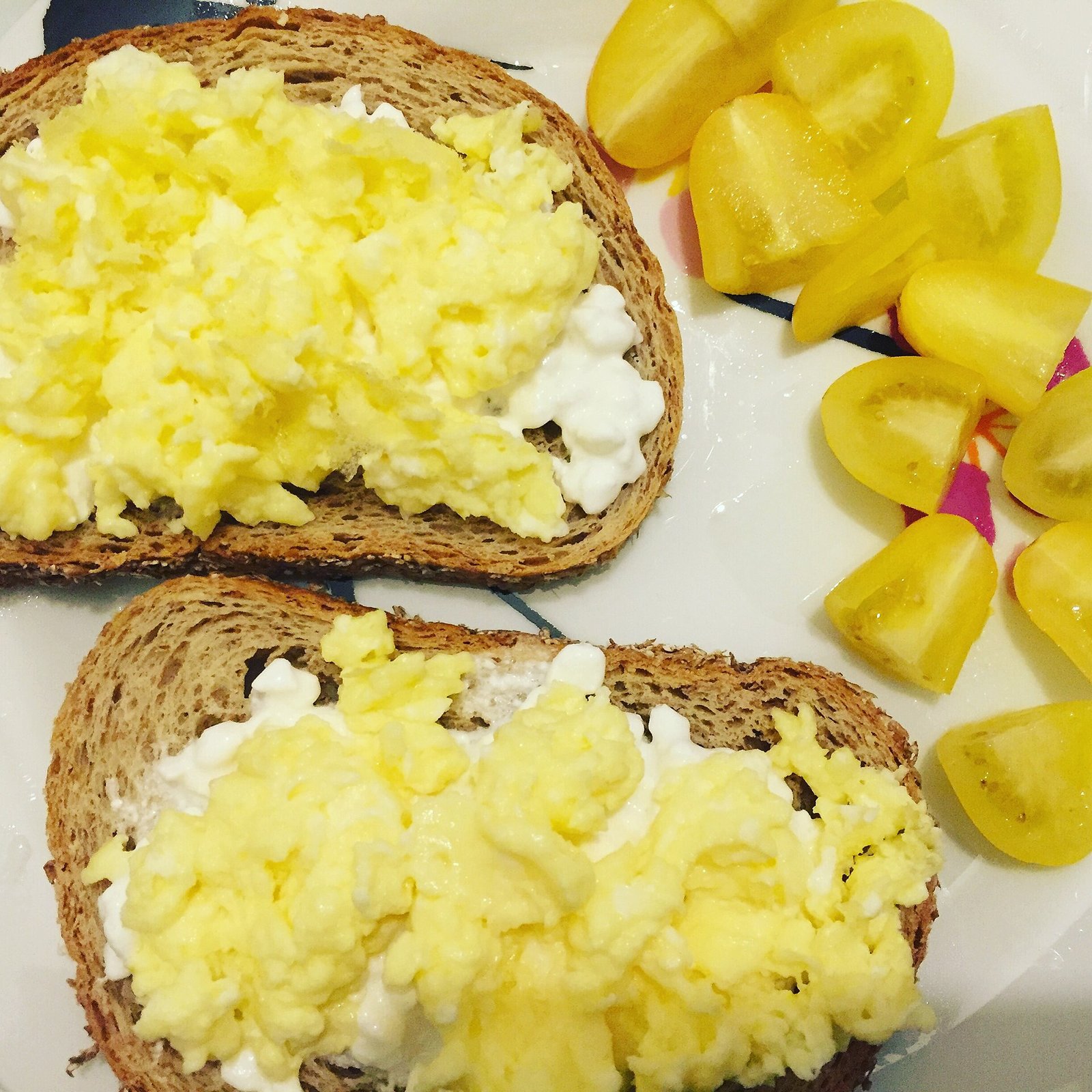
- – Breakfast: eggs, toast, fruit; medicines per timing sheet.
- – Lunch: turkey or chicken sandwich with lettuce/tomato; fruit; water.
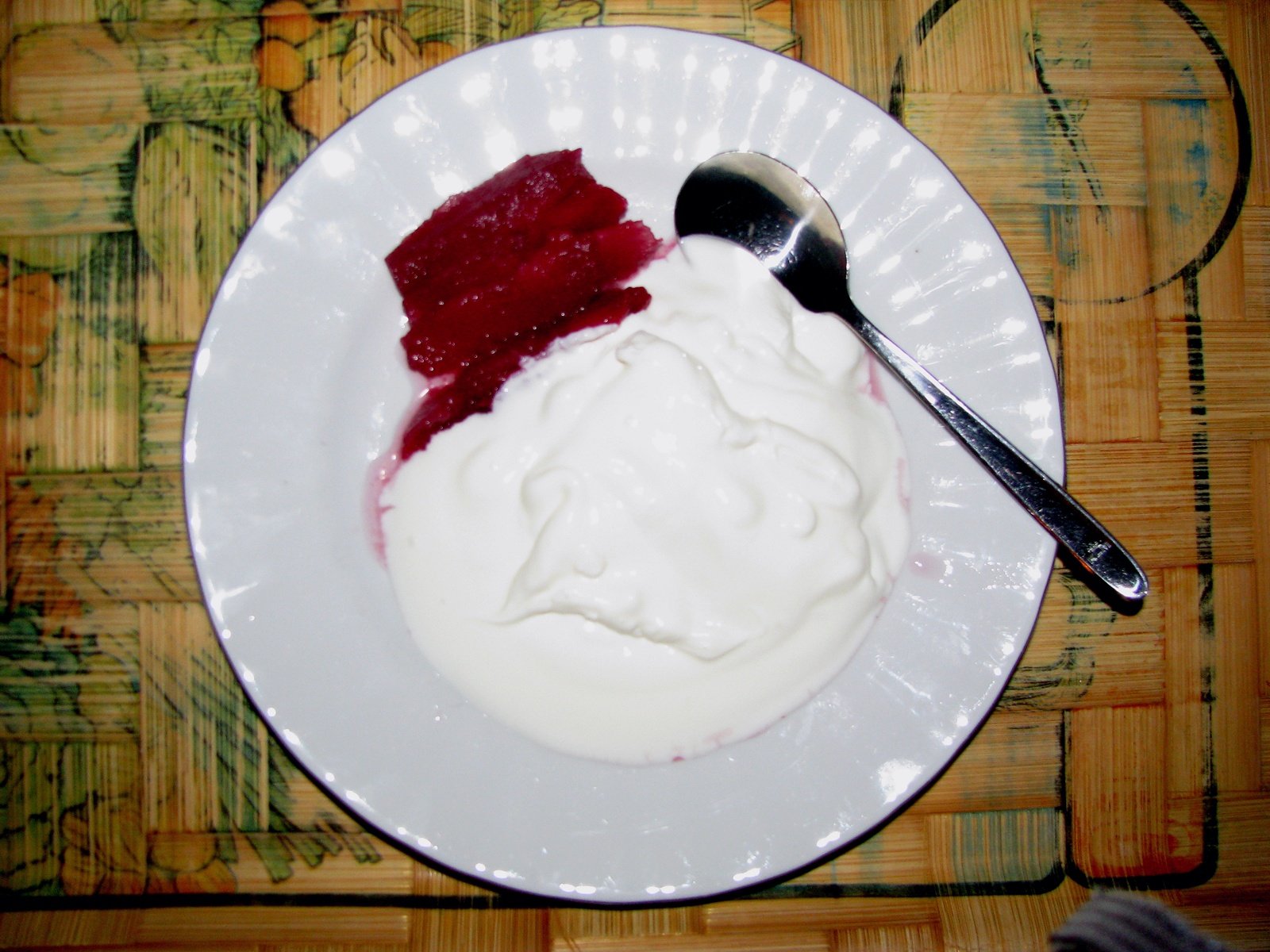
- – Snack: yogurt or cheese if cleared—not a trail-mix nut bag.
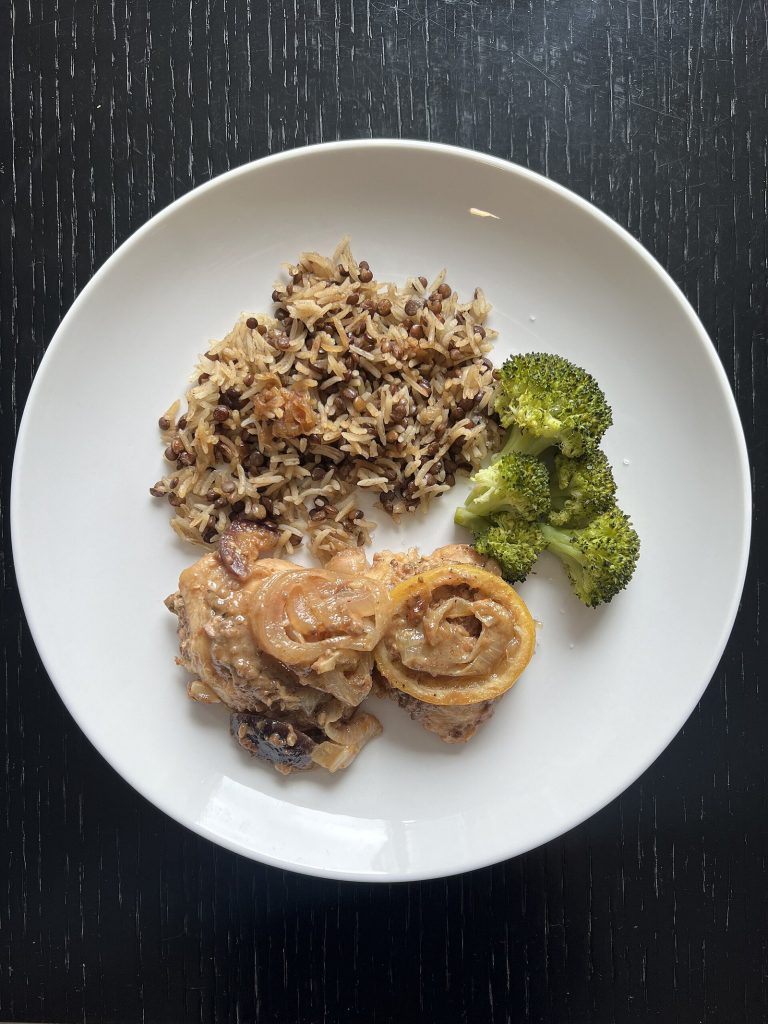
- – Dinner: baked chicken or fish (non-shellfish), rice, green beans or carrots as approved; fruit dessert instead of chocolate.
- – Restaurant: ask about mushroom sauces, nut toppings, shellfish stock, and chocolate desserts.
5. Water and cookware
Ask whether well water or copper pipes/cookware need testing or changes in your household plan.
6. Related mineral pages
Do not mix up copper restriction with iron restriction for hemochromatosis (hemochromatosis diet guide) unless you have both diagnoses.
Safety, interactions, and who should ask a clinician first
- – Neurological Wilson symptoms, acute liver failure signs (jaundice, swelling, confusion), or medicine side effects need urgent specialist care.
- – Pregnancy planning requires specialist medicine adjustments—not DIY diet-only approaches.
- – Children need pediatric hepatology dietitian support for growth.
- – Multivitamins, “bone broth,” shellfish oil claims, and cocoa supplements can hide copper—check everything.
FAQ
Can a low-copper diet replace trientine, penicillamine, or zinc therapy? No. NIDDK frames lifelong medical treatment as essential; diet supports therapy.
Which foods does NIDDK call out as high copper when starting treatment? Chocolate, liver, mushrooms, nuts, and shellfish are the listed examples—confirm personal lists with your team.
Can I eat those foods after maintenance begins? Maybe—NIDDK says to ask your doctor whether you can safely eat them again.
Is Wilson disease the same as too much dietary copper in healthy people? No. It is a genetic copper-handling disorder. Healthy people should not copy Wilson diets casually.
Do I need to avoid all copper forever at the strictest level? Not automatically. Treatment phase and maintenance differ; labs and medicines guide liberalization.
How this differs from related OTCFood topics
This page is a Wilson disease–bound copper-aware diet guide aligned with NIDDK. It is not a hemochromatosis iron page, not a generic liver cleanse, and not a substitute for chelation/zinc therapy.
Medical disclaimer
Medical disclaimer: This article is for general information only. It is not medical advice, diagnosis, or a treatment plan. Wilson disease requires specialist diagnosis and lifelong therapy. Talk with your hepatology clinician or registered dietitian before starting, stopping, or changing any eating plan, supplement, or medicine. Seek urgent care for confusion, severe abdominal pain, vomiting blood, yellowing of the eyes/skin, or sudden neurological decline.