Diet After Knee Arthroscopy: Foods That May Help and Foods to Limit
Medical note: This article discusses foods and researched botanicals. It does not claim to prevent, treat, or cure disease. Supplements are not a substitute for food, and studied amounts are not personal prescriptions.
People searching “diet after knee arthroscopy foods that help or worsen” usually want practical fueling that supports swelling control, constipation prevention on pain medicines, and rehab energy—not a claim that food repairs cartilage, replaces physical therapy, or shortens every surgeon’s timeline. AAOS OrthoInfo describes knee arthroscopy as a procedure using a small camera and instruments through tiny incisions to diagnose and address many knee problems, with faster recovery than open surgery for many patients—but careful home instructions still matter. Elevation, ice, weight-bearing rules, and therapeutic exercise drive recovery; kitchen habits support comfort and consistency.
What this after-knee-arthroscopy diet guide covers (and what it does not)
This guide is for adults recovering from arthroscopic knee procedures (for example meniscus work, loose-body removal, or cartilage procedures as listed by AAOS) who want grocery patterns that fit crutches, elevation time, and PT sessions. Anchors: AAOS OrthoInfo — Knee Arthroscopy, AAOS — Knee Arthroscopy Exercise Guide, NIAMS — Sports Injuries, and MedlinePlus knee-replacement discharge pages for general postoperative self-care themes when relevant to limited mobility (not claiming arthroplasty equivalence).
AAOS notes possible postoperative issues including infection, blood clots, stiffness, blood accumulation, bruising, or swelling; opioids should be used only as directed. Related reading: diet after meniscus surgery guide and diet after knee replacement guide.
Evidence snapshot: after-knee-arthroscopy diet claims vs public sources
| Claim people hope for | What public sources actually say | Confidence |
|---|---|---|
| “A collagen powder replaces PT” | AAOS: exercise and formal PT play important roles in recovery | Strong: food ≠ rehab |
| “Zero protein ‘rests the joint’” | Recovery fueling generally needs adequate protein and calories while mobility is limited | Moderate practical consensus; not a cartilage fix |
| “Ice cream only for three weeks is ideal” | Soft desserts are fine occasionally; overall patterns should still include produce, fiber, and protein | Strong against ice-cream-only |
| “Diet dissolves blood clots” | AAOS may mention medicines such as aspirin when prescribed to lessen clot risk—kitchen changes do not replace that plan | Strong |
| “Running is fine if you eat anti-inflammatory foods” | AAOS exercise guide: doctors may restrict running for a period after surgery | Strong: follow activity rules |
Foods and patterns that may help after knee arthroscopy day to day
“May help” means steadier energy for elevation/PT days and softer bowels on pain medicines—not arthroscopic cartilage regeneration.
Protein-forward, easy-prep meals
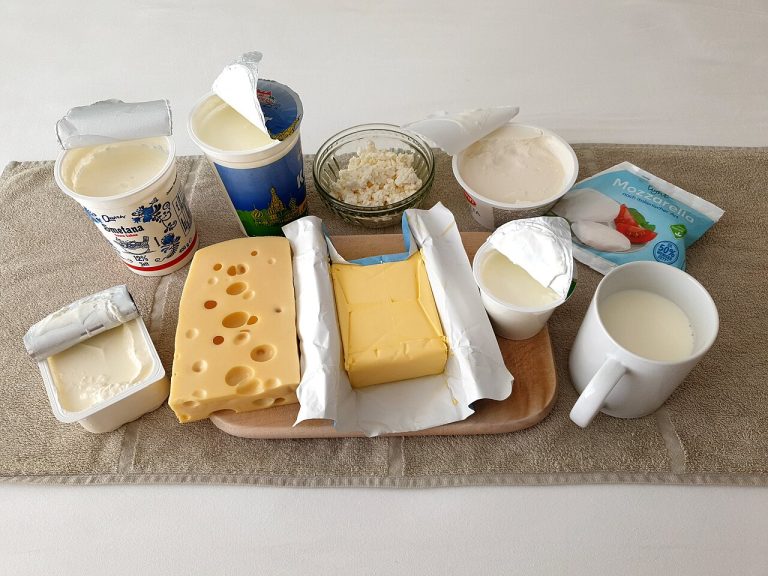
- – Eggs, yogurt, cottage cheese, fish, poultry, tofu, beans, and soft meats that do not require long standing at the stove.
- – Batch-cook before surgery when possible so crutches weeks are microwave-simple.
Fiber and fluids against opioid constipation
- – Oats, soft cooked vegetables, fruits (pears, berries, prunes if tolerated), beans as digestion allows—see constipation diet guide.
- – Keep water visible during elevation blocks (AAOS: elevate the leg as much as possible first few days; ice as directed).
Bone- and muscle-supportive micronutrient patterns
- – Dairy or fortified alternatives, leafy greens, and vitamin D–aware habits overlap osteoporosis diet guide themes for long-term musculoskeletal health—without claiming they fix meniscus tears.
- – After sports injuries generally, NIAMS emphasizes appropriate medical care and RICE principles for many acute injuries; nutrition supports rehab adherence rather than replacing it.
Anti-swelling lifestyle that sits beside the plate
- – Elevation and ice per AAOS instructions matter more than any spice blend marketed as “de-bloat.”
- – Maintain a weight pattern your clinician supports—excess body weight loads the knee during gait retraining, but crash diets can sap PT energy.
Foods and habits that often worsen after-knee-arthroscopy kitchen patterns
- – Low-fluid, low-fiber patterns while taking opioids → hard stools and straining that make elevation miserable.
- – Heavy alcohol with pain medicines or that disrupts sleep needed for recovery.
- – Ultra-processed grazing only that skips protein before PT sessions.
- – Standing to cook elaborate meals against weight-bearing or fatigue limits—use seated prep or help.
- – Ignoring calf pain, chest pain, fever, or incision drainage while “eating clean”—AAOS lists clot and infection concerns as medical issues.
- – Restarting running or cutting calories aggressively because social media promised faster recovery.
“Limit” means reducing constipation and energy crashes—not blaming one dessert for graft failure (when repairs were done).
Practical kitchen protocol: an after-knee-arthroscopy diet week
1. Keep the medical spine first
Confirm weight-bearing status, brace rules, dressing changes, clot-prevention medicine if prescribed, PT start date, and driving clearance (AAOS often cites roughly 1–3 weeks for minor procedures—individualize).
2. Shopping list for rehab weeks
Eggs; Greek yogurt; cottage cheese; pre-washed salad kits; microwave rice/potatoes; canned beans (rinse); frozen vegetables; bananas; oatmeal; olive oil; oral fluids; stool softener only if your clinician advised one.
3. Default plate while elevated
- – Protein serving
- – Soft fiber carbohydrate
- – Fruit or cooked vegetables
- – Water within reach on the non-operative side of the couch
4. Sample day (illustrative)
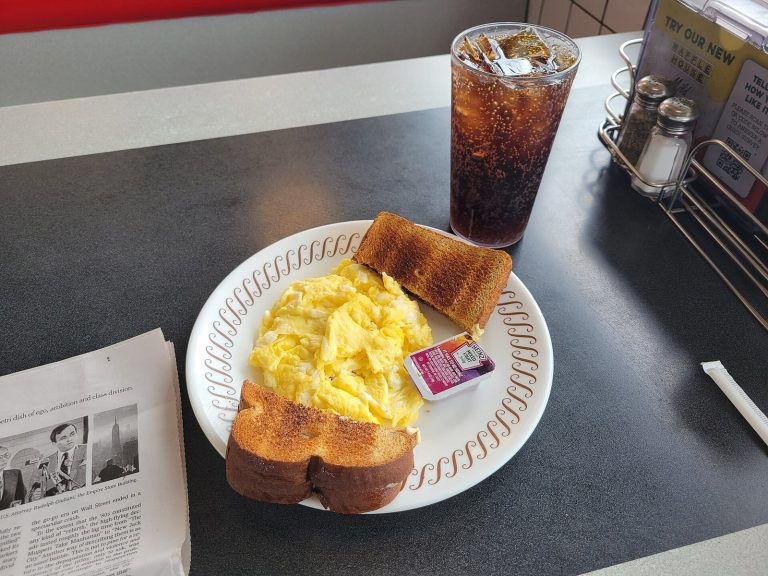
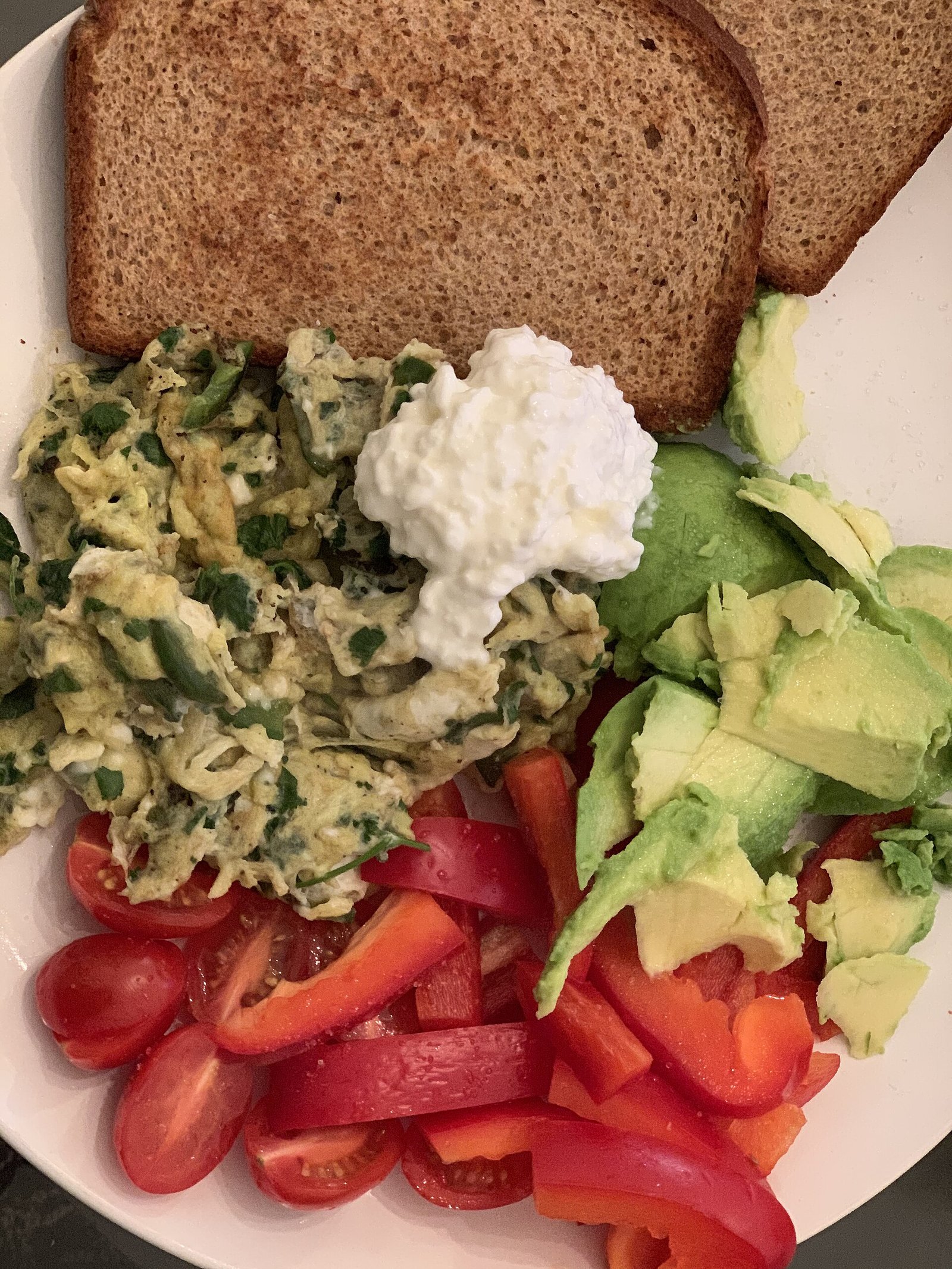
- – Breakfast: scrambled eggs with spinach; oatmeal; water.
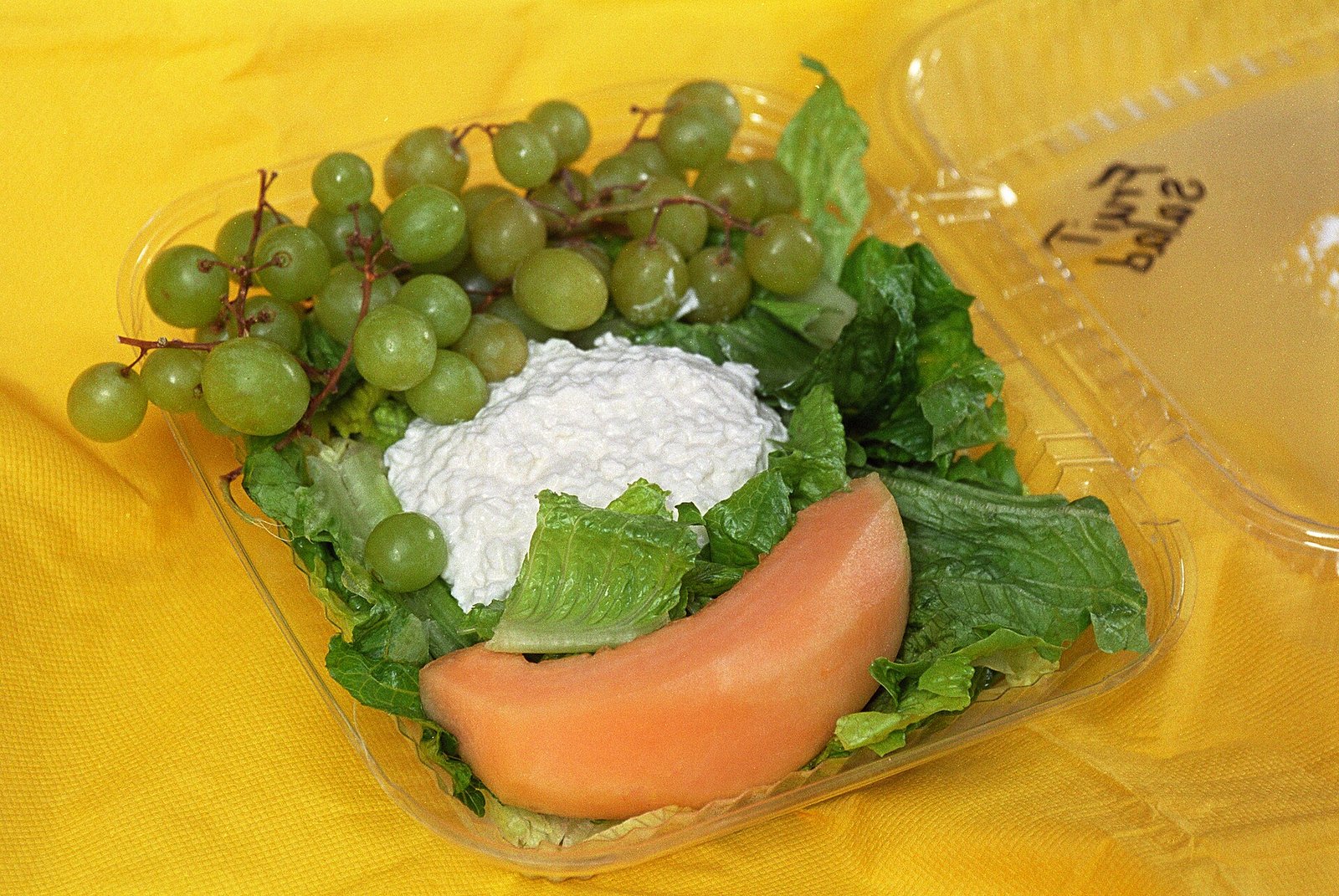
- – Lunch: cottage cheese with fruit; soft sandwich if chewing/appetite OK.
- – Snack: yogurt; prune portion if constipated and cleared.
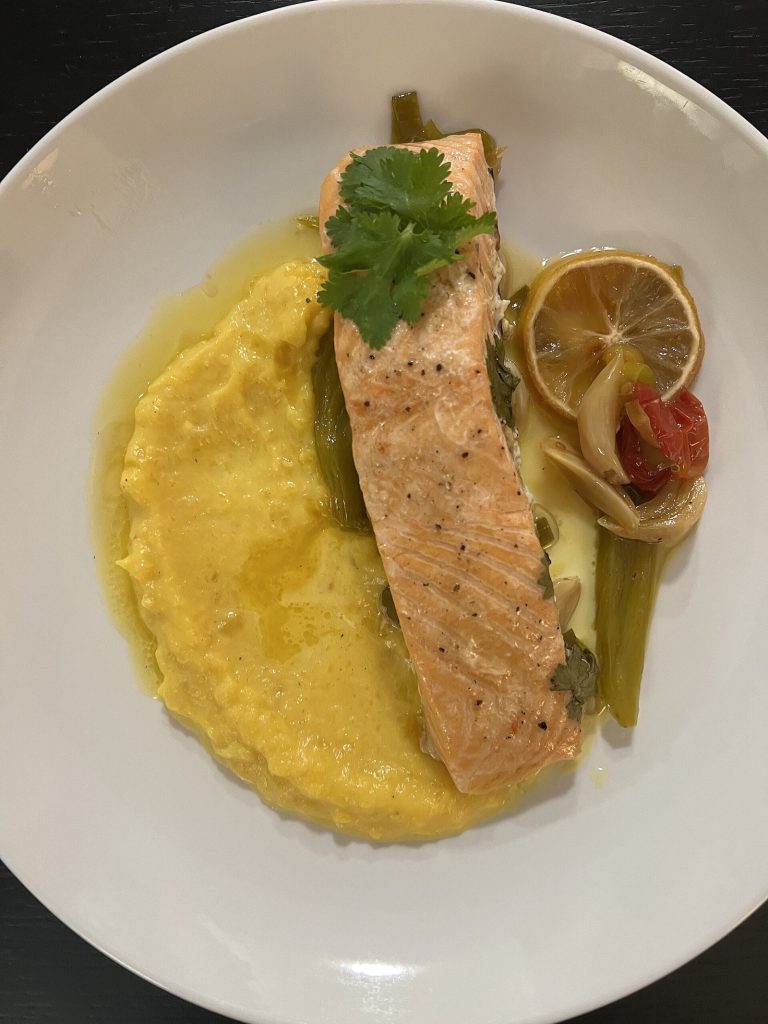
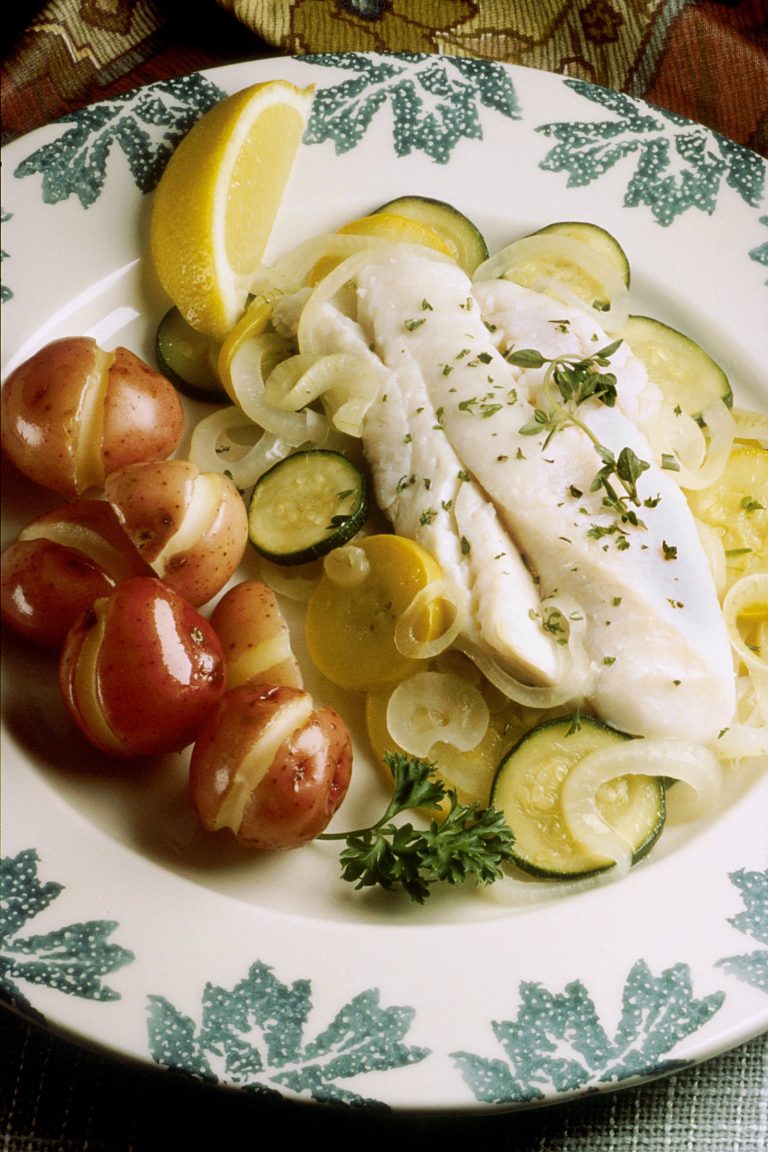
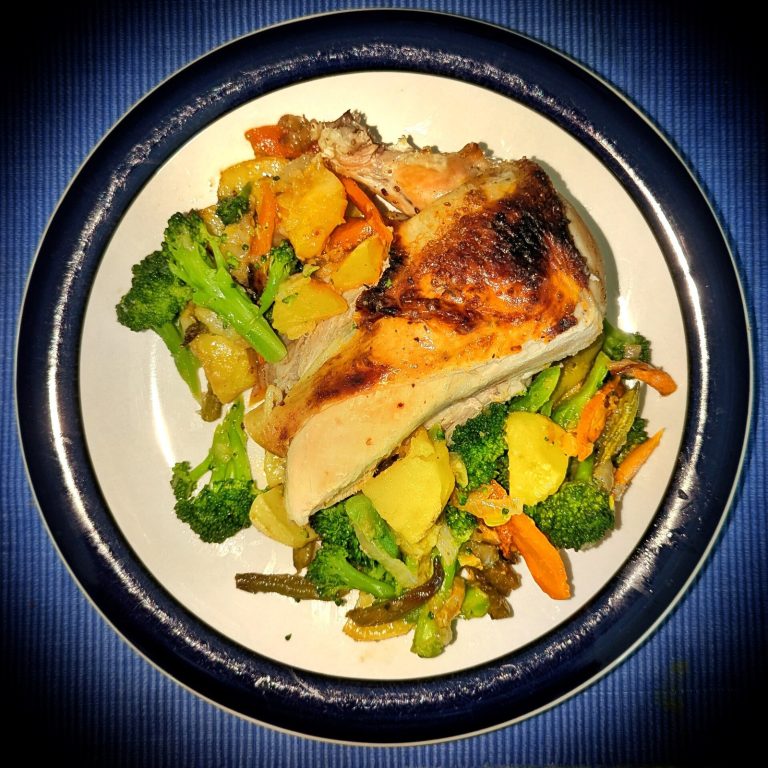
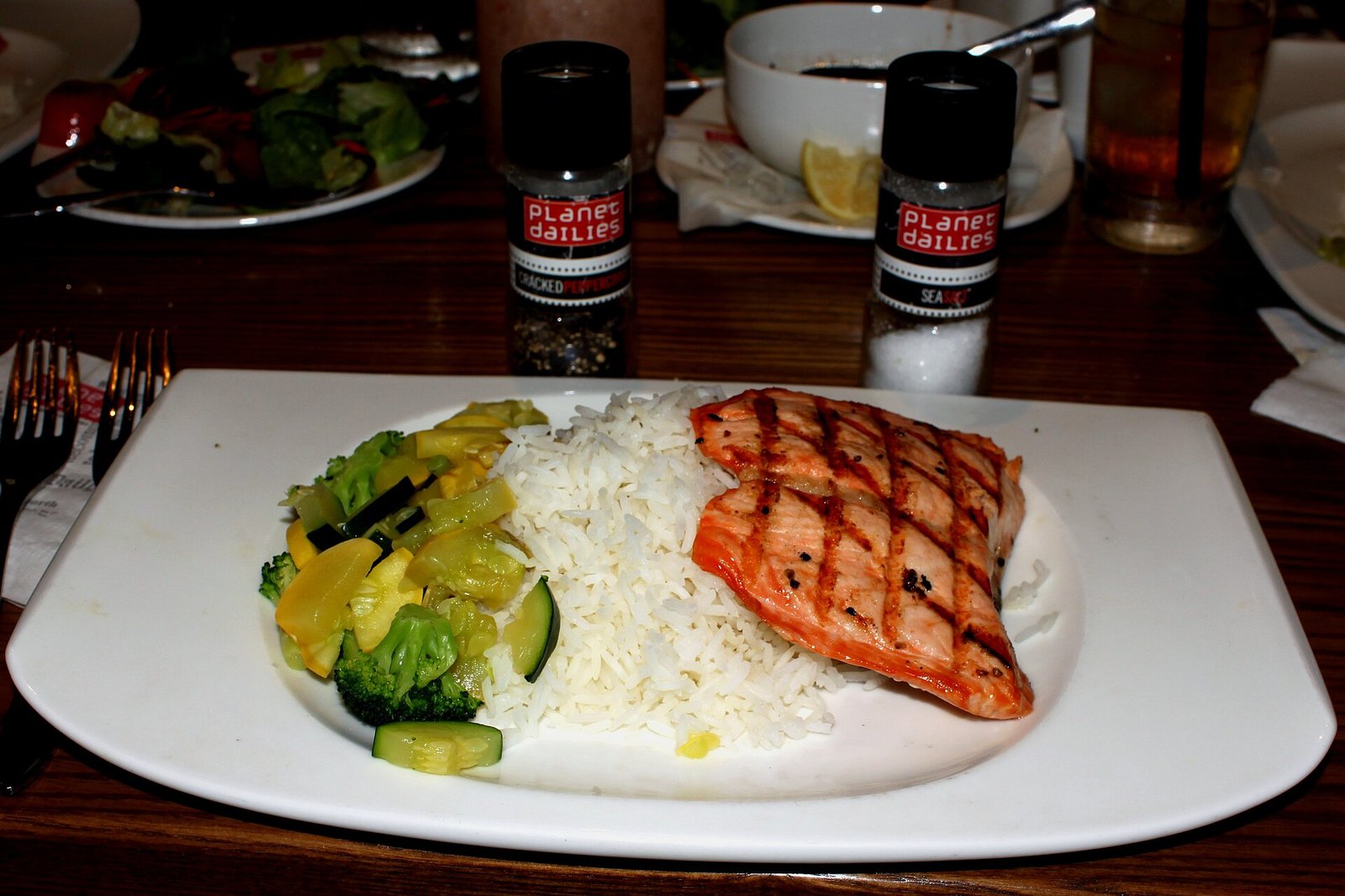
- – Dinner: baked fish or chicken, potatoes, cooked vegetables.
- – Evening: warm fluid; elevation block with ice as directed—not a second beer.
Crutch-week cooking shortcuts
- – Use a cart or backpack to move plates so you are not carrying hot liquids while non-weight-bearing if that is your status.
- – Prefer one-pan sheet meals you assemble seated: toss protein and vegetables with oil, bake, then ice the knee while they cook.
- – Keep high-protein snacks in a cooler bag beside the recliner used for elevation.
Sleep and late-night hunger
- – AAOS recovery depends partly on pain control and rest. A small yogurt or banana before bed may prevent 2 a.m. kitchen trips on crutches.
- – Limit large late salty meals that increase overnight thirst and bathroom trips with a stiff knee.
Guest helpers and food safety on crutches
- – Ask helpers to place frequently used items between waist and shoulder height so you are not hopping for spices.
- – Refrigerate leftovers promptly; reduced mobility is not an excuse for counter-sitting rice overnight.
5. PT-day timing
Eat a protein-containing snack 60–90 minutes before therapy when possible; pack water. If the knee swells after activity, AAOS exercise guidance points back to rest/ice/compression/elevation principles—adjust food prep effort accordingly.
6. Related joint pages
Meniscus-specific kitchen notes: diet after meniscus surgery guide. Larger reconstructions or replacements differ—see diet after knee replacement guide and diet after rotator cuff repair guide for other recovery fueling templates.
Safety, interactions, and who should ask a clinician first
- – NSAIDs or aspirin for pain/clot prevention: confirm stomach and bleeding risk; do not double-dose OTC.
- – Kidney disease or heart failure: individualize fluids.
- – Diabetes: soft snack patterns still need glucose plans around reduced activity.
- – Contact the surgical team for calf swelling/redness, chest pain, shortness of breath, fever, or wound problems.
FAQ
Does diet repair the meniscus after arthroscopy? No. AAOS centers surgical findings, activity limits, and exercise/PT; food supports energy and comfort.
Why focus on fiber after a knee scope? Pain medicines, especially opioids, often slow the bowels; fiber and fluids are practical countermeasures.
Can I drink alcohol to sleep after surgery? Generally unwise with opioids and for swelling/sleep quality—ask your clinician.
When can diet become “normal” again? As appetite and mobility return and your surgeon clears activity; keep protein and produce as defaults.
How is this different from knee replacement diet guidance? Arthroscopy recovery is often faster, but both need protein, constipation awareness, and mobility safety—replacement pages cover longer joint precautions.
How this differs from related OTCFood topics
This page is a knee-arthroscopy-bound diet guide focused on rehab fueling, elevation-friendly meals, and constipation prevention. It is not an ACL reconstruction protocol and not a substitute for orthopaedic follow-up.
Medical disclaimer
Medical disclaimer: This article is for general information only. It is not medical advice, diagnosis, or a treatment plan. Care after knee arthroscopy depends on the exact procedure, cartilage/ligament findings, clot risk, and your surgeon’s protocol. Talk with a clinician or registered dietitian before starting, stopping, or changing any eating plan, supplement, or medicine. Seek urgent care for clot or infection warning signs.