Non-Celiac Gluten Sensitivity Diet: Foods That May Help and Foods to Limit
Medical note: This article discusses foods and researched botanicals. It does not claim to prevent, treat, or cure disease. Supplements are not a substitute for food, and studied amounts are not personal prescriptions.
People searching “non-celiac gluten sensitivity diet foods that help or worsen” usually want a clear kitchen plan after gluten seems to trigger symptoms—without skipping the medical step that rules out celiac disease and wheat allergy. NIDDK describes celiac disease as a chronic digestive and immune disorder triggered by gluten that damages the small intestine; treatment is a lifelong gluten-free diet taught with a registered dietitian. MedlinePlus likewise stresses that celiac is different from wheat allergy, and that gluten appears in wheat, barley, rye, and many packaged products. Non-celiac gluten sensitivity (NCGS) is a clinical label used when gluten-related symptoms improve on a gluten-free trial after celiac disease and wheat allergy have been appropriately excluded. This page supports that clinician-led pathway—it does not diagnose NCGS from a grocery-aisle experiment alone.
What this NCGS diet guide covers (and what it does not)

This guide is for adults exploring gluten-related symptoms who need practical gluten-free pattern ideas after testing guidance from a clinician, and for people already told they do not have celiac disease but still react to gluten-containing foods. Anchors: NIDDK — Celiac disease, MedlinePlus — Celiac disease, and MedlinePlus — Dietary fiber.
Critical sequence: do not start a long-term gluten-free diet before celiac blood tests/biopsy planning when celiac is possible—removing gluten first can make celiac testing harder to interpret. If celiac is confirmed, follow the lifelong gluten-free framework in celiac disease diet guide. If IBS-like symptoms dominate after exclusion diets, see also IBS diet guide.
Evidence snapshot: NCGS diet claims vs public sources
| Claim people hope for | What public sources actually say | Confidence |
|---|---|---|
| “Feeling better off bread proves celiac is impossible” | NIDDK/MedlinePlus: celiac needs medical testing; gluten-free eating is treatment after diagnosis | Strong: test before prolonged elimination when celiac possible |
| “Wheat allergy and celiac are the same” | MedlinePlus: wheat allergy differs from celiac though both involve immune reactions to wheat | Strong |
| “Gluten-free cookies are automatically healthier” | Public nutrition pages emphasize balanced diets; gluten-free ultra-processed snacks can be low in fiber | Moderate: quality still matters |
| “Fiber no longer matters on a gluten-free pattern” | MedlinePlus: fiber from whole grains, nuts, seeds, fruit, vegetables supports digestion; increase gradually | Strong for fiber goals from GF sources |
| “NCGS means you must avoid all oats forever like proven celiac cross-contact rules” | Celiac education often addresses oats/cross-contact carefully; NCGS plans are individualized—ask your clinician/RD | Individual |
Foods and patterns that may help when an NCGS-style plan is appropriate
“May help” means supporting symptom trials and nutrient adequacy on gluten-free eating—not proving you never needed celiac testing.
Confirm the medical pathway first
- – Ask about celiac serology and whether you should keep eating gluten until testing finishes.
- – Discuss wheat allergy testing if reactions are rapid (hives, breathing issues)—that pathway differs from NCGS.
- – Work with a GI clinician or dietitian before long elimination diets.
Naturally gluten-free staples
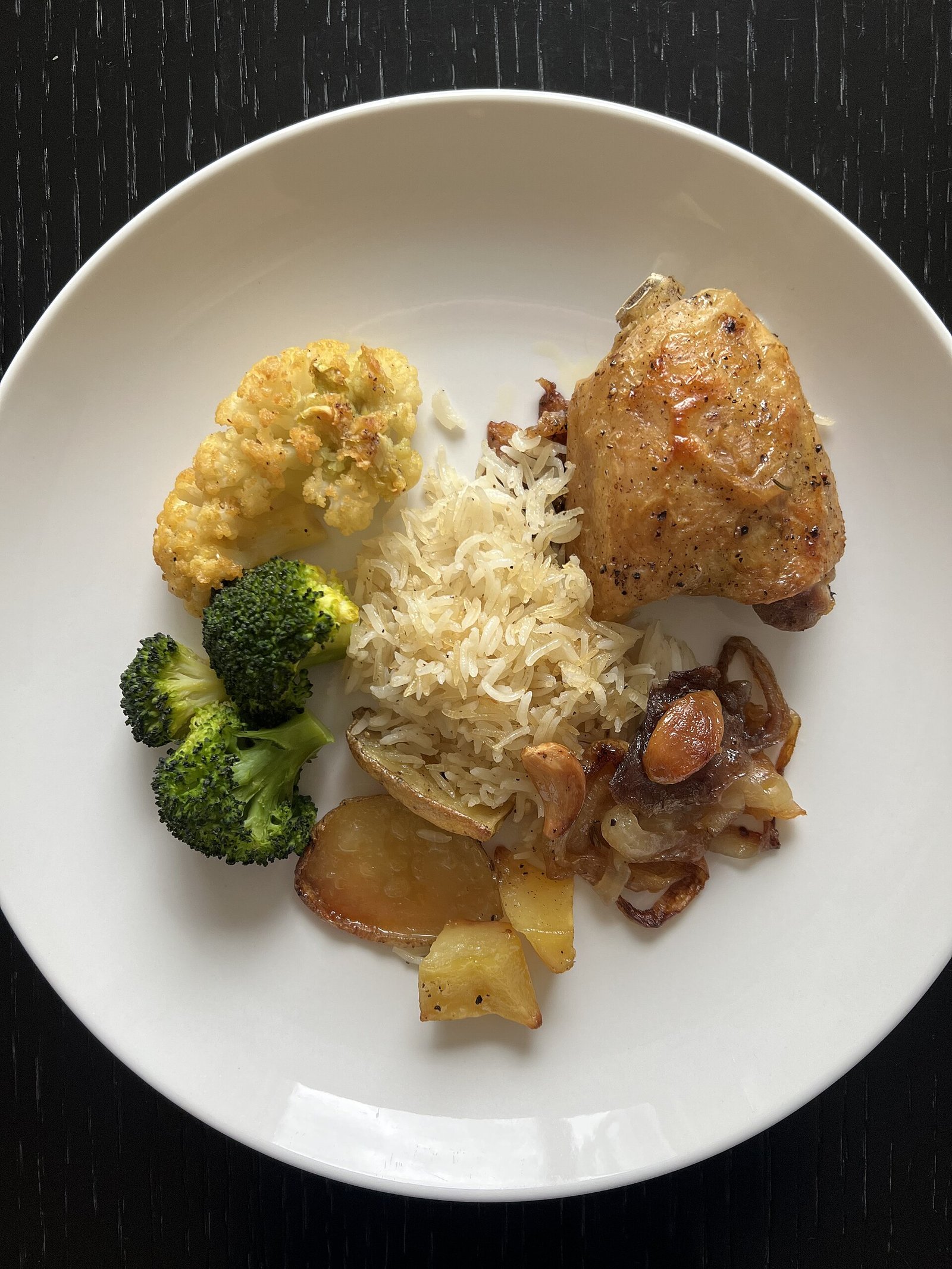
- – Plain rice, corn, potatoes, quinoa, buckwheat, millet, and certified gluten-free oats if your clinician/RD includes oats.
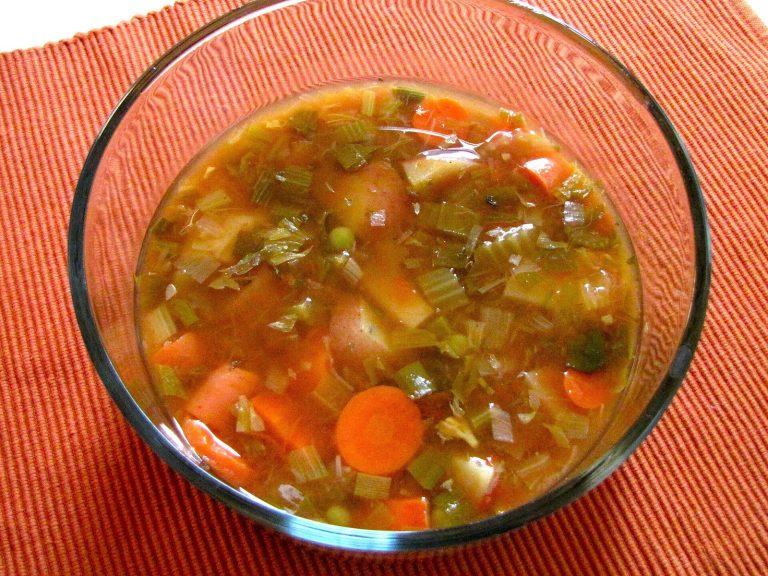
- – Fresh fruit, vegetables, legumes, nuts, seeds, eggs, fish, poultry, meat, and most plain dairy (unless lactose issues coexist—see lactose intolerance diet guide).
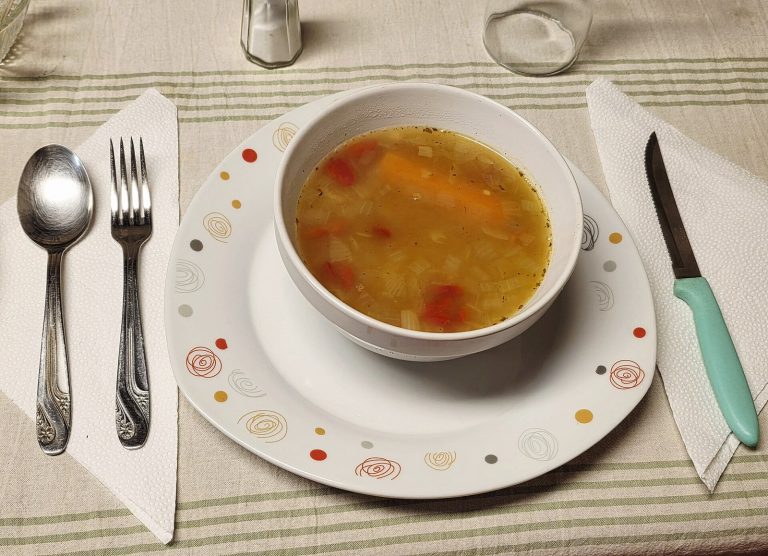
- – Label-check sauces, soups, soy sauce, seasonings, and processed meats for wheat/barley/rye ingredients.
Rebuild fiber on gluten-free plates
- – MedlinePlus notes most Americans under-eat fiber and that rapid increases cause gas/bloating—ironic when bloating is already a symptom.
- – Use vegetables, fruit, beans, chia/flax if tolerated, and gluten-free whole grains to replace the fiber lost when wheat breads exit. Constipation-focused tips: constipation diet guide.
Structured reintroduction only with guidance
- – After a supervised gluten-free trial, some clinicians reintroduce gluten to confirm NCGS vs other triggers (FODMAPs, fructose, etc.). Fructose issues differ and need separate evaluation.
- – Keep a brief symptom-and-food log; do not stack five new eliminations at once.
Cross-contact awareness when symptoms are severe
- – Shared toasters, cutting boards, and fryers can matter for highly sensitive people—more critical in proven celiac, but still practical if tiny exposures trigger you.
Micronutrient watch when wheat exits
When people drop fortified wheat breads and cereals, iron, B vitamins, and fiber intakes can fall unless replaced. Choose gluten-free products that list whole-grain GF flours, or emphasize beans, meats, eggs, leafy vegetables, and fortified GF cereals your clinician finds appropriate. If labs show iron or B12 issues, that is a medical plan—not a reason to restart gluten on your own.
Social meals without isolation
Explain your trial briefly: “I’m avoiding wheat, barley, and rye for a clinician-guided trial.” Offer to bring a GF side dish. Isolation and fear of every crumb can worsen quality of life; dietitians help set practical cross-contact rules matched to your actual diagnosis (celiac vs NCGS vs allergy).
Foods and habits that often worsen NCGS kitchen patterns
- – Starting a permanent gluten-free diet before indicated celiac testing—risk of false-negative workups.
- – Assuming every GI symptom is gluten—missing lactose intolerance, IBS, SIBO evaluation, or medication side effects.
- – Living on gluten-free cookies, chips, and sweet bars that displace fiber and micronutrients.
- – Beer, standard soy sauce, malt vinegar, and barley-containing products overlooked while focusing only on bread.
- – Supplement powders and broths that hide wheat-derived ingredients—read labels like NIDDK/MedlinePlus celiac education teaches for gluten-free living.
- – Claiming food ends autoimmune disease—voice stays may-help/limit only.
Practical kitchen protocol: an NCGS-aware fortnight
1. Week 0 — medical checklist
Schedule clinician visit; clarify whether to continue gluten until labs/biopsy. Bring a medication list. Do not self-diagnose from social media.
2. Shopping swap list (after clearance to trial GF)
- – Replace wheat pasta with rice or corn pasta; wheat bread with labeled GF breads you tolerate.
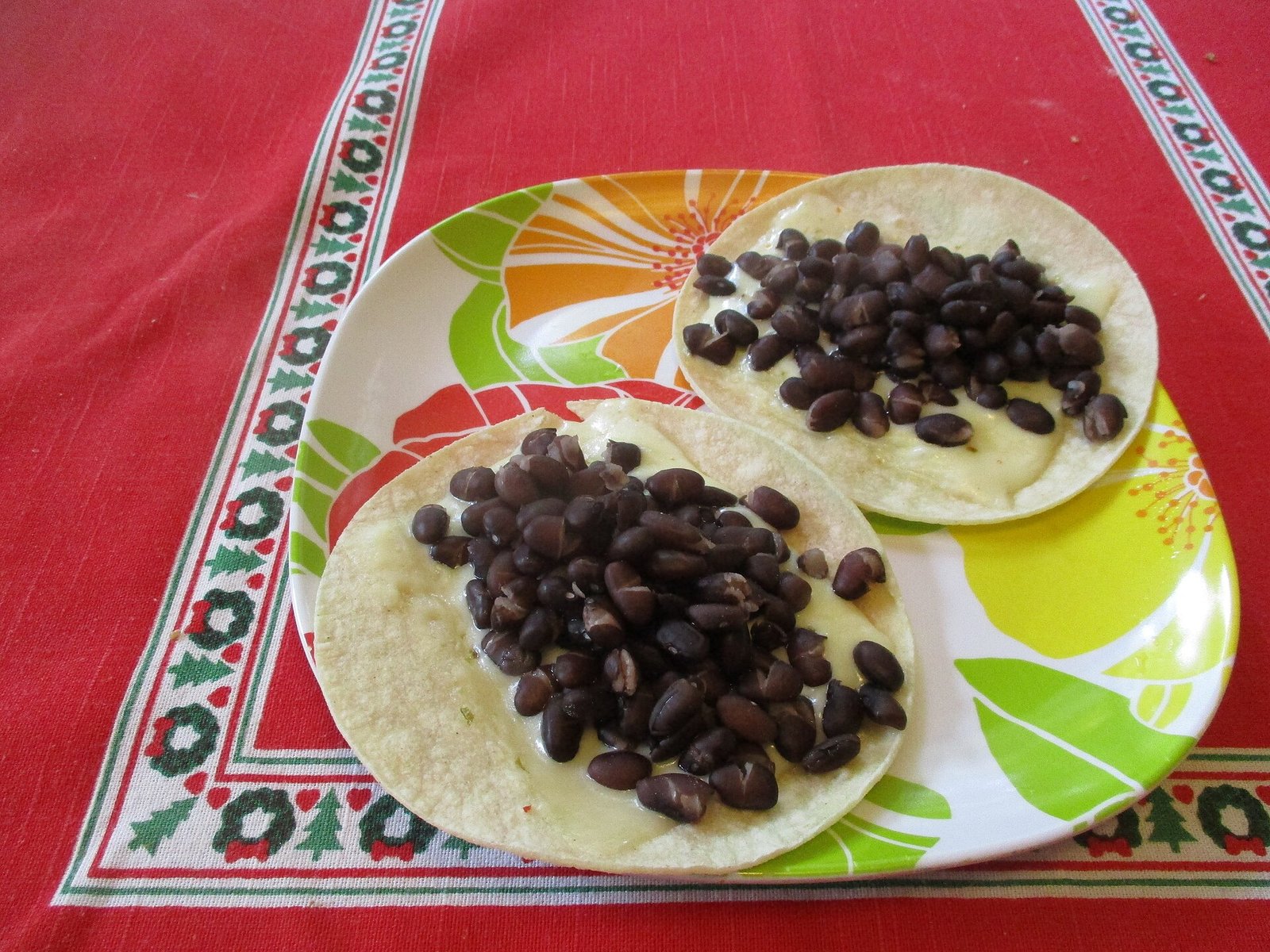
- – Stock rice, potatoes, corn tortillas (check labels), quinoa, beans, eggs, yogurt, produce, olive oil.
- – Choose certified GF oats only if included in your plan.
3. Default plate template
- – Half vegetables/fruit
- – Quarter gluten-free starch
- – Quarter protein
- – Add a fiber source deliberately (beans, veg, chia) to offset GF processed foods
4. Sample day (illustrative)
- – Breakfast: scrambled eggs, fruit, certified GF oats or corn tortillas.
- – Lunch: rice bowl with chicken, beans, salsa, salad.
- – Snack: yogurt and berries or a handful of nuts.
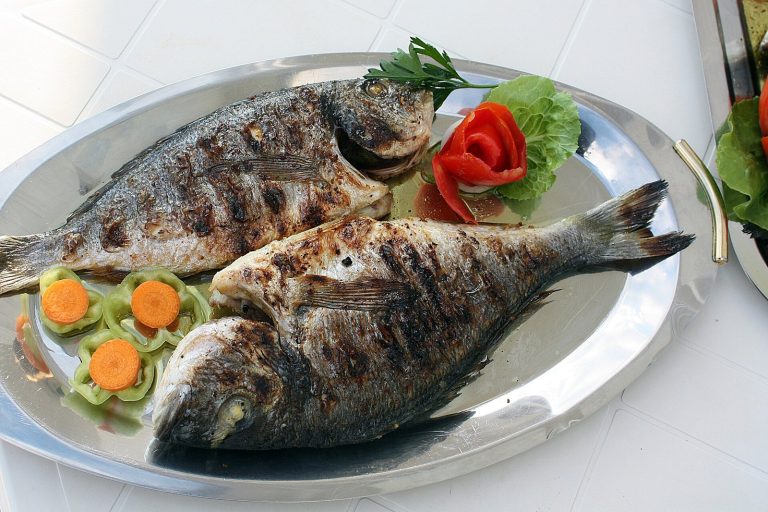
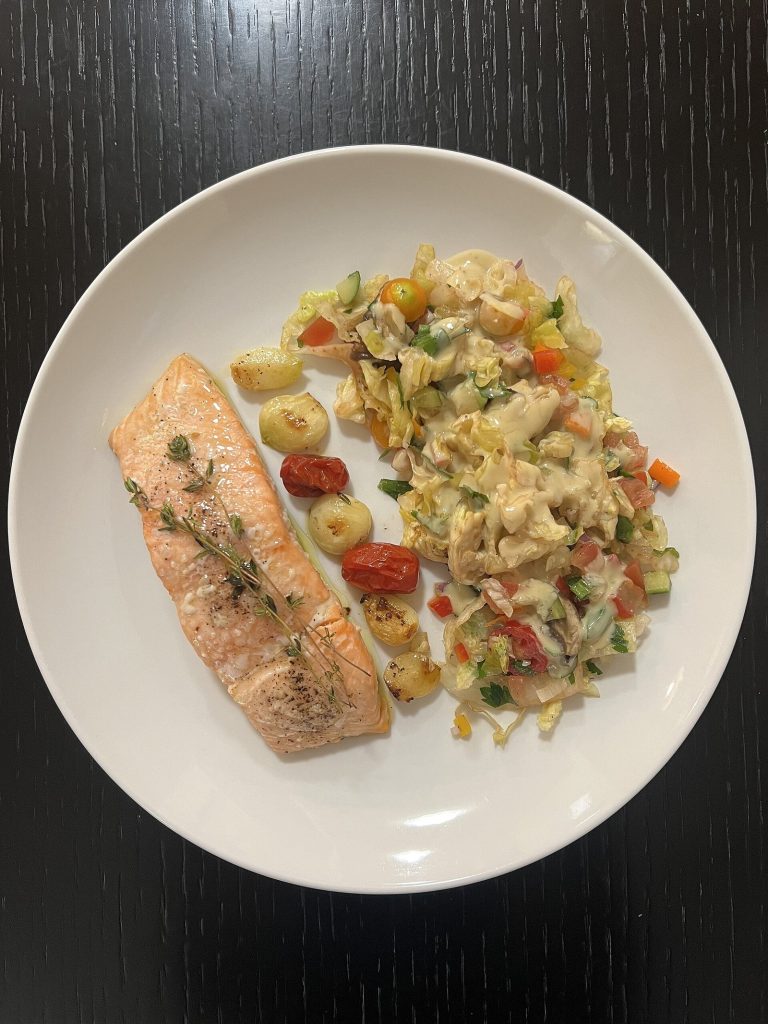
- – Dinner: baked fish, potatoes, roasted vegetables; fruit.
- – Watch-outs: soy sauce packets, gravy, malt flavoring, shared bakery bins.
5. Dining out
Ask about wheat thickeners and fryer oil shared with breaded foods. When uncertain, choose simple grilled proteins and plain steamed sides.
Safety, interactions, and who should ask a clinician first
- – Unexplained weight loss, anemia, severe diarrhea, bone loss, or dermatitis herpetiformis-type rash needs prompt GI evaluation for celiac—not endless home experiments.
- – Children with suspected gluten issues need pediatric clinicians; growth depends on accurate diagnosis.
- – Pregnant people need nutrient planning when restricting food groups.
- – Gluten-free does not automatically mean low-FODMAP, dairy-free, or allergen-free.
- – If symptoms include anaphylaxis signs, treat as allergy emergency planning—not NCGS.
FAQ
Is NCGS the same as celiac disease? No. Celiac involves immune-mediated intestinal damage diagnosed with medical tests; NIDDK treats it with a lifelong gluten-free diet. NCGS is considered only after celiac (and often wheat allergy) are excluded.
Should I go gluten-free before my blood test? Usually no if celiac testing is planned—ask your clinician. Eating gluten is often needed for accurate testing.
Are oats safe? Depends on your diagnosis and tolerance. Many celiac education resources discuss specially processed oats; for NCGS, follow your RD.
Why do I still bloat on gluten-free cookies? Low fiber, sugar alcohols, or other FODMAP ingredients can irritate—MedlinePlus fiber pages still apply using GF sources.
Can I use this instead of an IBS evaluation? No. Overlapping symptoms are common; see IBS diet guide when IBS is diagnosed.
How this differs from related OTCFood topics
This page is an NCGS-bound diet guide that prioritizes ruling out celiac, then building a nutrient-dense gluten-free pattern with fiber. It is not a substitute for the lifelong medical gluten-free protocol in celiac disease diet guide, and not a wheat-allergy emergency plan.
Medical disclaimer
Medical disclaimer: This article is for general information only. It is not medical advice, diagnosis, or a treatment plan. Gluten-related disorders require individualized testing and follow-up. Talk with a gastroenterologist, allergist, or registered dietitian before starting, stopping, or changing any eating plan, supplement, or medicine. Seek urgent care for severe allergic reactions, vomiting blood, black stools, high fever, or dehydration.