Narcolepsy Diet: Foods That May Help and Foods to Limit
Medical note: This article discusses foods and researched botanicals. It does not claim to prevent, treat, or cure disease. Supplements are not a substitute for food, and studied amounts are not personal prescriptions.
People searching “narcolepsy diet foods that help or worsen” usually want kitchen timing tips that support nighttime sleep and daytime alertness—not a claim that food replaces prescription stimulants, sodium oxybate, or other clinician-directed therapies. MedlinePlus describes narcolepsy as a nervous system problem that causes extreme daytime sleepiness and sleep attacks; many people also have cataplexy, hallucinations at sleep onset/wake, or sleep paralysis. NINDS describes narcolepsy as a chronic neurological disorder that disrupts sleep-wake control, often with fragmented night sleep and rapid entry into REM. There is no cure; medicines plus lifestyle changes help manage symptoms. Diet is an adjunct—especially caffeine timing, meal size at night, and heart-healthy patterns—because NINDS notes higher heart-disease risk in people with narcolepsy.
What this narcolepsy diet guide covers (and what it does not)
This guide is for adults with diagnosed narcolepsy who want practical meal and caffeine habits while they follow sleep-medicine care. Anchors: MedlinePlus Encyclopedia — Narcolepsy, NINDS — Narcolepsy, and MedlinePlus — Caffeine.
MedlinePlus lifestyle tips include a regular sleep schedule, planned daytime naps, avoiding caffeine/alcohol/heavy meals several hours before bed, not smoking, daytime exercise well before bedtime, and counseling when needed. Medicines (stimulants, certain antidepressants, sodium oxybate, and other clinician-chosen options) remain primary for many people. This page is not permission to drive while sleepy or to stop medicines. Related sleep kitchen reading: insomnia diet guide and obstructive sleep apnea diet guide when those diagnoses overlap.
Evidence snapshot: narcolepsy diet claims vs public sources
| Claim people hope for | What public sources actually say | Confidence |
|---|---|---|
| “A special diet ends narcolepsy permanently” | MedlinePlus/NINDS: there is no cure; medicines + lifestyle manage symptoms | Strong |
| “Caffeine anytime is fine” | MedlinePlus lifestyle: avoid caffeine several hours before bed; MedlinePlus caffeine: effects can last 4–6 hours; people with sleep disorders should ask about limits | Strong for evening limits |
| “Heavy late meals help you sleep harder” | MedlinePlus: avoid heavy meals several hours before bedtime; NINDS: avoid large heavy meals late in the day; eating very close to bedtime can make sleep harder | Strong for timing |
| “Ketogenic diets are proven standard care” | NINDS mentions emerging research that ketogenic patterns may help excessive daytime sleepiness in narcolepsy type 1—not a universal prescription | Low–moderate; specialist only |
| “Diet replaces planned naps and driving safety rules” | Both sources emphasize scheduled naps and safety; medicines often required | Strong: safety first |
Foods and patterns that may help with narcolepsy day-to-day comfort
“May help” means supporting night sleep quality, steadier daytime energy, and heart-healthy habits—not stopping sleep attacks by magic.
Keep a regular meal-and-sleep scaffold
- – Align meals with a consistent bedtime/wake time (MedlinePlus/NINDS).
- – Use planned naps as your clinician recommends; a light snack after a nap is optional comfort, not therapy.
Caffeine as a timed tool—not an all-day drip
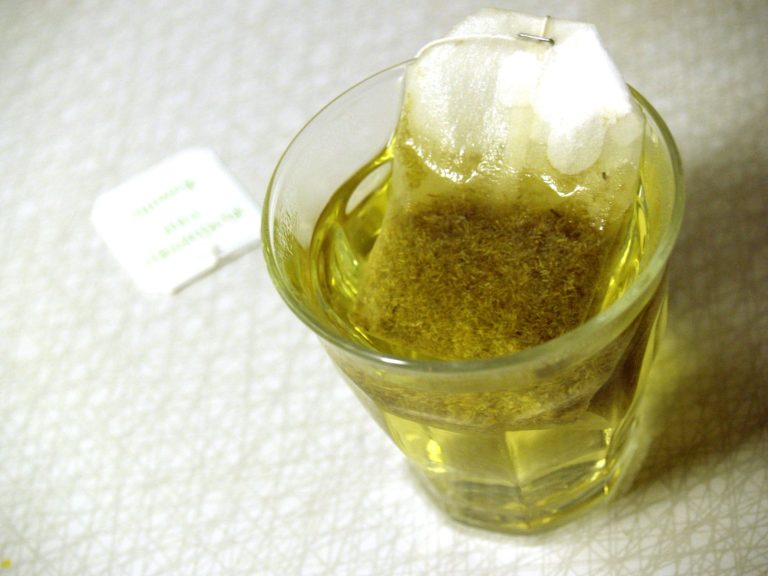
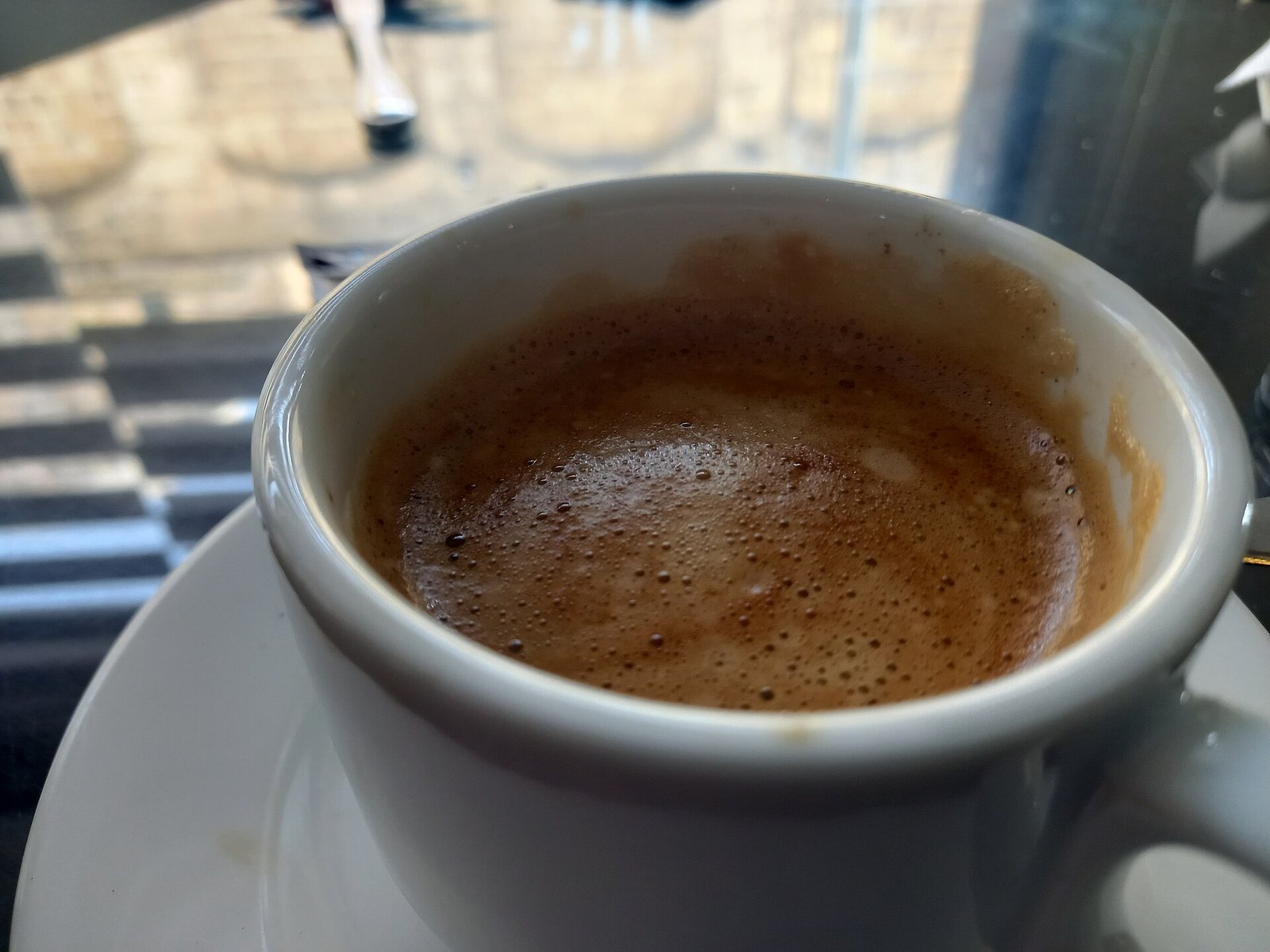
- – MedlinePlus caffeine pages note coffee, tea, cola, chocolate, and energy drinks as sources; an 8-oz coffee may contain roughly 95–200 mg caffeine, and effects can last hours.
- – Some people use modest morning caffeine for alertness; evening caffeine fights the night sleep already fragmented by narcolepsy. Ask your sleep clinician how caffeine interacts with your stimulants.
- – Energy drinks add variable caffeine plus sugar—easy to overshoot.
Earlier, lighter evening meals
- – Avoid large, heavy dinners close to bedtime (MedlinePlus/NINDS).
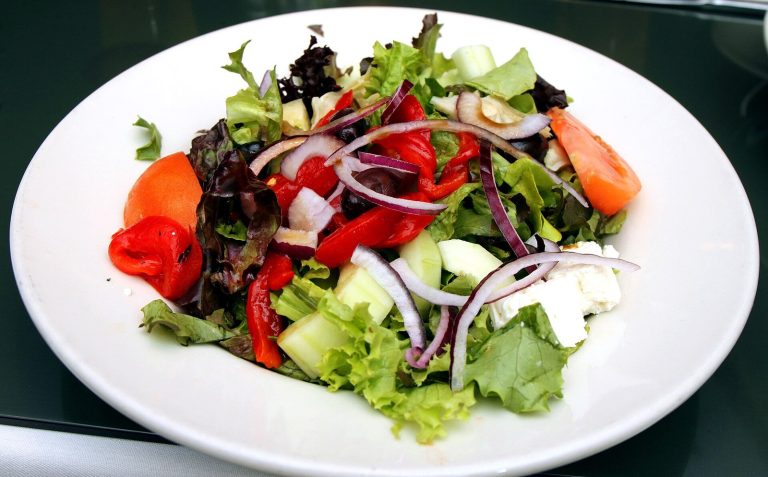
- – Favor balanced plates earlier: vegetables, fruit, whole grains, lean protein—supporting the heart-healthy pattern NINDS encourages because of elevated heart risk.
Steady daytime fueling
- – Skipping meals then overeating late can worsen sleepiness and reflux for some people; if GERD overlaps, see GERD diet guide.
- – Hydrate regularly; limit alcohol, which MedlinePlus lists among bedtime avoidances and which can deepen sedation unpredictably with medicines.
Heart-aware patterns
- – NINDS advises heart-healthy eating for people with narcolepsy. Pair this page with high cholesterol diet guide when cholesterol risk factors are present—under clinician guidance.
Alcohol, nicotine, and medicine stacking
MedlinePlus lists alcohol among substances to avoid near bedtime and notes counseling may help with the stress of living with narcolepsy. Alcohol can amplify sleepiness unpredictably when combined with sedating regimens. Nicotine at night fragments sleep further—NINDS and MedlinePlus both discourage smoking. If you use nicotine replacement to quit, ask how evening dosing interacts with your sleep schedule.
Travel, shift work, and portable meals
Flights and night shifts disrupt the regular schedule both sources recommend. Pack protein-plus-produce boxes so hunger does not force sugary airport defaults before a critical meeting. Keep caffeine rules written on a phone note when time zones change, and never treat a sleep attack at the wheel with an energy drink as a safety plan.
Foods and habits that often worsen narcolepsy kitchen patterns
- – Caffeine or alcohol within several hours of bedtime (MedlinePlus lifestyle list).
- – Energy-drink stacking on top of prescription stimulants without clinician approval.
- – Very large late meals that fragment night sleep further.
- – Smoking, especially at night—both MedlinePlus and NINDS advise against smoking.
- – Treating sleep attacks with endless sugar snacks instead of planned naps and medicines.
- – Driving, cooking with hot oil, or using machinery when sleepy—safety beats any snack strategy.
“Limit” means reducing timing mistakes that fight your sleep prescription—not eliminating every enjoyable food.
Practical kitchen protocol: a narcolepsy-aware week
1. Medical spine
Take wake-promoting and other prescribed medicines exactly on schedule. Discuss any keto, fasting, or supplement experiment with the sleep clinician first—especially given heart-risk notes from NINDS.
2. Shopping list
Regular meal components (produce, whole grains, lean proteins); coffee/tea if cleared for morning use; water; limited alcohol or none; fewer late-night dessert defaults.
3. Timing template
- – Morning: breakfast + caffeine only if your plan allows; take morning medicines with clinician-approved food timing.
- – Midday: balanced lunch; planned nap window without a huge pre-nap feast if that worsens sleep inertia for you.
- – Afternoon: lighter snack; start tapering caffeine many hours before bed (MedlinePlus: effects often 4–6 hours).
- – Evening: earlier dinner; calming routine (warm bath, reading) per lifestyle tips—not heavy spicy meals if they disrupt sleep.
4. Sample day (illustrative)
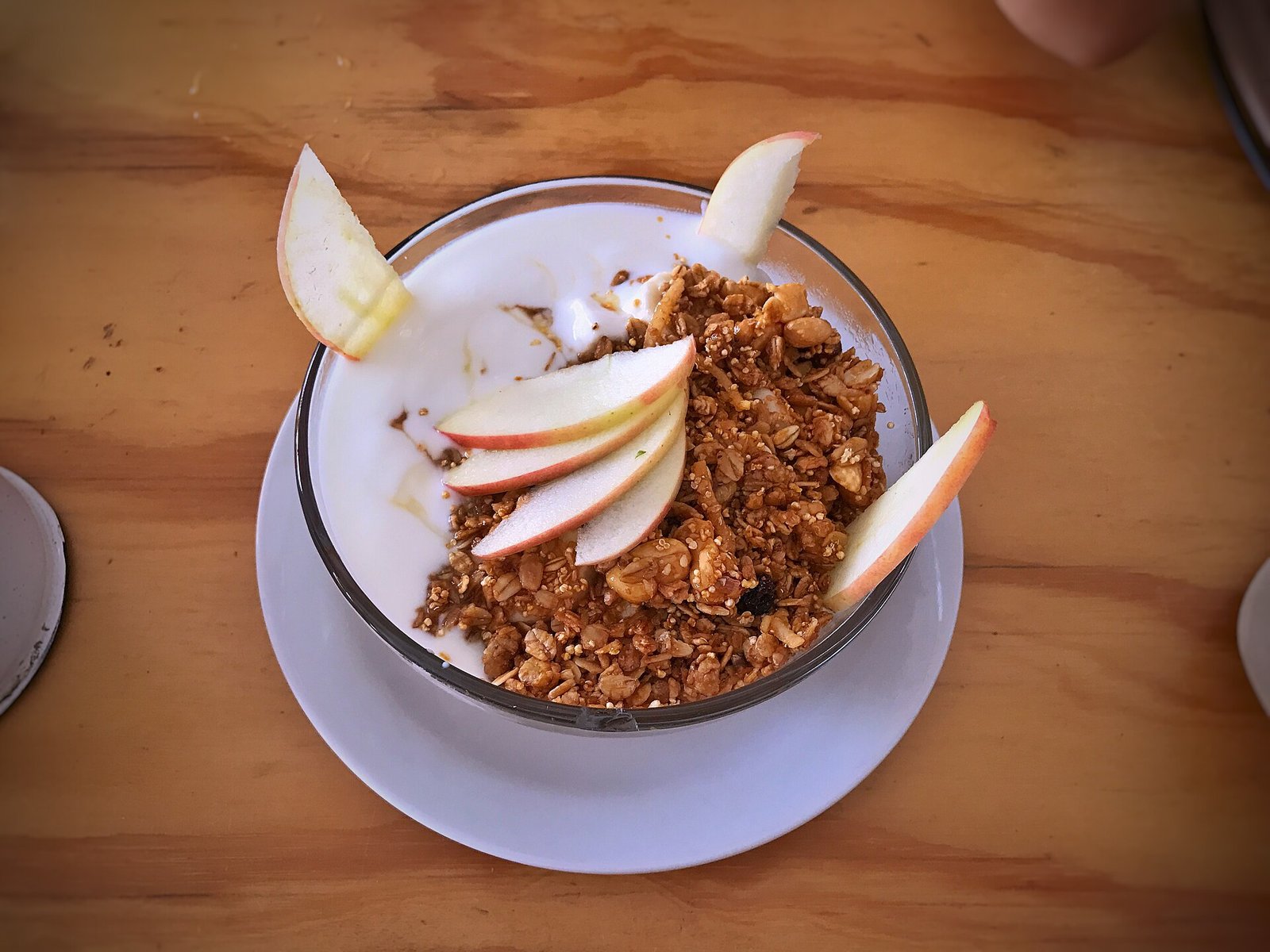
- – Breakfast: eggs or yogurt, fruit, whole-grain toast; morning coffee if cleared.
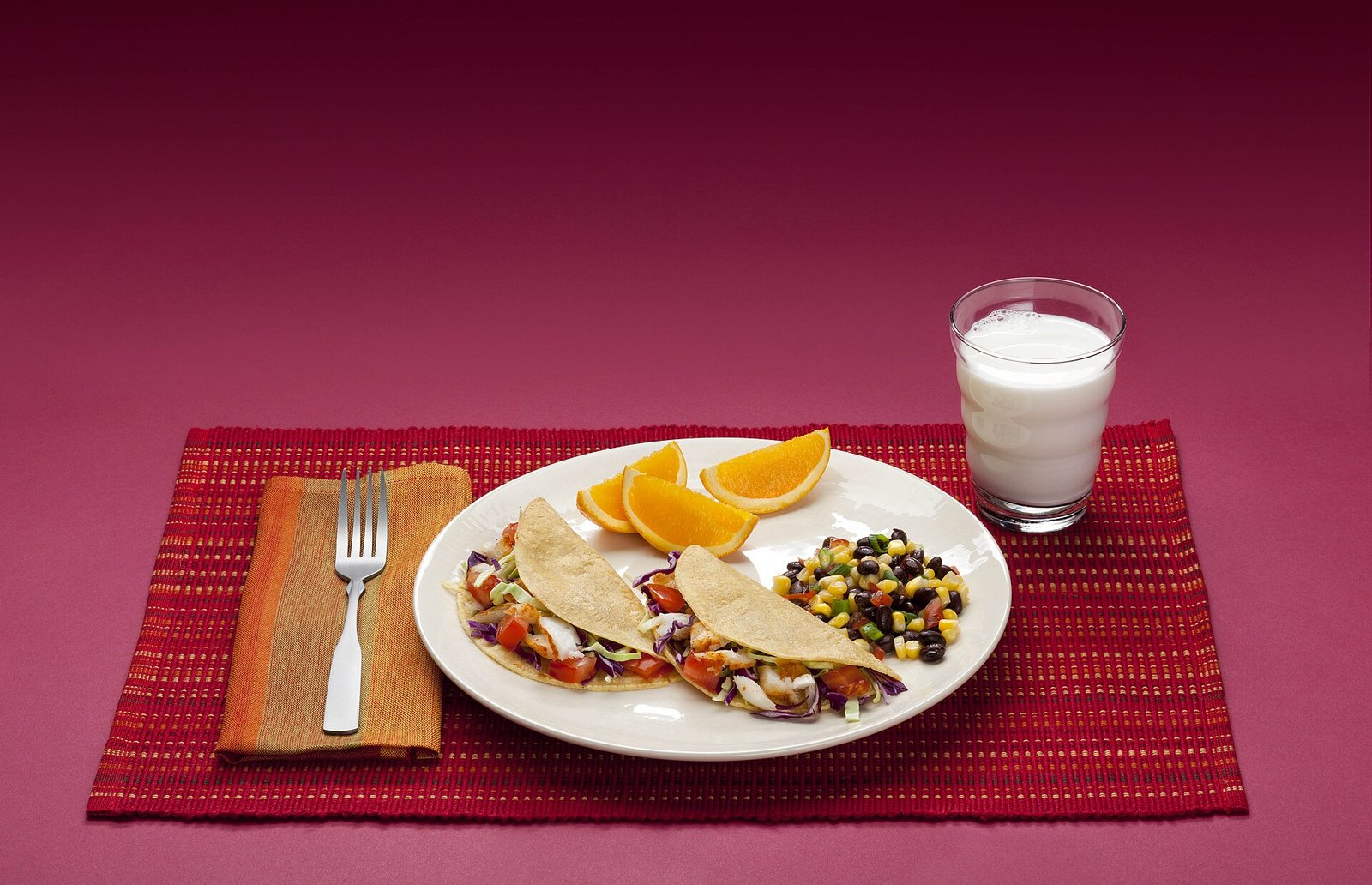
- – Lunch: chicken or bean bowl with vegetables and rice.
- – Snack: fruit or yogurt before a scheduled nap if desired.
- – Dinner (earlier): fish, potatoes, salad.
- – Night: herbal caffeine-free drink if desired; no alcohol binge.
5. Work and school coordination
ADA-style schedule adjustments (NINDS) may include nap breaks—pack portable, non-messy foods so hunger does not force vending-machine sugar runs.
Safety, interactions, and who should ask a clinician first
- – Stimulants plus high caffeine can worsen anxiety, heartbeat issues, or blood pressure—MedlinePlus lists heart rhythm and hypertension among groups who should ask about caffeine limits.
- – Sodium oxybate and other sedating regimens have strict alcohol rules—follow the label and clinician.
- – Pregnancy, breastfeeding, and adolescence change caffeine guidance.
- – Cataplexy triggered by emotion is not a food problem—teach family; protect against falls.
- – New loud snoring, witnessed apneas, or restless legs need re-evaluation; narcolepsy can coexist with other sleep disorders.
FAQ
Can diet end narcolepsy permanently? No. MedlinePlus and NINDS state narcolepsy is lifelong for those who develop it; medicines and lifestyle help manage symptoms.
Should I quit caffeine completely? Not automatically. Evening caffeine is commonly limited; morning use depends on your medicines and heart status—ask your clinician.
Do I need a ketogenic diet? NINDS mentions emerging research for some people with type 1 narcolepsy and excessive daytime sleepiness. That is not standard DIY care; discuss risks (including heart and nutrient issues) with specialists.
Why avoid heavy late meals? Both MedlinePlus and NINDS list heavy/late meals among habits that can worsen sleep.
Are naps “giving in”? Planned naps are a recommended lifestyle tool to reduce unplanned sleep attacks.
How this differs from related OTCFood topics
This page is a narcolepsy-bound diet guide focused on caffeine timing, evening meal size, heart-healthy patterns, and adherence to sleep medicines. It is not a general insomnia diet guide protocol and not an obstructive-sleep-apnea weight-loss program—though those conditions can overlap and need separate evaluation.
Medical disclaimer
Medical disclaimer: This article is for general information only. It is not medical advice, diagnosis, or a treatment plan. Narcolepsy care depends on type, cataplexy, other sleep disorders, heart risk, and medicines. Talk with a sleep specialist or registered dietitian before starting, stopping, or changing any eating plan, caffeine habit, supplement, or medicine. Do not drive or operate dangerous equipment while sleepy. Seek urgent care for chest pain, severe allergic reactions to medicines, or injuries from sudden sleep or cataplexy falls.