Cushing’s Syndrome Diet: Foods That May Help and Foods to Limit
Medical note: This article discusses foods and researched botanicals. It does not claim to prevent, treat, or cure disease. Supplements are not a substitute for food, and studied amounts are not personal prescriptions.
People searching “Cushing’s syndrome diet foods that help or worsen” usually want kitchen patterns that support bone health, blood pressure, blood glucose, and muscle strength while medical care addresses excess cortisol—not a DIY “cortisol-lowering diet” that replaces surgery, radiation, chemotherapy, or prescribed cortisol-reducing medicines. NIDDK defines Cushing’s syndrome as a disorder that occurs when the body makes too much of the hormone cortisol over a long period of time. Cortisol helps the body respond to stress, maintain blood pressure, regulate blood glucose, reduce inflammation, and turn food into energy. Endogenous Cushing’s syndrome is rare (estimates about 40 to 70 people per million); the most common overall cause is long-term high-dose glucocorticoid medicines. NIDDK lists complications that include heart attack and stroke risk factors, blood clots, infections, bone loss and fractures, high blood pressure, unhealthy cholesterol levels, mood and memory changes, insulin resistance/prediabetes, and type 2 diabetes.
What this Cushing’s syndrome diet guide covers (and what it does not)
This guide is for adults living with Cushing’s syndrome (or recovering after treatment) who want food patterns that align with NIDDK-listed complications—not for self-diagnosing based on weight gain alone. Anchors: MedlinePlus — Cushing’s Syndrome, NIDDK — Cushing’s Syndrome, and MedlinePlus — Calcium for bone-related nutrient context.
Diet does not replace endocrine diagnosis or cause-specific treatment (gradually reducing glucocorticoids when appropriate, pituitary/adrenal/ectopic tumor surgery, radiation, chemotherapy, or cortisol-reducing medicines). NIDDK notes that although Cushing’s syndrome can usually be cured medically, it can be fatal if not treated—kitchen habits are supportive, not curative.
Evidence snapshot: Cushing’s diet claims vs public sources
| Claim people hope for | What public sources actually say | Confidence |
|---|---|---|
| “Certain foods lower cortisol enough to replace treatment” | NIDDK treatment is cause-specific medical/surgical care; no patient page presents a cortisol-cure plate | Strong: food is supportive |
| “Diet can support bone health during high cortisol” | NIDDK lists bone loss and fractures among complications; MedlinePlus calcium pages discuss calcium’s role in strong bones | Moderate for general bone nutrition; clinician-guided calcium/vitamin D |
| “Lower-sodium patterns may help blood pressure” | High blood pressure is a listed complication; general heart-healthy sodium habits are often discussed in hypertension education | Moderate as lifestyle support; follow clinician BP plan |
| “Carbohydrate quality matters for diabetes risk” | Insulin resistance, prediabetes, and type 2 diabetes are listed complications | Moderate for glucose-aware plates alongside endocrine care |
| “High protein alone reverses muscle weakness” | Weak muscles are a classic symptom; protein may support muscle nutrition but does not reverse myopathy by itself | Low–moderate; PT/medical care primary |
Foods and patterns that may help with Cushing’s syndrome kitchen planning
“May help” means supporting bones, muscles, blood pressure, and glucose goals while your endocrine team treats the cortisol cause—not detoxing cortisol with herbs.
Protein-forward, muscle-aware plates
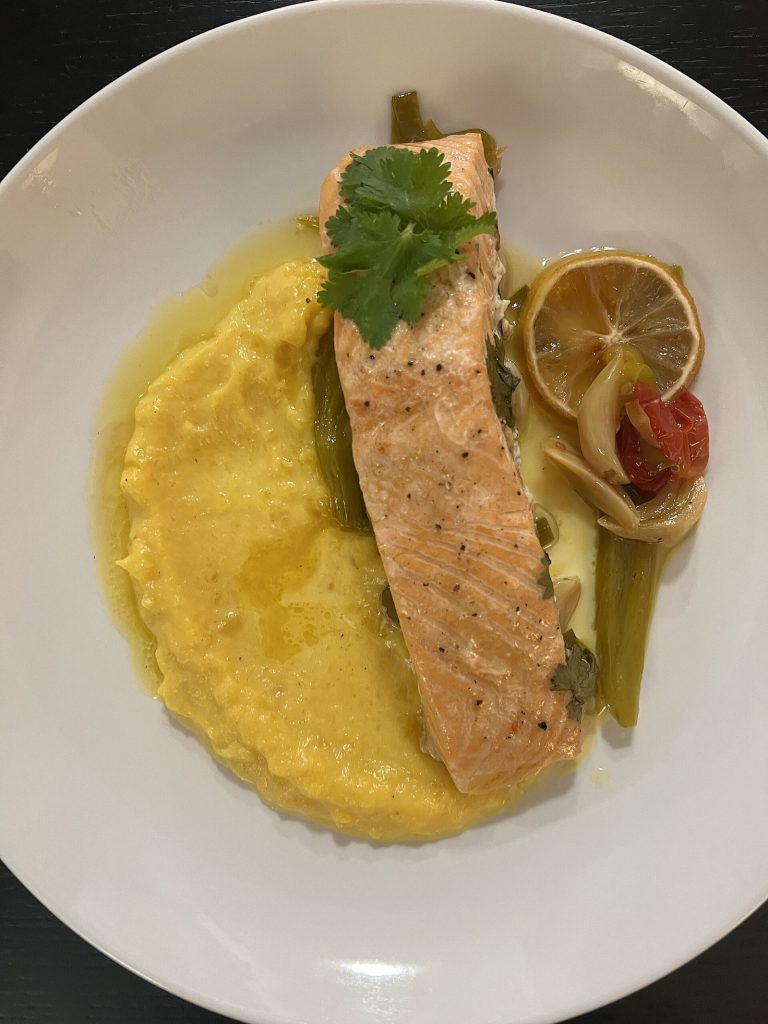
- – Include eggs, fish, poultry, dairy or fortified alternatives, beans, lentils, tofu, and lean meats across meals if kidney function and clinician guidance allow.
- – Pair protein with easy sides when fatigue or mood changes reduce appetite.
- – Muscle weakness is a recognized Cushing’s feature—kitchen protein complements, but does not replace, clinician-cleared physical therapy. See also sarcopenia diet guide for age-related muscle loss context when relevant.
Bone-supportive calcium and vitamin D patterns (food first, labs next)
- – NIDDK lists bone loss and fractures among complications. MedlinePlus notes calcium builds and maintains strong bones and that dairy, leafy greens, canned fish with soft bones, and fortified foods are common sources.
- – Ask your clinician before high-dose calcium or vitamin D supplements—especially if you have kidney stones history or other mineral disorders. Related pages: osteoporosis diet guide, calcium deficiency diet guide, vitamin D deficiency diet guide.
Blood-pressure and heart-aware patterns
- – High blood pressure and unhealthy cholesterol are listed complications. Emphasize vegetables, fruit, whole grains, lean proteins, and less ultra-processed salty snacks when your clinician agrees—see hypertension diet guide and high cholesterol diet guide.
- – Stay hydrated unless restricted; ask before herbal “adrenal tonics,” which are not NIDDK treatments.
Glucose-aware carbohydrate patterns
- – Insulin resistance, prediabetes, and type 2 diabetes are listed complications. Prefer fiber-rich carbs, consistent meal timing, and protein pairing—coordinate with prediabetes diet guide and type 2 diabetes diet guide if those diagnoses apply.
- – Do not crash-restrict calories during active disease without dietitian/endocrine supervision—fatigue and muscle loss are already common.
Foods and habits that often worsen Cushing’s syndrome kitchen patterns
- – Very high-sodium restaurant and packaged meals every day when blood pressure is already high—crowds out produce and protein.
- – Sugar-sweetened beverages as default drinks when glucose is unstable—ask your clinician about targets.
- – Alcohol excess—can worsen mood, sleep, fall risk with weak muscles and thin bones, and complicate medicines; NIDDK also notes heavy alcohol use can contribute to pseudo-Cushing’s cortisol patterns that complicate diagnosis.
- – Crash “adrenal cleanses” or unprescribed cortisol blockers from online shops—not NIDDK-endorsed treatment and can be dangerous.
- – Skipping protein while chasing “anti-inflammatory” juice diets—worsens muscle nutrition during myopathy.
- – Ignoring infection precautions while experimenting with supplements—NIDDK lists infections among complications because excess cortisol affects immune defenses.
- – Stopping prescribed glucocorticoids suddenly because a diet blog said so—exogenous Cushing’s requires clinician-led tapering.
“Limit” means reducing habits that undermine bone, BP, glucose, and muscle goals—not permanent joyless eating.
Practical kitchen protocol
1. Keep the medical spine first
Work with endocrinology on cause finding and treatment. If glucocorticoids for another disease are the cause, only your clinician should adjust the dose. After pituitary surgery, NIDDK notes temporary cortisol medicine may be needed until the pituitary recovers.
2. Shopping list themes
Eggs; Greek yogurt or cottage cheese; fish; chicken; beans; leafy greens; fortified milk or alternatives; berries; oats; unsalted nuts if tolerated; olive oil; herbs/spices instead of heavy salt packets; calcium-rich foods per clinician targets.
3. Default plate template
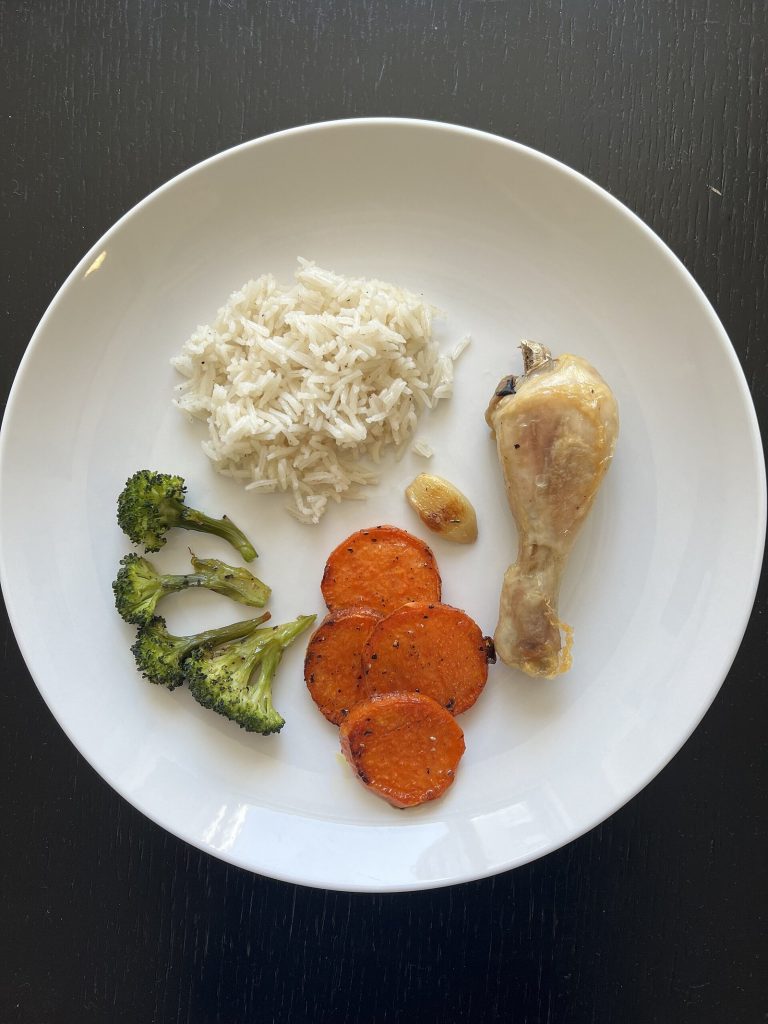
- – Protein at each meal
- – Half non-starchy vegetables when appetite allows
- – Measured whole-grain or starchy side
- – Calcium-containing food or fortified alternative as advised
- – Water or unsweetened drinks as default
4. Sample day (illustrative, not a cortisol protocol)
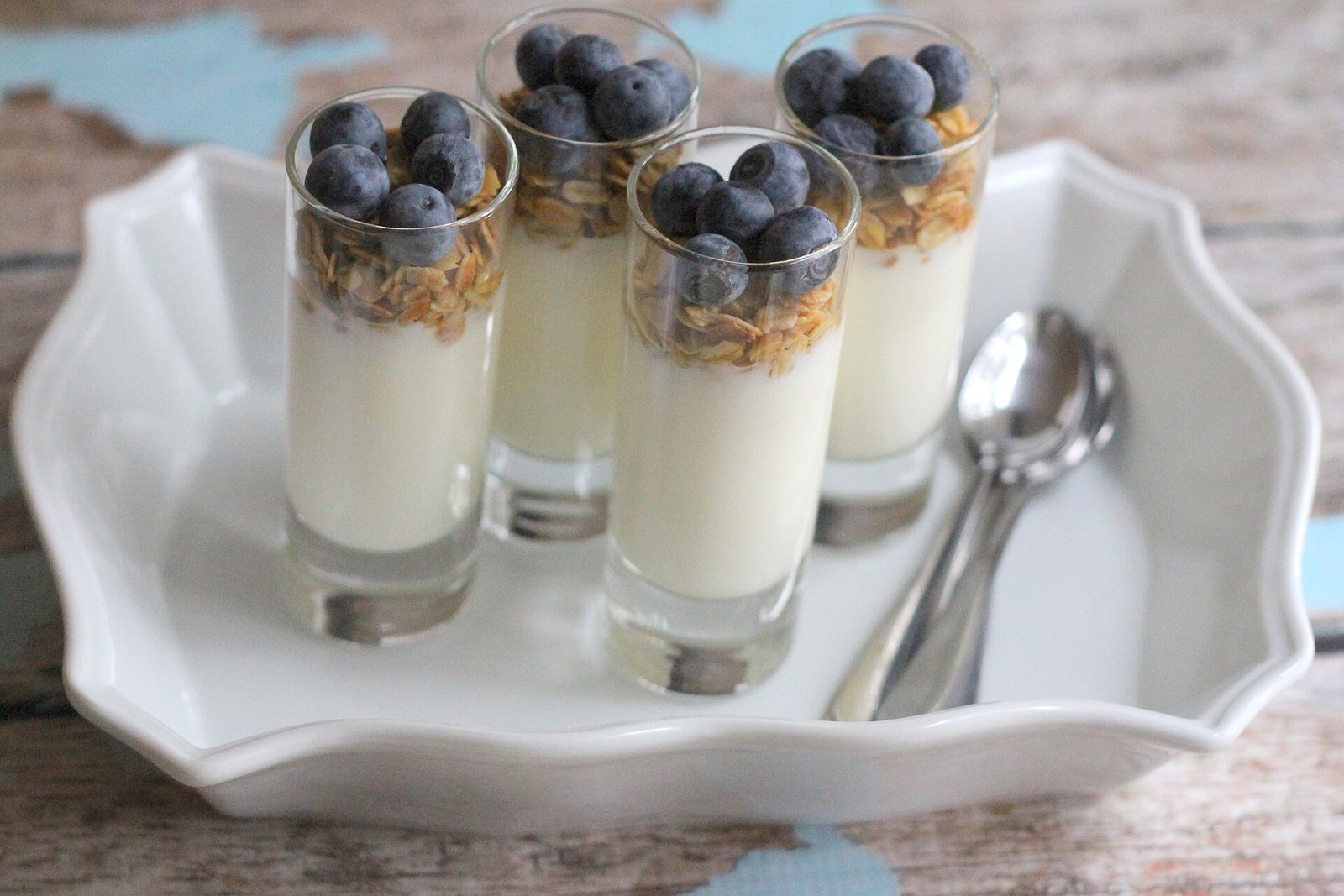
- – Breakfast: Greek yogurt, berries, handful of oats; water.
- – Lunch: grilled fish or chicken salad; whole-grain roll; milk or fortified alternative.
- – Snack: cottage cheese or egg; fruit.
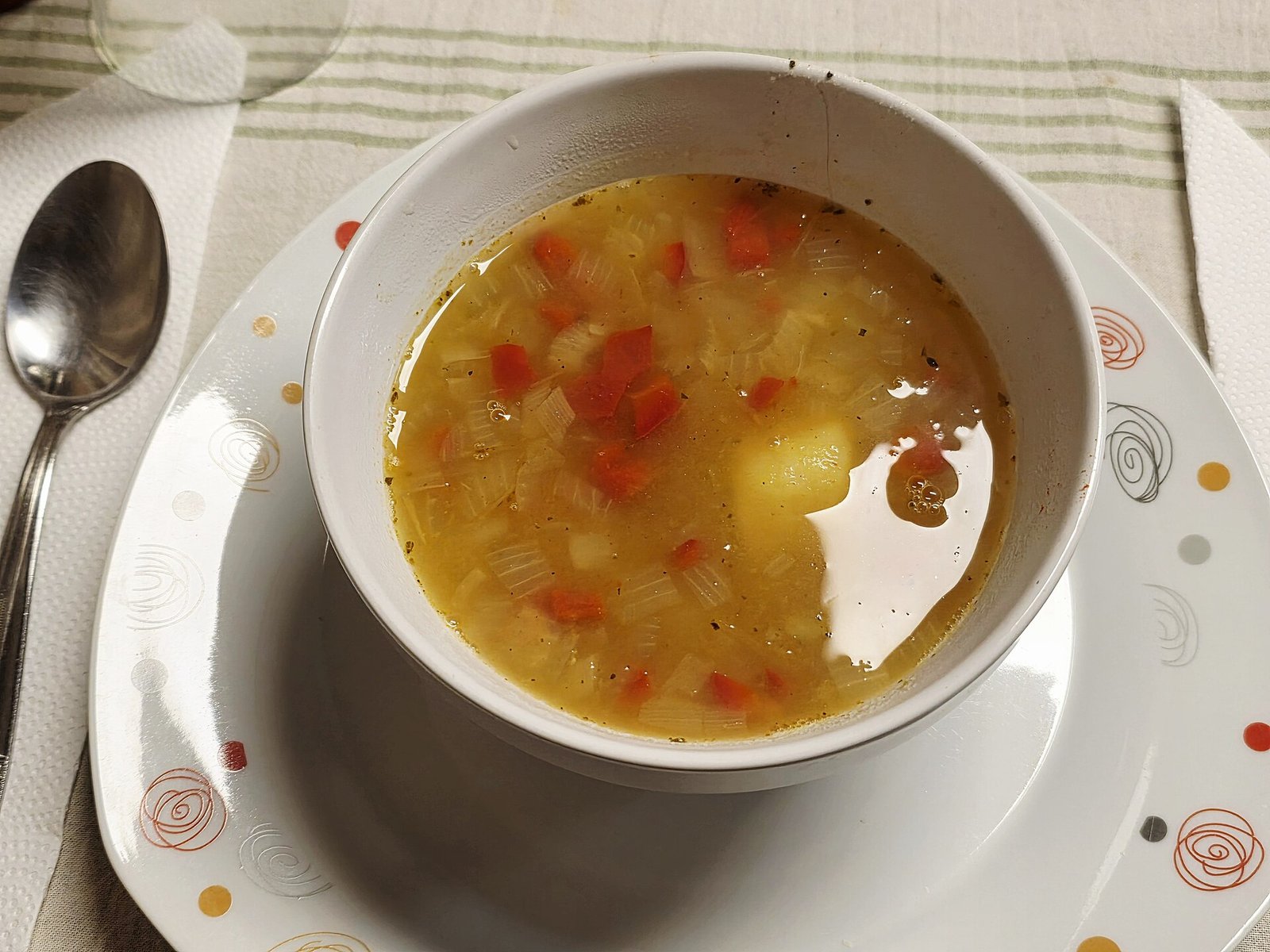
- – Dinner: bean-and-vegetable stew or tofu stir-fry with measured rice; side salad.
- – Evening: skip alcohol if it worsens mood or sleep; herbal tea is comfort only, not treatment.
5. Label-reading checklist
- – Sodium per serving on soups, breads, deli meats
- – Added sugars in drinks and yogurts
- – Calcium %DV on fortified products if your clinician wants a target
- – Avoid unregulated “cortisol detox” supplements with mystery ingredients
6. After successful medical treatment
As cortisol normalizes, appetite and weight patterns may change. Reassess calories with a dietitian so you do not under-fuel recovery or overshoot with old high-calorie habits. Bone density follow-up remains a clinical decision.
Safety, interactions, and who should ask a clinician first
- – Untreated Cushing’s can be life-threatening (NIDDK)—diet pages are not triage.
- – Blood clots, infections, fractures, severe hypertension, and uncontrolled diabetes need medical care, not kitchen experiments.
- – If you take cortisol-reducing medicines, anticoagulants, diabetes medicines, or blood-pressure medicines, ask about food and supplement interactions.
- – Pregnancy, childhood Cushing’s, and cancer-related ectopic tumors need specialty teams—do not copy adult internet meal plans.
- – Related adrenal context after adrenalectomy may require lifelong hormone replacement—distinct from this page’s focus on excess cortisol; see Addison’s disease diet guide only if your clinician diagnoses adrenal insufficiency after treatment.
FAQ
Can food cure Cushing’s syndrome? No. NIDDK treatment depends on the cause (medicine taper, surgery, radiation, chemotherapy, or cortisol-reducing medicines). Food may support complications care.
Should I cut all calcium because of bone problems? Do not invent calcium restriction or megadoses. Bone loss is a complication of excess cortisol; calcium and vitamin D decisions belong with your clinician and labs.
Why do I bruise easily and have stretch marks—will collagen foods fix that? Those are classic high-cortisol skin signs. Nutrition supports overall health; it does not erase purple striae the way medical treatment of cortisol does.
Is a keto or very low-carb diet required? No NIDDK Cushing’s page mandates keto. Glucose-aware eating may help if diabetes risk is present—individualize with your team.
What about “adrenal fatigue” diets? “Adrenal fatigue” is not the same as Cushing’s syndrome. Do not use unproven adrenal protocols in place of endocrine evaluation.
How this differs from related OTCFood topics
This page is a Cushing’s-syndrome-bound diet guide focused on bone-, BP-, glucose-, and muscle-aware patterns while medical care addresses excess cortisol. It is not a cure protocol, not an anti-cancer diet, and not a substitute for glucocorticoid tapering advice.
Medical disclaimer
Medical disclaimer: This article is for general information only. It is not medical advice, diagnosis, or a treatment plan. Cushing’s syndrome requires clinician diagnosis and cause-specific care. Talk with your endocrinologist, clinician, or registered dietitian before starting, stopping, or changing any eating plan, supplement, or medicine. Seek urgent care for chest pain, sudden shortness of breath, neurological emergency symptoms, severe infection signs, or suspected fracture after a fall.