Polycystic Kidney Disease Diet: Foods That May Help and Foods to Limit
Medical note: This article discusses foods and researched botanicals. It does not claim to prevent, treat, or cure disease. Supplements are not a substitute for food, and studied amounts are not personal prescriptions.
People searching “polycystic kidney disease diet foods that help or worsen” usually want kitchen habits that support blood pressure control and kidney protection while nephrology care manages a genetic cystic disease—not a claim that food dissolves cysts. NIDDK describes polycystic kidney disease (PKD) as a genetic disorder that causes many fluid-filled cysts to grow in the kidneys, changing kidney shape and size. PKD is a form of chronic kidney disease that can reduce function and lead to kidney failure, and it can also involve high blood pressure, liver cysts, and blood-vessel problems in the brain and heart. PKD affects about 500,000 people in the United States.
What this polycystic kidney disease diet guide covers (and what it does not)
This guide is for adults with clinician-diagnosed PKD (most often autosomal dominant PKD diagnosed in adulthood) who want practical eating patterns alongside nephrology care. Anchors: NIDDK — Polycystic Kidney Disease, NIDDK — What Is PKD?, and related CKD eating themes from NIDDK.
NIDDK: researchers have not found a way to prevent PKD, but you may slow problems caused by high blood pressure; aim for a blood pressure goal of less than 120/80 unless your team sets a different target. On the PKD hub, NIDDK notes PKD may require dietary changes to control blood pressure and that a clinician may recommend the DASH eating plan—fruits, vegetables, whole grains, and foods lower in sodium. NIDDK also advises talking with a dietitian about what to include or avoid, and notes that staying hydrated with the right amount of fluid may help slow PKD’s progress toward kidney failure—amount is individualized. Broader CKD context: chronic kidney disease diet guide.
Evidence snapshot: PKD diet claims vs public sources
| Claim people hope for | What public sources actually say | Confidence |
|---|---|---|
| “A diet cures or prevents PKD cysts” | NIDDK: no known way to prevent PKD; it is genetic | Strong: food is supportive only |
| “DASH-style, lower-sodium eating may support BP control” | NIDDK PKD pages highlight healthy eating plans and possible DASH recommendation focused on produce, whole grains, and lower sodium | Moderate–strong for BP support |
| “Drink as much water as possible, always” | NIDDK: staying hydrated with the right amount of fluid may help slow progression—talk with your care team about the amount | Moderate: individualized hydration |
| “Contact sports are fine if you feel strong” | NIDDK: trauma may burst cysts; ask about MRI clearance before contact sports | Strong for safety counseling |
| “Skipping BP medicines is OK if you eat DASH perfectly” | NIDDK: ACE inhibitors/ARBs may be prescribed to slow kidney disease if lifestyle changes are not enough | Strong: medicines often still needed |
Foods and patterns that may help with polycystic kidney disease day-to-day comfort
“May help” means supporting blood pressure, hydration targets, and overall CKD nutrition—not shrinking existing cysts.
Blood-pressure-focused eating (NIDDK)
- – Build toward fruit, vegetables, whole grains, and lower-sodium foods in the DASH-style pattern NIDDK mentions—unless your potassium, phosphorus, or fluid labs require a modified version from a renal dietitian.
- – Cook at home more often; compare soup, bread, and sauce labels; flavor with herbs and acids instead of stacking salt.
- – Pair kitchen work with home BP monitoring if prescribed. Related: hypertension diet guide.
Hydration in the amount your team recommends (NIDDK)
- – NIDDK highlights that the right fluid amount may help slow progression toward kidney failure. Some people are encouraged to drink more water regularly; others with advanced CKD, hyponatremia risk, or heart failure need tighter limits—only your clinicians can set the number.
- – Spread fluids through the day; include water as the default rather than sugary drinks.
Lifestyle practices that travel with the diet (NIDDK “slow down PKD”)
- – Be active most days as cleared (about 30 minutes is the NIDDK adult lifestyle example—confirm safety).
- – Work toward a healthy weight; NIDDK notes excess weight makes kidneys work harder.
- – Sleep about 7–8 hours; reduce long-term stress; quit smoking (smoking raises BP and is especially important if aneurysms are present).
CKD-aware nutrient adjustments over time
- – As PKD-related CKD advances, sodium, potassium, phosphorus, protein, and calories may need finer tuning—NIDDK’s adult CKD eating pages emphasize working with a registered dietitian and avoiding one-size internet limits. Do not invent milligram targets here.
Heart-healthy fats and glucose control
- – PKD raises cardiovascular stakes via hypertension and vascular complications. Favor unsaturated fats, limit ultra-processed meats, and manage diabetes if present (type 2 diabetes diet guide).
Foods and habits that often worsen polycystic kidney disease kitchen patterns
- – High-sodium packaged meals and salty snacks that push against BP goals (<120/80 aim discussed by NIDDK unless individualized).
- – Sugary beverages that displace water when higher hydration was recommended—or add unwanted calories when weight loss is a goal.
- – Continuing to smoke.
- – Self-prescribed high-protein bodybuilding diets without nephrology input as GFR falls.
- – Herbal “kidney flush” products with unknown blood-pressure or interaction effects.
- – Contact-sport collisions without clinician clearance (cyst rupture risk per NIDDK).
- – Stopping ACE inhibitors/ARBs because cucumbers felt virtuous.
“Limit” means reducing BP and kidney stressors—not claiming one salty meal creates new cysts.
Practical kitchen protocol: a polycystic kidney disease diet week
1. Confirm BP, labs, and fluid targets
Know your BP goal, medicines (especially ACE/ARB), eGFR/stage, and whether you are on a higher-fluid plan or a restriction.
2. Shopping list ideas (illustrative)
Produce for DASH-style plates; oats, brown or white rice as cleared; beans if potassium/phosphorus allow; fish and poultry; olive oil; unsalted nuts in portions that fit potassium/calorie budgets; yogurt if phosphorus allows; herb blends; sparkling water without excess sodium if it helps you meet fluid goals.
3. Default plate template
- – Half vegetables/fruit
- – Quarter grains
- – Quarter protein as prescribed for your CKD stage
- – Minimal added salt; measure fluids if instructed
4. Sample day (illustrative)
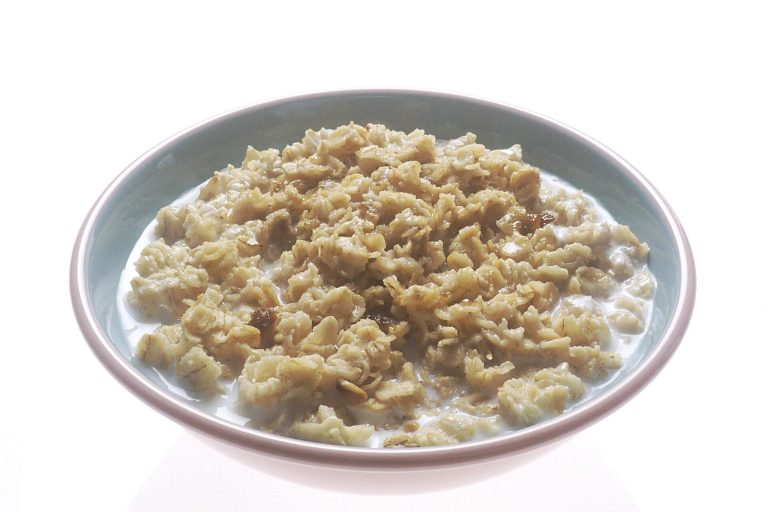
- – Breakfast: oatmeal with berries; water toward your fluid goal.
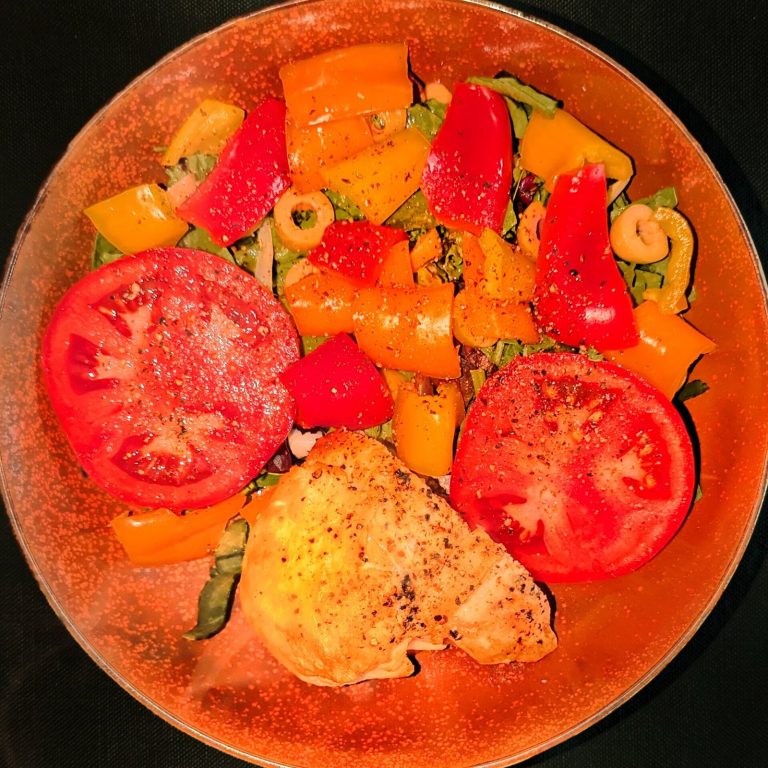
- – Lunch: large vegetable salad with grilled chicken, olive oil/vinegar, whole-grain side as cleared.
- – Snack: fruit; water.
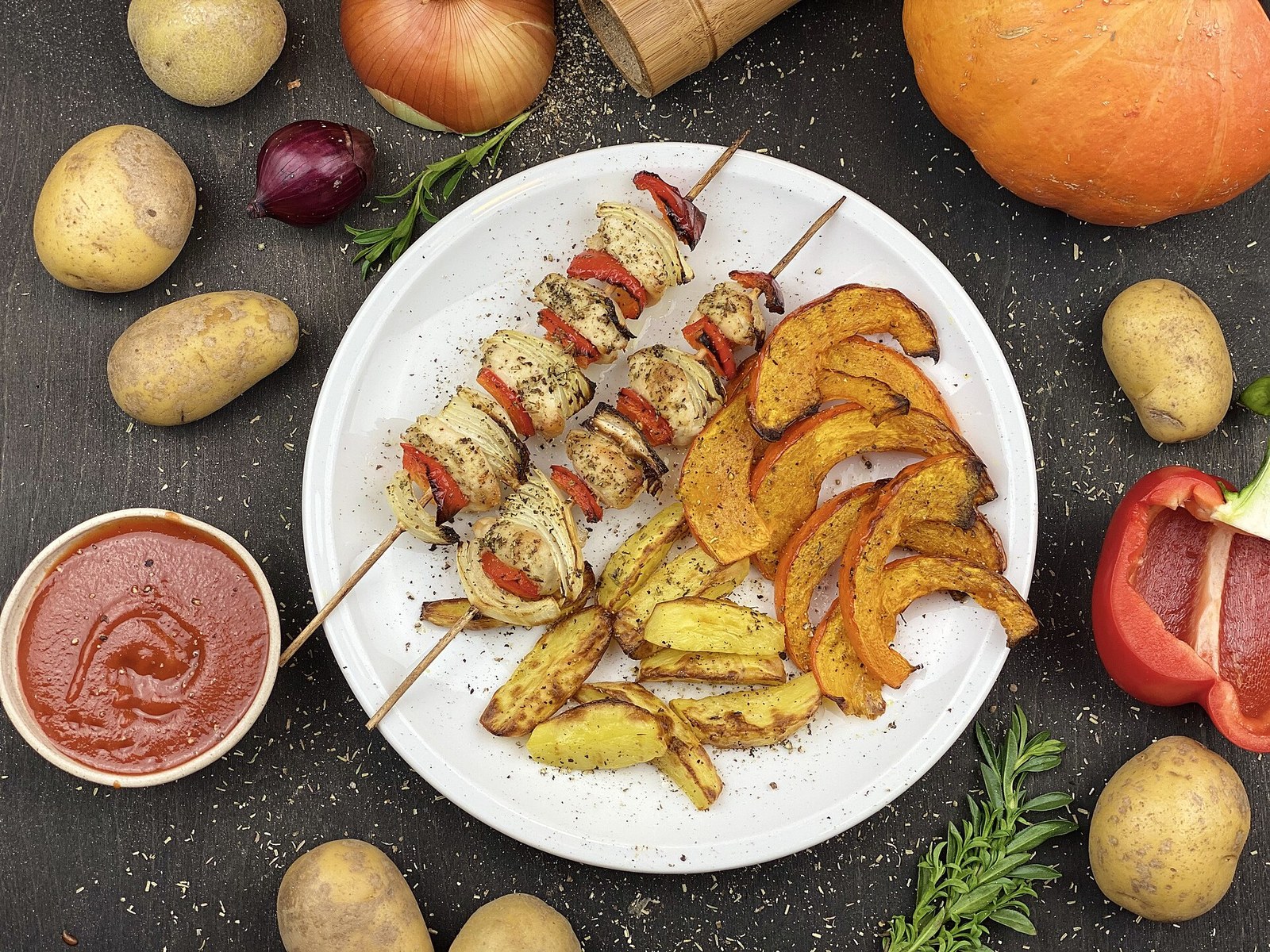
- – Dinner: baked fish, roasted vegetables, rice; herbs instead of salty sauces.
- – Evening: review BP log; take medicines as scheduled.
5. Eating out and travel
Choose grilled items, ask for no added salt, skip brine-heavy appetizers, and carry a water bottle if higher intake was recommended—without forcing fluids past a restriction.
6. Related OTCFood links
Stone episodes can occur in some people with kidney disease—use kidney stones diet guide only if stones are documented. UTI kitchen myths do not replace antibiotics when infection is diagnosed.
Safety, interactions, and who should ask a clinician first

- – Sudden severe headache, neurologic change, or collapse: seek emergency care—PKD can involve brain aneurysms in some families; this is not a diet issue.
- – Flank trauma pain, visible blood in urine, or fever with urinary symptoms needs prompt evaluation.
- – Pregnancy with PKD needs specialist planning.
- – Children with ARPKD need pediatric nephrology—not this adult DASH-style overview alone.
FAQ
Can diet prevent PKD if it runs in my family? NIDDK: researchers have not found a way to prevent PKD. Genetic counseling and screening decisions belong with clinicians.
Is DASH mandatory by name? NIDDK says a clinician may recommend DASH-style lower-sodium, produce-forward eating for BP. Lab-driven CKD modifications may alter the classic DASH template.
How much water is “the right amount”? Only your care team can say. NIDDK stresses the right amount—not unlimited water for every stage.
Do ACE inhibitors replace diet? They work together. NIDDK notes lifestyle/diet changes first for BP, with ACE/ARB therapy when needed to help slow kidney disease.
Is this the same as nephrotic syndrome diet advice? No. Nephrotic plans often stress edema sodium/fluid limits and lipids; PKD guidance emphasizes BP, possible higher hydration early, and genetic CKD progression. Nephrotic-syndrome kitchens emphasize edema sodium/fluid limits and lipids differently—ask your nephrologist if both diagnoses apply, and use chronic kidney disease diet guide for shared CKD framing.
How this differs from related OTCFood topics
This page is a PKD-bound diet guide focused on blood-pressure eating patterns, individualized hydration, and lifestyle measures NIDDK lists to help delay kidney failure. It is not a claim that food prevents cysts and not a dialysis menu—dialysis nutrition needs separate dietitian protocols when kidney failure treatment begins.
Medical disclaimer
Medical disclaimer: This article is for general information only. It is not medical advice, diagnosis, or a treatment plan. PKD care depends on genotype/family history, kidney function, blood pressure, aneurysm risk, and other conditions. Talk with a nephrologist or registered dietitian before changing fluid, sodium, protein, supplements, or medicines. Seek emergency care for stroke-like symptoms, severe unrelenting headache, trauma to the kidneys, or sudden inability to urinate.