Dry Mouth (Xerostomia) Diet: Foods That May Help and Foods to Limit
Medical note: This article discusses foods and researched botanicals. It does not claim to prevent, treat, or cure disease. Supplements are not a substitute for food, and studied amounts are not personal prescriptions.
People searching “dry mouth xerostomia diet foods that help or worsen” usually want practical chewing, sipping, and snack habits that make eating safer and more comfortable—not a claim that food restores salivary glands the way medicine review, dental care, or clinician-directed saliva support can. The National Institute of Dental and Craniofacial Research (NIDCR) and MedlinePlus describe dry mouth (xerostomia) as not having enough saliva to keep the mouth wet. Saliva moistens and breaks down food, washes particles from teeth and gums, supplies minerals that help fight tooth decay, and helps control germs. Persistent dry mouth can make chewing, swallowing, tasting, and talking difficult and raises risk for tooth decay and oral fungal infections. Dry mouth is not a normal part of aging.
What this dry mouth diet guide covers (and what it does not)
This guide is for adults living with ongoing dry mouth who want kitchen patterns aligned with NIDCR helpful tips while they address underlying causes. Anchors: NIDCR — Dry Mouth and MedlinePlus — Dry Mouth.
Causes include medicine side effects (hundreds of drugs, including some for blood pressure, depression, and bladder control), Sjögren’s disease, diabetes, HIV/AIDS, radiation to salivary glands, chemotherapy/immunotherapy thickening saliva, and nerve injury. Kitchen habits do not replace dentist visits, medicine adjustments by a clinician, artificial saliva products when prescribed, or disease-specific care such as Sjögren’s syndrome diet guide. This page is also not a substitute for dysphagia evaluation when swallowing is unsafe—see dysphagia diet guide.
Evidence snapshot: xerostomia diet claims vs public sources
| Claim people hope for | What public sources actually say | Confidence |
|---|---|---|
| “Foods cure dry mouth” | NIDCR/MedlinePlus focus on cause-directed care, saliva substitutes, sugar-free gum/candy, water, and oral hygiene—not culinary cures | Strong: supportive only |
| “Drink 8–12 cups of water daily helps comfort” | NIDCR helpful tips: drink plenty of water, 8 to 12 cups per day (64–96 ounces or 2–3 liters) | Moderate–strong as a comfort tip; individualize with clinicians if fluid limits exist |
| “Caffeine and alcohol are fine if you eat well” | NIDCR: avoid or limit caffeine; do not use tobacco or alcohol—they dry the mouth | Strong for limiting these |
| “Spicy or salty foods are ideal stimulants” | NIDCR: spicy or salty foods may cause pain or burning in a dry mouth | Strong: often worsen comfort |
| “Sugar gum is harmless stimulation” | NIDCR recommends sugarless gum/candy; xylitol-containing options may help prevent cavities; sugar raises decay risk already elevated in dry mouth | Strong: choose sugar-free |
Foods and patterns that may help with dry mouth day-to-day comfort
“May help” means easier chewing/swallowing and better dental protection—not restarting damaged salivary glands after radiation.
Fluids as the first kitchen tool (NIDCR)
- – Drink water regularly across the day; NIDCR suggests 8–12 cups daily for many adults unless your clinician limits fluids (for example, some heart or kidney plans).
- – Sip water or a sugarless drink during meals to make chewing and swallowing easier and possibly improve taste.
- – Keep a bottle visible at your desk and bedside; use a humidifier at night as NIDCR suggests for air moisture.
Moist, soft, sauce-friendly meals
- – Gravies, broths, olive-oil drizzles (if tolerated), stews, smoothies, yogurt, cottage cheese, eggs, flaky fish, and ripe fruits are often easier than dry crackers, toast without spread, or tough meats.
- – Take smaller bites; alternate solid bites with sips.
- – If mouth sores or burning coexist, choose lukewarm temperatures and blander flavors; related comfort ideas appear in canker sores diet guide.
Saliva-stimulating sugar-free habits
- – Chew sugarless gum or suck sugarless hard candy—NIDCR notes citrus, cinnamon, or mint flavors can be good choices.
- – Some sugarless gums/candies contain xylitol and may help prevent cavities—still brush and floss; candy is not a toothbrush.
- – Artificial saliva or dry-mouth rinses belong in the plan your dentist/clinician recommends—not as a food replacement for oral hygiene.
Nutrient-dense patterns that respect dental risk
- – Limit frequent sugar and acid assaults on enamel already less protected by saliva.
- – Include calcium- and vitamin D–aware choices as part of overall health—see calcium deficiency diet guide and vitamin D deficiency diet guide for general kitchen context, not as xerostomia cures.
- – Maintain regular dental cleanings; dry mouth raises periodontitis and decay risk—pair habits with periodontitis diet guide oral-health framing.
Foods and habits that often worsen dry mouth kitchen patterns
- – Caffeinated coffee, tea, and some sodas—NIDCR: caffeine can dry the mouth and contribute to dehydration.
- – Alcohol and tobacco—NIDCR: they dry the mouth; quitting tobacco supports oral health broadly.
- – Spicy or very salty foods—may burn or sting when mucosa is dry.
- – Dry, crumbly, sticky sweets—crackers without moisture, peanut butter stuck to the palate, and sugary sticky candies challenge chewing and feed decay.
- – Mouth-breathing plus skipped water overnight without humidification when advised.
- – Stopping needed medicines on your own—even when medicines cause dryness; ask for alternatives or saliva supports instead of abrupt discontinuation.
- – Constant sugar-sweetened “moisture” drinks—short-term wetness, long-term cavities.
“Limit” means reducing drying and enamel-hostile habits—not eliminating all flavor forever.
Practical kitchen protocol: a xerostomia diet week
1. Keep the medical and dental spine first
List every medicine and supplement for your clinician/dentist. Ask whether doses can be adjusted, whether saliva stimulants or substitutes are appropriate, and whether Sjögren’s or other systemic disease needs workup. Schedule dental care at least as often as advised—MedlinePlus emphasizes regular dental visits because decay risk rises.
2. Shopping list for moist kitchens
Water bottles; sugar-free gum/candy with xylitol if you like; yogurt; eggs; canned fish; soups and stews; soft fruits; cooked vegetables; olive oil or broth for moistening; sugar-free electrolyte drinks if clinician-approved; humidifier for the bedroom.
3. Default plate template
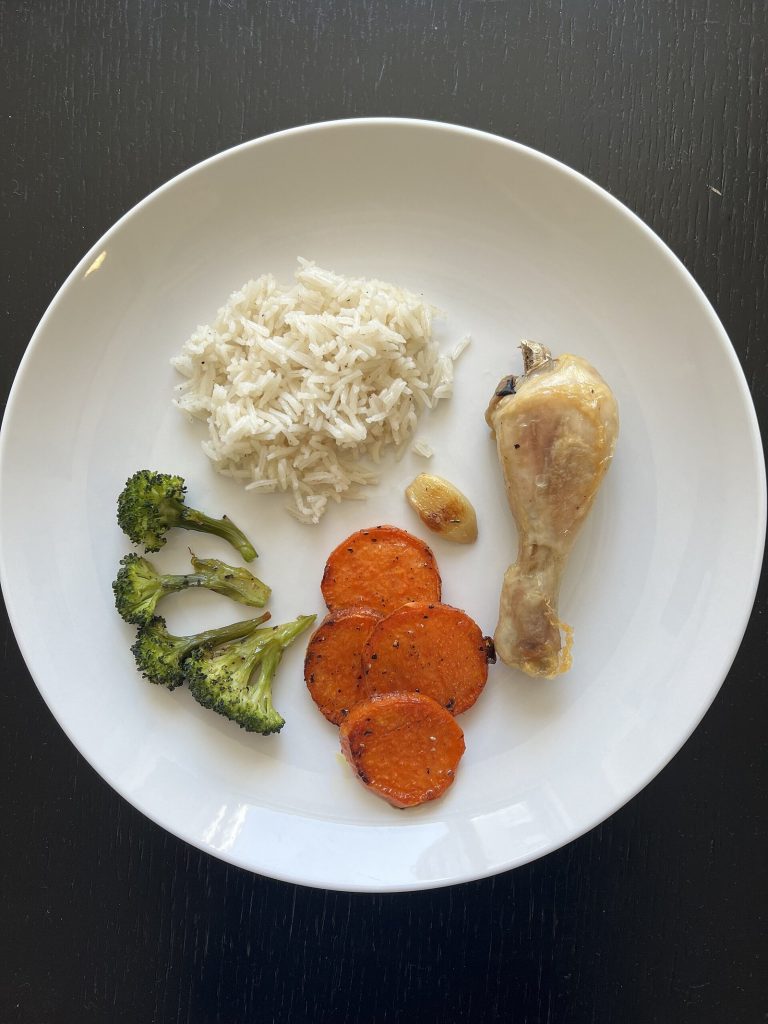
- – Moist protein (stewed, braised, or with sauce)
- – Soft vegetables or fruit
- – Easy starch softened with broth or sauce
- – Water glass at every meal; sugar-free gum afterward if helpful
4. Sample day (illustrative)
- – Breakfast: scrambled eggs with soft toast dipped lightly; yogurt; water.
- – Mid-morning: sugar-free gum; water.
- – Lunch: lentil soup; soft fruit; water or sugarless drink.
- – Snack: smoothie without excess added sugar; sip slowly.
- – Dinner: baked fish with sauce, mashed potato, cooked carrots; water.
- – Night: humidifier; avoid alcohol; bedtime spit-friendly dental routine.
5. Eating out and social tips
Request sauces on the side; choose stews over dry grilled meat without sides; carry water and sugar-free gum. For TMJ overlap that limits chewing, see TMJ disorder diet guide soft-texture ideas.
6. Sjögren’s and cancer-therapy contexts
If autoimmune dryness or radiation-related dryness is your diagnosis, disease-specific care leads; this page only covers shared kitchen comfort. See Sjögren’s syndrome diet guide for Sjögren’s-bound framing.
Safety, interactions, and who should ask a clinician first

- – People with fluid restrictions (heart failure, certain kidney diseases) must not force 8–12 cups without clinician approval—NIDCR’s cup range is a general tip, not a universal prescription.
- – Choking risk rises when saliva is low and food is dry—modify textures if swallowing feels unsafe and seek dysphagia evaluation.
- – Oral fungal infections, rapidly progressing cavities, and non-healing sores need professional care.
- – Infants should not receive honey; sugar-free xylitol products still need age-appropriate safety (choking).
- – Never replace prescribed cancer or autoimmune therapy with “saliva foods.”
FAQ
Can diet restart salivary glands after radiation? No. NIDCR focuses on managing dryness, oral hygiene, and clinician treatments. Food moisture helps comfort and safety while eating.
How much water should I drink? NIDCR suggests 8–12 cups daily for many people; individualize if you have fluid limits or other medical conditions.
Is caffeine always off-limits? NIDCR advises avoiding or limiting caffeinated drinks because they can dry the mouth. Many people reduce rather than eliminate—ask what fits your plan.
Are spicy foods good for stimulating saliva? They may stimulate for some, but NIDCR warns spicy or salty foods can cause pain in a dry mouth. Let comfort guide you.
Do I still need the dentist if I chew xylitol gum? Yes. Dry mouth raises decay and infection risk; MedlinePlus/NIDCR emphasize brushing, flossing, and regular dental visits.
How this differs from related OTCFood topics
This page is a xerostomia-bound diet guide focused on water sipping, moist foods, sugar-free saliva cues, and limiting drying beverages—paired with dental care and medicine review. It is not a Sjögren’s disease protocol by itself, not a dysphagia therapy plan, and not a cure for medicine-induced dryness.
Medical disclaimer
Medical disclaimer: This article is for general information only. It is not medical advice, diagnosis, or a treatment plan. Dry mouth causes and treatments vary widely, including medicines, autoimmune disease, and cancer therapy. Talk with a clinician or dentist before starting, stopping, or changing any eating plan, supplement, or medicine. Seek care for severe swallowing trouble, rapidly progressing tooth pain, oral infections, or unexplained weight loss.