Stroke Recovery Diet: Foods That May Help and Foods to Limit
Medical note: This article discusses foods and researched botanicals. It does not claim to prevent, treat, or cure disease. Supplements are not a substitute for food, and studied amounts are not personal prescriptions.
People searching “stroke recovery diet foods that help or worsen” usually want kitchen habits that support rehabilitation, safe swallowing, and prevention of another stroke—not a claim that a plate reverses brain injury the way emergency care and rehab can. MedlinePlus explains that a stroke happens when blood flow to part of the brain is lost; brain cells start to die within minutes. Immediate treatment may save life and improve chances for rehabilitation. About 80% of strokes are ischemic (clot-related); hemorrhagic strokes involve bleeding in the brain. A TIA (“mini-stroke”) does not cause permanent cell damage the same way but raises future stroke risk.
What this stroke recovery diet guide covers (and what it does not)
This guide is for adults in post-stroke recovery who already have a clinician-led rehab plan and want practical eating patterns. Anchors: MedlinePlus — Stroke, NHLBI — Stroke, NHLBI — Stroke Recovery, and CDC — Preventing Stroke.
MedlinePlus frames stages as acute treatment, post-stroke rehabilitation, and prevention of another stroke. NHLBI notes that before leaving the hospital, providers test speaking, swallowing, and walking and help set a rehabilitation plan. Kitchen texture changes belong with speech-language pathology when dysphagia is present—see also dysphagia diet guide. This page does not replace blood thinners, blood-pressure medicines, or emergency FAST action for a new stroke.
Evidence snapshot: stroke recovery diet claims vs public sources
| Claim people hope for | What public sources actually say | Confidence |
|---|---|---|
| “A brain-healing superfood plate reverses stroke damage” | MedlinePlus/NHLBI emphasize acute treatment, rehab therapies, and prevention lifestyle—not culinary cures | Strong: food is supportive only |
| “Ignore swallow testing; just chew carefully” | NHLBI: trouble swallowing is common; speech therapists may suggest chopping food or thick liquids | Strong: follow swallow plan |
| “Heart-healthy patterns may support recovery and prevention” | NHLBI lists heart-healthy foods among lifestyle changes that can help recovery and may help prevent another stroke; CDC highlights diets high in fruits/vegetables and low in sodium, saturated fat, and cholesterol | Moderate–strong for prevention habits |
| “High salt ‘wakes up’ blood pressure after stroke” | CDC: limiting sodium can lower blood pressure; high blood pressure is a major stroke risk factor (MedlinePlus) | Strong for sodium awareness |
| “Alcohol is fine if it ‘relaxes’ you” | MedlinePlus lists alcohol among factors linked to higher stroke risk; prevention includes healthy lifestyle | Moderate: often limit/avoid per clinician |
Foods and patterns that may help with stroke recovery day-to-day comfort
“May help” means safer eating with dysphagia precautions, steadier energy for therapy, and heart-healthy prevention patterns—not regenerating lost neurons on a schedule.
Swallow-safe textures first (NHLBI)
- – NHLBI: you may cough or choke during eating or cough up food afterward. A speech therapist can help and may suggest chopping food or drinking thick liquids.
- – Follow your documented texture (e.g., pureed, minced, soft) and liquid thickness. Do not “test” thin water against advice.
- – Sit upright; take small bites; clear the mouth between bites if instructed; use adaptive utensils if occupational therapy provides them.
Heart-healthy patterns for recovery and prevention (NHLBI / CDC / MedlinePlus)
- – NHLBI encourages choosing heart-healthy foods, aiming for a healthy weight, managing stress, activity as cleared, quitting smoking, and good sleep.
- – CDC: diets high in fruits and vegetables and low in saturated fat/cholesterol and sodium can support blood pressure and cholesterol goals that matter for stroke risk.
- – MedlinePlus major risk factors include high blood pressure (primary), diabetes, heart diseases including atrial fibrillation, smoking, prior stroke/TIA, age, and related lifestyle factors such as unhealthy diet and obesity.
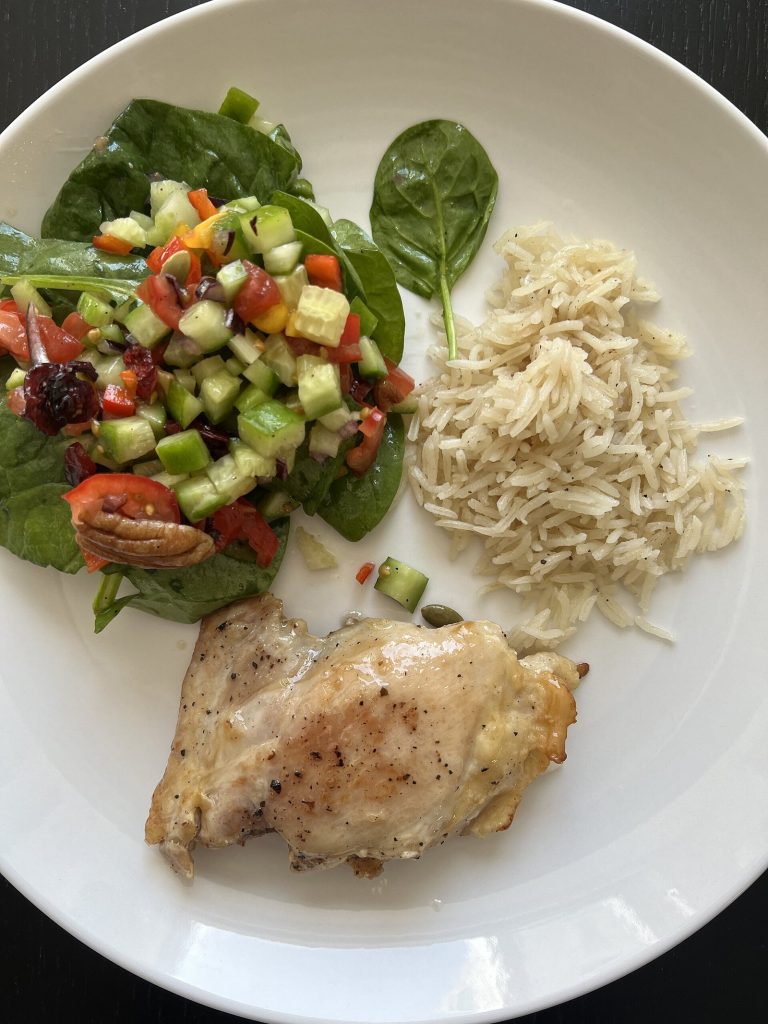
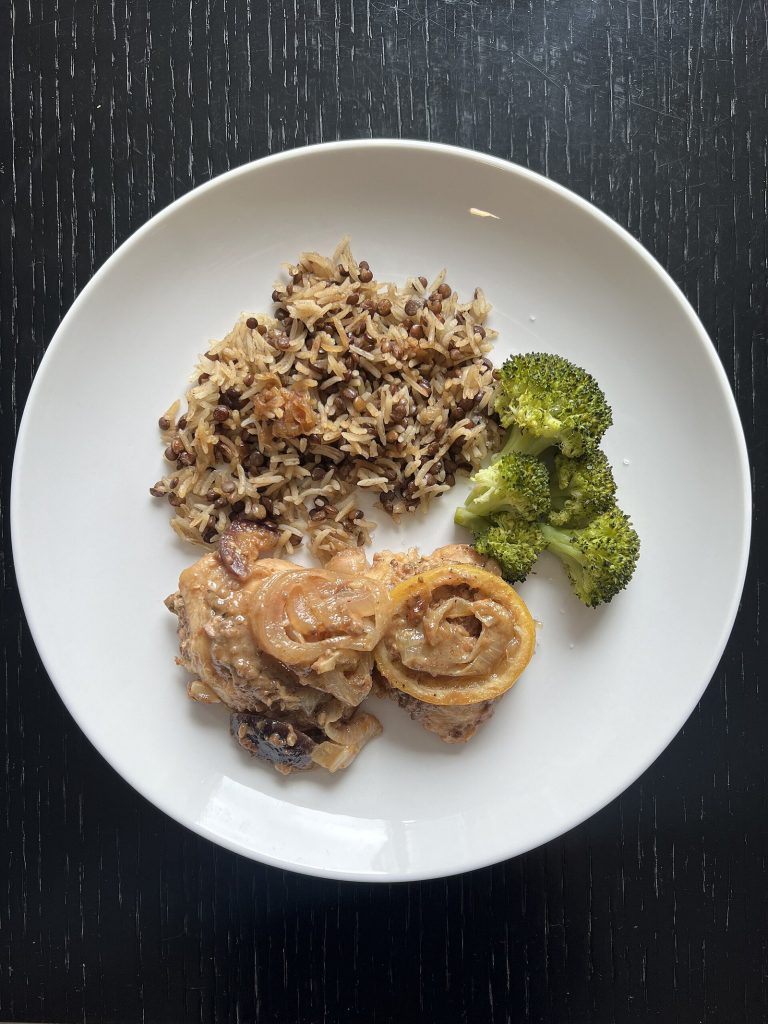
- – Build plates around vegetables, fruit, whole grains (texture-modified as needed), beans, fish, poultry, and unsaturated fats—aligned with clinician sodium and fluid limits. Related reading: hypertension diet guide and high cholesterol diet guide.
Protein and calories for rehab days
- – Therapy is work. Soft eggs, Greek yogurt (if safe), tender fish, ground meats, tofu, and smooth nut butters (if texture-allowed) can support intake when fatigue cuts appetite. If weight is falling or sarcopenia is a concern, see sarcopenia diet guide as general context—not a stroke cure.
Hydration within your plan
- – Thickened liquids, free water protocols, or fluid restrictions (heart/kidney overlap) must follow the care team—not generic “gallon a day” advice.
Foods and habits that often worsen stroke recovery kitchen patterns
- – Thin liquids, dry bread, mixed textures, or tough steaks against a dysphagia plan—aspiration risk outweighs preference.
- – High-sodium packaged meals and salty snacks that work against blood-pressure goals CDC and MedlinePlus highlight.
- – Continuing to smoke or heavy secondhand smoke exposure.
- – Heavy alcohol when your clinician advises limit or abstinence.
- – Skipping antiplatelet, anticoagulant, statin, or BP medicines because a “natural stroke plate” feels cleaner.
- – Ignoring FAST signs of a new stroke—Face drooping, Arm weakness, Speech difficulty, Time to call 911 (MedlinePlus/CDC messaging).
“Limit” means reducing habits that raise aspiration or cardiovascular risk—not moralizing one restaurant meal.
Practical kitchen protocol: a stroke recovery diet week
1. Confirm the swallow and medicine spine
Know your texture level, liquid thickness, aspiration precautions, and secondary-prevention meds before rewriting recipes.
2. Shopping list ideas (illustrative)
Soft-cooked vegetables; ripe bananas and stewed fruit; oatmeal; yogurt; eggs; flaky fish; ground or slow-cooked poultry; mashed beans; olive oil; herbs instead of salt shaker volume; thickener products only as prescribed; adaptive cups/utensils as provided.
3. Default plate template (when texture allows)
- – Half soft vegetables/fruit
- – Quarter easy starches
- – Quarter protein
- – Season with herbs, citrus, garlic; keep sodium aligned with your BP plan
4. Sample day (illustrative — adjust textures)
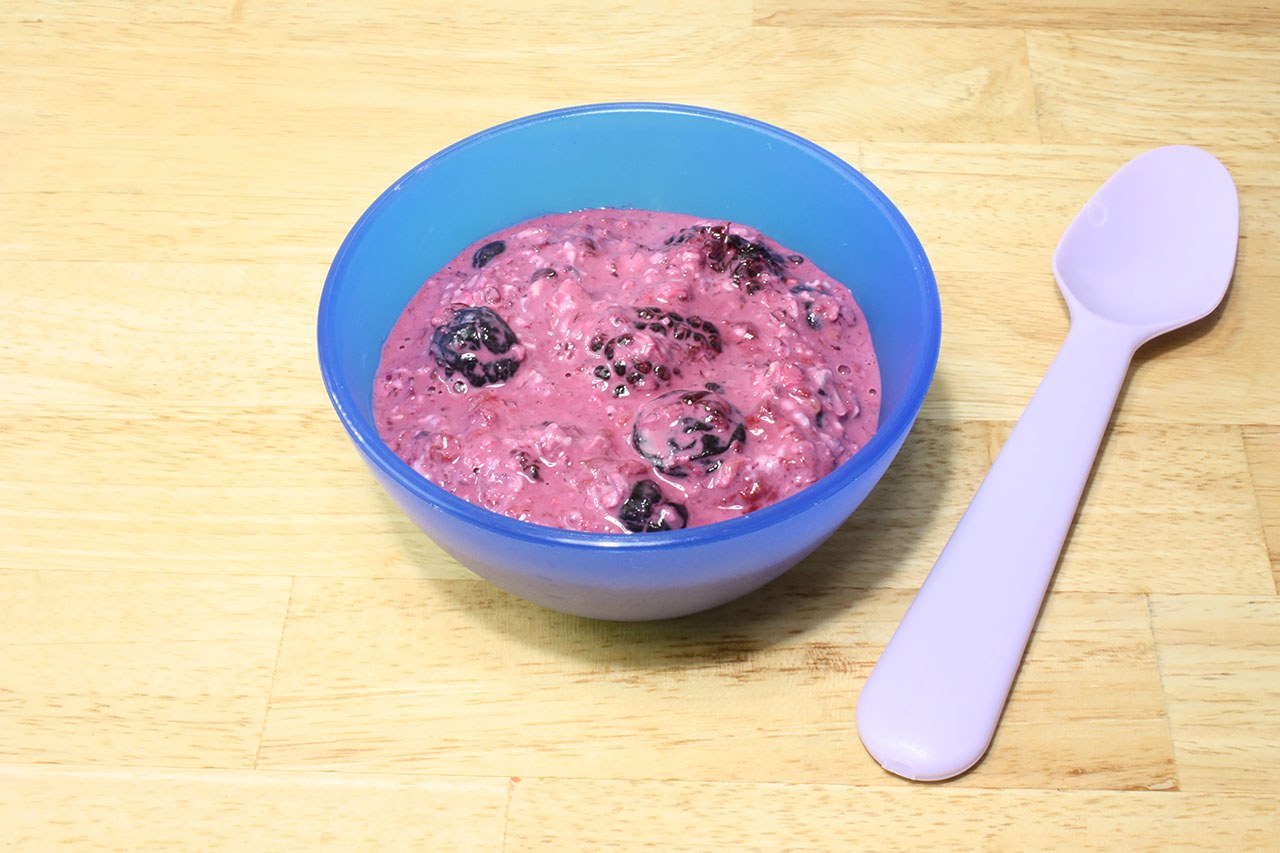
- – Breakfast: oatmeal with mashed berries; thickened liquid if required.
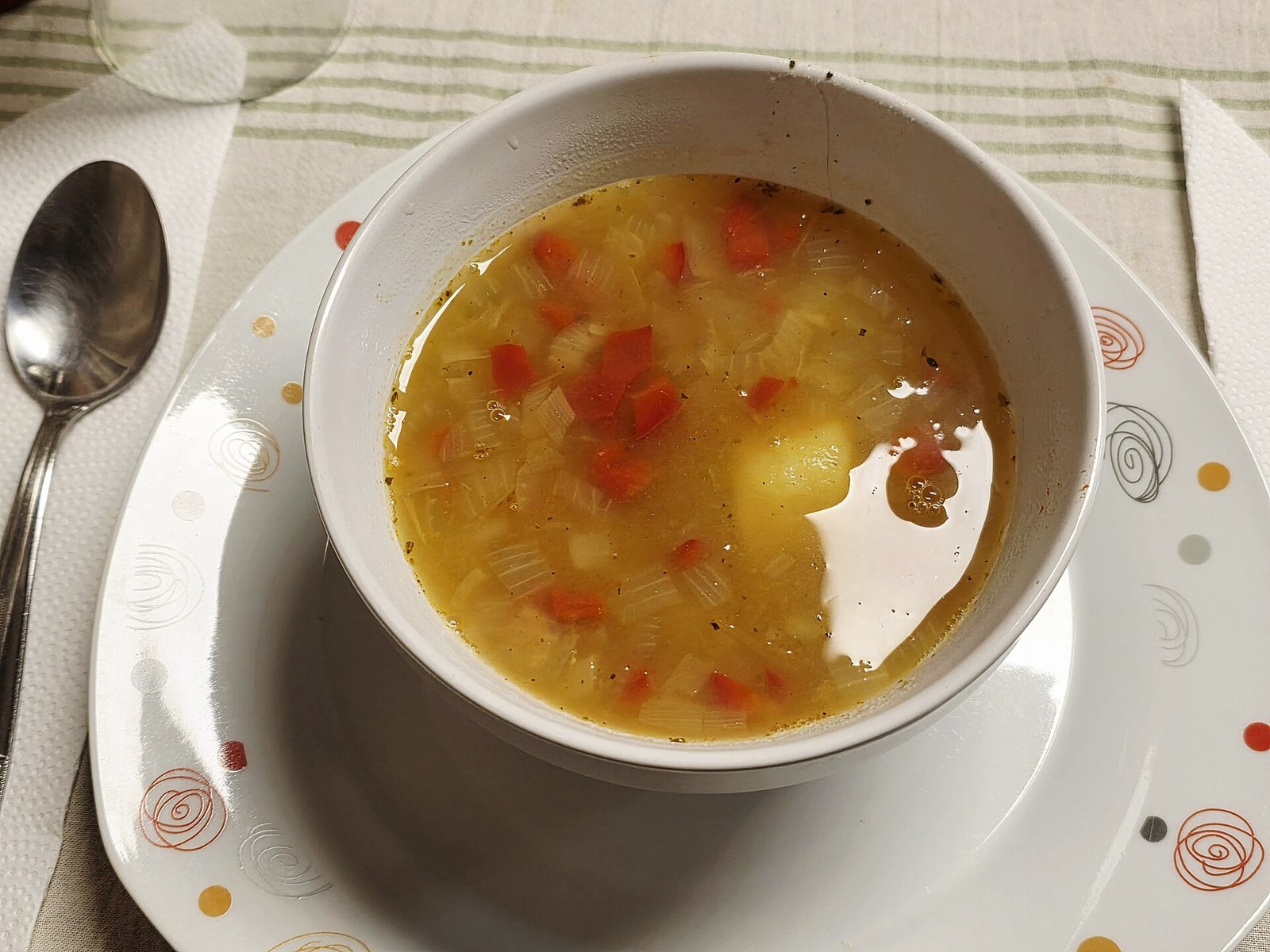
- – Lunch: blended or soft vegetable soup; minced chicken; soft fruit.
- – Snack: yogurt or cottage cheese if allowed.
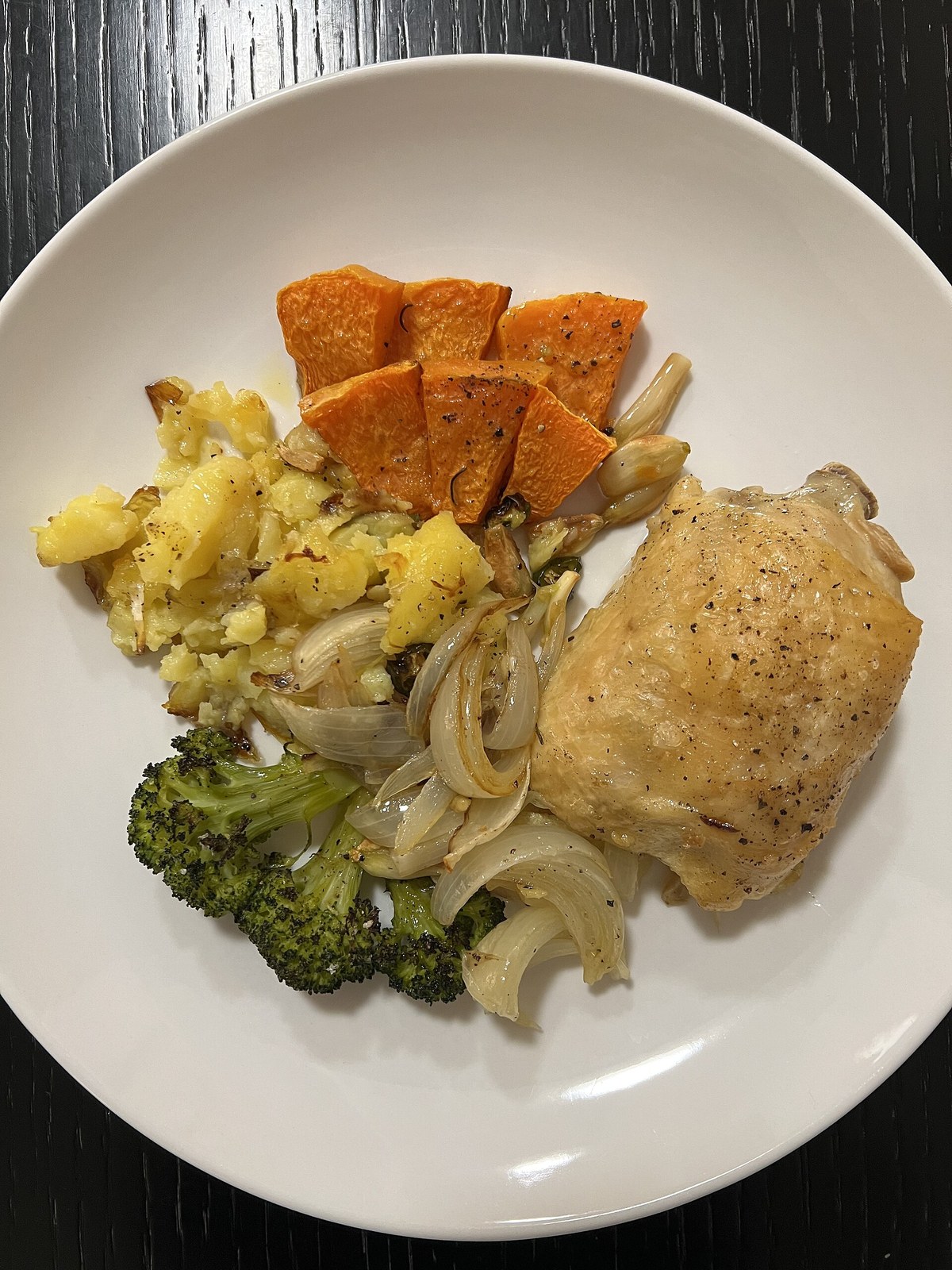
- – Dinner: baked fish with mashed potato and soft carrots; heart-healthy oils as cleared.
- – Therapy days: small snack before sessions if blood pressure and diabetes plans allow.
5. Home safety
Eat when alert; avoid eating in bed unless cleared; caregivers should know Heimlich/911 plans for choking.
6. Related OTCFood links
If diabetes coexists, pair with type 2 diabetes diet guide; for BP-focused kitchens see hypertension diet guide.
Caregiver kitchen tips during stroke recovery
- – Plate food in the visual field the person can see if neglect is present; follow occupational therapy cues for one-handed setups.
- – Keep mealtimes calm and unhurried; fatigue increases aspiration risk even with the correct texture.
- – Track weight weekly if advised; unintended loss during rehab weeks should be reported rather than “waited out” with another juice cleanse.
- – Coordinate diabetes snacks around therapy if blood glucose swings with missed meals—pair kitchen timing with type 2 diabetes diet guide only as comorbid context.
Safety, interactions, and who should ask a clinician first
- – New facial droop, arm weakness, speech change, sudden severe headache, or vision loss: call emergency services—diet is irrelevant in that moment.
- – Anticoagulants and vitamin K–rich greens need consistent patterns if you take warfarin—ask the prescribing clinician/pharmacist; do not swing intake wildly.
- – Diabetes after stroke: hypoglycemia risk rises with poor intake on therapy days.
- – Depression and appetite loss are common; NHLBI encourages mental health care alongside rehab.
FAQ
Can a stroke recovery diet reverse paralysis? No. MedlinePlus describes rehabilitation to relearn skills and maximize independence. Food supports energy and prevention habits.
Why was my water thickened? NHLBI notes speech therapists may recommend thick liquids when swallowing is unsafe. Follow that plan until formally upgraded.
Is the Mediterranean or DASH pattern required by name? Public sources emphasize heart-healthy, lower-sodium, produce-forward patterns. Exact branded diets should be individualized, especially with dysphagia or CKD.
Should I take megadose supplements for the brain? Not without clinician review. Prevention focuses on BP, lifestyle, and prescribed medicines.
When can I return to restaurant meals? When your swallow team clears textures and you can manage sodium/alcohol limits in real menus.
How this differs from related OTCFood topics
This page is a stroke-recovery-bound diet guide focused on swallow safety, rehab nutrition, and secondary prevention. It is not an acute ER protocol and not a standalone heart failure diet guide fluid-restriction manual—though overlap is common and must be clinician-coordinated.
Medical disclaimer
Medical disclaimer: This article is for general information only. It is not medical advice, diagnosis, or a treatment plan. Stroke recovery depends on stroke type, disabilities, swallow status, and other heart or kidney conditions. Talk with your rehab team, clinician, or registered dietitian before changing texture, fluids, supplements, or medicines. Call emergency services for FAST stroke warning signs or choking that does not clear.