Pneumonia Recovery Diet: Foods That May Help and Foods to Limit
Medical note: This article discusses foods and researched botanicals. It does not claim to prevent, treat, or cure disease. Supplements are not a substitute for food, and studied amounts are not personal prescriptions.
People searching “pneumonia recovery diet foods that help or worsen” usually want practical kitchen habits while lungs clear after an infection—not a claim that food replaces antibiotics, antivirals, oxygen, or hospital care when those are needed. MedlinePlus describes pneumonia as an infection in one or both lungs that fills air sacs with fluid or pus. Causes include bacteria (most common), viruses, and sometimes fungi. Severity depends on the germ, your age, and overall health. NHLBI likewise frames pneumonia as an infection that affects the alveoli and notes that recovery can take time even after the acute infection improves.
What this pneumonia recovery diet guide covers (and what it does not)
This guide is for adults convalescing after clinician-diagnosed pneumonia who want eating and drinking patterns that support hydration, energy, and comfort while they follow medical advice. Anchors: MedlinePlus — Pneumonia and NHLBI — Pneumonia.
MedlinePlus and NHLBI emphasize treating the cause, rest, fluids, and prescribed medicines—not culinary cures. Kitchen changes do not clear consolidation on an X-ray, shorten every cough on a schedule you choose, or replace follow-up when breathing worsens. This page is not an acute bronchitis protocol (see acute bronchitis diet guide), not a COPD maintenance plan (COPD diet guide), and not advice to stop inhalers or antibiotics early.
Evidence snapshot: pneumonia recovery diet claims vs public sources
| Claim people hope for | What public sources actually say | Confidence |
|---|---|---|
| “A special diet cures pneumonia” | MedlinePlus/NHLBI focus on treating the infection, rest, fluids, and medical care—not food as disease-modifying therapy | Strong: food is supportive only |
| “Chicken soup or vitamin C replaces antibiotics” | Bacterial pneumonia often needs clinician-prescribed antibiotics; viral cases still need medical judgment | Strong against DIY substitution |
| “Fluids help comfort during recovery” | Supportive care commonly includes hydration alongside rest and prescribed treatment | Moderate–strong for comfort/support |
| “Dairy always worsens mucus forever” | Public NIH pages do not present mandatory dairy elimination as standard pneumonia therapy | Low for universal bans; tolerance varies |
| “If cough lasts weeks, diet failed” | Residual cough and fatigue after pneumonia are common; re-evaluation belongs with a clinician | Strong: lingering symptoms ≠ kitchen failure |
Foods and patterns that may help during pneumonia recovery
“May help” means supporting hydration, easier swallowing when the throat or cough is raw, and nutrient intake while appetite returns—not a promise to empty fluid from the lungs.
Fluids and easy calories first
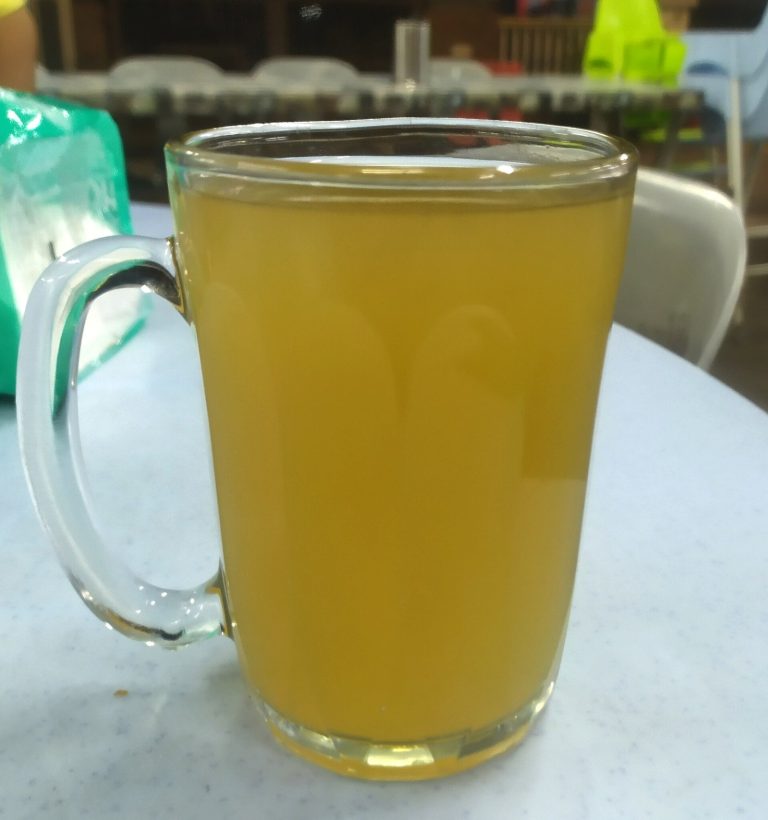
- – Drink regularly—supportive recovery habits often include fluids; prefer water, warm non-alcoholic drinks, and broths if they feel soothing.
- – If fever, night sweats, or poor intake left you depleted, small frequent sips may be easier than large volumes at once.
- – Keep caffeine and alcohol modest so they do not undermine sleep or fluid balance while you convalesce.
Soft, nutrient-dense meals when appetite is low
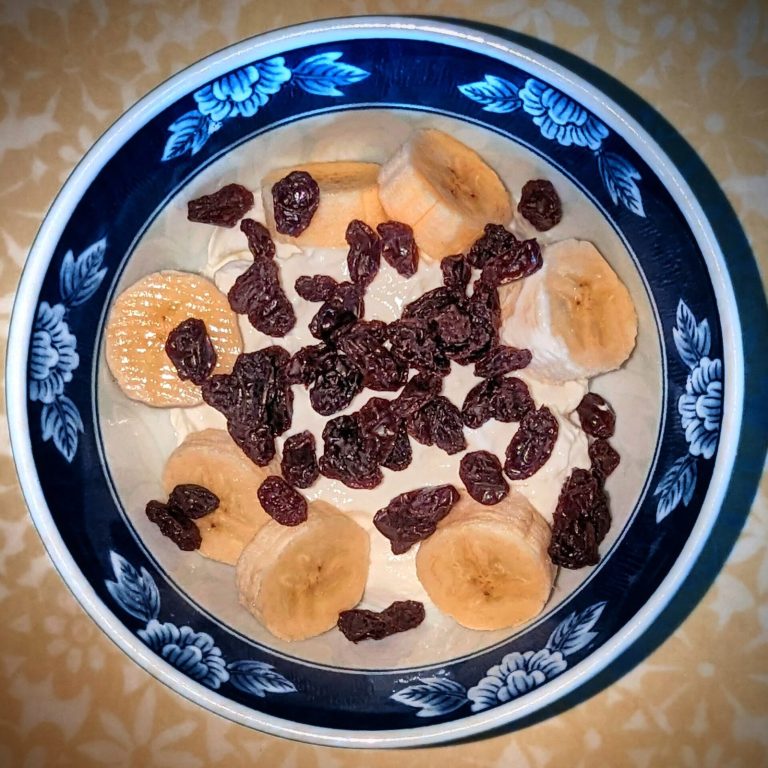
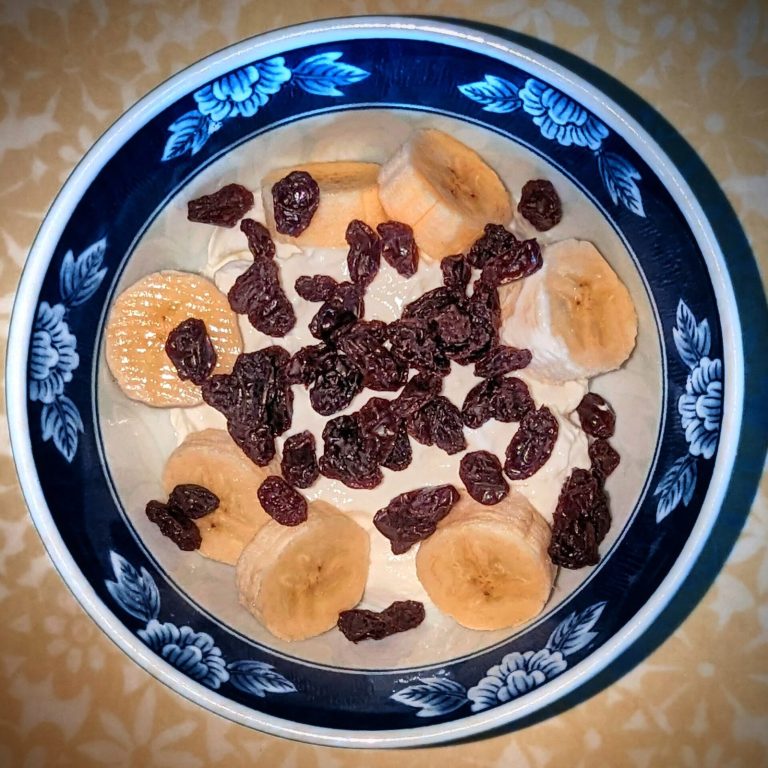
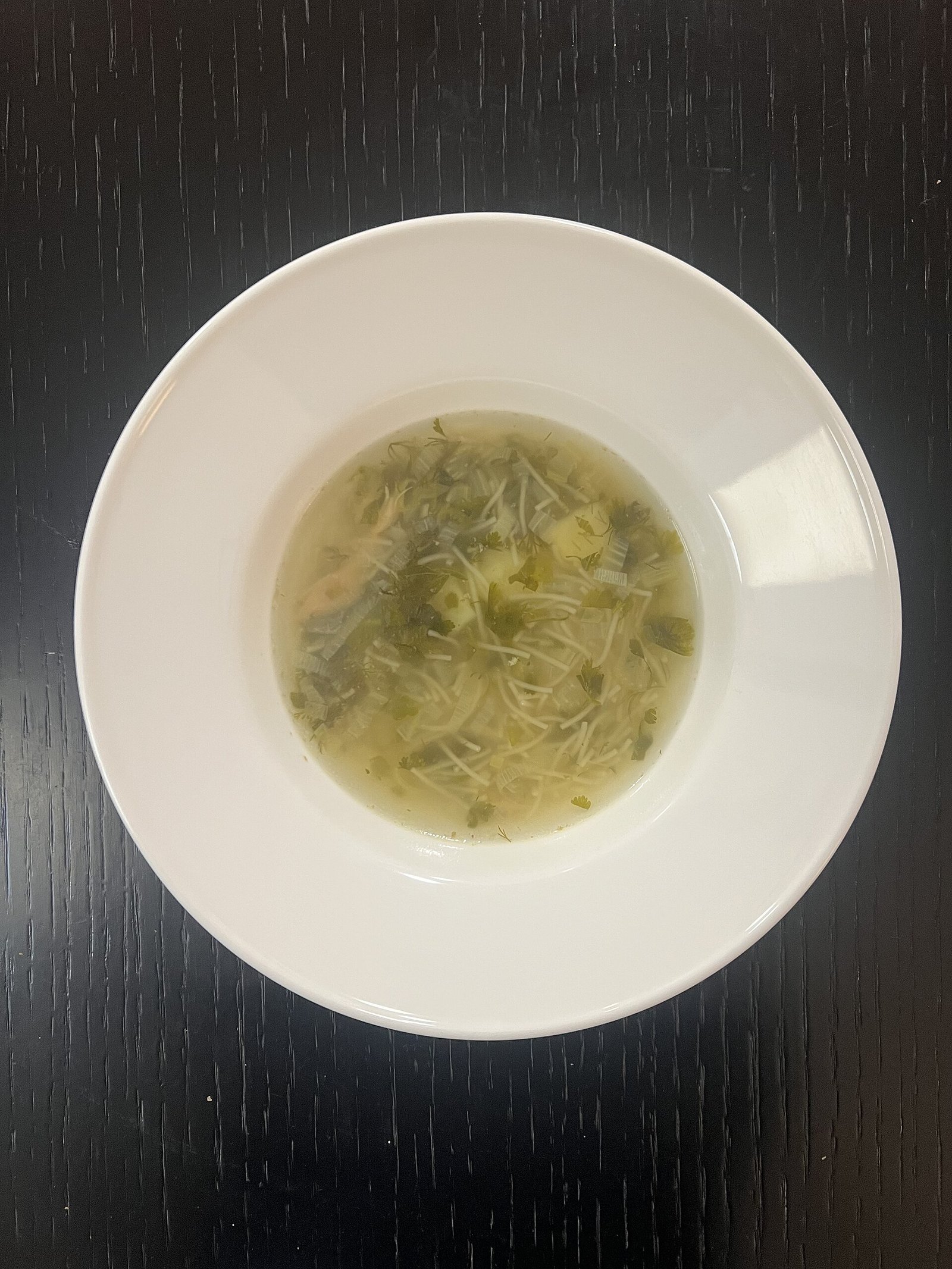
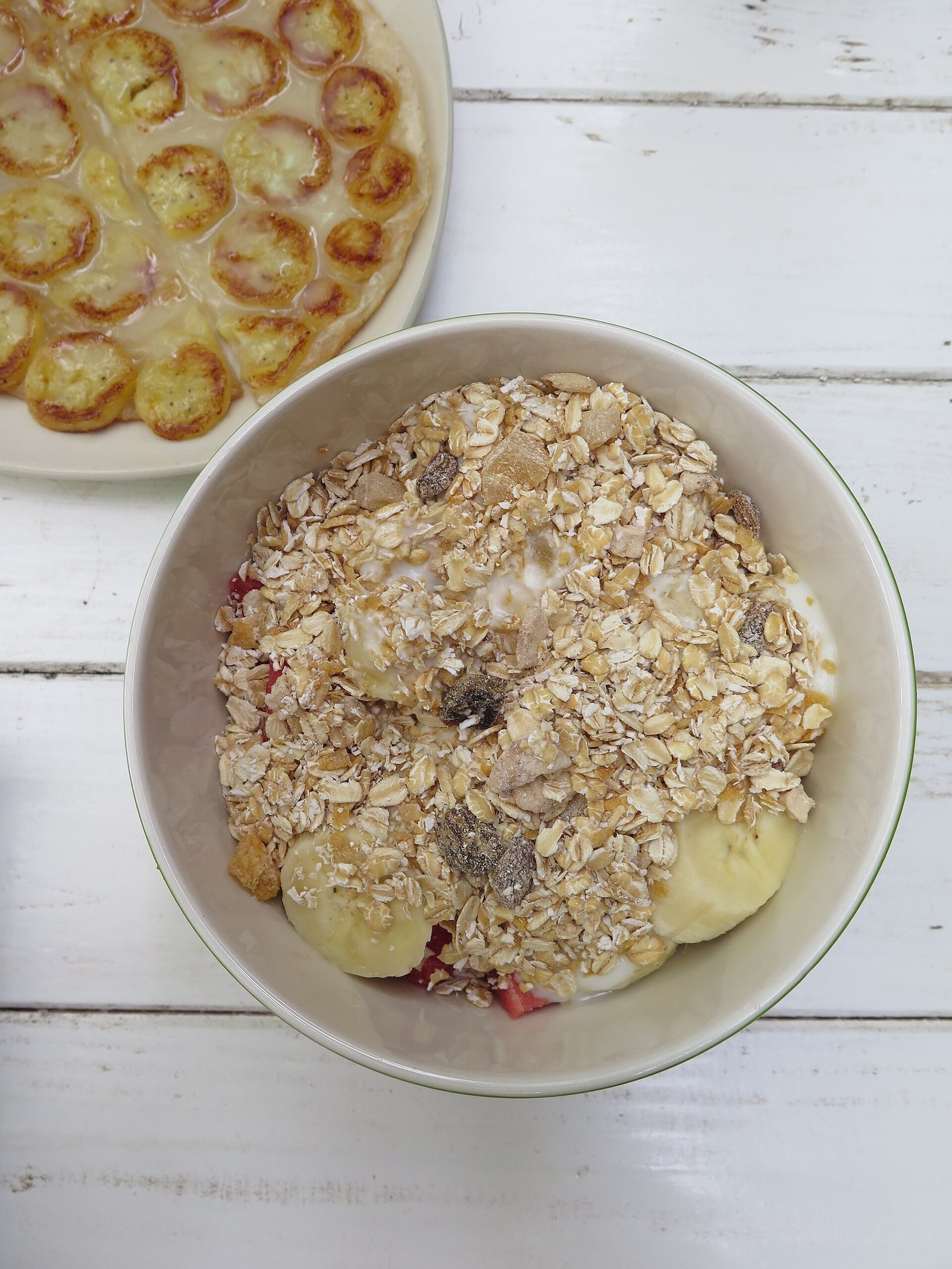
- – Warm soups, oatmeal, yogurt, scrambled eggs, mashed potatoes, soft fruit, and stewed vegetables are often easier than dry, sharp, or heavily fried foods when coughing fatigues you.
- – As appetite returns, rebuild plates with vegetables, fruit, whole grains, lean protein, beans, and healthy fats in portions that fit your overall health plan—similar general kitchen context as vitamin C deficiency diet guide and zinc deficiency diet guide, not as pneumonia “cures.”
Protein and gradual activity (kitchen + clinician plan)
- – Include soft protein sources (eggs, yogurt, tofu, fish, tender poultry, beans) when tolerated so recovery meals are not only broth and crackers.
- – Advance physical activity only as your clinician advises; kitchen prep should not replace pulmonary follow-up or prescribed rehab.
When reflux or chronic airway disease overlaps
- – Night cough and heartburn may need separate GERD-aware timing tips—see GERD diet guide—without assuming reflux and pneumonia are the same problem.
- – Known asthma or COPD: keep prescribed inhalers; diet does not replace airway medicines (asthma diet guide, chronic bronchitis diet guide).
Appetite rebound without overdoing it
- – After several low-intake days, jump back with soft balanced plates rather than large celebratory fried meals that leave you breathless.
- – If weight loss was significant, ask your clinician or dietitian about fortified milks, oral nutrition supplements, or higher-protein snacks that fit your medical limits.
- – Track fluids loosely (cups per day) if fever was high; share that pattern at follow-up if dehydration was a concern.
Foods and habits that often worsen pneumonia recovery kitchen patterns
- – Skipping prescribed antibiotics or antivirals because an internet “immune plate” feels more natural.
- – Heavy alcohol while fatigued, on medicines, or poorly hydrated.
- – Extreme fasting, juice cleanses, or unproven “lung detox” supplements instead of regular meals and clinician follow-up.
- – Continuing to smoke or heavy secondhand smoke exposure during airway recovery.
- – Ignoring red flags—worsening shortness of breath, chest pain, high or returning fever, confusion, bluish lips, coughing blood, or inability to keep fluids down needs urgent care, not another diet experiment.
“Limit” means reducing habits that undermine convalescence—not that one rich meal defines your prognosis.
Practical kitchen protocol: a pneumonia recovery week
1. Keep the medical spine first
Confirm antibiotic or other medication schedules, inhaler use if prescribed, and when to return for follow-up imaging or visits. Do not stop medicines early because soup “worked.”
2. Shopping list for convalescent kitchens
Water; broths or soft soups; oatmeal; yogurt; eggs; soft fruit; cooked vegetables; lean protein; whole-grain toast if tolerated; oral rehydration or electrolyte drinks only if your clinician agrees they fit your needs (especially if you have heart or kidney limits).
3. Default plate template (when appetite allows)
- – Half soft vegetables and fruit
- – Quarter easy starches (rice, potato, oatmeal)
- – Quarter protein
- – Season mildly; place a drink beside every meal
4. Sample day (illustrative)
- – Breakfast: oatmeal with banana; water or warm tea.
- – Lunch: chicken or vegetable soup with soft bread; fruit.
- – Snack: yogurt; water.
- – Dinner: baked fish or tofu, mashed potato, cooked carrots; warm fluids.
- – Night: elevate head if reflux worsens cough; avoid heavy late alcohol.
5. Household tips
Rest as advised; smoke-free air; hand hygiene when still contagious per clinician guidance. Share caretaking meals that are soft and hydrating rather than pressure to “eat for two.”
Safety, interactions, and who should ask a clinician first
- – Infants, older adults, pregnant people, and immunocompromised adults need lower thresholds for clinical review of breathing symptoms.
- – Heart failure, CKD, or fluid restrictions: ask before pushing high-sodium broths or large fluid volumes.
- – Diabetes: monitor how soft carbs and reduced activity affect glucose while recovering.
- – Persistent cough, unexplained weight loss, recurrent “pneumonia,” or failure to improve on schedule warrants re-evaluation—not endless kitchen experiments.
FAQ
Can a pneumonia recovery diet clear the infection overnight? No. MedlinePlus and NHLBI center medical treatment of the cause plus supportive care. Food supports comfort and energy; it does not empty infected alveoli on a DIY timeline.
Do I need to cut all dairy? Public NIH pages do not mandate dairy elimination for pneumonia. If milk feels personally worse, adjust; that is not a universal cure rule.
Will megadoses of vitamin C or zinc replace antibiotics? No. Nutrient-dense food can support general recovery habits; supplements and antibiotics decisions belong with a clinician. See kitchen context pages such as vitamin C deficiency diet guide only as general nutrition framing.
Why am I still tired after the fever breaks? Fatigue after pneumonia is common. Rebuild meals gradually and follow return-to-activity advice; diet alone does not set recovery speed.
Is this the same as acute bronchitis diet advice? No. Pneumonia is a lung-tissue infection that can be more severe. For chest-cold kitchen patterns, see acute bronchitis diet guide.
How this differs from related OTCFood topics
This page is a pneumonia-recovery-bound diet guide focused on fluids, soft nutrient-dense meals, smoke avoidance, and adherence to medical care. It is not a substitute for antibiotics when indicated, not a COPD action plan, and not a claim that kitchen habits reverse radiographic pneumonia.
Medical disclaimer
Medical disclaimer: This article is for general information only. It is not medical advice, diagnosis, or a treatment plan. Pneumonia care depends on cause, severity, oxygen needs, and other heart or lung conditions. Talk with a clinician or registered dietitian before starting, stopping, or changing any eating plan, supplement, or medicine. Seek urgent care for severe breathing difficulty, chest pain, high fever, confusion, bluish lips, or coughing blood.