Thyroid Nodules Diet: Foods That May Help and Foods to Limit
Medical note: This article discusses foods and researched botanicals. It does not claim to prevent, treat, or cure disease. Supplements are not a substitute for food, and studied amounts are not personal prescriptions.
People searching “thyroid nodules diet foods that help or worsen” usually want clear iodine and everyday eating guidance—not a claim that food shrinks nodules the way ultrasound follow-up, biopsy, or surgery sometimes do. MedlinePlus describes a thyroid nodule as a growth (lump) in the thyroid gland; most are not cancer, but evaluation matters. The American Thyroid Association (ATA) notes the vast majority of nodules are benign, yet a small proportion contain thyroid cancer, so most nodules need some type of evaluation. Food does not replace endocrine assessment.
What this thyroid nodules diet guide covers (and what it does not)
This guide is for adults with known thyroid nodules (or awaiting work-up) who want food patterns that avoid unsafe self-supplementation while supporting general nutrition. Anchors: MedlinePlus — Thyroid nodule, MedlinePlus — Thyroid diseases, American Thyroid Association — Thyroid nodules, and NIDDK — Hashimoto’s disease (diet/iodine section) when autoimmune thyroid disease overlaps.
ATA: iodine deficiency—very uncommon in the United States—is known to cause thyroid nodules; Hashimoto’s thyroiditis is associated with increased nodule risk. MedlinePlus: lack of iodine in the diet can be a cause; nodules are more common with age and in women. Large nodules may cause swallowing or breathing difficulty. Hormone-producing (“hot”) nodules can cause overactive thyroid symptoms. Sudden voice change, a hard fixed mass, or compressive symptoms need prompt clinical care—not kelp capsules from a search ad.
Evidence snapshot: thyroid nodules diet claims vs public sources
| Claim people hope for | What public sources actually say | Confidence |
|---|---|---|
| “A special diet dissolves thyroid nodules” | ATA/MedlinePlus emphasize evaluation (exam, TSH, ultrasound, FNA when indicated) and treatment based on biopsy and symptoms | Strong: food is not a substitute |
| “High-dose iodine supplements shrink all nodules” | ATA: iodine deficiency can cause nodules but is uncommon in the U.S.; NIDDK: large amounts of iodine (kelp, seaweed, some medicines/supplements) may worsen autoimmune thyroid disease | Strong caution against unsupervised high-dose iodine |
| “Avoiding all cruciferous vegetables cures nodules” | Not a public ATA/MedlinePlus nodule treatment; extreme bans can harm diet quality | Insufficient as a cure claim |
| “Gluten-free diets always clear nodules” | Not a general public recommendation for isolated nodules; celiac/autoimmune overlap needs clinician guidance | Insufficient as a blanket rule |
| “If the ultrasound is ‘watch and wait,’ diet replaces follow-up” | ATA stresses follow-up ultrasounds; some nodules need repeat biopsy if they grow | Strong: keep surveillance |
Foods and patterns that may help with thyroid nodules day-to-day health
“May help” means supporting adequate—not excessive—iodine in typical U.S. eating patterns, steady nutrition if swallowing is uncomfortable, and coordinated habits when thyroid hormone medicine is prescribed—not dissolving lumps.
Adequate iodine without megadoses (ATA / NIDDK)
- – In the United States, table salt iodization and common foods usually cover iodine needs for most non-pregnant adults; deficiency-related nodules are uncommon (ATA).
- – Choose ordinary iodized salt if your clinician has not restricted sodium for another condition—rather than seaweed megadoses.
- – Pregnancy increases iodine needs; NIDDK advises pregnant people to discuss iodine with their doctor (too little or too much can cause problems). Do not self-dose high-iodine supplements.
Everyday balanced plates
- – Include protein foods (eggs, dairy or alternatives, fish, beans), vegetables, fruit, and whole grains—kitchen patterns similar to hypothyroidism diet guide and Hashimoto’s thyroiditis diet guide when hormone status is abnormal.
- – If nodules coexist with confirmed hypothyroidism on levothyroxine, NIDDK notes some foods/supplements (grapefruit juice, espresso coffee, soy, iron or calcium multivitamins) can affect absorption—take medicine as timed by your clinician (often 30–60 minutes before the first meal).
Softer textures when swallowing feels hard
- – Large nodules can press on structures and make swallowing food difficult (MedlinePlus/ATA). Softer moist foods, smaller bites, and upright posture may help comfort while you seek medical evaluation for compressive symptoms.
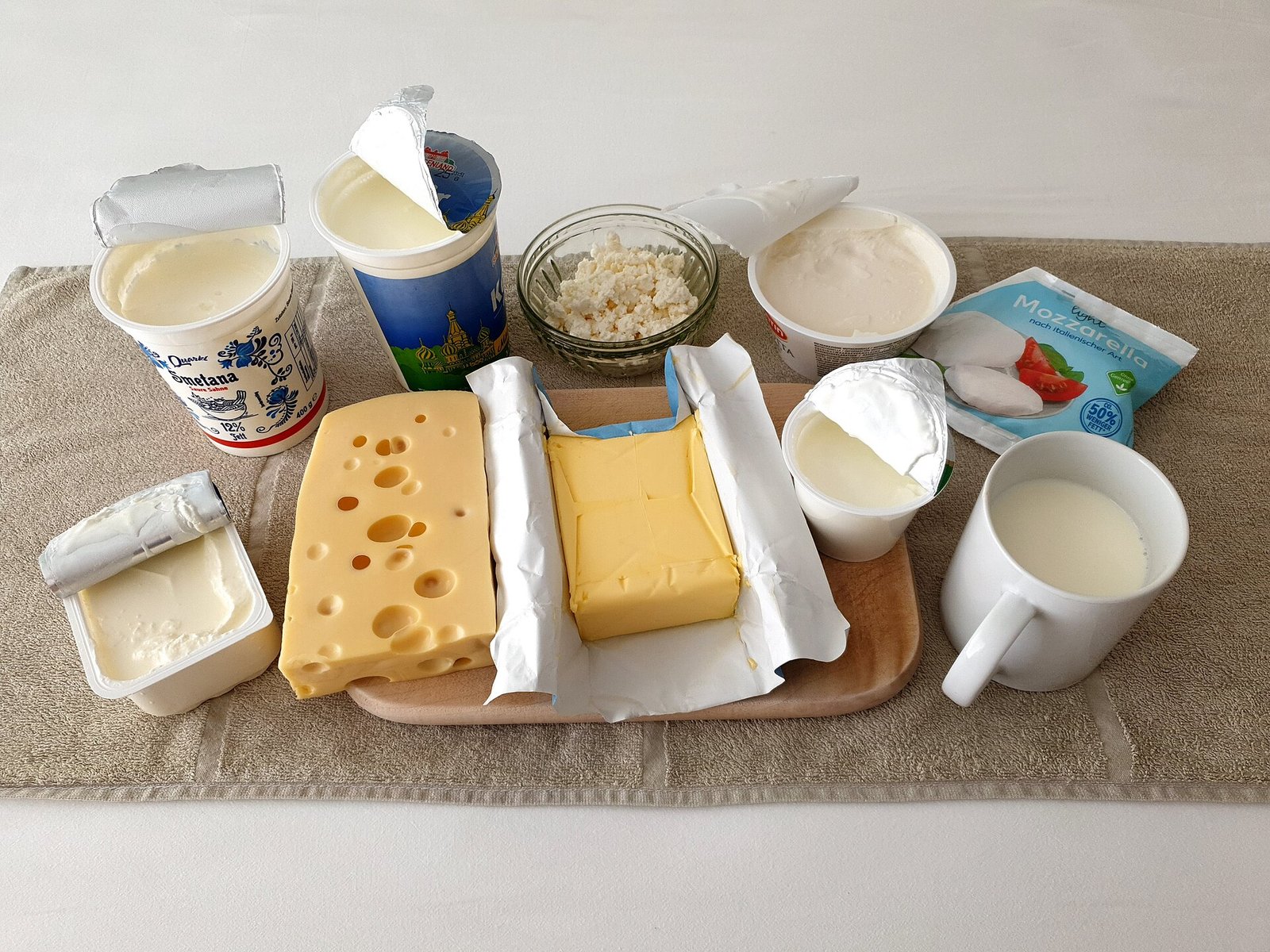
- – Maintain calories with yogurt, eggs, soft grains, and soups rather than skipping meals.
Weight and metabolic health
- – Overactive nodules can link to weight loss and anxiety symptoms; underactive overlap can link to weight gain (MedlinePlus symptom lists). Match energy intake to measured thyroid status with your clinician—see also hyperthyroidism diet guide if hyperthyroidism is confirmed.
Foods and habits that often worsen thyroid nodule kitchen patterns
- – Unsupervised kelp, dulse, seaweed powders, or high-dose iodine pills—NIDDK warns large iodine amounts may cause or worsen hypothyroidism in autoimmune thyroid disease; ATA does not frame megadose iodine as nodule therapy in iodine-sufficient regions.
- – Stopping prescribed thyroid hormone or antithyroid medicine for “natural nodule diets.”
- – Extreme cabbage-only or juice-only regimens that displace protein and calories.
- – Ignoring compressive symptoms (breathing trouble, progressive swallowing difficulty, rapid nodule growth, voice change) while waiting on food rules.
- – Buying “thyroid detox” products with undisclosed iodine or thyroid hormone analogs.
“Limit” means avoiding risky self-supplementation—not that ordinary broccoli servings cause nodules.
Practical kitchen protocol: a thyroid nodules diet week
1. Keep the medical spine first
Know your TSH plan, ultrasound follow-up date, and biopsy results. Diet supports; it does not replace surveillance.
2. Shopping list
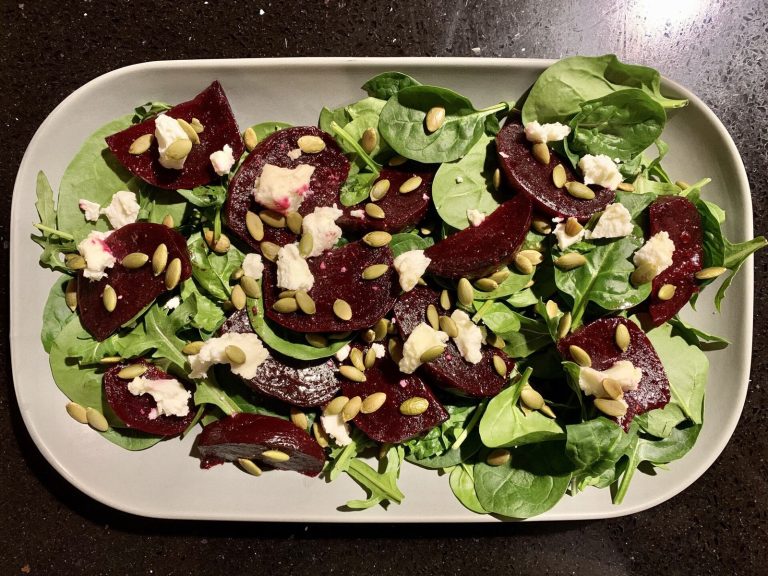
Eggs; yogurt, milk, or fortified alternatives; ordinary iodized salt in cooking amounts your clinician allows; vegetables including greens; fruit; beans and lentils; fish; soft rice or oats; olive oil; water and tea.
3. Default plate template
- – Half vegetables and fruit
- – Quarter grains
- – Quarter protein
- – Use iodized salt modestly unless restricted; avoid seaweed supplement add-ins
4. Sample day (illustrative)
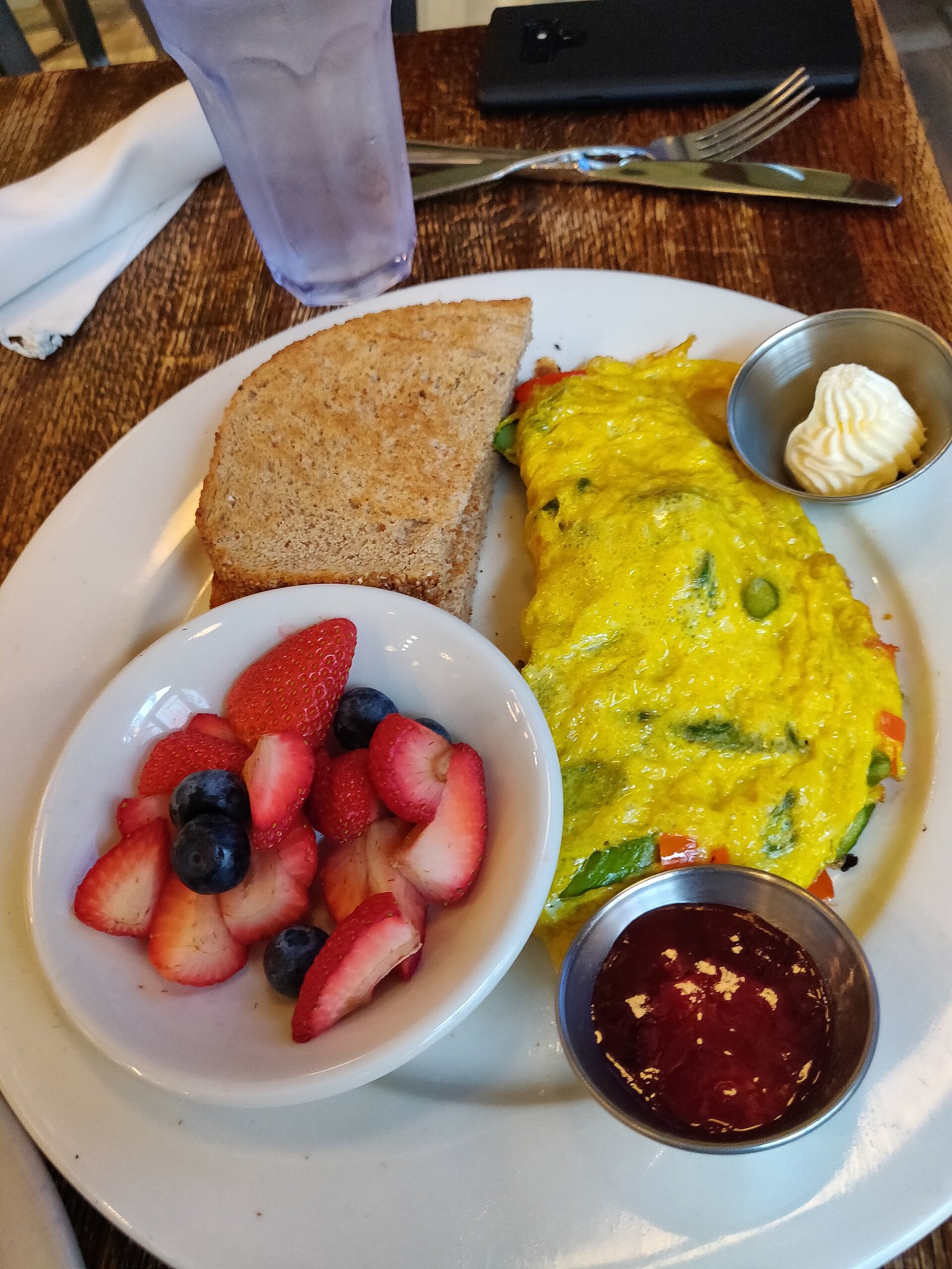
- – Breakfast: egg and spinach omelet; fruit; take levothyroxine only as your clinician timed it (often before breakfast).
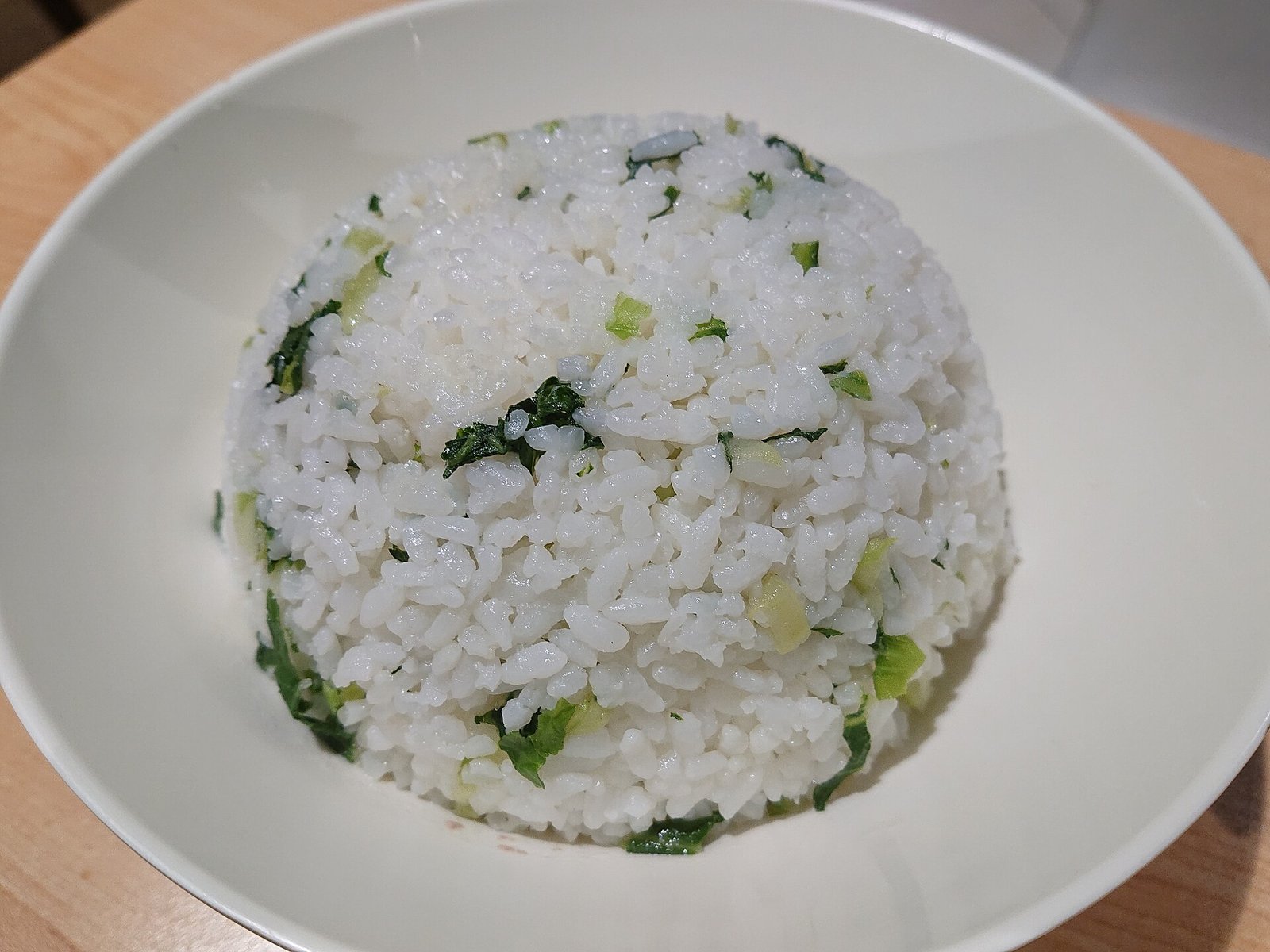
- – Lunch: vegetable rice bowl with beans or chicken; yogurt.
- – Snack: dairy or fortified alternative; fruit.
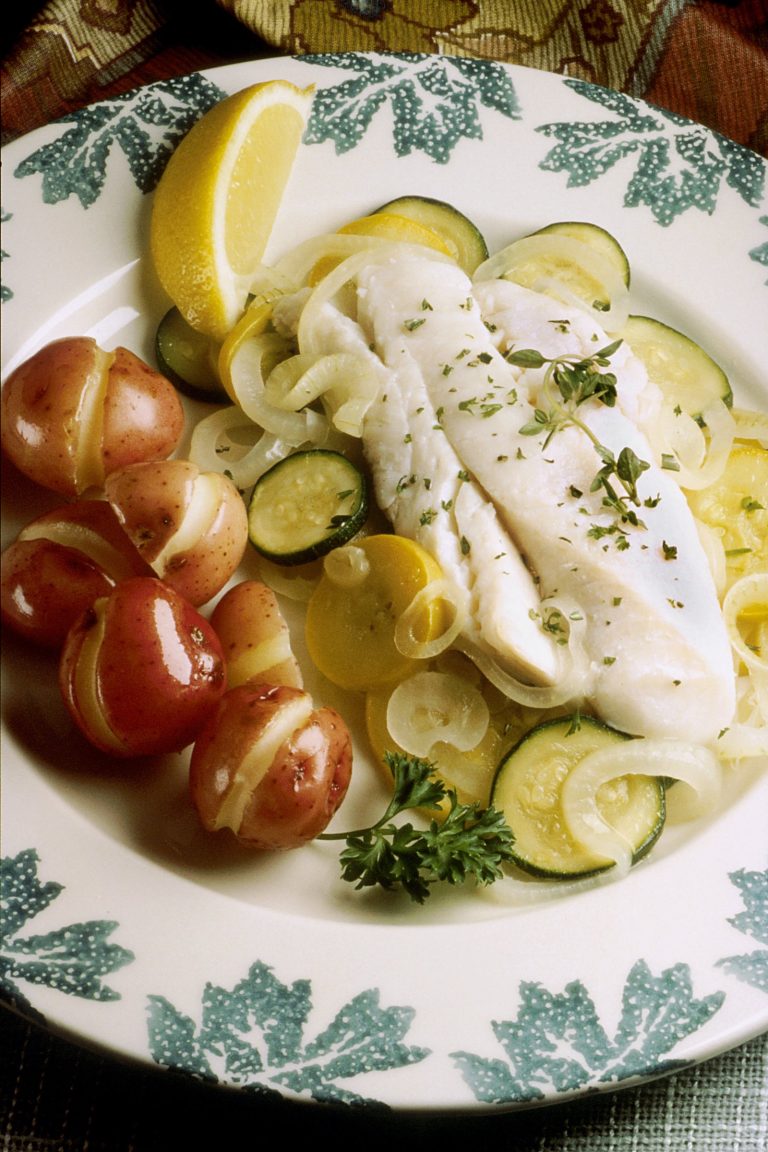
- – Dinner: baked fish or tofu with vegetables and rice; herbal tea.
- – Evening: no kelp capsules; note any new swallowing trouble for your clinician.
5. Eating out
Ordinary mixed meals are fine for most iodine-sufficient adults; be cautious with seaweed-heavy specialty bowls if you have been told to limit iodine.
6. When Hashimoto’s or hypo/hyper overlap
Pair with Hashimoto’s thyroiditis diet guide or hypothyroidism diet guide as appropriate—still keeping nodule follow-up on the calendar.
7. Label reading for hidden iodine supplements
Check “thyroid support,” “metabolism boost,” and “detox” labels for kelp, bladderwrack, or high iodine claims. ATA and NIDDK framing supports medical evaluation over self-supplementation—especially if you already take thyroid hormone or have autoimmune thyroid disease.
8. Swallowing-comfort prep ideas
Steam vegetables until soft; moisten dry foods with broth or olive oil; blend soups smooth if pills and dry bread feel stuck. These are comfort tactics while compressive symptoms are evaluated—not a way to avoid ultrasound follow-up the ATA emphasizes.
Safety, interactions, and who should ask a clinician first
- – Hard fixed nodules, voice change, breathing difficulty, rapid growth, or nodes in people with head/neck radiation history: prompt evaluation (MedlinePlus risk context).
- – Autoimmune thyroid disease: discuss iodine supplements and seaweed with your care team (NIDDK).
- – Pregnancy and breastfeeding: individualized iodine advice is essential.
- – Amiodarone or other iodine-containing medicines: only under specialist care—do not layer seaweed pills on top.
FAQ
Can diet shrink a thyroid nodule? Public sources focus on evaluation and procedure-based care when needed. Food does not replace ultrasound or biopsy decisions.
Should I take iodine pills “just in case”? Usually no in the U.S. without clinician advice—deficiency is uncommon, and excess iodine can harm some thyroid patients (ATA/NIDDK).
Are cruciferous vegetables forbidden? Not as a general ATA/MedlinePlus nodule rule. Eat a varied vegetable pattern unless your clinician customized otherwise.
What if my nodule is “hot”? Hormone-producing nodules need endocrine care; diet alone will not control thyrotoxic symptoms.
Is sea salt better than iodized salt for nodules? Not for preventing iodine deficiency. In the U.S., iodized salt is a common, modest iodine source; specialty sea salts may contain little iodine. Ask your clinician before making salt changes if you have blood-pressure limits.
Do I need to avoid fish? Ordinary fish portions are part of balanced eating for many people. The concern highlighted by NIDDK is concentrated seaweed/iodine supplements, not typical mixed diets—confirm if you are on a specialized low-iodine protocol before radioactive iodine procedures (only when your specialist orders that diet).
How this differs from related OTCFood topics
This page is a thyroid nodules–bound diet guide focused on avoiding unsafe iodine megadoses and supporting nutrition during evaluation. It is not a full hyperthyroidism diet guide symptom kitchen, not a Hashimoto’s thyroiditis diet guide autoimmune deep dive alone, and not a neck-pain spondylosis plan.
Medical disclaimer
Medical disclaimer: This article is for general information only. It is not medical advice, diagnosis, or a treatment plan. Thyroid nodule care depends on labs, ultrasound features, biopsy results, and specialist recommendations. Talk with an endocrinology clinician or registered dietitian before starting, stopping, or changing iodine supplements, seaweed products, or thyroid medicines. Seek urgent care for breathing difficulty, inability to swallow saliva, or rapidly progressive neck swelling.