PMS Diet: Foods That May Help and Foods to Limit
Medical note: This article discusses foods and researched botanicals. It does not claim to prevent, treat, or cure disease. Supplements are not a substitute for food, and studied amounts are not personal prescriptions.
People searching “PMS diet foods that may help or worsen” usually want a two-week grocery map before their period, not a promise that food will erase every mood swing. ACOG (the American College of Obstetricians and Gynecologists) says mild to moderate PMS symptoms often can be relieved by changes in lifestyle or diet, including complex carbohydrates, calcium-rich foods, smaller more frequent meals, and limiting fat, salt, sugar, caffeine, and alcohol. MedlinePlus similarly notes that some people manage symptoms by avoiding salt, caffeine, sugar, and alcohol in the two weeks before menses, and that calcium and vitamin B6 have been studied for some symptoms. Food patterns may help; they do not replace evaluation for PMDD, depression, or medicines your clinician may recommend.
What this PMS diet guide covers (and what it does not)
This guide is for people with recurring premenstrual physical or mood symptoms that ease after bleeding starts, and for anyone shopping to support them. Anchors: ACOG — Premenstrual Syndrome, MedlinePlus — Premenstrual Syndrome, ODS — Magnesium, and ODS — Vitamin B6.
ACOG diagnoses PMS when a symptom pattern appears in the five days before menses for at least three cycles, ends within four days after bleeding starts, and interferes with usual activities. Sudden severe depression with thoughts of self-harm, fainting, or unexpected heavy bleeding needs clinical care—not a new supplement stack.
Evidence snapshot: PMS diet claims vs public sources
| Claim people hope for | What public sources actually say | Confidence |
|---|---|---|
| “Diet changes can ease mild PMS” | ACOG: lifestyle or diet changes often relieve mild to moderate symptoms; lists complex carbs, calcium foods, less fat/salt/sugar, avoid caffeine/alcohol, smaller frequent meals | Moderate–strong for supportive self-care |
| “Calcium helps PMS” | ACOG: 1,200 mg calcium/day can help reduce physical and mood symptoms; also suggests calcium-rich foods such as yogurt and leafy greens | Moderate |
| “Magnesium fixes bloating” | ACOG: magnesium supplements may help water retention, breast tenderness, and mood symptoms—ask before dosing | Low–moderate |
| “Vitamin B6 cures PMS” | ODS: scientists are not yet certain; some studies suggest B6 could reduce moodiness, irritability, bloating, and anxiety; high supplemental B6 can cause nerve damage | Low–moderate; stay under clinical guidance |
| “Cut salt, caffeine, sugar, alcohol before your period” | MedlinePlus lists avoiding these in the two weeks before menses among self-care options; ACOG advises avoiding caffeine and alcohol and reducing salt and sugar | Moderate as common clinical advice |
Foods and patterns that may help with PMS
“May help” means a kitchen default that supports comfort alongside medical care—not a guarantee of a symptom-free luteal phase.
Complex carbohydrates (ACOG)
- – Whole-grain bread, pasta, and cereals
- – Barley, brown rice, beans, and lentils
ACOG notes a complex carbohydrate-rich diet may reduce mood symptoms and food cravings.
Calcium-rich choices (ACOG)
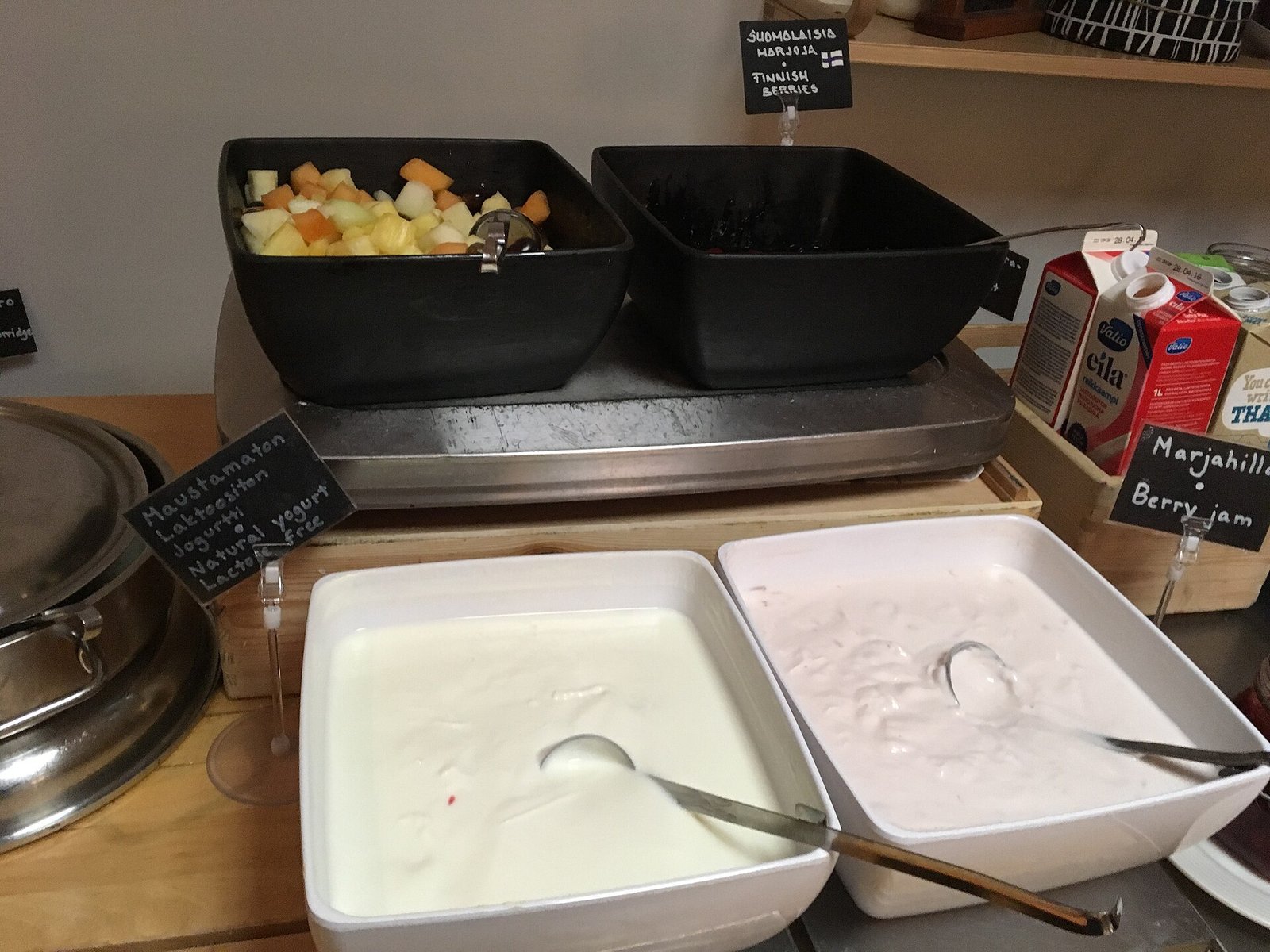
- – Yogurt and other dairy
- – Leafy green vegetables
ACOG also cites 1,200 mg calcium daily (food plus supplements if needed) as an amount that can help physical and mood symptoms—confirm your personal target with your clinician.
Meal timing (ACOG)
- – Six smaller meals, or three meals plus three light snacks, to help keep blood sugar steadier
Nutrients people ask about
- – Magnesium foods (ODS): leafy greens, nuts, seeds, beans, whole grains, fortified cereals—food first; supplements only with advice (ACOG says magnesium may help bloating and mood).
- – Vitamin B6 foods (ODS): poultry, fish, potatoes and other starchy vegetables, fruit—ODS notes possible PMS symptom relief from supplements in some studies, with adult upper limits that must not be casually exceeded.
Foods and habits that often worsen PMS patterns
- – High salt intake in the premenstrual window (MedlinePlus / ACOG reduce salt)—can amplify bloating for some people.
- – Sugar-heavy snacks and drinks as the default response to cravings (ACOG reduce sugar).
- – Caffeine and alcohol (ACOG avoid; MedlinePlus lists both among items to avoid before menses).
- – Very large infrequent meals that leave long gaps (ACOG prefers smaller, steadier eating).
- – High-fat eating patterns ACOG asks people to reduce—use as a general pattern, not a ban on every cooking oil.
- – Stacking untested “PMS blends”—ACOG warns many marketed products are unproven and may be harmful with medicines.
“Limit” means dial down in the one to two weeks before bleeding under a plan you can sustain—not that one salty meal ruins the month.
Practical kitchen protocol: a PMS diet fortnight
1. Track before you overhaul
ACOG recommends recording symptoms and period dates for at least two to three months. Note which meals precede worse bloating, headaches, or irritability so changes are targeted.
2. Front-load complex carbs and calcium
- – Breakfast: oatmeal or whole-grain toast with yogurt.
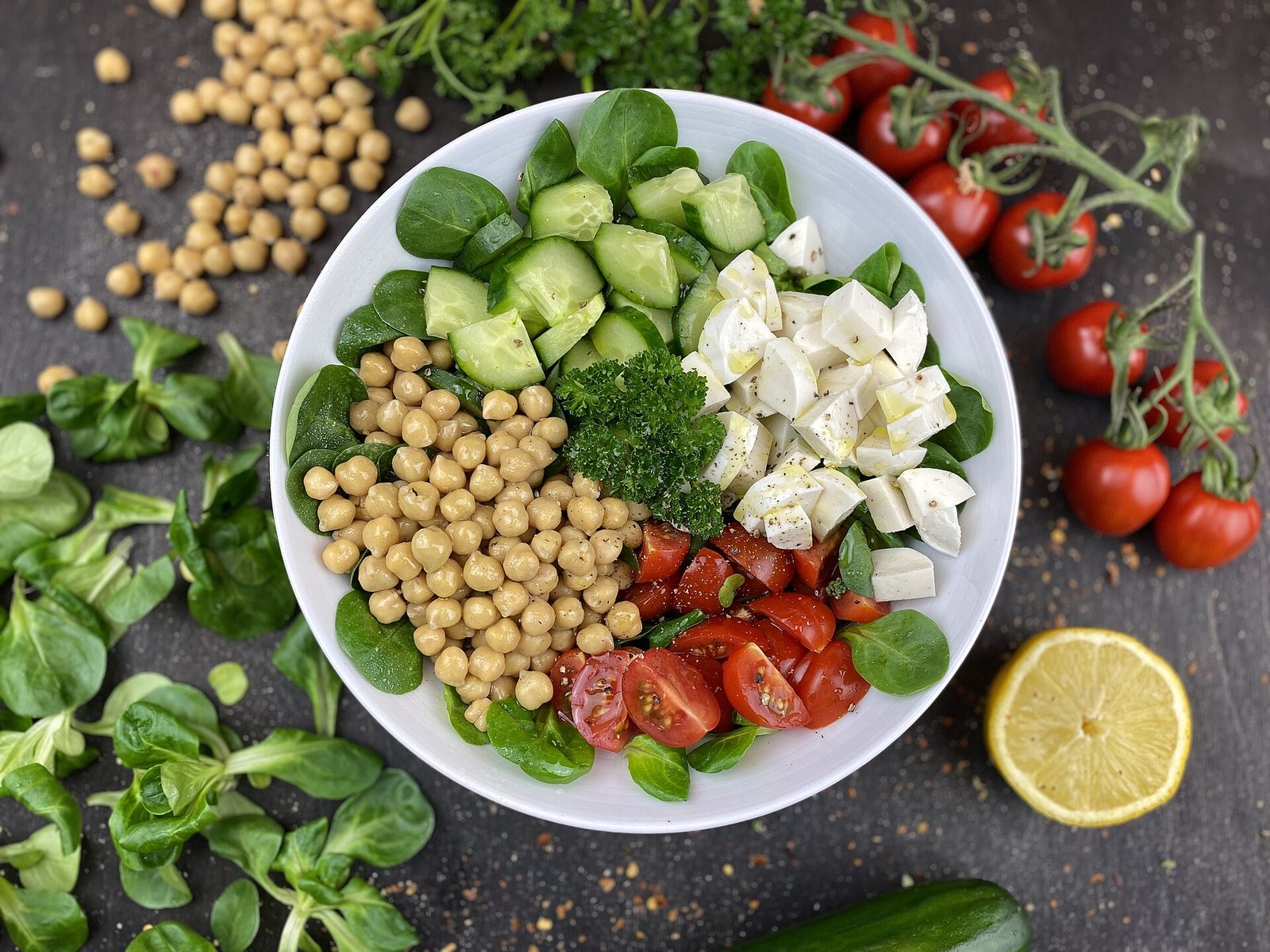
- – Lunch: lentil or chickpea salad; leafy greens on the side.
- – Dinner: brown rice or whole-wheat pasta with beans or poultry and vegetables.
- – Keep yogurt cups or calcium-fortified plant milk visible for snacks.
3. Shrink the salt–sugar–caffeine triangle before menses
Two weeks out (MedlinePlus timing): cook more from fresh or low-sodium ingredients, swap sugary drinks for water or herbal tea, and move coffee earlier or taper if caffeine worsens breast tenderness or sleep.
4. Plan six touch-points of food
Example snack anchors: fruit; yogurt; whole-grain crackers with hummus; a small handful of nuts. ACOG’s goal is steadier blood sugar to help with symptoms—not grazing endlessly.
5. Shopping list default
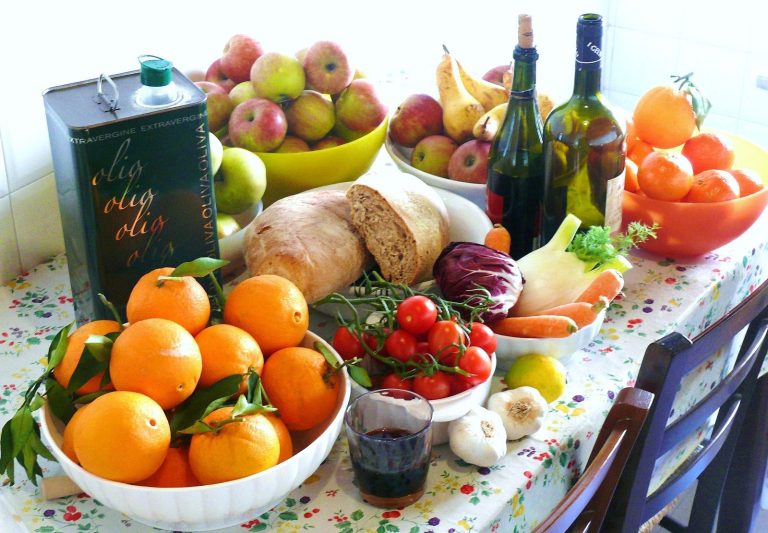
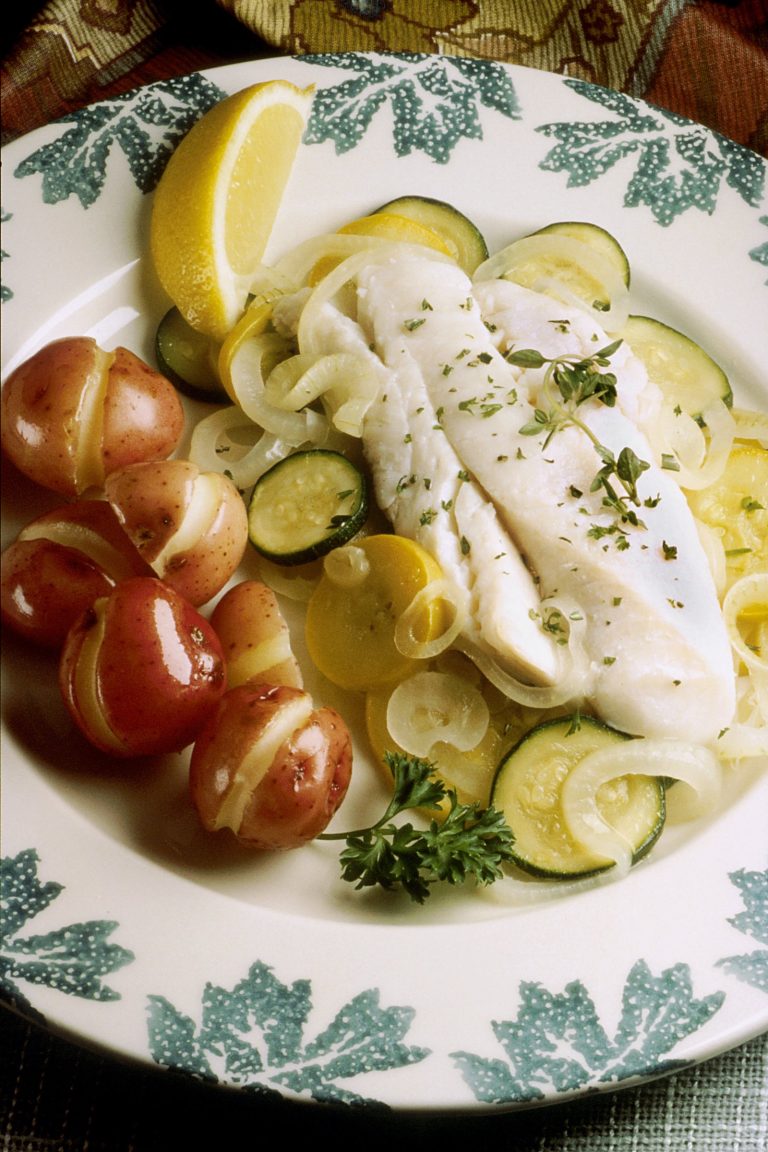
Plain yogurt, leafy greens, beans and lentils, brown rice, whole-grain bread or pasta, bananas and berries, potatoes, poultry or fish, unsalted nuts, and herbal caffeine-free tea.
6. Sample luteal-phase day (illustrative)
- – Breakfast: yogurt with berries and a small bowl of whole-grain cereal.
- – Mid-morning: banana.
- – Lunch: chickpea and vegetable salad; whole-grain roll.
- – Afternoon: herbal tea and a few crackers with hummus.
- – Dinner: grilled chicken, brown rice, steamed greens.
- – Evening: small yogurt if hungry—skip alcohol (ACOG).
7. When food is not enough
ACOG notes regular aerobic exercise (about 30 minutes most days), sleep routine, and relaxation methods may also lessen symptoms. If symptoms severely disrupt work or relationships, ask about PMDD and medical options—diet is only one layer.
Safety, interactions, and who should ask a clinician first
- – ACOG: talk with your ob-gyn before PMS supplements; excess amounts or drug interactions can be harmful.
- – ODS vitamin B6: high-dose supplements for a year or longer can cause severe nerve damage; adult upper limit from all sources is 100 mg/day unless a clinician directs otherwise (some authorities set lower limits).
- – ODS magnesium: supplements can interact with certain antibiotics and medicines—ask a pharmacist.
- – Depression or anxiety present all month may not be “just PMS” (ACOG)—seek evaluation.
- – Red flags: thoughts of self-harm, inability to function at work or school, fainting, or bleeding that soaks pads hourly—get prompt care.
- – If you already take SSRIs, hormonal contraception, diuretics, or NSAIDs, do not add herbal PMS products without clinician review (ACOG notes NSAID + diuretic kidney concerns).
FAQ
Can a PMS diet replace medicine for PMDD? No. ACOG distinguishes severe PMDD and describes medicines (including hormonal methods and antidepressants) when symptoms interfere with life. Diet may help milder patterns and remains supportive in severe cases.
How much calcium should I aim for with PMS? ACOG cites 1,200 mg/day as an amount that can help physical and mood symptoms. Confirm with your clinician if you have kidney stones or take other supplements.
Should I take vitamin B6 for PMS? ODS says benefits are not certain; some studies suggest possible symptom reduction. Do not megadose—nerve damage is a real risk at high supplemental intakes.
Is cutting all salt realistic? Aim to reduce salty packaged foods and restaurant meals in the premenstrual window (ACOG / MedlinePlus), not to eliminate sodium needed for health.
How this differs from related OTCFood topics
This page is a cycle-bound PMS diet guide focused on complex carbs, calcium, meal timing, and luteal-phase limits on salt, sugar, caffeine, and alcohol. It is not a endometriosis diet guide guide, not a PCOS diet guide insulin-focused plan, and not a general anxiety diet guide or migraine diet trigger guide protocol—though those conditions can worsen premenstrually and need their own care.
Medical disclaimer
Medical disclaimer: This article is for general information only. It is not medical advice, diagnosis, or a treatment plan. Premenstrual symptom care depends on your symptom diary, mental health history, and medicines. Talk with a licensed clinician or registered dietitian before starting, stopping, or changing any eating plan, calcium/magnesium/B6 supplement, or medication. Seek urgent help for suicidal thoughts or sudden severe illness.