
Migraine Diet: Trigger Foods to Limit and Foods That May Help
Medical note: This article discusses foods and researched botanicals. It does not claim to prevent, treat, or cure disease. Supplements are not a substitute for food, and studied amounts are not personal prescriptions.
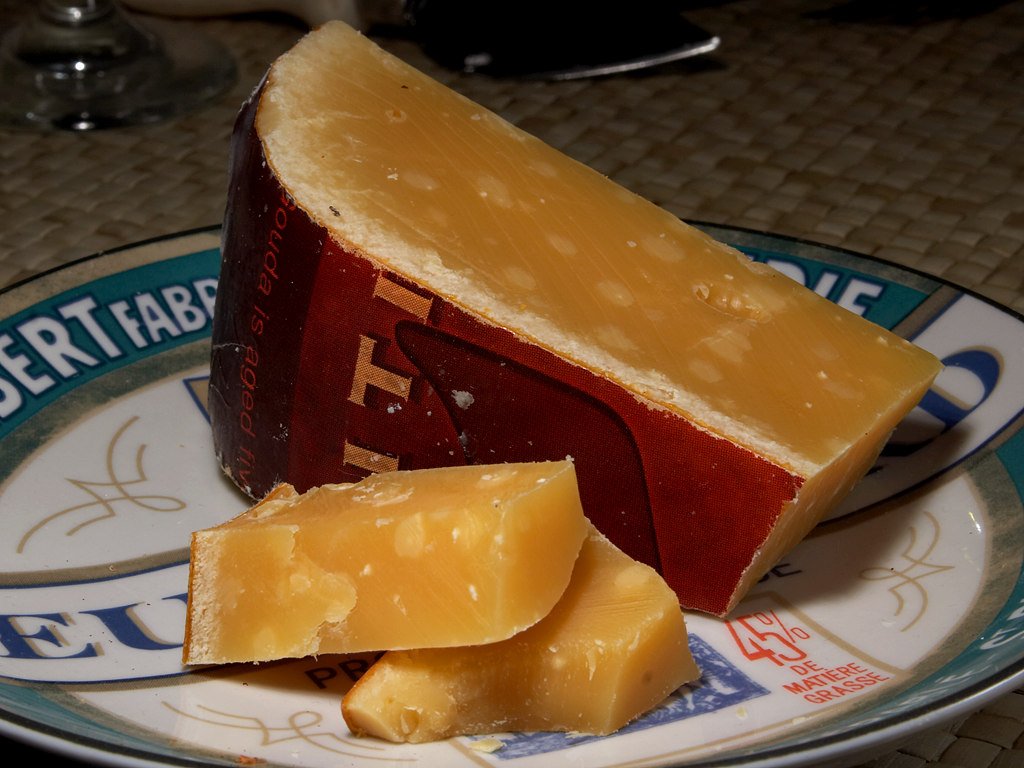
If you are looking for a migraine diet, the most useful answer from public sources is about patterns more than single foods. NINDS (the NIH neurological institute) lists low blood sugar or skipped meals and drinking too much alcohol among common migraine triggers, and says everyday habits such as eating regular meals, drinking enough water, and avoiding foods and beverages that trigger episodes can reduce or prevent attacks for some people. NHS adds too much caffeine to the trigger list, and Mayo Clinic names aged cheeses, salty and processed foods, alcohol (especially wine), aspartame, and MSG as possible food triggers. Triggers differ from person to person, so a migraine diet is really a personal plan built from a headache diary. Food choices support migraine management; they work alongside the acute and preventive medicines your clinician may recommend.
What this migraine diet page covers (and what it does not)
This page is for adults with diagnosed migraine, people who suspect food triggers, and family cooks. Anchors: NINDS — Migraine, NHS — Migraine, Mayo Clinic — Migraine symptoms and causes, NCCIH — Headaches: What You Need To Know, and the ODS fact sheets on magnesium and riboflavin.
NINDS describes migraine as a health condition that is more than a bad headache: recurring, often one-sided throbbing pain with nausea, vomiting, and sensitivity to light, sound, and smells. Some people have an aura first—zigzag lines, flashing lights, or tingling. Mayo Clinic notes migraine affects about one in five women and one in 16 men. Hormonal changes, sleep changes, stress, bright lights, strong smells, and weather shifts are common non-food triggers. This page does not cover choosing prescription medicines, and it is not for a sudden “worst headache of your life,” which needs emergency care (see Safety).
Evidence snapshot: migraine diet claims vs public sources
| Claim people hope for | What public sources actually say | Confidence |
|---|---|---|
| “Skipping meals doesn’t matter” | NINDS and NHS both list skipped or irregular meals as triggers; NHS advises eating meals at regular times | Strong |
| “Caffeine is always bad for migraine” | NINDS: small amounts of caffeine may help relieve symptoms early in an episode; NHS and Mayo: too much caffeine can trigger attacks | Moderate: dose and consistency matter |
| “Certain foods trigger everyone’s migraines” | Mayo lists aged cheeses, salty and processed foods, aspartame, and MSG as possible triggers; NINDS stresses triggers differ from person to person | Moderate, individual |
| “Alcohol is fine in moderation” | NINDS: drinking too much alcohol is a trigger; Mayo singles out wine; NHS advises limiting alcohol | Strong for heavy drinking |
| “Magnesium or B2 can stop migraines” | NCCIH: a 2018 review of 5 studies found magnesium possibly effective at reducing frequency; a 2017 review of 9 riboflavin studies was mixed; the overall evidence is small | Low-to-moderate, supervised use |
| “Eating more oily fish may help” | NCCIH: a 2021 NIH-supported diet study of 182 adults found diets higher in omega-3s from fatty fish led to fewer headache hours and days; omega-3 supplements have not shown the same effect | Preliminary but promising for food |
Foods and patterns that may help with migraine
“May help” means a steady, nutrient-rich routine that removes common triggers—not a guarantee against attacks.
Regular meals and snacks
Mayo Clinic’s SEEDS approach includes eating healthy, well-balanced meals at least three times a day and staying hydrated. Avoid long gaps, especially on busy workdays and weekends.
Water through the day
NINDS and NHS both emphasize drinking enough water; NINDS adds that fluids matter even more if an episode includes vomiting.
Magnesium-rich foods
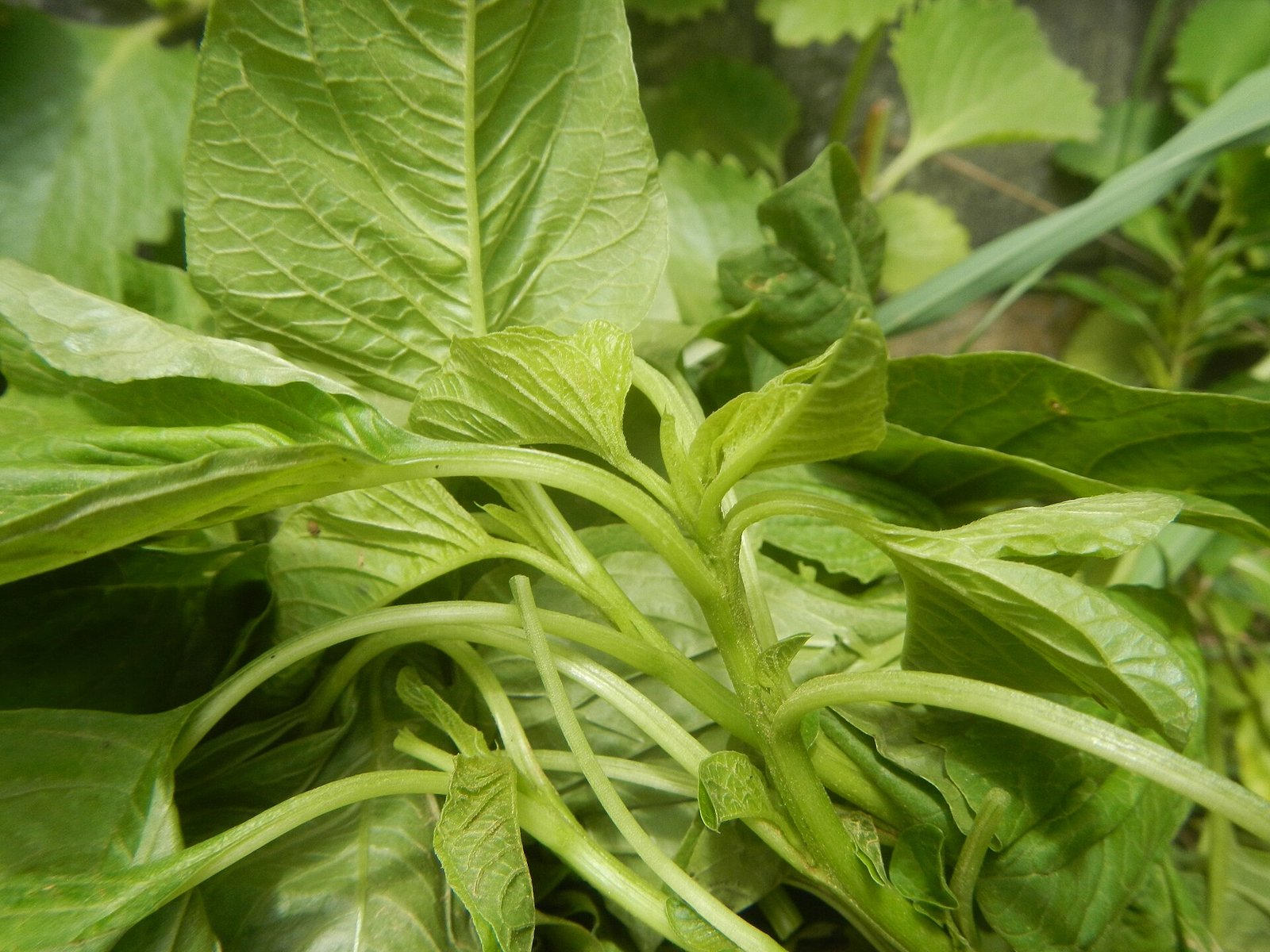
ODS lists legumes, nuts, seeds, whole grains, green leafy vegetables such as spinach, fortified cereals, and milk and yogurt. Food magnesium does not need to be limited in healthy people (ODS); supplements are a different story (see Safety).
Riboflavin (vitamin B2) foods
ODS lists eggs, lean meats, low-fat milk, mushrooms, spinach, organ meats, and fortified cereals and breads. NHS includes vitamin B2 among options to help prevent attacks, to be discussed with a GP.
Oily fish
Salmon, mackerel, sardines, and herring fit the higher-omega-3 eating pattern NCCIH describes from the 2021 study. That study also lowered linoleic acid from oils such as corn and soybean oil—an approach best tried with a dietitian.
Foods and habits that may trigger or worsen migraine
Use this as a list of suspects to test, not a list to ban all at once:
- – Skipped meals and long fasting gaps (NINDS, NHS, Mayo).
- – Too much caffeine, or big day-to-day swings in coffee, tea, energy drinks, and cola (NHS, Mayo).
- – Alcohol, especially wine (Mayo), and heavy drinking (NINDS).
- – Aged cheeses (Mayo).
- – Salty and processed foods (Mayo).
- – Aspartame and MSG (Mayo).
- – Dehydration on hot days, during exercise, or on flights.
- – Tobacco (NINDS).
- – Irregular sleep that pushes meals around—NINDS lists both too much and too little sleep as triggers.
Practical kitchen protocol: a migraine diet plan in four weeks
1. Keep a headache and food diary first
NINDS suggests recording, after each headache, the time it started, how intense it was, sleep the night before, stress, weather, medicines taken, and food and drinks consumed in the previous 24 hours. People who menstruate can note period days. Two to four weeks of notes give you and your clinician something concrete to review.
2. Fix meal timing before cutting foods
Set three meals and, if needed, one or two planned snacks at roughly the same times every day, including weekends. Keep a portable snack—nuts, a banana, yogurt, whole-grain crackers—in your bag.
3. Make caffeine steady and moderate
Pick a daily amount and time and keep it consistent. If you plan to cut back, taper gradually and note any changes in your diary.
4. Test one suspect at a time
If the diary points to a food—say, aged cheese or red wine—remove that single item for a few weeks, then reintroduce it and watch for a pattern. Removing many foods at once makes it hard to learn anything and can leave meals unbalanced.
5. Build hydration into routines
Keep a water bottle at your desk, drink a glass with every meal, and add more on hot or active days.
6. Shopping list default
Spinach and other leafy greens, beans and lentils, almonds and pumpkin seeds, oats and whole-grain bread, eggs, plain yogurt and milk, mushrooms, salmon or sardines, fresh fruit, and fresh (not processed) chicken or tofu.
7. Sample day (illustrative)
- – Breakfast (same time daily): oatmeal with milk, pumpkin seeds, and a banana; your usual cup of coffee or tea.
- – Mid-morning: water and a small handful of almonds.
- – Lunch: spinach and lentil salad with olive oil, whole-grain bread.
- – Afternoon: yogurt and fruit.
- – Dinner: baked salmon, roasted mushrooms and vegetables, brown rice.
Safety, interactions, and when to get help
- – Magnesium supplements: NCCIH notes that amounts studied for migraine exceed the safe upper limit for supplements, so use them only under a clinician’s supervision. ODS sets the adult upper limit from supplements and medicines at 350 mg/day; high doses can cause diarrhea, nausea, and cramping, and magnesium interacts with some antibiotics, diuretics, and osteoporosis drugs.
- – Butterbur: NCCIH reports serious concerns about possible liver toxicity; the American Academy of Neurology stopped recommending it in 2015.
- – Feverfew and CoQ10: evidence is small or inconsistent; feverfew may interact with medicines and CoQ10 may interact with warfarin and insulin (NCCIH). See our feverfew evidence review.
- – Painkiller overuse: NHS advises not taking painkillers on more than 2 days a week; Mayo describes medication overuse headaches with frequent aspirin, ibuprofen, or triptan use.
- – Pregnancy or breastfeeding: most supplements have not been tested in these groups (NCCIH).
- – Call emergency services (NHS) for a sudden, extremely painful headache, problems speaking, vision loss, confusion, a seizure, weakness on one side of the body, fever with meningitis-like symptoms, or a headache after a head injury.
FAQ
What foods trigger migraines? Mayo Clinic lists aged cheeses, salty and processed foods, alcohol (especially wine), too much caffeine, aspartame, and MSG as possible triggers, and skipped meals are a trigger in their own right. Triggers vary, so use a diary to find yours.
Is coffee good or bad for migraine? Both, depending on the dose. NINDS says small amounts of caffeine may help early in an episode, while NHS and Mayo say too much caffeine can trigger attacks. Keep intake moderate and consistent.
Should I take magnesium for migraine? NCCIH says magnesium was possibly effective in reducing migraine frequency in a small review, but the doses studied exceed the supplement upper limit, so only take it with a clinician’s guidance. Magnesium-rich foods are a safe everyday step.
Is there a proven migraine elimination diet? No single elimination diet is proven for everyone. NINDS lists special diets among non-medicine approaches some people find helpful; testing one suspected trigger at a time is more informative than cutting many foods at once.
Can drinking water help migraine? NINDS and NHS both recommend staying well hydrated, and NINDS advises drinking plenty of fluids during an episode, especially if you are vomiting.
How this differs from related OTCFood topics
This page is a disease-bound migraine diet focused on meal timing, triggers, and supplement safety. It is not our single-herb feverfew review, not a sleep-focused magnesium glycinate guide, and not our ginger for nausea page—though nausea is a common migraine symptom.
Medical disclaimer
Medical disclaimer: This article is for general information only. It is not medical advice or a diagnosis. Migraine care depends on how often attacks happen, other conditions, pregnancy, and medicines. Talk with a licensed clinician or registered dietitian before starting, stopping, or changing any eating plan, supplement, or medication, and seek emergency care for sudden severe or unusual headaches.