Interstitial Cystitis Diet: Foods That May Help and Foods to Limit
Medical note: This article discusses foods and researched botanicals. It does not claim to prevent, treat, or cure disease. Supplements are not a substitute for food, and studied amounts are not personal prescriptions.
An interstitial cystitis (IC) diet is a personal trigger-finding plan, not a fixed menu. NIDDK (the NIH kidney and urologic institute) says some research suggests diet may affect IC symptoms, and that learning which foods and drinks cause your flares and avoiding them may help you feel better, along with staying hydrated. The items NIDDK lists as common flare triggers are citrus juices, coffee, tea, soda, alcohol, tomatoes and tomato sauces, hot and spicy foods, artificial sweeteners, chocolate, and MSG. The Interstitial Cystitis Association (ICA) adds an important caution: the evidence is still limited, there is no single IC diet that works for everyone, and the goal is the most varied diet you can eat while keeping symptoms calm.
What this interstitial cystitis diet guide covers (and what it does not)
This guide is for adults with diagnosed interstitial cystitis, also called bladder pain syndrome (IC/BPS), and the people who cook with them. It covers common food and drink triggers, a step-by-step elimination and reintroduction method, hydration, and sample meals. It does not cover bladder instillations, prescription medicines, or physical therapy; your urologist or urogynecologist guides those.
Anchors used here: NIDDK — Eating, Diet, and Nutrition for Interstitial Cystitis, NIDDK — Treatment of IC, NIDDK — Definition and Facts, NHS — Bladder pain syndrome, ICA — What to Eat with IC/BPS, and a 2024 systematic review, Dietary Influence on Bladder Pain Syndrome.
NIDDK describes IC as a chronic condition with bladder pain that usually worsens as the bladder fills and eases after urinating, sometimes with urgency, frequency, and pelvic pain. Between 4 and 12 million people in the United States may have IC, and it is more common in women.
Evidence snapshot: interstitial cystitis diet claims vs public sources
| Claim people hope for | What public sources actually say | Confidence |
|---|---|---|
| “Certain foods flare IC” | NIDDK: some people find citrus, coffee, tea, soda, alcohol, tomatoes, spicy foods, artificial sweeteners, chocolate, and MSG cause flares | Moderate (patient-reported, consistent) |
| “Avoiding my triggers helps” | NIDDK: learning and avoiding your trigger foods may help you feel better; a food diary is the suggested tool | Moderate |
| “There is one proven IC diet” | ICA, citing a 2026 systematic review of 4 trials (147 people): not enough strong evidence for firm diet rules for everyone; individual elimination diets showed the most promise | Strong that no universal diet exists |
| “Most people with IC react to food” | 2024 systematic review: in one surveyed cohort, 95.8% reported symptom flares from certain foods and drinks, especially acidic, spicy, and carbonated items | Moderate (self-report) |
| “Drinking water helps” | NIDDK: staying hydrated may help improve symptoms; ask your clinician how much is right for you | Moderate |
| “Anti-inflammatory diets help IC” | ICA: anti-inflammatory diets did not show clear benefit in the small studies available | Low/insufficient |
Foods and patterns that may help with interstitial cystitis symptoms
“May help” here means a calmer-bladder default you personalize, not a guarantee.
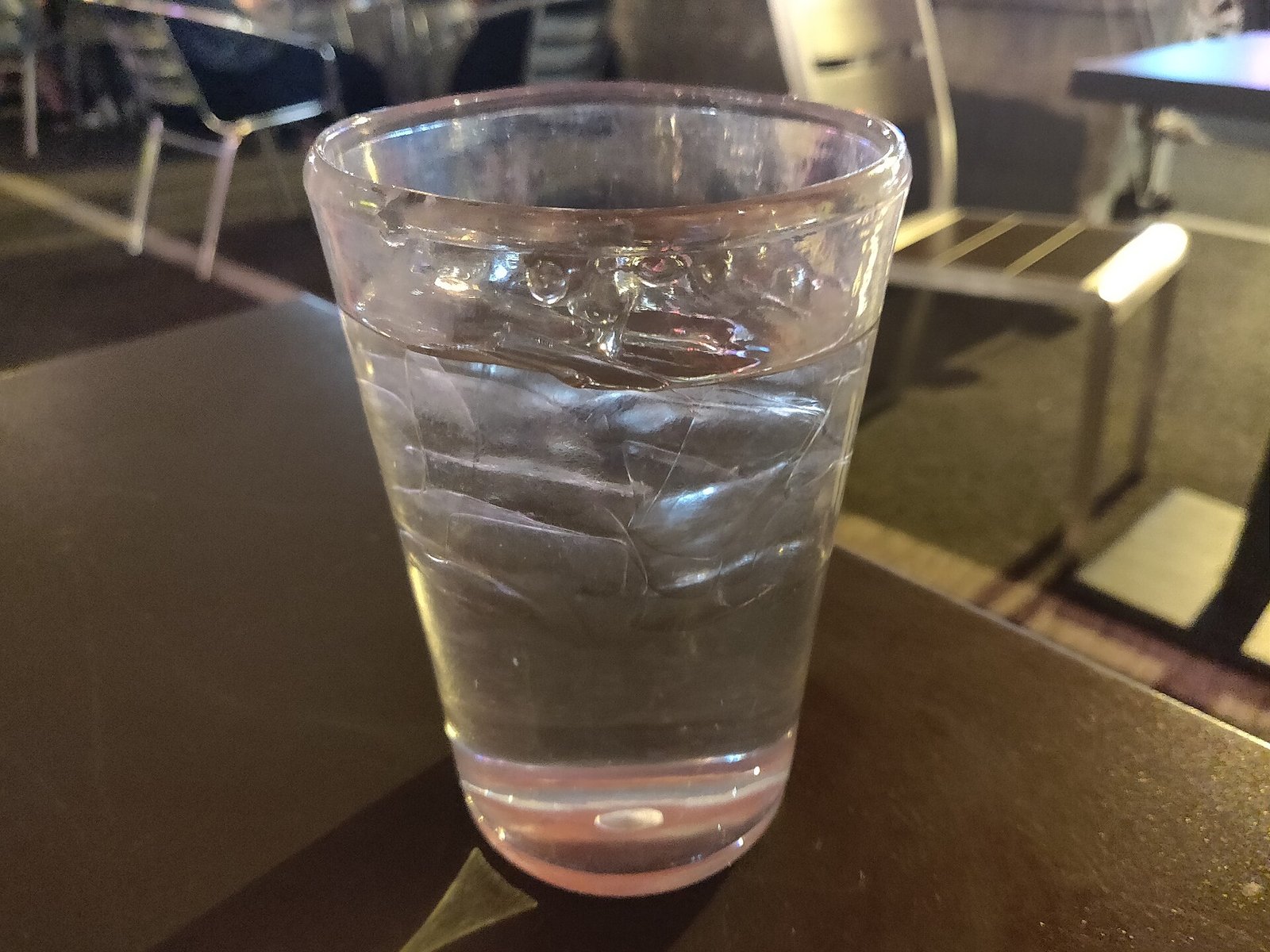
Water as the main drink (NIDDK)
- – Plain water is the simplest bladder-friendly drink. NIDDK says staying hydrated is good for your body and bladder; ask a clinician how much is right for your health, activity, and climate.
- – Spread fluids through the day rather than drinking large amounts at once, and talk with your care team before restricting fluids to reduce trips to the toilet.
A balanced base while you test triggers (ICA)
During an elimination trial, ICA advises keeping enough:
- – Protein: eggs, poultry, fish, tofu, beans, or plain dairy if tolerated.
- – Whole grains or other starches: oats, rice, potatoes, bread, pasta.
- – Fruits and vegetables you tolerate; many people find low-acid choices easier than citrus or tomato.
- – Healthy fats, fluids, and calcium and other key nutrients.
Simple meals during a flare (ICA)
ICA suggests keeping meals simple during a flare and not skipping meals, which can add stress to the body. Plain cooked grains, mild vegetables, and plain proteins seasoned with herbs instead of chili are easy starting points.
Ask about gentle extras
The 2024 review notes that calcium glycerophosphate and sodium bicarbonate were exceptions that showed potential symptom improvement in one study. These are not risk-free (sodium bicarbonate adds sodium), so discuss them with your clinician before trying them.
Foods and drinks that often worsen interstitial cystitis
Based on NIDDK, NHS, and ICA lists:
- – Coffee and other caffeinated drinks, including tea, energy drinks, and caffeinated soda.
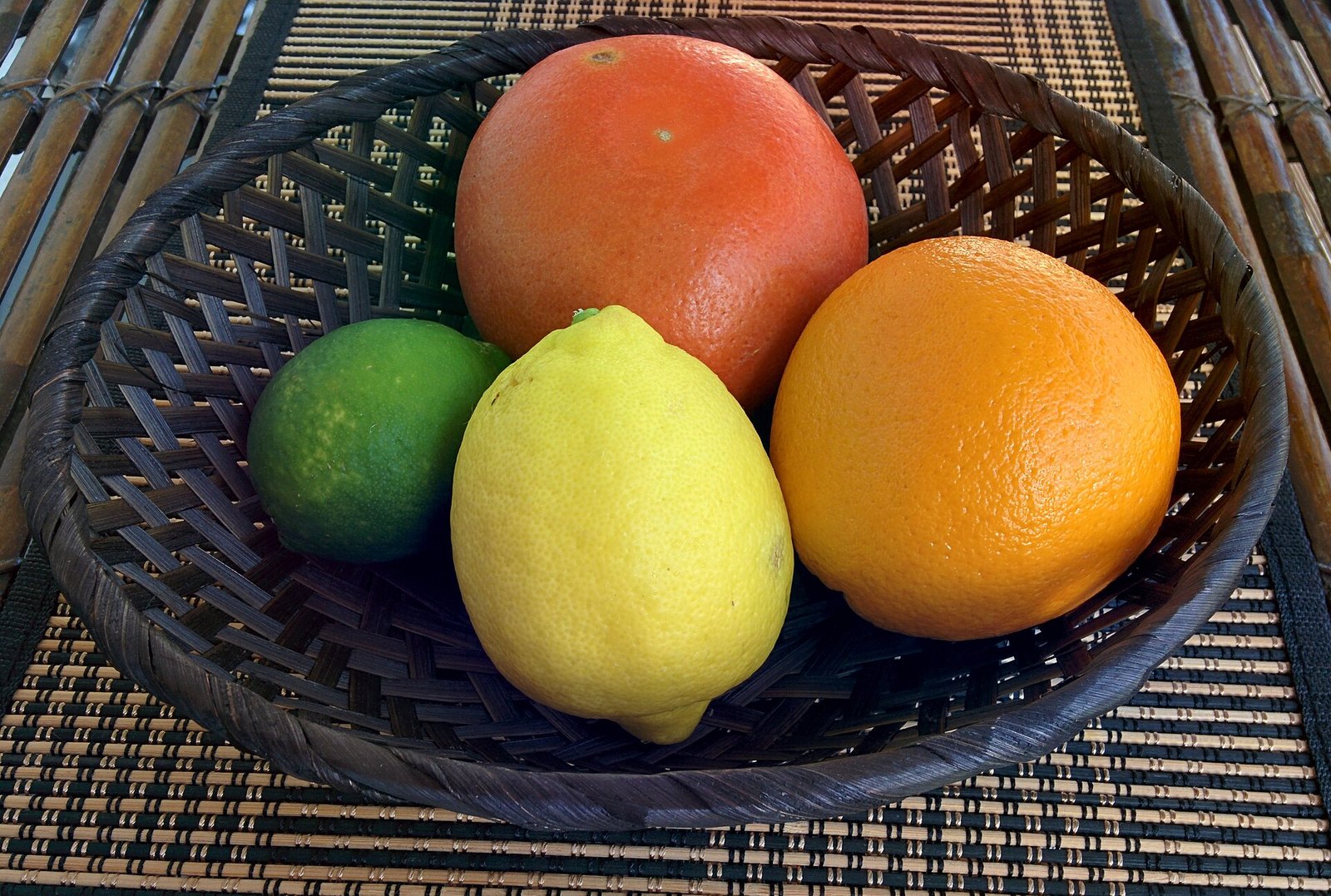
- – Citrus fruits and juices such as orange and grapefruit.
- – Tomatoes and tomato-based sauces, and other high-acid foods.
- – Hot and spicy foods.
- – Carbonated drinks, even without caffeine.
- – Alcohol.
- – Artificial sweeteners; the 2024 review notes acesulfame K, aspartame, and saccharin have been implicated in stimulating bladder activity in laboratory work.
- – Chocolate and MSG.
- – Smoking: NIDDK says quitting can reduce irritation to your bladder.
The NHS phrases its advice as “do not eat too much” spicy or acidic food and “do not have too much” alcohol or caffeine, which fits the ICA view that portion size and timing matter for many people.
Practical kitchen protocol: an interstitial cystitis elimination plan
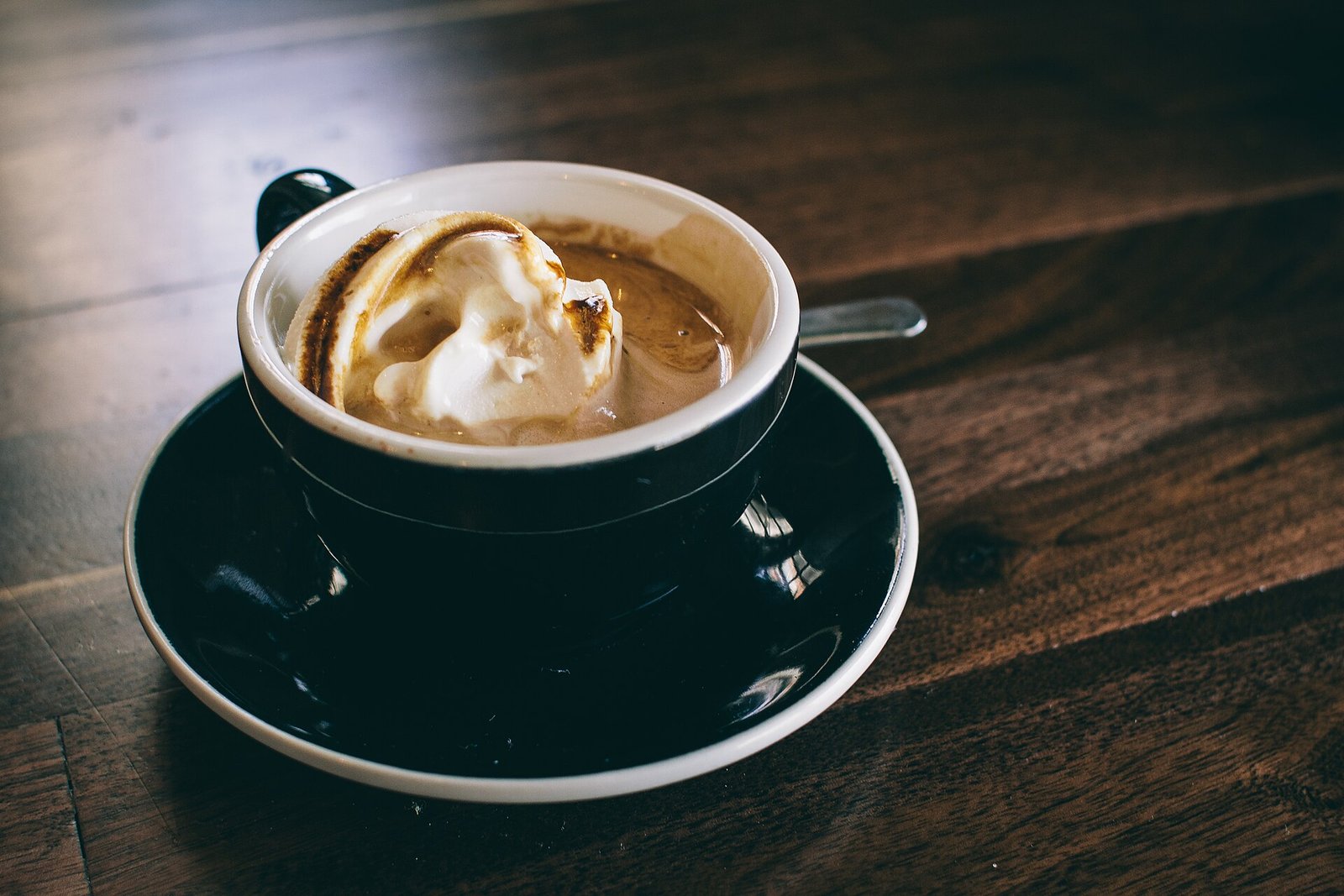
The ICA describes elimination as a short-term tool, not a permanent list of banned foods. Here is the method in five steps.
Step 1: Keep a food and symptom diary for 1–2 weeks
Record what you eat and drink, bladder pain, urgency, frequency, stress, sleep, menstrual changes, bowel symptoms, and other possible triggers such as sex, exercise, travel, or infection. This helps you avoid blaming food for every flare.
Step 2: Remove only the most likely triggers for 2–4 weeks
Start with the common irritants: coffee or caffeine, citrus, tomatoes, alcohol, carbonated drinks, spicy foods, and artificial sweeteners. Keep the rest of your diet balanced.
Step 3: Check for clear improvement
Ask whether pain, urgency, or frequency are lower, or whether flares are less frequent. If nothing has clearly changed, the ICA notes that a strict diet may not be helping.
Step 4: Add foods back one at a time
Try a small serving of one food, wait 24 to 48 hours, and track symptoms. If tolerated, keep it and test the next. If a food seems to trigger symptoms, set it aside and re-test later; tolerance can change.
Step 5: Personalize your plan
Many people end up with only one or two clear triggers, or find that a food bothers them only during a flare. A registered dietitian can help, especially if you are avoiding many foods or losing weight without trying.
Kitchen swaps that keep meals interesting
- – Swap a tomato pasta sauce for olive oil, garlic, and herbs, or a creamy vegetable sauce.
- – Swap coffee for a caffeine-free grain drink or a mild herbal tea you have tested.
- – Swap lemon dressings for herb and olive-oil dressings.
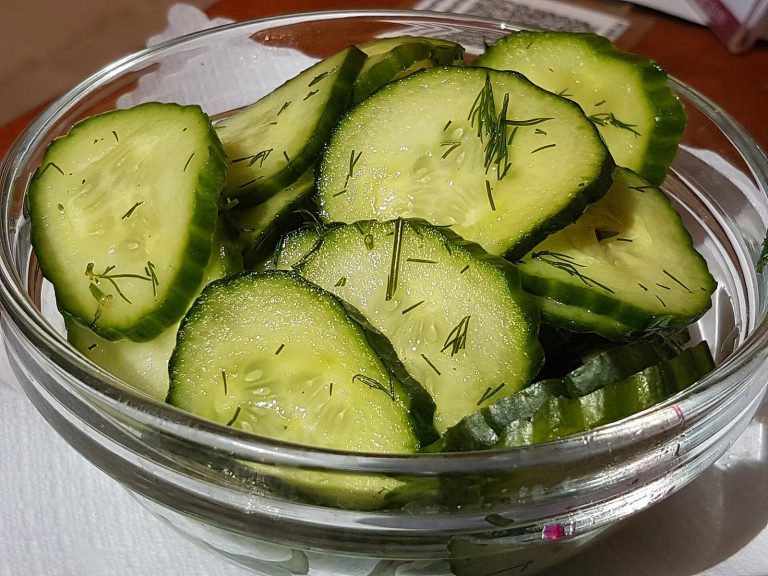
- – Swap diet soda for still water with cucumber slices.
Sample day (illustrative)
- – Breakfast: oatmeal with milk and banana slices; water.
- – Lunch: chicken and rice bowl with steamed carrots and zucchini, herb dressing.
- – Snack: plain crackers with mild cheese, or a handful of nuts you tolerate.
- – Dinner: baked salmon, baked potato, steamed green beans.
- – Drinks: water across the day, adjusted to your clinician’s advice.
Safety and when to see a doctor
Food changes support IC care; they do not take the place of medical evaluation or prescribed care.
- – Rule out other causes: the NHS notes there is no single test for BPS, and doctors check for conditions such as urinary tract infection. See a GP if bladder, lower tummy, or back pain does not go away or keeps returning, or you are peeing much more than usual.
- – Red flags — get urgent advice (NHS 111 or an urgent GP appointment) if you have blood in your pee (bright pink, red, or dark brown), or bladder, tummy, or back pain with a very high temperature or shivering, which could signal infection.
- – Medicines and supplements: NIDDK says to talk with a health care professional before taking any medicines or supplements, even over-the-counter ones.
- – Over-restriction: ICA warns that being too restrictive can cause low calories or nutrients, weight loss, constipation, and food anxiety.
- – Other conditions: people with kidney disease, diabetes, IBS, or celiac disease should individualize fluids and foods with a dietitian.
FAQ
What foods should I avoid with interstitial cystitis? NIDDK lists citrus juices, coffee, tea, soda, alcohol, tomatoes, hot and spicy foods, artificial sweeteners, chocolate, and MSG as common flare triggers. Your personal list may be shorter.
Is there a proven IC diet? No. ICA reports that a recent systematic review found not enough strong evidence for firm diet rules for everyone, though individual elimination diets showed the most promise.
How long should an IC elimination diet last? ICA suggests removing the most likely triggers for about 2 to 4 weeks, then reintroducing foods one at a time with 24 to 48 hours between tests, unless your clinician advises otherwise.
Should I drink less water to pee less? Talk to your clinician first. NIDDK says staying hydrated may help improve IC symptoms, and the right amount depends on your health, activity, and climate.
Is cranberry juice good for IC? Cranberry is acidic, and acidic drinks are commonly reported triggers, so test it carefully in small amounts if you want it.
How this differs from related OTCFood topics
This interstitial cystitis diet page focuses on bladder triggers and safe reintroduction. Cranberry research for urinary infections is a separate question covered in cranberry and recurrent UTI studies. IC often overlaps with gut and pain conditions; see IBS diet and fibromyalgia diet. For hydration and urinary stones, see kidney stones diet.
Medical disclaimer
Medical disclaimer: This article is for general information only and is not medical advice or a diagnosis. Interstitial cystitis care depends on your symptoms, other conditions, and medicines. Talk with your urologist, GP, or a registered dietitian before major diet changes or new supplements. Seek urgent care for blood in your urine, fever with bladder pain, or severe pain.