Russia Plague News Explained: What Plague Is and How It Spreads
Medical note: This article discusses foods and researched botanicals. It does not claim to prevent, treat, or cure disease. Supplements are not a substitute for food, and studied amounts are not personal prescriptions.
Searches for “Russia plague,” “Irkutsk plague,” and “pneumonic plague news” spiked after media reports about a lab worker’s death in Siberia and official statements that no plague case has been confirmed in Irkutsk. This article is educational kitchen-and-travel context, not a diagnosis tool and not medical advice. Food, herbs, or home remedies do not treat, cure, or prevent plague. Only clinicians diagnose and treat suspected plague—typically with antibiotics started early, as WHO and CDC emphasize.
What public agencies say about the Russia plague headlines (as of early October 2026)
News coverage has focused on the death of a worker associated with the Irkutsk Anti-Plague Institute and on pneumonia of undetermined cause. According to reporting that quotes WHO and Russian authorities (including Rospotrebnadzor statements summarized by AP, NBC, and UN Geneva briefings):
- – Russia has told WHO that no plague case has been registered in Irkutsk oblast in response to media allegations.
- – Contact testing reported by authorities has not confirmed plague or other high-threat pathogens among contacts in the statements WHO and agencies have cited; some contacts tested positive for other common respiratory viruses in Russian updates.
- – WHO has said it is seeking clarification on the pathogen that caused the individual’s pneumonia and has described initial risk as moderate to low for Irkutsk, low for Russia overall, and very low for the WHO European region (per WHO spokesperson remarks reported by UN Geneva).
- – The U.S. CDC has said it is aware of and monitoring the situation and, in public remarks, that there is no indication of a broader threat to the United States, while reminding that plague is serious but treatable with antibiotics when recognized early.
Headlines change faster than lab results. For personal risk questions, rely on local public-health agencies, WHO updates, and your clinician—not social media threads.
Primary public anchors for plague biology (separate from the news cycle): WHO Plague fact sheet, CDC — How plague spreads.
What plague is (Yersinia pestis)—in plain language
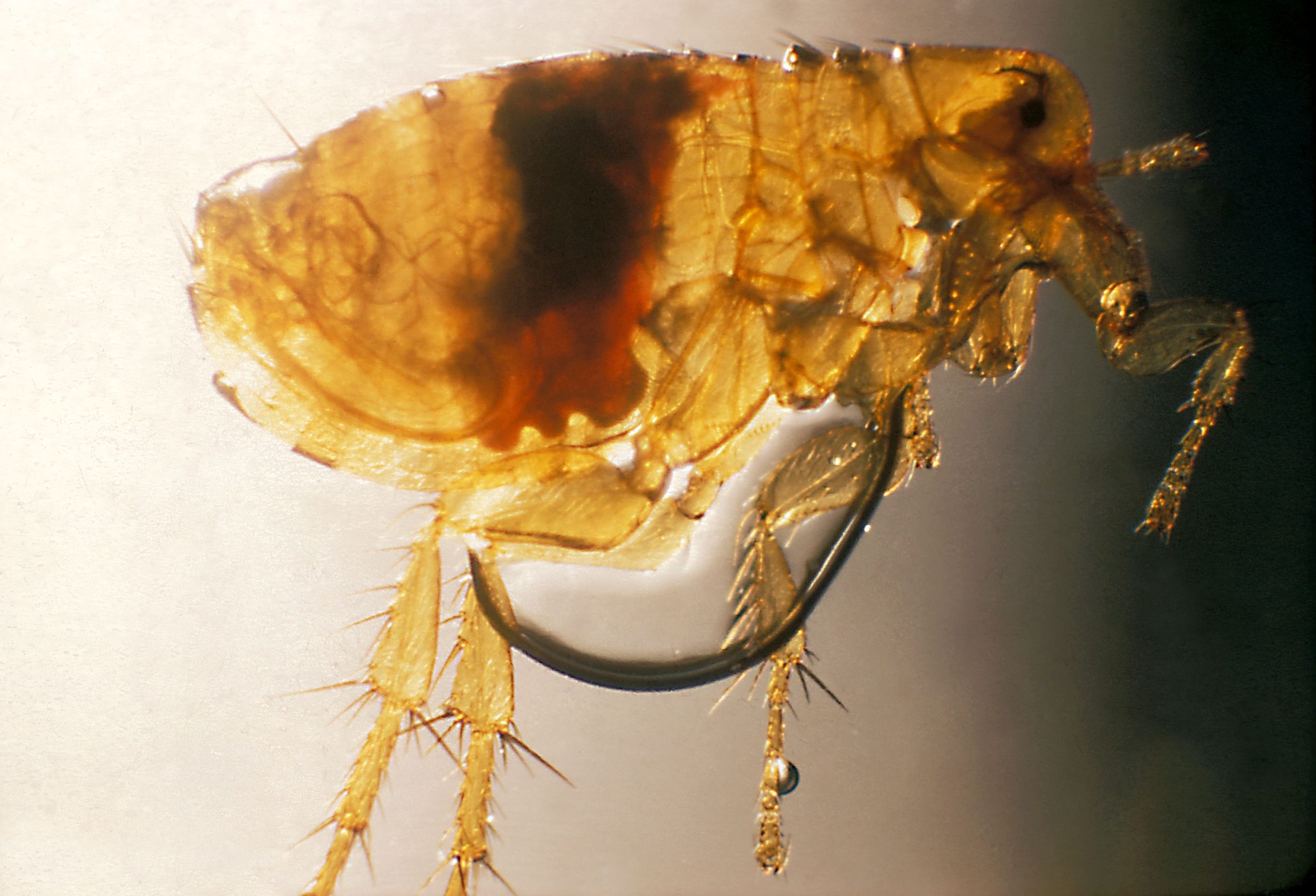
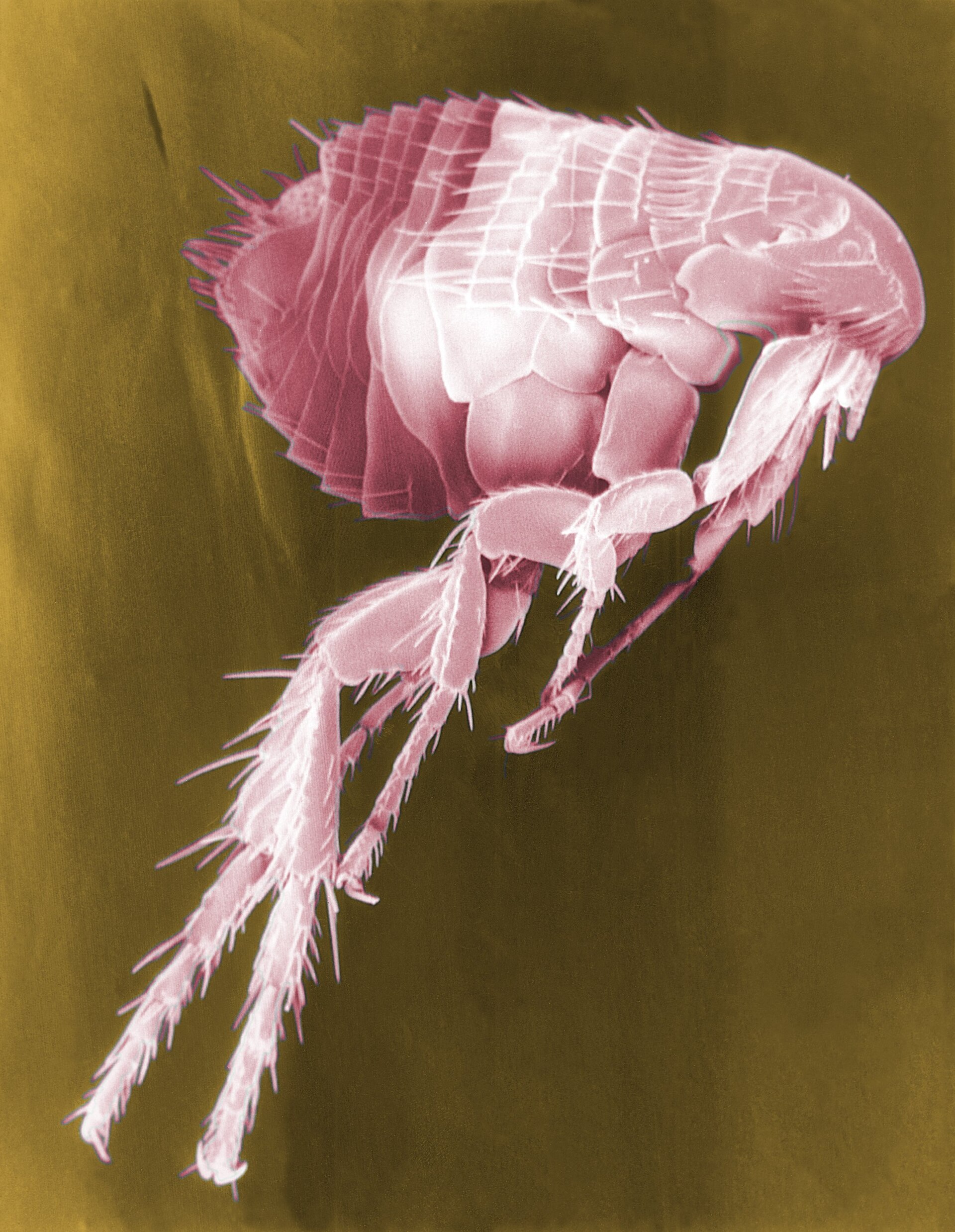
Plague is an infectious disease caused by the bacterium Yersinia pestis. WHO describes it as a zoonosis usually found in small mammals and their fleas. People can become infected through:
- 1. Bite of an infected flea (classic route for bubonic plague).
- 2. Unprotected contact with infectious animal fluids or contaminated materials.
- 3. Inhalation of respiratory particles from a person (or animal) with pneumonic plague.
Main clinical forms WHO and CDC describe
| Form | Typical route people hear about | Key public-education points |
|---|---|---|
| Bubonic | Infected flea bite | Most common form; painful swollen lymph nodes (“buboes”); human-to-human spread is rare |
| Septicemic | Spread in the bloodstream | Can follow flea bites or contact with infected materials; severe systemic illness |
| Pneumonic | Lungs; can follow advanced bubonic disease or inhalation | Most virulent form; can spread person-to-person via respiratory particles; needs early medical treatment |
WHO notes that untreated pneumonic plague can be fatal, but recovery rates are high when treatment starts early (often discussed as within about 24 hours of symptom onset for pneumonic disease). CDC likewise stresses rapid identification, antibiotic treatment, and monitoring of exposed people.
This site does not tell you how to self-treat. Suspected plague is an emergency clinical problem.
How plague does—and does not—spread (myths vs CDC/WHO)
Often how people actually get plague (CDC): flea bites after rodent die-offs; handling infected animals without protection; rarely, close exposure to a person or animal with plague pneumonia.
Not how plague usually spreads: casual contact with someone who does not have pneumonic plague; eating ordinary cooked restaurant food in a city with unverified social-media rumors; “catching it from reading news.”
Food angle (important for this site): plague is not a classic foodborne pathogen like norovirus or Salmonella. Kitchen hygiene still matters for everyday infections, but garlic, vinegar, herbal teas, or “detox” plates do not kill Y. pestis in your body and are not plague prevention. See our related guide on herbal myths: garlic and herbs do not treat plague.
Practical checklist when Russia plague news is trending
1. Separate confirmed facts from rumor
Prefer WHO, CDC, Rospotrebnadzor, and major wire services over anonymous Telegram or WeChat forwards. Ask: Has a laboratory-confirmed human plague case been announced? Have contacts tested positive for Y. pestis?
2. If you live in or travel through an affected area
Follow local health department instructions first. CDC general plague prevention themes include reducing rodent/flea exposure, not handling sick or dead wild animals, and seeking care promptly for compatible fever/illness after high-risk exposure. Pneumonic-risk settings may involve respiratory precautions directed by clinicians—not DIY mask rules from influencers.
3. Kitchen habits that still make sense (general infection hygiene)
- – Wash hands with soap before eating and after outdoor/rodent environments.
- – Keep pets from hunting rodents in endemic zones (CDC notes cats can be involved in rare pneumonic exposures).
- – Do not improvise “antibiotic recipes” from the spice rack.
4. When to seek care urgently
Sudden high fever, severe pneumonia-like illness, painful swollen lymph nodes after flea/animal exposure, or any clinician-flagged exposure—go to emergency care. Do not wait to “try soup first.”
Bubonic vs pneumonic: why the word “plague” scares differently
In everyday language, “plague” evokes medieval images. Clinically, bubonic disease (flea-related swollen nodes) is the form WHO calls most common globally and is rarely passed person-to-person. Pneumonic disease involves the lungs and can spread through respiratory particles during close contact—hence why a suspected pneumonic lab-related story draws intense attention.
That distinction matters for readers of Russia news: a social post that says only “plague in Siberia” without naming the form, confirmation status, or exposure setting is incomplete. Ask what was laboratory-confirmed, whether contacts show Y. pestis, and what risk WHO/national agencies assign.
What OTCFood will—and will not—publish in this category
Under the Russian Plague category we focus on:
- – Educational explainers tied to searchable news terms.
- – Food, hydration, and myth-busting that explicitly refuse cure claims.
- – Travel/food hygiene habits that are generally useful.
We will not publish homemade antibiotic recipes, “panic packing lists” that pretend to replace public health, or unverified body-count rumors. For diet during ordinary fever recovery, see eating during fever recovery during Russia plague news. For garlic myth details, see garlic and herbs do not treat plague.
Safety disclaimer (required)

OTCFood publishes food and travel-health education. Nothing here diagnoses plague, rates your personal risk, or replaces antibiotics, isolation guidance, or vaccines/post-exposure plans ordered by public-health authorities. If you think you were exposed or are seriously ill, call emergency services / go to hospital. For ongoing Russia news, check WHO and your national CDC-equivalent.
Sources
- – WHO — Plague fact sheet
- – CDC — How plague spreads
- – AP / NBC / UN Geneva / Al Jazeera / Axios reporting summarizing WHO, Rospotrebnadzor, and CDC statements on the Irkutsk laboratory-worker death (early October 2026)—verify against primary agency pages as updates arrive.
Medical disclaimer: Educational food/travel-health content only. Does not diagnose or treat plague. Seek emergency care for severe illness or suspected exposure.