COVID-19 Recovery Diet: Foods That May Help and Foods to Limit
Medical note: This article discusses foods and researched botanicals. It does not claim to prevent, treat, or cure disease. Supplements are not a substitute for food, and studied amounts are not personal prescriptions.
People searching “COVID-19 recovery diet foods that help or worsen” usually want fluids, protein, and easier meals during a short-term illness at home—not a claim that food prevents, treats, or cures COVID-19. This page is about acute, short-term recovery nutrition only: staying hydrated, eating when appetite or taste and smell change, and limiting a few items when diarrhea or nausea is present. It is not a long-COVID guide; lingering or multi-month symptoms are covered separately in long COVID diet guide. NHS says it is not always possible to treat COVID-19, but there are things you can do to help ease some symptoms, such as a high temperature, a cough, and breathlessness. Kitchen patterns may help with hydration, comfort, and getting enough to eat; they do not replace testing, vaccines, or clinician-prescribed antivirals.
What this COVID-19 recovery diet guide covers (and what it does not)
This guide is for people with COVID-19, or who are just getting over the acute illness, who want food-and-drink habits public sources describe at home. Anchors: MedlinePlus — COVID-19, MedlinePlus — COVID-19 – what to do when you are sick, MedlinePlus — Mild to moderate COVID-19 – discharge, MedlinePlus — Coronavirus disease 2019 (COVID-19), NHS — COVID-19 symptoms and what to do, CDC — Symptoms of COVID-19, CDC — Types of COVID-19 Treatment, and NCCIH — COVID-19 Symptoms and Complementary Approaches. Related reading: flu recovery diet guide, pneumonia recovery diet guide, and common cold diet guide. It does not cover long COVID, does not recommend supplements as COVID care, and does not replace a clinician’s decision about antivirals such as Paxlovid for people who are eligible.
Evidence snapshot: COVID-19 recovery diet claims vs public sources
| Claim people hope for | What public sources actually say | Confidence |
|---|---|---|
| “A special diet or supplement can prevent or treat COVID-19” | CDC describes medicines that can reduce the risk of hospitalization and death in people more likely to get very sick. NCCIH and NIH’s Office of Dietary Supplements indicate that research has not clearly shown dietary supplements can help prevent COVID-19, and complementary-approach studies are often limited | Strong against diet- or supplement-as-treatment |
| “Drinking water may help you avoid dehydration while you are ill” | NHS: drink plenty of water to avoid dehydration (pee should be light yellow or clear). MedlinePlus: get plenty of rest and stay hydrated; rest and drink plenty of fluids | Moderate to strong for hydration, not for antiviral effect |
| “Eating a healthy diet matters when taste, smell, nausea, or tiredness make food unappealing” | MedlinePlus discharge page: those symptoms can make it hard to want to eat, but eating a healthy diet is important for recovery. It suggests protein at every meal, a variety of food groups, smaller meals more often, and trying different textures and temperatures | Moderate for supporting intake during recovery |
| “If you have diarrhea during COVID-19, any rich or dairy-heavy plate is fine” | MedlinePlus: drink 8 to 10 glasses of clear liquids such as water, diluted fruit juices, and clear soups; avoid dairy products, fried foods, caffeine, alcohol, and carbonated drinks | Moderate caution when diarrhea is present |
| “Food can replace antivirals if you are at high risk” | CDC: if you are more likely to get very sick, medicines are available; they must be started within 5–7 days after symptoms first start. MedlinePlus: ask your provider if you are eligible for antiviral medicines such as Paxlovid | Strong that medicines, when indicated, stay in the clinician’s lane |
Foods and patterns that may help during short-term COVID-19 recovery
“May help” means supporting hydration, easing a sore throat or cough, and making it easier to eat enough. These patterns do not treat the virus.
Everyday patterns often recommended
- – Rest and fluids. MedlinePlus: take care of yourself by getting plenty of rest, using over-the-counter medicines for specific symptoms as directed, and staying hydrated. NHS: get lots of rest and drink plenty of water to avoid dehydration.
- – A healthy diet you can actually eat. MedlinePlus: try to eat healthy foods you enjoy most of the time. Eat anytime you feel like eating, not just at mealtime. Include a variety of fruits, vegetables, whole grains, dairy, and protein foods. Include a protein food with every meal (tofu, beans, legumes, cheese, fish, poultry, or lean meat). Eat smaller meals more often. Try different textures (soft or crunchy) and temperatures (cool or warm) to see what is more appealing.
- – Sore-throat comfort, if that is a symptom. MedlinePlus: gargle several times a day with warm salt water (1/2 teaspoon or 3 grams of salt in 1 cup or 240 milliliters of water). Drink warm liquids such as tea, or lemon tea with honey. Suck on hard candies or throat lozenges.
- – Honey for a cough only after age 1. NHS: try a teaspoon of honey if you have a cough; do not give honey to babies under 12 months.
- – If nausea is the main problem: MedlinePlus: eat small meals with bland foods. Avoid foods with strong smells. Try to drink 8 to 10 glasses of water or clear fluids every day.
- – If diarrhea is present: MedlinePlus: drink 8 to 10 glasses of clear liquids, such as water, diluted fruit juices, and clear soups, to make up for fluid loss.
Do not share cups or eating utensils; MedlinePlus says to wash anything you have used in soap and water, and to wash hands with soap and running water for at least 20 seconds before eating or preparing food.
Foods and habits that often worsen comfort or risk during COVID-19 recovery
- – Dairy, fried foods, caffeine, alcohol, and carbonated drinks when diarrhea is present, as MedlinePlus advises you to avoid them in that situation.
- – Foods with strong smells when you are nauseated.
- – Waiting to drink until urine is dark. NHS uses light yellow or clear pee as a simple hydration check.
- – Using a fan to cool a room when you are infectious; NHS says it may spread the virus. Opening a window is listed instead as a breathlessness and ventilation step.
- – Treating vitamin C, vitamin D, zinc, or herbal “immune” products as COVID care. Complementary research is limited, and public sources do not describe these as replacements for clinical care.
- – Delaying a call about antiviral eligibility because you started a soup-and-fluids plan. CDC says not to delay; treatment must start within 5–7 days of the first symptoms, and you do not need a positive test to start a conversation about treatment if you are at high risk.
Practical kitchen protocol: a short-term COVID-19 recovery few days
1. Keep clinical steps in parallel
CDC: symptoms may appear 2–14 days after exposure and range from mild to severe. NHS lists symptoms that can include a high temperature, a new continuous cough, loss or change to sense of smell or taste, shortness of breath, tiredness, an aching body, headache, sore throat, a blocked or runny nose, loss of appetite, diarrhea, and feeling sick or being sick. Most people feel better within a few weeks, but recovery can take longer. If you are at higher risk of getting very sick, talk with a healthcare provider about testing and treatment right away, even if symptoms are mild. MedlinePlus: once you start to feel better, you can go back to normal activities if symptoms have improved for at least 24 hours and you have not had a fever for at least 24 hours without fever-reducing medicine. You may still be able to spread the virus for several days.
2. Default drink-and-meal template
- – Make water the default. Aim for urine that is light yellow or clear.
- – Put a protein food on the plate at each meal you can manage, even if the serving is small.
- – If taste or smell is blunted, try cooler or warmer versions of foods you already like, and eat when a wave of appetite appears.
- – If the throat is sore, use warm (not scalding) tea or lemon tea with honey after age 1, or cold options if those go down more easily, plus the salt-water gargle MedlinePlus describes.
- – If diarrhea starts, switch toward clear liquids and the avoid list above until stools settle.
- – Keep the sick person’s cups and utensils separate, then wash them.
3. Sample day (illustrative)
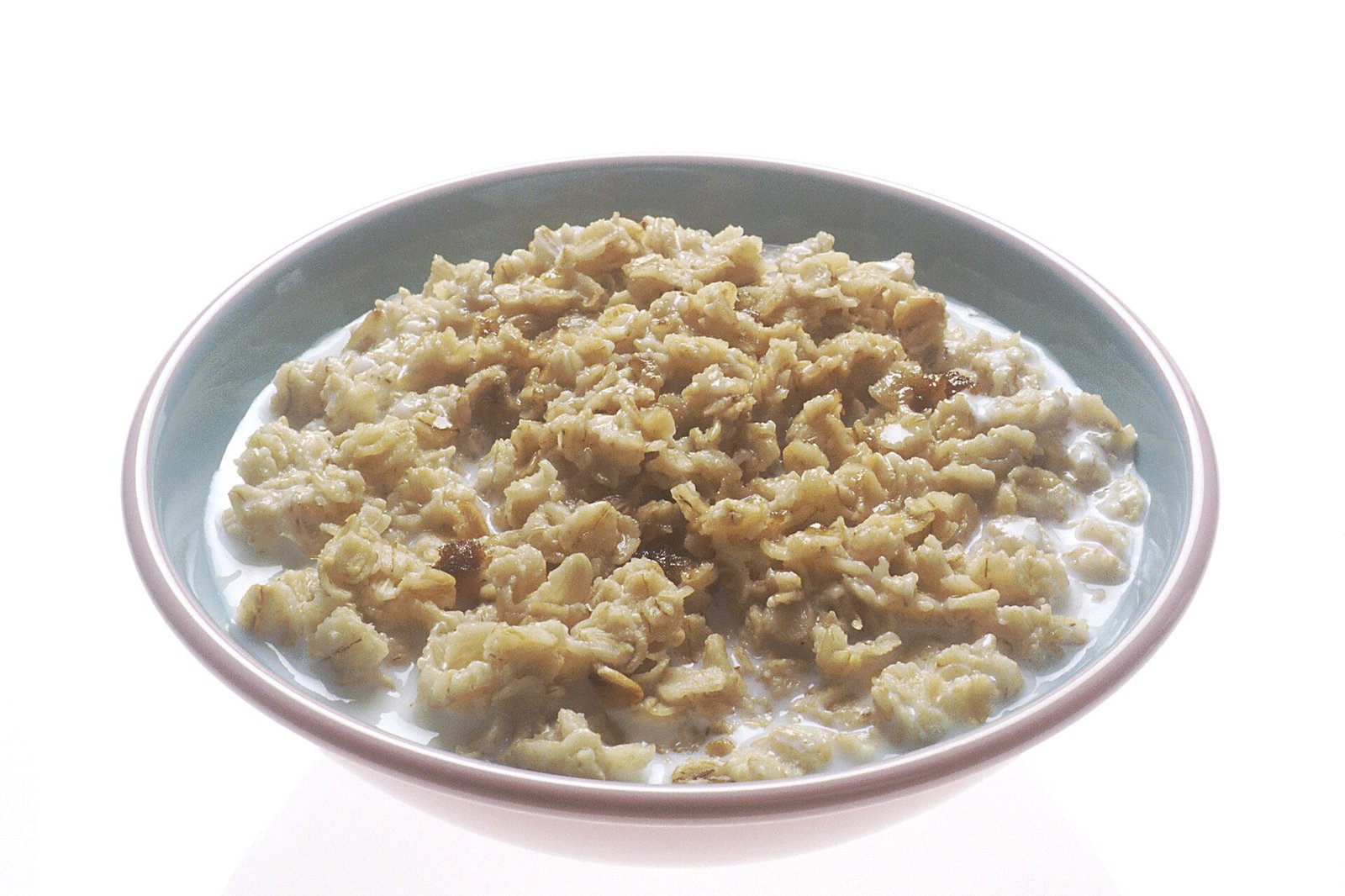
- – Breakfast: oatmeal or yogurt if it appeals; water; a protein side such as eggs, cheese, tofu, or beans if you want them.
- – Mid-morning: water; tea with honey if you have a cough and are older than 1 year.
- – Lunch: vegetable or clear soup; a small protein portion; fruit if it tastes acceptable.
- – Afternoon: water or, if diarrhea is present, diluted fruit juice or more clear soup.
- – Dinner: a usual mixed plate with protein, a grain, and a vegetable, in a smaller portion if tiredness is high.
- – Evening: rest; sit upright rather than lying on your back if you have a cough, as NHS advises.
4. How this differs from flu, pneumonia, a cold, or long COVID
Short-term COVID-19 nutrition overlaps with other respiratory illnesses on fluids and appetite, but the antiviral timing and isolation details are specific. See flu recovery diet guide, pneumonia recovery diet guide, common cold diet guide, RSV recovery diet guide, and acute bronchitis diet guide. Symptoms that last for months belong on long COVID diet guide, not on this acute-recovery page.
Safety, interactions, and who should ask a clinician first
NHS: get urgent advice if symptoms are getting worse or not getting better, if there is a rash, loss of appetite, or feeling weak, or if a high temperature lasts 5 days or more or does not come down with paracetamol. It is particularly important to get help if you are pregnant, aged 60 or over, or have a weakened immune system. Infant temperature thresholds on the NHS page also need prompt advice.
Call emergency services for trouble breathing, sudden chest pain, being so breathless you cannot say short sentences at rest, coughing up blood, collapse, a first seizure, a rash that does not fade when a glass is rolled over it, or—per MedlinePlus—chest pain or pressure, confusion or inability to wake up, or blue, gray, or pale skin, lips, face, or nail beds.
Do not give honey to babies under 12 months. Use pain or fever medicines only as labeled or as a clinician directs.
FAQ
Can chicken soup, yogurt, or vitamin C stop COVID-19? No. Food and supplements are not described as COVID-19 treatments. Fluids and a healthy diet may support comfort and intake while clinical care—when needed—follows CDC and clinician guidance.
What should I eat if I have no appetite or food tastes wrong? MedlinePlus: eat healthy foods you enjoy, whenever you feel like eating. Include protein at meals, try different textures and temperatures, and use smaller meals more often.
How much should I drink? NHS emphasizes plenty of water, with pale or clear urine as a check. If diarrhea or nausea is present, MedlinePlus mentions 8 to 10 glasses of clear fluids a day.
Is this the same as a long-COVID diet? No. This page is only for short-term recovery around the acute illness. See long COVID diet guide for longer-lasting symptoms.
When should I call about medicines rather than just changing meals? If you are at higher risk of severe illness, contact a clinician promptly. CDC says treatment must start within 5–7 days after symptoms begin.
How this differs from related OTCFood topics
This page is an acute COVID-19 recovery diet guide focused on fluids, protein, appetite, and symptom-specific limits. It is not a long-COVID article, not a flu or pneumonia recovery plan, and not a supplement review.
Medical disclaimer
Medical disclaimer: This article is for general information only. It is not medical advice, diagnosis, or a treatment plan. COVID-19 care depends on your symptoms, risk factors, and a clinician’s judgment about testing and medicines. Food does not prevent, treat, or cure COVID-19 and does not replace vaccination or prescribed antivirals. Seek urgent or emergency care for breathing problems, chest pain, confusion, pale or bluish skin, or symptoms that are severe or getting worse.