Hyperuricemia Diet: Foods That May Help and Foods to Limit
Medical note: This article discusses foods and researched botanicals. It does not claim to prevent, treat, or cure disease. Supplements are not a substitute for food, and studied amounts are not personal prescriptions.
People searching “hyperuricemia diet foods that help or worsen” usually want a practical way to eat with a high uric acid blood test—not a claim that food dissolves crystals, treats a gout flare the way medicine does, or replaces a clinician’s plan. MedlinePlus defines a high uric acid level in the blood as hyperuricemia. Uric acid is made when the body breaks down purines, which come from the body itself and from some foods and drinks. NIAMS is careful on a key point: many people with high urate levels will not develop gout. Gout is the inflammatory arthritis that can happen when needle-shaped urate crystals form in joints. This page focuses on hyperuricemia and the dietary patterns public sources describe; it is not a stand-alone treatment for an acute gout attack.
What this hyperuricemia diet guide covers (and what it does not)
This guide is for adults who have been told their uric acid is high, with or without gout, and who want food-and-drink habits from public medical pages, used alongside medicines when prescribed. Anchors: MedlinePlus — Uric acid blood test, NIAMS — Gout, NIAMS — Diagnosis, Treatment, and Steps to Take, Mayo Clinic — Gout, and MedlinePlus encyclopedia — Gout. Related reading: gout diet guide, gout diet foods to choose and avoid, chronic kidney disease diet guide, kidney stones diet guide, hypertension diet guide, and type 2 diabetes diet guide. NIAMS states that when gout comes with frequent flares or tophi, lifestyle changes alone are not sufficient and urate-lowering medicines are the mainstay. Talk with your doctor before changing your diet or medicines.
Evidence snapshot: hyperuricemia diet claims vs public sources
| Claim people hope for | What public sources actually say | Confidence |
|---|---|---|
| “A high uric acid test always means you have gout” | NIAMS and Mayo Clinic: some people with high uric acid never get a gout attack. MedlinePlus: a level over 7.2 mg/dL is high, but not everyone with a high level has gout | Strong that hyperuricemia is not the same as a gout attack |
| “Diet can replace urate-lowering medicine when flares or tophi are frequent” | NIAMS: lifestyle changes alone are not sufficient in those situations; medicines to lower urate are the mainstay | Strong that diet does not replace indicated medicine |
| “Alcohol, fructose-sweetened drinks, and high-purine animal foods can raise urate or gout risk” | Mayo Clinic and NIAMS describe alcohol (especially beer, including nonalcoholic beer), sugar-sweetened or fructose-sweetened beverages, red meat, organ meats, and certain seafood as items to limit | Moderate to strong as risk-pattern advice, not as a cure |
| “A DASH-style pattern may help some people with high urate” | NIAMS: the DASH eating plan may help lower blood urate and is particularly helpful for the many gout patients who also have high blood pressure | Moderate, as described by NIAMS, not a guarantee |
| “Plant foods high in purines must be avoided the same way organ meats are” | MedlinePlus’s uric acid test page lists dried beans and peas among high-purine foods, but NIAMS’s practical steps focus on red meat, organ meats, and certain seafood, and still include a plant-forward DASH pattern | Limited: ask a clinician before cutting all plant foods |
Foods and patterns that may help with hyperuricemia
“May help” means supporting a lower-risk eating pattern. These patterns do not guarantee a target uric acid number and do not treat a hot, swollen joint by themselves.
Everyday patterns often recommended
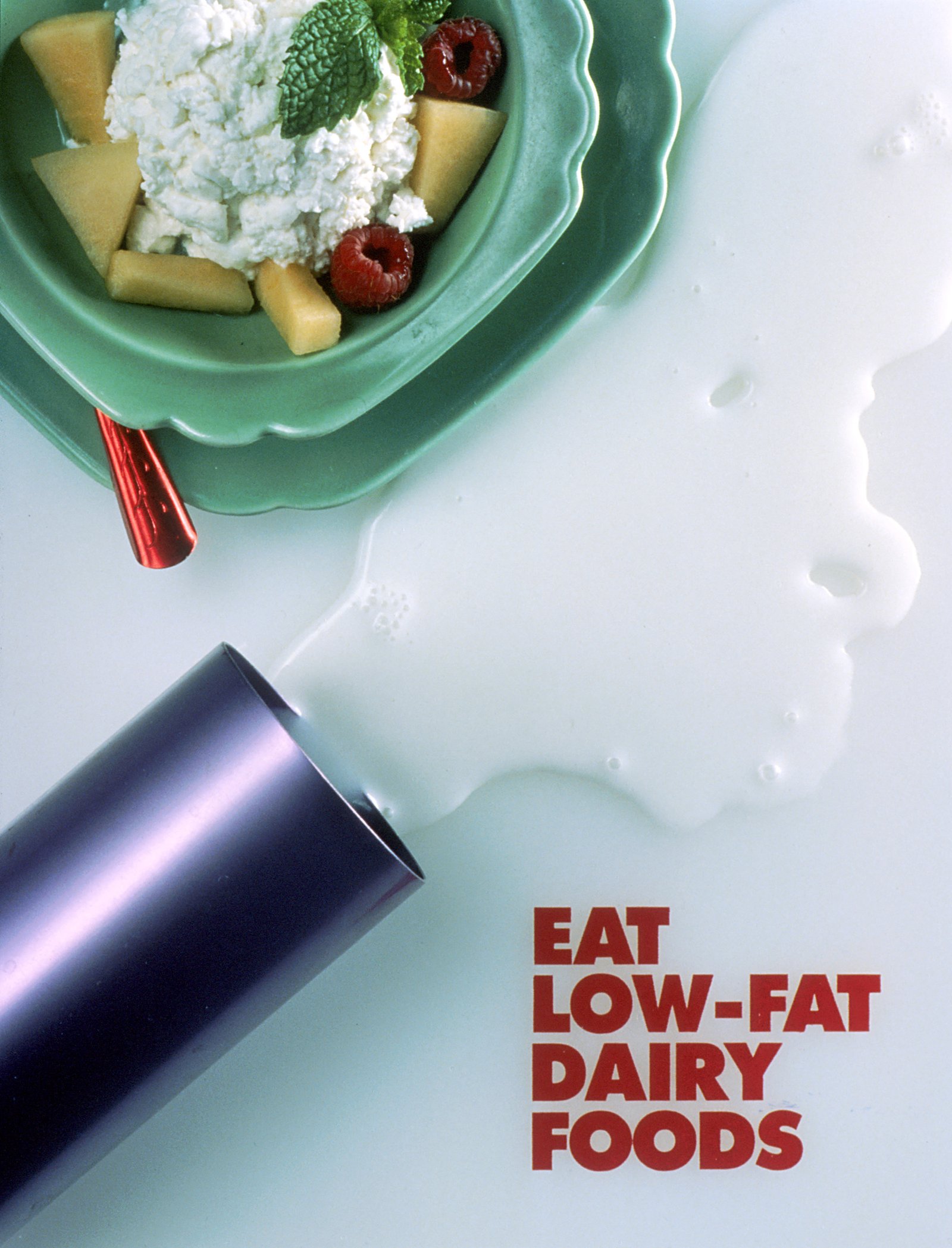
- – A DASH-style pattern, especially if blood pressure is also high. NIAMS describes the DASH plan: plenty of vegetables, fruits, and whole grains; low-fat or fat-free dairy, poultry, and oils; and limited sugar-sweetened foods and drinks. NIAMS says this plan may help lower blood urate and help prevent gout flares.
- – Healthier everyday drinks, including water. Mayo Clinic: drink plenty of water, and limit or avoid alcohol (especially beer, including beer without alcohol) and beverages sweetened with fructose, including fruit juice.
- – Weight management if you have overweight or obesity, done gradually. NIAMS: losing weight through a reduced-calorie diet and increased exercise helps reduce urate levels and can help lower flares. Mayo Clinic also notes that a higher body weight is linked with making more uric acid and with kidneys having a harder time removing it.
- – Dairy, vegetables, nuts, legumes, less-sugary fruits, and whole grains as everyday foods. The MedlinePlus gout encyclopedia lists these among healthy choices and advises limiting red meat and sugary beverages.
Pattern that supports the medical plan
If you have gout, take flare and urate-lowering medicines exactly as prescribed. NIAMS: taking those medicines regularly is the key to preventing flares and tophi when lifestyle change is not enough. Ask what uric acid target applies to you. MedlinePlus notes that for people being treated for gout, the goal is often less than 6 mg/dL or 5 mg/dL, and that lab ranges can vary.
Foods and habits that often worsen uric acid or gout risk
- – Alcohol, especially beer. Mayo Clinic and NIAMS both flag alcohol, mainly beer. NIAMS includes nonalcoholic beer in the drinks to reduce.
- – Sugar-sweetened and fructose-sweetened beverages. Mayo Clinic: drinks sweetened with fructose can raise uric acid. NIAMS: avoid sugar-sweetened drinks such as soda. MedlinePlus also lists high intake of fructose-containing foods and beverages as a gout risk factor.
- – Red meat and organ meats. NIAMS: avoid red meats and organ meats (liver, kidney, tongue, and sweetbreads). MedlinePlus’s uric acid test page lists liver and red meat among high-purine foods.
- – Certain seafood that sources single out. Mayo Clinic lists anchovies, sardines, mussels, scallops, trout, and tuna. NIAMS names shellfish such as shrimp and lobster, plus sardines and anchovies. MedlinePlus’s test page lists anchovies, mackerel, and shellfish. This is a limit-these-items pattern, not a rule to drop all fish without advice.
- – Assuming high-purine lists mean every bean must go. Beans appear on the MedlinePlus test-page list, yet NIAMS’s DASH-style steps still include a plant-forward pattern. Ask your clinician before making a large cut.
- – Ignoring related conditions. Mayo Clinic lists untreated high blood pressure, diabetes, obesity, metabolic syndrome, and heart and kidney disease among risk factors. See hypertension diet guide, type 2 diabetes diet guide, and chronic kidney disease diet guide. Urate crystals can also contribute to kidney stones; see kidney stones diet guide.
Practical kitchen protocol: a hyperuricemia-aware week
1. Keep medicines and lab follow-up in parallel
A diet change is not a reason to stop a prescribed urate-lowering drug. NIAMS notes that some medicines (including diuretics, large amounts of niacin, and cyclosporine) can raise gout risk; do not stop a prescription without asking the clinician. For gout-flare meals, see gout diet guide and gout diet foods to choose and avoid.
2. Shopping list for a lower-purine-risk pattern
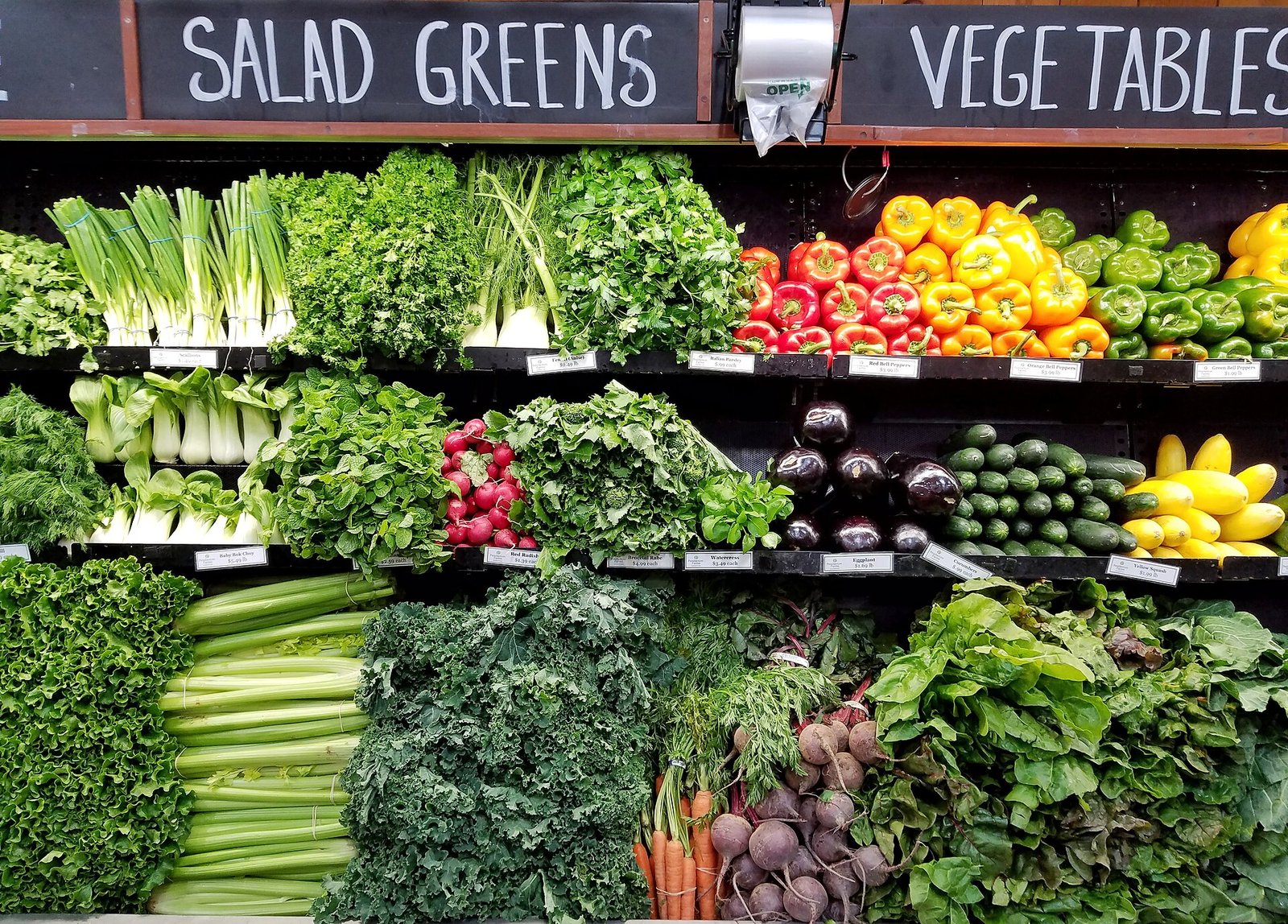
Water as the default drink; vegetables, less-sugary fruits, whole grains, low-fat or fat-free dairy, poultry, oils such as canola or olive oil, nuts, and legumes if your clinician agrees. If you eat seafood or red meat, keep portions modest and save organ meats, anchovies, and sardines for rare occasions, if you use them at all.
3. Default drink-and-meal template
- – Make water the usual drink; treat beer, other alcohol, and sugar-sweetened sodas or juices as items to limit or skip.
- – Build plates around vegetables, a whole grain, and low-fat dairy or poultry more often than around a large red-meat or organ-meat portion.
- – Keep fruit with meals rather than sipping juice all day.
- – If weight loss is appropriate, use a steady plan you can sustain, not a crash diet, unless your clinician is supervising something more specific.
4. Sample day (illustrative)
- – Breakfast: oatmeal with fruit and low-fat yogurt or milk; water.
- – Lunch: a poultry or bean-and-vegetable plate with a whole grain; water.
- – Afternoon: fruit or a small dairy snack if hungry; water rather than soda.
- – Dinner: a vegetable-forward plate with a modest portion of poultry or a fish your clinician has not asked you to limit; water instead of beer.
5. During a suspected gout flare
Diet does not replace flare medicine. Mayo Clinic: if you have sudden, intense joint pain, call your doctor; seek care immediately if you have a fever and a joint that is hot and inflamed, which can be a sign of infection. NIAMS also lists ice and elevating the limb as comfort steps during a flare.
6. After your next uric acid test
Bring a short food-and-drink log, your medication list, and any flare dates. Target numbers on MedlinePlus are examples; your clinician interprets your result. Kidney disease, transplant medicines, and diabetes all change what is safe to eat, so do not copy a generic “gout diet” over a renal meal plan.
Safety, interactions, and who should ask a clinician first
- – Sudden severe joint pain, especially with fever or a hot, swollen joint: get medical care rather than waiting on a diet change.
- – People with chronic kidney disease, kidney stones, heart disease, or diabetes need a plan that does not conflict with those conditions.
- – Some blood-pressure medicines and low-dose aspirin can raise uric acid, as Mayo Clinic notes; only a clinician should change those medicines.
- – MedlinePlus mentions that coffee and vitamin C supplements may help some people; that is not a reason to start high-dose vitamin C on your own. Ask first.
- – Do not use this page to delay urate-lowering medicine, joint-fluid testing, or care of tophi.
FAQ
If my uric acid is high but my joints do not hurt, do I have gout? Not necessarily. NIAMS: many people with high urate never develop gout. Your clinician interprets the test in context.
Can I stop allopurinol or a similar medicine if I change my diet? Do not stop it on your own. NIAMS: when flares are frequent or tophi are present, urate-lowering medicines are the mainstay and must be taken regularly.
Is beer worse than other drinks? Public pages single out alcohol, mainly beer. NIAMS also includes nonalcoholic beer among drinks to reduce. Mayo Clinic also advises limiting fructose-sweetened beverages and fruit juice and drinking plenty of water.
Do I have to give up all fish? Not automatically. Sources highlight certain seafood as higher in purines. Ask your clinician how strict your limits should be. When should I see a clinician? After a high uric acid result, for repeated joint attacks, for lumps that could be tophi, or immediately for a fever with a hot, inflamed joint. Also ask before changing diuretics, niacin, or other medicines that can affect urate.
How this differs from related OTCFood topics
This page is a hyperuricemia-bound diet guide focused on distinguishing a high uric acid level from a gout attack and on the alcohol, fructose, and purine patterns public sources describe. It is not a substitute for gout-flare medicine or a chronic kidney disease meal prescription.
Medical disclaimer
Medical disclaimer: This article is for general information only. It is not medical advice, diagnosis, or a treatment plan. Hyperuricemia and gout care depend on lab results, kidney function, medicines, and a clinician’s judgment. Talk with a clinician or registered dietitian before changing an eating plan or supplement, especially if you have kidney disease, heart disease, diabetes, or a history of gout or kidney stones. Seek urgent care for sudden severe joint pain with fever or a hot, swollen joint.