Familial Hypercholesterolemia Diet: Foods That May Help and Foods to Limit
Medical note: This article discusses foods and researched botanicals. It does not claim to prevent, treat, or cure disease. Supplements are not a substitute for food, and studied amounts are not personal prescriptions.
People searching “familial hypercholesterolemia diet foods that help or worsen” usually want a heart-healthy kitchen pattern that can sit beside statins or other lipid medicines—not a claim that food replaces those medicines or erases an inherited LDL problem. CDC says healthy eating and activity are important, but they are often not enough to bring cholesterol to a healthy level in familial hypercholesterolemia (FH); medicines such as statins are needed. Mayo Clinic likewise lists medicines first and healthy-lifestyle habits as an additional way to lower heart-disease risk.
What this familial hypercholesterolemia diet guide covers (and what it does not)
This guide is for adults, and caregivers of children already diagnosed, who want practical shopping and label habits while they follow cardiology or lipid-clinic care. Anchors: MedlinePlus Genetics — Familial hypercholesterolemia, CDC — About Familial Hypercholesterolemia, NHLBI — Blood Cholesterol Treatment, Mayo Clinic — Familial hypercholesterolemia symptoms and causes, and Mayo Clinic — Familial hypercholesterolemia diagnosis and treatment. Kitchen detail also draws on NHLBI — Choose Heart-Healthy Foods.
FH is an inherited condition that causes high LDL (“bad”) cholesterol. CDC estimates it affects about 1 in 311 people and raises the chance of coronary artery disease at a younger age. Mayo Clinic distinguishes heterozygous FH (inherited from one parent; more common) from rare homozygous FH (from both parents), which usually causes symptoms in childhood and, if untreated, often leads to death before age 20. Adults with FH often have LDL levels over 190 mg/dL; children often have levels over 160 mg/dL; in more serious cases, Mayo Clinic notes LDL can be over 500 mg/dL. Physical signs, when present, can include xanthomas on the hands, elbows, knees, or around the eyes, a thickened Achilles tendon, and a white or gray ring around the iris. Chest pain, sudden shortness of breath, or signs of stroke need emergency care. Related reading: high cholesterol diet guide, hyperlipidemia diet guide, atherosclerosis diet guide, and coronary artery disease diet guide.
Evidence snapshot: familial hypercholesterolemia diet claims vs public sources
| Claim people hope for | What public sources actually say | Confidence |
|---|---|---|
| “A strict diet can replace statins in FH” | CDC: lifestyle is important but often not enough; medicines such as statins are needed, and most people need more than one medicine. Mayo Clinic: most people need more than one medicine to control LDL | Strong against diet-as-replacement |
| “Heart-healthy eating still matters” | CDC lists a diet low in saturated fats, trans fats, salt, and sugary drinks, and high in fiber, fruits, and vegetables, together with activity and not smoking. Mayo Clinic: focus on plant-based foods, fruits, vegetables, and whole grains; limit saturated and trans fats | Moderate–strong that dietary patterns are often recommended alongside medicines |
| “If I inherited FH, food choices cannot help at all” | NHLBI: even with a family history, heart-healthy living is still part of care, and medicines plus lifestyle together help control cholesterol. CDC: early diagnosis and treatment can reduce coronary artery disease risk by about 80%—that figure refers to medical treatment, not diet alone | Moderate that lifestyle is adjunctive, not useless |
Foods and patterns that may help with familial hypercholesterolemia kitchen planning
Heart-healthy patterns often recommended
CDC’s family-level steps include a diet low in saturated fats, trans fats, salt, and sugary drinks, and high in fiber, fruits, and vegetables. Mayo Clinic similarly focuses on plant-based foods, fruits, vegetables, and whole grains, and limiting saturated and trans fats. NHLBI points people toward TLC and DASH-style plans: limit saturated fats in fatty meats, dairy, and desserts; choose whole grains, fruits, and vegetables over refined high-sugar foods; include a variety of nuts; and cook with little salt.
NHLBI’s heart-healthy list is a practical shopping spine: vegetables and fruits; oatmeal, brown rice, and whole-grain bread; fat-free or low-fat dairy; fish such as salmon, tuna, or trout; lean or skinless meats; nuts, seeds, and tofu; and legumes such as beans and lentils. Oils listed include olive and canola oils—not coconut or palm oil. MedlinePlus adds broiling, grilling, poaching, and baking rather than frequent frying.
These patterns may help support LDL-lowering work already done by medicines; they are not a substitute for a prescribed statin, ezetimibe, a PCSK9 inhibitor, or, in severe cases, lipoprotein apheresis (CDC; Mayo Clinic; NHLBI).
Weight, activity, and what diet cannot do
Mayo Clinic notes that losing extra pounds can help lower cholesterol and recommends at least 30 minutes of moderate-intensity exercise five times a week, as you are cleared to do. NHLBI reports that adults with overweight or obesity can lower LDL and raise HDL by losing only 3% to 5% of their weight. These are general cholesterol findings used as lifestyle advice; they do not mean weight loss “treats” FH. CDC is explicit that lifestyle alone is often not enough.
Foods and habits that often worsen familial hypercholesterolemia kitchen patterns
- – Fatty meats, skin-on poultry, butter, lard, and tropical oils. NHLBI: saturated fats from butter, cheese, and fatty meats should make up less than 10% of daily calories. Use leaner, skinless meats and oils such as olive or canola instead of butter, lard, and coconut or palm oils.
- – Trans fats and “hydrogenated” ingredients. MedlinePlus: look for “hydrogenated,” “partially hydrogenated,” and “trans fats” on labels and avoid those foods. Limit fried foods and many prepared baked goods such as doughnuts, cookies, and crackers.
- – Full-fat dairy desserts and frequent large meat portions. MedlinePlus lists egg yolks, hard cheeses, whole milk, cream, and ice cream among foods to eat less often.
- – Drinks with added sugar, plus frequent sweets. CDC includes sugary drinks on the limit list. NHLBI: sweetened drinks account for about half of added sugars consumed; choose water or low-fat or fat-free milk more often.
- – Stopping lipid medicines because the grocery list “looks clean.” CDC and Mayo Clinic both stress that most people with FH need medicines, often more than one. NHLBI: continue lifestyle changes and prescribed medicines.
- – Smoking. Mayo Clinic: smoking does not change blood cholesterol, but it significantly increases heart-attack and stroke risk in people with FH.
Practical kitchen protocol: a familial hypercholesterolemia-aware week
1. Keep the medical spine first
Take prescribed lipid medicines as written. CDC notes that for children diagnosed with FH, statin therapy may be required, often starting by age 8–10. Know your latest LDL number and whether first-degree relatives have been offered screening (Mayo Clinic; CDC).
2. Shopping list and plate template
Shop for oats or other whole grains; beans or lentils; fruit and vegetables; fat-free or 1% dairy or unsweetened fortified soy; olive or canola oil; fish such as salmon or tuna; skinless poultry or another lean protein; and nuts in measured amounts. Build plates that are about half vegetables and fruit, a quarter whole grains, and a quarter fish, beans, tofu, or skinless poultry. Cook with a measured unsaturated oil; bake, grill, broil, or poach more often than you fry.
3. Sample day (illustrative)
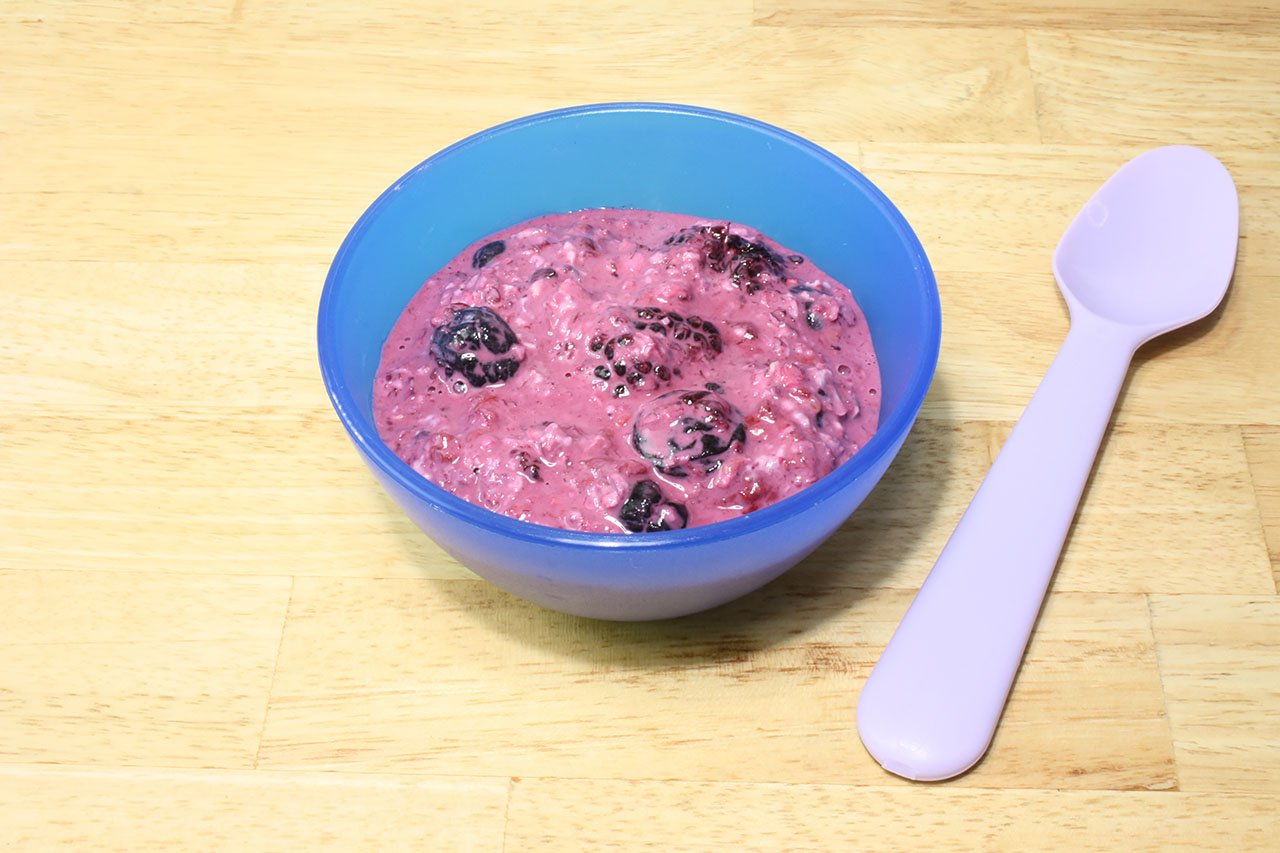
- – Breakfast: oatmeal with water or 1% milk; berries; a small measured handful of nuts if it fits your calorie plan.
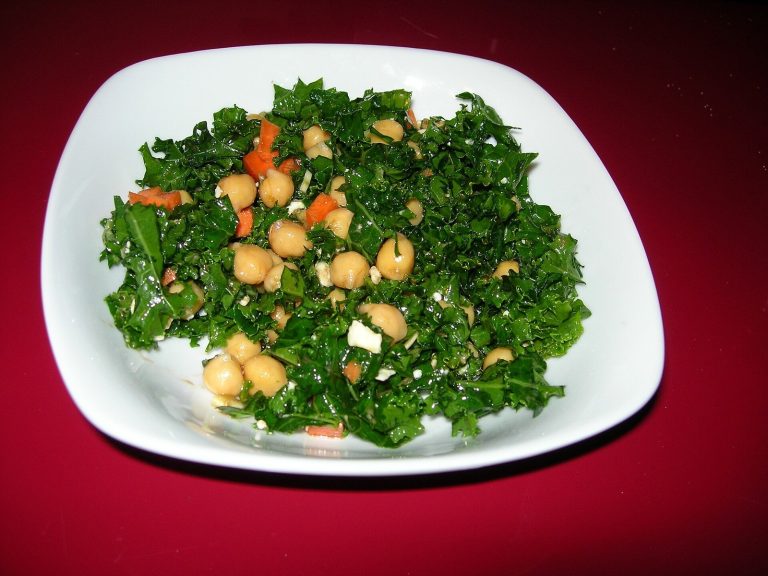
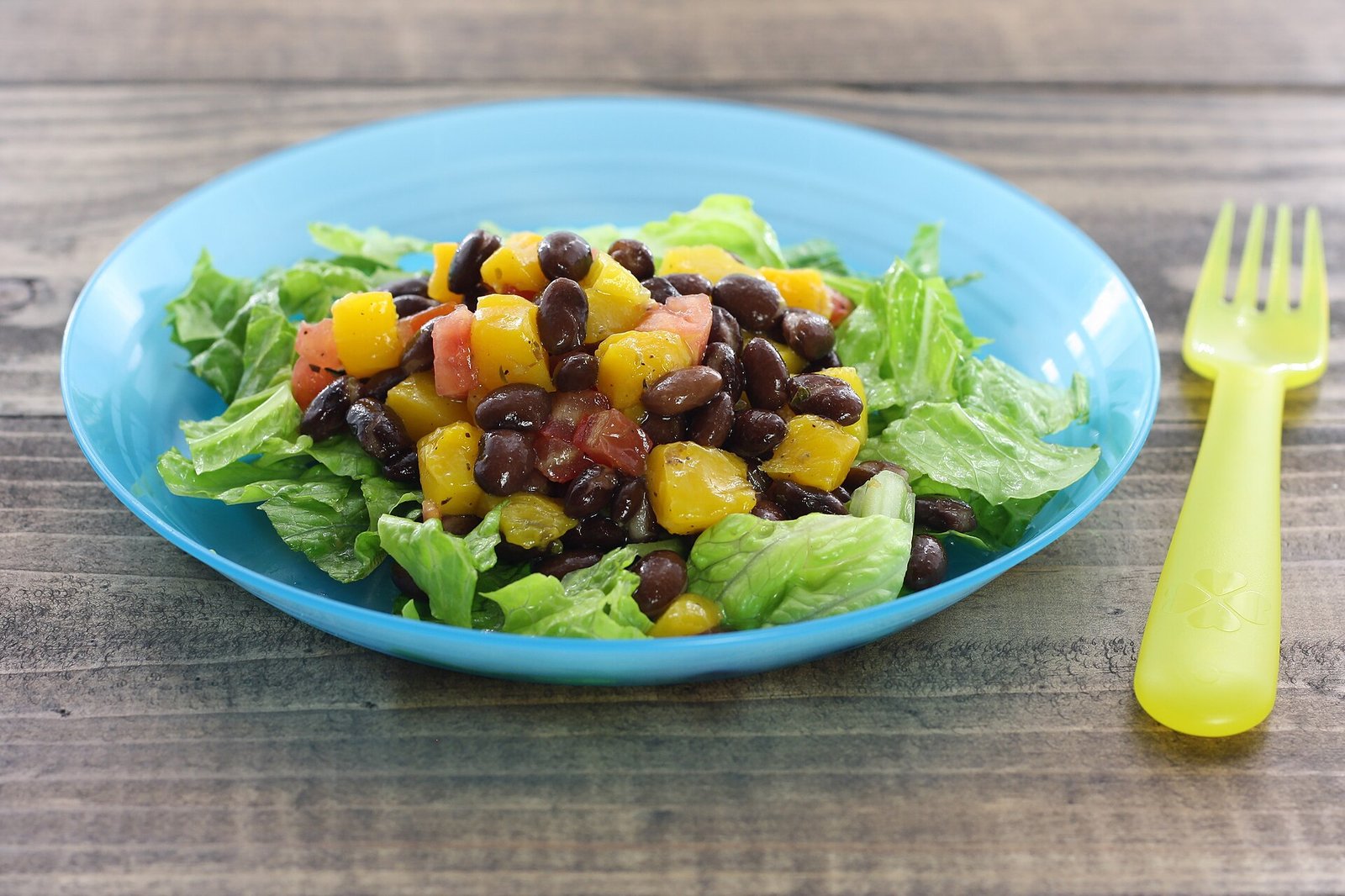
- – Lunch: a grain bowl or salad with lentils or tuna packed in water, plenty of vegetables, and a vinaigrette.
- – Snack: fruit or carrot sticks; water or unsweetened tea.
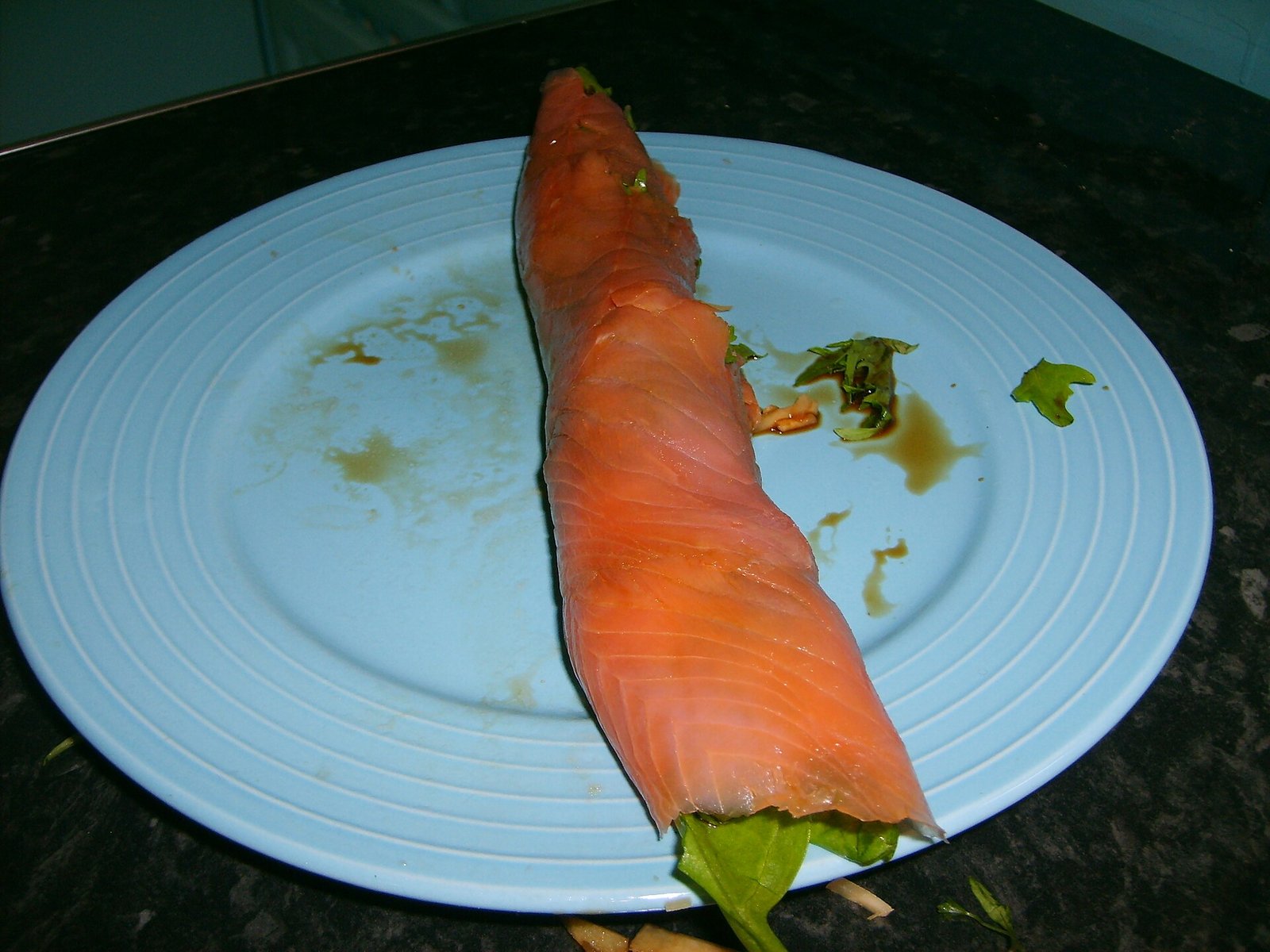
- – Dinner: baked salmon or tofu, roasted vegetables, brown rice; fruit instead of ice cream most nights.
4. Label-reading checklist
Read saturated fat grams and the ingredients list for hydrogenated or partially hydrogenated oils. NHLBI says adults and children over 14 should eat less than 2,300 mg of sodium a day, unless your clinician set a lower target. Check added sugars on drinks and desserts.
5. If heart disease is already present
FH raises the risk of early heart attack. Mayo Clinic: heart attacks may occur before age 50 in men and age 60 in women. CDC: if untreated, heart attacks happen in 50% of men with FH by age 50 and 30% of women by age 60. Kitchen changes still sit beside cardiology care. See diet after heart attack guide and diet after CABG bypass surgery guide if those situations apply.
Safety, interactions, and who should ask a clinician first
- – Chest pain or pressure, sudden shortness of breath, or stroke-like symptoms: emergency care, not a diet experiment.
- – Homozygous FH, very high LDL (including values over 500 mg/dL), or a child with possible FH: specialist care; some people need apheresis or, rarely, liver transplant (Mayo Clinic; NHLBI).
- – Already on a statin, ezetimibe, PCSK9 inhibitor, or bile-acid sequestrant: do not stop medicines because you started oatmeal. NHLBI notes bile-acid sequestrants can make some other medicines less effective and may raise triglycerides.
- – Pregnancy, or a plan to become pregnant: review lipid medicines before changing them.
- – Diabetes, high blood pressure, or kidney disease: sodium and calorie targets may differ from a generic heart-healthy sheet.
FAQ
Can a Mediterranean-style or DASH-style kitchen replace my statin if I have FH? No. CDC says healthy eating is important but often not enough, and medicines such as statins are needed. NHLBI still encourages TLC or DASH-style patterns with medicines.
What should I limit first at the grocery store? Saturated fats, trans fats, foods with hydrogenated oils, fatty meats, butter and tropical oils, sugary drinks, and highly processed baked goods (CDC; NHLBI; MedlinePlus). Build the cart around vegetables, fruit, whole grains, beans, fish, and low-fat or fat-free dairy.
Does losing weight treat familial hypercholesterolemia? No. Weight loss may help cholesterol numbers in people with overweight or obesity (NHLBI; Mayo Clinic), but FH is a genetic LDL-clearance problem. Lifestyle does not replace indicated medicines.
Should my relatives change their diet too? If one parent has FH, Mayo Clinic says each child has a 50% chance of inheriting it. CDC and Mayo Clinic recommend checking first-degree relatives. A heart-healthy family kitchen can help everyone, but relatives still need their own cholesterol testing.
How this differs from related OTCFood topics
This page is a familial hypercholesterolemia-bound diet guide focused on heart-healthy eating that sits beside medicines, family screening, and very high inherited LDL levels. It is not a general high-cholesterol page for people without FH, not a post-heart-attack recovery protocol, and not a guide to stopping statins. For non-FH lipid patterns, see high cholesterol diet guide and hyperlipidemia diet guide. For artery-disease context, see atherosclerosis diet guide and coronary artery disease diet guide.
Medical disclaimer
Medical disclaimer: This article is for general information only. It is not medical advice, diagnosis, or a treatment plan. FH care depends on your LDL level, family history, age, other conditions, and your clinician’s judgment. Talk with a clinician or registered dietitian before changing any eating plan, supplement, or medicine. Seek urgent care for chest pain, sudden shortness of breath, or signs of stroke.